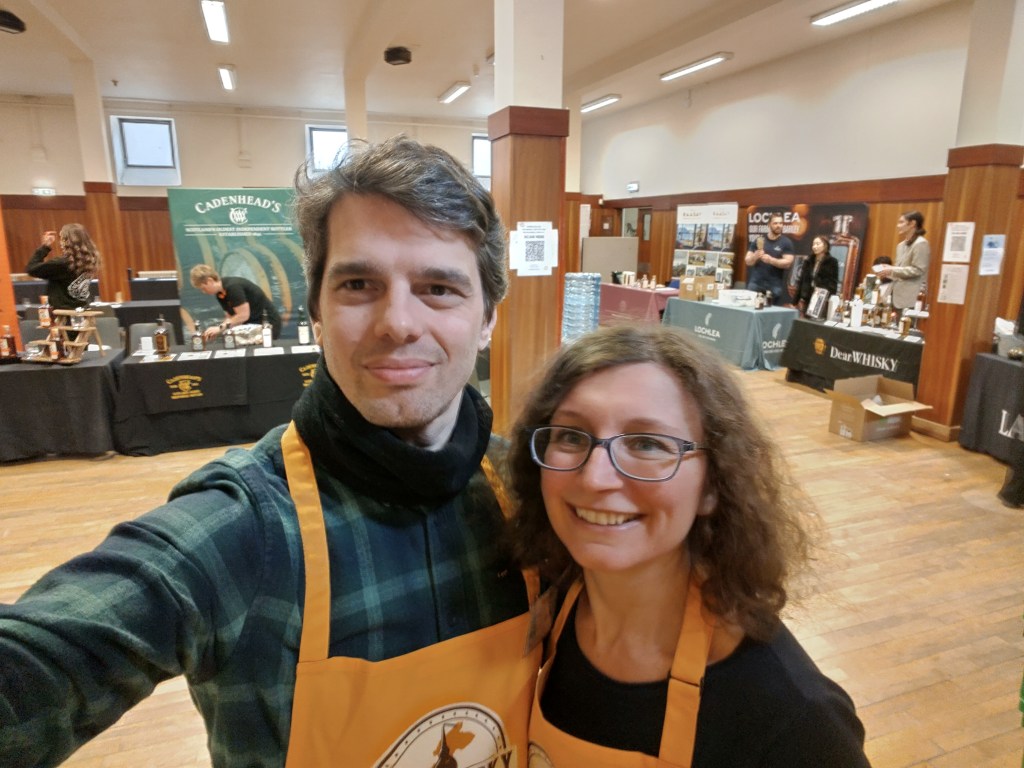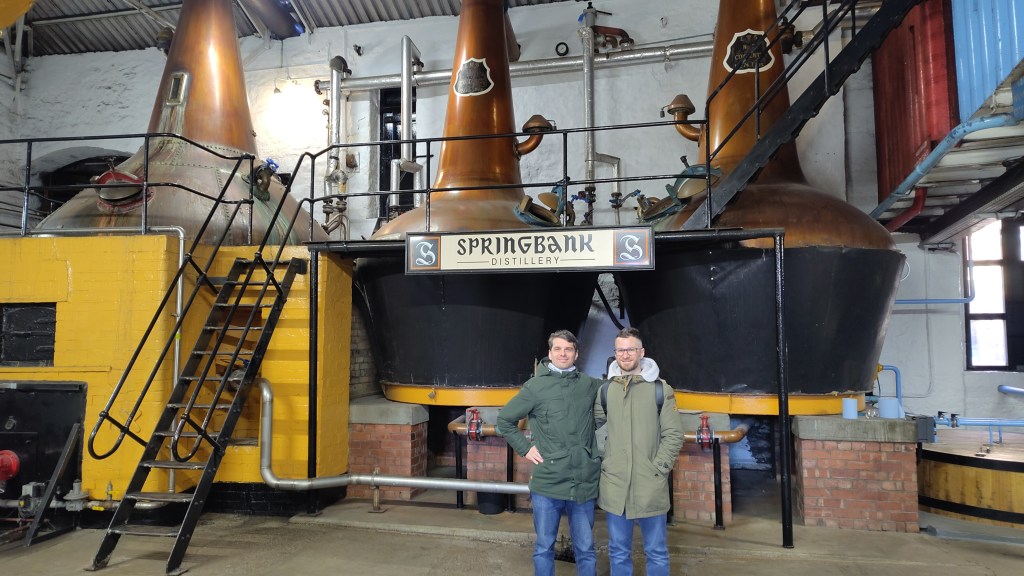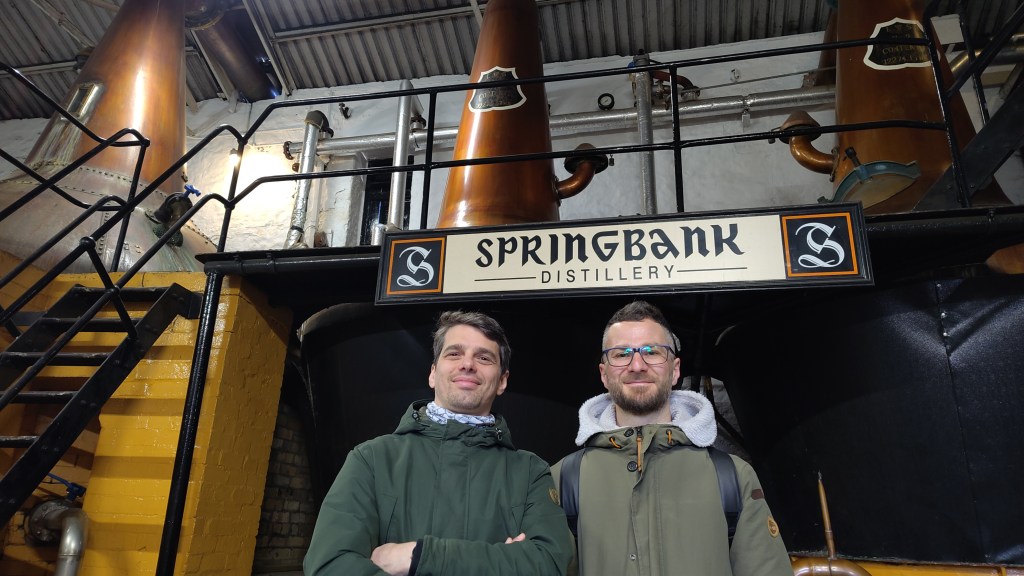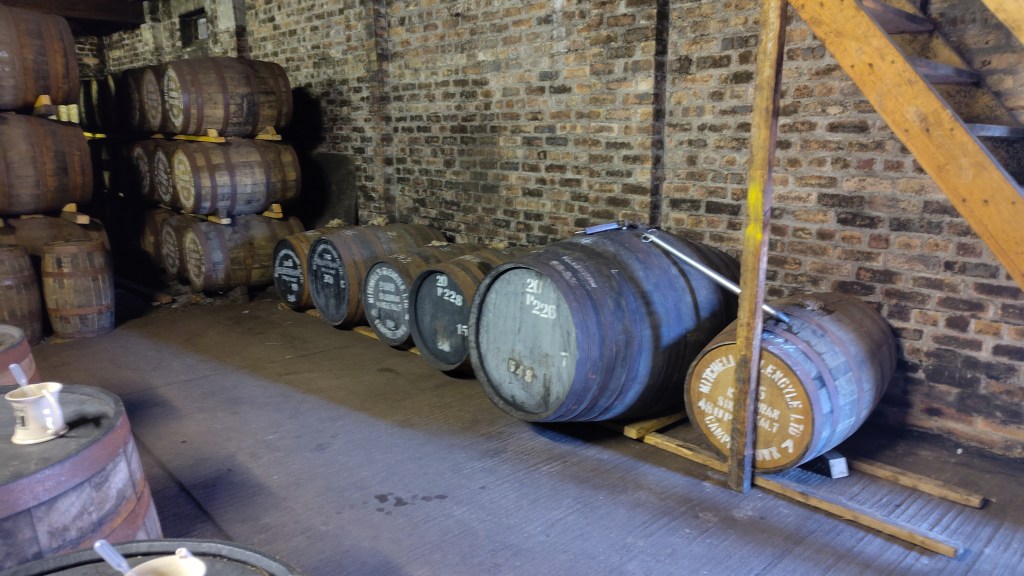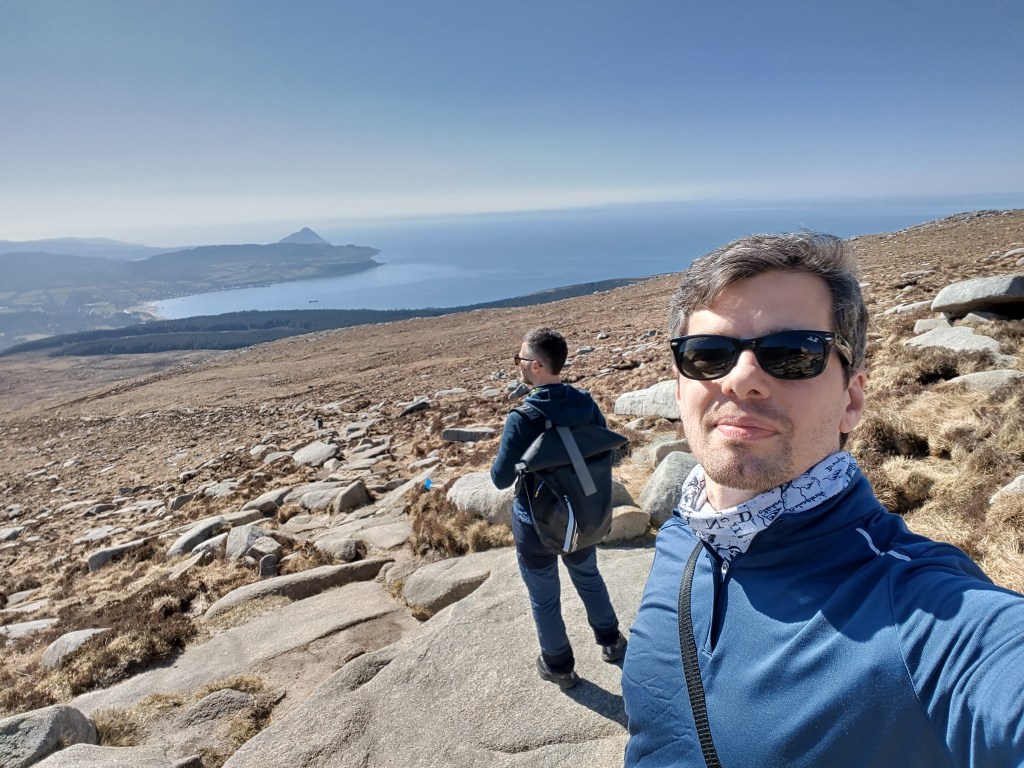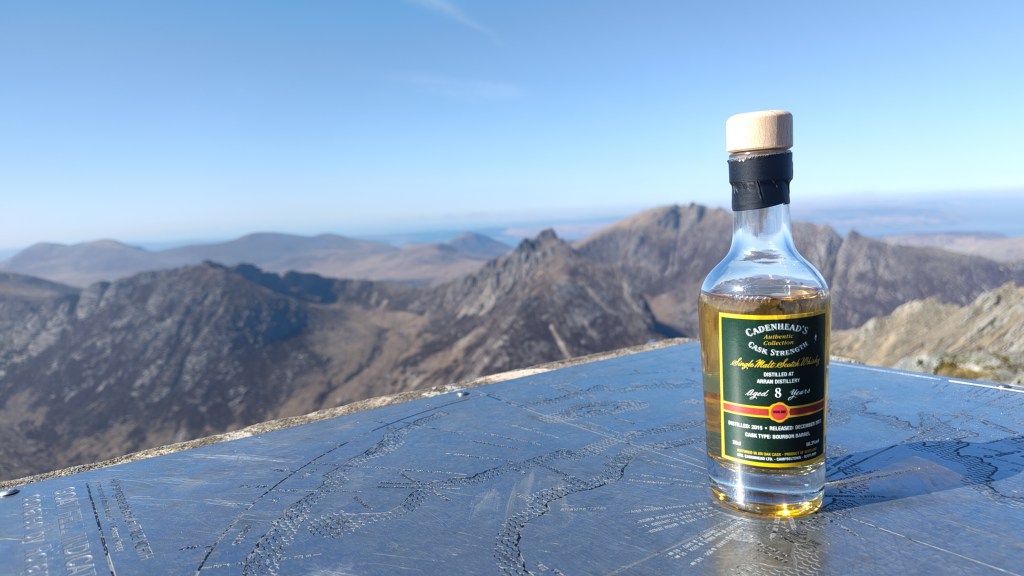
#74.6 The Springbank Whisky School

Everything comes to an end
(day 5, Friday, and epilogue)


TL; DR: The final day at the whisky school was Teresa’s birthday and exam day: an open-book test marked by Findlay Ross himself, followed by awards from the distillery manager Gavin and a celebratory lunch in the Washback Bar. The post wraps up with our reflections on the experience: a unique, hands-on look at an old-school distillery, with great people. 

(missed Part 5/Part 4/Part 3/Part 2/Part 1?)

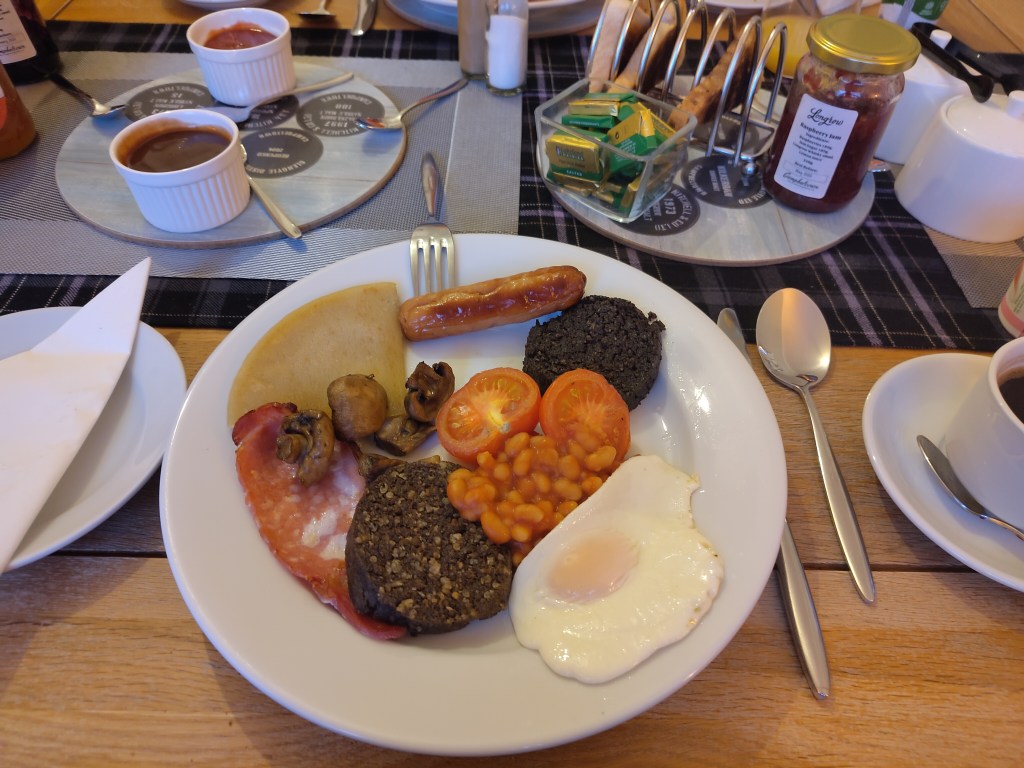
The very last day, Friday, was Teresaโ€™s birthday! (And yes, there was a cake involved thanks to Marie) Different to the previous days, we had a late (full Scottish) breakfast (8am instead of 7am), then cleared our room by 10am and showed up at the distillery for the exam at 10.30. It was an open book exam, so not too difficult, and Findlay Ross himself came to mark our tests. Obviously, we took the chance to ask him some nerdy questions. On reflection, itโ€™s a shame that a Q&A with him was not included in the overall experience, that would have been uber-nerdy! But we can also see the challenges in doing it given how busy he must be.

Anyway, everyone scored more or less close to the maximum (including those who didnโ€™t read some questions in full, lol) so after that, we headed to the Washback Bar and got our awards from the distillery manager Gavin (wonder if we can write that on our Linkedin profileโ€ฆ), together with the self-blended bottles. Teresa got an extra 20cl bottle of her choice for winning the Scholar of the Week award, โ€œfor her determination in rolling the casksโ€. She also got a dram from our good pal Aly, who was there waiting for the next tour. Not a bad birthday!
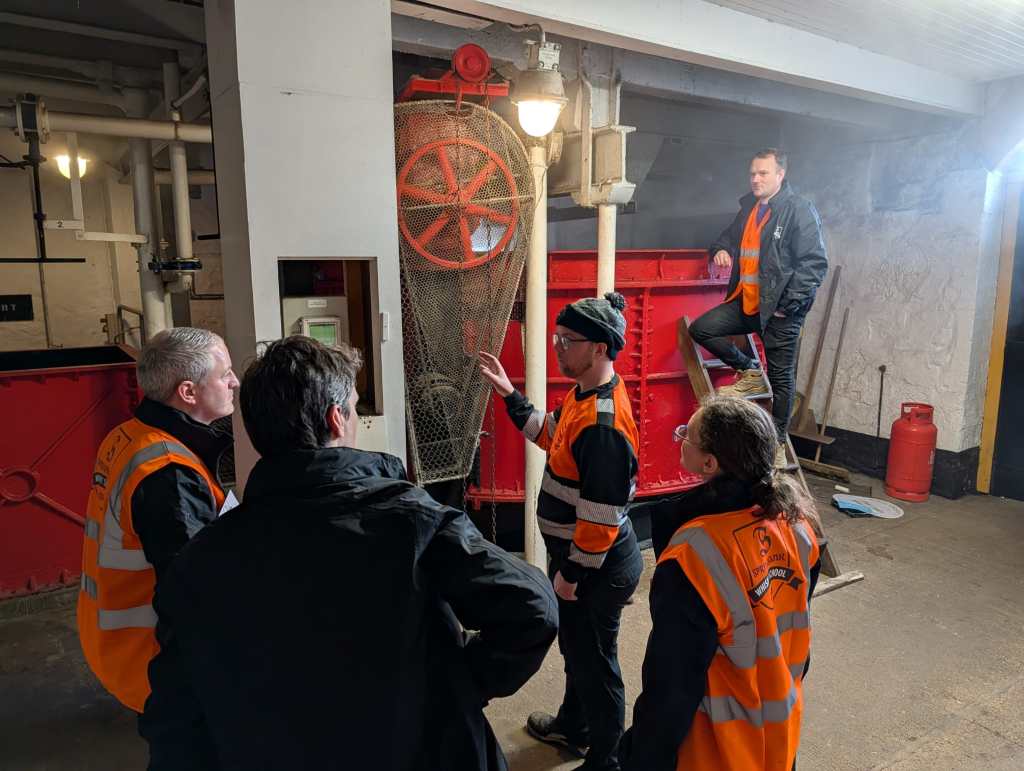
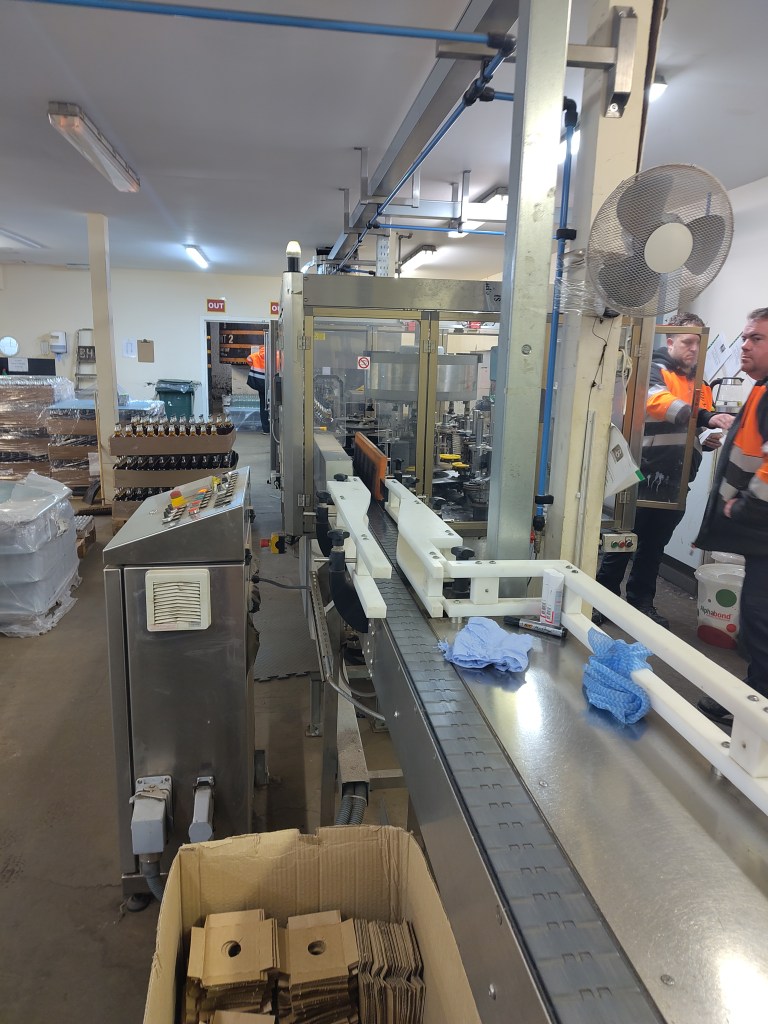
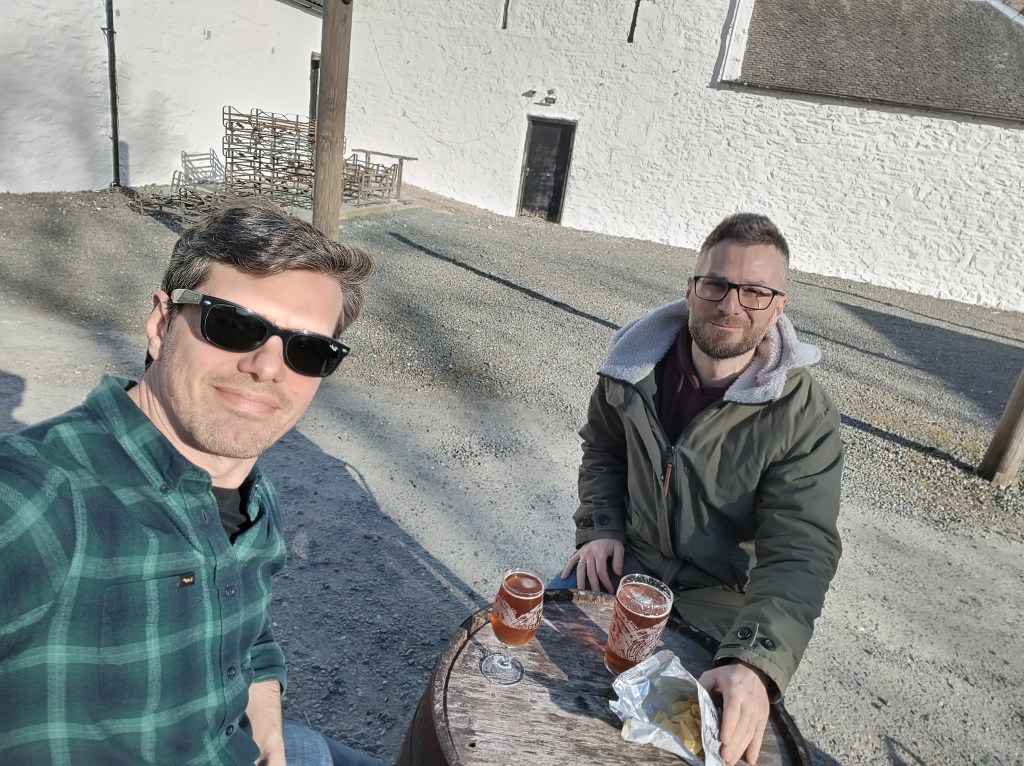
We had lunch all together with Gavin, a cold platter with three types of salmon, cheese, oatcakes and other bites (thanks again Donald for the tasty haggis mini-rolls!). Another nice touch, they gave us the list of available cage bottles, and if we could buy up to two per person, avoiding the usual scrum in the morning before the shop opened. We werenโ€™t greedy, so we just picked up one each: a Longrow and a Springbank. Actually, we got a third one for Gianluigiโ€™s brother, who always appreciates some cage juice! After a wonder in the bottling hall (where the equipment was getting moved to the new building) and a couple of extra drams kindly poured by Chris, we got a goodbye pint with the others at Feathers before leaving the Wee Toon, feeling grateful but also a bit sad.
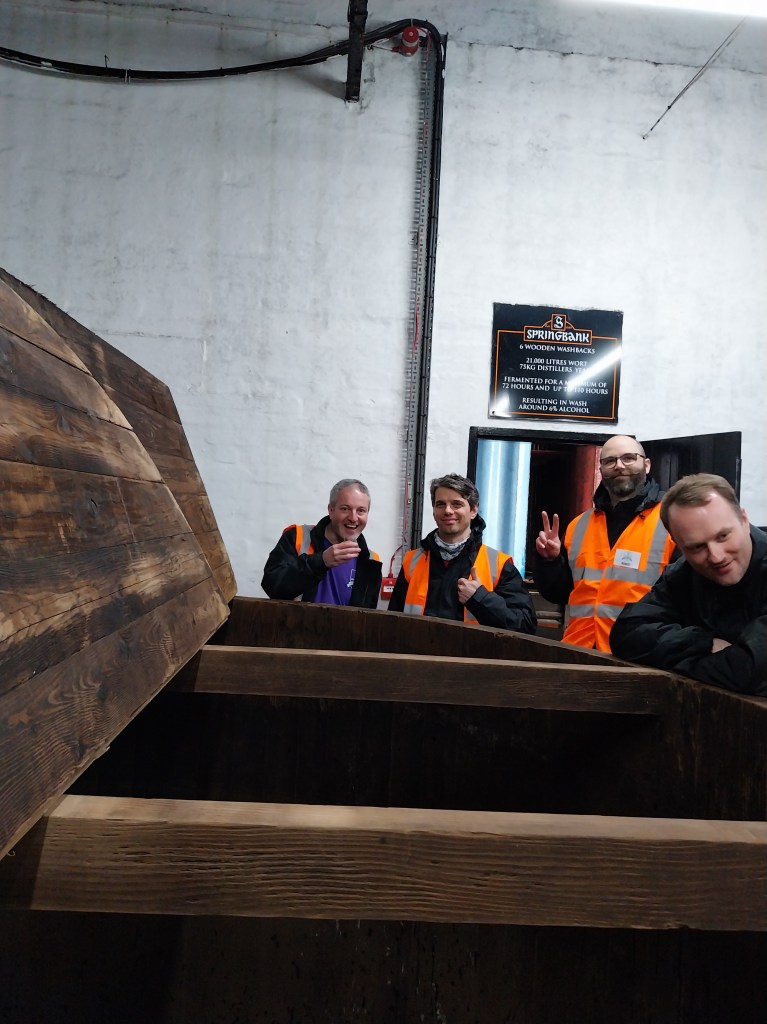
What. A. Week. That. Was. We are wrapping the write-up of the whisky school a couple of months after the fact, after some other trips to London, Orkney and Speyside. Importantly, we had time to reflect on what we did and how this experience fits in the context of our whisky experience and knowledge (avoiding hard to use the word โ€œjourneyโ€ here, eww!) and of whisky hospitality more generally. Based on our experience up to now, it is going to be hard to match the Springbank Whisky School.
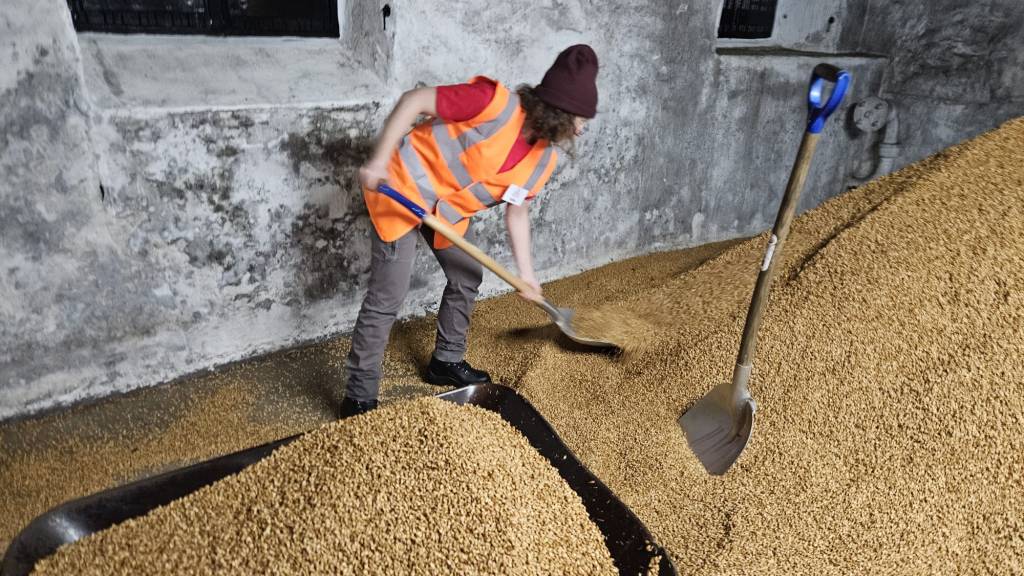
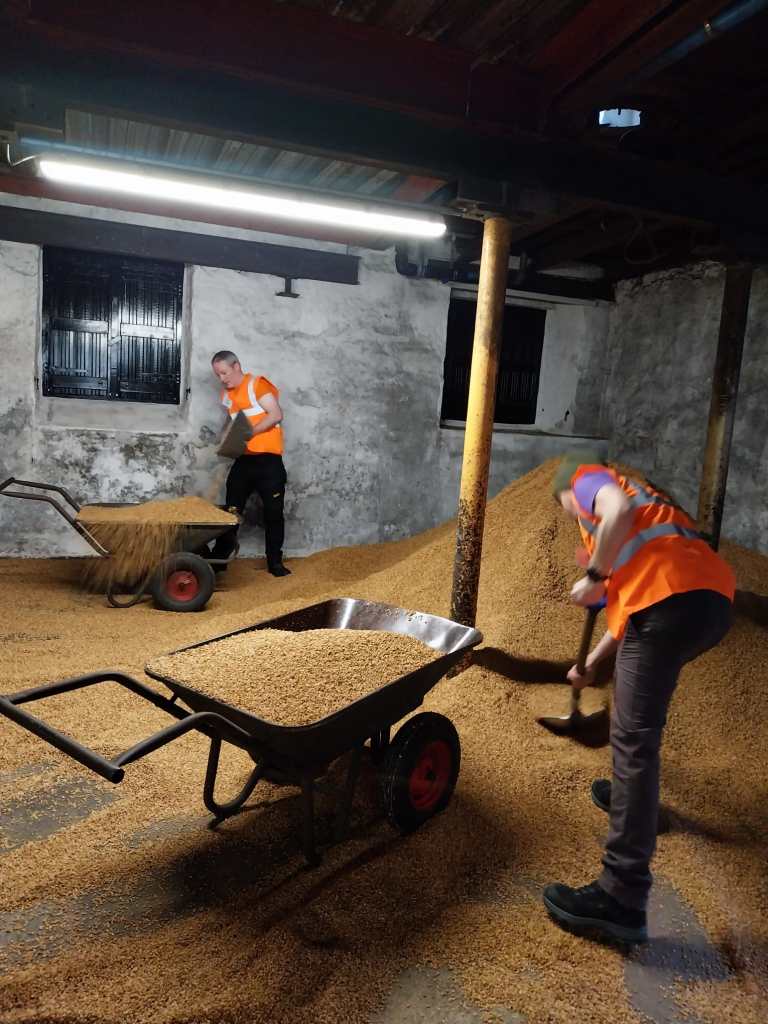
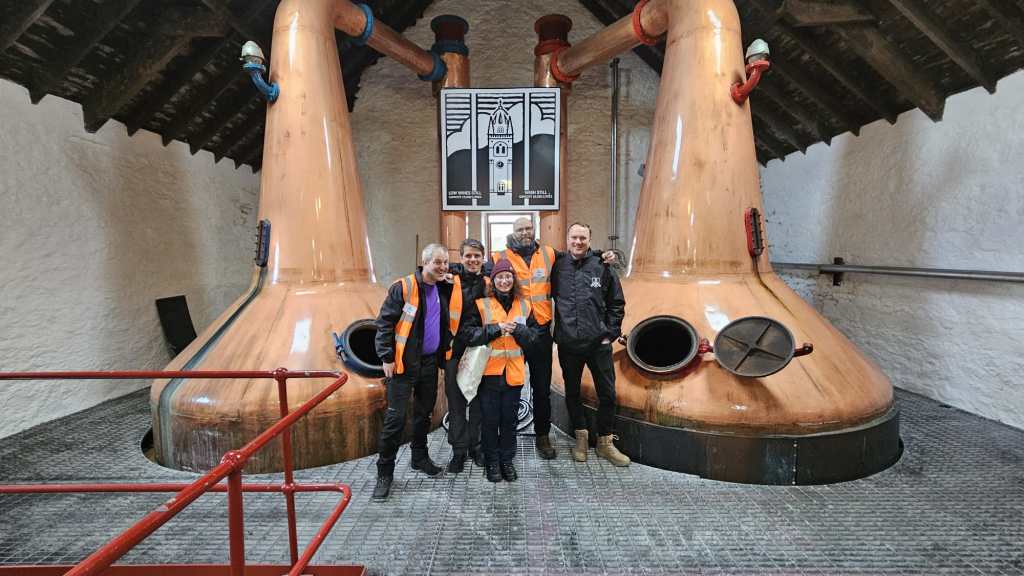
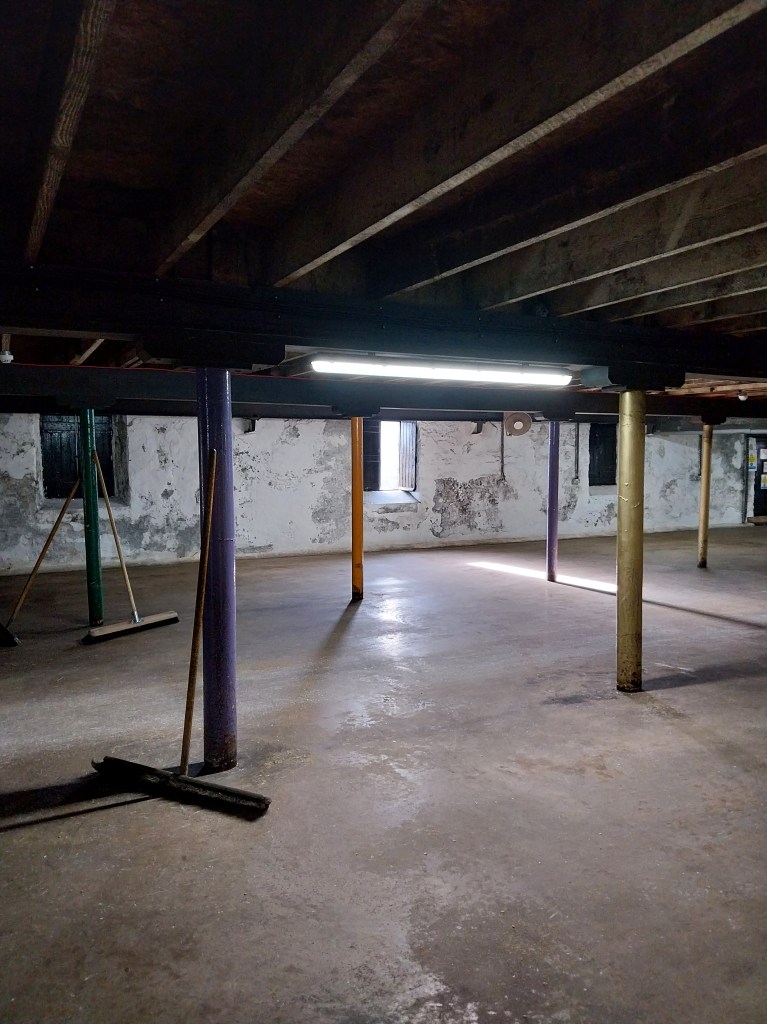
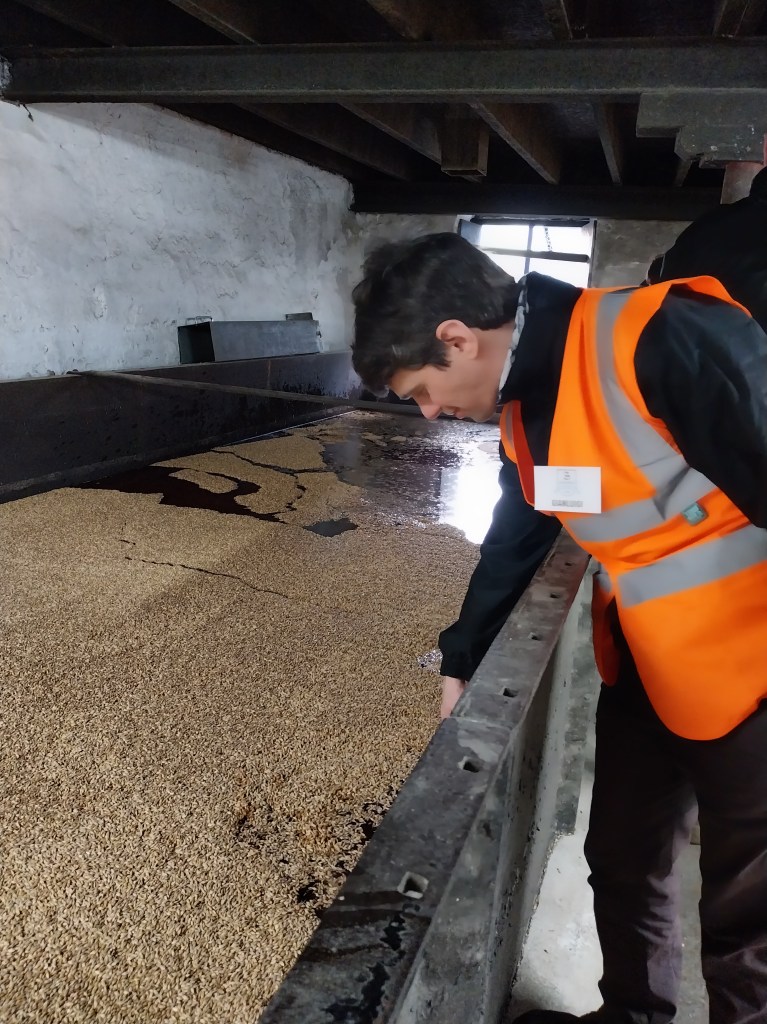
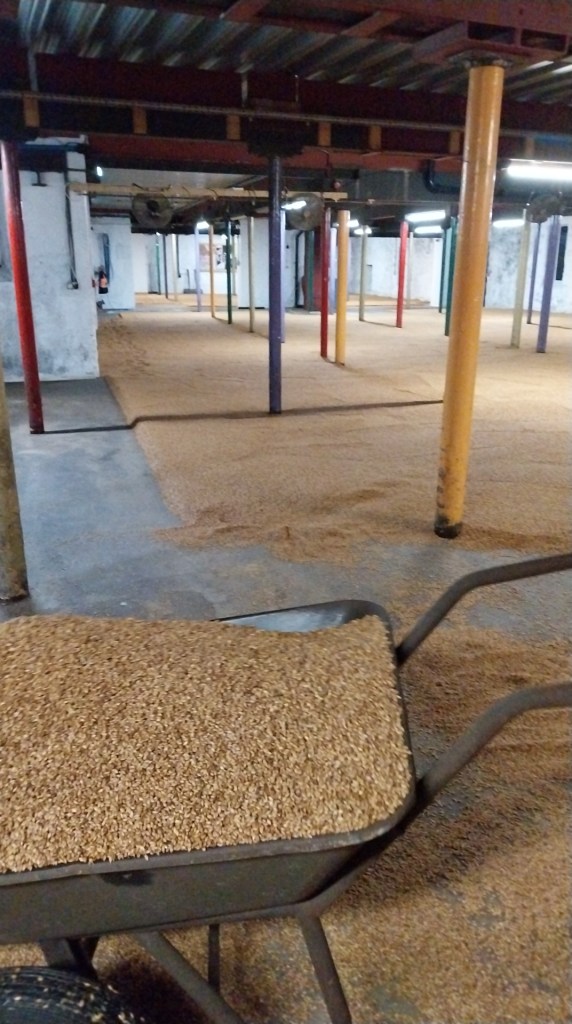
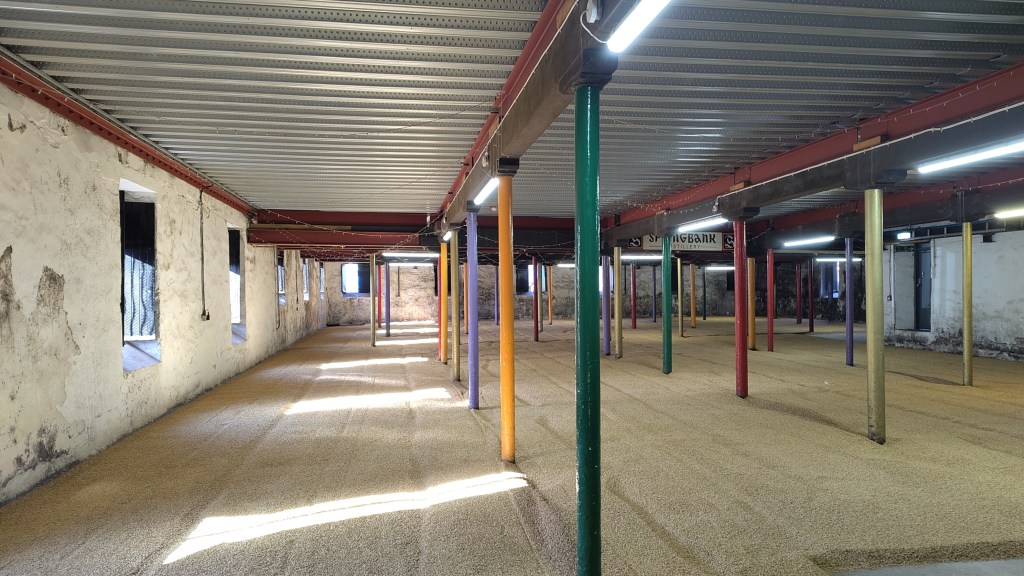
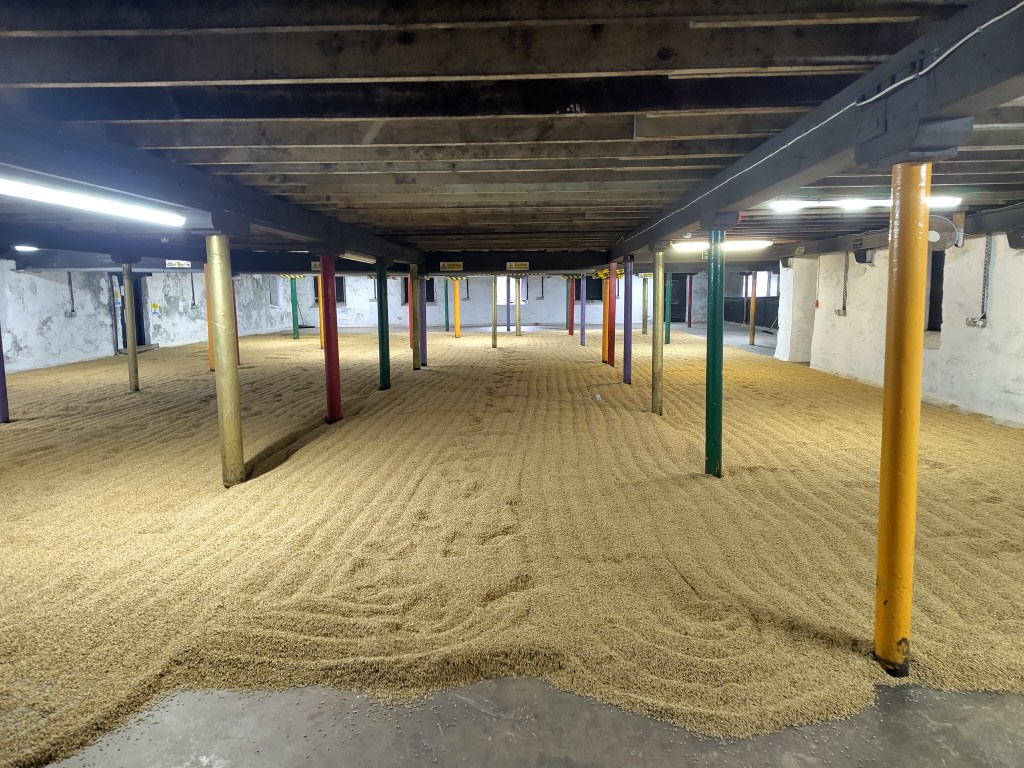
The malting floor was a highlight…

First, it is a unique learning experience. We could see first hand how the distillery day-to-day operation looks like, with its challenges and peculiarities, the fast-paced moments and the slower ones. Many distilleries are fully or partially automated, where operators can stop everything from a computer keyboard. Definitely not the case for Springbankโ€™s (or Glengyle), where we felt that the almost 200-year history still contributes to what is produced now, and to what will be made by future generations. Also, one week of intensive learning and โ€œlivingโ€ a distillery is not the same as visiting a place more than once โ€“ we got a lot of knowledge from our many distillery tours and tastings, but itโ€™s only during this week that we understood and appreciated certain nuances of whisky making (please donโ€™t take it as we now feel we know everything, quite the opposite if anything).
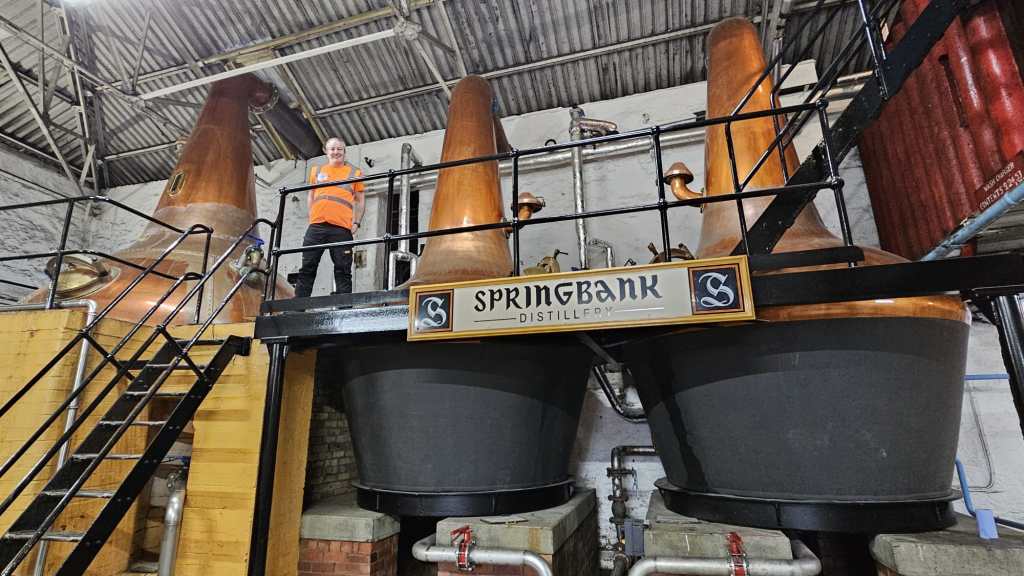
Second, we think that there is no other place like Springbank. We donโ€™t want to sound too cheesy, but in a world where the most important thing seems to be shareholdersโ€™ returns, they decided to keep their own pace, and not to overstretch or up their prices by taking advantage of the pandemic frenzy that hit the world of whisky. Instead, contrary to many, theyโ€™re playing the long game. Yes, they almost doubled production around 2018 (before that, they were alternating malting and production), but they didnโ€™t go crazy like other companies trying to add X million-litre-per-annum capacity, only to mothball other distilleries sometime later, with the consequent loss of jobs in often rural areas. Providing over 100 jobs in a remote place like Campbeltown is one of their prides, and it should be. So, for us, touching that reality for a week was really special and difficult to replicate, let alone that not all companies would allow a half-dozen geeks to roam around production for 20 weeks a year (for a price, more on that later).
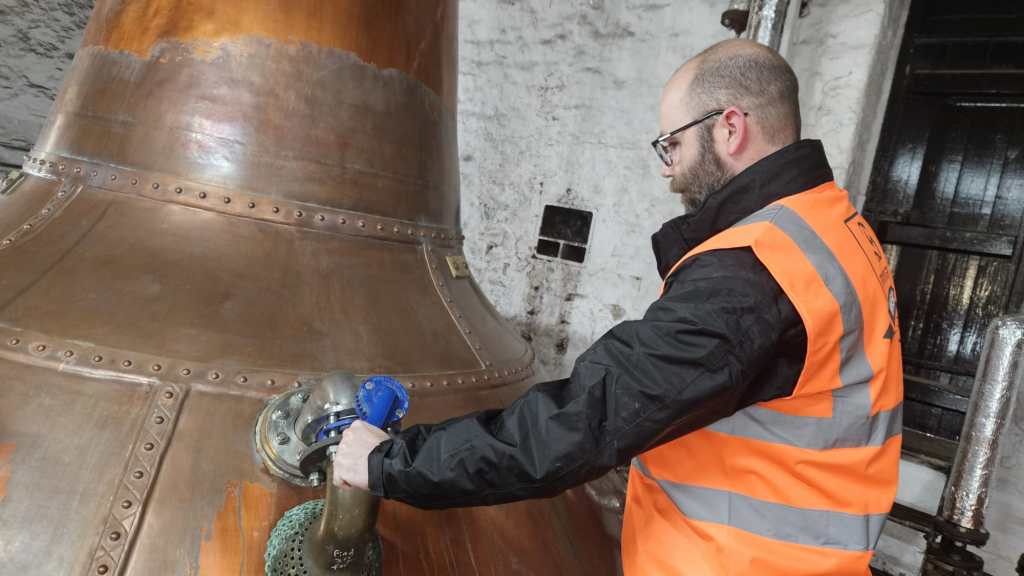
Third, but not less important, the people we met, both the other โ€œstudentsโ€ and the staff. Itโ€™s easy to bond with people sharing the same enthusiasm for whisky as you, so somehow we expected (and hoped) to get along with the other students, but we also couldnโ€™t exclude the possibility of meeting absolute jerks or simply someone we wouldnโ€™t connect with. We were lucky to spend the week with very nice and fun guys like Graham, Robert and Stephen, and hopefully weโ€™ll reunite as a group at some point (at a future Campbeltown malt festival maybe?). As for the staff, their patience dealing with us and their efforts to make sure we got the most out of the time with them were genuinely impressive. We were most likely an impediment to their work more than anything else but still, everybody made us feel welcome, and it was great to hear peopleโ€™s stories (for example, in shocking news to us, it turns out that many of the staff donโ€™t like whisky). 

So now, the elephant in the room: it is a very expensive experience, or at least, that was how we felt at over two grands per person. Something we really appreciated, though, was Springbank management not trying to sell it as an โ€œultimate luxuryโ€, โ€œpremiumโ€ or whatever crap other companies are coming up with to try justifying their greediness, so to actively exclude whisky fans and tourists alike from visiting some distilleries (more rants coming on the blog soon probably). On the face of it, it did feel a bit overpriced, but at the same time we think it must be complicated (aka costly) to comply with all the legal requirements (including insurance) that can make the school happenโ€ฆAnd let alone the time the staff take to show us around, explain processes and answer questions, plus the tastings and the tours, and the whole full-pension for a week. Also, as we said, we are not sure how much we really helped, except Teresa with her cask rolling determination, of course! Obviously, it is not like a tour you would do every year, and probably not even every other or so. For us, it was more of a lifetime experience, a gift to ourselves, and it really was a great one!
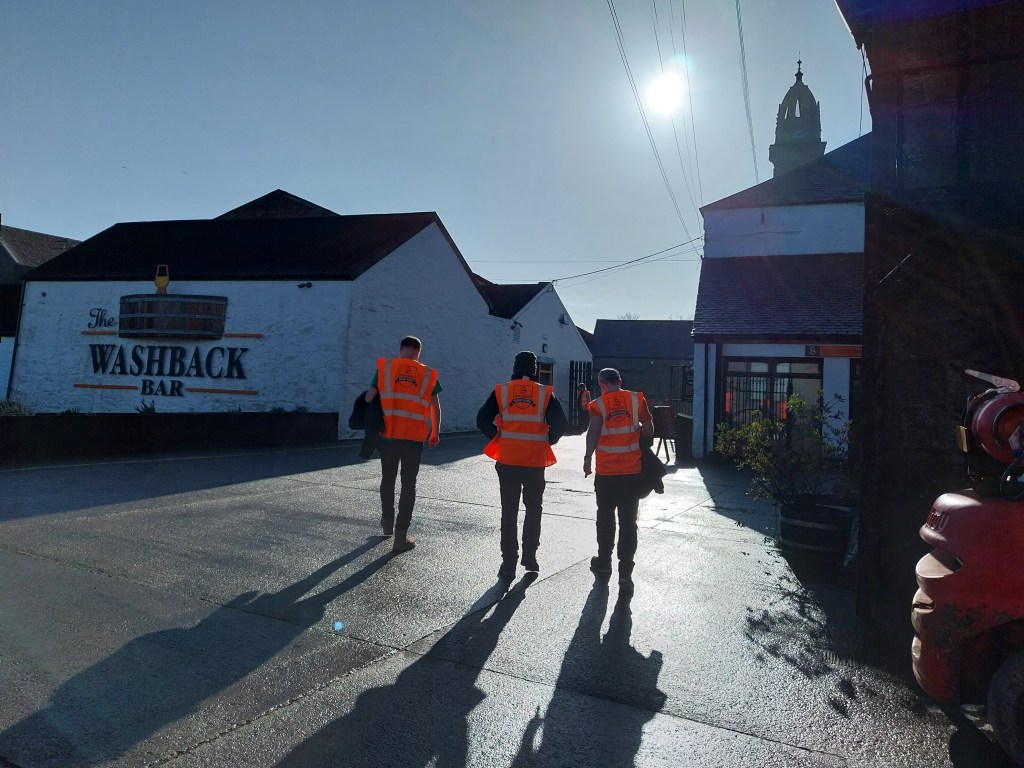
So, here the important questions: in hindsight, would we still do it? Absolutely! Would we recommend it? If youโ€™re a whisky enthusiast, and can spare enough time and money, definitely! Would we repeat it? Probably not, but maybe in a couple of decades (when enough changes might accumulate). Something we would do at some point, maybe for a special occasion, is the Barley to Bottle tour, which includes some of the fun activities of the school (an in-depth tour, the warehouse tasting and the blending session) and lasts five hours โ€œonlyโ€. One of the many things we like about Springbank is that they offer a wide range of experiences, with tour prices starting from as little as ยฃ12 up to a lot: there really is something for everyone, from the casual tourist to the experienced whisky geek. And by attending any of these experiences, you will only increase the appreciation for their work!

That was a long one, we hope you enjoyed it! Next time something lighter, or maybe a rant, stay tuned to know! Until then, slร inte!


Springbank Whisky School

Link: https://www.springbank.scot/whisky-school/
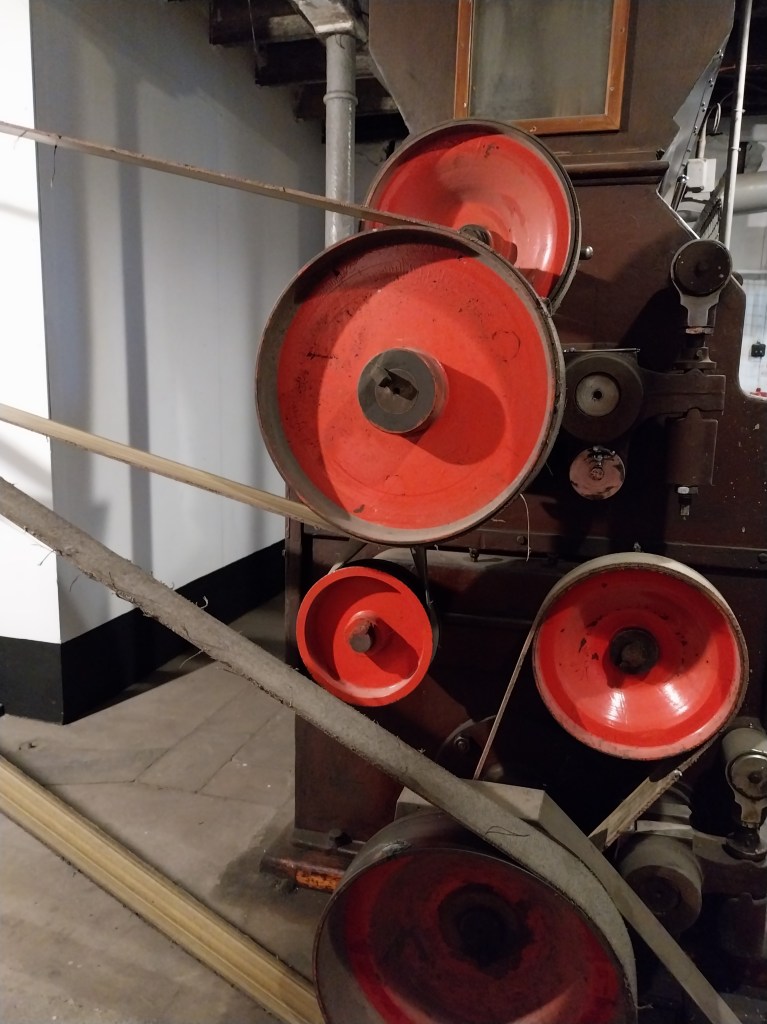

#74.5 The Springbank Whisky School

From production to
the blending lab
(day 4, Thursday)


TL; DR: Day four at whisky school was a busy one. We spent the morning in production – mashing, fermenting and distilling Longrow, plus chatting with the operators. The afternoon brought cask regauging in the warehouse, a tour of Glengyle distillery (where we had a stunning 20y triple-distilled dram), and finally a blend-your-own Springbank session. 

(missed Part 4/Part 3/Part 2/Part 1?)

We wonโ€™t lie, after the many drams we had on Wednesday, on Thursday morning we didnโ€™t wake up fresh as summer flowers. But weโ€™d seen worse, and it wasnโ€™t something that a good shower and a tasty breakfast couldnโ€™t fix: that morning we had pancakes with crispy bacon, another favourite of ours. It was the last โ€œworkingโ€ day of the whisky school, and we were eager as ever to learn as much as possible.

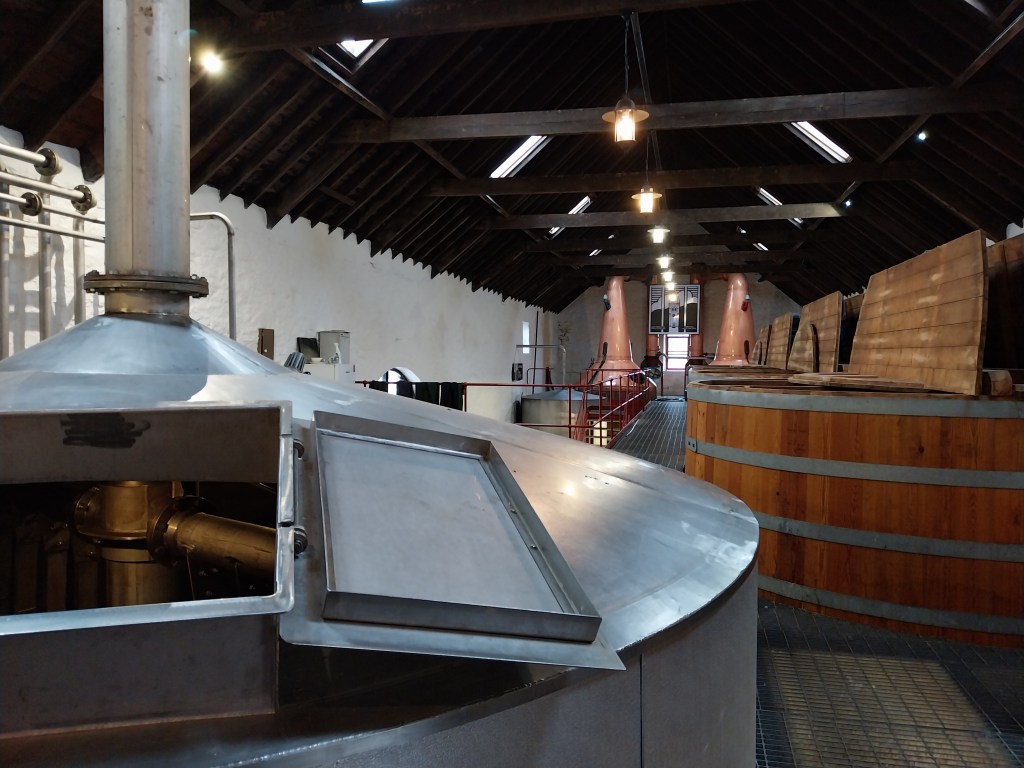
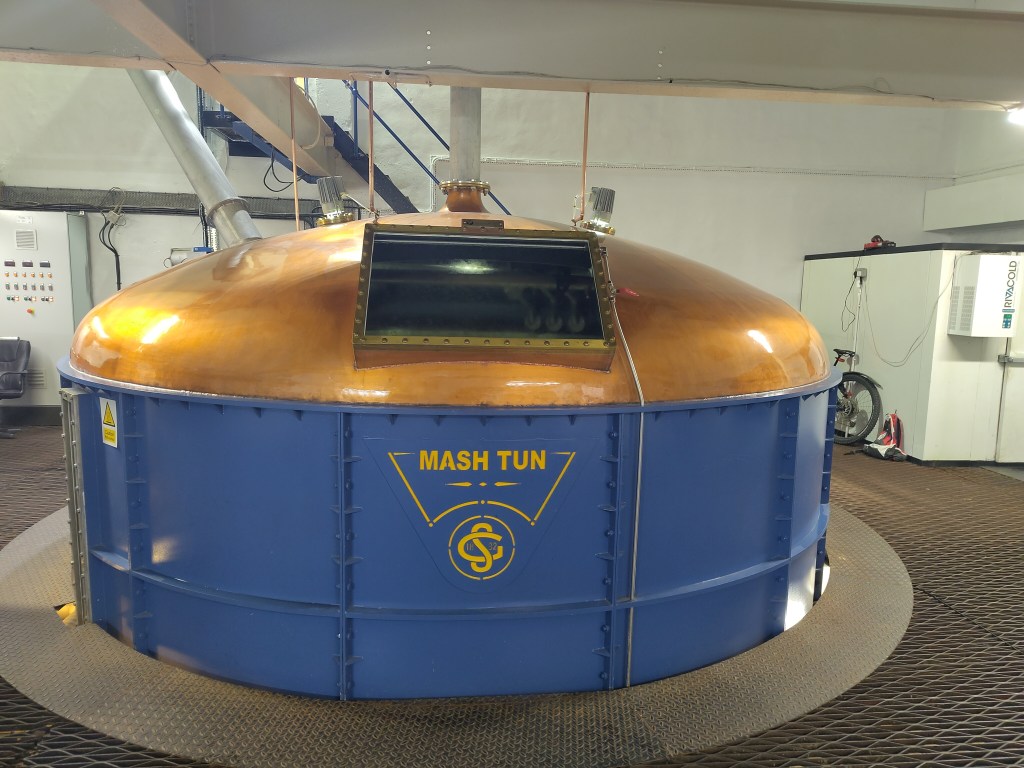
Our group (us and Graham) spent the morning in production – mashing, fermenting and distilling. The operators on shift are always two, and they run all three processes. Daniel showed us around and, to start with, he introduced us to the paraflow, an โ€œancientโ€ heat exchanger that had been there for decades, but still going strong (to a maintenance guy surprise, we heard).

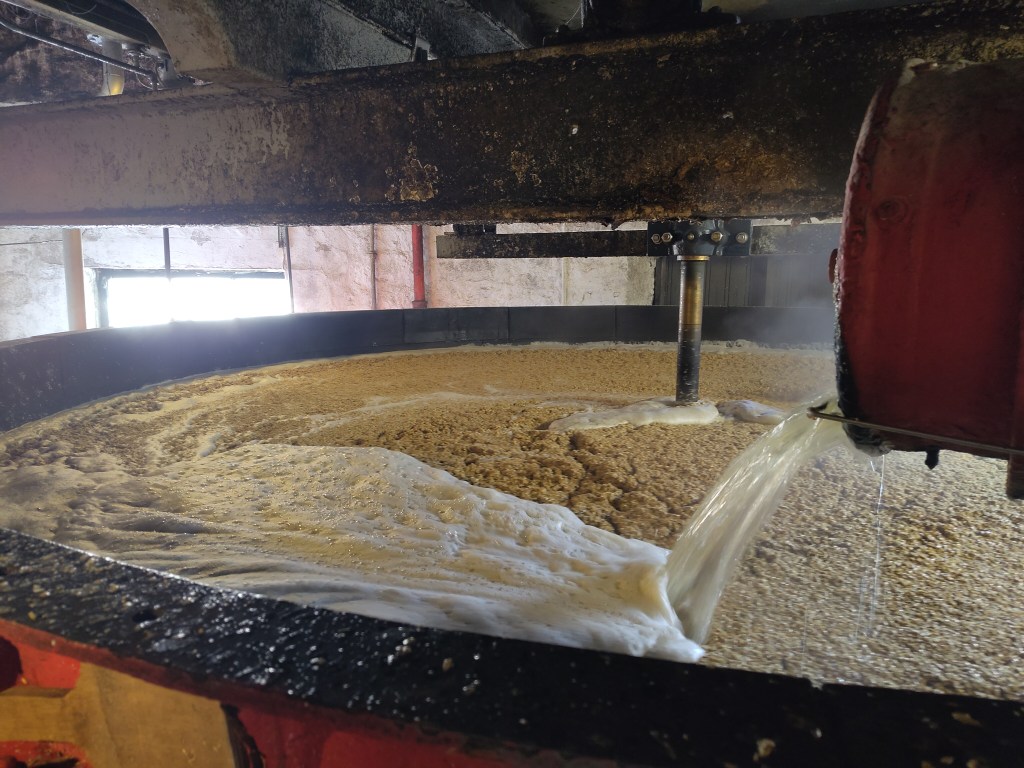
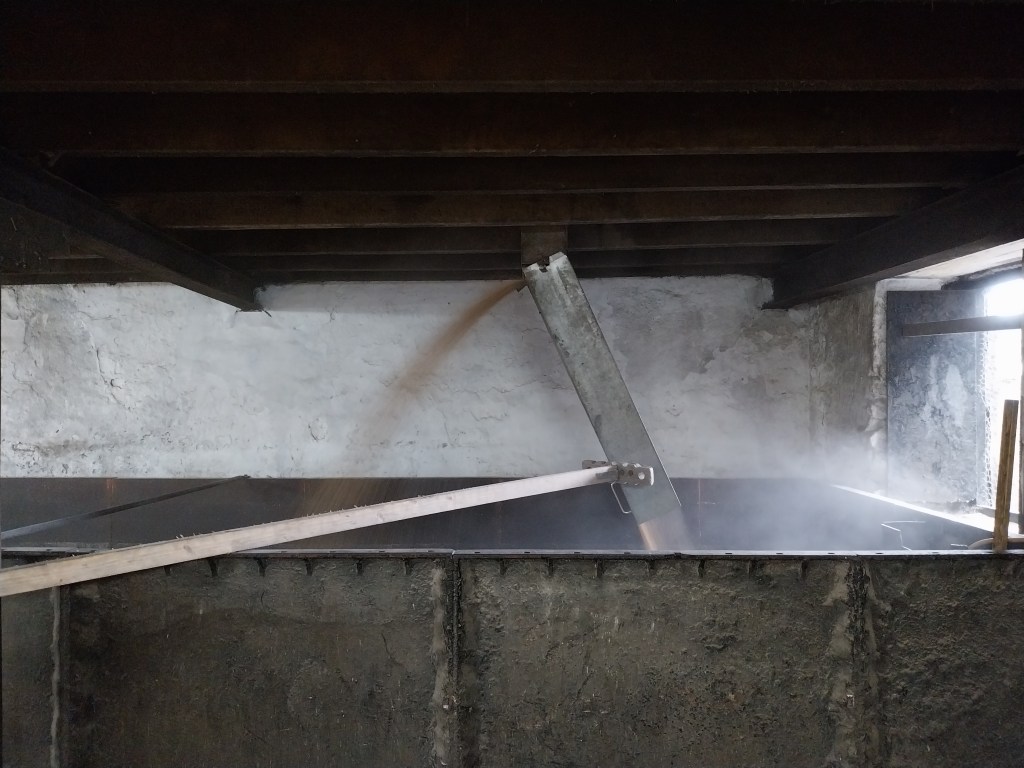
We also assisted the filling of a washback with wort, and we could throw in the yeast, which comes in 25kg bags (they use three per mash). Then, they steamed clean another washback, and after that the room was very foggy, like a steam room in a spa.

They rely on a combination of shorter (not really short, 72 hours) and longer fermentation (110 hours), depending on whether it goes through the weekend or not. The result is a wash about 6%abv strength, which is lower compared to most distilleries we visited: usually we are told between 8% and 10%. Probably this is due to the really manual, old-fashion production, which might carry some inefficiencies as Robert pointed out (he has a degree in brewing and distilling). However, it is most likely part of what gives Springbank its unique character, and to us it makes a lot of sense that management think it twice before deciding to change anything.

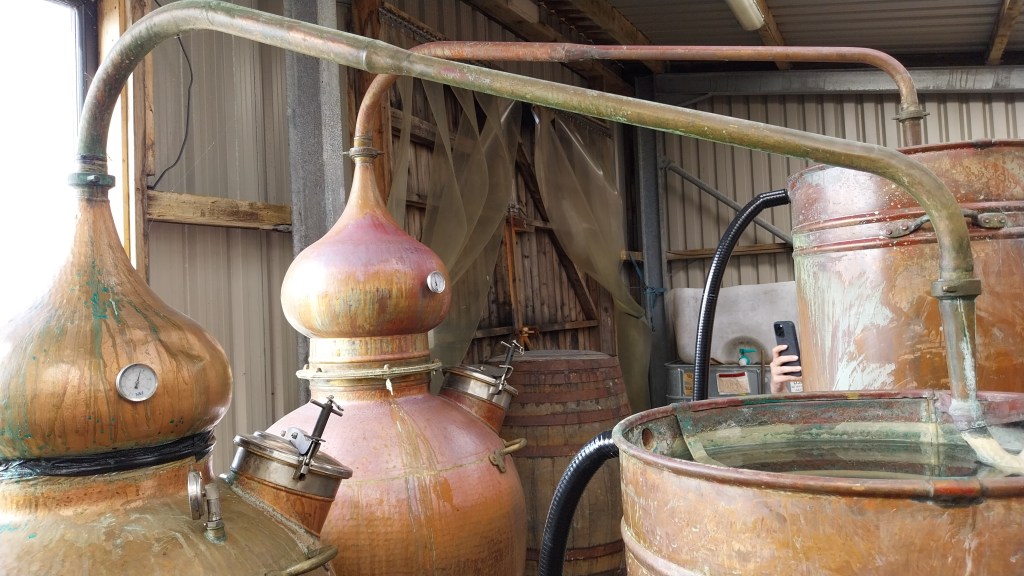
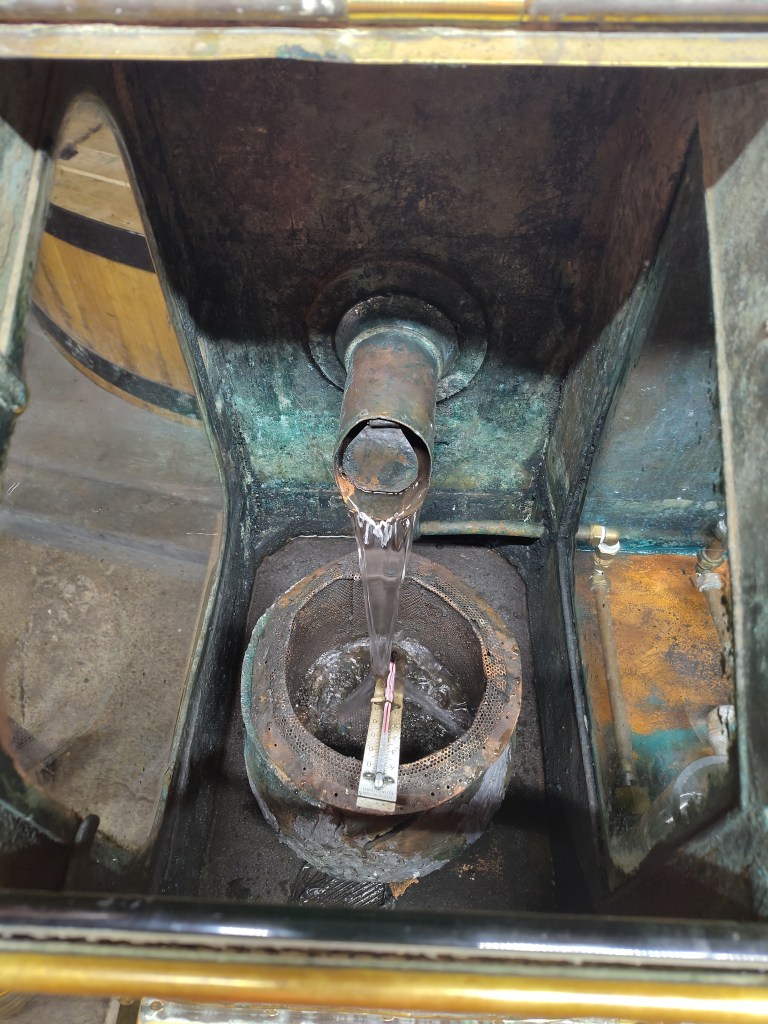
The operators also showed us how they take the alcohol strength reading during distillation, using the hydrometer and the thermometer – after years of experience, they know exactly when to start taking these readings. At that point, the wash still was running (the first distillation), so they told us to go back in the afternoon to possibly have a sip of the newmake spirit coming off the second distillation. That day they were producing Longrow newmake spirit, so a traditional Scottish double distillation. Longrowโ€™s second distillation usually happens in the last of the three stills, the one with the worm tub condenser, while the middle one has a shell-and-tube one and is used less often for Longrow. When they produce Hazelburn, the spirit is distilled three times and each still is used once, while when they distil Springbank, they go for 2.5 distillations, where part of the second distillation is redistilled in the third still (but itโ€™s a bit more complicated than that).

You can tell the morning was more about watching than working, so there was plenty of time for a chat with the staff. We talked about how some people come from abroad to apply for a job there, and how the distillery offers great job opportunities, especially in a rural area like Kintyre. The operators also shared some of the anecdotes from past terms of the whisky school, including some nasty but clumsy attempts to steal newmake from the safe and others that we wonโ€™t share to avoid spoilers (and possibly disappointment).

At noon we were back at the guesthouse for lunch, where Donald had prepared chicken pasta with garlic bread. As Italians, we are always wary when we get pasta, but we have to say that it was delicious.

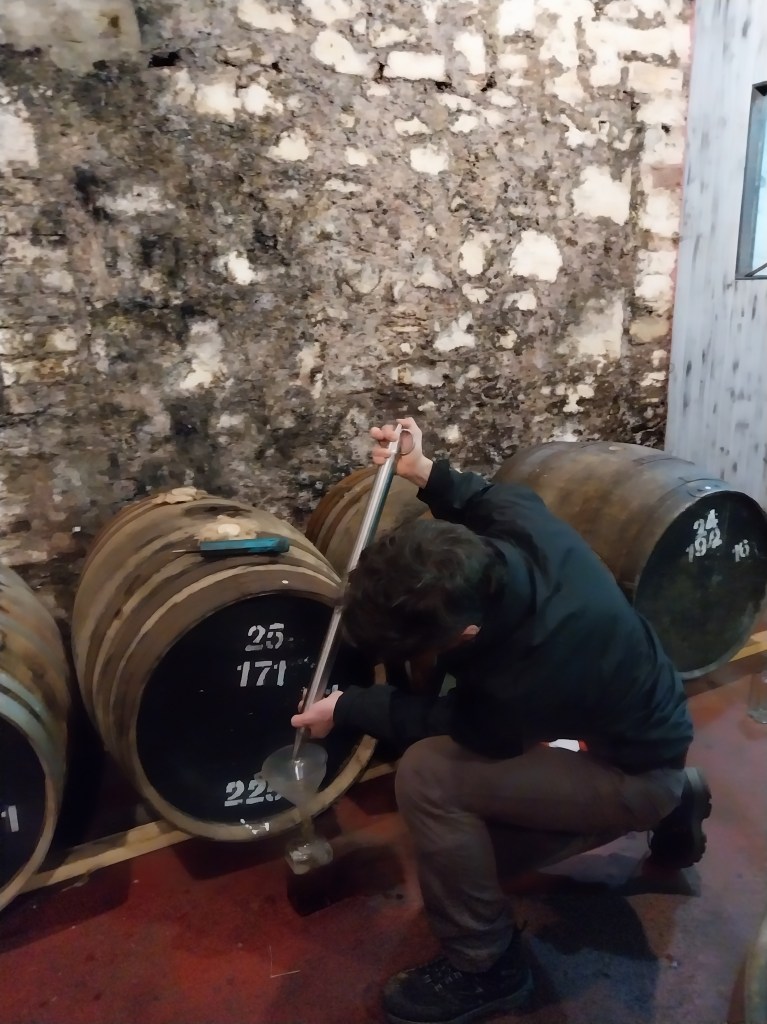
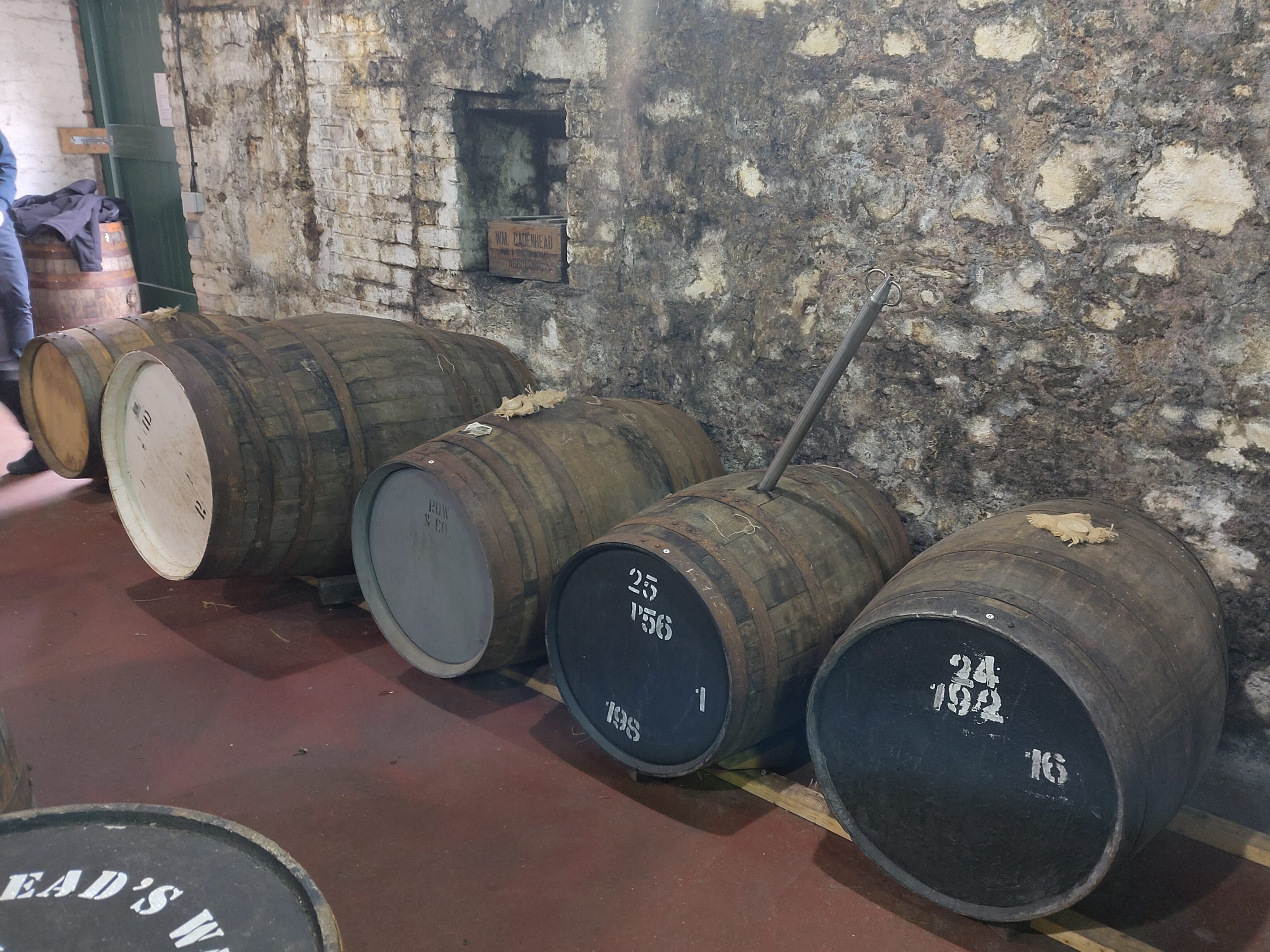
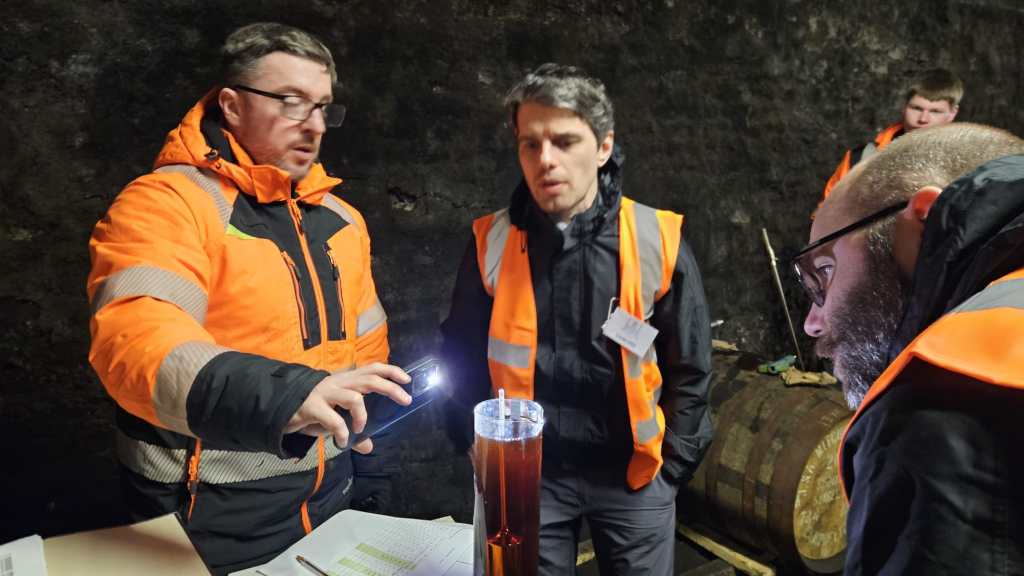
Back at the distillery, the afternoon was busy. First, the courtyard team showed us how to regauge a cask: this is the process of checking the volume of the spirit left in the cask and its strength, and it usually happens once in a while or when the cask is about to be used for a release. In our case, they used a โ€œsacrificialโ€ cask in Warehouse 3, that undergoes regauging every time there is a school term: a 14/15y (vintage 2011) 1st fill American oak sherry hogshead. They showed us how to meansure the volume with a stick, and how to take the strength with beker, hydrometer and thermometer. The scientific effort was rewarded with a sip of the malt: dense and delicious stuff, typical sherried Springbank!

Fun fact, we were in the warehouse with wee Andrew and John, respectively the youngest and oldest of the distillery staff. With Robert there too, we basically had three generations working together, with knowledge passed down!

After the regauging, Ben picked us up and took us to Glengyle for a tour. Active three months a year, Glengyle produces Kilkerran malt (the name Glengyle is owned by another company) and is a modern distillery. It was re-built in 2004 by J&A Mitchell to raise the number of Campbeltown from two to three, so that the Scotch Whisky Association wouldnโ€™t take away the regional status to the town. That was because, at that time, the Lowlands had only three distilleries: Glenkinchie, Auchentoshan and Bladnoch. Now Fife alone (within the Lowlands) has 7 (!), and the whole region almost 30 plus a few grain distilleries: how things change!

Back to Glengyle, the original distillery was built in 1872 by another branch of the Mitchell family, but like many others closed around the mid-1920s. The current one is similar to many others we visited throughout the years, but with a few interesting facts: a Bobby mill donated by Craigellachie when they replaced theirs, a 4.5ton mashtun, four wooden washbacks (filled from the top, as opposed to Springbankโ€™s ones that are filled from the bottom), stills from the silent Ben Wyvis distillery (not to be mistaken with the recent Glen Wyvis). Except for the mill, every piece of equipment is in the same big space. Most of the production is double distilled and lightly peated as per their signature style, but they also produce unpeated and heavily peated expressions, again double distilled. Moreover, they get to fill a few dozens of casks with triple distilled unpeated newmake spirit. Near the stills, Ben made us try the newmake spirit and a dram of an almost 20y old triple distilled (from an ex-bourbon cask), which was a tropical fruit-bomb (and our favourite every time we did the Kilkerran Warehouse tastingโ€ฆA pity they recently increased the price of for the 35cl bottle from ยฃ60 to ยฃ80). That was unexpected, such a nice surprise!

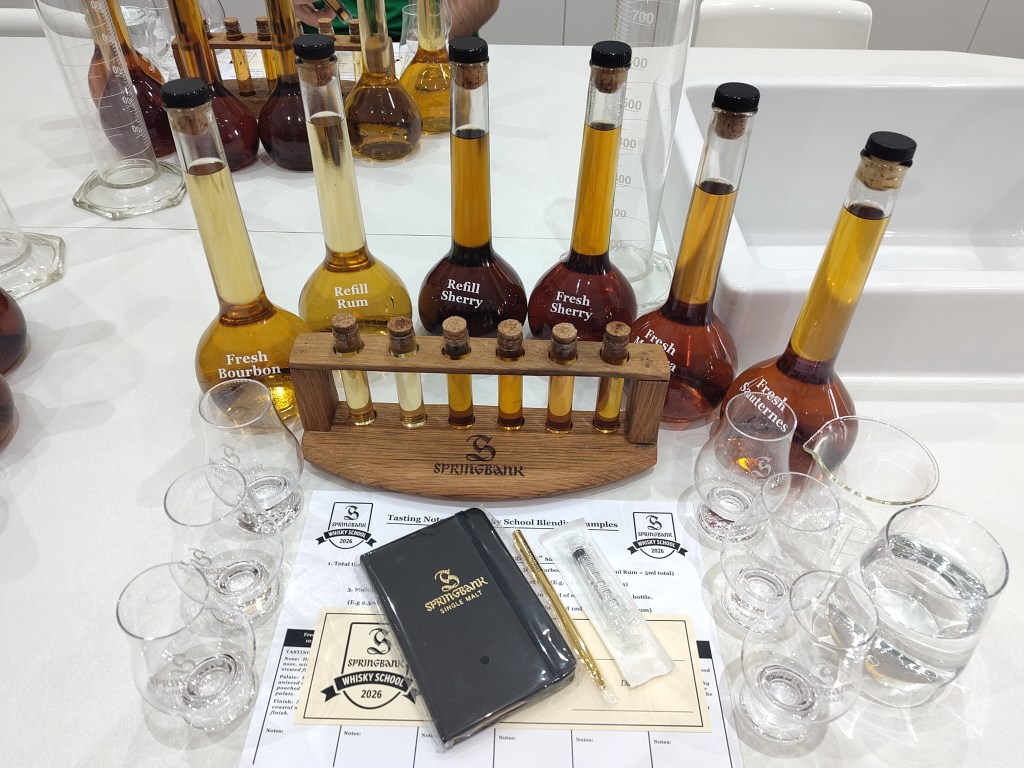
We were already quite happy with the activities of the day, but we still had one to go before dinner: a blend-your-own Springbank experience with Donald, where each of us had to make a 70cl blend from 6 different expressions: a 10y 1st fill ex-bourbon cask, a 10y refill ex-rum cask, a 13y refill ex-Sherry cask, an 11y 1st fill Sherry cask, a 8y 1st fill Madeira cask and finally a 7y 1st fill Sauternes cask. The rules were at least two expressions and no more than 50cl from one (it was how much we had available of each component).

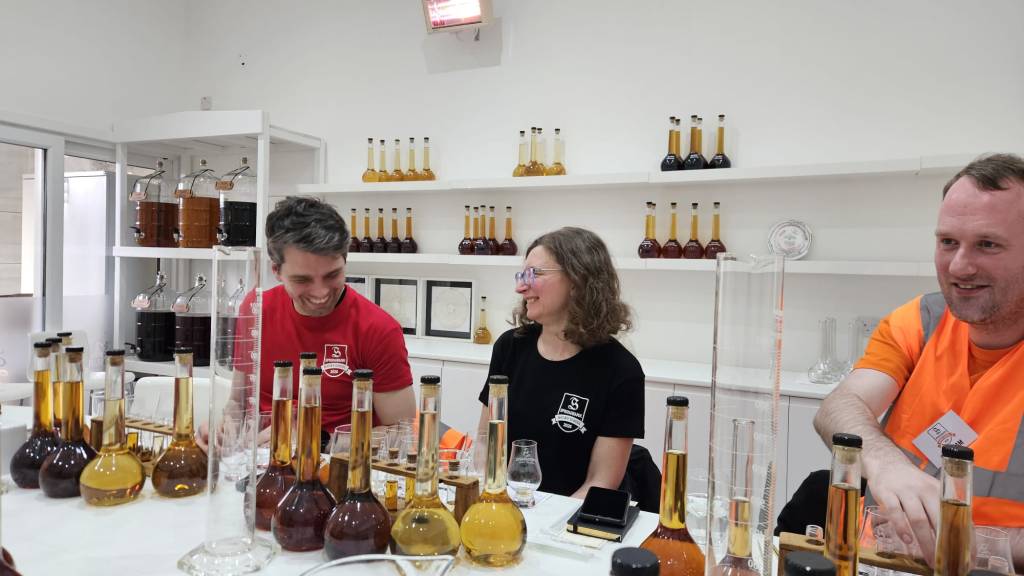
Long time ago (in 2019) we had done a similar experience at Strathisla distillery – blending together five whiskies from the Chivas Brothers/Pernod Ricard range. The results were dire: we opened both 20cl bottles in 2020 during the pandemic, we hated them and so we ended up using them for either cooking or for highballs. So, while excited we were also worried about the resultโ€ฆThis time, however, we were โ€œless cluelessโ€ than last time. We started by looking for a suitable base for the blend. The ex-bourbon (the obvious candidate) was very maritime, the rum was the smokiest one, the refill sherry was very dry, while the 1st fill sherry was (again) a classic sherried Springbank, akin to the 15y from the core range. The Madeira was the sweetest one, and finally the Sauternes was (as expected) weird. Teresa used four expressions, while Gianluigi ended up using them all for a challenge (which took substantially more trials and time than for the others, to everyoneโ€™s amusement), with the Sauternes used like youโ€™d use the fish sauce in a curry, just a dash to enhance the flavour. We wonโ€™t give away our recipes (muahahaha!), but we are hoping to use both bottles in a tasting with the Edinburgh Whisky Group at some point (keep an eye on our social media, Instagram and Substack).

It was a great day of โ€œworkโ€, which ended with another tasty meal (chili con carne and cheese board) and a couple of half pints at one of our favourite pubs in town, the Fiddlersโ€™ Inn.

Stay tuned for (finally) the last post of this long series! Until then, slร inte!


Springbank Whisky School

Link: https://www.springbank.scot/whisky-school/
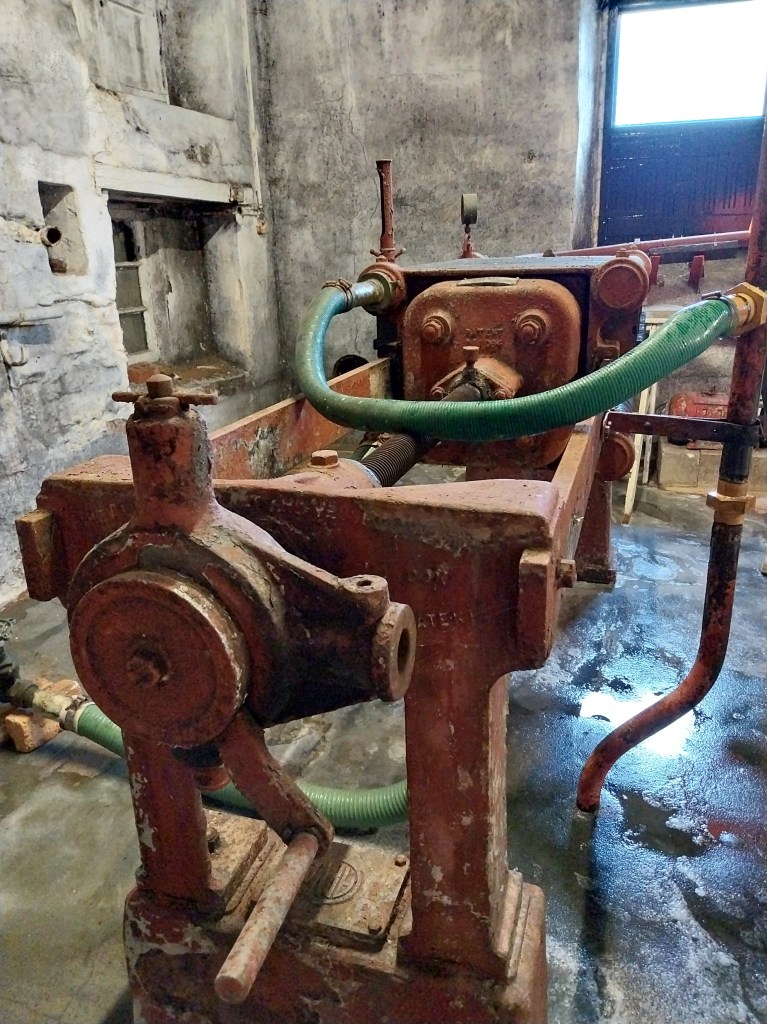

#74.4 The Springbank Whisky School

Back to shovelling!
(day 3, Wednesday)


TL; DR: Day three at whisky school started with shovelling barley destined for Springbank production into the kiln, followed by helping out packing Kilkerran Heavily Peated on the soon-to-be-moved bottling line. The reward was an incredible Springbank warehouse tasting with David, featuring a 1990 Springbank and gorgeous old Hazelburn and Longrow. Dinner at the guesthouse ended with an unforgettable cheesecake, then a fun Watt Whisky tasting capped off the evening.ย 

(missed Part 3/Part 2/Part 1?)

On Wednesday morning (day 3 of the school) the weather looked โ€œmehโ€ with an overcast sky. Thankfully it improved during the day. Breakfast was again the full Scottish, and again Gianluigi โ€œhadโ€ to help Teresa finish it (sheโ€™d then ask for a reduced portion for the Friday, Gianluigi didnโ€™t). While preparing for the day, we realised how little it took to get into a new routine. We also realised that our grand plans to go for a run before the school had already gone right โ€œoot the windaeโ€, so our running shoes had come just for a trip.

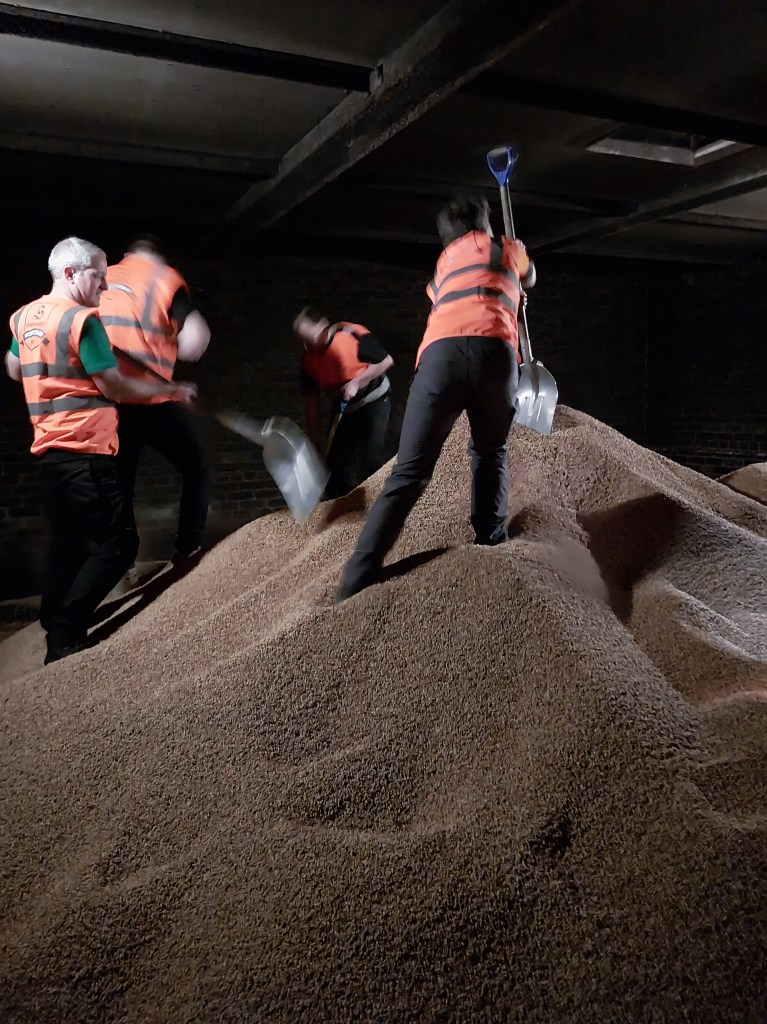
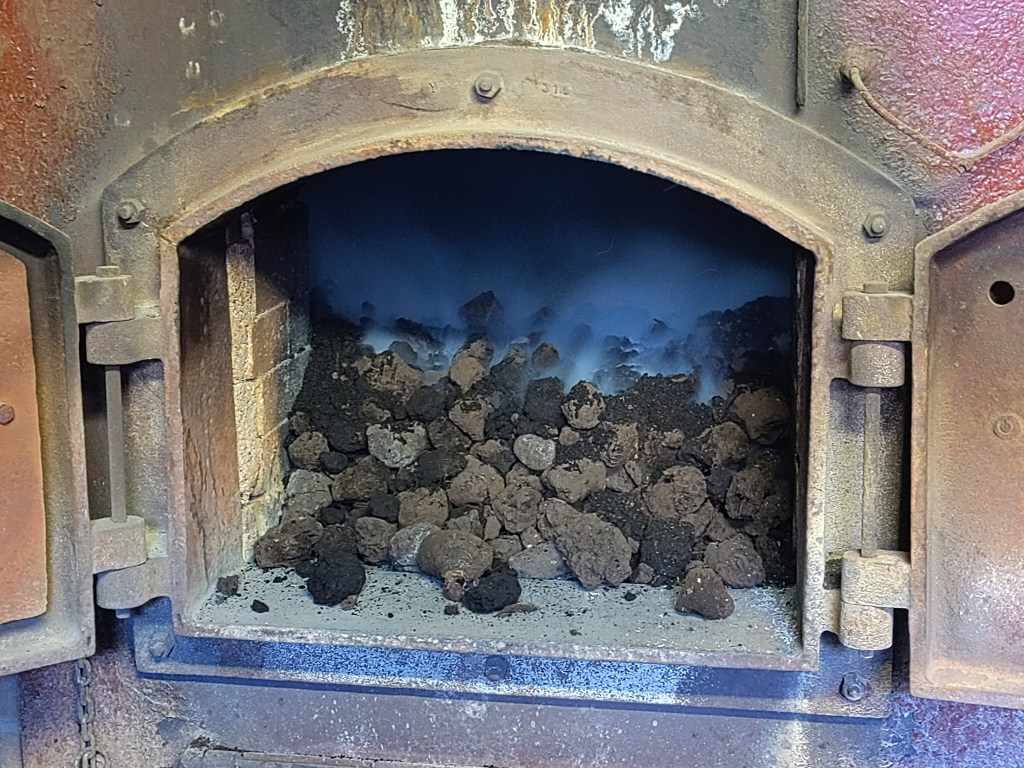
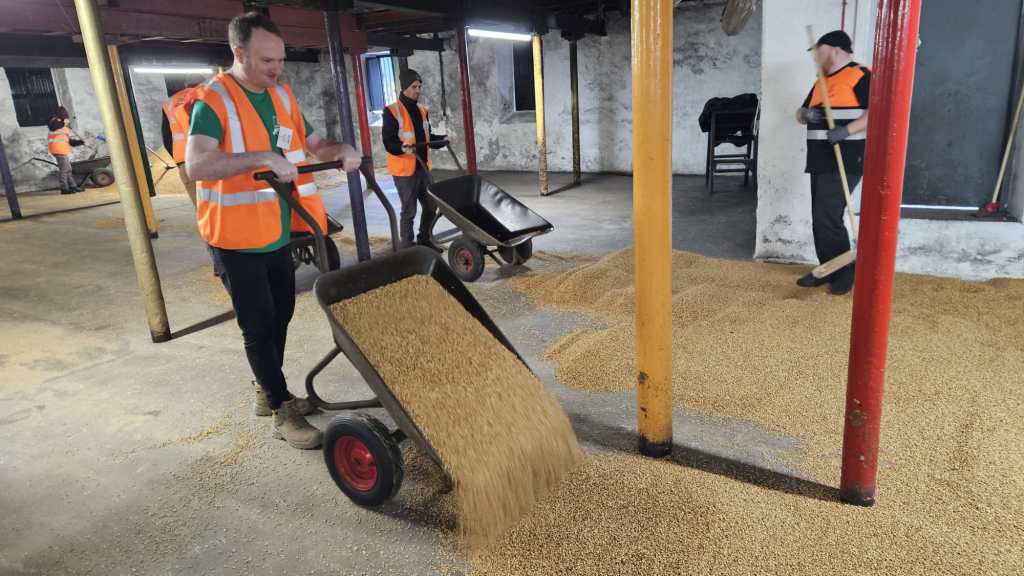
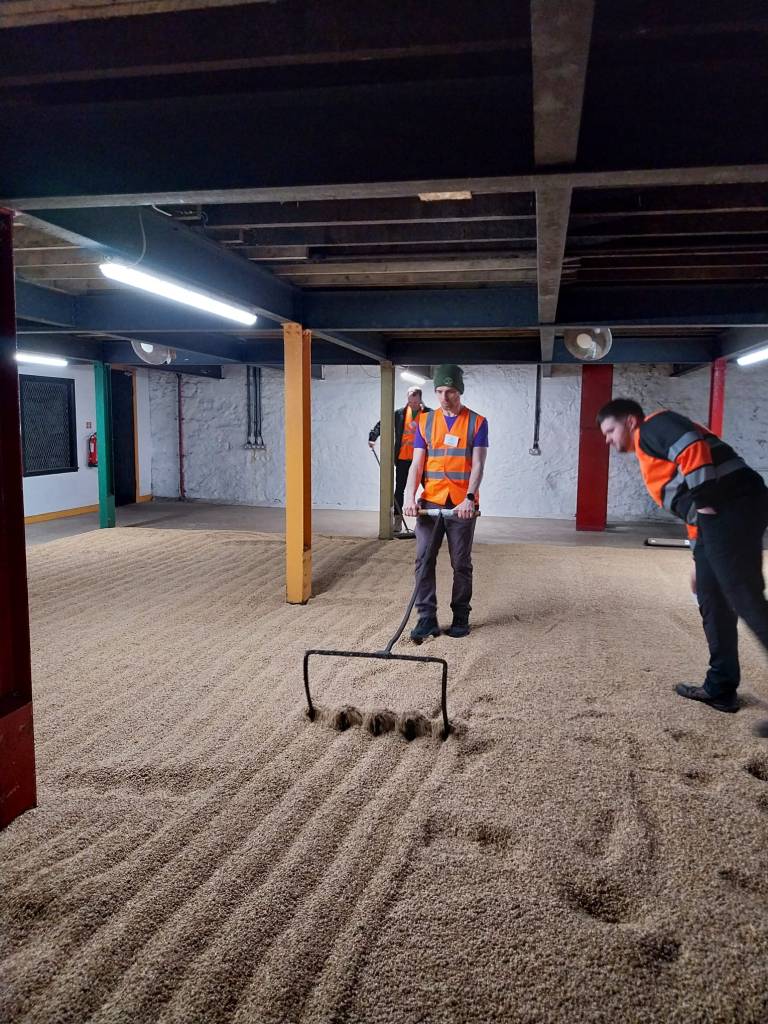
At 8.00am, we went straight to the malting floor, as there was more shovelling for us! First, we shovelled the barley from the floor into wheelbarrows, to then put it down a hatch where, thanks to a conveyor belt, it was moved into the kiln. When we were finished with that, the team took us inside the kiln, where we spread the barley evenly with our shovels, and turned it slightly to make sure air and smoke could pass through. That barley, in fact, was going to be used to produce Springbank โ€“ in this case, the kilning starts with 6 hours of peat smoke, followed by 48 hours of hot air (powered with a gas burner). The way the barley is dried up indicates what itโ€™s going to be used for: for example, 30 hours of hot air for Hazelburn, and instead 48 hours of peat smoke for Longrow. Kilkerran is the same as Springbank (so, lightly peated). However, the malt for the unpeated Kilkerran, the base of their blended malt Campbeltown Loch, and the heavily peated Kilkerran are sourced elsewhere.

Throughout the year, they start with Hazelburn, followed by Longrow and then Springbank, until they close the distillery to switch to producing Kilkerran at Glengyle for the last 3 months. When we were there, they were malting barley for Springbank, filling Hazelburn newmake spirit into casks, distilling Longrow, and bottling Kilkerran, so in a sense (a veeeeeeery loose sense), we contributed to the production of all four main malts!

After the break, the group divided again. Graham and the two of us went to the bottling hall (next to the parking lot) to assist the team with boxing. At first, Graham was putting protective cardboard squares around the neck of bottles, Gianluigi was putting the bottles inside the box, and Teresa was helping piling the boxes into pallets. They were bottling the next batch of Kilkerran Heavily peated, which is a batch of a few thousand bottles. One cool thing they do with batches (so, excluding single casks) is to marry them in a large vat first, to then re-rack the married whisky into well used casks for 6 months to allow the liquid to settle. These casks are quite recognisable as their end is black, with only a few numbers on them. After the 6 months, these casks are emptied into another vatting tank, which is connected with the bottling line. They have two bottling lines, one automatic (for all the bottles with the classic Springbank/Kilkerran/Campbeltown Loch shape) and the other one semi-automatic, for all the bottles with alternative shapes (Cadenheadโ€™s dumpy square, tall square โ€œolive oilโ€ style, and a couple of different tall round, at least). To make things easier, they told us that they will move soon to another shape of bottle for all Cadenheadโ€™s and Springbank Society bottlings.

Work on the bottling line was briefly interrupted at 10.50am, when we went back to the maltings to see the kiln being lit: almost like the crossing of the wildebeests in the Serengeti!

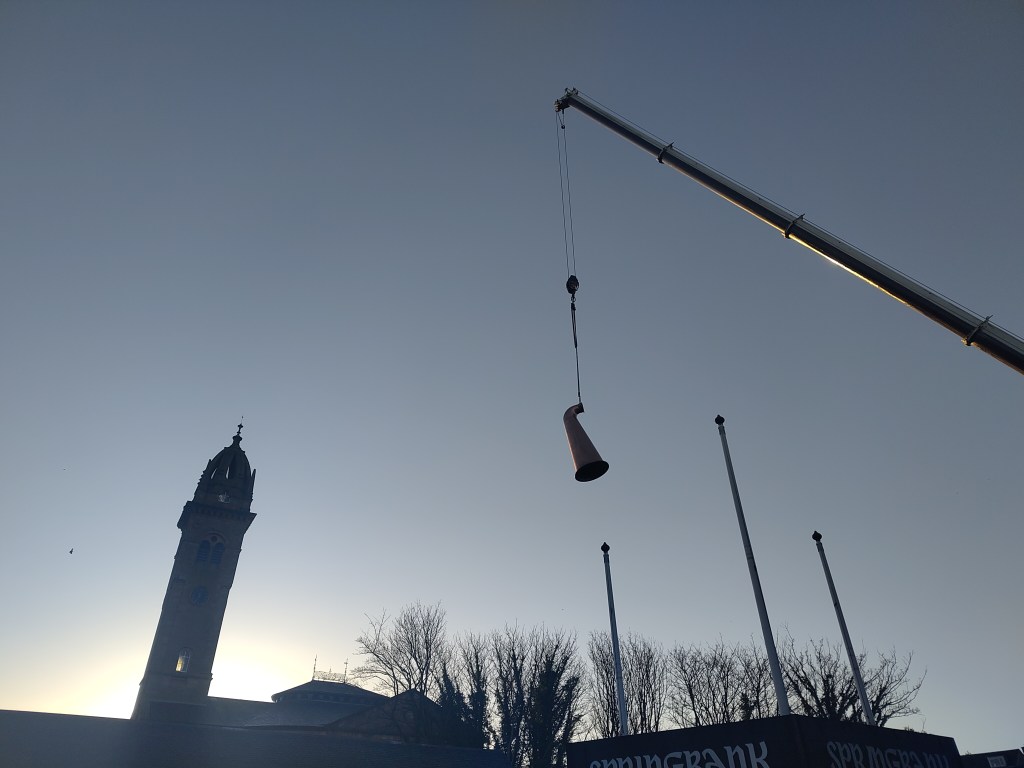
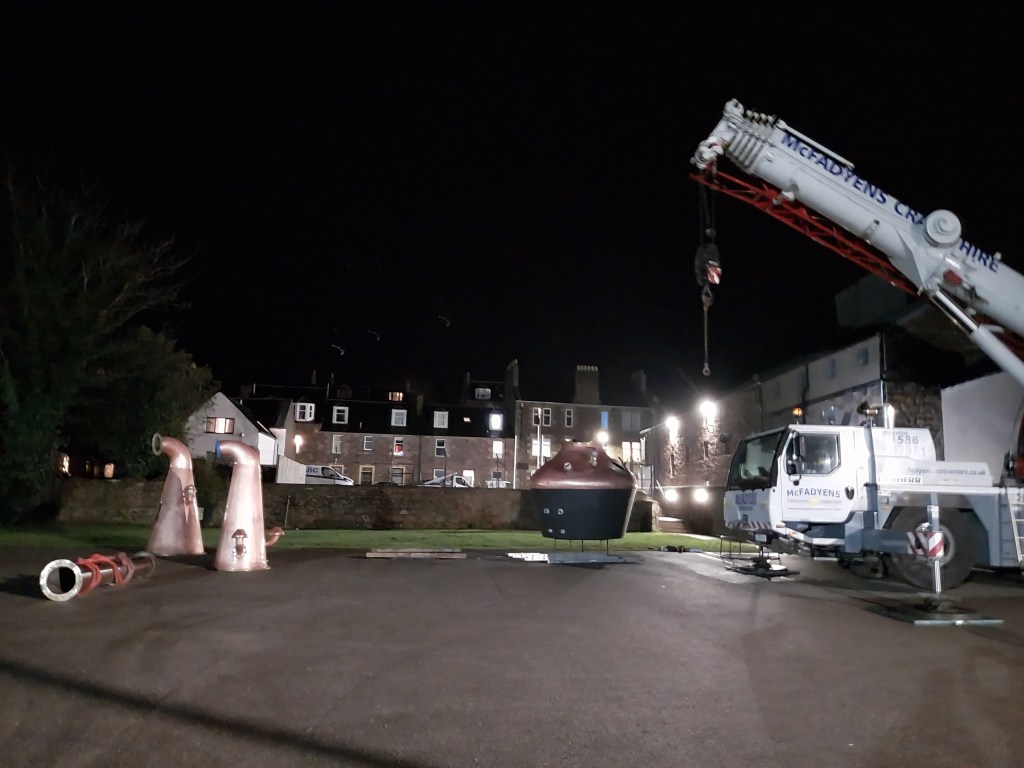
At noon we walked back to the Still Guesthouse, where Donald had prepared us a chicken burger with potato wedges and salad, again very much appreciated (how many favourites can we have??). Back to the bottling line, we assisted the staff on the line for a wee while, until Chris showed us around the bottling hall. We were the last school term to โ€œworkโ€ in the old bottling line, as the works for the new one were almost complete, and the lines were going to be moved to the new building at the end of the week. The old building is going back to be a maturation warehouse. We could sense the bottling team felt both emotional and excited about the move.

Chris also showed us where they store labels, boxes and bottles, and how the whisky is filtered three times before going into the bottles. Once the pallets are done and full with boxes, they are transported with a forklift to the dispatch point, which is also going to be moved to the new bottling hall. Like the old bottling hall, this building (between Springbank and Glengyle distilleries) is also going to become a warehouse โ€“ you can tell they are in need of warehousing space.

At some point, Chris very kindly allowed us to grab some drams, leftovers from previous bottlings. We were also given the chance to disgorge a vatting cask of the Kilkerran Heavily Peated into the larger vat and, while we were at it, try a sip of the whisky. So nice of them!

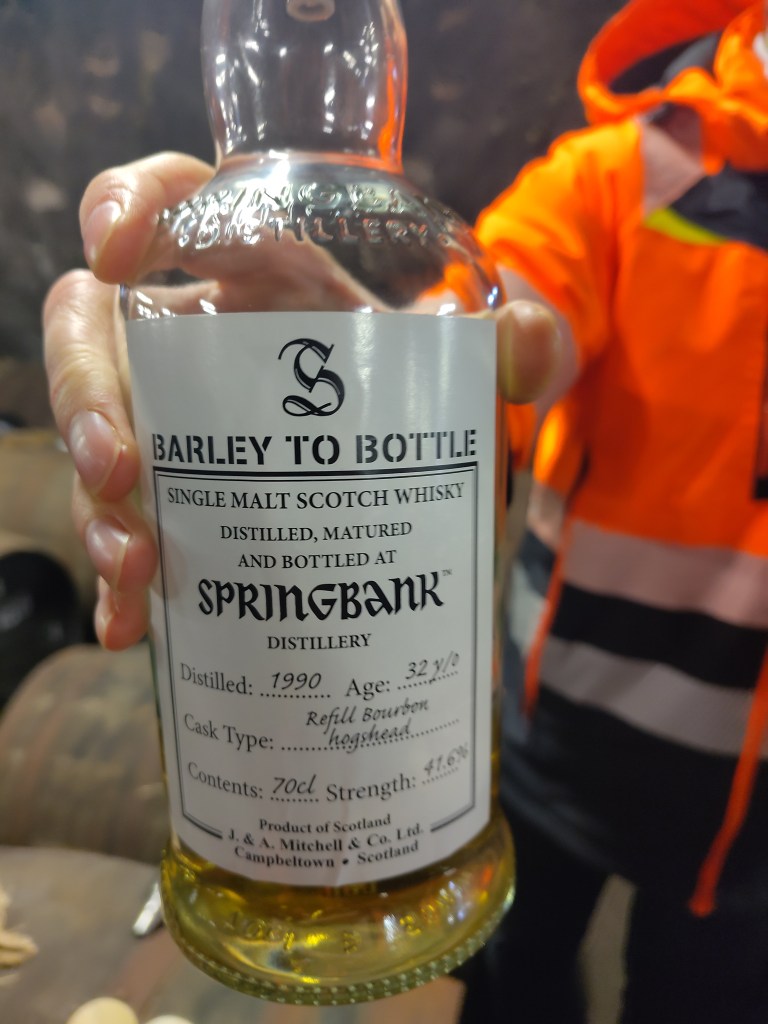
The last activity of the day was a great reward for the shovelling (we guess), a Springbank warehouse tasting, reserved for attendees of either the Whisky School or the Barley to Bottle long-day premium tour (ยฃ250.00). We walked into Warehouse #3 together with David, the sales director, who hosted the tasting. The first three drams were quite spectacular, first a 2001 Hazelburn, matured in a refill cask (natural abv ~48-49%), followed by a 1990 (!!!) Springbank from a refill ex-bourbon hogshead (41.6%), and finally a 2001 Longrow from a 3rd fill ex-bourbon hogshead (we missed the abv). Finally, a younger Longrow, only 4-year-old, from a Virgin oak octave cask: definitely punchier compared to the three balanced and soft tropical drams we had before. During the tasting, David talked about the challenges of selling Springbank in an ever-hungry market, so to maintain it available for fans while also trying to slowly expand. All this while making sure that supplies are used as intended (for drinking) and not hoarded by collectors, as much as possible at least. In the current market this is probably a good problem to have, but we can definitely see how it must require a lot of effort, and we cheer them for doing so!

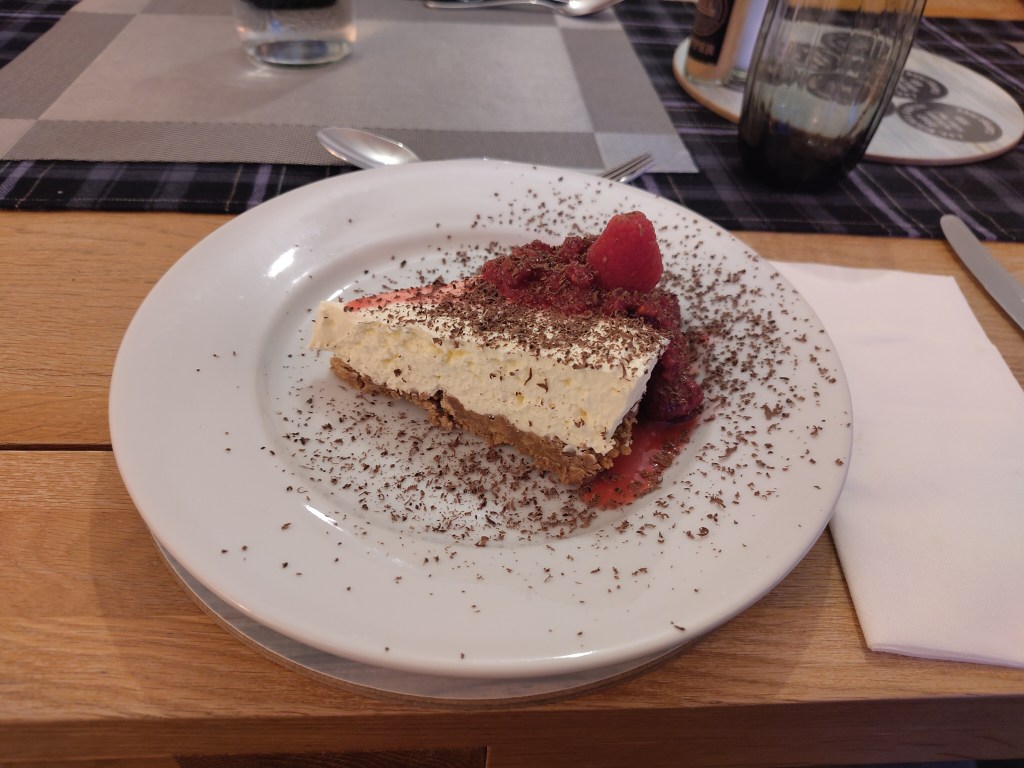
After the tasting we had some spare time before dinner, so we went to the Cadenheadโ€™s Tasting Room to use the extra dram voucher weโ€™d gotten the day before at the warehouse tasting. Dinner was salmon fillet, followed by another incredible dessert: one of the best cheesecakes we ever had! So, good that Gianluigi had two (!!), which Sandra took as a compliment (and indeed it was, still dreaming about that cake!). (Side note, Teresa is no longer amazed at how much Gianluigi can eat, but it was funny to see the others genuinely impressed by the performance.)

After dinner, we joined Graham, Andrew and his wife, and other visitors for a Watt Whisky tasting with Mark, at their shop near the Feathers Inn. It was a 6-dram tasting, very much Markโ€™s style, with a lot of delicious ex-bourbon cask Speysiders, but also a great โ€œtea-spoonedโ€ Campbeltown blended malt (i.e. Glen Scotia), and a final peaty-sherry bomb, a 6y Staoisha (from Bunnahabhain distillery).

After the tasting (and an extra dram or two), we briefly stopped at the Feathers Inn and soon went to sleep, amazed again by the quality of whisky you can find in the Wee Toon!

Coming next week, another post about the Springbank Whisky School! Until then, slร inte!


Springbank Whisky School

Link: https://www.springbank.scot/whisky-school/
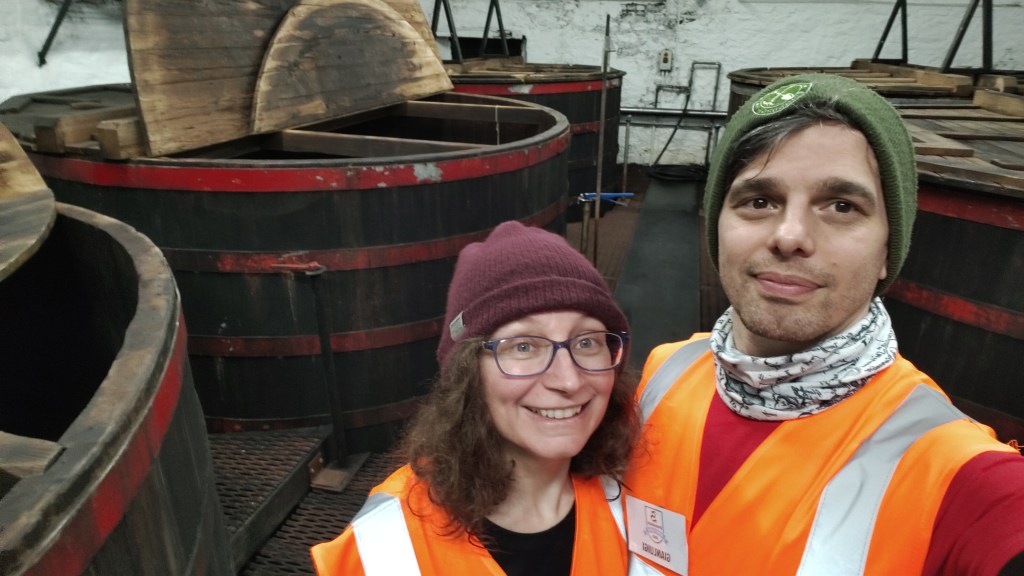

#74.3 The Springbank Whisky School

Keep rollinโ€™ rollinโ€™ rollinโ€™ rollinโ€™
(day 2, Tuesday)

ย 

TL; DR: Day two of the whisky school, filling and rolling casks all morning, watching the mashtun being filled, then more cask-rolling into the dunnage and racked warehouses after lunch. Reward came with a Cadenhead’s Warehouse Tasting of eight drams, standouts being a Palo Cortado Benrinnes 11y and old Laphroaig and Bowmore.ย 

(missed Part 2/Part 1?)

The second day of the school started like the first one: alarm at 6am, breakfast at 7am. That morning we got scrambled eggs and smoked salmon, a favourite of ours! Well fed, we walked to the distillery for the 8am start. It had rained during the night, so everything was wet, however the sun was shining when we arrived. That was pretty much the weather during the whole week, showers here and there, but generally sunny and not too coldโ€ฆโ€œbreezyโ€, if you want.

Anyway, the first activity of the day was not a heavy one, just watching the steep tank being filled with water while chatting to the staff in the malting floor.

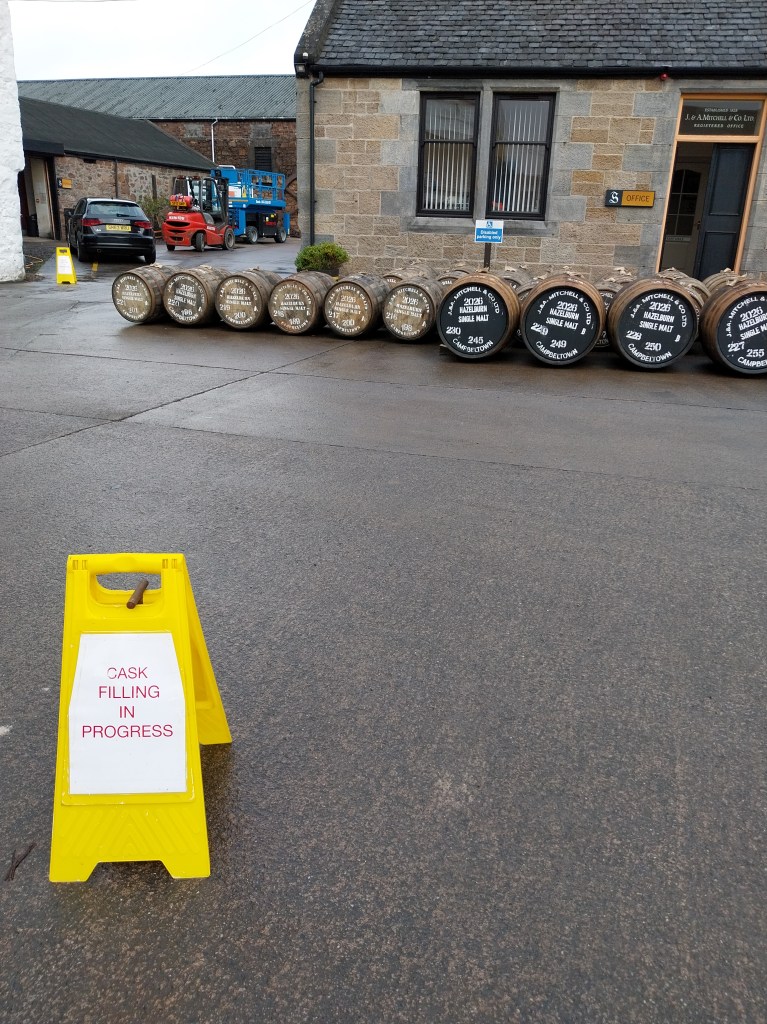
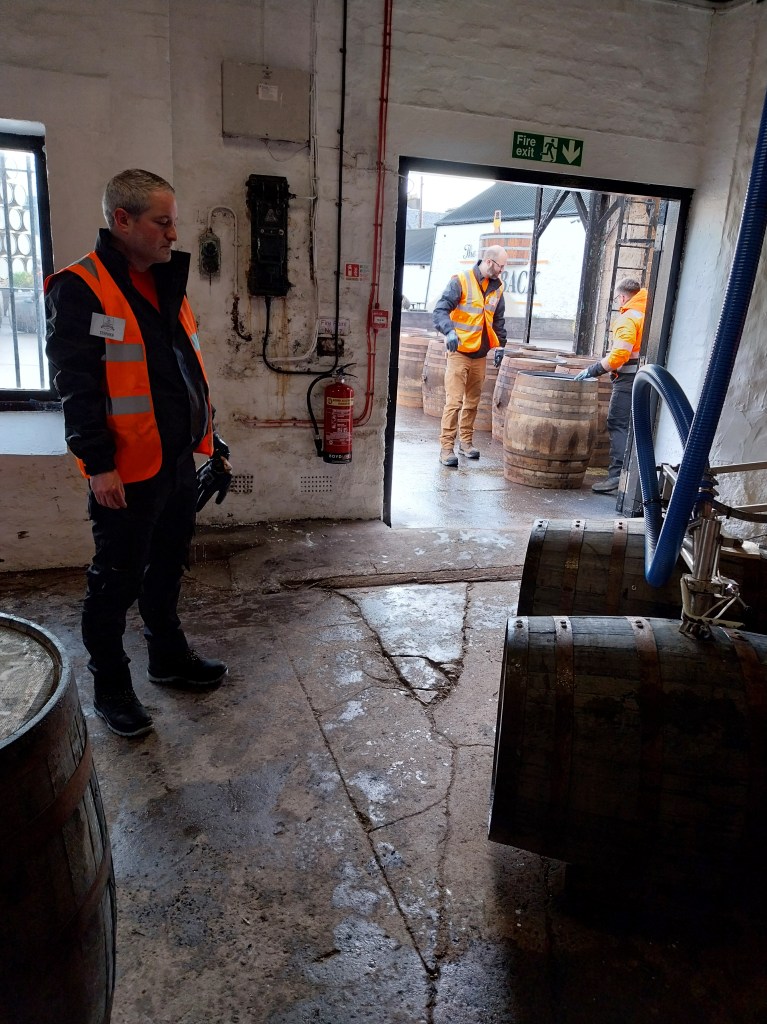
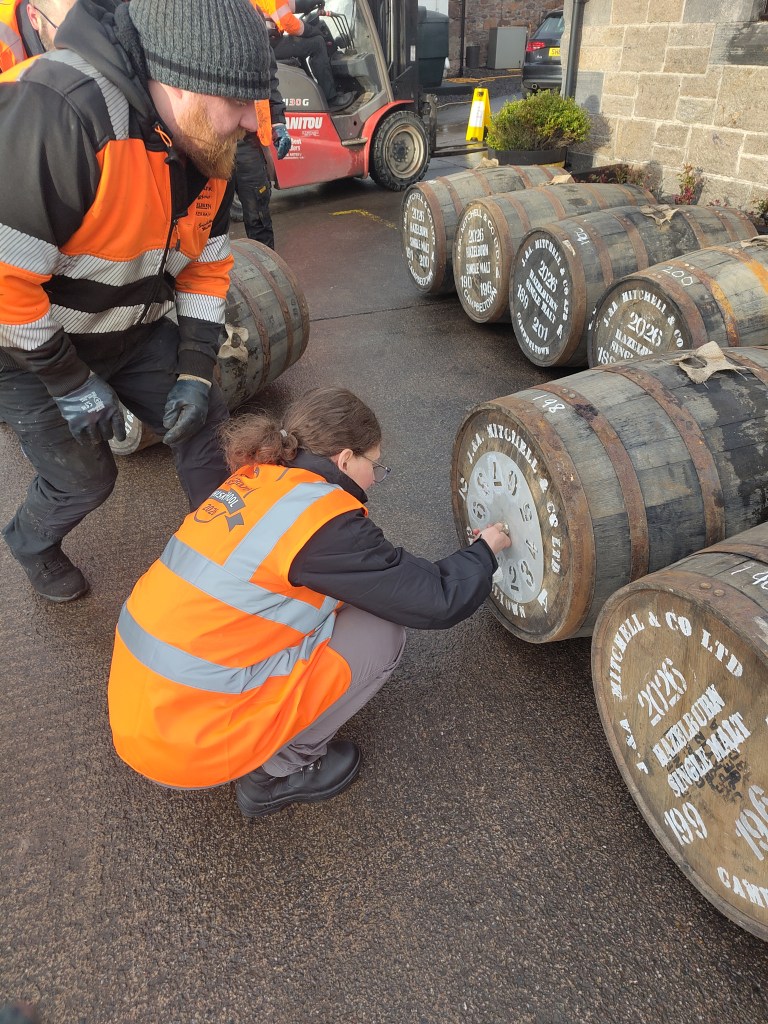
After that, it was time to get serious: our next job was rolling casks! (To note, when the Whisky School is on, the filling day is Tuesday instead of the usual Friday.) A number of casks were already aligned in the courtyard, just outside the filling room: our job was to roll them in, pass them on to โ€œwee Andrewโ€ (โ€œweeโ€ because heโ€™s in his 20s, heโ€™s taller than most of us) who would fill them, and once filled, closing them with a bung. Meanwhile, Gavin was keeping the records on the weight and volume of newmake spirit that went in.

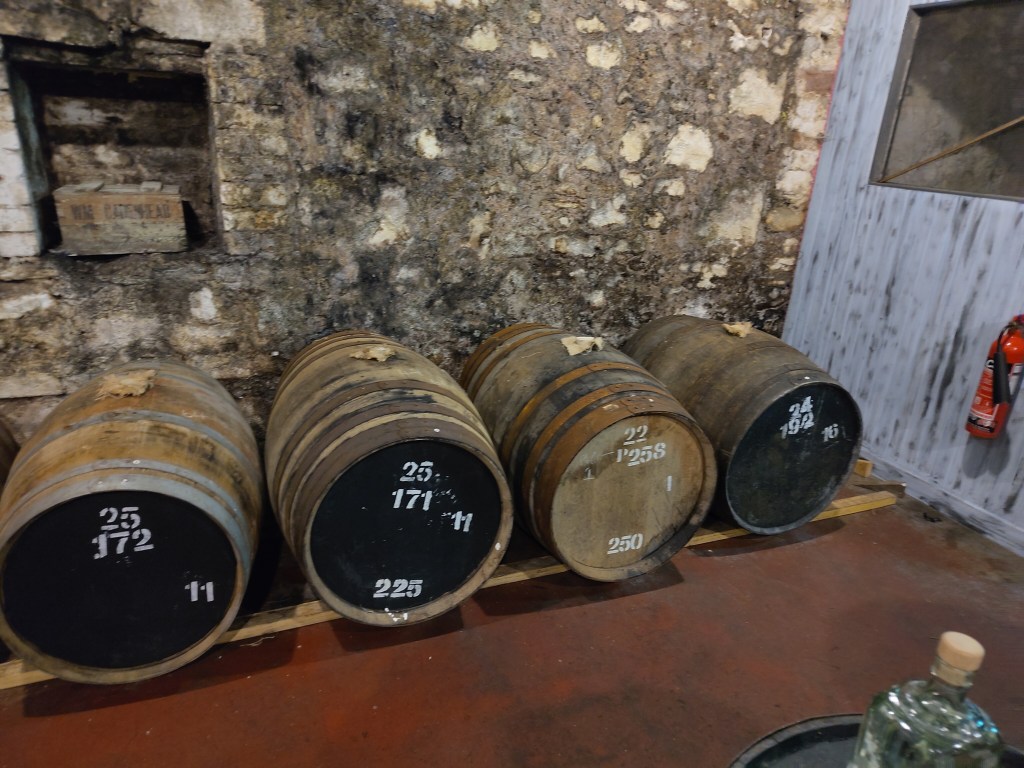
Once closed, we rolled the casks back to the courtyard and wrote down the cask number on the cask end with stencil and white paint. That day the casks were filled with Hazelburn, mostly ex-bourbon barrels, but also some sherry hogsheads.

It was a hard job, especially to get the casks positioned in the right way (with the writings up), but it took us occupied and time went quickly while rotating tasks between the five of us. We took a break for coffee at 10am, and at 11am we went to production to watch the mashtun getting filled. There, Daniel showed us how they regulate the flow of grist and hot water going into the mashtun, in order to maintain the temperature as close as possible to 63.5ยฐC. The stream is regulated with a mechanism manoeuvred by a chain, and a slight movement can make the balance change quite quickly โ€“ not an easy job. At noon we went back to the guesthouse for lunch, this time through a shortcut in the backyard, through a scrapyard: almost romantic. A hearty soup (delicious) and sandwiches were waiting for us.

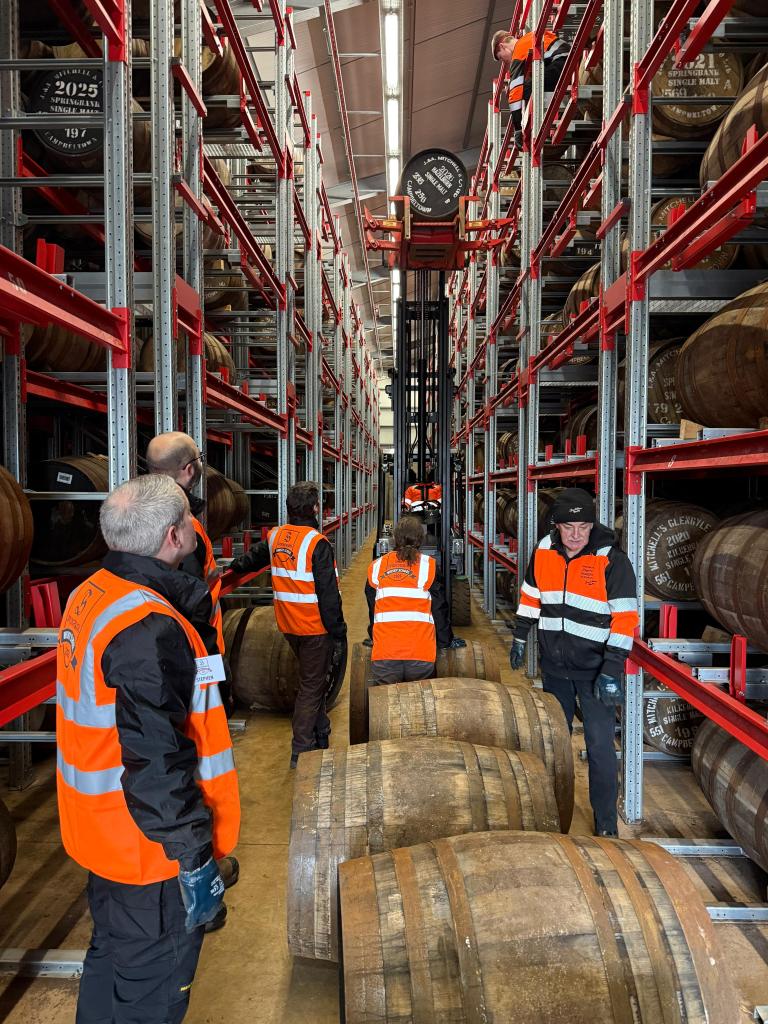
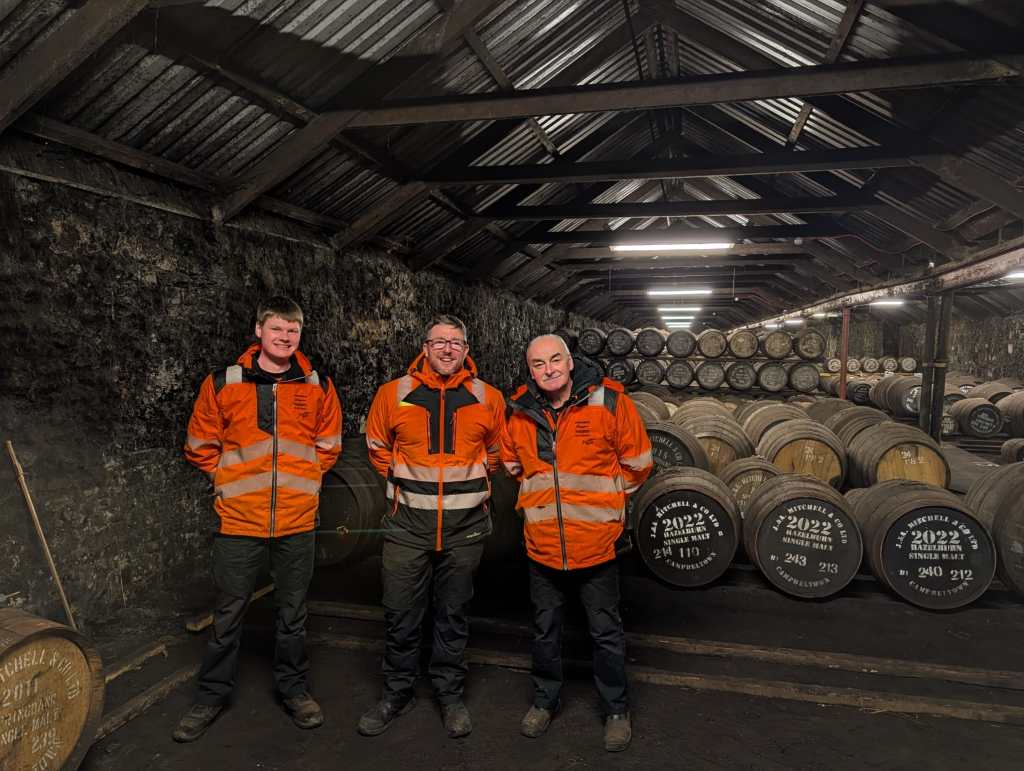
After lunch and a much needed coffee, it was time to roll casks again: this time from the courtyard to the warehouse where the Kilkerran Warehouse tasting is held nowadays (and where the Cadenheadโ€™s Warehouse tasting used to be held). The staff showed us how to put the casks in the right way, so when you roll them on the staves they end up with the stencils facing up. The warehouse was a two-floor dunnage, and the casks we rolled in were destined to the upper floor, so a winch was needed. Upstairs, we helped put the casks on the manual lift used to position the casks on one of the three levels. Weโ€™ll spare you the intricacies of getting the right orientation of the bung depending on the spot assigned to the cask โ€“ that was tough!

Then, we moved to the racked warehouse next door, where we rolled casks on to a forklift, which the staff used to put the casks at rest in the free spots, sometimes quite high up.ย 

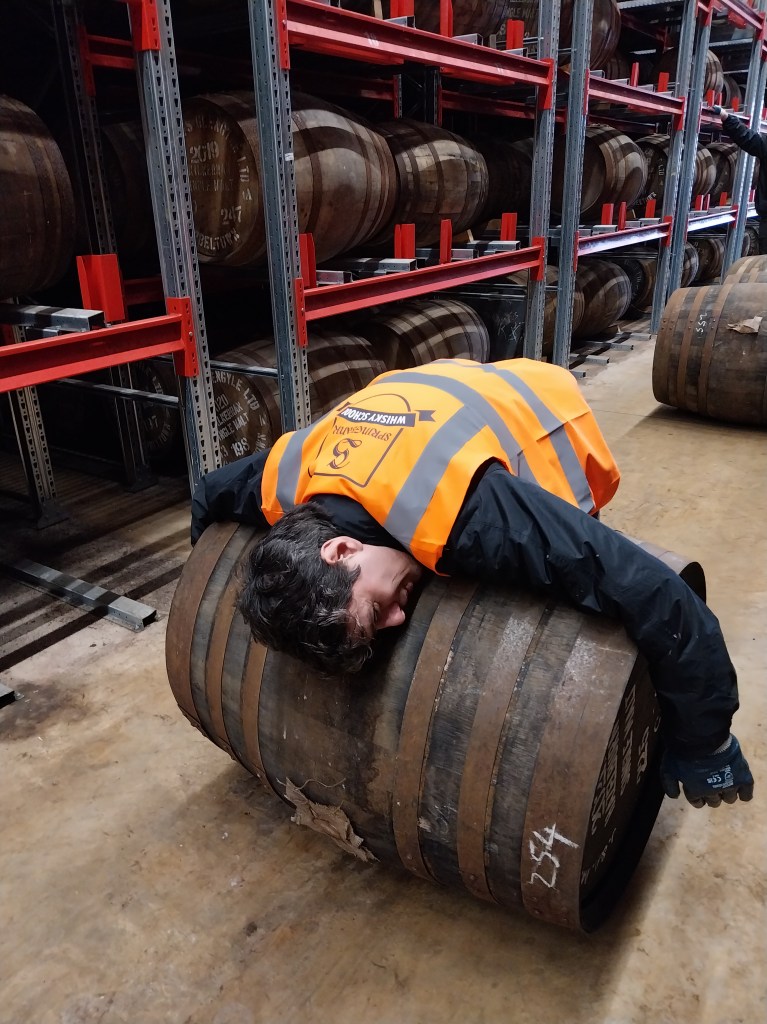
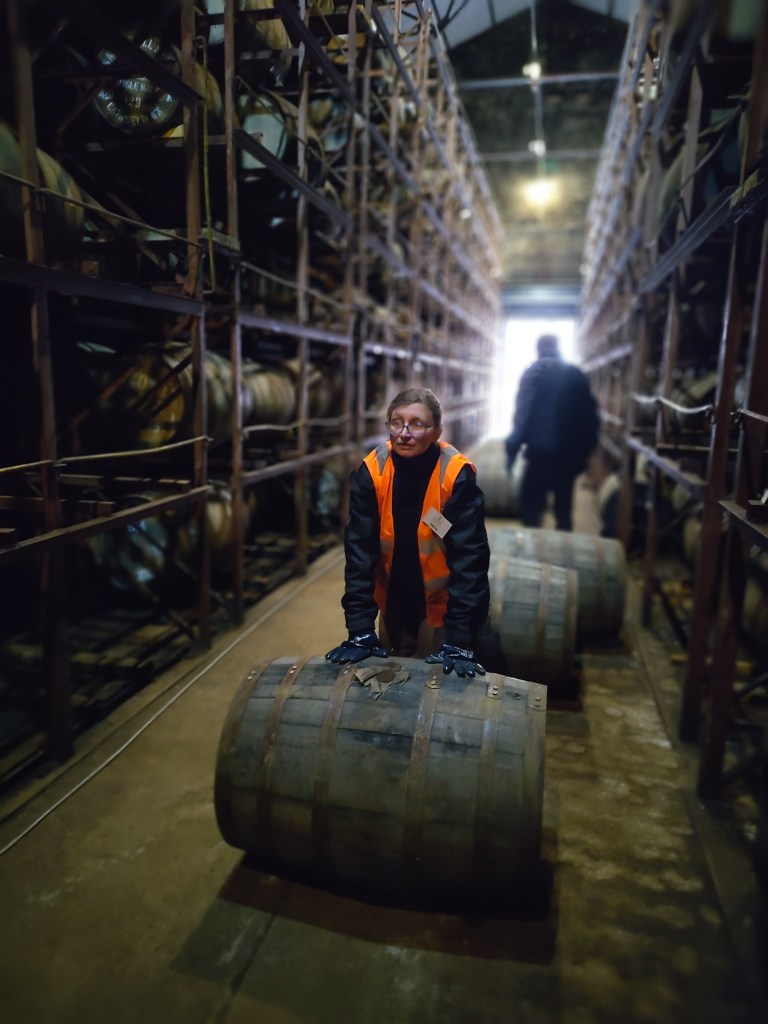
Rolling casks is a tough job…

Again, manoeuvring full casks is no easy task, and it was a good workout, but in this case being short people helped: Robert and Graham, much taller than us, had definitely a harder time!

Fortunately, this effort was well rewarded with the first tasting of the week: the Cadenheadโ€™s Warehouse Tasting. The brand ambassador Andrew (Grahamโ€™s brother-in-law but also well known to us from festivals and tastings) took us to the new warehouse space where the tasting is held, near the Cadenheadโ€™s tasting room.

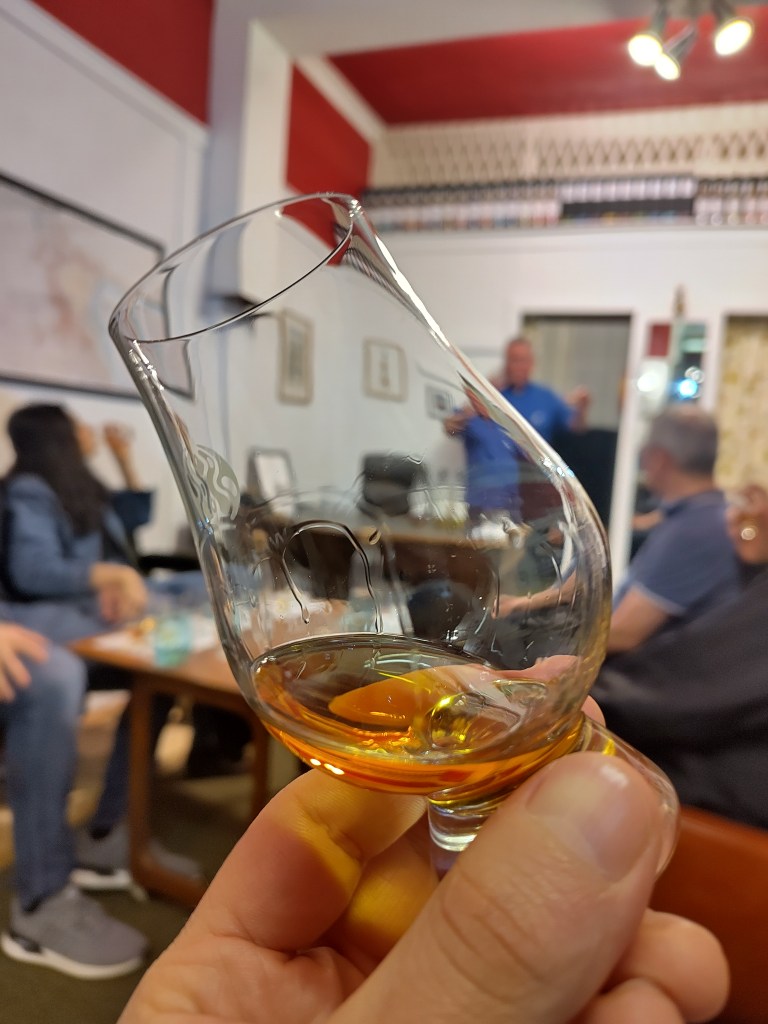
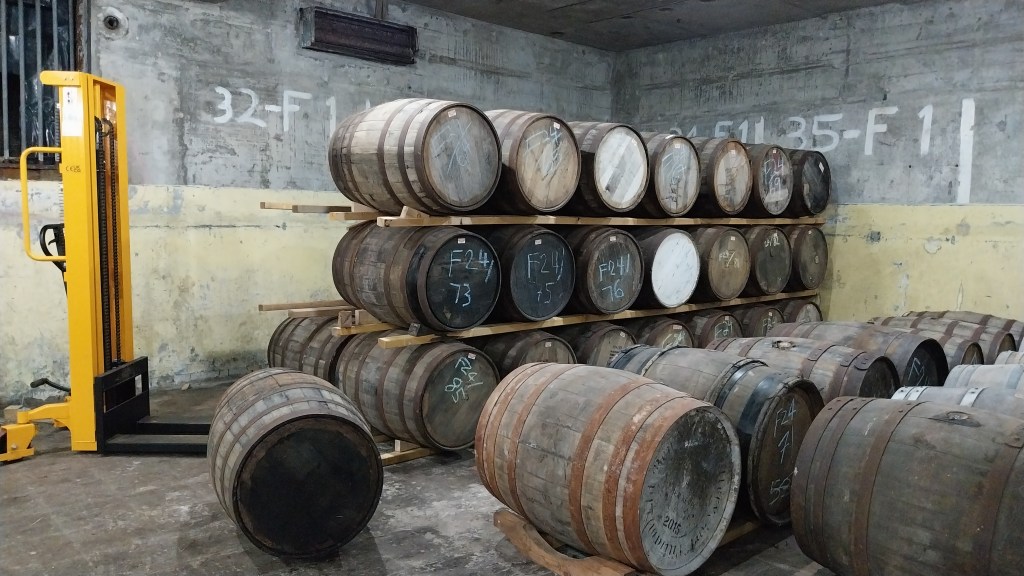
The lineup was similar to the one we had in December, but with a few key differences. We started off with two known drams, an English single malt – the Spirit of Yorkshire/Filey Bay, fully matured in Madeira, at a low abv of 47% (the cask was almost empty at that point), and a 14y Glen Garioch finished in a rum cask (55%), tropical juiciness. The third dram was a Glenfarclas 15y (56%), that started maturing in a refill ex-bourbon barrel but was then re-racked into a Ruby Port hogshead in 2019 – more a double maturation rather than a finish. This was the first time we tried a Glenfarclas that was not in a sherry or bourbon cask, and it didnโ€™t disappoint. Then, one of the best drams of the lineup for us, a Benrinnes 11y, first matured in refill bourbon and then in a Palo Cortado sherry hogshead for 3 years (54%). We bought a bottle, and strangely the last time we were in Campbeltown we also got a bottle of Benrinnes (but from Watt Whisky). Two is a coincidence, three is a trendโ€ฆLetโ€™s see next time. The fifth dram was a Tullibardine 11y, re-racked for the last 4 years in a fresh (aka 1st fill) oloroso hogshead (52.1%). The sixth dram was, as per custom, a peated one, a delicious 11y Caol Ila (58.2%) from a bourbon barrel – the same weโ€™d tried in December, but weโ€™re very happy to go over it again, as it was delicious. We also had two extra drams, a 23y old Laphroaig from a bourbon hogshead – a stunner, one of Gianluigiโ€™s favourite drams of the whole week – and a 28y Bowmore also from a bourbon cask, again a stunner, delicate and tropical. What a tasting!

After that Graham left, and the four of us went back to the guesthouse for dinner. That night the menu was a tasty steak pie, followed by a delicious Eton mess: Sandra really knocked it out of the park! Tired from all the rolling and dramming, we soon went to bed for a well-deserved rest.

Coming next week, more shovelling! Until then, slร inte!


Springbank Whisky School

Link: https://www.springbank.scot/whisky-school/

#74.2 The Springbank Whisky School

Barley on my mind
(day 1, Monday)


TL; DR: First day of the Springbank Whisky School, so exciting! We spent most of the day in the malting floor – shovelling, grubbing and turning barley while understanding all the steps before milling. We were also treated to a walking tour to discover the sites of the many lost distilleries in Campbeltown!

(missed Part 1?)

On the Monday morning, we woke up early but excited: it was the first day of the Springbank Whisky School! A shower, then breakfast in the dining room: a full Scottish fried up by the lovely Marie, but also some fruits, yogurt, and toasted bread. It was a big plate, and as per usual Gianluigi helped Teresa clean it up! At 8am sharp Donald walked us from the Still Guesthouse to the distillery (only 5 minutes or so away).

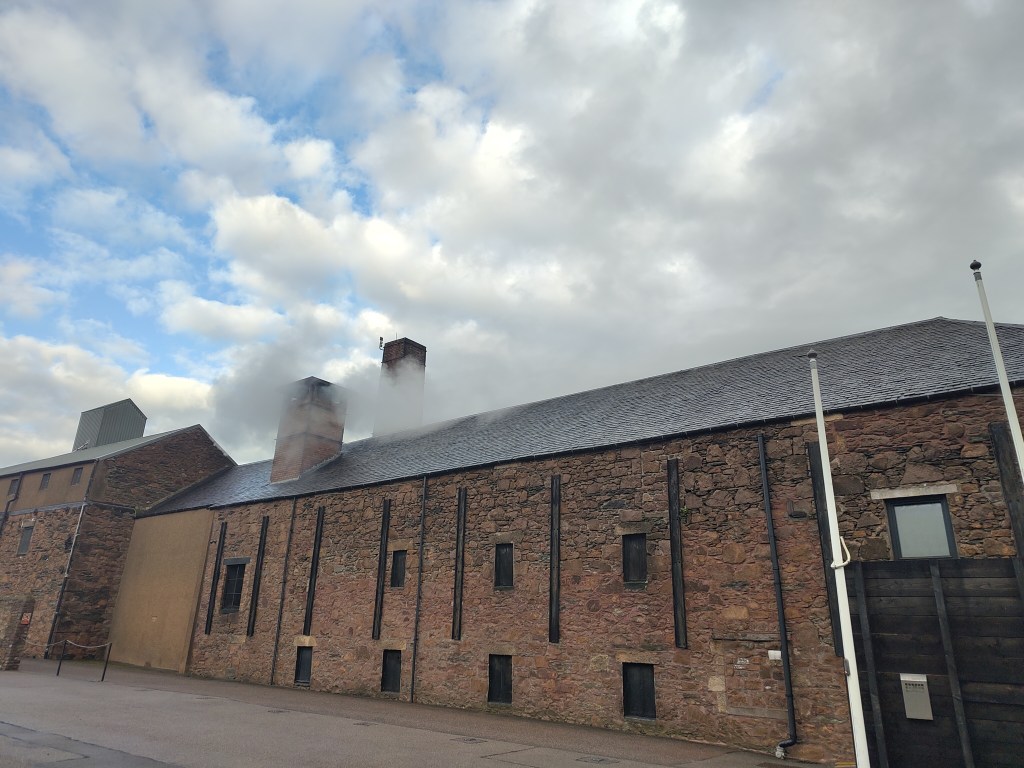
While arriving we saw (and smelled) grey peat smoke coming from the distillery kiln chimney: maybe no pope were made on that day, but still a very good sign! We met the distillery manager Gavin introduced himself and the school, gave us some study material, and briefly showed us around: first our lockers in the staff room, then a brief distillery tour.

But soon after, it was time for us to get โ€œseriousโ€ andโ€ฆShovel barley! (We’ll spare you the jingle that Gianluigi came up with, but yes, there was a jingle about shovelling barley.) A little premise here: malting is a key part of Springbankโ€™s production: for a long time, they were the only distillery where every step was done on site, from malting to bottling. Now Dunphail distillery (in Speyside) is also malting 100% of the barley on site, while other distilleries are at 10%-30% (Kilchoman, Laphroaig, and Bowmore on Islay, Benriach and Balvenie in Speyside, Glen Garioch in the East Highlands โ€“ we might have missed some). Most of the Scottish distilleries source malt from maltsters (or send theirs to be malted elsewhere, like Ballindalloch, Bruichladdich or Daftmill). For Springbank, the decision to keep malting in-house was not by accident, as for a period between 1960 and 1992 they also sourced it outside. It was Hadley G. Wright, the former chairman of J&A Mitchell (sadly passed away in 2023), who decided to bring it back to create more jobs for the Campbeltown community.

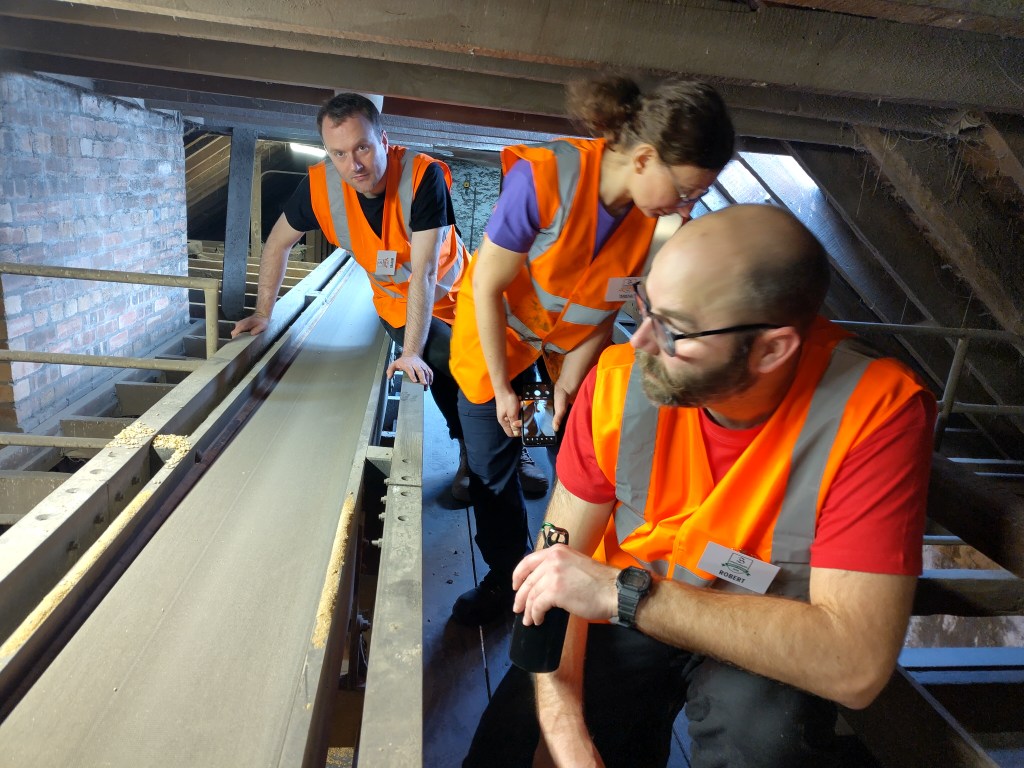
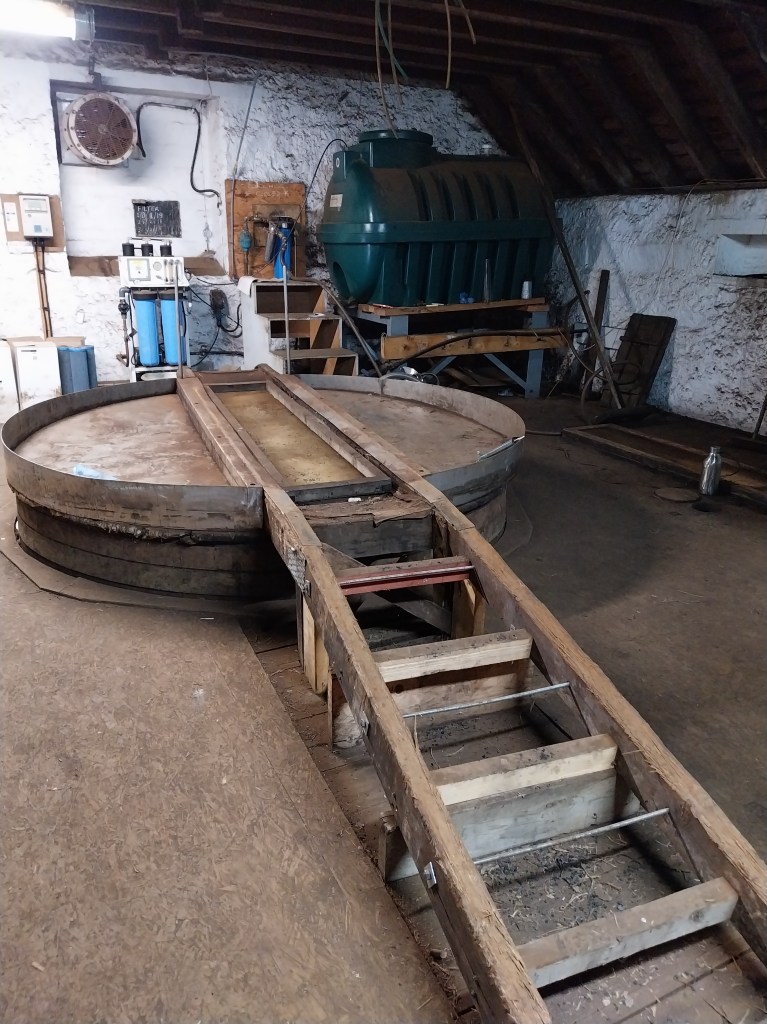
Malting starts by taking the green barley from the bins where the lorries unload it. When ready, it is transported with a conveyer belt through three hatches into the steep tank (13 tons if it goes to the slightly larger lower malting floor, 10 tons if it goes to the upper malting floor), where it is soaked with water for 14 hours. Water is then drained, and after 12 hours the barley is soaked again for another 14 hours. After draining, it is shovelled through another hatch if it goes to the lower malting floor, or shovelled outside the steep if it stays on the upper floor. That day we were on the lower malting floor, and a pile of wet barley was waiting for us, ready to be spread. So, for about 30-40 minutes, we shovelled barley on to wheelbarrows, that we then used to spread it on the floor, under the supervision of Joey and John, who levelled out the most uneven bits. Being five (plus the staff) doing it, it went quickly, and it was already time for the 10am break, when we gathered at the washback bar for a hot drink and some sweet treats.

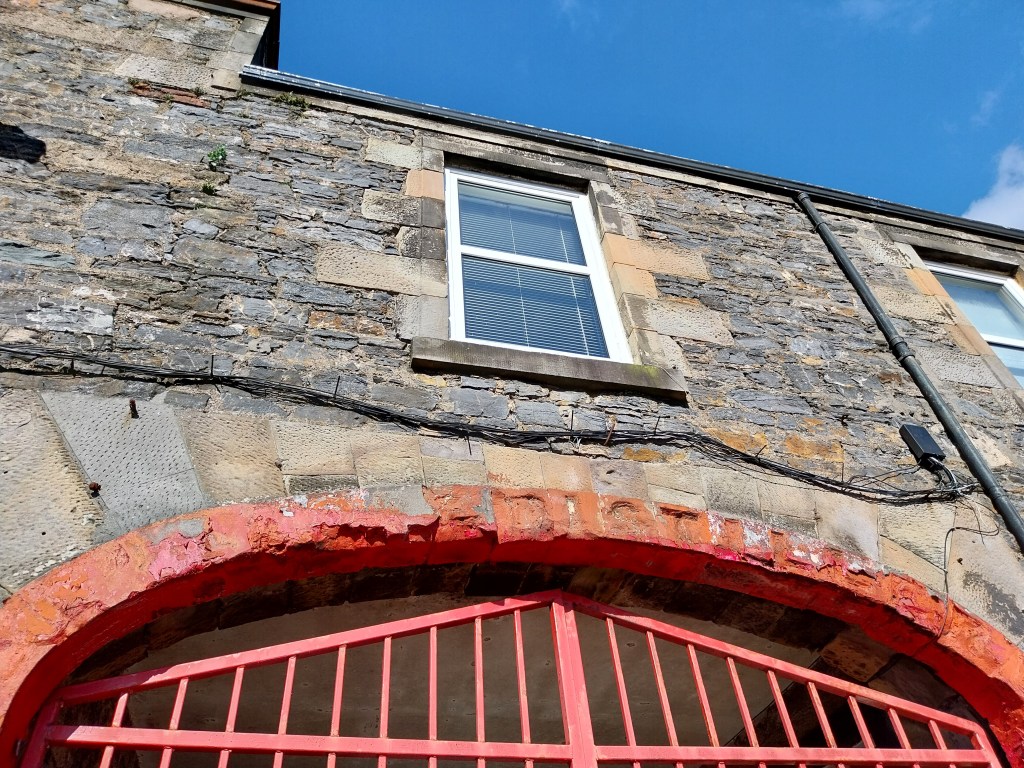
The second activity of the day was a walking tour with Findlay, hunting down the sites of lost distilleries. Having read David Stirkโ€™s Whiskypolis book recently, Gianluigi was already acquainted with the story of the 30-odd distilleries that used to be in town. Only two survived all the shocks of the late 19th and early 20th centuries, that led to many closures in the 1920s and 1930s. The two are obviously Glen Scotia (formerly only Scotia) and Springbank, while Glengyle was resurrected in 2004 by J&A Mitchell in order for Campbeltown to retain its official whisky region status. And weโ€™re happy for that, as Kilkerran (the brand name under which they sell Glengyleโ€™s whisky, as the name is owned by another company) is a tremendous dram! Two other old distillery names live on as Springbank variants: Longrow, heavily peated and double distilled), and Hazelburn, unpeated and triple distilled. Some of the spots gave it away that there used to be a distillery โ€“ for example, Benmore is a now the name of the street, but you can still see half of its pagoda roof and the name on the old gate.

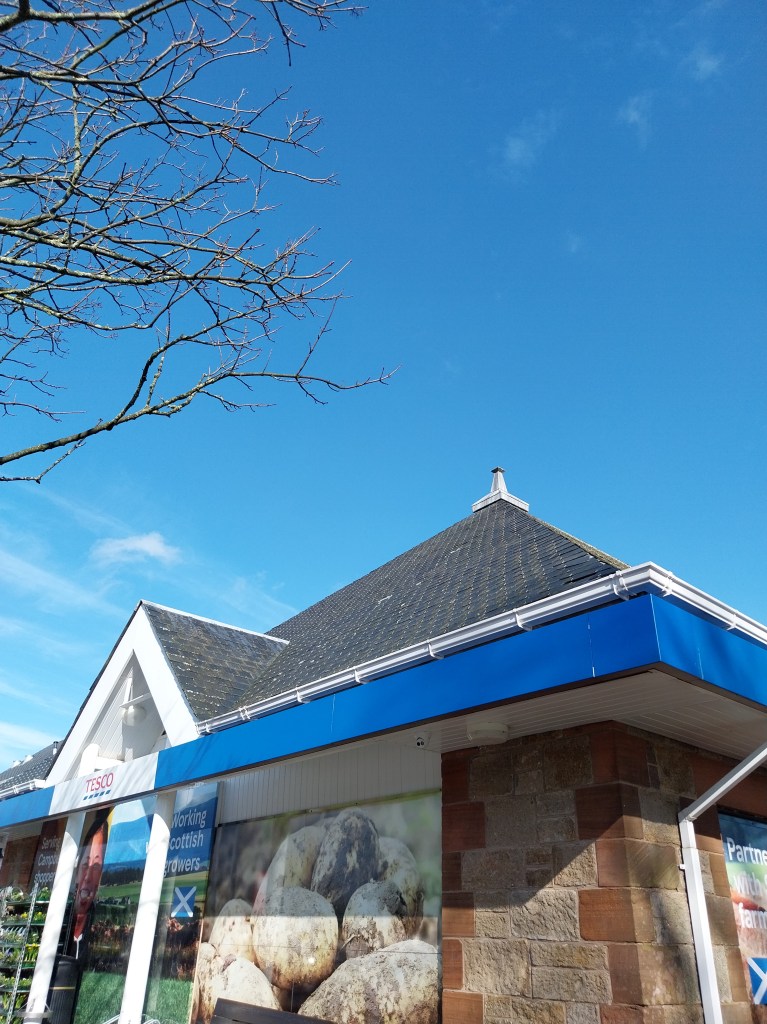
Some others were less straightforward to spot, like the site of Lochead distillery, which is now home toโ€ฆa Tesco. Apparently, when they had their application approved by the Argyll and Bute Council, they were supposed to include in the architecture something that hinted at the fact that there used to be a distillery, so they came up with โ€œpagodasโ€ on the roof. Pardon our French, but they look a bit shite. The old Hazelburn distillery is, instead, one of the best-preserved buildings. Some warehouses of Glen Nevis also survived. Nice touch, during the tour we also popped into Glen Scotia, where we said โ€œhiโ€ to Greg, who gave us the excellent Warehouse Tasting back in December.

After the tour, it was time for lunch back at the Still Guesthouse: scotch pie, keeping it traditional. Common theme for the whole week: the food was delicious, we were (happily) spoiled! Anyway, after the one-hour lunch break, we were split in two groups, Graham and the two of us in one, and Robert and Stephen in the other. While Robert and Stephen went on to look at mashing, fermenting and distilling, we went back to the maltings, where the staff showed us all the nitty and gritty of what is done there. First, we watched the steep tank being filled in with barley, and how it gets evened out. To see how the steep tank gets filled with water, we had to wait for the next morning.

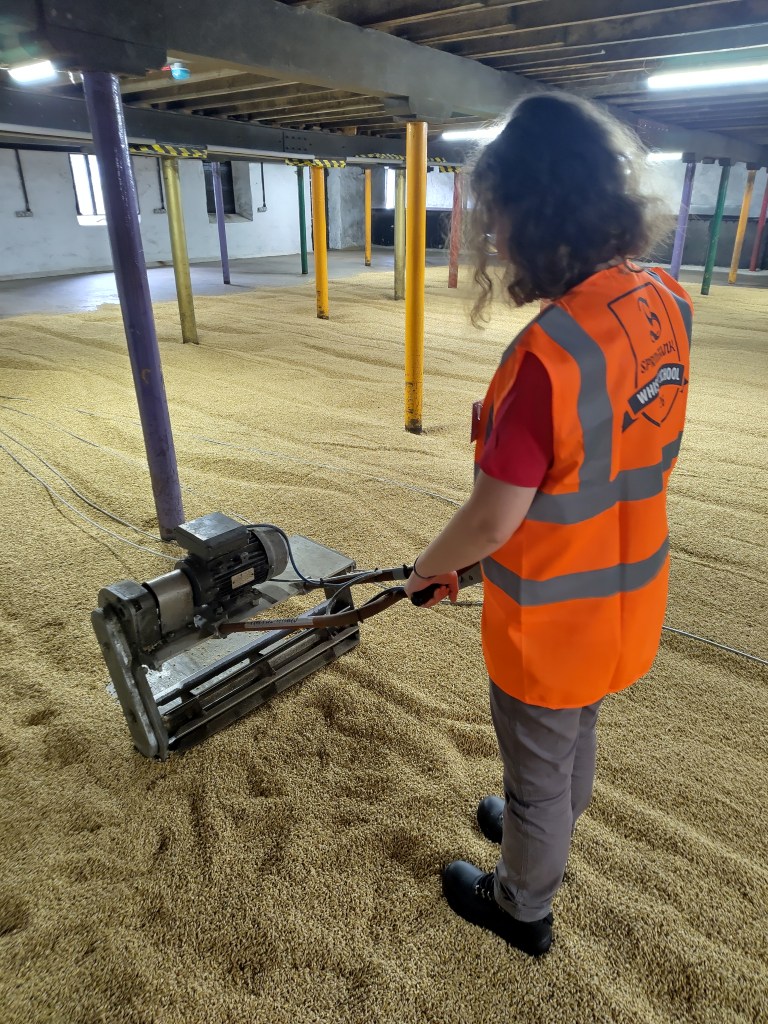
Anyway, once spread on the floor, the barley is turned every four hours to keep it aerated and break up rootlets. The three of us got to turn a few rows of barley with both the grubber (manual) and the turner (electric). Every step and relevant information is noted down on paper registers, things like when the barley is turned, temperature, humidity, etc. It was quite exciting to see some old registers going back many years!

The team then took us outside in the internal courtyard, where they keep both wet and dry (under a shed) peat, and where the old oil tanker still lays, which was used before they switched to natural gas. Back inside, we went up to the last floor, which is not used to spread malt, but to store the barley from two local farms (wink, wink) waiting to be processed. Itโ€™s also where we could see the top of the malt bins (and a conveyer belt!).

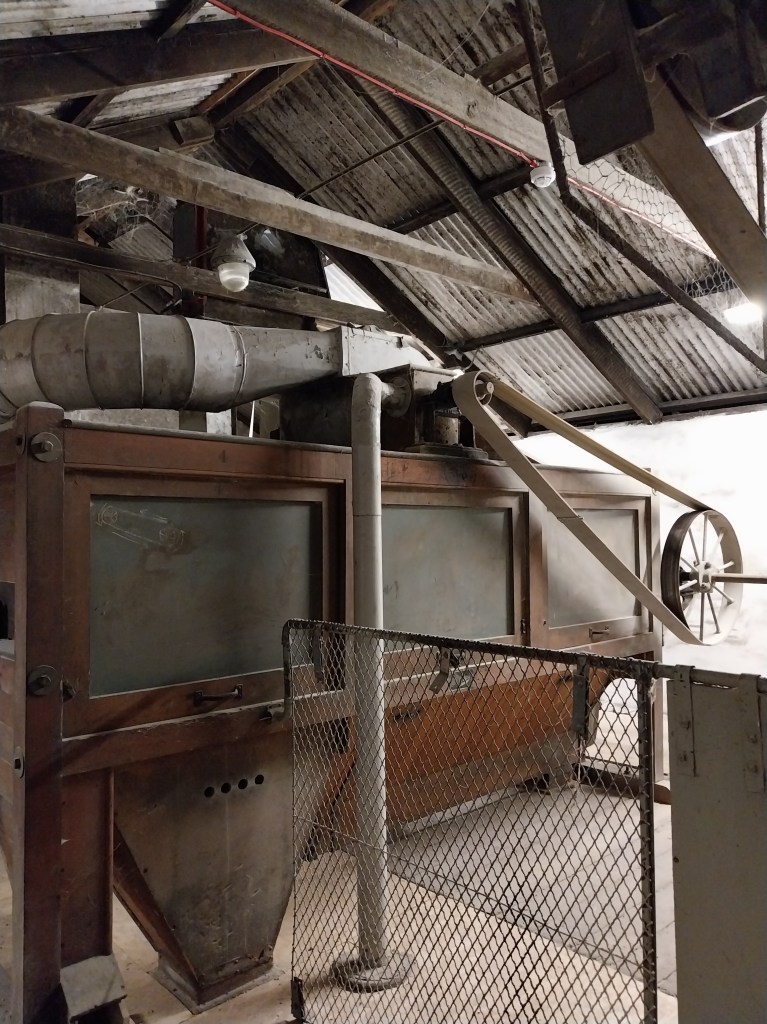
We then checked out the destoner above the Porteus mill, a very old piece of equipment in a wooden box, which weighs the malt to send to the mill in 25kg โ€œcoupsโ€. All very nerdy details, and of course we loved it!

With that, our first day was over. While the afternoon was a bit slow, it was a solid start of the school, and we were looking forward to the second day! We went back to the guesthouse, where Sandra had cooked us a delicious dinner, chicken Balmoral with fava beans and mashes, followed by a trifle: we still dream about it! We then had a couple of drams with Stephen and Robert in the sitting room, before retiring to our rooms.

Stay tuned to know more about our second day! Until then, slร inte!


Springbank Whisky School

Link: https://www.springbank.scot/whisky-school/

#74.1 The Springbank Whisky School

Getting ready to go!
(prologue)

ย 

TL; DR: Sooner than expected, we had to get ready for something that had been on our wish list for a long time โ€“ the Springbank Whisky School. We were so excited for this once-in-life opportunity! This is just an introductory blog post to our intense week in the wee toon, more (much more) to come.ย 

A few weeks ago, back in March (2026, for you reading from the future!), we ticked off one of the whisky experiences in our bucket list: the Springbank Whisky School! In a few words (but many more are about to come), itโ€™s an intensive week at the distillery, โ€˜workingโ€™ and learning everything about the nitty and gritty of their production, from malting the green barley, to sliding bottles in a cardboard box, ready to be shipped anywhere. With a few drams in between, obviously. Obviously a heaven for Springbank lovers, but overall an experience that attracts many whisky nerds and enthusiasts from everywhere.

We found out about the school during the pandemic, but at the time it was closed, for obvious reasons. Gianluigi first enquired back in November 2022, after they restarted, but we were told that after losing those two years, the queue was estimated to be seven years long! Fair enough, we were ready to wait until 2029, and that was just to join the waiting list. But then, very suddenly, in October 2025 we received an email from the distillery: they were reopening the waiting list. We signed up right away, again expecting to finally do the school towards the end of 2026 or even in 2027. But that wasnโ€™t the case, possibly because (as we learned later) after the pandemic they moved from running it 10 weeks a year to 20 weeks, halving the waiting times. When the confirmation email arrived, asking us to choose three potential terms, we realised that we could do it as early as February/March 2026: only a few months away, such a nice surprise! And so we did, we selected the second week of March, to avoid a clash with the Fife Whisky and Independent Spirit festivals. Soon after, our good pal Stephen from the Edinburgh Whisky Group, a massive Springbank fan also on the waiting list, managed to book for the same week: โ€œlos tres amigosโ€ going to Campbeltown, yay!

The adventure started on a sunny Sunday afternoon, when we slowly left Edinburgh towards Glasgow, where we picked up Stephen who was visiting friends. We met him at the CostCo petrol station, so in the meanwhile we filled the tank (the diesel was โ€œonlyโ€ ยฃ1.349 per litre thenโ€ฆ.It seems so long ago!). We then swiftly left Glasgow and drove to Campbeltown, aiming to check in just before dinner. The Whisky School includes accommodation in the lovely Still Guesthouse (owned by J&A Mitchell and used by staff visiting the wee toon), a few minutes walking from the distillery, in front of the Co-Op supermarket.

The school normally hosts 6-7 attendees per week. However, when we arrived, we realised that in our term weโ€™d only be five: the three of us, Robert and Graham. Robert is from California, but he used to live in Scotland, where he obtained the master in Brewing and Distilling at Herriot Watt University and then worked at Fierce Brewery, before moving back to the US. Heโ€™d flown all the way from San Jose to attend the school (and for a following trip to Islay)! Much closer to home, Graham lives and works in Glasgow, but since his wife is from Campbeltown, he stayed with the in-laws. Not the first time weโ€™d met him, as we were already introduced to each other at the Fife Whisky Festival the previous weekend.

Stephen and Robert were given two rooms on the ground floor (the โ€œ15โ€ and the โ€œ12โ€), while we shared one of the three rooms upstairs (the โ€œSingle caskโ€). While the rooms downstairs had a shower, ours didnโ€™t, but since we were the only two people upstairs, we still had the one bathroom to ourselves. There is also an annex, but obviously nobody used it during our term.

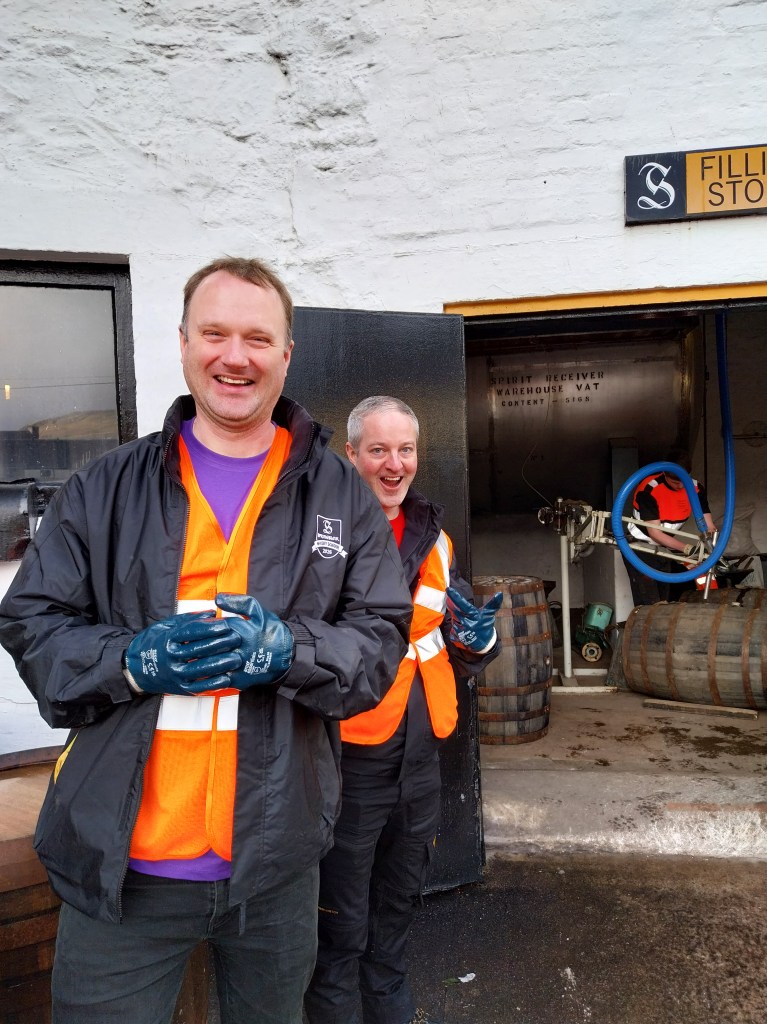
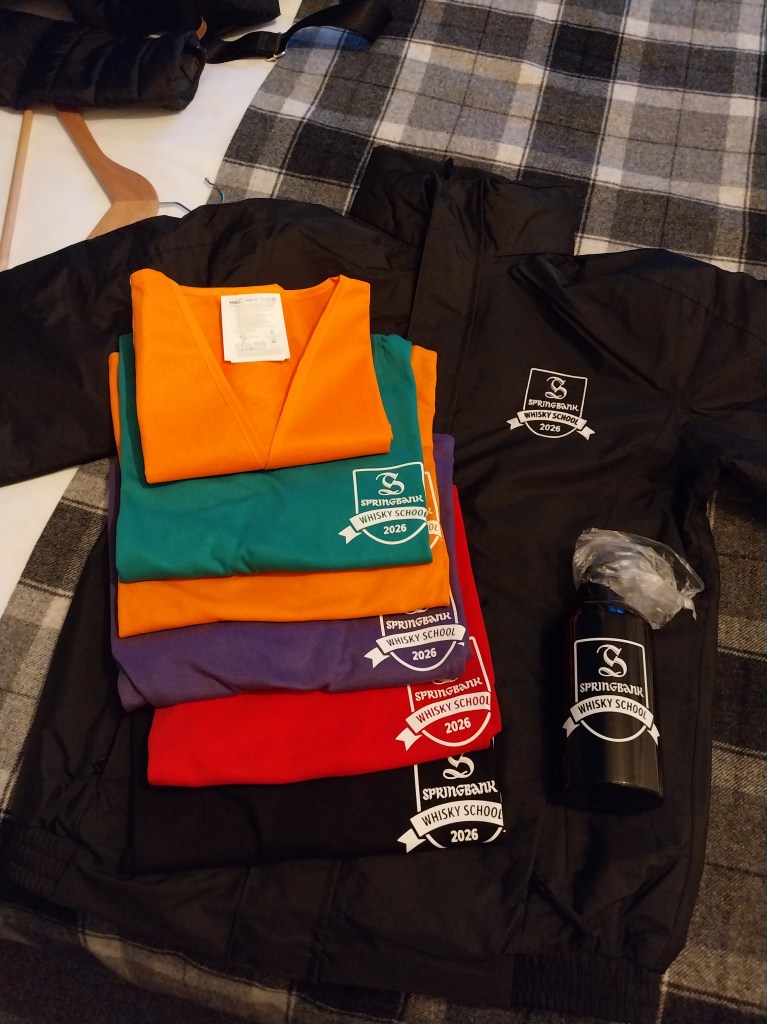
In the room, we found the gear provided by Springbank: a set of five t-shirts (orange, red, green, purple and black), a black jacket and a high-vis vest. On the initial form the smallest size was a unisex S (which fits Gianluigi), but they were super kind to get a XS set of t-shirts and jacket for Teresa (who is a tiny lady). After the school the high-vis vest are in the van, donโ€™t know how good of an idea this is, since the big mark on the back with โ€œ2026 Springbank Whisky Schoolโ€. A thing we had to get ourselves were the safety boots: we both got some hybrid models with all the safety requirements, but that could be used for hiking as well. Our old hiking shoes were long done (Teresaโ€™s died last year on Ben Nevis), so we killed two birds with one stone.

All meals from Monday morning to Friday lunchtime are also provided by the school, and it is a fixed menu (obviously taking into account food allergies or diets) for the three meals. So, on our arrival on Sunday evening we had to get food somewhere, and the obvious choice for us was the Ardshiel Hotel. After a tasty meal and a pint, we went back to the guesthouse, where we met Robert.

We had a dram all together in the cosy sitting room, where a bottle of Campbeltown Loch blended malt (46%) and a Seven Star blended scotch (46%) were left for us to enjoy. We also found a liquor cabinet in the kitchen, where previous guests had left a bottle of Longrow from the distilleryโ€™s shop demijohn (that gets constantly refilled, in a solera-ish fashion), and some other liquors/spirits. Good find and nice way to โ€˜connectโ€™ with students from previous terms (weโ€™d also leave some of our samples for students after us), but we all concurred that it wasnโ€™t a good night for dramming given the big start the day after. We soon went to bed to get a good rest before properly starting the adventure on the next day!

Stay tuned for the rest of the adventure! Until then, slร inte!


Springbank Whisky School

Link: https://www.springbank.scot/whisky-school/

#70.2 A weekend in Campbeltown

Ending the whisky year with a bang (Part II)


TL; DR: After Glen Scotia and Kilkerran, we had two more whisky tastings lined up for the weekend. An unmissable Cadenheadโ€™s Warehouse tasting, always interesting for its variety, and an excellent Watt Whisky tasting at the shop with Mark. Campbeltwon, weโ€™ll be back. 

(missed Part 1?)

The Saturday morning was much quieter, helped by a gloomy weather: we cooked ourselves a big breakfast with eggs, bacon, and some bread. We then went for a (short) stroll, before going straight to the Cadenheadโ€™s shop for our third tasting of the weekend: the Cadenheadโ€™s Warehouse Tasting. We are almost veterans, having done it four (Teresa) and six (Gianluigi) times. Our host was Craig, and joining the tasting there were the two German guys weโ€™d met the day before, and a group of five people (four guys and a lady) who were a tad too noisy, some clearly in hangover since the day before.

The tasting started with anโ€ฆEnglish whisky! It was a 2019 Filey Bay from a Madeira cask, surprisingly naturally at a 47%abv. It was followed by a 14y Glen Garioch finished in rum cask (55%), very tropical as you can expect. Next, a 16y Glenallachie from a refill sherry butt, at a whooping abv of 63.5%. It was very pale, so probably a third fill? Fourth dram was a 15y Burnside(โ„ข) from a sherry hogshead (65.7%), before moving into the peat realm: a 15y Ledaig (51.8%) and an 11y Caol Ila (58.2%), both from bourbon casks, both delicious. Overall, a very interesting tasting, with a lot of different drams, and Craig did a great job despite the noisy crowd.

Unfortunately, we couldnโ€™t stay and enjoy the 7th dram at the tasting room, because they were closing at 12.30 for the J&A Mitchell Christmas party. So, we took our drams โ€œto goโ€, and went to the flat to cook ourselves the โ€œpisarei e fasรถโ€โ€ฆWe had a good portion, eating the whole half-kilo pack.

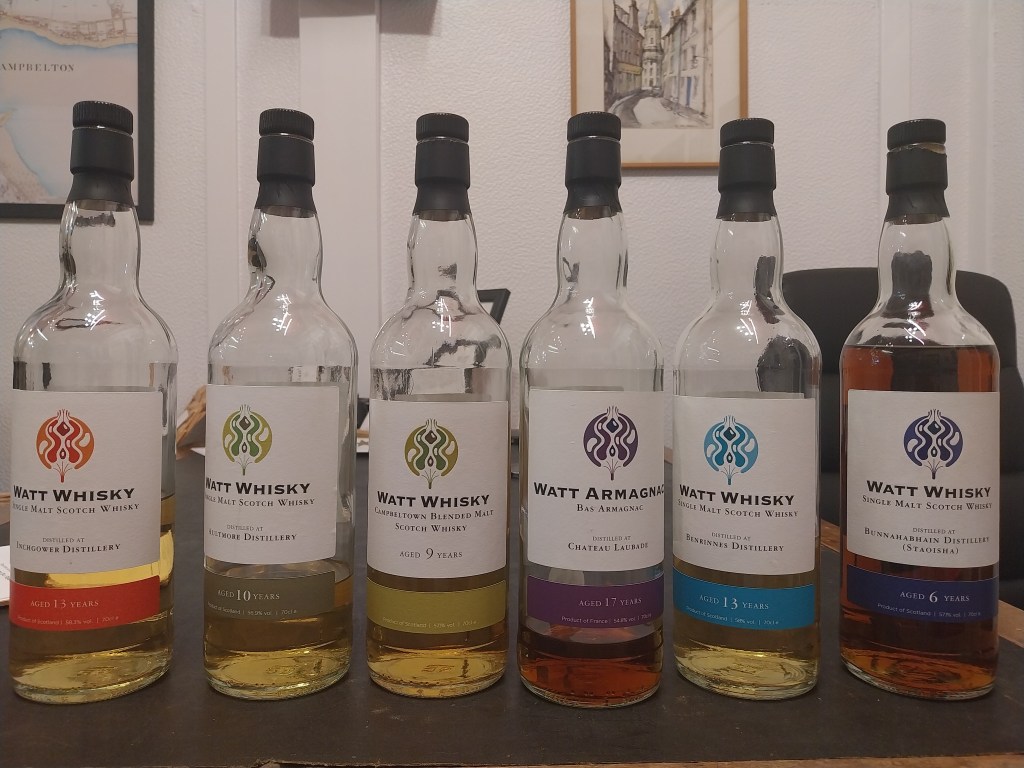
After some rest, and a much needed coffee, we went out again for the final tasting of the weekend at the Watt Whisky shop, very kindly scheduled by Mark. We started with a couple of ex-bourbon cask Speysiders, one of Markโ€™s favourite styles, a 13y Inchgower (58.3%) and a 10y Aultmore (56.9%). Both delicious, and very different from each other: the first funkier and heavier, the latter more delicate. Then it was time for a 9y Campbeltown blended malt (57%), which may or may not be a tea-spooned Glen Scotia (for a deeper review of the dram check out Dramface). After that we got a pair: a 13y Benrinnes finished in an Armagnac cask (58%), paired with the 17y Chateau Laubade Armagnac (54.8%) that was in the cask before the whisky. This confirmed our taste for Armagnac casks in general (this Benrinnes in particular was delicious!), and that Armagnac itself is a spirit worth exploring more.

The tasting came to a close with a young and sherried 6y Staoisha (peated Bunnahabhain, 57%), a dram that always delivers. We could have listened to Mark talking about whisky for hours, but it was time to close the shop and so we left, happy.

The evening continued with a pint and a take-away from the Bangladesh Tandoori that we ate at the flat (great food, and abundant portions too). We went out for the evening, first at the Fiddlerโ€™s Inn and then at the Burnside: there were many Christmas parties around, so in both bars the atmosphere was fun and joyful. We had some nice chat with locals, who often looked at our drinks and guessed why we were in town: they must be used to whisky enthusiasts, we felt very welcomed. Campbeltown is such a cosy place!

Finally, Sunday came, time to leave and go back to reality. It was one of those miserable rainy days that youโ€™d want to spend inside, maybe in front of a chimney with a book and a dram. Unfortunately, we had to drive a few hours, but in the end we got home safely (albeit without one of the wheel trim covers, a loss possibly caused by one of the many puddles we found on the road).

It was another great and very interesting whisky adventure, we had so many flavoursome drams! The Glen Scotia tasting went beyond our expectations, and potentially they might still have the same casks available at the time of writing (January 2026): since they only sell 20cl bottles, the turnover might be slow. It was also the case for the Kilkerran tasting, as some of the casks were the same as in April, despite the Campbeltown Malt Festival in between. Nonetheless, as even the new casks were very similar to the previous ones, so we might wait a bit before doing this tasting again. As expected, the two independent bottlers range was various and interesting. At Cadenheadโ€™s, only one cask was still there since April, the Glenallachie, but while the abv hadnโ€™t changed much, it was definitely more mellow the second time around. Because it was only the two of us, Mark could tailor the tasting around that, avoiding expressions weโ€™d tried at a tasting at the Belfry (Edinburgh) back in March 2025. This latter was definitely a winner, something weโ€™d repeat next time weโ€™re in town. About our next time in Campbeltown, we might have big news for this year, but no spoilers just now.

Stay tuned to know about our next adventures, this time around about the other side of Scotland. Until then, slร inte mhath!


Cadenhead’s Warehouse Tasting

Price: ยฃ45.00 pp (December 2025)

Duration: 1hr (more like 1hr 30min)

Tasting: 6 drams from the cask, plus a dram at the Cadenheadโ€™s Tasting Room, and a complimentary glass (high-stem copita)

Target: whisky enthusiasts

Value for money: very good

Highlights: the drams

Recommended: yes

Link: https://www.cadenhead.scot/

Watt Whisky Tasting

Price: ยฃ25.00 pp (December 2025)

Duration: 1hr (more like 1hr 30min)

Tasting: 6 drams

Target: whisky enthusiasts

Value for money: great

Highlights: Mark’s banter

Recommended: yes

Link: https://wattwhisky.com/

#70.1 A weekend in Campbeltown

Ending the whisky year with a bang (Part I)


TL; DR: Just before Christmas, we planned a relaxing long weekend in Campbeltown, where we did a few tastings. First off: Glen Scotia and Kilkerran, followed by a great walk on the hills behind the toon! It might become a fixed appointmentโ€ฆ 

Happy new year! To all our readers, we hope your 2026 started in the best way possible. Ours did. As we write, we are back to work after a very relaxing 3-week break from the blog. That was needed, as the months preceding Christmas were particularly challenging, with work deadlines, etc. In that busy period, we only managed to fit a few quick escapes, nothing more than a weekend. This was until mid-December, when we set a few days aside for a proper long weekend away, and where better to go if not the Wee Toon itself, Campbeltown?

While Gianluigi visited the town last April with his pal Roberto, Teresa hadnโ€™t been there since early July 2024โ€ฆAnd even then, we only spent half a day there, leaving right after a cheeky Cadenheadโ€™s tasting and lunch. So, a trip back was definitely due, at this point! We prepared Mr Vantastic a day or two in advance, and on the Thursday morning we left early, aiming to get there after lunch after the 4-and-a-half hours drive. This was to give us enough time to park the van and check in at our accommodation: being December, we didnโ€™t want to take chances to stay in the van only to find terrible weather, so we got ourselves a small flat for the weekend. And besides, the two nearest campsites are about 4.5 miles from the town, one in Machrihanish and one in Peninver, too far to walk the distance after a tasting (or two). Along the way, we only had a break in Inveraray to get the usual morning roll at the George Hotel (this time not as good as usual), and to meet our pal Ivan: because of the wind, his seafood shack was closed, but we found him helping out a local stalker to process some venison. There we bought mince, fillets and square sausages that we ate back in Leith a few days later: everything was delicious! Back on the road, we arrived just past 2pm, in time to settle in the rented flat and go to our first tasting of the weekend. The flat was in a great location, right in between Cadenheadโ€™s shop and Springbank, what could we ask more? Other than being a tad damp, it was perfect for our needs.

Our first tasting was at Glen Scotia distillery, and was the Warehouse Selection Tasting (but not in the warehouse, which at first we found odd). As we checked in, Greg told us we were the only ones attending, and the table was almost ready for us: the good thing of not doing the tasting in the warehouse is that we had one glass per dram, so we could take our time. After a cheeky browse of the shop, the tasting started. Greg took out the bottles one by one, so we couldnโ€™t even guess โ€œwith our eyesโ€ what was going to come. It was a great exploration of what Glen Scotia can do: from a purely ex-bourbon cask (10y, tropical bomb!) to a young Oloroso cask finished dram (6y), and another finish but in a refill PX cask (9y). We then moved on to a Port cask matured whisky (11y) and finished (you might guess) with a peated Glen Scotia, again matured only in an ex-bourbon cask (and again 11y): while the first dram was from a Heaven Hill barrel, this one was from a Jim Beamโ€™s one. Overall, it was an excellent tasting, the drams were one better than the other, but the ex-bourbon cask duo won it for us. You can only buy one 20cl bottle per person, and we got one of these two (both ยฃ33, not cheap).

Greg was a great host, very knowledgeable and nice: as we told him that we had visited the distillery all the way back in 2018, he briefly walked us in the distillery to show us the new mash tun. And we also met Archie, the distiller who had given us a super geeky tour in 2018.

Back from the tasting, we briefly stopped at the Springbank distillery shop: we needed to buy two cage bottles to complete the lineup of our next Edinburgh Whisky Group online tasting (6 bottles, all from the cage!). Cage bottles can be considered an equivalent of the โ€œbottle-your-ownโ€ or โ€œdistillery caskโ€ at other distilleries (without the crazy pricing of some), but they come up more randomly and you can only buy one per week (per person, so two in our case). For some reason (and the reason is โ€œauctionsโ€), the Springbank bottles tend to disappear quite quickly from the cage, while Hazelburn, Longrow (both produced at Springbank!) and Kilkerran (from Glengyle distillery) tend to stick around a bit more. Usually we donโ€™t care, we like them all, but in this case we wanted to get a Springbank for the tasting. We werenโ€™t lucky that day, but we got the other bottle at least. We stopped at the Washback bar for a cheeky dram before it closed (at 6pm), and we found Aly, always great to chat with. Next, we got something to eat (a very bad take-away on Longrowโ€ฆthe street) and went back to the flat for an early night. We woke up well rested, and after a big breakfast, we went to the Springbank shop again to get the second cage bottle: we got the last one available after queueing just before the shop opened: crazy! However, we were happy with the outcome, and now we cannot wait to share these drams with our pals!

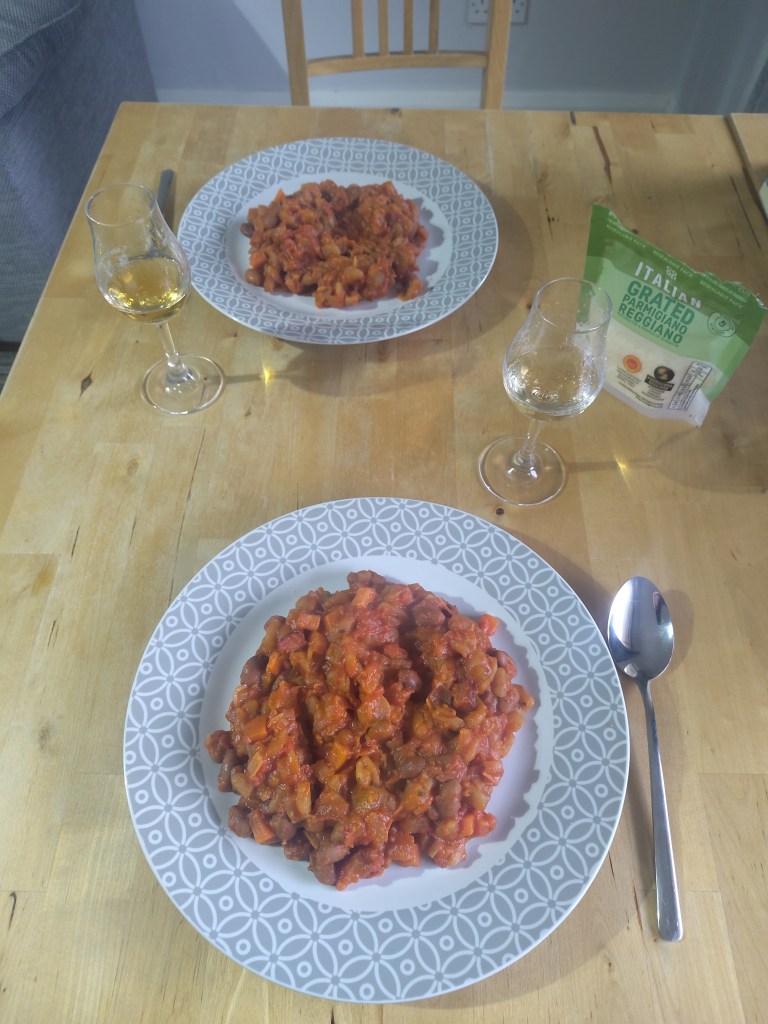
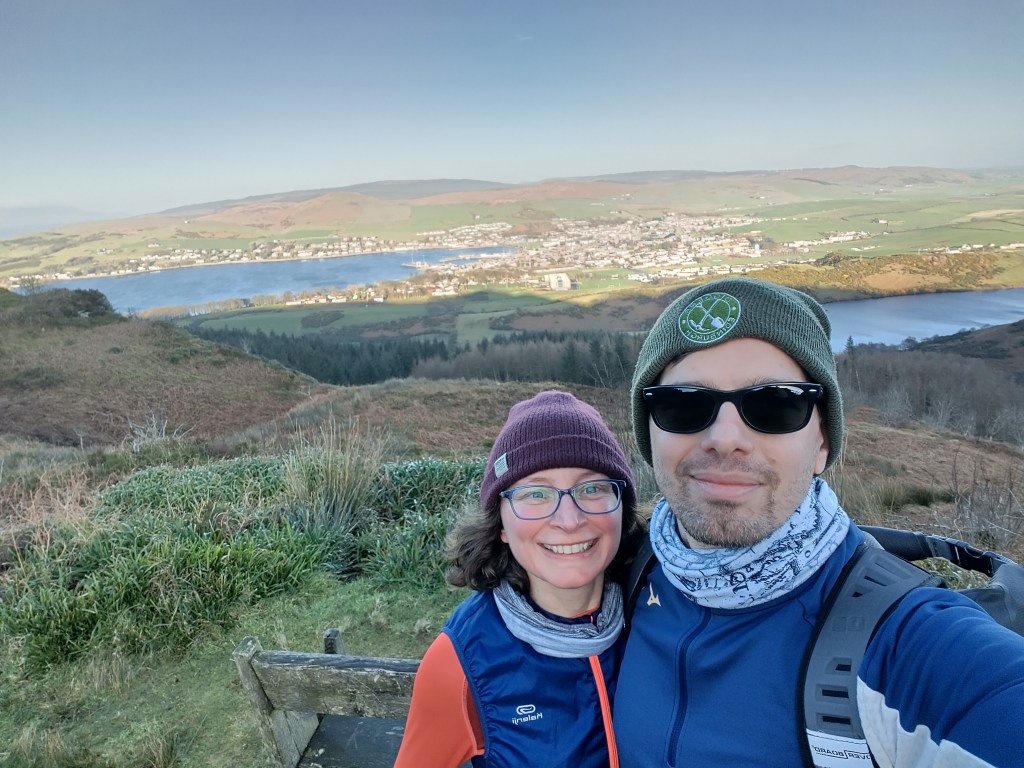
After accomplishing this mission, we took advantage of the sunny morning to go on a hike. We went up to the hill behind the town, first to the Crosshill reserve, and then to a panoramic view, before getting lost in the woodland, but somehow managing to get back in time for lunch at the flat. We also prepared a sauce for the next day meal: pisarei e fasรถ, typical from Gianluigiโ€™s hometown, which he brought back after a recent trip to Italy. We properly did it by preparing the sauce a day in advance to let it simmer.

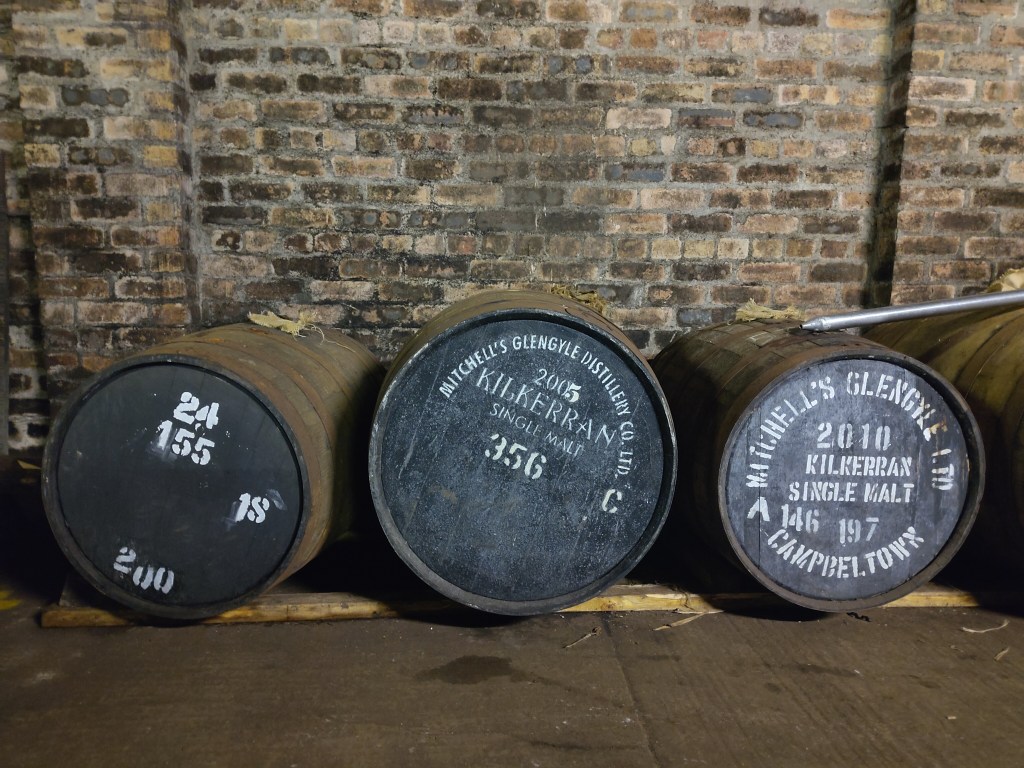
We then went back to attend the Kilkerran Warehouse tasting, this time in the warehouse. It was the two of us and two younger German guys, other than the host Joyce, whom Gianluigi knew from his tasting with Roberto in April. We started with a 2006 vintage triple distilled followed by a 2005 (respectively from refill ex-bourbon barrel and hogshead) and a 2010 from a 1st fill barrel. The second half of the tasting consisted of two 2013 vintage drams, one from a Port pipe and one from a sherry hogshead, and a heavily peated expression, 2015 again from a 1st fill ex-bourbon barrel.

The type of lineup was exactly the same as the one in April (even if some of the casks changed in the meantime), which was a tad boring. Nonetheless, the drams were all very tasty, and it is always great to explore one of our favourite distilleries in such depth. The winner for us was the triple distilled, a tropical bomb! Just a shame they increased the price from ยฃ60 to ยฃ80 for a half-bottle (35cl), which is a bit pricey. After the tasting, we went back to the Washback bar for an extra dram, and then back to the flat. We got ready for our dinner at the Ardshiel Hotel: not only a great whisky bar, they do amazing food as well. We got ourselves a two courses festive menu (plus a cheeky dessert for Gianluigi) and then called it a night.

Stay tuned for the second part of our whisky trip in Campbeltown, coming next week. Until then, slร inte!


Glen Scotia Warehouse Selection Tasting

Price: ยฃ40.00 pp + ยฃ2 fee (December 2025)

Duration: 1hr

Tasting: 5 Glen Scotia cask samples drams, 2015 1st fill ex-bourbon barrel Jim Beam (10y, 58.7%), 2019 Oloroso sherry finish (6y, 56.5%), 2016 refill PX sherry (9y, 59.9%), 2014 Ruby port finish (11y, 57.1%), 2014 Heavily peated 1st fill ex-bourbon Heaven Hill (11y, 57.6%)

Target: whisky enthusiasts

Value for money: very good

Highlights: the drams and the cosy shop/tasting room

Recommended: yes

Link: https://www.glenscotia.com/


Kilkerran Warehouse Tasting

Price: ยฃ40.00 pp (December 2025)

Duration: 1hr

Tasting: 6 Kilkerran drams from the cask, 2006 triple distilled refill ex-bou brl (56.3), 2005 refill ex-bou hhd (54.4%), 2010 1st fill ex-bou brl (57.5%), 2013 Port pipe (55.8%), 2013 refill sherry hhd (58.5%), 2015 heavily peated 1st fill ex-bou brl (58.1%)

Target: whisky enthusiasts

Value for money: great

Highlights: the drams

Recommended: yes, but do it once

Link: https://kilkerran.scot/

#69 Farewell to 2025

Another whisky year under our belt


TL; DR: What another great whisky year! It started quietly but it ended on a treble! Our highlights were the north of Scotland trip (especially Wolfburn, 8 Doors, and North Point), the Independent Spirit, Fife and Dornoch Whisky festivals, a Brora tasting, and the final long weekend in the Wee Toon!

Here we are, ready for our last blog post of the year for you to enjoy before the New Yearโ€™s bells. With our Christmas celebrations almost over, and some fantastic meals behind us, itโ€™s time to reflect a bit on this year, while listening to a very soothing early 2000s acoustic live from Pearl Jam. We hope you are cozy as we are, and that you could spend the holidays with your loved ones, and possibly a few good drams!

This year started slow for us, we didnโ€™t visit any distillery between our 2024 trip to Australia and April 2025: just over 4 months without setting foot in a distillery! That was because of a combination of work and family commitments, we couldnโ€™t even do our usual late-winter trip (Borderlands in 2022, Ardnamurchan & Mull in 2023, Skye and Raasay in 2024). However, we had lot of material from last year to ramble about on the blog, like our trip to Yorkshire and the one to Australia, both excellent adventures where we had great tastes of non-Scotch malt whiskies. In March, though, we managed to attend the Fife Whisky Festival in Cupar and the Independent Spirits Festival in Leith: these are two excellent festivals that should be on the radar of all whisky enthusiasts! A bit different from each other, the latter smaller and focused on independent bottlers, obviously, but very fun as well. Our plan is to attend them both again in 2026, we already secured tickets.

In early April Roberto, one of Gianluigiโ€™s best pals, came for a long weekend. The two went on a bromance trip in Campbeltown, followed by a hike on Arran. For Gianluigi, revisiting Springbank since 2021 was really a great and refreshing experience, with Findlay as a fantastic tour guide!

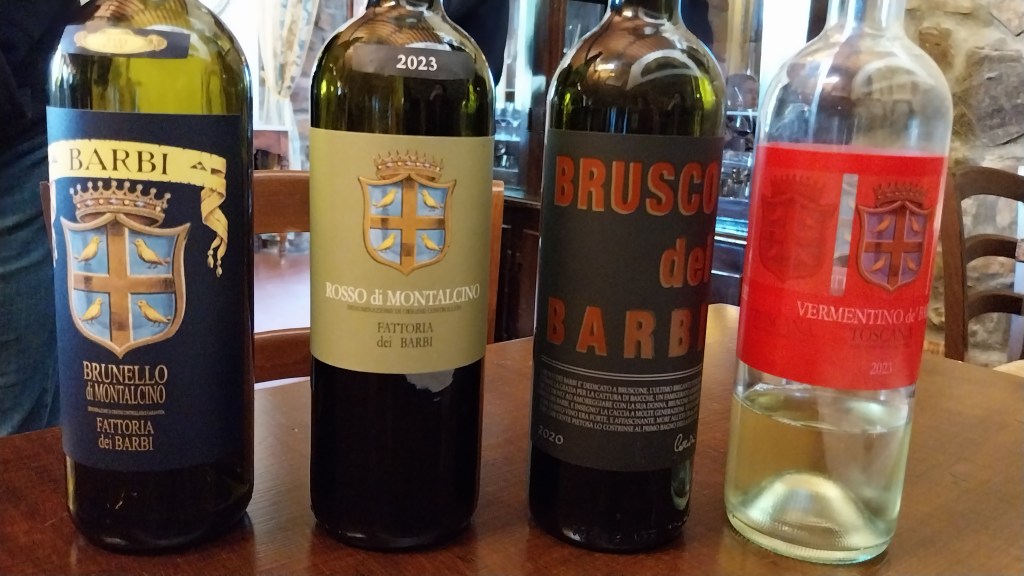
The first visit the two of us did together was not in a distillery, but in a winery: during one of our many trips to Italy we visited the Montalcino area, so we could indulge in visit to a historic winery: Fattoria dei Barbi. We thought the wine was excellent, even if an important disclaimer is that we know next to squat about wine.

It then came the time for the Spirit of Speyside, the week-long festival celebrating the many distilleries and producers of the region. As usual, we hit all the distilleries we hadnโ€™t visited yet (Teresa also hit something else, but youโ€™ll have to ask her, ahah), most of them closed to public (Inchgower, Glendullan, the first opening of the Cabrach). We also did two great tastings events, the Casks of Glen Moray and the Murray McDavid Drams under the stars. Overall, we always enjoy these events, and their variety. Our only complaint is the price for some distillery tours compared to the number/size of drams served. While the ยฃ100 tours at Diageoโ€™s distilleries are bad enough, we just refused to pay ยฃ200 to visit two Chivas Brothers distilleries, one of which you can visit for around ยฃ25 in normal times. Thumbs down.

During the summer our highlight was a short trip to the northern Highlands we did with Edoardo, Gianluigiโ€™s brother. We visited Pulteney, Wolfburn, 8 Doors and North Point: except the first one (which was fine but not outstanding), the other three visits were just incredible! Wolfburn drams were above our expectations, and we are looking forward to the single malts from the other two! Also, the landscape in this part of Scotland is just phenomenal!

In July we also visited the Glasgow distillery for the first time, which just turned 10 and is one of the most exciting new producers in the game!

September was a bit of a disappointment, as we couldnโ€™t make it to the Outer Hebrides for the Hebridean Whisky Festival. That was nobodyโ€™s fault, but with 3-4 consecutive days of high winds, it was just impossible for us to travel there. Despite the poor weather we still managed to sail to Tiree, home to a veeeeery tiny distillery.

We made up for the missing trip by visiting another new small distillery in the Tain area, Toulvaddie, and by revisiting some old acquaintances, Glenturret and Glenkinchie, which both went through a remake since weโ€™d visited the first time. The Glenkinchie tour was particularly great, also thanks to our pal and whisky geek John who works there as a tour guide!

The last part of the year was very busy. First, we finally got inside our local distillery: Bonnington, a real workhorse in the heart of Leith! Then, we spent some time in the eastern Highlands: the team at Bacardi/Dewarโ€™s decided to open two of their distilleries for charity, Royal Brackla and Macduff (and who are we to say โ€œnoโ€ to visit a distillery for charity?), and we also managed to get into the recently reopened Glenglassaugh and Glencadam (dedicated posts to come next year).

This year we ditched the Dramathon to attend the Dornoch Whisky Festival instead (they usually happen in two following weekends, too close to each other to attend both). This was a lot of fun, weโ€™re definitely adding it to our (short) list of whisky festivals that we enjoy. An event was a memorable dinner where each course was paired with an Ardnamurchan dram, with Carl from the sales team introducing them. The lineup included their soon-to-be-released (now it is) 10-year-old, different from the previous version but more true to the distillery character.

Tasting-wise, the main highlight was a pricey but fantastic tasting at the Belfry: Brora and Clynelish, hosted by the great Jolly Toper Mark and Patrick Brossard, who wrote a book about Brora. It was our first time trying the old distillery malt, so it was very special as you can imagine.

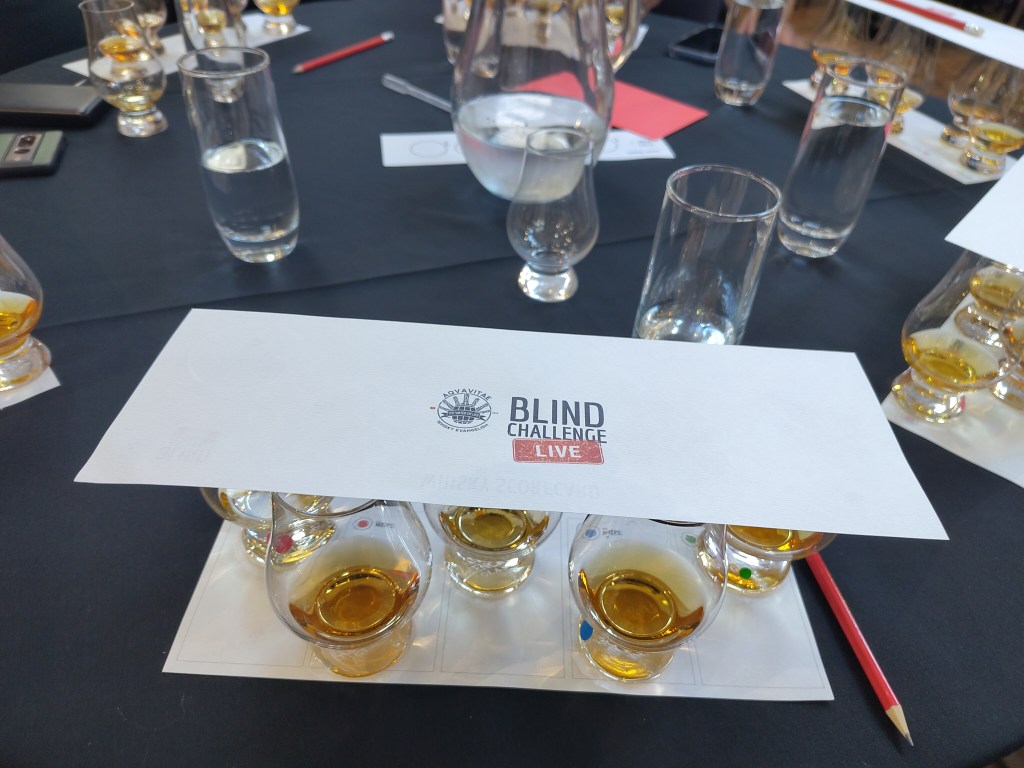
Another great event was the Aquavitae Blind Challenge in Glasgow, which we finally attended again after missing it in 2023 (flu) and 2024 (away): organised by Roy, it was a great opportunity to meet and chat with fellow barflies. The following week we attended the Kilchoman celebration for their 20years, at the Edinburgh Academy. We thought it would have been a tasting but was more akin to a small Kilchoman-only festival, with present and past bottlings to try โ€“ a nice surprise. Also, the Edinburgh Whisky Group was very well represented: a cracking time!

Our whisky year finished off with a long weekend in Campbeltown: we didnโ€™t tour any of the distilleries, but we had a few very interesting tastings (and again, next year there will be more about that).

Obviously, we canโ€™t ignore the elephant in the room: the state of the whisky industry, with respect to both production and hospitality. The great uncertainties around the economy on both sides of the Atlantic ocean make it hard to predict how the industry will be in 5, 10 or 15 years. Weโ€™re already seeing a big impact in the short term, with many distilleries pausing or reducing production. For example, as we are writing, we heard about Jim Beam pausing production at their Kentucky distillery (Mitch McConnell will be happy about that), which felt weird because it was our first full distillery tour back in 2016. On the other hand, some of the production expansion plans, in particular announced by some big players, now seem to be ludicrous and anachronistic: while we love whisky, it is still a โ€œdrugโ€, and you can only push it to some extent. We are also left wondering about the destiny of most of the new distilleries โ€“ often relatively small projects, we hope theyโ€™ll manage.

We heard the term โ€œadjustmentโ€, which makes a lot of sense at this stage. We hope one of the positive implications is that the dodgy investment schemes will gradually leave the market, avoiding the overinflation of casks and bottles prices. This โ€œadjustmentโ€ might also make some producers rethink their plan to destroy historical distilleries to make space for theme parks (yes, we are talking about a distillery on Skye), and maybe rethink their tour prices. And finally, prices cooling down a bit (we already saw this being the case, especially with independent bottlers) might make them more realistic, allowing us to stash a few cracking malts for the year to come!

We hope you have some gems stashed as well, and that youโ€™re sharing them with your loved ones to celebrate great moments in the year to come! Have a great 2026 and, as always, slร inte mhรฒr!


#58 A trip to the West

Hopping to Arran from Campbeltown


TL; DR: I (Gianluigi) went away on a weekend to the West of Scotland with Roberto, one of my best pals. It was a great day in Campbeltown, where we paid a visit to Springbank, before indulging in a couple of warehouse tastings. Then we went to Arran, where we climbed Goatfell and visited the island (but not the distilleries).ย 

The year 2024 was full of great whisky experiences and travels: from Raasay to Speyside, from Islay (twice) to the Central Belt, and further down to Yorkshire…And a bit more down to Australia. It was also the year when one of us, namely Gianluigi, turned 40, which we celebrated with some great drams. One of his best pals Roberto turned 40 as well. Not only pals and uni mates, they also played together in bands for almost 10 years: hand and glove.

To celebrate us getting old (from now on is Gianluigi writing), Roberto decided to come to Scotland for a weekend, and I had the task to choose some whisky experiences to do together. We had to aim for something opened over the weekend, at least on the Saturday. Because of this, we excluded the Ardnamurchan peninsula, and also Skye and the North Highlands, a bit out of reach. Speyside could have been nice if more distilleries had options catered to whisky geeks (excluding Glen Moray and Glenallachie, but Teresa and I visited them a number of times already). After some thinking, the answer became obvious: Campbeltown! Easy (ish) to reach, many options to choose from on the Saturday. Teresa and I were there last year, but for the Cadenheadโ€™s Warehouse Tasting, which is always different. We havenโ€™t stepped into Springbank or another of the distilleries since 2021, so it really fit.

When the time came, I picked up Roberto at the airport on a cloudy day, and we started driving westwards. With a slight detour, I could show him some of the monuments: the Kelpies, the Stirling Castle, the Wallace monument, Deanston distillery (we didnโ€™t stop though). By then, it had turned into a very nice and sunny day. We drove up north to Callander, and approached Loch Lomond from the north, with glimpses of Highlands along the way. Once in Tarbet, we continued to Arrochar and had our first stop for a refreshment under the sun at the Fyne Ales Brewery. Dinner was booked at the George Hotel, in Inveraray, so we could chat with our pal Ivan, always a pleasure. We both had a proper venison burger for dinner, delicious! We then drove another couple of hours to find the spot we had chosen to sleep, just past Tarbert in the Kintyre peninsula.

The day after was an early start: we had to be in Campbeltown by 9, so to have enough time to drop Mr Vantastic at the hotel (there are no campsites in town, so we took the comfortable way) and have a quick breakfast with a bacon roll and a coffee. Our first whisky activity of the day was before 10 (probably the only one in the whisky hospitality): the Springbank Tour. When we got at the distillery, around 9.40, there was already a line to get into the shopโ€ฆCage bottles we assumed? Our tour guide Finlay said they are used now to people queueing, eager to make a few bucks on auction sites. Hey ho. The tour started a few minutes earlier, as all the participants were already there: it was a nice tour, very informative, and Finlay only made it better with some jokes here and there. It wasnโ€™t the first distillery Roberto had visited, as in previous trips weโ€™d visited Lindores Abbey and Highland Park together, but it was the best one to showcase whisky making. He was particularly excited to see the malting floor in use (although not a unique feature in Scotland),as ย heโ€™d never seen the barley being malted before.

The tour went a bit long, so we took our drams as driver samples, and we ran to our next appointment: the Cadenheadโ€™s Warehouse tasting. It was only the two of us for the morning session at 11, and our guide was an old acquaintance: Aly! It couldnโ€™t have been better! He walked us through some of the drams, most really stunning, including an incredible Glen Moray from a bourbon barrel, and a peated Bunnahabhain from a refill butt, probably a Fino or a Manzanilla. Fortunately, we had empty sample bottles with us, that we used to store most of our dramsโ€ฆIt was going to be a long day! As the tasting ended, an extra half hour late, Aly walked us to the Cadenheadโ€™s tasting room, where we had the seventh drams (again put into sample bottles) and a delicious mushroom soup.

We went for a walk around the harbour, as it was again a magnificent day, but we felt that one soup was not enough, so we complemented the lunch with a jacked potato and a plate of nachos at the Bluebell Cafรจ. During the walk, we also went past Glen Scotia distillery – I felt a bit bad that we could not make it to such a great distillery, but unfortunately the timing of the tours was not good for us.ย 

It finally came the time for our last event of the day: the Kilkerran Warehouse tasting. It was the first time for me as well, so I was very curious. We were not alone this time, as a group of Dutch men were attending the tasting too. We started with a triple distilled whisky, then a couple of ex-bourbon cask expressions (the first one a 19y!), followed by a sherry and a Port wine matured couple, to finish with, predictably, a heavily peated one. That was quite a great exploration of Kilkerran, which is definitely one of my favourite ones. A good thing is that only half bottles are on sale, which if you ask me, is a more than enough quantity to enjoy such drams. After the tasting, we had an extra dram at the Washback bar (couldnโ€™t leave without sipping a Longrow 18, another favourite!) and then we went to properly check in to the hotel. Soon though, we walked back to the Ardshiel Hotel for dinner, where we had a yummy fish and chips.ย 

In the morning, we woke up surprisingly well (thanks, sample bottles!), and after a shower and a massive full Scottish breakfast at the hotel, we left. I didnโ€™t want to make the weekend only about whisky, I had something else in mind for the day. We drove along the east coast of Kintyre, to reach the little pier of Claonaig. From there, we sailed to on the Isle of Arran! Itโ€™s been a while since Teresa and I were there, our first and only time was in November 2019…Remember the time before the pandemic? We havenโ€™t been back since, reason why Teresa was particularly jealous of this trip! The ferry cross was only about half hour, before arriving at the pier in Lochranza. As we were there, we couldnโ€™t avoid a quick stop at the distilleryโ€ฆCould we? We stopped only for coffee and a (delicious) scone however, and a quick snoop of the shop. After that, we drove to the parking lot near Brodick, for the challenge of the day: climb Goatfell, the highest peak of the island. And it was a challenge indeed, in particular the last bit. It took us almost 2 hours through the almost 6km of the shortest path. Once at the top, we celebrated with a micro dram of a Cadenheadโ€™s Arran whisky Teresa had gifted me a while ago, truly delicious.

On our way back, we decided to take the longer path through Glen Rosaโ€ฆWe thought it would have been slightly longer, but it ended up being almost 11 km! During the walk we crossed path with many runners on a 2-day ultra marathon, we felt a bit sorry for them, as THAT was definitely a challenge. Once at the parking lot, we put our feet in the sea for a brief moment (in my case, very brief, as it was freezing), before getting some food at a nearby golf club restaurant. We drove west to find a spot, so we could enjoy the sunset with a final dram, before falling asleep to the sound of the seaโ€ฆSo poetic.

The Monday was warm and sunny, we visited the south of Arran. We started with Machrie Moor, the neolithic site with stone circles and standing stones, where we felt a bit like inside Age of Empires 1 (IYKYK). Then we drove along the coast, aiming for a coffee at Lagg distillery, but we found out it is closed on Mondays. We kept driving and stopped at the Forest of the Falls, to enjoy a coffee and a cake under the warm sun. We then walked along the beach near Kildonan Castle, and we finally drove to Brodick to catch our ferry to Troon, from which we slowly drove back to Leith.

What a great weekend that was, we were both super happy at the end of it! For Roberto, Saturday was the first time spending such a whisky-focused day, and although heโ€™s not a geek like us, he loved it. Other than the great appreciation for Springbank distillery, he liked the comparison between the two warehouse tastings. He realised how much independent bottlers can offers, while conversely it was also great to follow the โ€œjourneyโ€ of Kilkerran in different casks and at different ages. Itโ€™s always interesting to see things through the eyes of someone not so focused on whisky like us, it brought some different perspectives. We should do that more often!

Until next time, slainte!


Springbank Tour

Price: ยฃ15.00 pp (April 2025)

Duration: 1hr (more like 1hr 15min)

Tasting: 1 dram (choice between Springbank 10, Hazelburn 10 and Longrow) and a 5cl to take home

Distillery exclusives: cage bottlings

Target: everyone

Value for money: very good

Highlights: the whisky and the friendly staff

Recommended: yes!

Link: https://www.springbank.scot/


Cadenhead’s Warehouse Tasting

Price: ยฃ45.00 pp (April 2025)

Duration: 1hr (more like 1hr 3omin)

Tasting: 6 drams from the cask + 1 dram at the Cadenheadโ€™s Tasting Room

Target: whisky enthusiasts

Value for money: very good

Highlights: the drams

Recommended: yes!!

Link: https://www.springbank.scot/product/cadenheads-warehouse-tasting/

Kilkerran Warehouse Tasting

Price: ยฃ40.00 pp (April 2025)

Duration: 1hr

Tasting: 6 drams from the cask

Target: whisky enthusiasts

Value for money: great

Highlights: the drams

Recommended: yes!!!

Link: https://www.springbank.scot/product/kilkerran-warehouse-tasting/