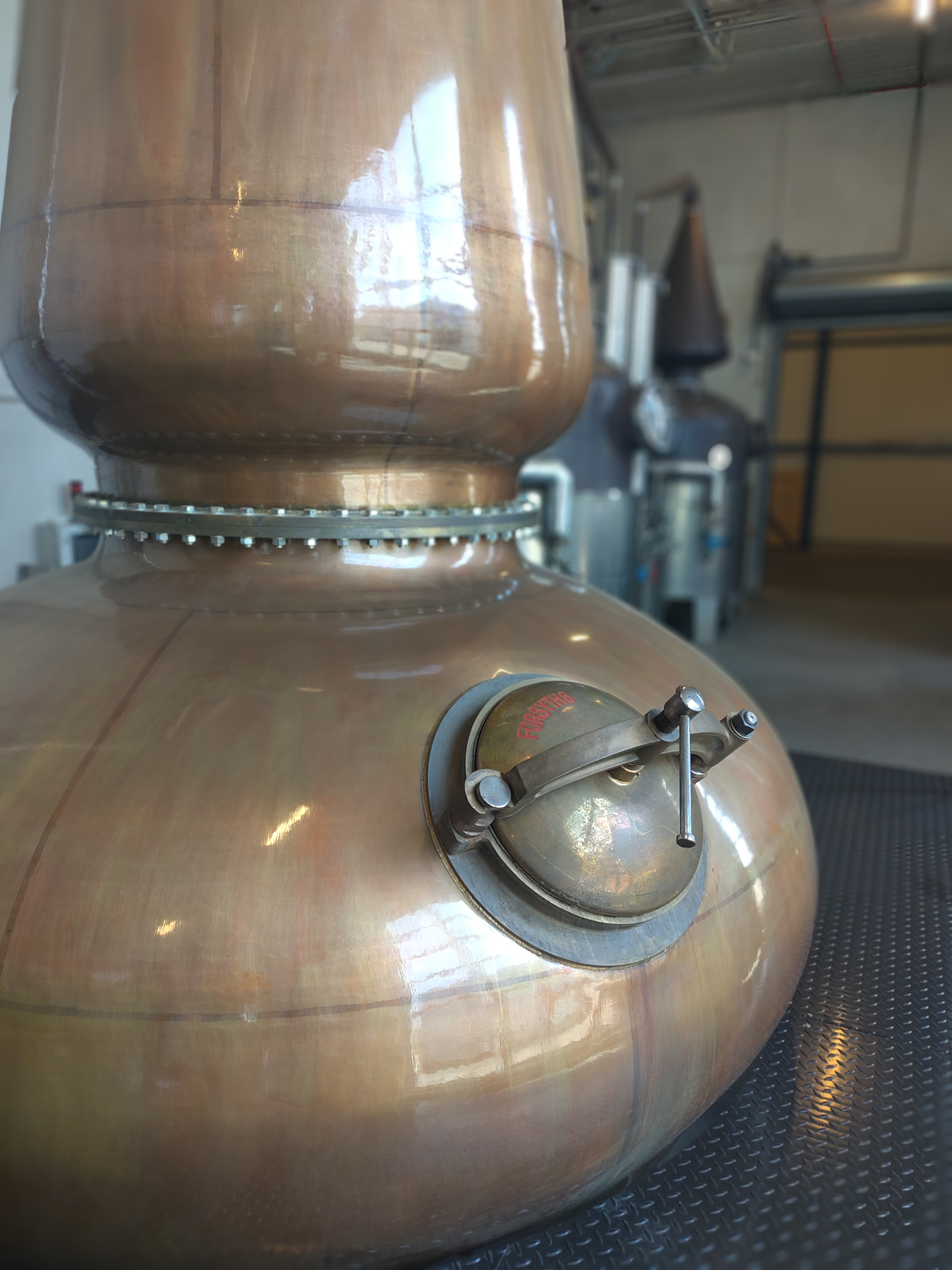
The Dutch cherry on top: Zuidam distillery
TL; DR: The final leg of our European trip started with a slightly overlong tour of La Trappe, now the only Trappist brewery in the Netherlands. Then a hyper-geeky private tour of Zuidam distillery with Patrick van Zuidam himself: local grains, windmill milling, ex-bodega sherry casks and some sublime old Millstone single malts. After a catch-up in Leiden and an overnight ferry to Newcastle, we headed home, already thinking about the next adventure.
(Missed Part 3/Part 2/Part 1?)
Day 14. We spent the night at a campsite/animal sanctuary in Wiemesmeer, near Hasselt (Belgium), and left early in the morning, driving north towards the Netherlands. When planning the trip, we had looked for a distillery or a brewery to visit in Belgium, but we couldn’t fit in any of the options we found (surprisingly, especially when it came to breweries!). Instead, our first stop of the day was La Trappe monastery in Berkel-Enschot, home of the popular La Trappe, now the only Trappist beer in the Netherlands (most of the others are in Belgium).
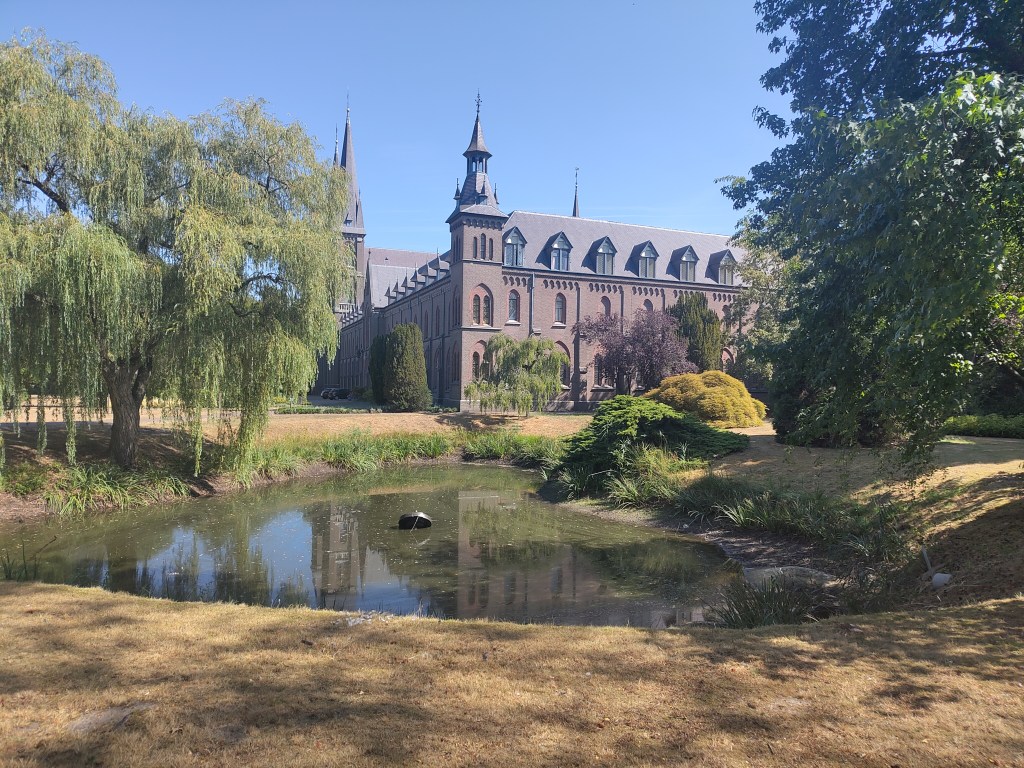
A beautiful spot: La Trappe brewery.
We arrived slightly early; the first tour of the morning coincided with the opening of the brewery (and of the restaurant and shop). The site is surrounded by trees and greenery, which makes it very relaxing. Our guide, Rob, welcomed us and showed us a video about the brewery’s history and ethos. He then explained how a brewery qualifies as authentic Trappist. Three conditions must be met: the beer must be brewed within the monastery, under the monks’ supervision, and part of the profits must be donated to charity. Today, 18 monks live at La Trappe.
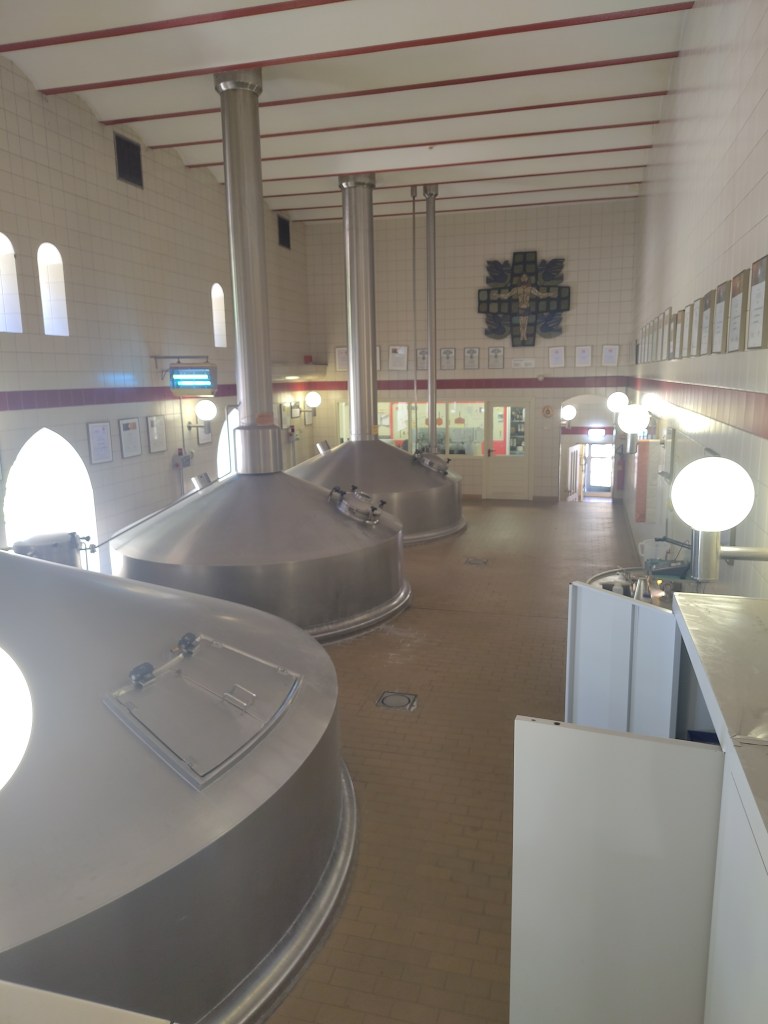
Not a small operation.
As we moved through the production areas, he shared some facts and figures: it takes 6.5 litres of water to make one litre of beer, and each batch is 15,000 litres. One interesting thing we learned is that only female hops are used, and there are no male hop plants within 50 km. As at whisky distilleries, the draff (spent grain) goes to farmers. At the end of the tour, we were each served a drink of our choice: La Trappe Quadrupel for Gianluigi and Nillis 0.0 for Teresa (on driving duty).
Overall, it was a very ok tour: too long (the website said 45 minutes, but it took more than double!), and with some inexplicable choices (like visiting the Oak Aged Quadrupel exhibition before being shown how the Quadrupel is made). The place is very nice, though, and with a bit more time (which we thought we’d have), it would have been nice to stay for a meal. Unfortunately, it was very busy and getting the staff’s attention was taking forever, so we left soon after, though not before stopping by the shop for a few beers and a couple of cute La Trappe glasses.
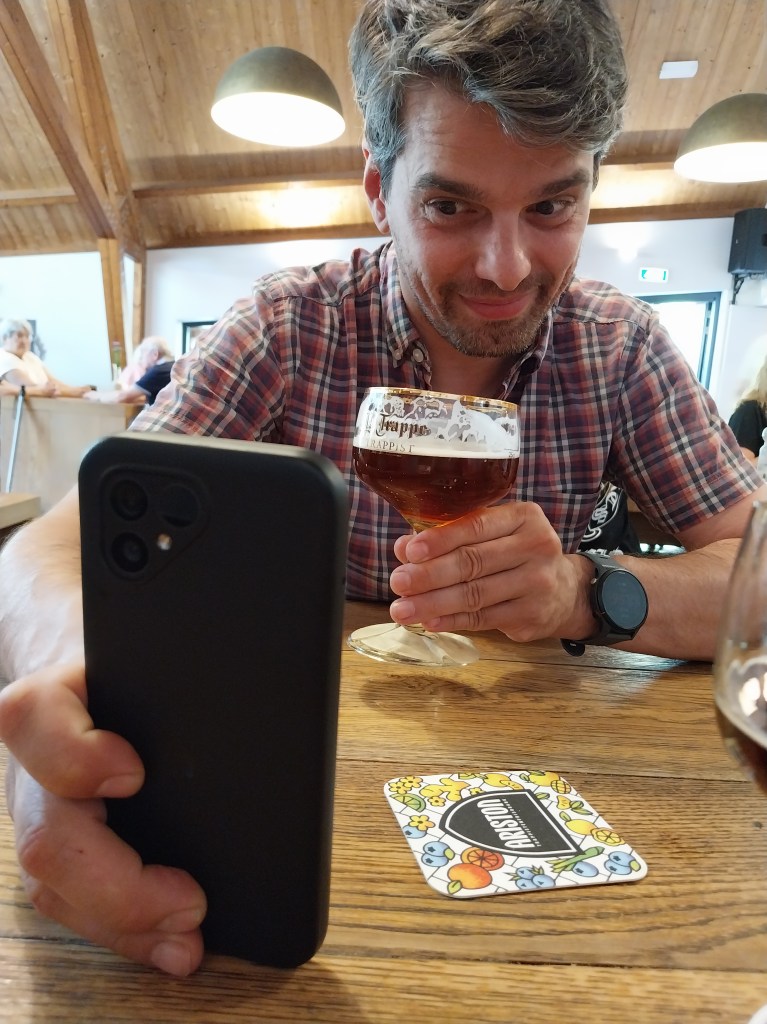
Selfie trials.
The next stop was about 45 minutes away, in Baarle-Nassau. This is a curious place: the town is dotted with the Belgian enclaves of Baarle-Hertog, some of which contain Dutch enclaves of their own. Our destination, Zuidam distillery, was in the Dutch part.
We arrived under a scorching sun, which, we were told, is very unusual for the area. We were introduced to this distillery a few years ago at a Jolly Toper (aka Mark Davidson) tasting at the much-missed Kilderkin pub on the Royal Mile. One of the pours was a 19y Zuidam single malt bottled by Adelphi from a PX cask, a delicious sherried dram that blew our socks off. The distillery isn’t usually open to the public, but we got in touch by email and were lucky enough to be offered a tour. And when we say “they”, we mean “him”: Patrick van Zuidam himself, one of the owners of the company.
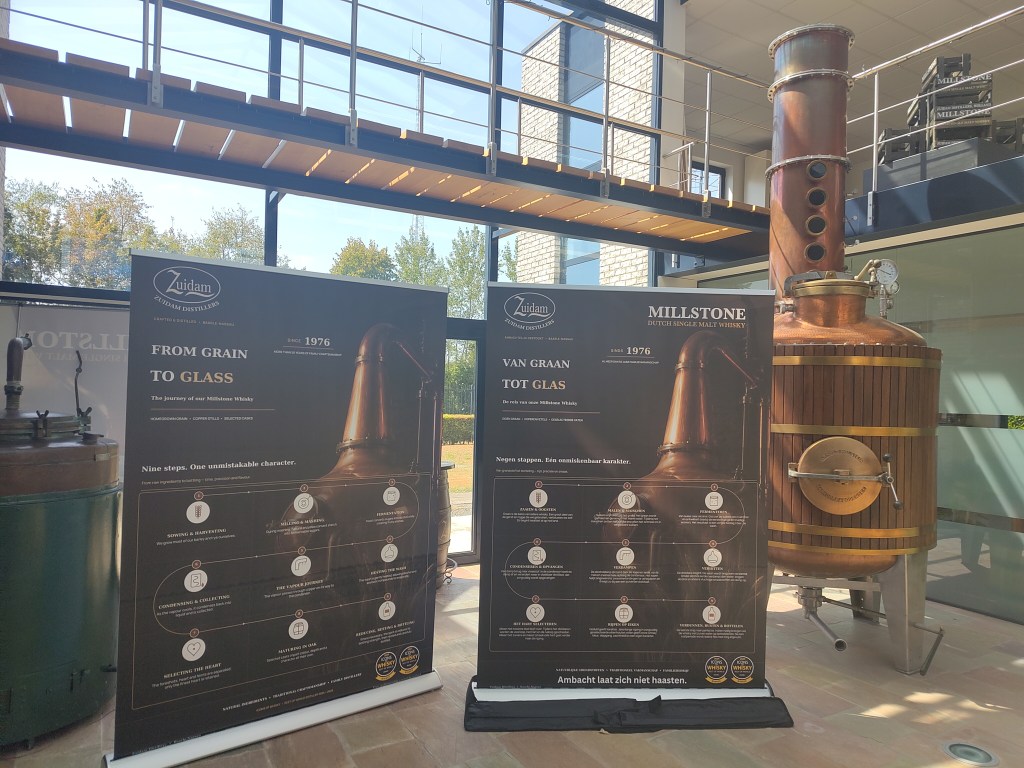
We’re so thankful one banner was in English!
He gave us a very geeky and informal tour, starting with the history of the distillery. It was founded by Patrick’s father, Fred, and turned 50 last year, although whisky production started later. Over time, Patrick and his brother Gilbert took on more responsibility in the business, and in 1996 Patrick started experimenting with whisky, now marketed under the Millstone brand. Their approach is (almost) farm-to-glass, as their grains are grown in the area: barley, corn, wheat and rye, the latter historically the main local cereal. The only malt they source from elsewhere is peated malted barley from Scotland.
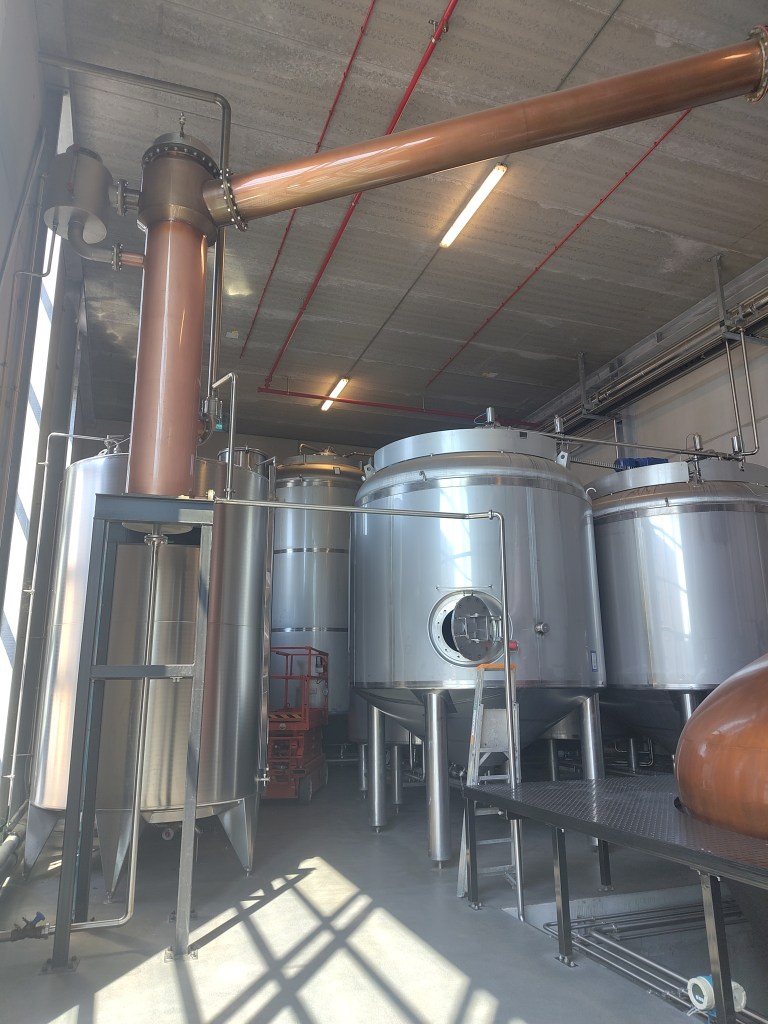
We didn’t expect it to be…
The grains are milled in two windmills (very typical of the area) before being mashed on site. We didn’t quite catch the size of the mashtun, and some of the information we found online might be outdated, since in 2020 they upgraded their equipment and moved into a new stillhouse, where most of our tour took place. They aim for a clear wort, which is recirculated several times and filtered through the bed of husks at the bottom of the mashtun. The wort is then transferred to one of their temperature-controlled 34,000-litre washbacks, where fermentation is started with a 50/50 mix of distillers’ M+ yeast and brewer’s yeast. Fermentation lasts seven days for the malt whisky and nine for the rye and genever.
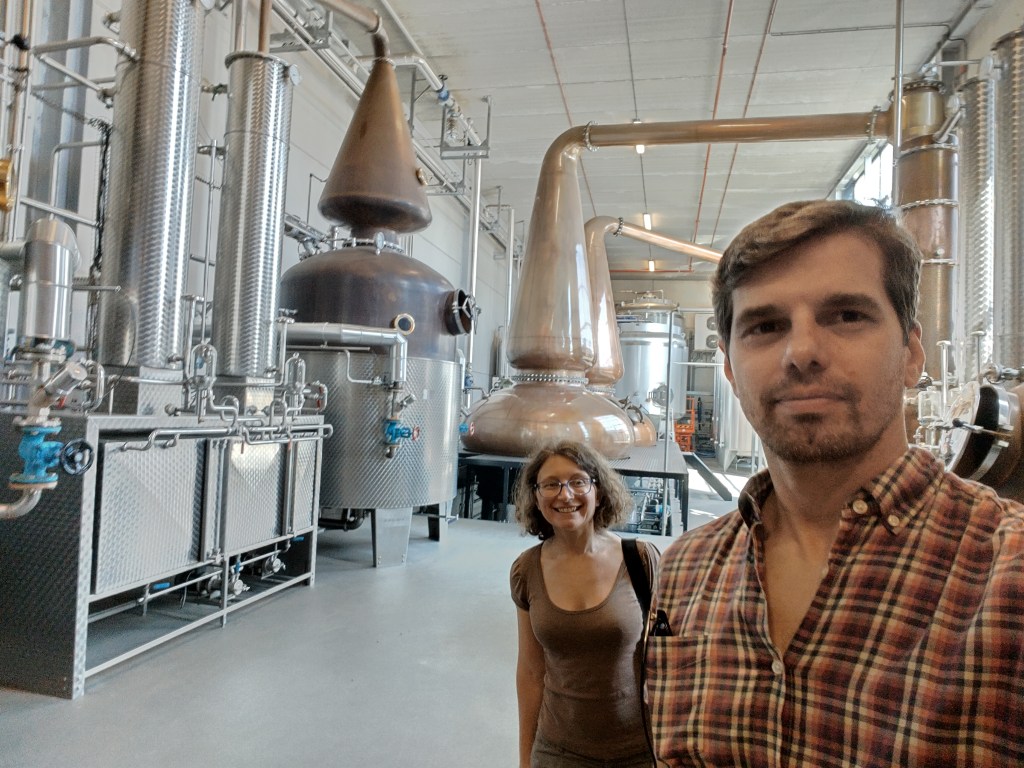
…such a big distillery!
They have six stills, including two massive Forsyths pot stills. The wash still has a 17,000-litre capacity and an external heating system, and is also used for rye and genever. The spirit still is charged with 5,500 litres of low wines and 4,500 litres of foreshots and feints from the previous distillation run. They also have smaller pot stills, used for the second distillation of rye and genever, and small column stills for gin and other spirits.
Behind the stillhouse there is a massive warehouse (we got a bit lost while Patrick was walking us through it), which holds 3,500 casks (15,000 across all their warehouses). Fifty-five per cent of their whisky is matured in sherry casks, but with a difference: they only source ex-bodega casks and don’t use seasoned ones, unless specifically requested by a private cask owner. Depending on the warehouse, their angel’s share ranges from 3.5% (already higher than in Scotland) to 11%. The same building also houses a bottling line with a capacity of 10,000 bottles per hour, and all the materials for packing and distributing the whisky.
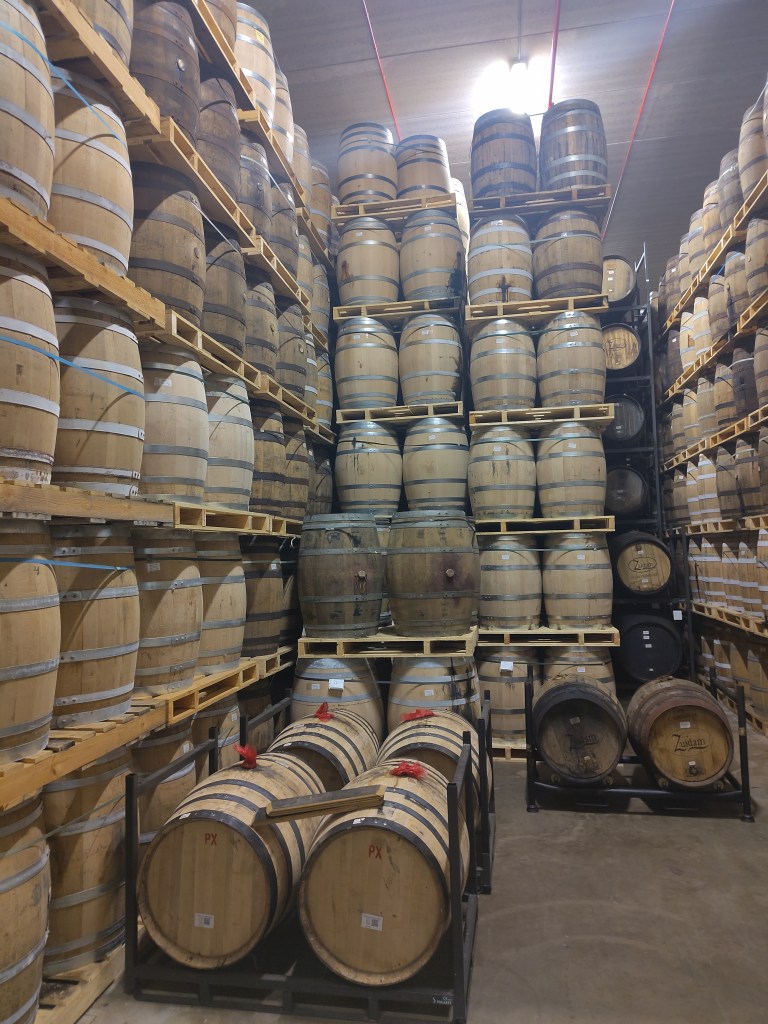
And behind the stills, a warehouse.
After the warehouse, we moved to Patrick’s office, where he poured us a few samples. The first two were Millstone single malts: a 23y matured in Oloroso casks and a 27y matured in virgin American oak. Both were sublime, but we especially liked the virgin oak (not a cask type we’re usually fond of, but here it was incredible). We also tried two peated PX cask expressions, a 12y sample and a 3y bottled for the Canadian market. Both were delicious, and the latter punched way above its age. Unfortunately, Dutch law doesn’t allow them to sell at the distillery, so after settling up for the tour, we left. We loved the distillery, and some of what we tried was exceptional. Patrick really knows his stuff, and the tour he gave us was hyper-geeky, just the way we like it!
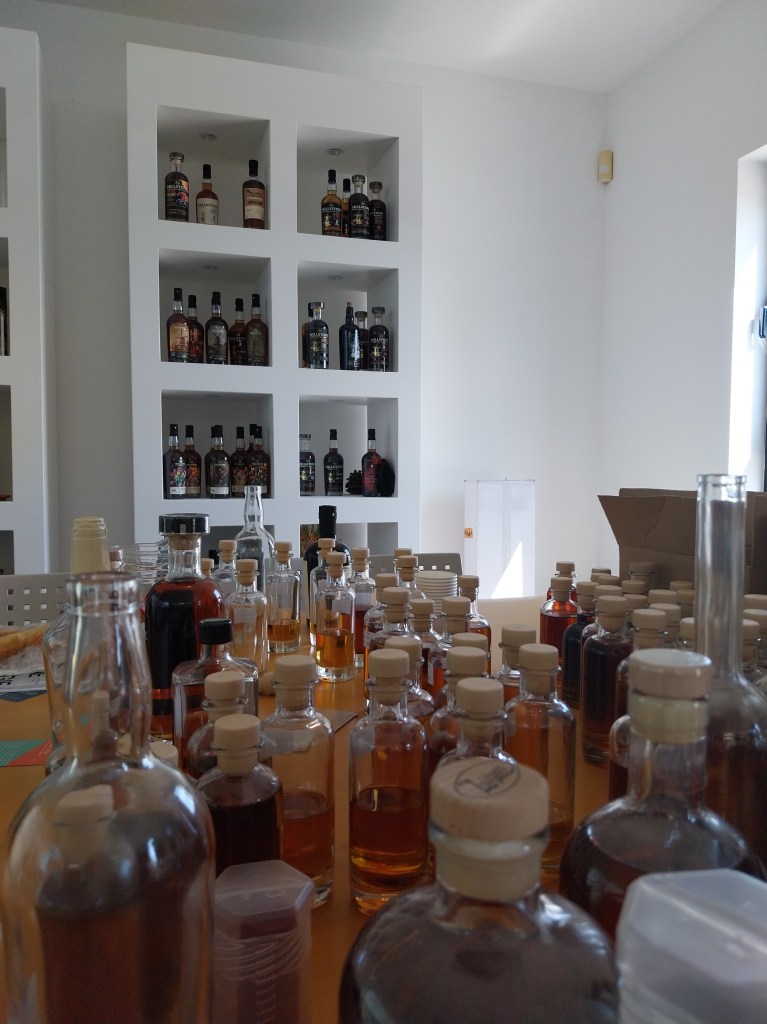
No worries, we didn’t try them all.
After a quick bite in town, we went straight to look for a liquor shop to grab something from Zuidam. We found a great one, with lots of their bottlings, including their other spirits (rum, gin and genever). They also had some small 3cl samples of different expressions, which we bought in quantity (like, six of them), plus two bottles of single malt: a 20cl peated PX and a full bottle of the 5y American oak (just €32!), as we wanted to taste the spirit from a more neutral cask. Our next stop was a campsite just before Rotterdam: very quiet and clean, with some people playing music but an overall very laid-back atmosphere. We had dinner and a couple of drams before going to sleep.
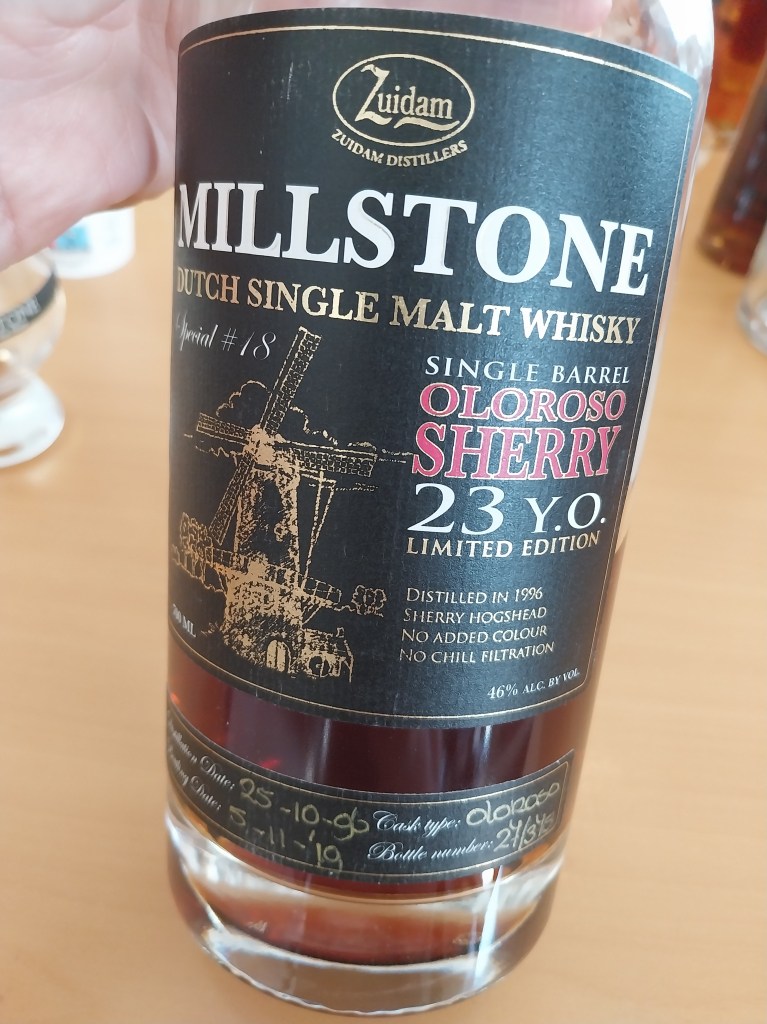
This one was delicious.
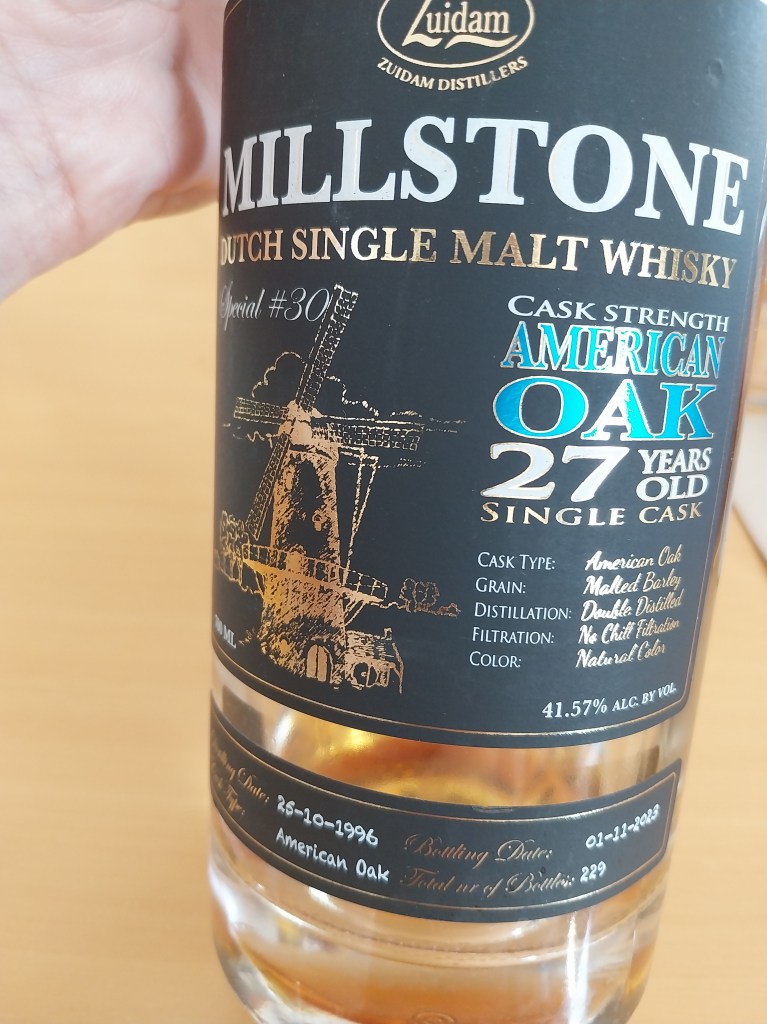
This one too.
Day 15. And finally, our last day on the continent came. We woke up well rested and, after packing up the camper, drove towards Leiden. It’s a very beautiful small city, with low buildings and canals, as you’d expect in the Netherlands, but the main reason for the stop was to meet Gianluigi’s old university pal from Parma, Filippo, and his family. Gianluigi hadn’t seen them in years, so it was a very nice catch-up, during which some very awkward videos from their university days were shown. Fortunately, they were taken just before the social media era, so they are safe on Filippo’s hard drive!
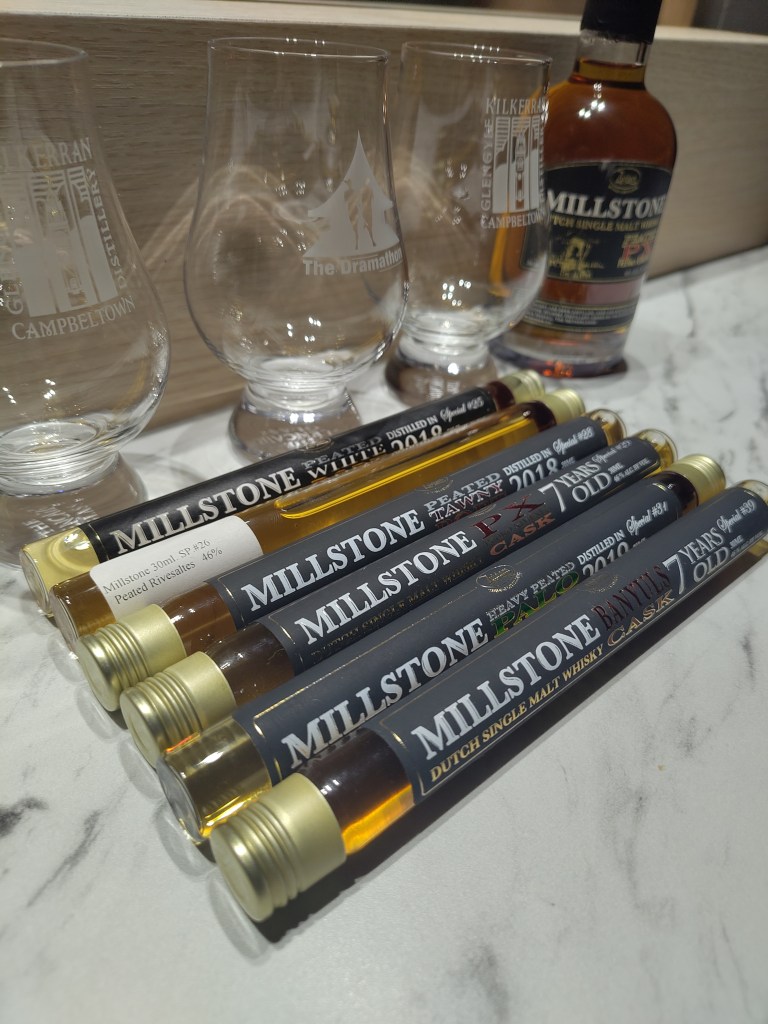
A good selection to bring home.
From there, we drove straight to the DFDS ferry port, where it took us about an hour to board. The boat was huge, with a little bit of everything on board: a pub, a club, a duty-free shop, two (expensive) restaurants, and even a couple of cinema rooms with over a dozen seats each. Our cabin was small but cosy, with more than enough space for us (we’re small people). We spent most of our time in a very nice observation lounge at the front of the boat, trying to spot whales (spoiler, we didn’t). The crossing took 17 hours, but between a couple of meals, a good night’s sleep, a pint and a movie (despite the stiff competition, The Mandalorian and Grogu might be the worst Star Wars movie…so far), it went by quite quickly.
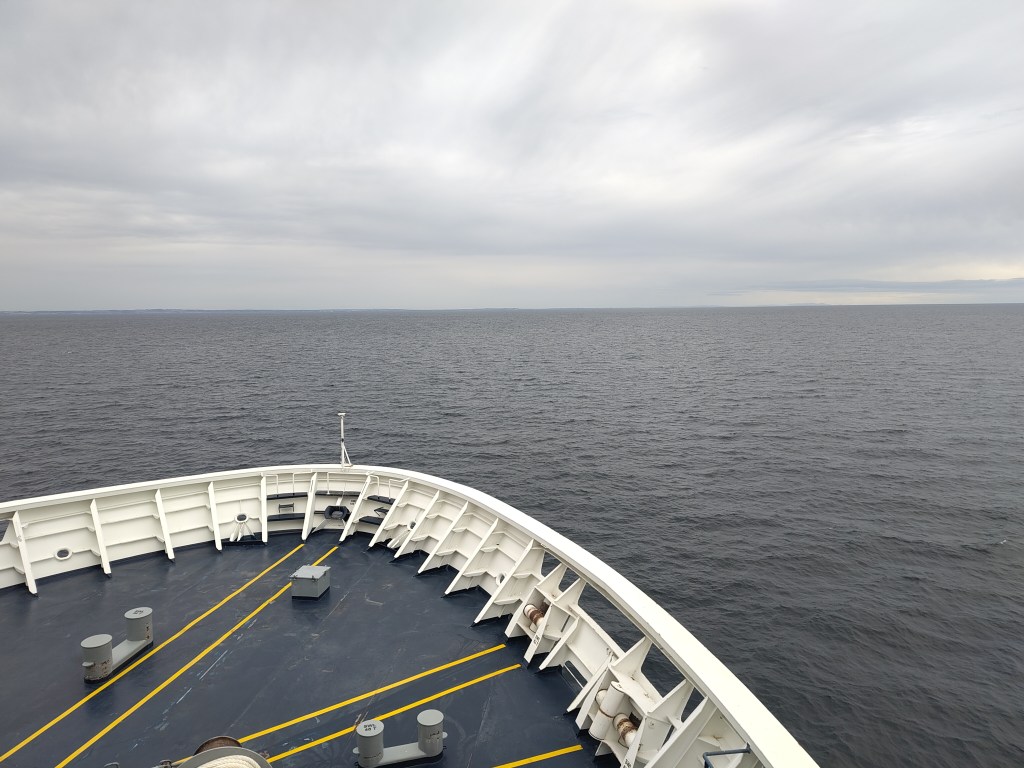
Another failed whale watching attempt.
Day 16. We disembarked in Newcastle just after 9am, drove to Costco to refuel, and then took the road up to Edinburgh. Our only stop was for a delicious roll and a coffee in Jedburgh, at the Abbey Bridge Coffee, right across from the rugby pitch and the abbey ruins. We arrived home just after lunch and spent the rest of the day doing laundry and tidying up the camper, waiting for the dreaded return to work.
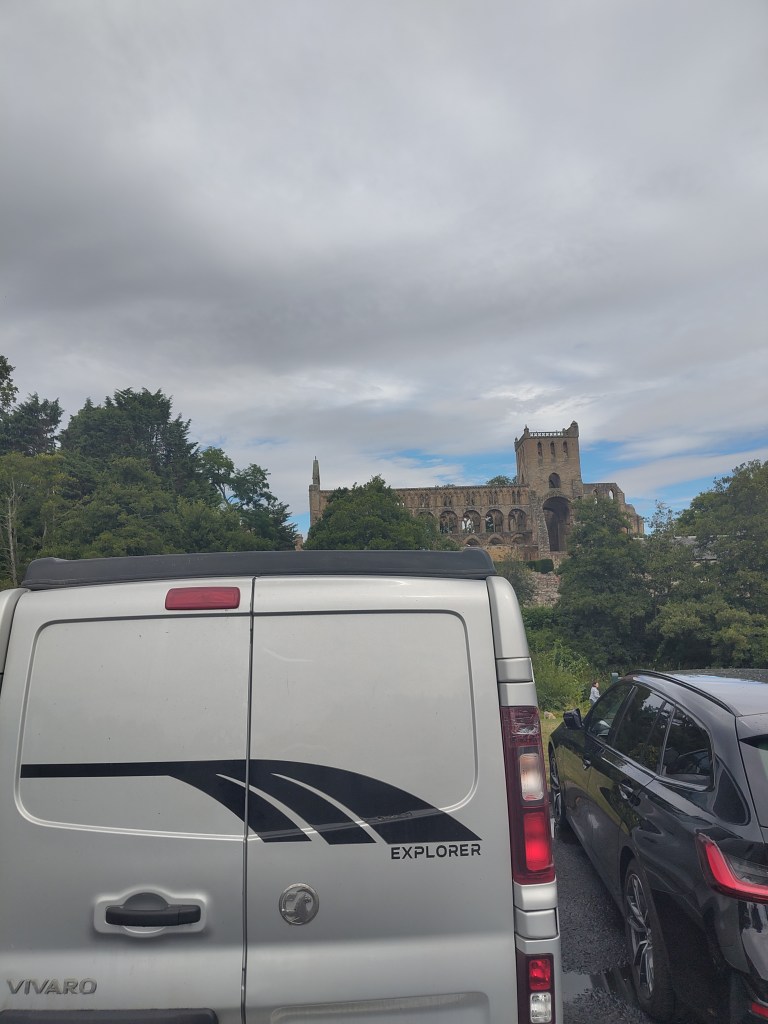
Coffee with a view.
It was a great adventure, and it was really nice to catch up with family and friends all over the place. We’re very happy we decided to do it despite the rise in diesel prices. Our other concern was driving a right-hand-drive vehicle on the right-hand side of the road. It wasn’t that bad; it just requires some focus, especially when turning right. We’re already thinking about our next adventure (Normandy and Brittany?).
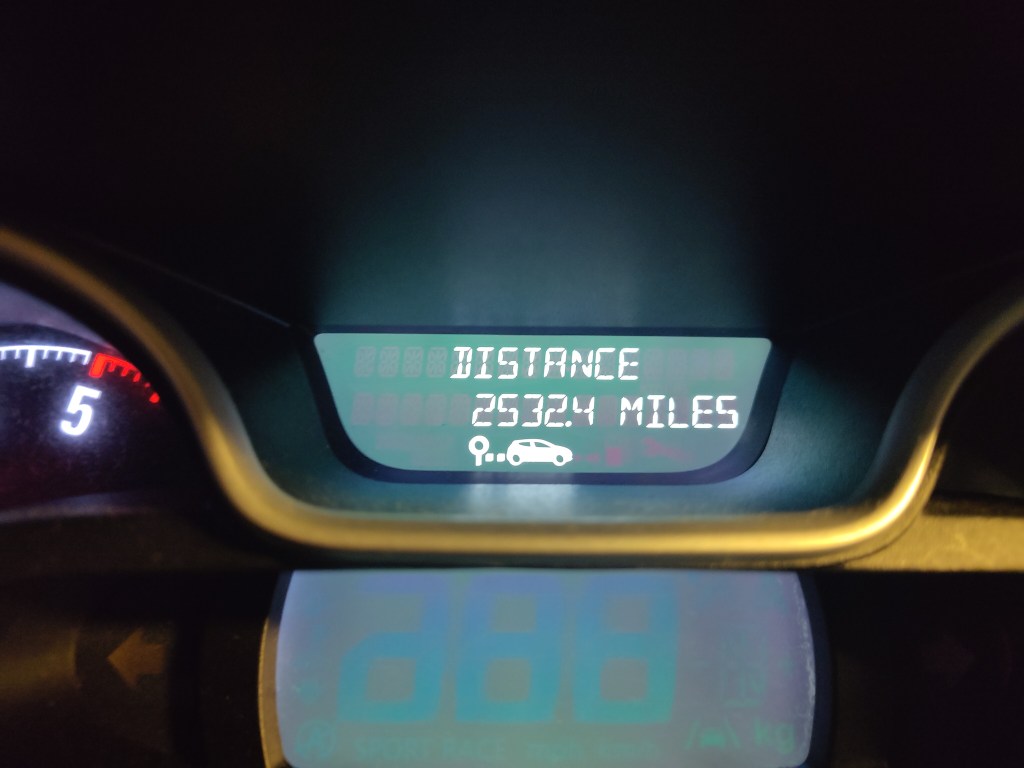
Well done, Mr. Vantastic!
During the trip, we discovered amazing wines and whiskies. Each of the four distilleries we visited makes single malt with its own very defined character, all a bit different from your “classic” Scotch single malt, each in its own way. The quality of most of the whisky we tried was very high, so who knows, maybe a nice non-Scotch tasting is on the horizon? Let us know what you think!
That’s all for our European trip, we hope you enjoyed it. We’ll be back with some Highlands action in a couple of weeks! Until then, slàinte!
Zuidam Distillery Tour and Tasting
Price: £17.10pp (€20.00, August 2026 exchange rate)
Duration: 1hr 30min
Tasting: four sips of different expressions
Target: whisky geek
Value for money: great
Highlights: the distillery set-up and the whisky
Recommended: yes
Link: https://www.zuidam.nl/en

