#65 Tiree distillery

One windy leg of the Hebridean Whisky Festival


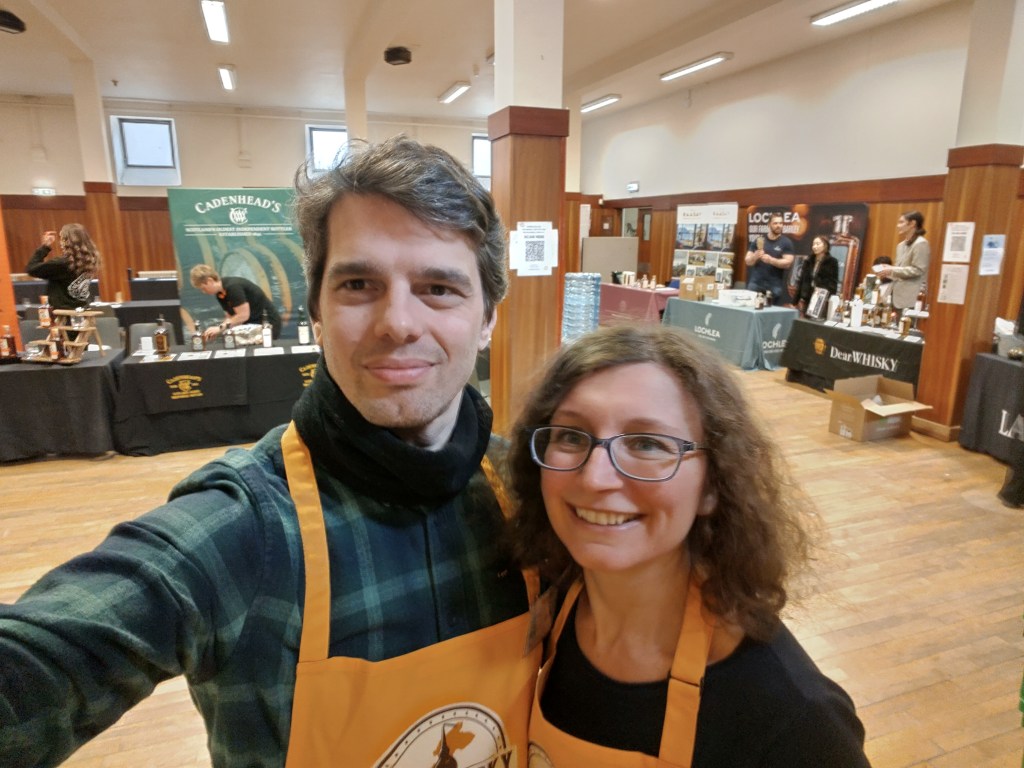
TL; DR: This September we embarked in an odyssey to attend the Hebridean Whisky Festival. Unfortunately, we couldnโ€™t reach most of the distilleries we’d planned to visit due to a storm, but we still managed to visit the island of Tiree and its distillery. A tiny and craft operation, with already two releases under their belt: a single malt and a rye whisky.ย 

In the last few years, especially since we got Mr. Vantastic, we travelled quite a bit throughout Scotland. However, while we have (roughly) been all over the country, there are mainly two places we havenโ€™t been yet: the Outer Hebrides and Shetland, the latter despite our passion for the namesake crime TV show. This was supposed to change this year though, as together with our friends Justine, Karen and Chris, we decided to go on a campervan holiday to the Outer Hebrides, to attend the Hebridean Whisky Festival. The festival is structured similarly to the Islay and Campbeltown ones, with each distillery having a different open day. The challenge is, obviously, that most distilleries are located on different islands, some of which connected by ferry crossings lasting a few hours. The festival started on the first weekend of September in the inner islands, with Talisker, Torabhaig (both on Skye) and Raasay: as we already visited all three, and not long ago, we skipped this part (follow the links for our great February 2024 trip!). Then, after a break-day wisely set up by the organisation to allow people to travel, it was the Isle of Tiree distillery turn, our first visit.

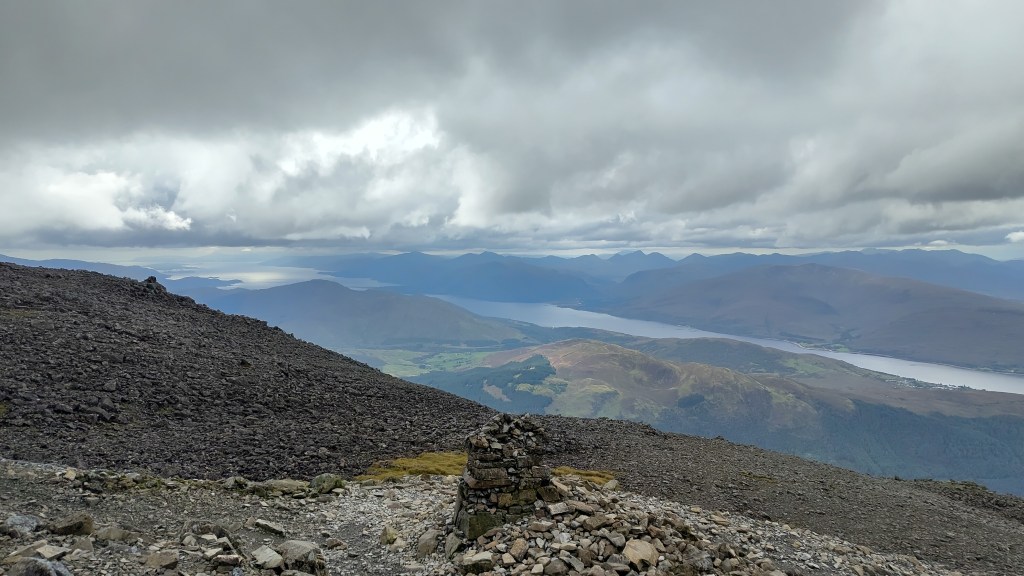
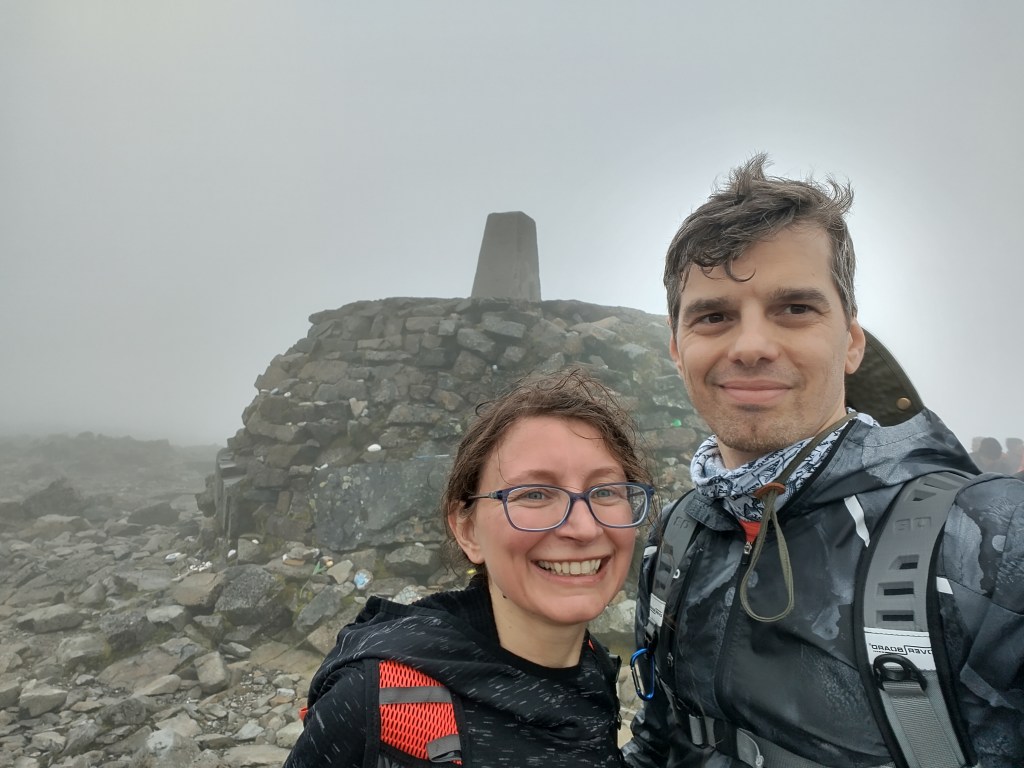
The Tiree distillery day was on a Tuesday, so we booked a ferry leaving from Oban on the Monday. The weekend before, we decided to avoid whisky stuff for once, but rather climb the tallest mountain in Great Britain: Ben Nevis. We left Leith in the morning, and after a first quick break in Callander to pick up some delicious pies at Mohr Bakery, we arrived at the main visitor car park around 11am. We went up from the easy (but still steep) route: we had an initial doubt whether to go for a more challenging route, but we really didnโ€™t want to be the eejits on the news that injured themselves on a path beyond their capabilities (we are decently fit, but still, we hike about half a dozen times a year, not on mountains). The path was a bit crowded, but the view quite spectacular, except on the top: a thick fog welcomed us.

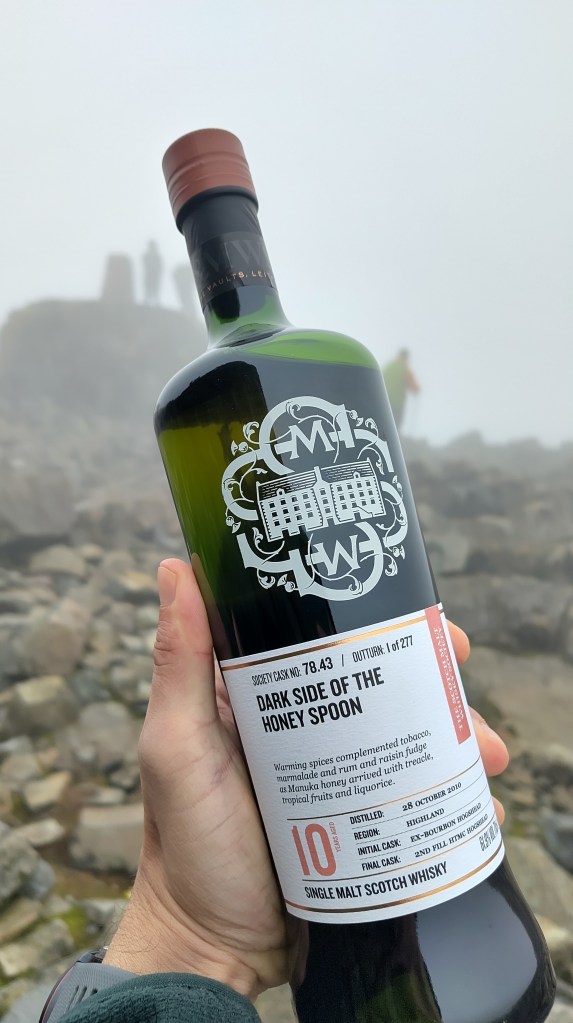
We still celebrated the achievement by opening a bottle of Scotch Malt Whisky Society Ben Nevis bought during the pandemic, high abv but delicious nonetheless. The descent was much faster, and afterwards we stayed at the Glen Nevis campsite, just next door. After a nice meal at the Glen Nevis restaurant (with a decent whisky selection too), we slept like rocks!

The next day we slowly drove towards Oban, where weโ€™d meet with our friends, just after a fantastic seafood lunch in Port Appin at the Pierhouse Hotel, an auld acquaintance from a few years back.

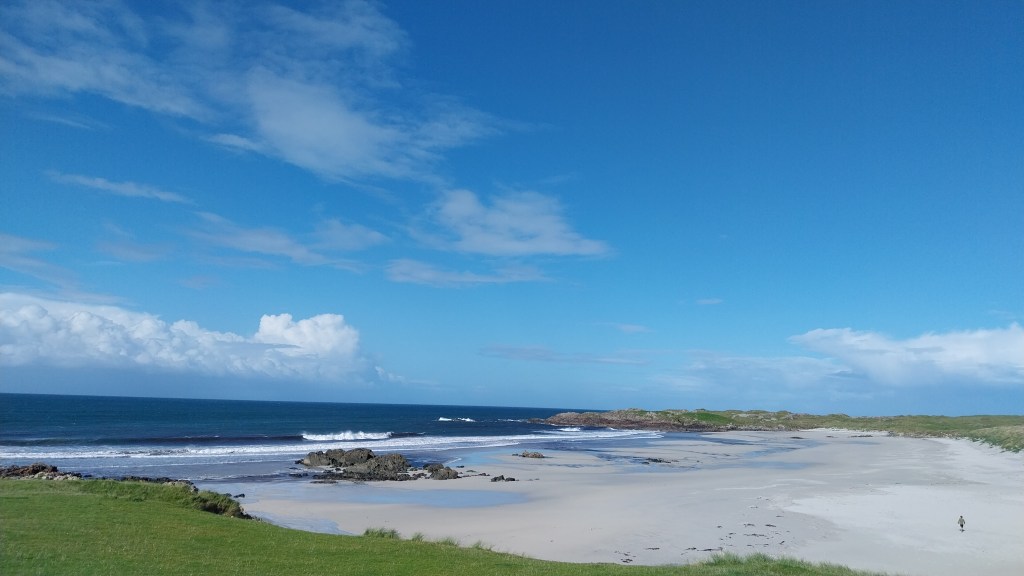
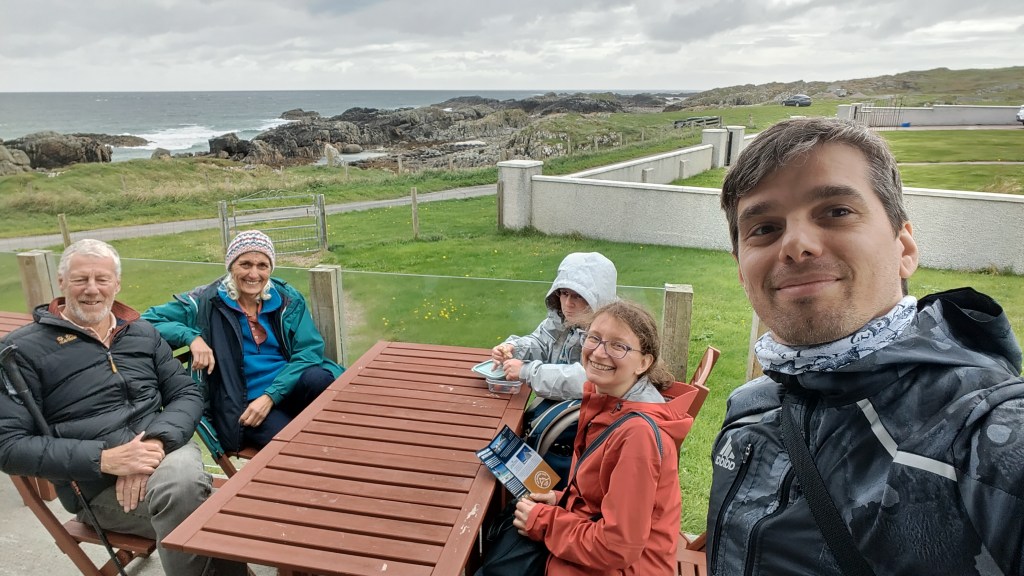
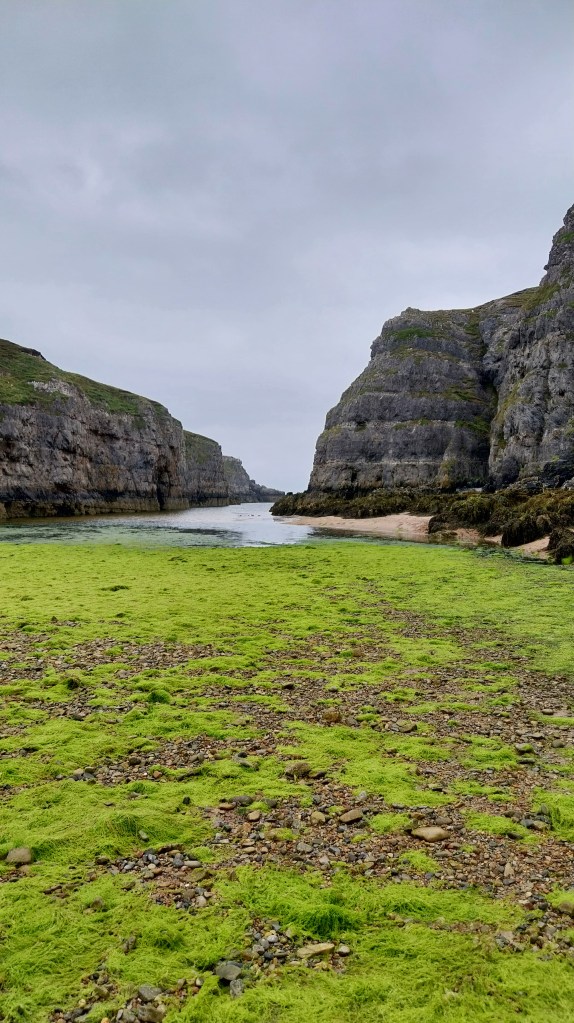
We met with the others at a car park near the Oyster Inn, 10 minutes away from Oban, as they allowed overnight stays for campervans. Meanwhile, the weather had turned rainy and windy, and rumours were that the next day ferries wouldnโ€™t be able to sail, reinforced by an alert message from CalMac (the ferryโ€™s company). Because of this (and the wind) we struggled to sleep that night, but fortunately, in the morning the ferry sailed: we were much relieved (for nowโ€ฆ). It took about four hours to go from Oban to Tiree, and along the sail we spotted Ncโ€™Nean distillery and Tobermory, on a day that turned sunny. As we got off the ferry and drove towards the only campsite, we realised that there isnโ€™t a proper village. The biggest settlement is Scarinish, where the ferry pier is. Also, the island is very flat (the highest hill is 140 meters high, with a radar station (the โ€˜Golf Ballโ€™) on top of it dominating the landscape. This makes it a paradise for surfers, and we found many of them at the campsite and around the island. After we checked in, we spent the rest of the day exploring the surroundings.

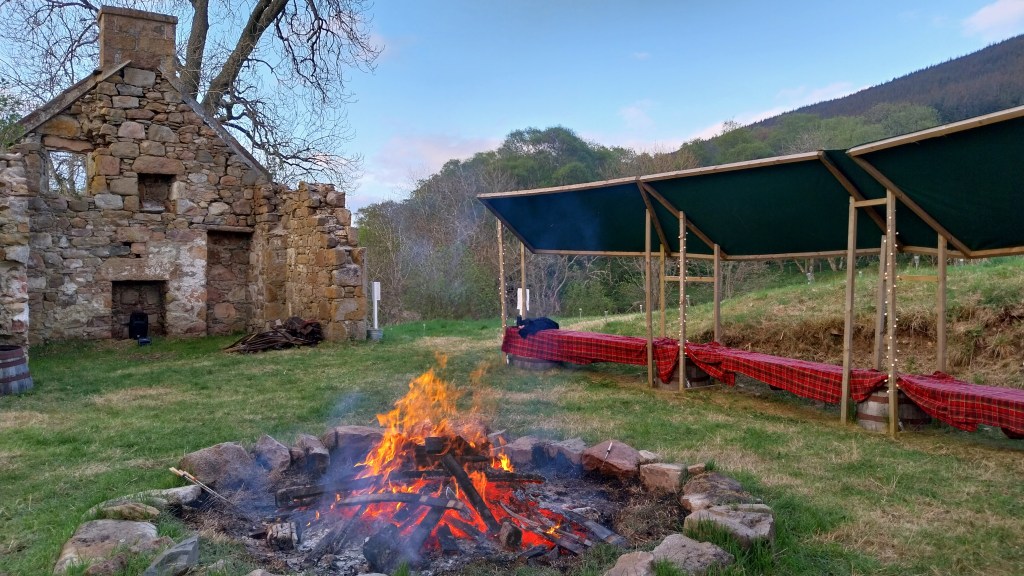
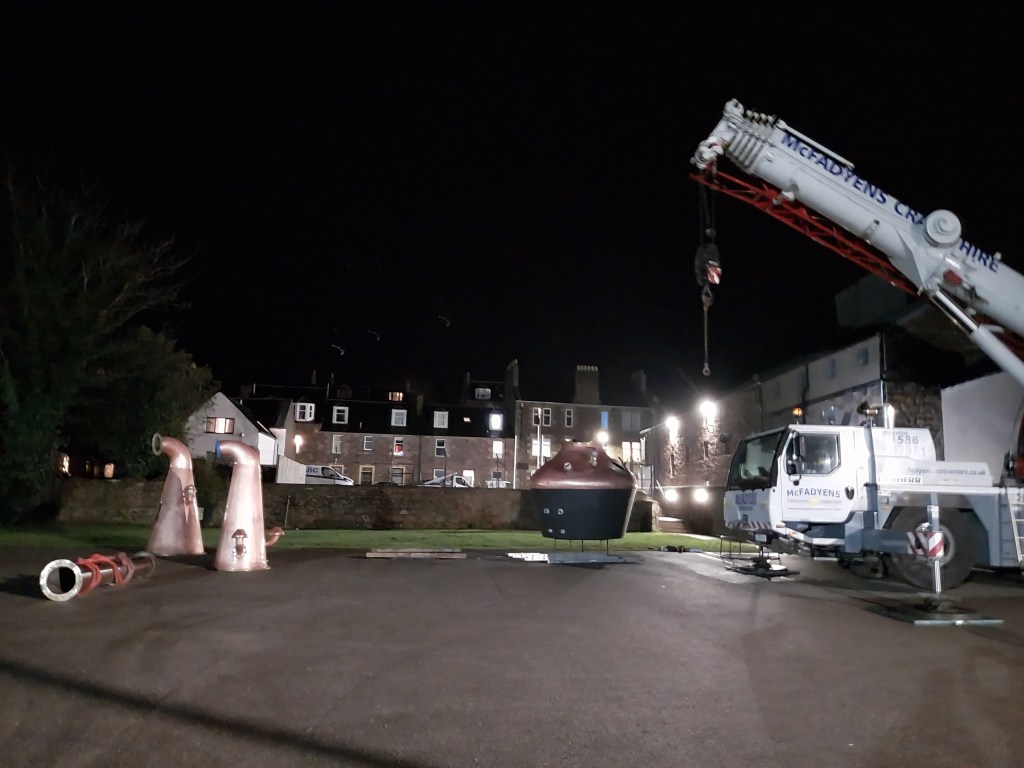
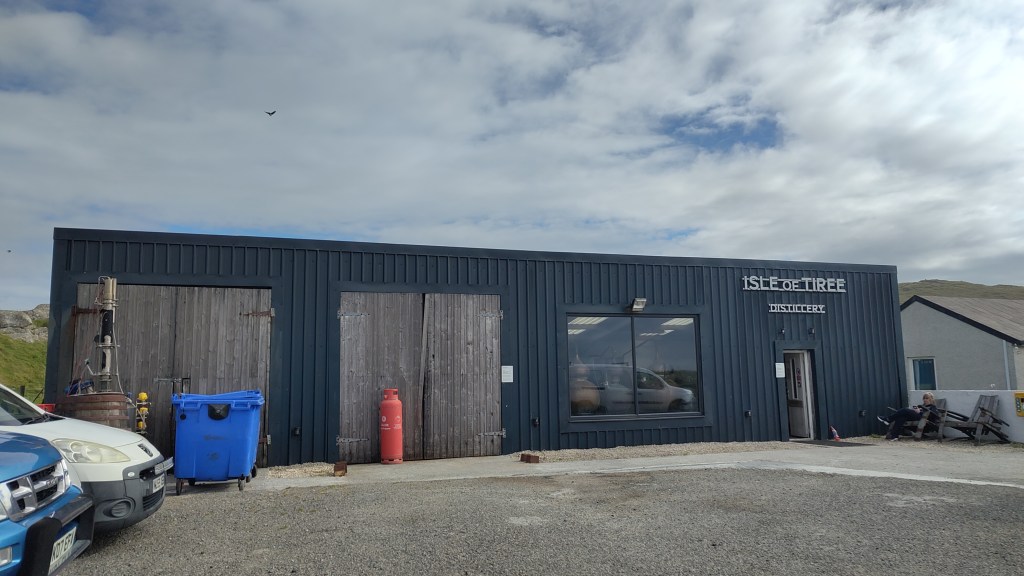
The next morning we left the campsite, and after a stop to a very disappointing diner, we drove towards the distillery, in the south-west of the island. We parked the vans in a field nearby that weโ€™d booked for the night via the Tiree Croft Camping Service. It was supposed to be 10 minutes on foot to the distillery, turned out to be about half hourโ€ฆFortunately we had plenty of time. The distillery is inside a small, blue warehouse. On the right, in a separate building past a courtyard, there is the visitor centre and bar. Itโ€™s very small but very cosy, and since it wasnโ€™t raining (yet), we enjoyed a Tiree gin and tonic on the porch before going back to the distillery for the tour.

There, we were served a sample of newmake spirit as a welcome. Ian and Allan, the founders, started the tour talking about the history of distilling in Tiree. The historical records from 1768 report about 50 stills, however they decreased to only three legal stills by 1783, before the final clearance operated by the British government to depopulate the country. Finally, in 1802 distilling was temporarily banned, but between 1814 and 1882 a couple of short-lived distilleries were in operation, too unprofitable to resist. And here comes Tiree Distillery, operational from 2020, aiming to reconnect with the distilling heritage of the island.

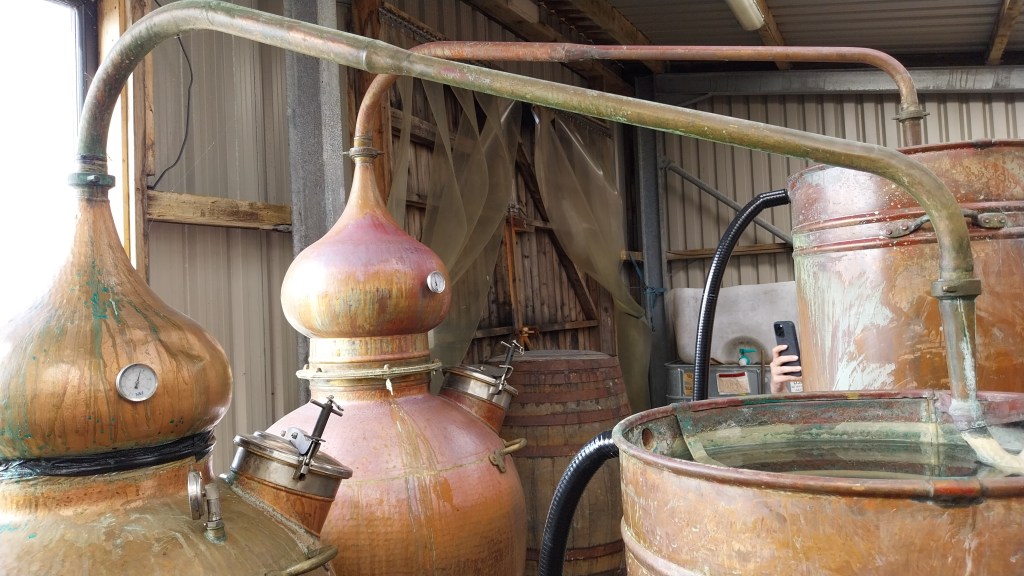
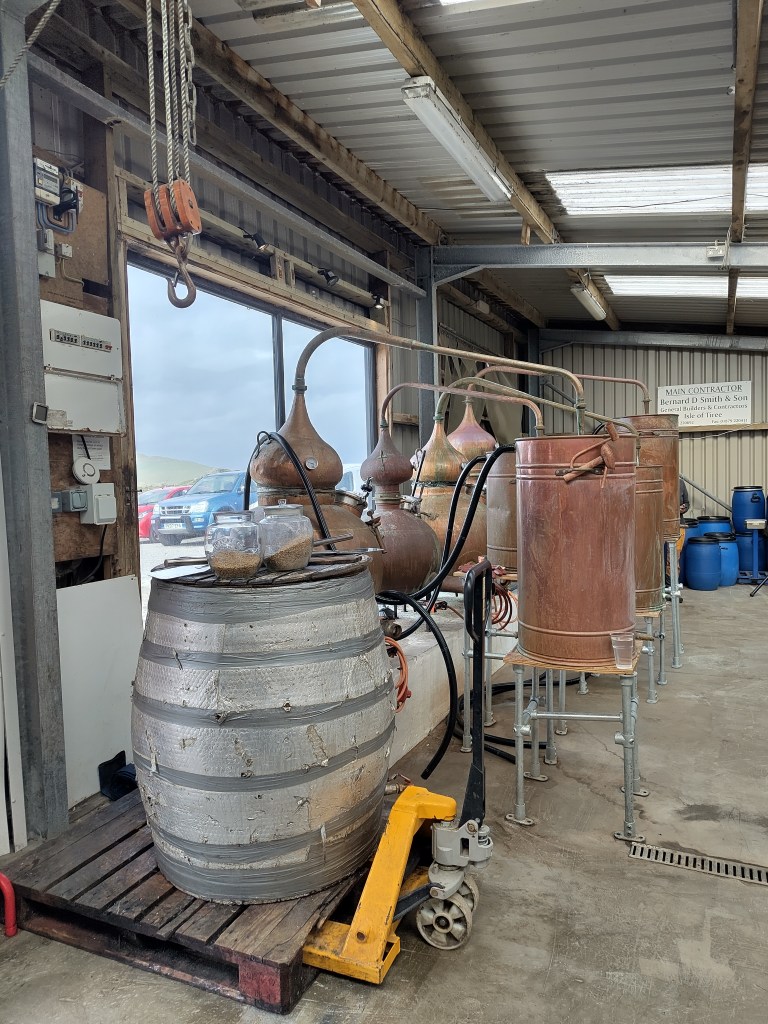
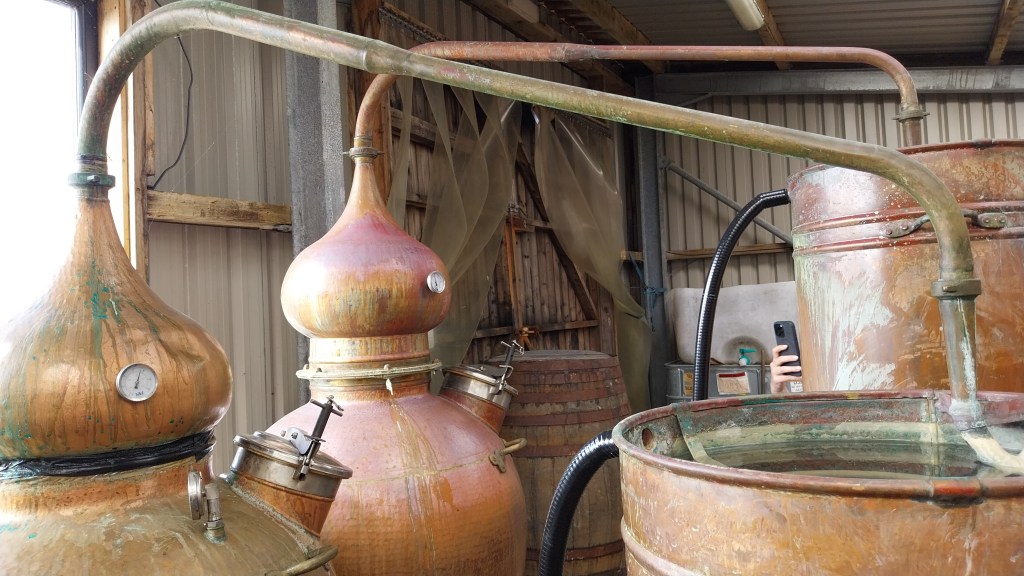
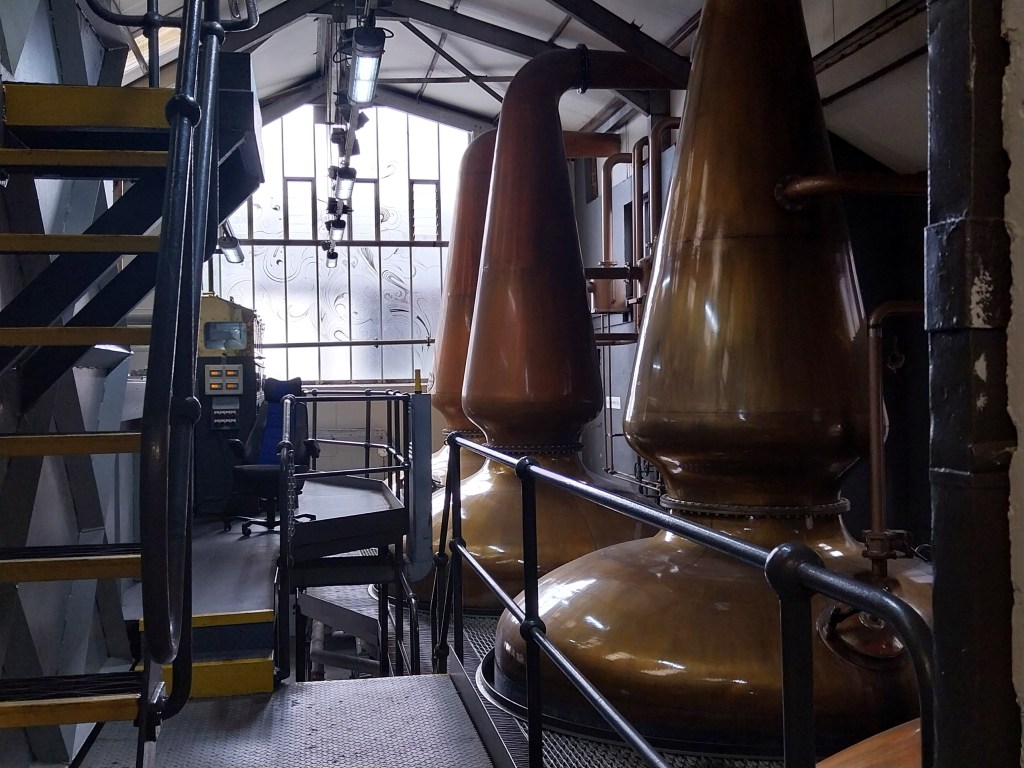
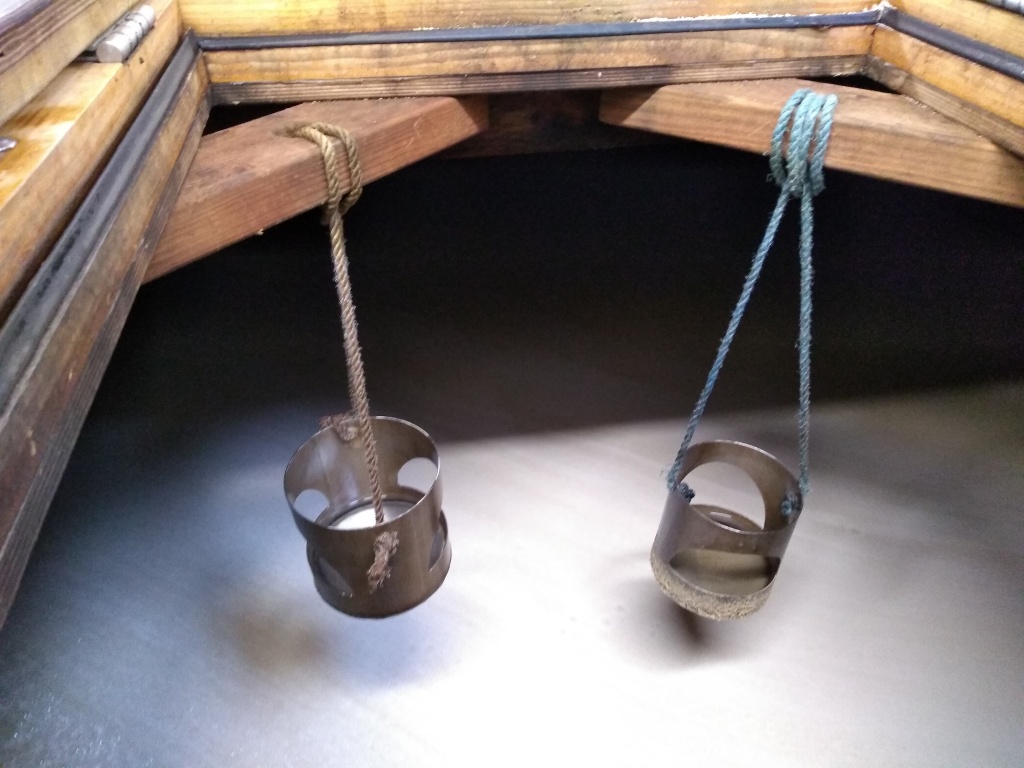
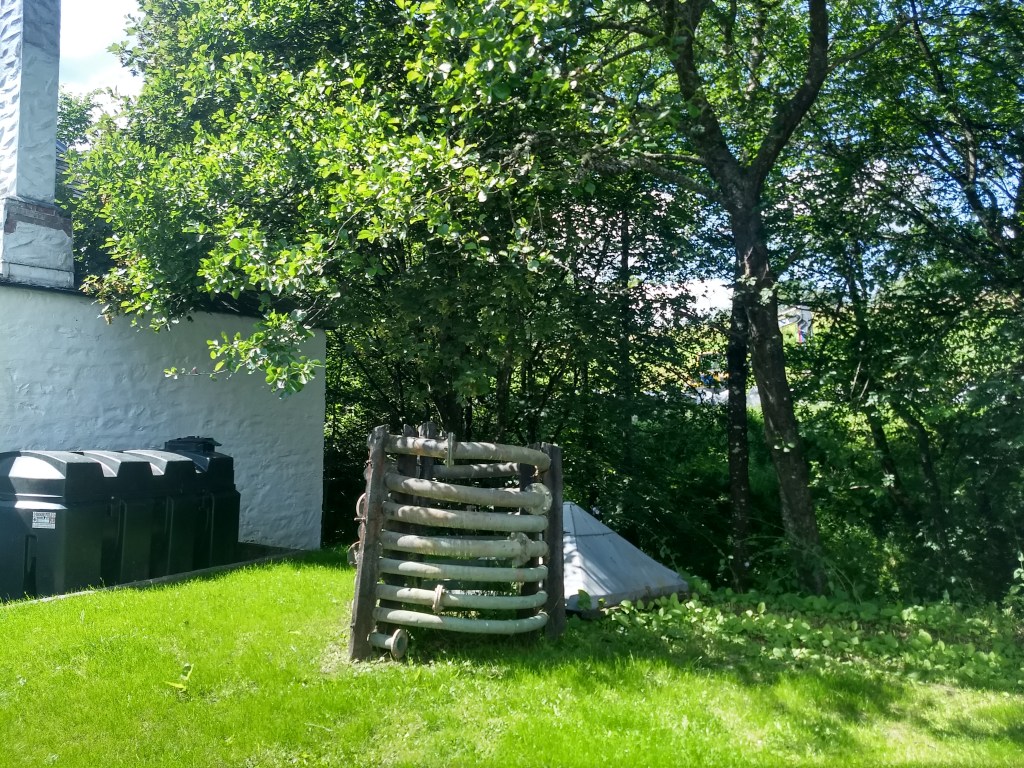
A very small operation, they bring in pre-milled malted barley (mostly Laureate) and rye from Crisp maltings, which they mash in batches of 100 kg with 400 litres of water into a wooden mashtun which used to be a sherry butt (that was a first for us!). They tried to grow local barley, which was possible but then the challenge was malting, requiring the malting to be shipped off the island and then back. They have four washbacks for the fermentation stage, two made of stainless steel and two of oak, former butts like the mashtun. Fermentation normally lasts 4 to 5 days, but it can go up to 2 weeks for experimental runs. The 6-7%abv wash is then distilled in one of the two wash stills, to get 23-25% low wines, distilled again in the spirit still. The stills are Portuguese Hoga stills with worm-tub condensers. A fourth still is used for the gin (they bring in neutral grain spirit). During the second distillation, the first cut point is 70-74%, made by smell and taste, while the lower one is around 63-64%, with the discarded feints and foreshots redistilled in the following batch. From each distillation they obtain about 60 litres of newmake spirit at 70% – it takes them two runs to fill a quarter cask.

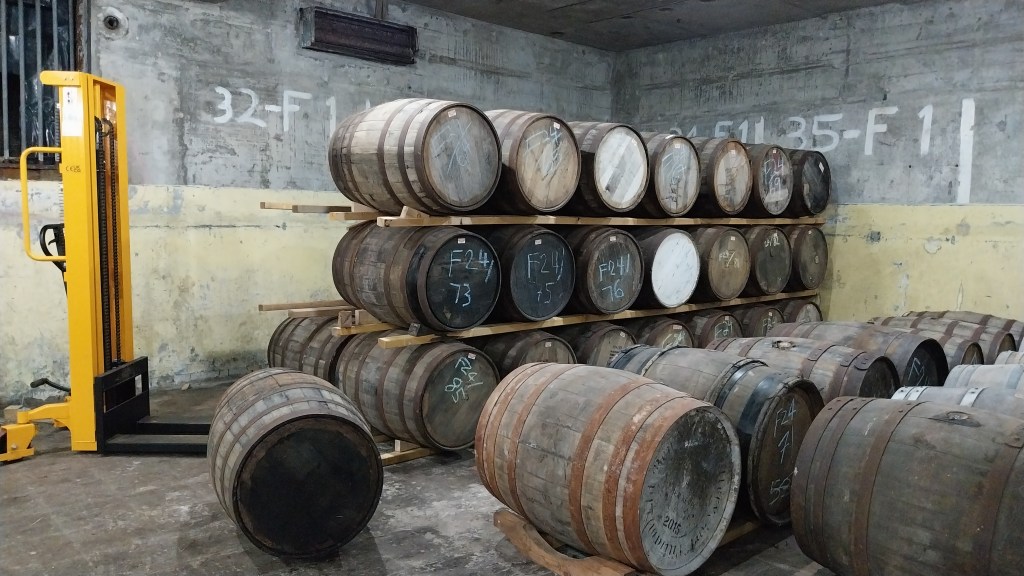
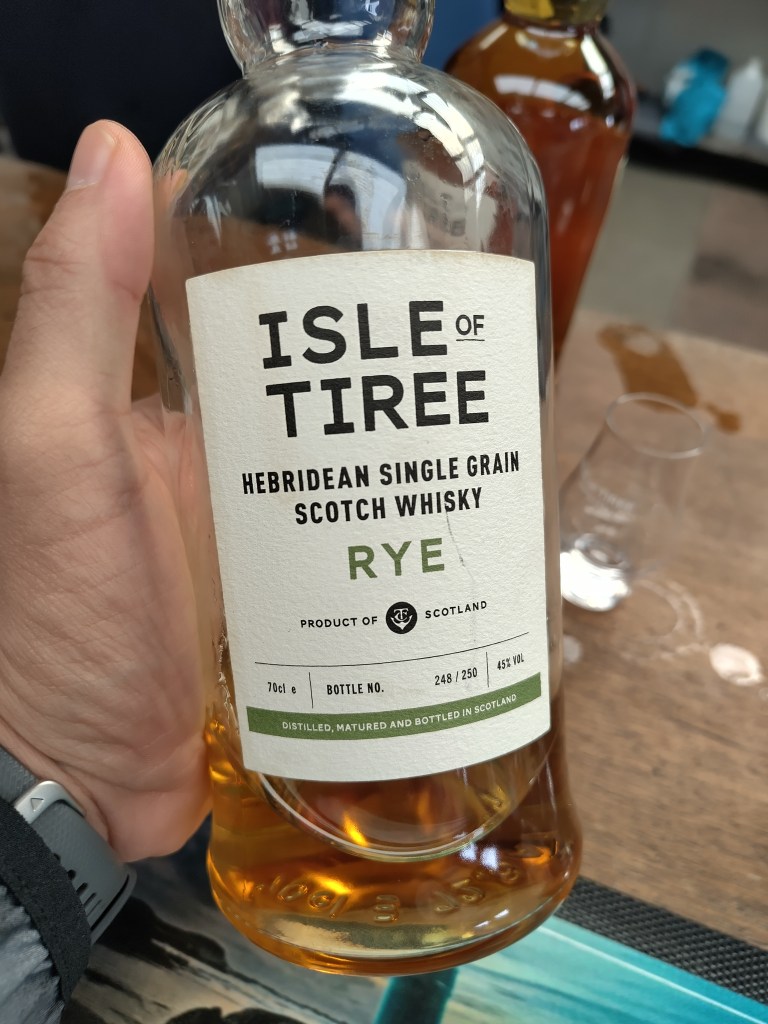
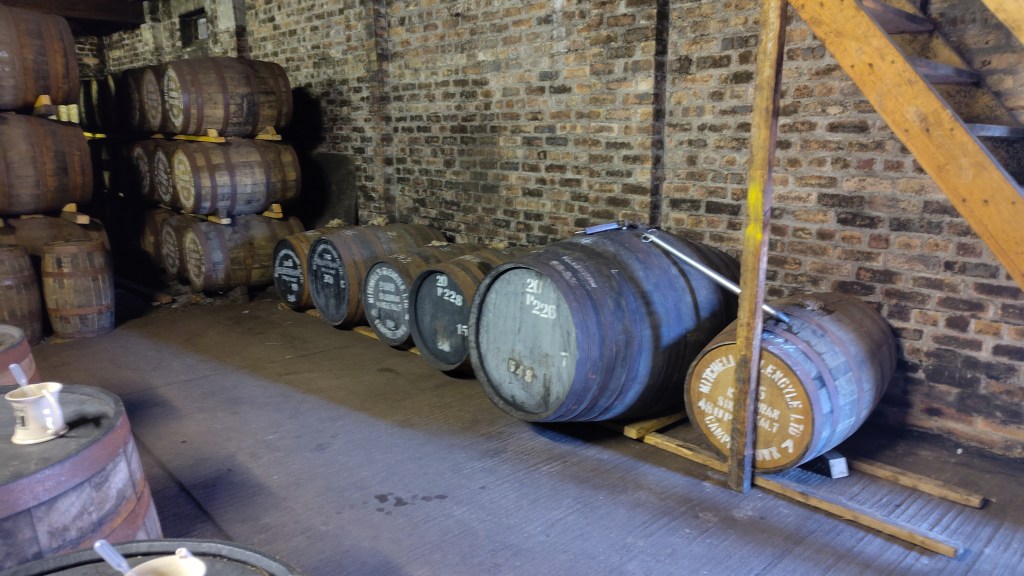
The warehouse is in the same building for the moment, with casks mostly sourced from Speyside Cooperage, especially from Heaven Hills distillery in Kentucky. The plan is to have at some point a separate building for maturation. This would solve also the high evaporation they have at the moment, caused by the production heat. We shared a dram of their newest release (ยฃ8, ยฃ125 for the bottle), the second in total after their first Single Malt release last year (not on sale anymore, but it was sold for ยฃ200). This one is a single grain, with 75% rye and 25% barley, aged four years in virgin oak and ex-bourbon casks: one of the best Scottish ryes we tried so far. They also produced a high-corn mash spirit, which is still maturing in the warehouse.

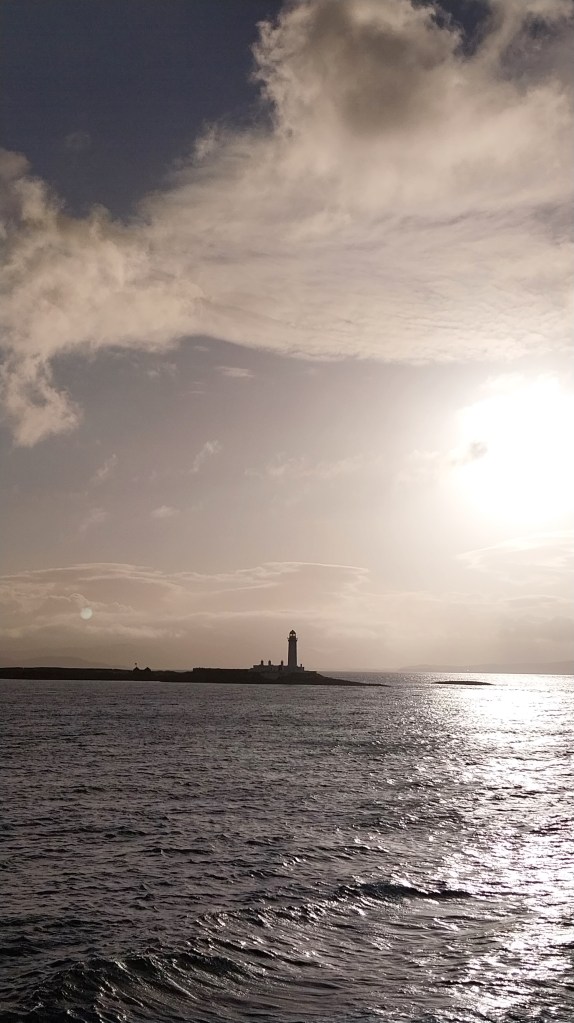
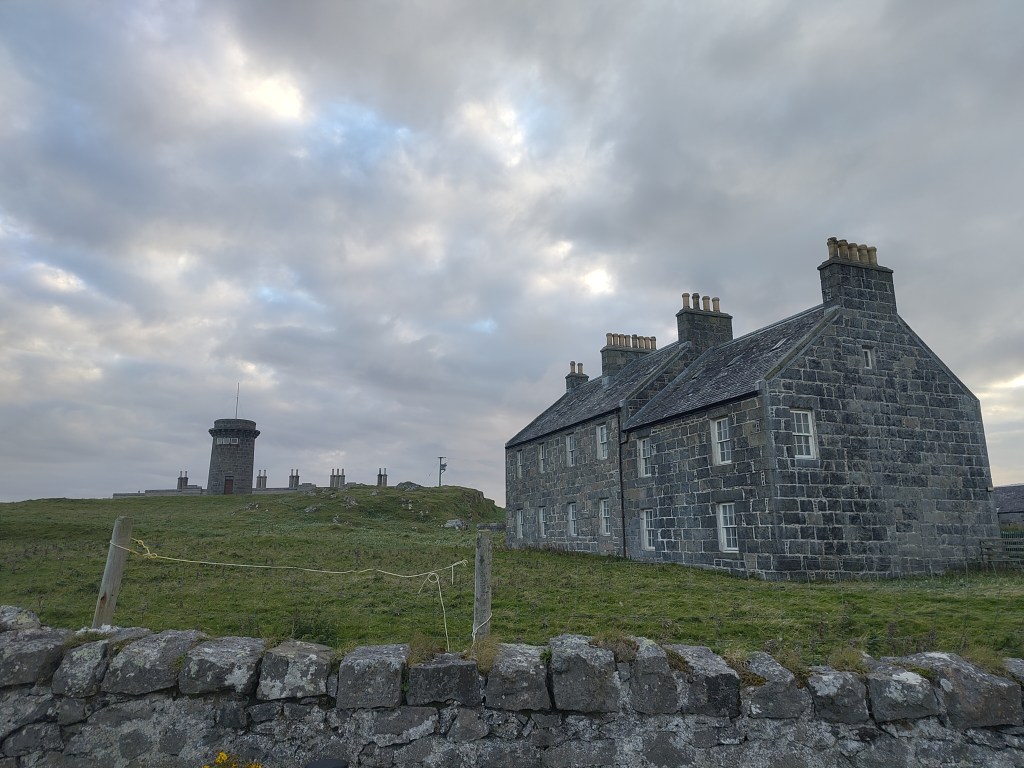
After leaving the distillery and walking back to the vans, we realised the field where weโ€™d parked was too exposed to the wind, so we called the cooperative managing those fields and we were able to swap for another one slightly less exposed. Still no facilities, which left a sour taste as we had paid ยฃ15 for one night. At least this one was at a walking distance to one of the very few bar/restaurants on the island. The very cozy Alan Stevenson House is in Hynish, a settlement that used to serve the Skerryvore lighthouse. We walked there to grab a dram, before retiring in our campervans for dinner and for a final dram, all together inside Gladys, Karen and Chrisโ€™ campervan, the biggest of the three. When we left the bar, the Tiree Distillery dinner was about to start: we didnโ€™t have tickets for the event (ยฃ65), which we regretted a bit because first, they were serving the first single malt release too, impossible to try elsewhere. Second, we didnโ€™t know yet what would happen in the following days.

The day after came with a bad surprise, as our ferry for Barra was cancelled (sad trombone). Instead, we got another one back to Oban, as the day after there was an early ferry from Mallaig to South Uist. If that went ahead, we would have had still time to attend all the other distillery visits of the holiday. That wasnโ€™t the case: in the evening, when we were already in Mallaig, this ferry was also rerouted from Oban (dโ€™oh!), but in the morning that was cancelled too. The last chance would have meant to travel to Uig, on Skye, but there were no spaces for vehicles and there was no assurance that the ferry would sail. So, after a regroup in Mallaig, we decided to drive back to Fort William and abandon the plan. From the campsite we booked we walked to the Ben Nevis distillery, where Hazel, the lead tour guide and whisky IG friend, gave us a warm welcome and some tasty drams. That was a nice consolation.

While weโ€™re happy that we visited Tiree distillery and to learn about their crafty setup, we were a bit disappointed that we couldnโ€™t make it to the other islands. The distilleries personnel were very understanding and all of our tastings and tours were refunded, and it was the same for the ferry tickets. Unfortunately, when storms happen thereโ€™s nothing anyone can do, we just hope to be able to go back soon (and be a bit luckier with the weather).

Stay tuned to learn more about our โ€œplan Bโ€, in a couple of weeks. Until then, slร inte!


Tiree Distillery Open Day Tour

Price: free* (September 2025)

Duration: 45min

Tasting: 15ml of newmake spirit (63.5%)

Distillery Exclusive: on the day, the Tiree Single Grain Rye Whisky (45%, ยฃ125)

Target: anyone

Value for money: of course very good, as it was free

Highlights: the cosy setup

Recommended: if you’re already on the island, definitely

*the regular whisky tour is ยฃ20, but according to the website there are no tours scheduled in the next 6 months

Link: https://www.tyreegin.com/


#58 A trip to the West

Hopping to Arran from Campbeltown


TL; DR: I (Gianluigi) went away on a weekend to the West of Scotland with Roberto, one of my best pals. It was a great day in Campbeltown, where we paid a visit to Springbank, before indulging in a couple of warehouse tastings. Then we went to Arran, where we climbed Goatfell and visited the island (but not the distilleries).ย 

The year 2024 was full of great whisky experiences and travels: from Raasay to Speyside, from Islay (twice) to the Central Belt, and further down to Yorkshire…And a bit more down to Australia. It was also the year when one of us, namely Gianluigi, turned 40, which we celebrated with some great drams. One of his best pals Roberto turned 40 as well. Not only pals and uni mates, they also played together in bands for almost 10 years: hand and glove.

To celebrate us getting old (from now on is Gianluigi writing), Roberto decided to come to Scotland for a weekend, and I had the task to choose some whisky experiences to do together. We had to aim for something opened over the weekend, at least on the Saturday. Because of this, we excluded the Ardnamurchan peninsula, and also Skye and the North Highlands, a bit out of reach. Speyside could have been nice if more distilleries had options catered to whisky geeks (excluding Glen Moray and Glenallachie, but Teresa and I visited them a number of times already). After some thinking, the answer became obvious: Campbeltown! Easy (ish) to reach, many options to choose from on the Saturday. Teresa and I were there last year, but for the Cadenheadโ€™s Warehouse Tasting, which is always different. We havenโ€™t stepped into Springbank or another of the distilleries since 2021, so it really fit.

When the time came, I picked up Roberto at the airport on a cloudy day, and we started driving westwards. With a slight detour, I could show him some of the monuments: the Kelpies, the Stirling Castle, the Wallace monument, Deanston distillery (we didnโ€™t stop though). By then, it had turned into a very nice and sunny day. We drove up north to Callander, and approached Loch Lomond from the north, with glimpses of Highlands along the way. Once in Tarbet, we continued to Arrochar and had our first stop for a refreshment under the sun at the Fyne Ales Brewery. Dinner was booked at the George Hotel, in Inveraray, so we could chat with our pal Ivan, always a pleasure. We both had a proper venison burger for dinner, delicious! We then drove another couple of hours to find the spot we had chosen to sleep, just past Tarbert in the Kintyre peninsula.

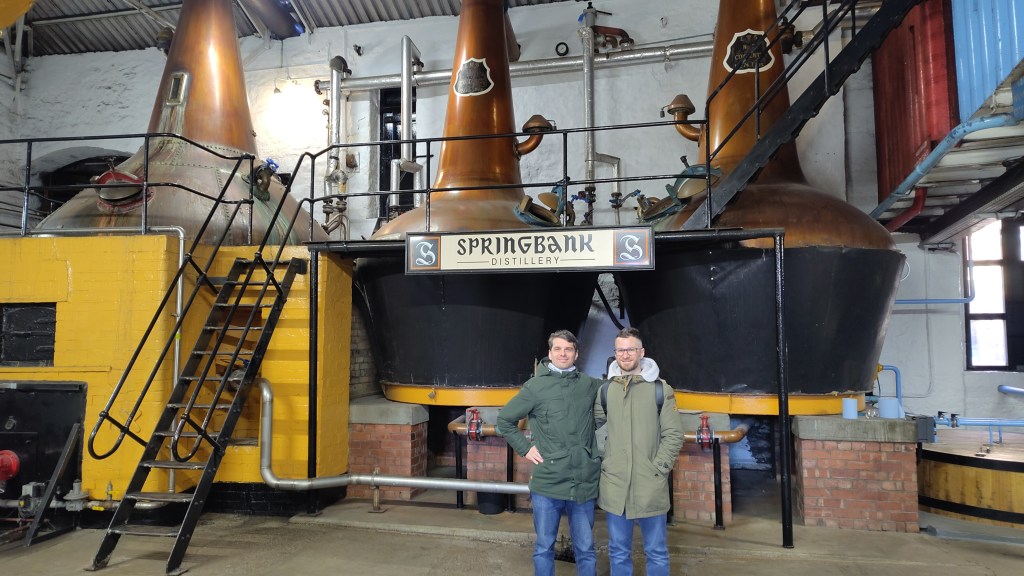
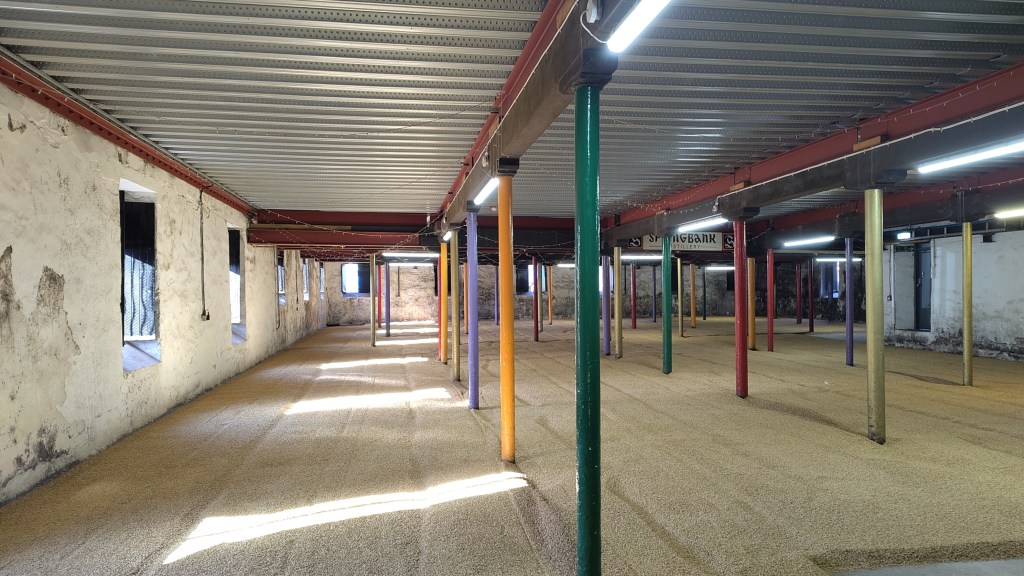
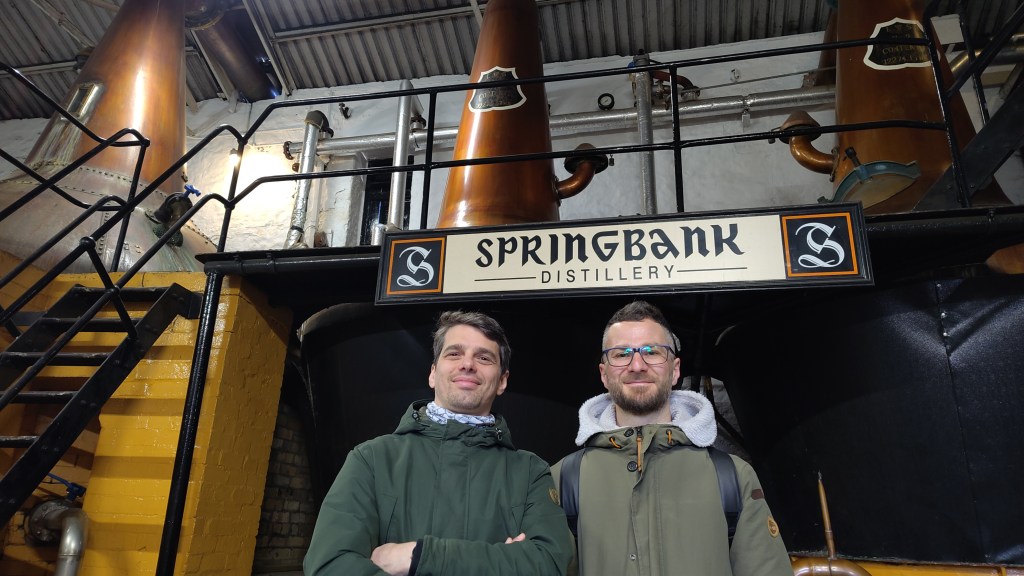
The day after was an early start: we had to be in Campbeltown by 9, so to have enough time to drop Mr Vantastic at the hotel (there are no campsites in town, so we took the comfortable way) and have a quick breakfast with a bacon roll and a coffee. Our first whisky activity of the day was before 10 (probably the only one in the whisky hospitality): the Springbank Tour. When we got at the distillery, around 9.40, there was already a line to get into the shopโ€ฆCage bottles we assumed? Our tour guide Finlay said they are used now to people queueing, eager to make a few bucks on auction sites. Hey ho. The tour started a few minutes earlier, as all the participants were already there: it was a nice tour, very informative, and Finlay only made it better with some jokes here and there. It wasnโ€™t the first distillery Roberto had visited, as in previous trips weโ€™d visited Lindores Abbey and Highland Park together, but it was the best one to showcase whisky making. He was particularly excited to see the malting floor in use (although not a unique feature in Scotland),as ย heโ€™d never seen the barley being malted before.

The tour went a bit long, so we took our drams as driver samples, and we ran to our next appointment: the Cadenheadโ€™s Warehouse tasting. It was only the two of us for the morning session at 11, and our guide was an old acquaintance: Aly! It couldnโ€™t have been better! He walked us through some of the drams, most really stunning, including an incredible Glen Moray from a bourbon barrel, and a peated Bunnahabhain from a refill butt, probably a Fino or a Manzanilla. Fortunately, we had empty sample bottles with us, that we used to store most of our dramsโ€ฆIt was going to be a long day! As the tasting ended, an extra half hour late, Aly walked us to the Cadenheadโ€™s tasting room, where we had the seventh drams (again put into sample bottles) and a delicious mushroom soup.

We went for a walk around the harbour, as it was again a magnificent day, but we felt that one soup was not enough, so we complemented the lunch with a jacked potato and a plate of nachos at the Bluebell Cafรจ. During the walk, we also went past Glen Scotia distillery – I felt a bit bad that we could not make it to such a great distillery, but unfortunately the timing of the tours was not good for us.ย 

It finally came the time for our last event of the day: the Kilkerran Warehouse tasting. It was the first time for me as well, so I was very curious. We were not alone this time, as a group of Dutch men were attending the tasting too. We started with a triple distilled whisky, then a couple of ex-bourbon cask expressions (the first one a 19y!), followed by a sherry and a Port wine matured couple, to finish with, predictably, a heavily peated one. That was quite a great exploration of Kilkerran, which is definitely one of my favourite ones. A good thing is that only half bottles are on sale, which if you ask me, is a more than enough quantity to enjoy such drams. After the tasting, we had an extra dram at the Washback bar (couldnโ€™t leave without sipping a Longrow 18, another favourite!) and then we went to properly check in to the hotel. Soon though, we walked back to the Ardshiel Hotel for dinner, where we had a yummy fish and chips.ย 

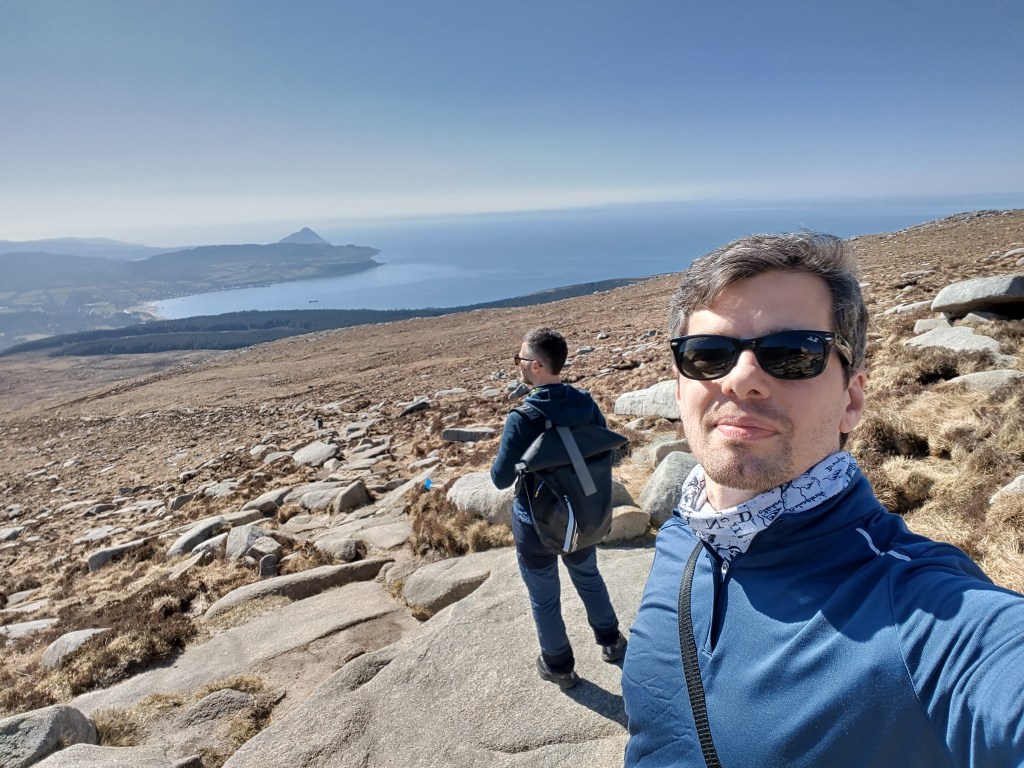
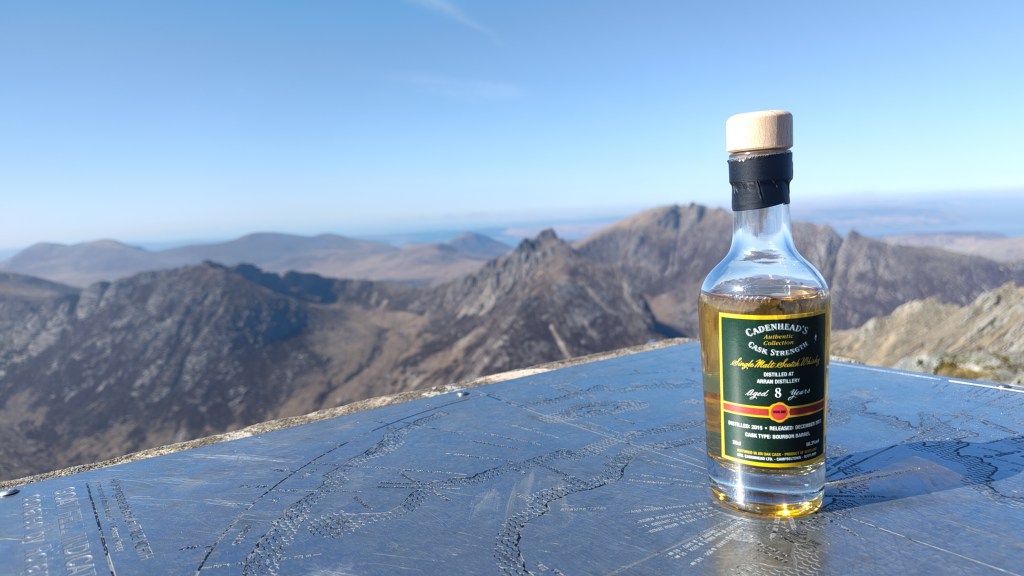
In the morning, we woke up surprisingly well (thanks, sample bottles!), and after a shower and a massive full Scottish breakfast at the hotel, we left. I didnโ€™t want to make the weekend only about whisky, I had something else in mind for the day. We drove along the east coast of Kintyre, to reach the little pier of Claonaig. From there, we sailed to on the Isle of Arran! Itโ€™s been a while since Teresa and I were there, our first and only time was in November 2019…Remember the time before the pandemic? We havenโ€™t been back since, reason why Teresa was particularly jealous of this trip! The ferry cross was only about half hour, before arriving at the pier in Lochranza. As we were there, we couldnโ€™t avoid a quick stop at the distilleryโ€ฆCould we? We stopped only for coffee and a (delicious) scone however, and a quick snoop of the shop. After that, we drove to the parking lot near Brodick, for the challenge of the day: climb Goatfell, the highest peak of the island. And it was a challenge indeed, in particular the last bit. It took us almost 2 hours through the almost 6km of the shortest path. Once at the top, we celebrated with a micro dram of a Cadenheadโ€™s Arran whisky Teresa had gifted me a while ago, truly delicious.

On our way back, we decided to take the longer path through Glen Rosaโ€ฆWe thought it would have been slightly longer, but it ended up being almost 11 km! During the walk we crossed path with many runners on a 2-day ultra marathon, we felt a bit sorry for them, as THAT was definitely a challenge. Once at the parking lot, we put our feet in the sea for a brief moment (in my case, very brief, as it was freezing), before getting some food at a nearby golf club restaurant. We drove west to find a spot, so we could enjoy the sunset with a final dram, before falling asleep to the sound of the seaโ€ฆSo poetic.

The Monday was warm and sunny, we visited the south of Arran. We started with Machrie Moor, the neolithic site with stone circles and standing stones, where we felt a bit like inside Age of Empires 1 (IYKYK). Then we drove along the coast, aiming for a coffee at Lagg distillery, but we found out it is closed on Mondays. We kept driving and stopped at the Forest of the Falls, to enjoy a coffee and a cake under the warm sun. We then walked along the beach near Kildonan Castle, and we finally drove to Brodick to catch our ferry to Troon, from which we slowly drove back to Leith.

What a great weekend that was, we were both super happy at the end of it! For Roberto, Saturday was the first time spending such a whisky-focused day, and although heโ€™s not a geek like us, he loved it. Other than the great appreciation for Springbank distillery, he liked the comparison between the two warehouse tastings. He realised how much independent bottlers can offers, while conversely it was also great to follow the โ€œjourneyโ€ of Kilkerran in different casks and at different ages. Itโ€™s always interesting to see things through the eyes of someone not so focused on whisky like us, it brought some different perspectives. We should do that more often!

Until next time, slainte!
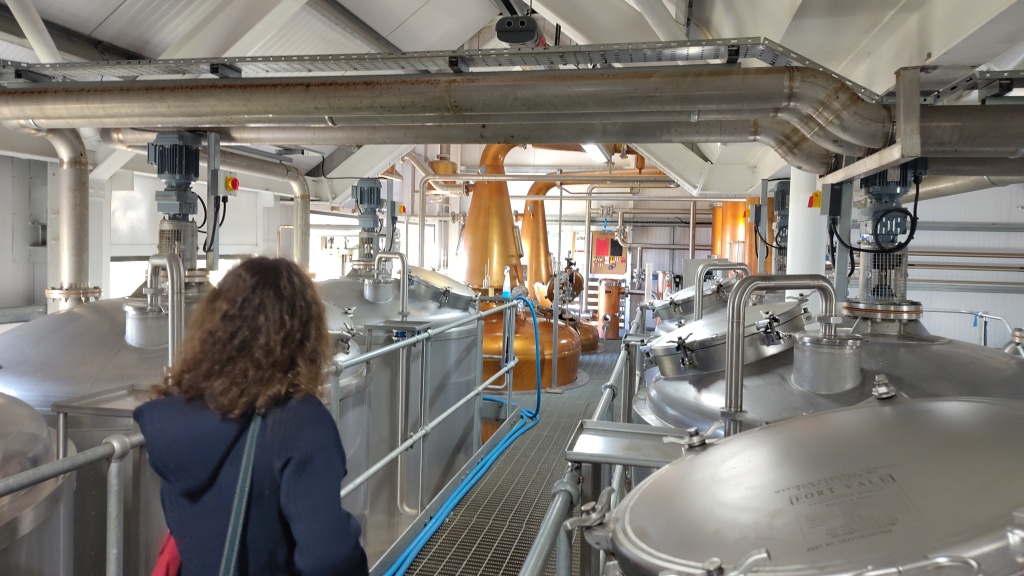

Springbank Tour

Price: ยฃ15.00 pp (April 2025)

Duration: 1hr (more like 1hr 15min)

Tasting: 1 dram (choice between Springbank 10, Hazelburn 10 and Longrow) and a 5cl to take home

Distillery exclusives: cage bottlings

Target: everyone

Value for money: very good

Highlights: the whisky and the friendly staff

Recommended: yes!

Link: https://www.springbank.scot/


Cadenhead’s Warehouse Tasting

Price: ยฃ45.00 pp (April 2025)

Duration: 1hr (more like 1hr 3omin)

Tasting: 6 drams from the cask + 1 dram at the Cadenheadโ€™s Tasting Room

Target: whisky enthusiasts

Value for money: very good

Highlights: the drams

Recommended: yes!!

Link: https://www.springbank.scot/product/cadenheads-warehouse-tasting/

Kilkerran Warehouse Tasting

Price: ยฃ40.00 pp (April 2025)

Duration: 1hr

Tasting: 6 drams from the cask

Target: whisky enthusiasts

Value for money: great

Highlights: the drams

Recommended: yes!!!

Link: https://www.springbank.scot/product/kilkerran-warehouse-tasting/

#46.2 The return of the smoke

Off to Jura


TL; DR: After Port Ellen, we drove to Port Askaig to catch the Feolin ferry to Jura. Very different landscape here, except for the main settlement it feels very remote. The Jura distillery is tucked between the hill and the sea. Despite its not great reputation, we had some very good drams, and a great time overall.

(missed Part 1?)

The tour at Port Ellen overran slightly, about 10-15 minutes, which eroded the time we had to get to Port Askaig to catch the Feolin ferry and get to our next destination: the Isle of Jura. We sprinted in the vans, us first and Justine behind, and got there at the exact time it was scheduled to leave, just to see the ferry leavingโ€ฆto our surprise, as it doesnโ€™t happen often with Scottish and British public transport to be so on time. We were so close to make it that we joked about โ€œStarsky and Hutch-ingโ€ our way into the boat with a sprint, but it would have been a big ask to Mr. Vantastic. Oh well, the next ferry was only an hour later, still on time for our tour. We started fixing ourselves some foodโ€ฆbut the ferry came back right away, and the staff decided for an extra trip (probably they needed it to accommodate two big lorries coming the other way). While Gianluigi drove on the ferry and then from the pier to Craighouse (the main settlement on the island), Teresa and Edo were holding the half-cooked food in the back (thankfully there are no pictures of this clumsy moment).

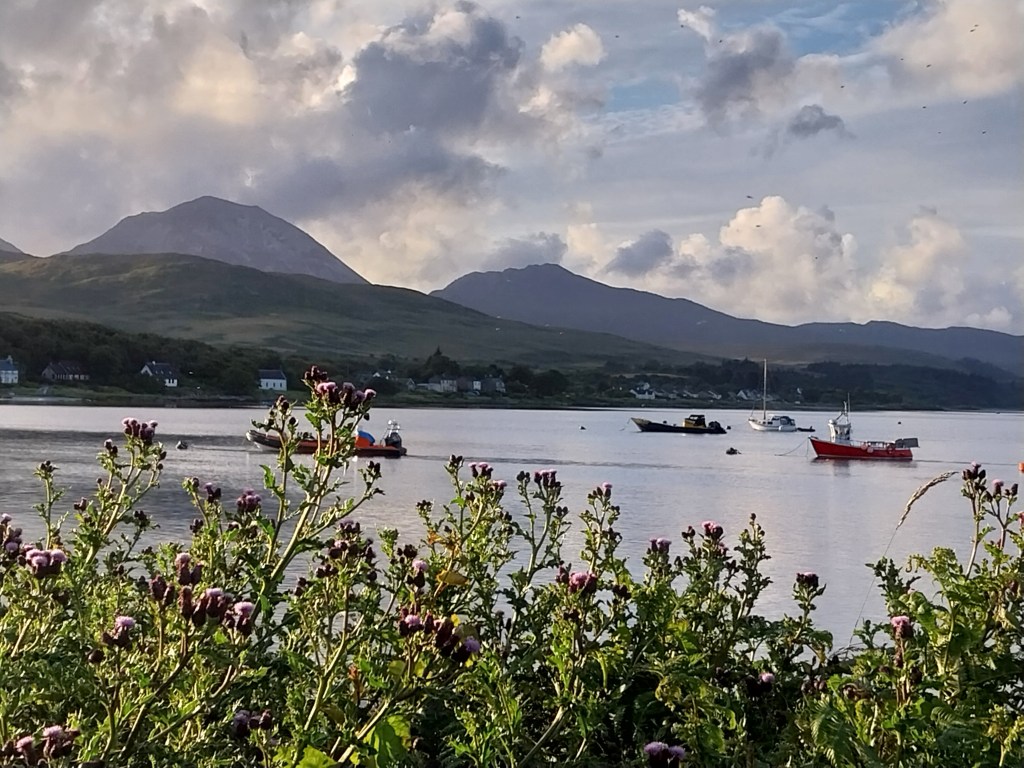
The landscape looked different from Islay: more trees, less buildings, and the presence of the two Paps (the hills that can be seen from the north-eastern side of Islay) is certainly very notable. Fun fact, on the island there are more deer than people (nowadays about 250). Jura is also famous for being the place where Orwell wrote his masterpiece 1984.

Anyway, once in Craighouse, we parked the vans in a nice spot Justine had found, behind a multipurpose warehouse (including the Deer Island Rum distillery, closed unfortunately) and next to an old pier. A great spot, quiet and with some tables and benches tooโ€ฆ just a shame that as soon as the wind calmed down, midges appeared to torment us. We just had time to walk to the Antlers Bistro for a coffee before going to Jura distillery for the tour.

The visitor centre is quite small, only a small entrance hall and a wee shop. Other than some merchandise and their full range of whiskies, they also have some special editions, a couple of distillery casks, bottlings, and the travel retail range. The guide for the day was Fiona, a local who has worked there for many years. She walked us through the shop and some offices to the courtyard, where she started introducing the distillery history, from its establishment (1810) to the first license (1831), and the troubled late 19th and early 20th century, when it closed. In 1960, the distillery was acquired by Charles Mackinlay & Co (of the famous Mackinley blend), rebuilt and extended, and in 1963 they restarted distilling. Since then, the distillery has never stopped producing (except for maintenance of course), not even during the whisky loch (when they just reduced production to 3 days per week).

Their main malt supplier is Crisp, mainly Sassie and Lauriet, and they do heavily peated runs four weeks per year. The mill, a classic Porteous, was bought second hand in 1963, and never changed since. Their grist ratios are a bit different compared to others, with 15% flour, 25% husk and only 60% of grit. They do 28 5-ton mashes per week, working 24/7, and use the typical three waters at increasing temperatures (64.5, 75 and 85ยฐC) in a semi-leuter mashtun. Each washback (six in total, all stainless steel) takes two full mashes, to which they add 150kg of Mauri yeast, left fermenting for about 60 hours. The two pairs of stills are heated by steam coils and used for a typical double distillation (7 hours the first one, 8 the second one), with a cut between 72% and 64% abv. Some casks are filled on site, usually the ones destined to stay in one of the four warehouses on the island (total capacity of 24,500 casks), while all the vatting and bottling (including re-racking for finishes) happens at Whyte and Mackayโ€™s mainland sites in Invergordon and Grangemouth. To note, they recently demolished part of a warehouse to make space for a biomass boiler, so to decrease their environmental impact.

After the tour, it was finally time for the tasting! A few words here: Jura whiskies, despite being best sellers in the UK, tend not to have the greatest reputation among whisky enthusiasts. Sales are probably driven by the notable number of expressions available at supermarkets (the Bourbon Cask, formerly known as โ€œJourneyโ€, the 10y, 12y, 14y Rye Cask, Seven Woods, Rum Cask, Red Wine Cask, Pale Ale Caskโ€ฆhave we forgotten any?), so well played to them. But quality-wise? Well, letโ€™s say that in our opinion itโ€™s not the best whisky you can find, not even for the money probably (when on sale, these expressions can be quite cheap). We had one bottle of Jura Journey a few years ago and tried very few independently bottled whiskies (maybe 2 or 3), so we were very curious to taste other expressions and didnโ€™t really know what to expect. This is why, when we booked this tour, we went for the extended, fancier tasting.

A micro-warehouse for the tasting.

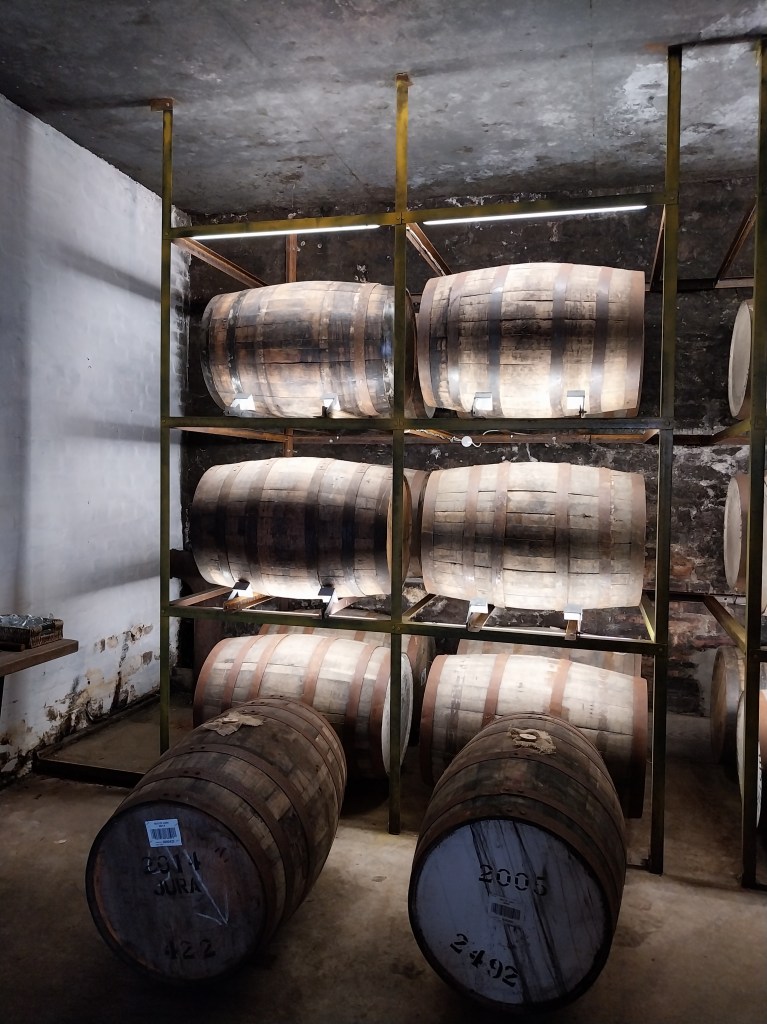
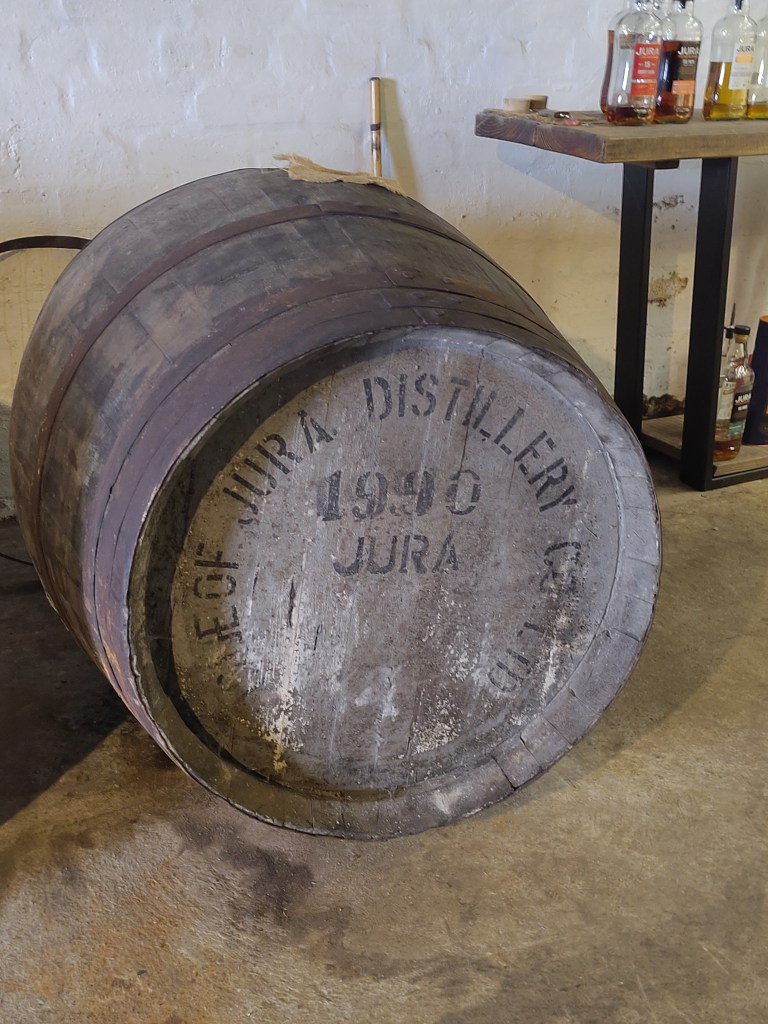
The tasting was set up in a dedicated warehouse-ish space (a damp room with a few dozen casks). Because weโ€™d already parked for the night, we could all drink, yay! First dram, a 15y whisky finished for 1-2 years in oloroso sherry (42.8%), bottled for the south-east Asian market. Very sweet, a good start but not our thing (and the colour was suspiciously dark, which made sense given the target market). The second dram was definitely better, a travel retail 19y โ€œThe Papsโ€ (45.6%), finished in a PX sherry butt (40 years old!). However, the third dram was the one where things started to get serious. It was a distillery cask, 1st fill ex-bourbon barrel, vintage 2016 (7.5y) and bottled at 60% – a very fruity dram, not too hot despite the high abv, and it took water very well too. The fourth dram was another distillery cask, same cask but a bit older (vintage 2008, 15y) at a slightly lower abv (55.5%), a very nice dram too. Finally, we had a choice between an unpeated 33y (distilled 1990, bottled in 2023) from a PX hogshead (44.8%), and an 18y heavily peated ex-bourbon barrel (distilled 2005, bottled 2023) at 53.7% – being four of us, we got two of each and we shared. They were both delicious in their own very different way.

…with this one quite delicious.

After the distillery we went for dinner at the Jura Hotel. Our attempt to enjoy a pre-dinner pint outside lasted about 3 minutes, before the midges swarmed and made us run for a table inside. We had good time, good food, tasty pints and, worth noting, we found very clean bathrooms and strong Wi-Fi too! We soon retired to our campervans, to enjoy a last dram before a good night sleep (no wind this time!).

Overall, we loved the visit and the tasting, and Fiona was a great host, so money totally well spent. During the tasting we realised Jura can produce very tasty whisky, so probably the issue with their range is downstream. What is a bit strange, to us, is that all the supermarket expressions (all well below 46%, probably chill-filtered and with E15Oa too) seem to be aimed for the casual or novice drinker, none of them targets non-beginners. Other distilleries/brands (Glen Scotia, Loch Lomond, Laphroaig, Pultney, Tomatin, just to name a few) tend to target a wider range of drinkers, itโ€™d be interesting to understand what drives Juraโ€™s different approach.

Stay tuned for our time back on Islay! Until then, slainte!


Jura Distillery Exclusives Tour

Price: ยฃ50.00 pp (July 2024)

Duration: 2hr

Tasting: 5 drams, Jura 15 Sherry cask East Asia exclusive (42.8%); 19y The Paps travel retail (45.6%); Distillery cask 7y (60%); Distillery cask 15y (55.5%); choice between 33y ex-PX cask (44.8%) and 19y heavily peated ex-bourbon cask (53.7%), and a complimentary glencairn

Distillery Exclusives: Distillery cask ex-Bourbon 7y (60%, ยฃ90.00); Distillery cask ex-Bourbon 15y (55.5%, ยฃ120.00)

Target: whisky geeks

Value for money: good

Highlights: the island and the tasting

Recommended: if you want to try some good Juraโ€™s, definitely!

Link: https://www.jurawhisky.com/en/


#42.3 A weekend on Skye


Raasay, paradise


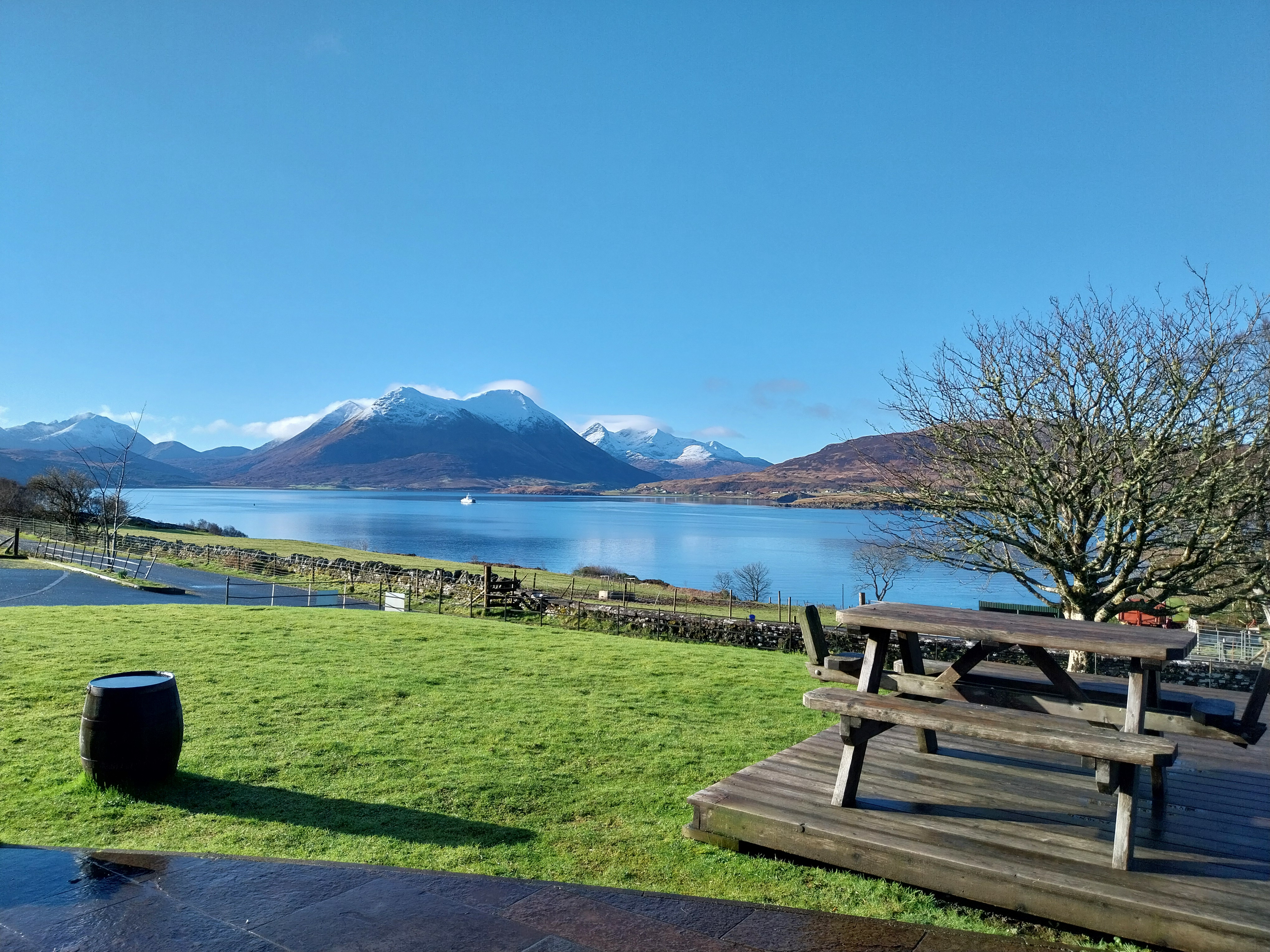
TL; DR: As we woke up on the Saturday we drove to Sconser, to take a ferry to the Isle of Raasay. We visited the distillery, where we had an amazing in-depth 3hr tour and tasting, we hiked and, the next morning, we drove around this truly amazing corner of the world. 

(missed Part 2/Part 1?)

Waking up in a place like Carbost is something else. Despite the many campervans, the morning was very quiet, and the only sounds we could hear were the waves gently crashing on the shore. After packing up the bed and before getting on the move, we walked down to the pier, to get some of the fresh (very fresh!) morning sea breeze. We left Carbost after a short stop at the public toilets in front of Talisker distillery. It didnโ€™t take long to get to Sconser, and as we were slightly early, we had time to fix ourselves a coffee with the Bialettiโ€™s moka (well, still Italians after all) before the ferry to Raasay.

It was the first time on the island for us. Although geographically close to the mainland, Raasay can only be reached from Skye. The crossing was about 20 minutes, and once there we parked at the pier, where there are also public restrooms and a 24h open waiting room. The distillery was only 10-minute walking, so we decided to just walk there and see how the day would pan out. Our plan depended on the weather: if it was nice, we would have spent the night on the island, otherwise we would have taken the last ferry. It was a glorious day, so we ended up taking the ferry the next morning.

The distillery is in Clachan, just outside Inverarish, the main village. On the way there, there is an old market/barn building, now mostly abandoned. It wonโ€™t be the first one we spot, as the current population is only about 190 people (up by 30 with respect to the 161 marked on the Raasay Single Malt bottles). At that cross we turned right, leaving the Raasay House and Hotel on the left: a huge former mansion, now a tourist centre only open in high season. The main distillery building is called the Borodale House, an old Victorian house that used to be a hotel with a pub before it was bought by the company R&B Distillers to build the distillery. Other than distillery and shop, there are also a hotel, a restaurant and a bar serving hot food until mid-afternoon.

Being the off season and a Saturday, not all tour options were available, but we found one that seemed great: the Dunnage Cask Tour, which included a tour of the distillery and the bottling plant and a warehouse tasting. As we checked in at the distillery we had a brief scare: our reservation was lost in translation, apparently someone had forgotten to mark it down. The shop manager was very cool about it though, she said there we just needed to wait a bit, and as an apology she offered us a coffee (nice touch). We waited in the bar, taking advantage of the incredible view of Skye from the big windows on a very sunny day. Gabriel, our guide, arrived about 40 minutes later (directly from home). His family moved to the island when he was a kid, and he and his brothers represent a good percentage of the 30-odd distillery workers. This is his side job, while heโ€™s studying to get a medical degree. Gianluigi wondered how his life would be different if, instead of doing chemical analyses on tomato sauce, he had worked in a distillery as a student job.

Gabriel was extremely knowledgeable, and while we visited the various stages of production in the very contained area, he provided a huge amount of information. Starting with the barley, they get 30-ton a month of it from the Kintyre peninsula, and the two strains they are using are Lauriet and Concerto. For the peated runs, they get 48ppm (part of phenols per million) barley, malted using Highland peat from the north-east of Scotland. As for the milling, their grist composition is slightly different from others, with only 9% of flour, 19% of husks, and 72% of grit. Their water source is a 60m deep borehole located behind the distillery.

Mashing happens in a big 1.1-ton stainless steel closed mashtun with the usual three waters at increasing temperature, and they aim for a cloudy worth. Linked to the 5-day production week, fermentation is between 3 and 5 days. They have six stainless steel washbacks equipped with a cooling jacket, to slow down fermentation and allow the (liquid) yeast to extract โ€œas much flavour as possibleโ€. The two stills (wash-, 5000-litre, and spirit, 3600-litre) are made by Frilli, an Italian firm from Siena (like Teeling in Ireland and Inchdairnie in Fife), and the cut they take from the second distillation is usually between 75% and 65% abv. When they do peated runs, they use the cooling jacket in the lyne arm to increase reflux and get a lightly peated spirit. The peated newmake spirit comes out at about 14ppm, which is then reduced to 7-8ppm during maturation. It was actually very informative to get to know the ppm level on the liquid, especially when many distilleries only refer to the barley specification.

The production area includes a gin still, where they run the sourced neutral grain spirit with the chosen botanicals (which, of course, we donโ€™t remember). After the production tour, we took some stairs outside the building, to get to the bottling plant, on top of the hill behind the distillery. There, Gabriel showed us the manual and automatic bottling machines, but also how lots for different markets get labelled and stored until they get shipped. Back to the main building, Gabriel took us on a jeep and drove to the warehouse.

It was the time for the tasting, but first Gabriel let us take the bungs out of the casksโ€ฆan operation that took us very long, as we are both quite clumsy, but we could finally get a taste of the yummy content. The tasting consisted of six drams, one for each component of the Raasay Single Malt, their main core expression. These whiskies are matured in ex-Rye, ex-Bordeaux red wine, and Chinquapin virgin oak casks, both unpeated and peated. We knew what to expect: during the pandemic we did an online tasting of these six components, although they were not 3-year-old yet, so technically not whisky. This time these are properly whiskies, as the vintage of the cask was 2019 for the unpeated, and 2020 for the peated ones.

We loved the peated chinquapin oak, and the unpeated ex-bordeaux and ex-rye casks – one extra confirmation that, if done properly, young whisky can be delicious too. This range is available to buy at the distillery (when we visited, not the peated ones) bottled in the Na Sia range (Gaelic for โ€œThe sixโ€). While sipping the last dram, Gabriel took us around the warehouse, and we found out that they recently started using re-fill casks (initially they used only first fill).

After the tasting we were definitely ready for some food, which we got back at the distillery while trying a nip of the bottlings available at the shop (Slaintรจ Club bottlings, Year of the Dragon and others, see below in the box).

Left the distillery, it was a very nice evening, so instead of going back to the van we decided to go for a walk to the village and then to the hill behind the distillery, Temptation Hillโ€ฆdespite the cheesy name, it was quite beautiful and very relaxing. Back at the van, we had dinner, but we soon went to bed, after such a great day.

The following morning, we decided to skip the first ferry of the day to drive around the island: we probably drove along all the possible roads, talking advantage of some breath-taking landscapes – from the very north of the Island, along the mighty Callumโ€™s Road, with a very interesting story, to the south and its the old pier (and frankly, quite too many abandoned vehiclesโ€ฆ). We finally took the ferry for Skye around midday, and from there we drove almost non-stop to Leith (well, non-stop because most cafes along the road were closedโ€ฆexpect for the Apiary in Dalwhinnie, where we had some delicious cakes).  

This was one of the best experiences we had in a while, both the distillery visit (thanks Gabriel!) and the scenery. Raasay is truly a paradise that weโ€™d like to explore more, so we really canโ€™t wait to go back for a holidayโ€ฆwell, and maybe a couple of drams too!

Until next time, slainte.


Raasay Dunnage Cask Warehouse Tour

Price: ยฃ75.00 pp (February 2024)

Duration: 2-3 hr

Tasting: 6 drams from the cask, 5y cask strength unpeated ex-Rye cask, ex-Bordeaux wine cask and ex-Chinquapin oak (virgin oak), and peated ex-Rye cask, ex-Bordeaux wine cask and ex-Chinquapin oak

Distillery Exclusive: the Na Sia range (see above), Raasay Scottish Whisky Distillery of the year 2022 (4y and 10 months, finished in Quercus humboltii Colombian oak, 50.7%), Tourism Destination of the Year Celebration (4y, finished in ex-Manzanilla casks, 52%)

Target: whisky geeks

Value for money: good

Highlights: everything

Recommended: a bit pricey but totally worth it!

Link: https://raasaydistillery.com/


#42.2 A weekend on Skye


Talisker distillery, second attempt


TL; DR: After the visit at Torabhaig, we drove north-west towards Carbost for the second distillery tour of the day, Talisker. A slightly less corporate experience than we expected, in a really beautiful spot. 

(missed Part 1?)

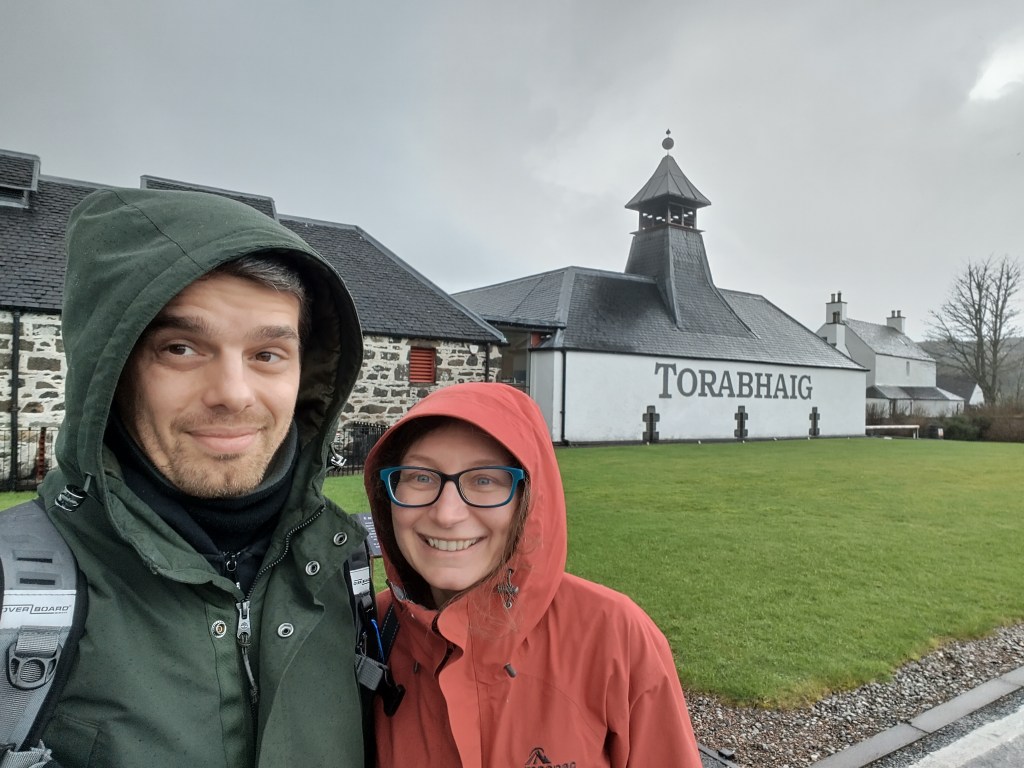
As we came out of Torabhaig distillery, the weather was slightly nicer: still no breaks in the clouds (those will come later), but at least it wasnโ€™t raining anymore. We gave ourselves just the time for couple of pictures, before quickly jumping on Mr. Vantastic and starting to drive north-west, back towards the main road. We did one stop in the very picturesque village of Isleornsay, near the sea, to visit the shop of the Gaelic Whisky company, Prร ban na Linne. It is a small independent bottler, which we learned about when a few years ago a friend gifted us a bottle of Mac Na Mara rum cask finish blended whisky. The Mac Na Mara range also also includes the expressions Classic, Madeira finish and Port finish, all bottled at 40% and non chill-filtered. They also offer another blended scotch, Tรจ Bheag (40%, non chill-filtered and high proportion of malt whisky), and the Poit Dhubh blended malt range (8y, 12y and 21y), all 43% and, again, non chill-filtered. After browsing the shop (where they also sell gin, food, and souvenirs), we took a Poit Dhubh trio miniatures (which we still have to try).

Back on the road, it didnโ€™t take us much to get to our final destination for the day: Carbost, home of Talisker distillery. We had a sound plan: park at the Carbost pier (where we could spend the night at the cost of ยฃ10.00 in the honesty box), visit the distillery and then dinner at the Old Inn.

We knew the road already, as it wasnโ€™t our first time there: weโ€™ve been there when we visited Skye in the summer of 2020, with Gianluigiโ€™s parents, during that short time window where international flights were weirdly allowed without much complication. Back then, we drove to Carbost after a stroll at the Fairy Pools, where we learned that midgies donโ€™t care for long-sleeve t-shirts. By pure coincidence, the night before weโ€™d found out that Talisker was reopening the next day, and that you could book a visit if you โ€œcalled or wrote an emailโ€. We tried to call several times, but in a typical Diageo disorganised shenanigans it turned out they were only replying to emails (with such short notice, we would have bet the other way round to be honest). So no distillery visit then, but we enjoyed anyway the view and the nice afternoon in the village, before driving back to Portree. This time, however, we are ready to rock!

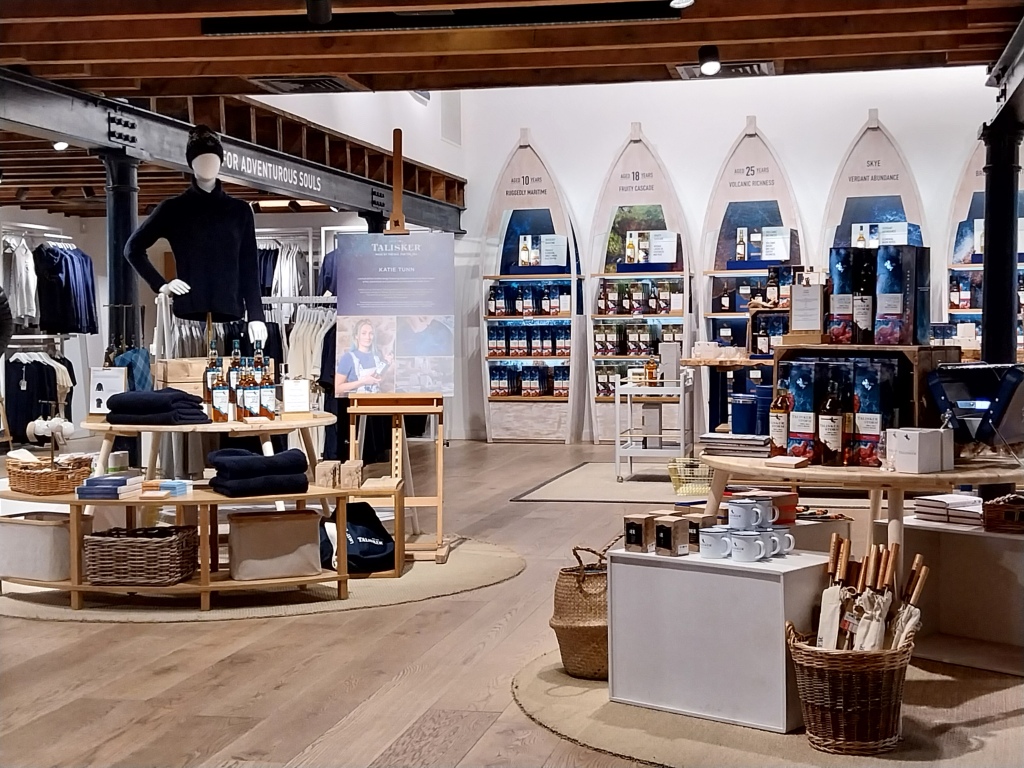
We parked the van at the pier, nor far from another van (and by the time we went to sleep, eight campervans were parked there despite the sign said max 5โ€ฆguess why โ€œcampervanistasโ€ are not very welcome in some places). Next to the distillery we noted a new building, right on the shore: a wooden cottage-ish building, which would have looked more appropriate in a skiing station. Weโ€™ll later find out that it is a fairly new space, part of the visitor centre renovaions, and includes a bar and a pop-up restaurant. After the usual selfies and photos, we checked in at the visitor centre. It is quite spacious and modern, with a round fireplace in the middle of it: again, that makes you feel like in a skiing resort hotel, but itโ€™s cosy, nonetheless. In contrast, the shop area was super bright, almost looking like an airport duty free or a department store.

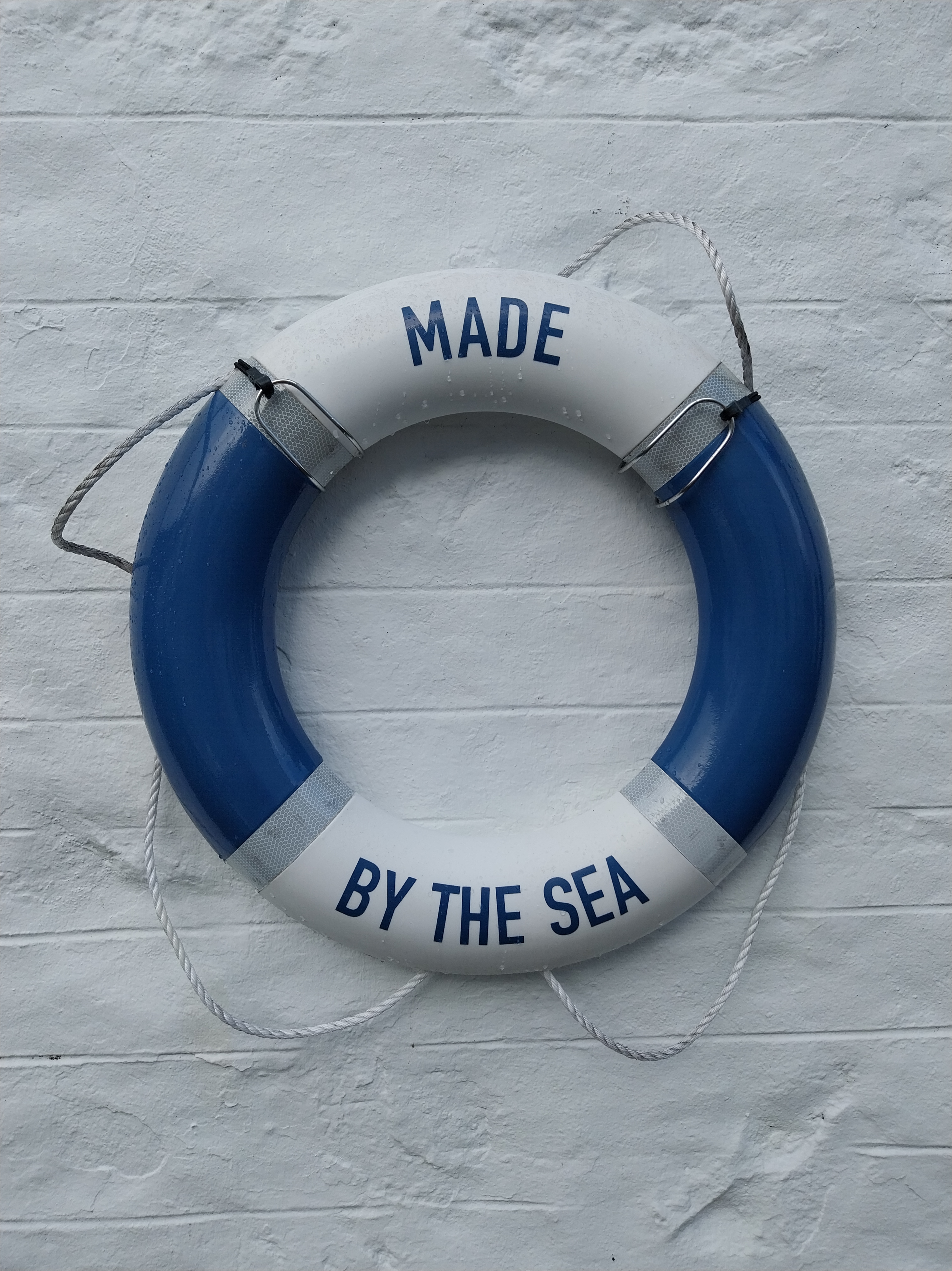
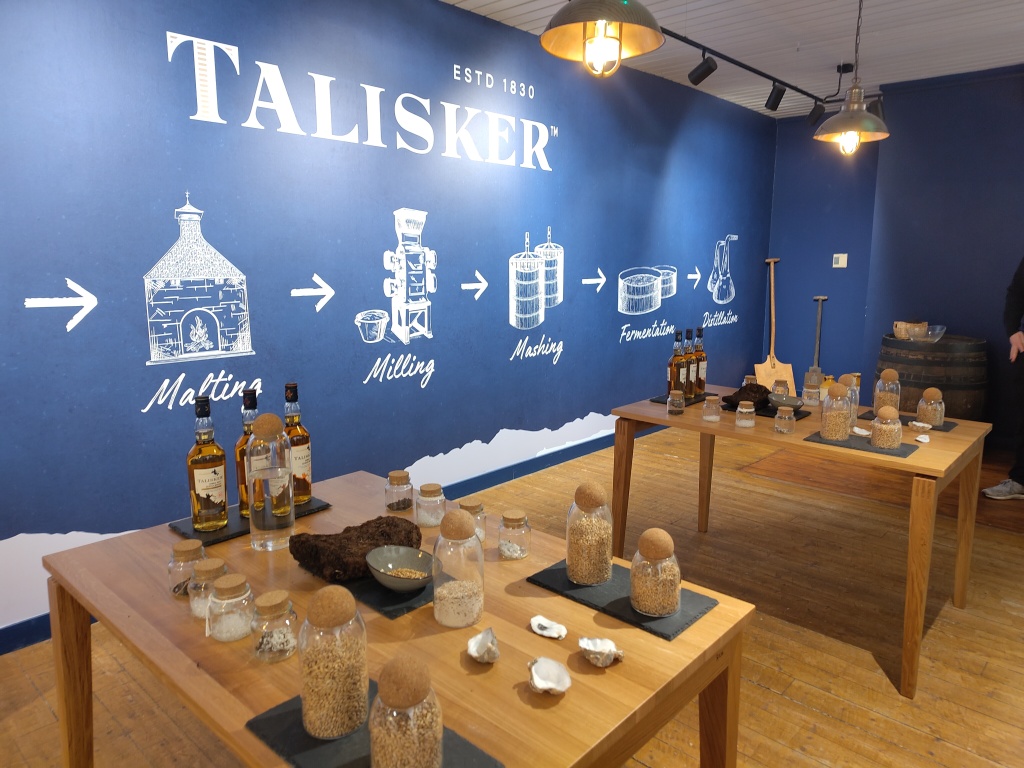
The guide for the day was Florian, who despite the heavily scripted tour, made lot of efforts to make it personal, with some dad jokes but also some โ€œtell-like-it-isโ€ moments. One we appreciated: โ€œโ€™made by the seaโ€™ is marketing language for โ€˜manufactured in the proximity of the seaโ€™โ€. Kudos. He gathered us around near the entrance when the time came, starting with the usual safety instructions. In spite being only February, the tour looked fully booked, which surprised us. We left the visitor centre to enter the production building. First, a โ€œdemonstrationโ€ room where Florian explained the basics of whisky distillation, showed us some peat, and where we could smell some elements associated with the most typical Talisker aromas: pepper, salt and honeycomb.

Florian also showed us the barley they use, lightly peated, mostly from the Black Isle on the east coast, and malted at Glen Ord maltings. Trucks come in with 30-tonnes of barley (which explains also the terrible state of the tarmac in Carbostโ€ฆalmost Edinburgh-worthy). Once there, the malt gets milled by Milly, a sturdy Porteus machine dating back to 1962.

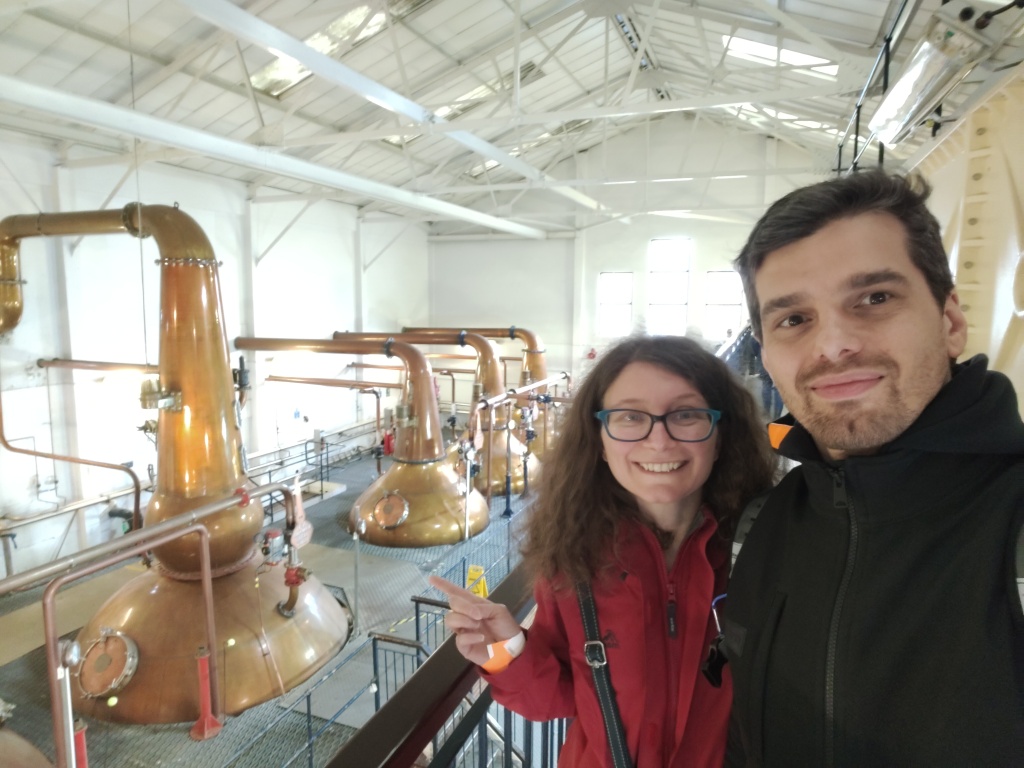
We moved to the huge mashtun, where barley gets mashed with only two waters (one increasing temperature), similarly to many other Diageo distilleries. This is one of the industry practices to make whisky production more environmentally friendly. We couldnโ€™t visit the fermentation room (where fermentation lasts on average 72 hours but can be anywhere between 65 and 85 hours) because of the carbon dioxide level: first time since we started visiting distilleries, but better safe than sorry we guess. Thus, we moved straight to the very nice stillroom, equipped with two large wash stills for the first distillation, and three smaller spirit stills for the second. The cut they take from the second distillation is from 75% abv to 65%. 

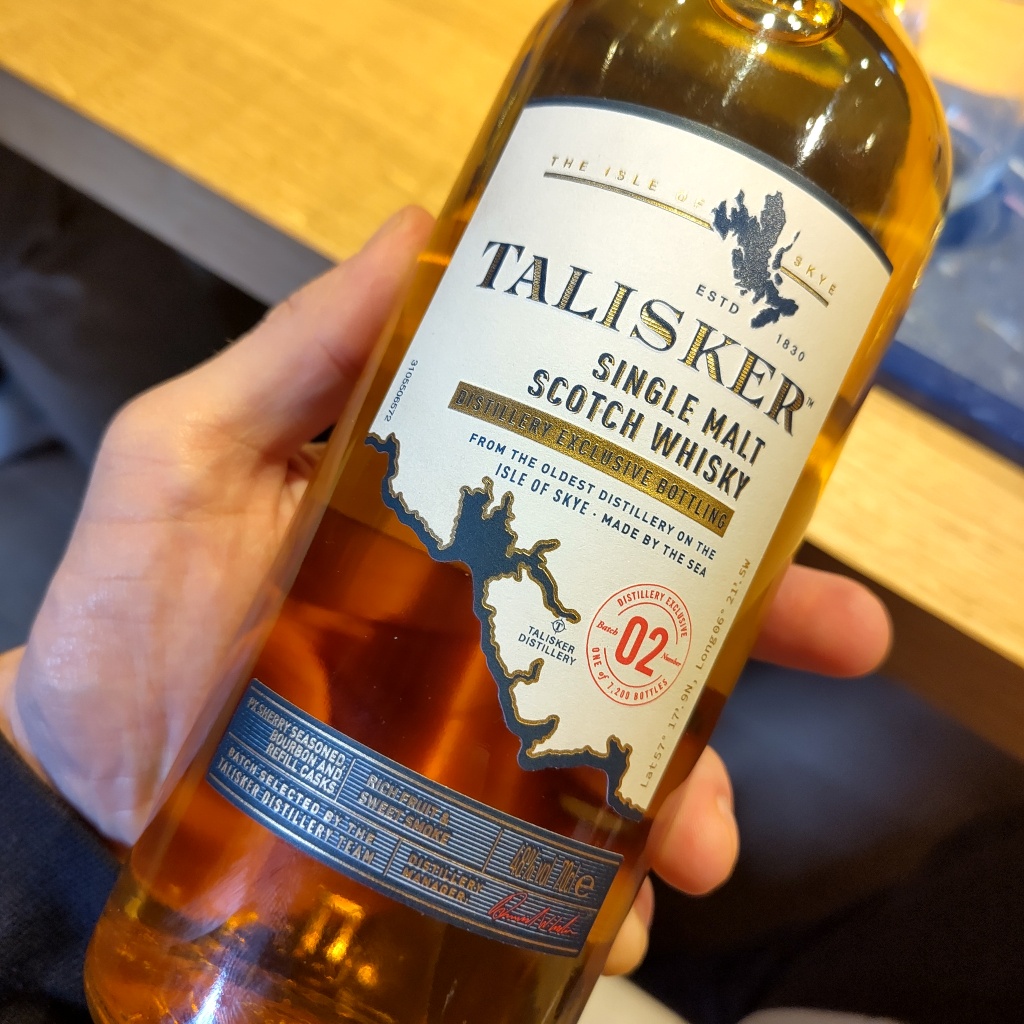
They have some warehousing space on site, but we couldnโ€™t visit it, as a matter of fact Florian told us he hadnโ€™t been in there himselfโ€ฆnot too surprisingly. Anything they produce, though, is put into tankers and shipped to be moved to casks at one of the Diageoโ€™s sites in the Central Belt. We went back to the visitor centre for the tasting, in a purpose built room just behind the bar. We started with the Talisker Storm, one of their non-age statement releases, finished in wine casks: drinkable but not memorable. We then moved on to the Talisker 10, which is a very solid dram in our opinion (some might say that itโ€™s not as good as it was X years ago, but being relatively new in our whisky journey, we have no clueโ€ฆ samples welcome, in case!). We finished with a Distillery Exclusive: this range is quite interesting (not to be confused with the Distillers Edition), as (apparently) distillery staff have some freedom in deciding what to bottle, and it is usually bottled at 48% or above (and whispers says non chill-filteredโ€ฆ). In general, across the distilleries we visited, we had some very good ones (Royal Lochnagar, Lagavulin, Cardhu) and many average ones โ€“ the Talisker DE (batch 02) we tried fell into the latter category.

Before leaving the distillery, we got a couple of drams at the bar, Port Ruighe (finished in port casks) and the Distillers Edition (this one finished in Amoroso Sherry seasoned casks), both quite nice.

After the distillery, we went straight to the Old Inn, a hotel and pub just a few steps away. The pub is very nice and cosy, despite being in a very touristy spot it maintains a โ€œlocal pubโ€ atmosphere. There we met up with Tommy, Gianluigiโ€™s former bandmate who recently moved to Skye, before having dinner and retiring to the campervan after a long, nice day.

Until next time, slainte.


Talisker Distillery Tour

Price: ยฃ20.00 pp (February 2024)

Duration: 1hr 15min

Tasting: 3 drams, Talisker 10 (45.8%), Talisker Storm (wine cask finish, 45.8%) and Talisker Distillery Exclusive (48%)

Distillery Exclusives: Talisker DE (batch 02, NAS, 48%, PX-seasoned ex-bourbon and refill casks, ยฃ105.00), Bottle-your-own (9y, 54.5%, rejuvenated ex-red wine cask -STR?-, ยฃ130.00)

Target: everyone, but mostly tourists

Value for money: good

Highlights: the scenery

Recommended: if you want to tick the box, yes

Link: https://www.malts.com/en-gb/distilleries/talisker


#42.1 A weekend on Skye

From the vPub to Torabhaig


TL; DR: For our traditional wee February Highlands escape, this year we picked the isle of Skye. The first distillery we visited was Torabhaig โ€“ a beautiful location and an interesting tour, definitely a great start to the weekend! 

In the last few years, we started a new small โ€œtraditionโ€: a trip to the Highlands, visiting some distilleries, in February. This not only comes after the dreaded dry (past years) or half-dry and half-moderated (this year) January, but it is also a great time to go because of the low season, unlike the summer months when a mass of tourists is swarming this beautiful region. Everything is quieter and more relaxed, the way we like it, probably not coincidentally the same way we started to truly enjoy whisky. There are downsides too of course, but weโ€™ll come to these later.

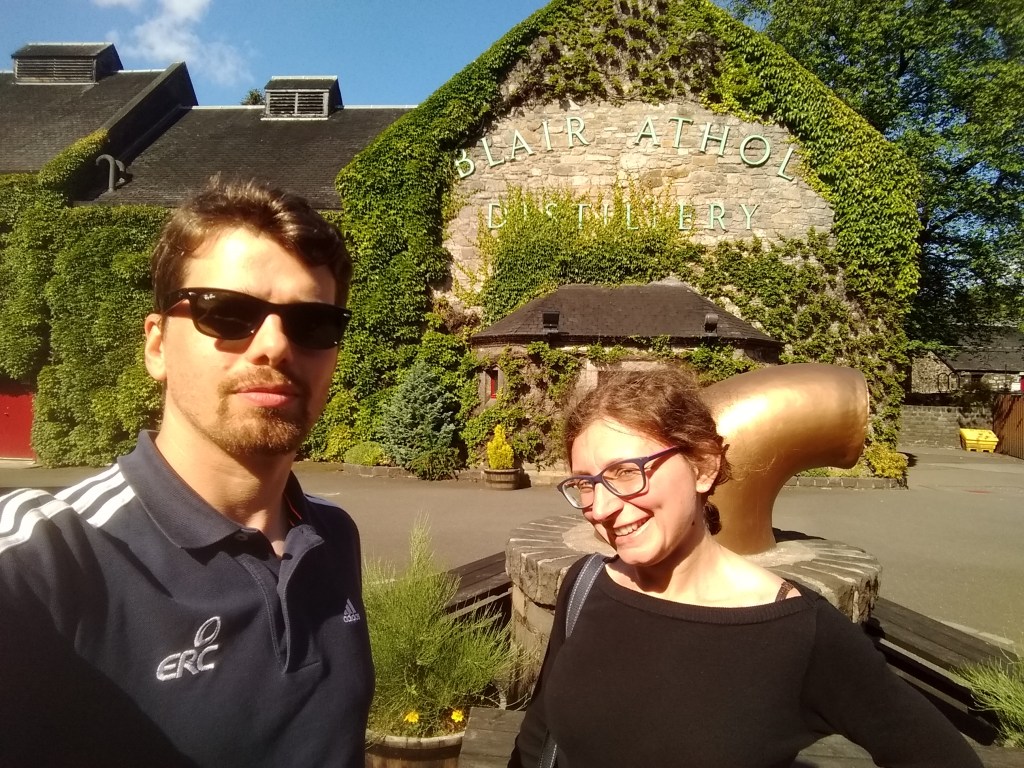
In 2022, we did a daytrip to Pitlochry, to which we attached an in-depth tour at Blair Athol distillery. Last year, we went to the West Highlands, to a spot that has a place in our hearts: the Ardnamurchan peninsula. The trip included a short visit to Tobermory too (weโ€™ll let you guess which distillery we visited). This year, the original choice was Islay, but in addition to the fact that there were no campings open or โ€œofficialโ€ spots to stay with the campervan (speaking of off-season downsides), one of the four distilleries we havenโ€™t visited yet was closed (Caol Ila), so we decided to postpone. The other choice was another banger of a place that has been on our wish list for a long time: Skye! Weโ€™ve been there in the summer 2020, but because it was pandemic time, we couldnโ€™t visit any distillery.
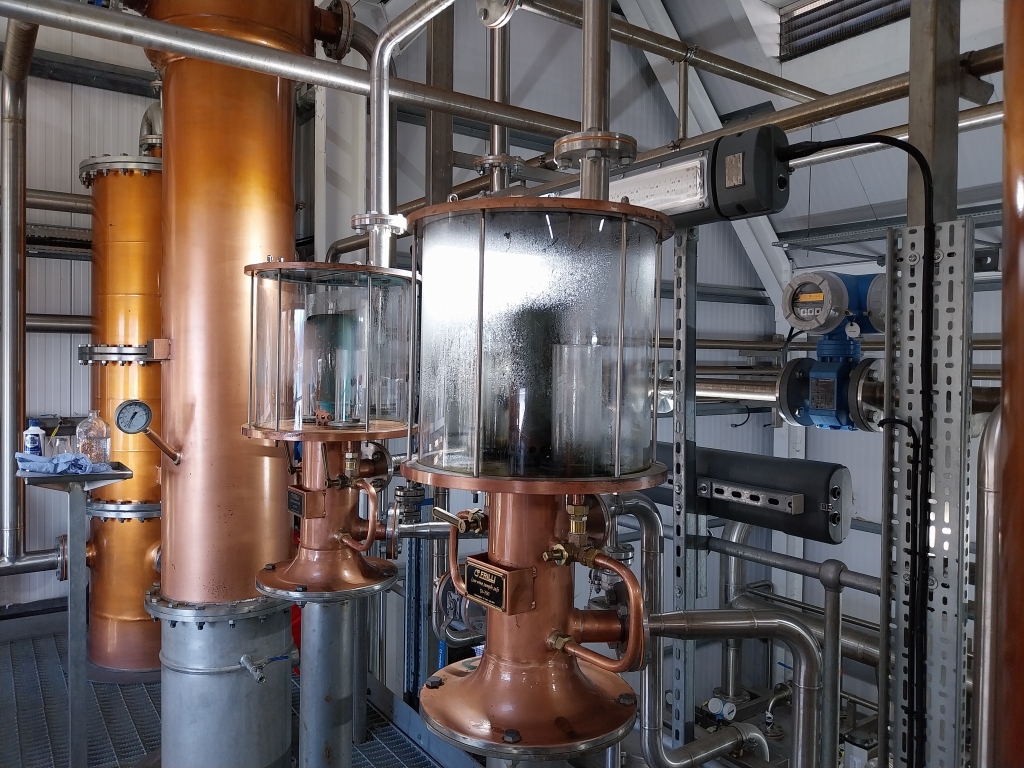
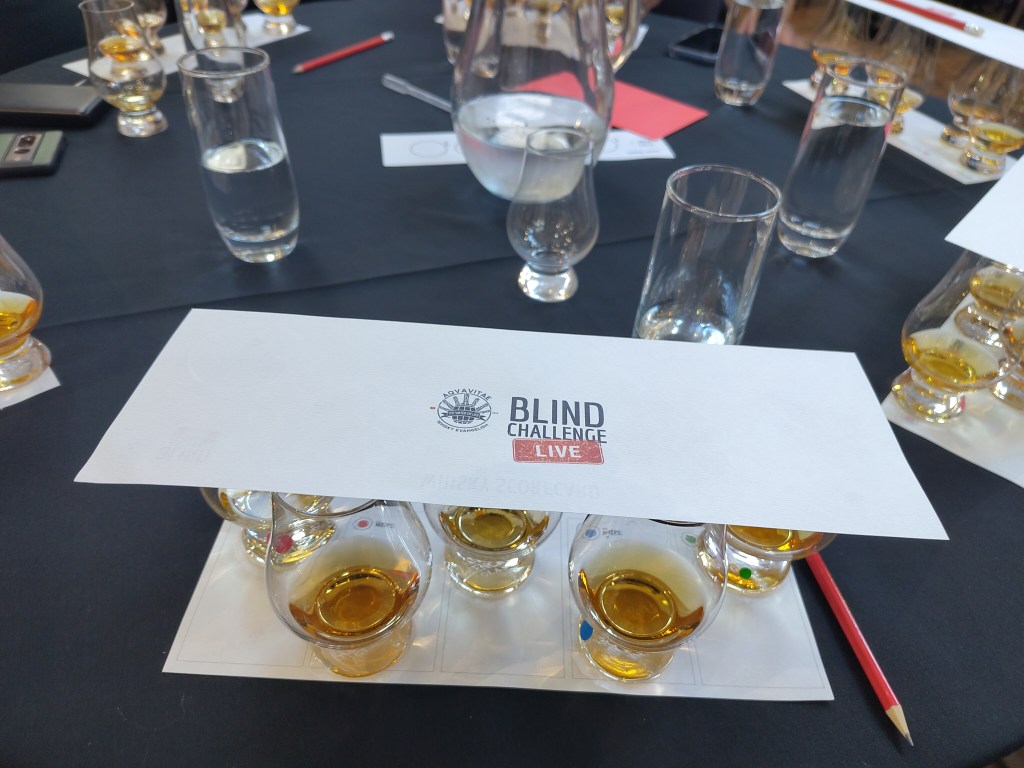
As usual, we planned to leave in the late afternoon evening, so to be ready to get to the first distillery in the late morning the day after. However, a couple of weeks before the trip we had a very pleasant surprise: Roy, from the Aqvavitae YouTube channel, asked us if we could be part of that week vPub. It was a 6 Nations themed blind challenge, where we would sip six drams, one from each nation. It goes without saying, we would participate as the Italy representatives. It was a super fun night, we truly enjoyed the blind tasting, and we found some very interesting new drams (the Armorik 10 in particular, a proper dram). To be able to attend the online event, we booked a B&B near Fort William, as many campsites are closed in February (another downsides of off-season) and the couple that were open had mixed reviews on the WiFi quality, something we couldnโ€™t risk. In the morning, we had a huge breakfast, after which we were ready for a nice day of whisky visits!

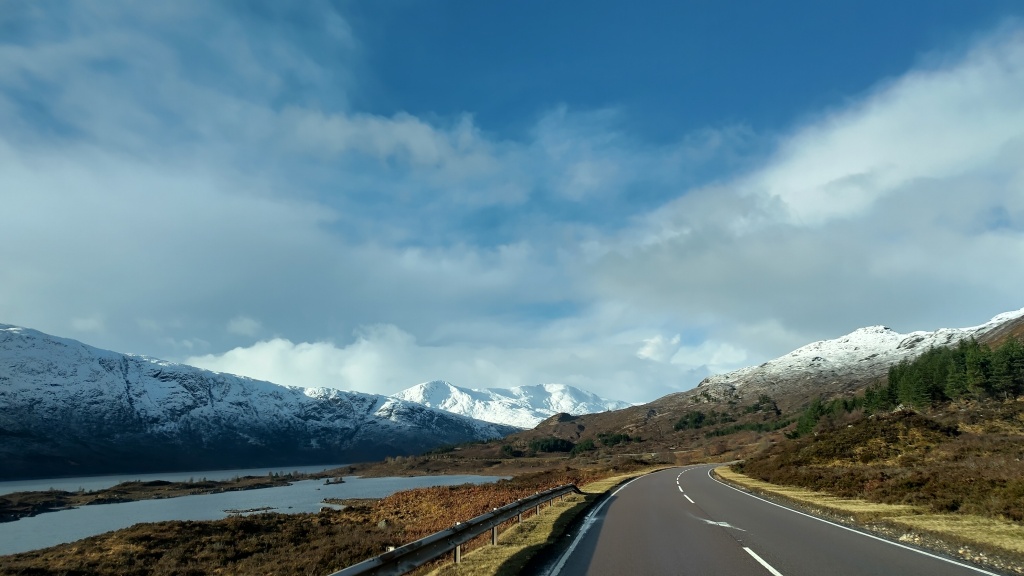
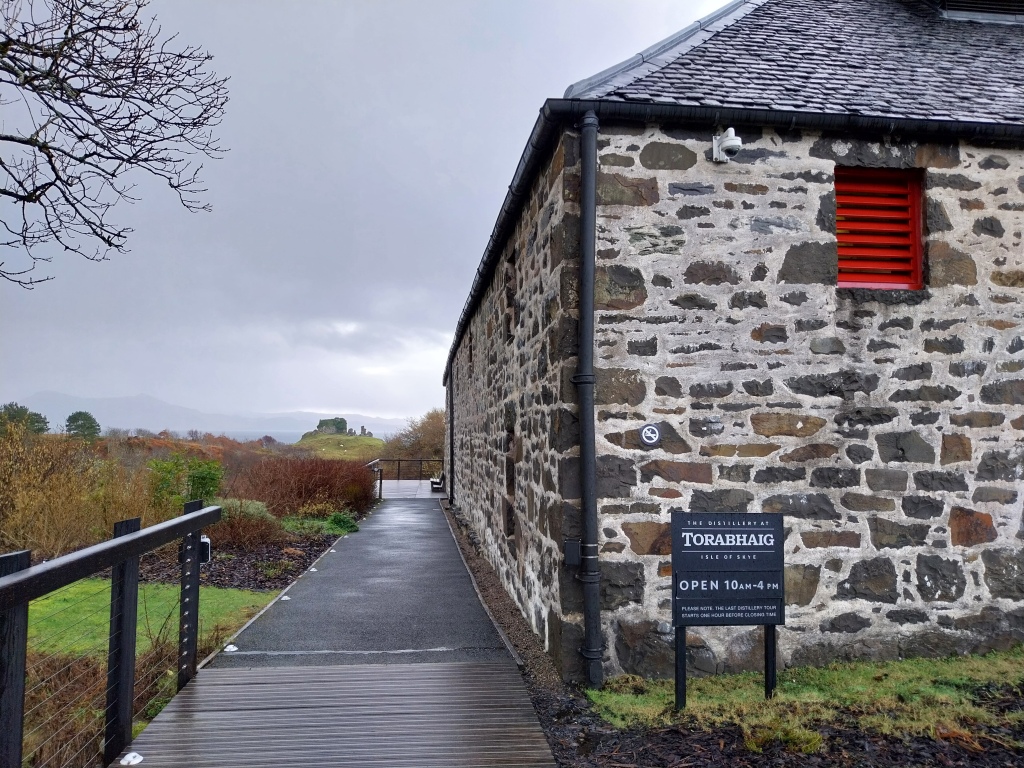
The first distillery we hit was Torabhaig, after a spectacular drive on the A87. We arrived there 10-15 minutes in advance, so we could take some pictures (not many, as the weather was quite dire at that point). The distillery is in a very nice spot, very isolated, in the south of the island. The building was completed in January 2017, from restoring the ruins of an 1820s farmstead that in turn used stones from the nearby Caisteal Chamuis. The castle also gives the name to a blended malt sold by the independent distiller Mossburn, owner of the distillery.

The guide for the day was Lesley, who turned out to be very precise and on-point, making the basic tour very enjoyable also for whisky enthusiasts like us (the fancier tours were not available at the time, another off-season downside). Their production capacity is of about half-million litres of alcohol per annum, and their barley intake is about 28 tonnes every 10 days. It comes from Crisp on the Moray coast, and is usually 77ppm.  

After milling, mashing takes place in a copper-closed mashtun, with the usual three waters increasing in temperature. They do up to three mashes/day for a total of 17/week, after which the liquid goes into one of the eight 10,000-litre washbacks (although they fill it up to 8,000), where fermentation lasts about 72 hours. They have one pair of stills (probably the size of the B-listed building wouldnโ€™t allow more), 8,000 and 5,000 litres for respectively the wash and the spirit still. They are called Sir Ian and Lady Noble, from the couple who conceived the distillery project in the first place. From the spirit still they take a cut around 70% abv on average, and a peculiarity is that, similarly to distilleries characterised by a waxy spirit, they mix feints and low wines in the same receiving tank. Very interestingly, for two weeks a year, the two distillers are free to experiment, and these batches will make future releases.

After the production tour (where photos were not allowed), we went to the tasting room โ€“ no warehouse visit as on site they donโ€™t keep many casks because of limited space. We tried the newmake and the Allt Gleann, their second released single malt (ex-bourbon casks, 46%). Their first bottling, released in 2020, disappeared in a typical โ€œpandemic frenzyโ€. Since then, they also released a cask strength version of the Allt Gleann (61.1%, mainly ex-bourbon) and, about a month after we visited, the last of the Legacy Series, the sherried Cnoc Na Moine (46%), which we havenโ€™t tried yet.

After the tour, we went back to the shop to try a tiny sip of the Mossburn 12y, and then we had a coffee and a tasty cake at their cafรจ, before leaving towards our next stop. At the cafรจ they also sell some of their other whiskies by the dram, in particular the Mossburn range. Overall, we really liked the experience (and great value for money) and this distillery, not just because itโ€™s truly beautiful. The whisky still tastes a bit young in general (well, the few we tried at least), but we can see great things coming from them.


Torabhaig Regular Tour

Price: ยฃ12.00 pp (February 2024)

Duration: 1hr

Tasting: newmake and a dram, Torabhaig Allt Gleann (46%, ex-bourbon casks, peated)

Target: everyone

Value for money: very good

Highlights: the building and the scenery

Recommended: yes

Link: https://torabhaig.com/


#37 Farewell to 2023

A year full of whisky trips… and more!


TL; DR: Itโ€™s December, perfect time for some reflections on the year thatโ€™s about to end. Another year full of awesome whisky trips, not only in Scotland: 31 distillery visits, of which 27 seen for the first time!

We are quickly approaching the end of the year, so itโ€™s the perfect time to reflect on the year that has been, of course whisky-wise. As weโ€™re writing, we already travelled back to Italy to celebrate Christmas with our families. Itโ€™s around 15 degrees Celsius here, so the atmosphere doesn’t quite call for a dram by the fire, but weโ€™ll try to make the best of it anyway, eheh.

Even more than in 2022, this year we felt like the pandemic was a gone memory (despite Covid is still among us, and it will be for long): travels resumed in full force, Edinburgh is busier than ever, and so it was travelling around Scotland. The big novelty in our life was the campervan, Mr Vantastic, which allowed us to travel a bit more on the wild side, without worrying about reserving accommodations (which in the meantime became quite expensive) or planning too much in advance.

For our summer holidays we went on a big road trip down to Wales, to discover this beautiful country and its whisky scene. Except for a couple of producers, with Penderyn being the main one, the Welsh whisky industry is still in its infancy and mostly populated by craft distillers, but itโ€™s nonetheless promising. While travelling to Wales, we also stopped by a couple of English distilleriesWhite Peaks stood out, definitely a hidden gem.

A hidden gem in Derbyshire, White Peaks.

Also, we couldnโ€™t help but going to Speyside again, this time for the Spirit of Speyside festival, a different experience (not in a bad way) compared to our beloved Fife Whisky Festival and Whisky Fringe (which we attended this year too). We had great time, and visited a number of distilleries that are usually closed to the public.

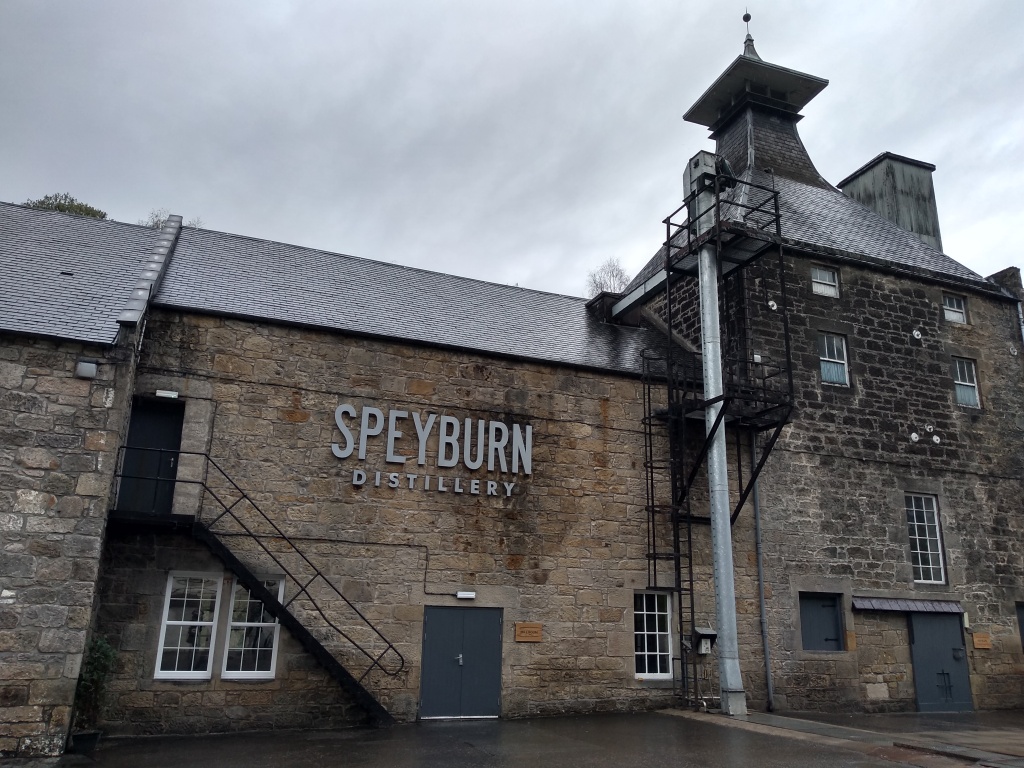
Mortlach, Linkwood and Dailuaine were fantastic, in spite of the entry price, and so it was Speyburn, but good news: the latter is now open to the public! Now every whisky enthusiast can visit and check out their old drum maltings: a piece of industrial history! We briefly stopped in Speyside again later in the year on our way to the Highlands, to visit a couple of new distilleries: Ballindalloch and Dunphail. The first one had just released their first single malt, while the latter had just filled their first batch of casksโ€ฆHistory in the making!

The Highlands were the destination of the Edinburgh Whisky Group annual trip. In Dornoch, Phil from Thompson Brothers gave us a quick tour of their craft distillery. Then, we visited other local distilleries, two for the first time (Glenmorangie and Balblair), and Clynelish for the second time (blog posts about all this coming soon). This was not the only one we visited for a second time this year. In early February we had a very wet trip to the West Highlands to revisit Ardnamurchan and Tobermory. Moreover, in August we did a Warehouse Tasting at Deanston with a couple of friends from Italy. Gianluigi even went on a solo trip to Campbeltown in December, to use a couple of remaining leave days from work and take advantage of his Cadenhead Club membership by getting a free warehouse tasting: a string of awesome drams, including a spectacular 9y old Staoisha (Bunnahabhain) finished in an ex-Amontillado sherry cask.

We did a lot of things, but also missed a few opportunities: first, we wanted to go back to Islay, but we couldnโ€™t make it, too busy with work. Then we missed the Dramathon due to a flood risk in Aberlour (this year we were supposed to run the 10k only), as well as the Roy Aqvavitae Blind Challenge, this time because of a terrible cold weโ€™d caught.

Leaving whisky trips on a side, it seemed to us that the number of tastings happening around Edinburgh has grown exponentially. We had great fun with Justine from Kask Whisky, now doing her monthly tastings at the Lind and Lime gin distillery, conveniently near home. One of the highlights of this year was definitely the Glen Mhor tasting, on the 40th anniversary of its closing, organised by Jason and Mark/Jolly Toper. Other great ones were the Woodrow’s of Edinburgh tasting at the Palmerston, organised by our pal Murray, and some tastings at Kilderkin and at Bacco Wine.

Whisky tasting next door.

On the bad side, we noticed the sharp increase in bottle prices. It was interesting to follow a recent vPub from Roy, where he showed that for some products the growth was mostly in line with inflation. However, this was for core/standard releases. We still feel that, instead, some independent bottlers and some producers are โ€œtaking the pissโ€, for a lack of a better term, particularly in relation to single cask and limited releases. Among these, the Scotch Malt Whisky Society bottle prices increased substantially, which resulted in us buying almost zero bottles and going only a few times to the venues compared to previous years. We have to say, though, that food at Queen St is still awesome, and the renovated Vaults look great.

One of the few bottles we bought from the SMWS was for our cask experiment: we got a 1-litre American Oak cask (virgin), which we seasoned with Gutturnio red wine (a typical red wine from Piacenzaโ€™s province) for 3 months, and it is now holding a very tasty 12y Dufftownโ€ฆIn 2024 we will find out if itโ€™s turning into pish or is actually drinkable.

After plenty of distillery visits and more than a handful of tastings this year, weโ€™re already planning for next year trips with Mr Vantastic …Islay & Jura? More English distilleries? The Western Hebridies? Back to Speyside? We shall see, but nonetheless, we are already looking forward to it! Now is the time to rest and enjoy some time with our families, hoping that you are doing the same, wherever you are. Possibly, with a good dram in your hand.

Until next year, slainte, and have a great New Year!


#30.2 Back to the West

A deep dive in Tobermory


TL;DR: After we (somehow) managed to dry up, the morning after we left the campervan in Kilchoan and hopped on a ferry to Tobermory. Some important business there: shower, lunch, and a visit to Tobermory distillery! That was so nice that we almost missed the return ferryโ€ฆ

(missed Part 1?)

We woke up on Saturday morning, almost dry. Before preparing breakfast, we drove to the Kilchoan ferry pier, as we didnโ€™t want to take advantage of the Kilchoan Hotel ladyโ€™s kindness more than necessary. The original plan would have seen us taking the ferry to Mull, visiting the distillery, and then taking the return ferry to the mainland from Craignure to Oban. However, because we loved the peninsula so much, we changed the plan: we took the ferry on foot, and we would return back to Kilchoan with the last ferry of the day.

The weather was much better, still a bit cloudy but sunny at times, very windy. We had a nice breakfast outside, with the salty sea-breeze hitting us. Before the ferry, we managed to wash the dishes, tidy up the campervan, and prepare a backpack with a change of clothes and towels. This was because in Tobermory, near the aquarium, there are public showers. Unfortunately, this time of the year both campsites in Kilchoan and Tobermory are closed, and a third one in Kilchoan doesnโ€™t have toilettes and showers (only for motorhomes, we guess?). Hence, a shower was really needed (FYI, there should be showers at the Kilchoan community centre too, but they do short hours: opened after we took the ferry to Mull, and closed before we were back).

The ferry crossing was fast, slightly more than half hour, after which we found ourselves walking on the Tobermory pier. At the aquarium, which was closed, showers were available indeed! But first we had to go back to the local Coop to get coins. What a feeling, to be clean again! Gianluigi even managed to wash his hair and dry himself up with the hairdryer: cosy! Before our distillery visit we had to get lunch though. We chose one of the restaurants on the pier, between the aquarium and the distillery, the MacGochans. Food was OK, although very abundant: we left over half pizza, which we brought with us. 

Finally, distillery time! We were very excited, we had visited Tobermory in summer 2019, but we couldnโ€™t see production because renovation works were going on. Not this time though, and after a quick check-in, we were in one of the distilleryโ€™s courtyards. We chose the โ€œalternativeโ€ Warehouse 1 experience: because there were renovations in the warehouse (apparently still now, at the time of writing), weโ€™d get a distillery tour instead, before the tasting at the visitor centre. Our guide for the day was Robert, new in the whisky industry, and previously working as a shoe-maker. We liked his approach, a bit different from the usual one: he introduced himself and asked about us, to create a connection, so that during the tour he was โ€œtailoringโ€ the experience to make it more personal. A very nice touch. 

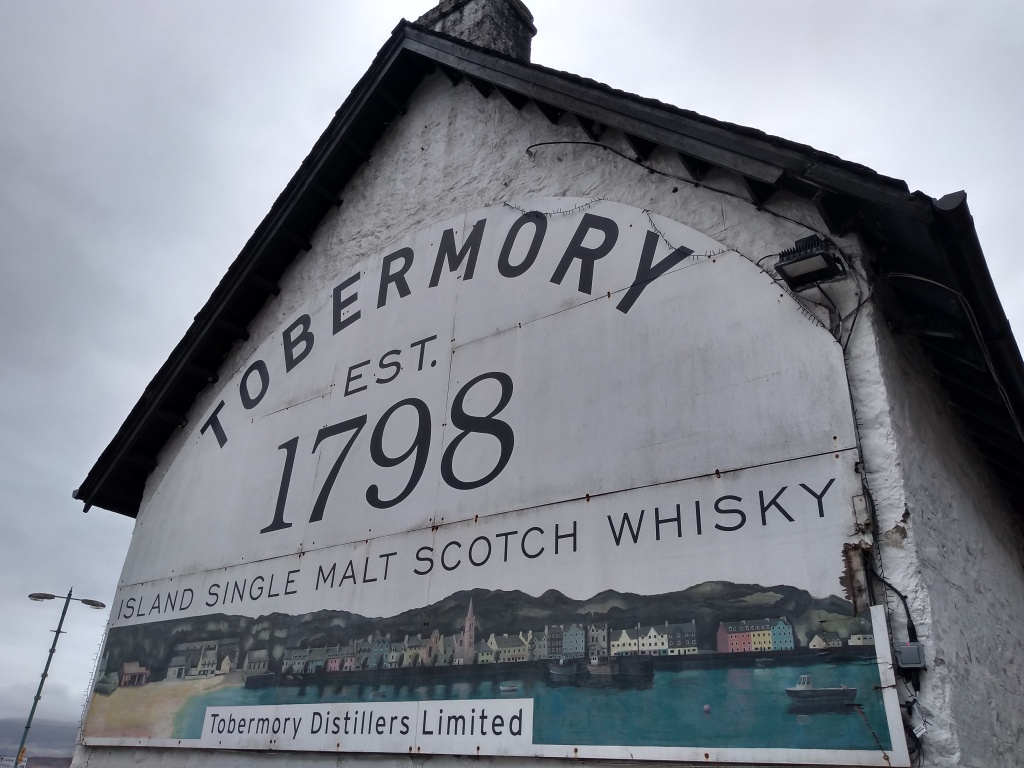
The distillery is one of the oldest, built in 1798, and they produce two main single malts: Tobermory (unpeated) and Ledaig (peated). Production used to be split 50/50, but the master distiller, Brendan McCarron, at an event we attended in December 2022 said that they are going to change it and focus mostly on the Ledaig side. As usual, we went through production like a grain of barley: milling (very old malt mill), mashing (very new mashtun), fermenting (wooden washbacks) and distilling (2 pairs of shiny stills).

All rooms were very narrow, reflecting the little space available to build the distillery. Robert pointed us to a building on the other side of the road, which used to be a warehouse, now flats (almost like being in Leith!). Nowadays, they have only little warehouse space on the island, and most stock is matured on mainland together with stocks from the other sister distilleries, Bunnahabhain and Deanston (both among our favourites). 

After a quick look at the courtyard, we headed back to the visitor centre and started the tasting of the selected distillery casks: first off, a couple of Tobermoryโ€™s, a 2012 ex-bourbon one and a sublime 1995 ex-Manzanilla (although it spent more or less half of its life in an ex-bourbon hogshead before). The Ledaigโ€™s didnโ€™t disappoint either, an ex-bourbon matured (also 2012) and a 2009 finished in a French red wine cask. There is something about Ledaig (and other peated malts) in red wine casks that we like a lot, and we loved this one very much (we took it over a similarly priced 19y ex-oloroso, which we tried a nip of). Like our 2019 visit, the tasting was great overall, and we just would have liked to have some more time to hang around and try more things (we still managed to try a lot, thanks Robert!).

Unfortunately, the time for the last ferry came (actually, we almost missed it), so we sailed back to the Ardnamurchan peninsula with our ransack: a bottled of Ledaig and half pizza. Only off-note of the evening, we realised that the time of sensible deals for Distell bottlings outside the core range is definitely gone, in particular for the distillery exclusives (and this is reinforced by some Deanston bottlings prices we saw floating around the web recently, like ยฃ50 for a 10y 20cl bottle!). A shame, but hey ho, weโ€™ll pick something else. 

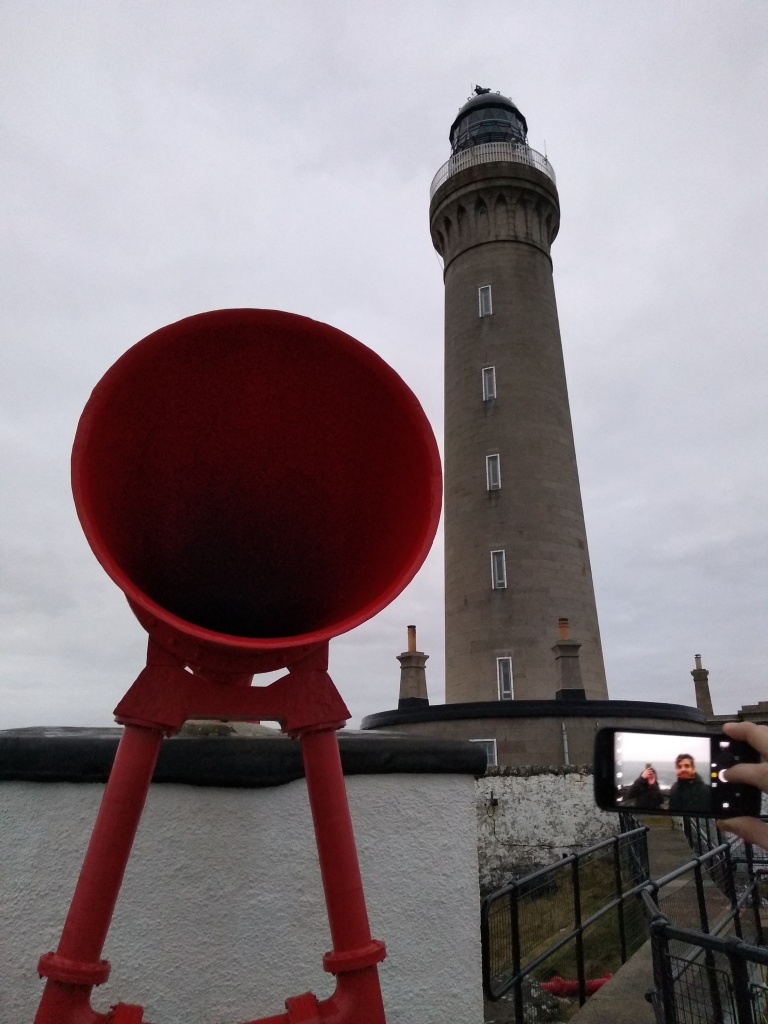
Back at the van, we picked up our (no more) wet shoes from under the vehicle, where we had placed them to dry, and left. We took advantage of the last hour or so of light (sunshine would be an overstatement) to visit the lighthouse. It is a magnificent place, that we loved at first sight. We could have just spent hours there, but the day was ending (painfully soon, but hey, itโ€™s Scotland in February!), and it was not permitted to stay there for the night. On the way back we detoured to Sanna beach, but it was already dark to walk there, and all the potential spots for the night along the road were already busy. We then drove back to the spot facing McLeanโ€™s nose, for a nice sleep. 

Find us in the picture!

In the morning, after breakfast we were soon on the road towards Edinburgh. The roads were very quiet, and the villages too: we didnโ€™t find anything open to get a coffee, just the automatic machine at the little store in Strontian. Only then we realised: we have a moka, coffee, and a stove on the van! What a coupled of dum-dums! Back on the road, we drove to Corran, took the ferry, but instead of driving towards Glencoe, we turned left to Fort Williams, and we decided to take the road towards Spean Bridge. We stopped there for a quick meal, and then drove on the A86 towards Dalwhinnie. So, once we were there, why not a quick stop? Just enough time to go to the loo and get half dram of their distillery exclusive and bottled-your-own (overpriced both by the dram, ยฃ10 each, and by the bottle, respectively ยฃ90 for a non-age statement at 48% and ยฃ125 for a 12y cask strength, 53.6%), with the other half in the sample bottle for Teresa (she had picked the short straw this time) to enjoy at home. 

So, our first whisky adventure with the Mr. Vantastic was almost a success, bar the unwanted shower we got on the Friday. That taught us two things: check the weather more carefully (in particular in February on the Highlands), and be ready to change your plan quickly. Clearly, a steep learning curve. Slainte! 


Tobermory (alternative) Warehouse 1 Experience

Price: ยฃ40.00 pp (February 2023)

Duration: 1hr (in theory!)

Tasting: 4 drams, 2 Tobermory’s (2012 ex-bourbon cask, 1995 ex-Manzanilla double matured) and 2 Ledaig’s (2012 ex-bourbon cask and 2009 ex-French wine cask)

Target: whisky enthusiasts and geeks

Value for money: good

Highlights: the drams were spectacular

Distillery Exclusives: the 4 mentioned above, plus other bottles from casks of previous tours

Recommended: yes

Link: https://tobermorydistillery.com/


#25.3 Highlands trip bonanza!

Back to Edinburgh through Aberfeldy and Pitlochry


TL;DR: The final day of the trip was dedicated to slowly driving back to Edinburgh. Still, we were able to fill the day with a few distillery visits: Aberfeldy first, followed by Edradour and Blair Athol! Phew

(missed Part 2/Part 1?)

We woke up early that day, skipped breakfast, and drove straight to the ferry terminal at Fishnish, on the Isle of Mull, to catch the ferry back to the mainland under the morning sun. After a quick ferry trip (we believe itโ€™s the quickest Mull route), we arrived in Lochaline, on the Morvern peninsula (home to another distillery, Ncโ€™Nean, which at that time we didn’t even know existed). We had breakfast, finally, at the Lochaline Snack Bar, which serves delicious sandwiches, rolls, and other goodies at very reasonable prices. We enjoyed our breakfast in the good company of a nice English couple, who told us how they decided to spend their retirement on Mullโ€ฆnot a bad idea at all!

Not a bad morning!

Back in the car, we soon arrived in Corran for another quick ferry (this time just to save us over an hour drive), and then drove for the first time through Glencoe: what an incredible place! It felt like being in the middle of American canyons, but green.

We followed the road to Bridge of Orchy and Tyndrum, then we turned left (eastward) and drove almost straight towards the first distillery of the day: Aberfeldy! It was not a new name for us, we had seen it in supermarkets and at the airport, but we had never tried it before, so we were quite curious. The distillery is in the village ofโ€ฆ.yep, you guessed it: Aberfeldy! Lovely place, the landscape was not as dramatic as the ones we had crossed earlier in the morning, but hilly and cosy. The distillery itself sits in quite a beautiful spot, almost like a postcard, with a small walking bridge to cross before entering the visitor centre.

Teresa wasn’t ready for the picture.

The distillery is owned by Bacardi, together with Dewarโ€™s, one of the most prominent blended scotch whiskies, and a few other single malt distilleries (Craigellachie, Royal Brackla, Aultmore and Macduff). Before the tour, we could take a look at the museum on site, with lots of memorabilia and documents about the history of John Dewar and related brands.

Then, we started the tour of this very pretty distillery. Around production, the signals of being owned by a big corporation were obvious, with a lot of signs that reminded Gianluigi of his environmental consulting days (not a bad thing, on the contrary: emphasis on environment and safety are a must!). It is on this tour that we realised that we could remember all the stages of productionโ€ฆafter all, that was the 5th distillery in 4 days.

At the time we didn’t really know what it was…

Then, we moved on to the warehouse, where a dram taken from a cask was served, but only to those with a more expensive ticket (3-4 people on the tour, including Teresa). It was a 1999 (so almost 20y old) Aberfeldy ex-sherry cask, and it was truly delicious. The fact that it was served with people with the regular ticket just waiting and watching was not the best however, a bit awkward. Anyway, back at the visitor centre, we could try a dram each: we chose the Aberfeldy 12 and the Dewar’s White Label. Not very memorable the first one, more memorable (but not in a good way) the second one.

We had lunch at the cafรฉ in the visitor centre, but we soon left to get to the next distillery of the day: Edradour! It is a very small distillery, located near the village of Pitlochry. It used to be one of the smallest, if not the smallest in Scotland (called โ€˜the little gemโ€™), but then they lost the record because a few smaller distilleries opened and because they built a second production line in a separate building on site, increasing the stills from 2 to 4. Edradour is owned by Signatory Vintage, an independent bottler, and indeed the shop stocks quite some of their range.

Ready for the second tour of the day.

This time, drams were served at the beginning of the tour (so Gianluigi could sip a tiny bit of it): we picked the flagship Edradour 10 (40%) and the peated version Ballechin 10y (46%), and decided not to go for the whisky cream liqueur. We started the tour with a big German group, but after a while, we and another 3-4 people branched off to get the tour in English. As usual, the tour guide went through the story of the distillery, which was founded in 1825, although their first single malt was only released in 1982! We visited the new distillery first, while the old production plant was showed to us from the courtyard as we walked back to the visitor centre. It is on this tour that we discovered what the โ€˜monkey shoulderโ€™ is. At the shop, we found out that for a few extra quid, we could get the Signatory Vintage version of Edradour, still 10y old and vintage 2019, bottled at 46%, non-coloured and not chill-filtered: a very delicious treat to ourselves! We also got the whisky cream liqueur for a friend, who gave absolutely positive feedback!

Back in the car, we drove towards the final stop of the trip, the neighbouring Blair Athol distillery, in Pitlochry. We went first for a coffee in the village (the early start was catching up on us), and then checked in at the distillery. After a bit, our host for the day, the very knowledgeable Calum, took us to the table for the tasting (after two tours in a day, we didnโ€™t feel like going for the third oneโ€ฆWell, we would catch up later on).

We can’t remember whether this was before or after the tasting…

We hadnโ€™t had any Blair Athol before, and actually rarely heard anything about it, so we werenโ€™t surprised when Calum explained to us that the majority of the whisky produced there goes into blends. Now that we are a bit more experienced, we can say that Blair Athol drams can be fantastic, but mostly the independently bottled ones. There, we were given Blair Athol 12y and Distillers edition 2019, followed by a range of Diageo products: Cragganmore, Caol Ila and Lagavulin Distiller Editions, and a wee tiny sip of Johnnie Walker Blue Label – the first and only time we tried it, not impressed (instead, we determined that the much cheaper Green Label we had at home was more enjoyable). After collecting โ€œourโ€ driverโ€™s drams and a quick stop at the shop, we finally drove home.

It was a cracking weekend, one of the most memorable ones, and we took so much in from all these distillery visits. Itโ€™s when we switched from being whisky curious to whisky enthusiasts! Some of the experiences were quite touristy, which was OK with us at the time, but would not suit us well today after n more distilleries tours and tastingsโ€ฆWe really appreciated Ardnamurchan for their environmental forward thinking (well, now we appreciate them ALSO for the stunning quality of their whiskies), while the range we tried at Tobermory was incredible. Edradour and Ben Nevis were unknown to us previously but revealed themselves as little gems in the scotch whisky landscape. Overall, a fantastic trip!

Until next time, slainte!


Distillery Links

Aberfeldy: https://www.dewars.com/gl/en/aberfeldydistillery/
Edradour: https://www.edradour.com/
Blair Athol: https://www.malts.com/en-gb/distilleries/blair-athol

#25.2 Highlands trip bonanza!

From Ardnamurchan crossing the sea to Tobermory


TL;DR: Second day of our trip, and for the first time, we visited a recently built distillery: Ardnamurchan! It was also the first distillery we visited openly talking about sustainability. In the afternoon, we took the ferry to Mull, had a stroll in Tobermory, and visited the local distillery, of course! 

(missed Part 1?)

On the second day of our long weekend we woke up very rested, after a great sleep in the very quiet Ardnamurchan Bunkhouse. The weather was overcast, so we skipped a potential walk in the woods and went directly for breakfast at the Natural History Visitor Centre, which also had a gift shop and a tearoom with delicious food (well, at the time at leastโ€ฆas we write it is closed for the winter, but there is a sign of business on sale). Then, a few meters away, the Ardnamurchan distillery.

Ugly picture of the beautiful lighthouse.

The distillery was funded and built in 2013 by the independent bottler Adelphi. According to the very knowledgeable guide, the decision was prompted by increasing difficulties in sourcing whisky casks. They started distilling in 2014, similar to many others (Wolfburn, Kingsbarns, Ballindalloch, Annandale) in what we can now consider the first wave of new distilleries (well, if we exclude the handful built in the โ€˜00s, like Kilchoman, Glengyle, or Daftmill). We liked the distillery, it is a combination of modern and classic styles, with a couple of classic pagoda roofs, one for aesthetical purposes (itโ€™s above the visitor centre) but not the other (mysteryโ€ฆ). A particularly interesting detail is that they use vegetable biomass collected in the area to heat up their boiler and rely on heat exchanges, showing how the whole production process was set up with sustainability in mind. They also have warehouses on site, so after the production tour we could take a sneak peek at the maturing casks.

The only picture we took at the distillery.

The tour ended in a very cosy tasting room/bar, where we were given two drams: the Adelphi house main blended whisky (NAS, 40% abv), and the Ardnamurchan spirit, aged for a couple of years in octaves. Because these casks are very small, the wood/spirit contact is higher and thus maturation is faster than in bigger casks – definitely a good strategy to get an idea of the direction the spirit is taking. Considering the age, we were impressed by the spirit, although the price was above the amount weโ€™d spend on a 2y spirit. Well, we caught up afterwards. Since the first release of Ardnamurchan single malt in September 2020, we had more than a few drams, including a bottle of AD/07.21:05 we shared with friends in Italy over Christmas 2021, which โ€œevaporatedโ€ in just over three weeks.

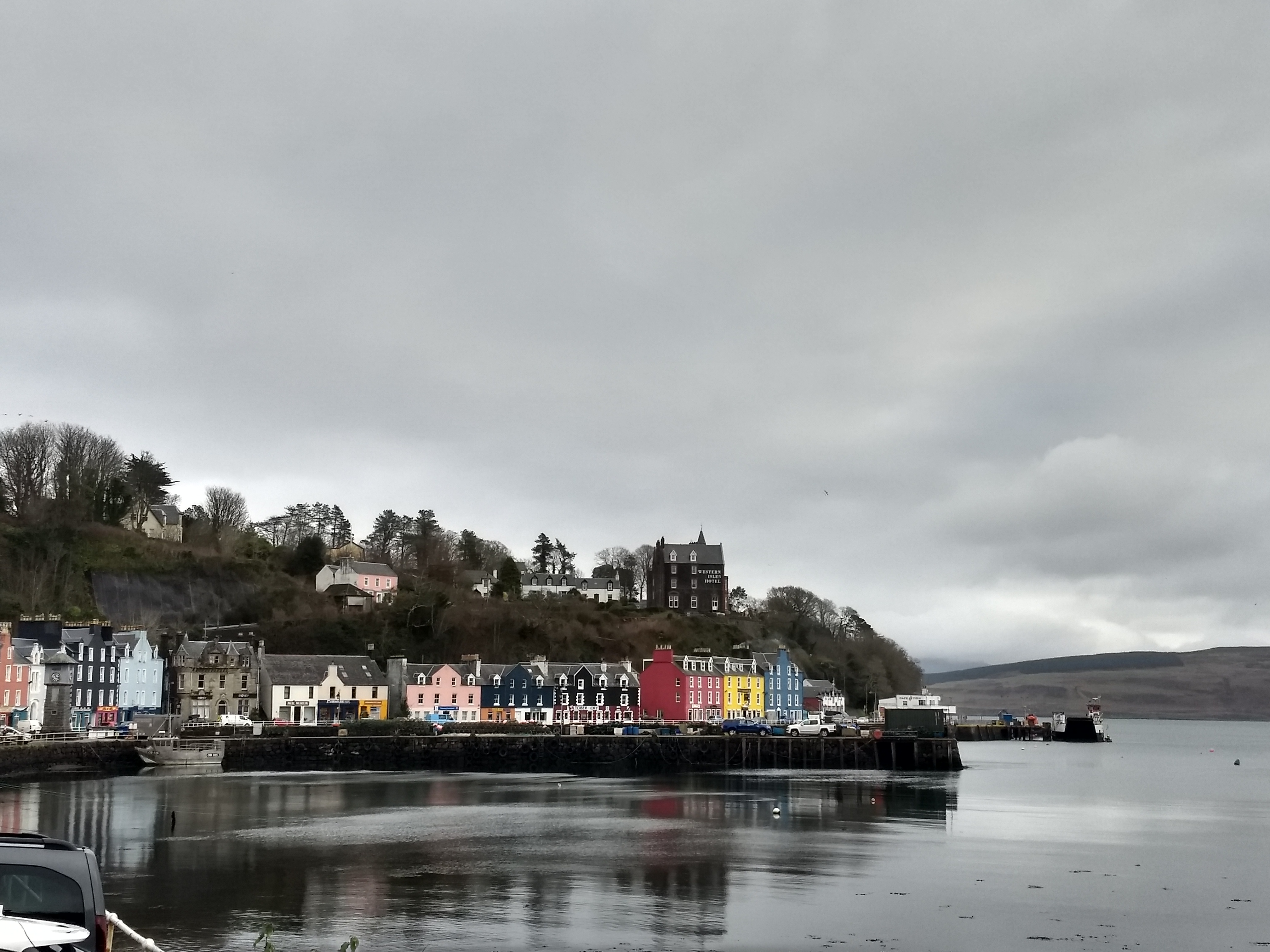
We left the distillery towards Kilchoan. We looked around a bit before going to the pier, where we got on the ferry to the Isle of Mull! About 40 minutes later, we were in the village of Tobermory, which probably many of you will be familiar with because of the very picturesque row of coloured houses on the waterfront. Well, fame deserved, it really is a special place!

Tobermory picturesque waterfront.

We drove straight up to the camping, where we had booked a pod for two nights. The camping was only 20-min walking from the harbour (and the distillery), so we could both enjoy our drams, finally! On the way to the distillery, we stopped quickly by a shop to get oatcakes โ€ฆ a move that will turn out to be very smart.

Can you tell we’re eating oatcakes? Yes, you probably can.

So, the Tobermory distillery was where the non-automatic booking system almost failed us (remember, this was back in 2019, now you can book online!). We had booked via email a tour with an extended tasting (4 drams each), however we were warned that tours were at risk of cancellation because of renovations. We checked in at the visitor centre, and the (a bit cranky) lady told us that there was no tour because of the renovations, and that someone should have told us before getting there. More worryingly, she said that there was no tasting, as the last one of the day had already started (indeed, we could hear the cheerful laughs coming from one of the tasting rooms). The tide turned when we showed her the email exchange, and it turned out that the person we had been in contact with (and that was supposed to tell us that there was no tour) was her! A bit of an awkward moment, but then she opened the door of a second tasting room, where she made space for us (apparently it was used as a storage room) and got eight bottles for the tasting: instead of both of us having the same set of four drams, she gave us a dram of eight expressions! Very well played, although, after a very quick description of the drams, she kind of disappeared…

The tasting – Part 1

The tasting consisted of three Tobermory single malts (unpeated) and five Ledaig-s (heavily peated). We started with the main flagship, Tobermory 12, to move on to an 11y distillery cask (ex-bourbon) and then to a 17y finished in Madeira casks, which was awesome. We also started the Ledaig series with the main expression, the Ledaig 10, followed by a 15y finished in ex-Rioja casks, and the 18y finished in ex-sherry casks, part of their core range and arguably one of the best drams ever. We finished off with a single cask expression, a 19y finished again in ex-Oloroso casks, and a 20y finished in ex-Moscatel wine casks. Being newbies at the time, we were mostly chasing big flavours, peat and strange finishes, so this combination of expressions literally blew our palates off! We came out of the tasting very happy, purchasing something for us and something to gift (and paying the tasting an extra fiver for some unknown reason, but we didnโ€™t want to be bitchy about that).

The tasting – Part 2

Soon after (the tasting was at 4pm!) we went for an early but delicious dinner at Cafe Fish. We were outside the restaurant afterwards, enjoying the later afternoon sun, when a seagull landed on an apparently abandoned plate, grabbed something and left. When the unfortunate lady returned (nope, not abandoned), we had to break the news to her: she almost threw up and the waitress had to take her plate away, looking not too happy about that. After this โ€œfunnyโ€ scene, we slowly headed back to the camping (the return was uphill, dโ€™oh!) to find another of the Highlandsโ€™ curses, after single track roads: MIDGIES! Gianluigi, as usual, got bitten a lot, Teresa much lessโ€ฆat the time it was surprising, after the n-th time, not so much.

Iona abbey.

We spent the following day visiting Mull. We left the camping mid-morning, drove towards Dervaig, Calgary and then along the west coast all the way to Fionnphort. We stopped a few times to admire the incredible landscapes, for a sneak at The Inn at Port nan Gael (delicious local mussels!), and another time to avoid driving over an incautious lamb. At Fionnphort, we crossed the sea to Iona, where after a quick stroll we visited the rest of the island running, trying to stay on a path along the perimeter. Unfortunately, at some point we ended up in a peat bog, but we were still able to return to Baile Mรณr, where we took the ferry again back to Mull.

Can you believe this is Scotland?

We then crossed the island eastward, to Craignure, and we returned to the camping in Tobermory, amazed by the incredible visit we had! Mull is definitely one of those must-go-back places!

Stay with us for the last day and the other distilleries. Until then, slainte!


Distillery Links

Ardnamurchan: https://www.adelphidistillery.com/
Tobermory: https://tobermorydistillery.com/