Another whisky year under our belt
TL; DR: What another great whisky year! It started quietly but it ended on a treble! Our highlights were the north of Scotland trip (especially Wolfburn, 8 Doors, and North Point), the Independent Spirit, Fife and Dornoch Whisky festivals, a Brora tasting, and the final long weekend in the Wee Toon!
Here we are, ready for our last blog post of the year for you to enjoy before the New Year’s bells. With our Christmas celebrations almost over, and some fantastic meals behind us, it’s time to reflect a bit on this year, while listening to a very soothing early 2000s acoustic live from Pearl Jam. We hope you are cozy as we are, and that you could spend the holidays with your loved ones, and possibly a few good drams!
This year started slow for us, we didn’t visit any distillery between our 2024 trip to Australia and April 2025: just over 4 months without setting foot in a distillery! That was because of a combination of work and family commitments, we couldn’t even do our usual late-winter trip (Borderlands in 2022, Ardnamurchan & Mull in 2023, Skye and Raasay in 2024). However, we had lot of material from last year to ramble about on the blog, like our trip to Yorkshire and the one to Australia, both excellent adventures where we had great tastes of non-Scotch malt whiskies. In March, though, we managed to attend the Fife Whisky Festival in Cupar and the Independent Spirits Festival in Leith: these are two excellent festivals that should be on the radar of all whisky enthusiasts! A bit different from each other, the latter smaller and focused on independent bottlers, obviously, but very fun as well. Our plan is to attend them both again in 2026, we already secured tickets.
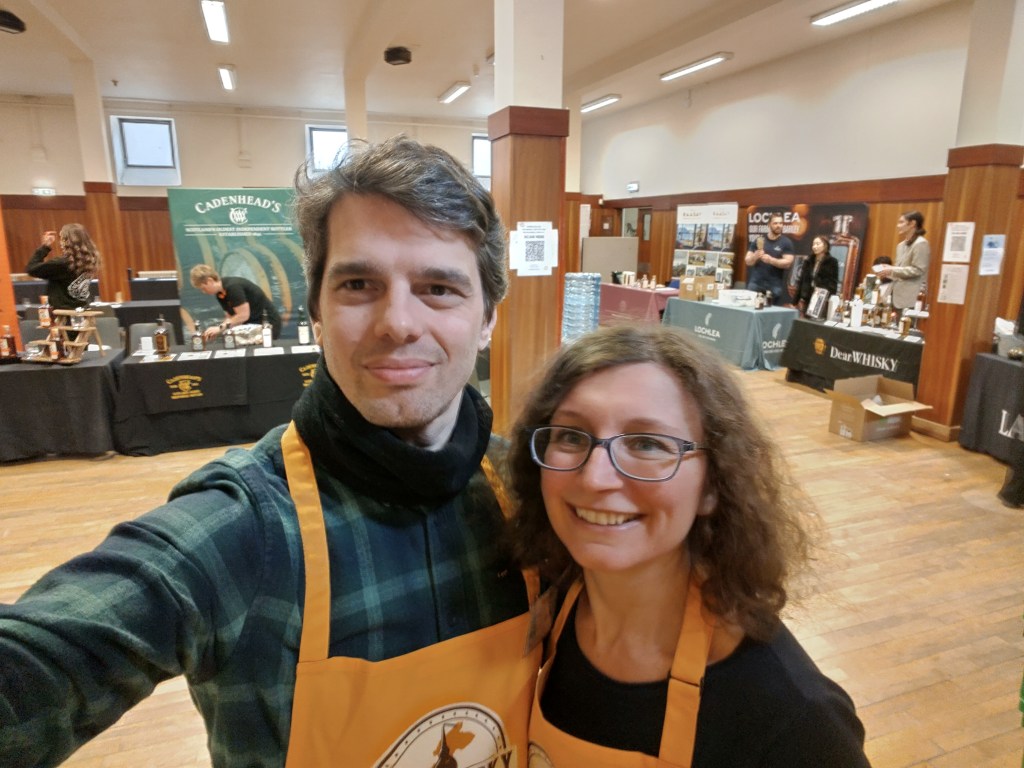
Volunteering at the Fife Whisky Festival.
In early April Roberto, one of Gianluigi’s best pals, came for a long weekend. The two went on a bromance trip in Campbeltown, followed by a hike on Arran. For Gianluigi, revisiting Springbank since 2021 was really a great and refreshing experience, with Findlay as a fantastic tour guide!
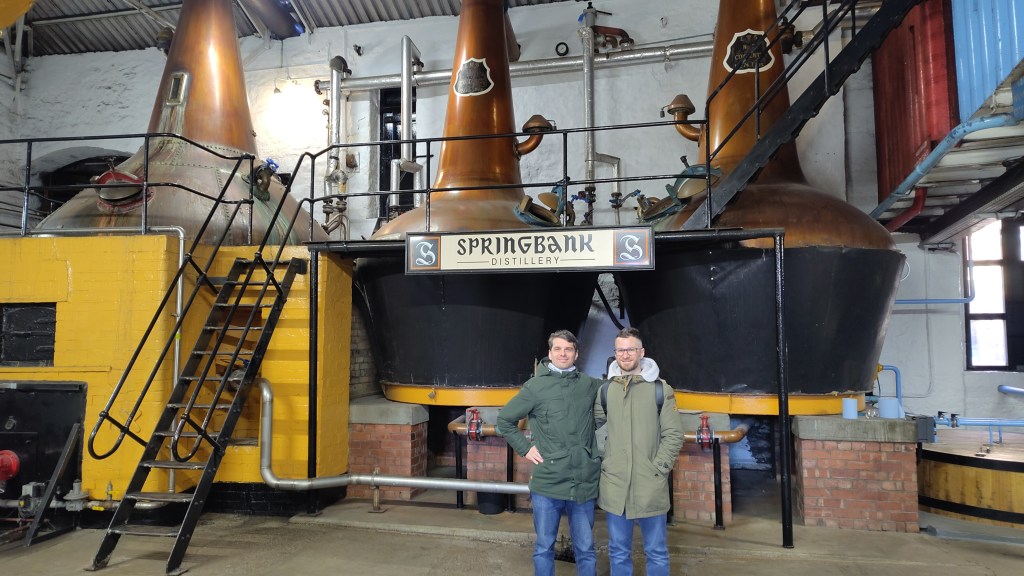
Dramming around with an old friend.
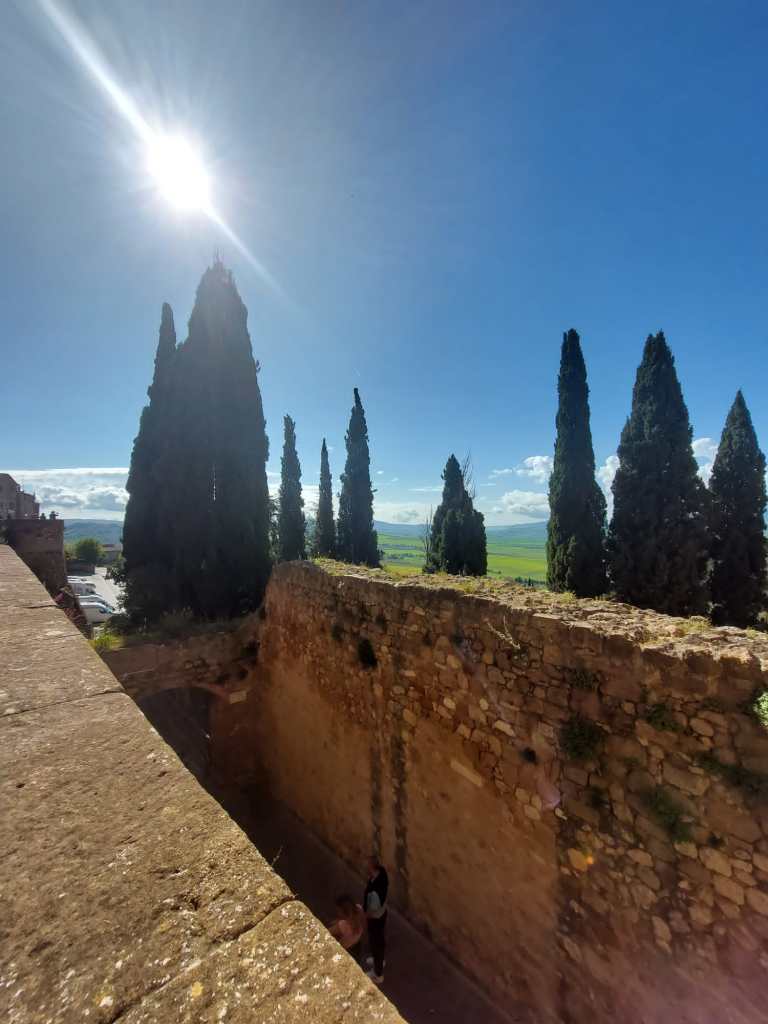
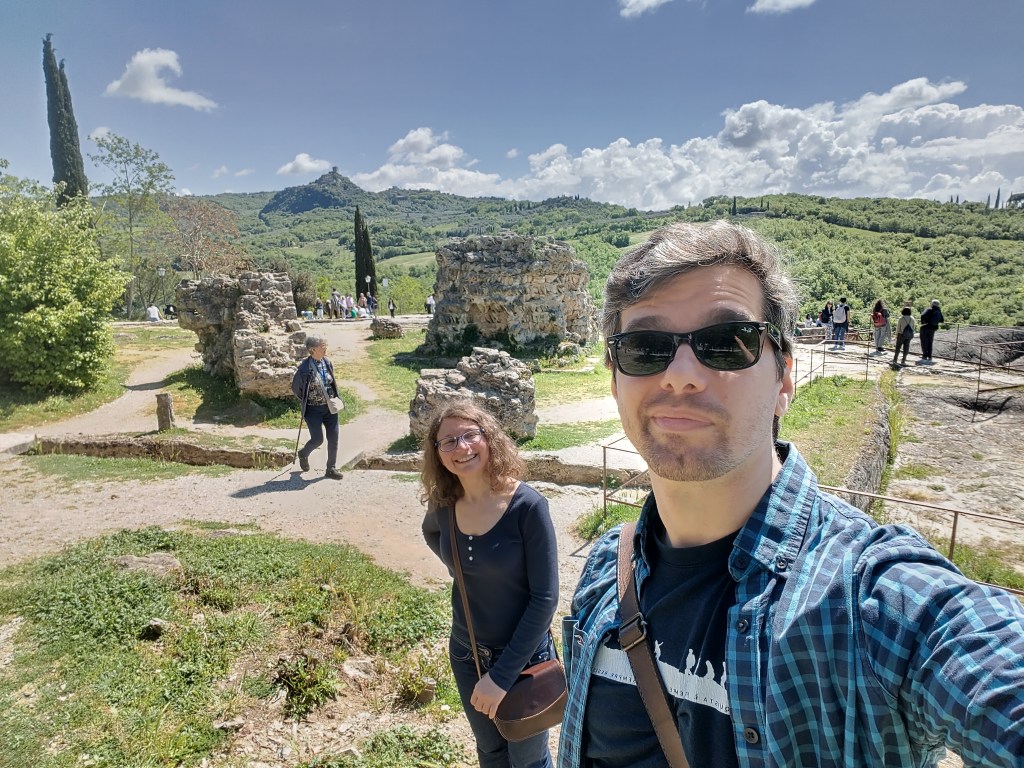
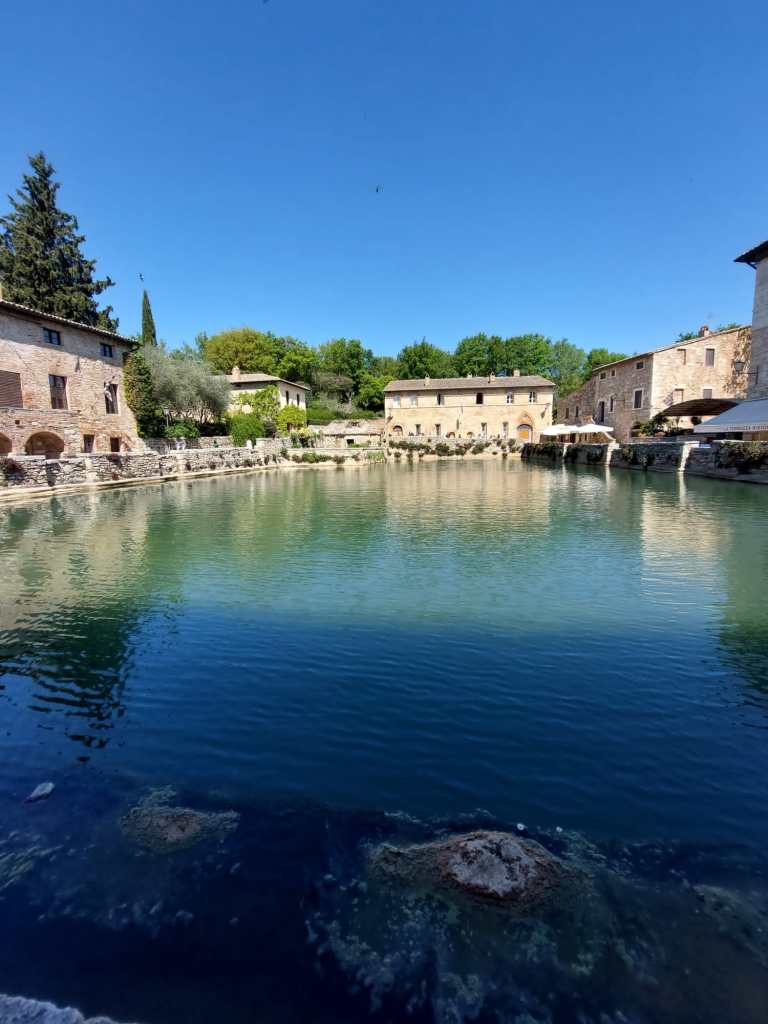
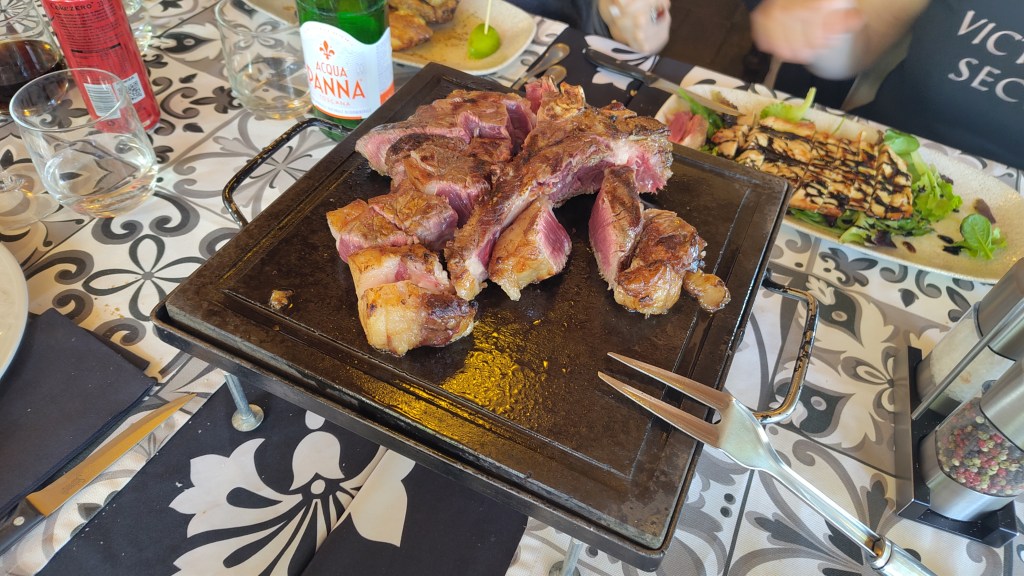
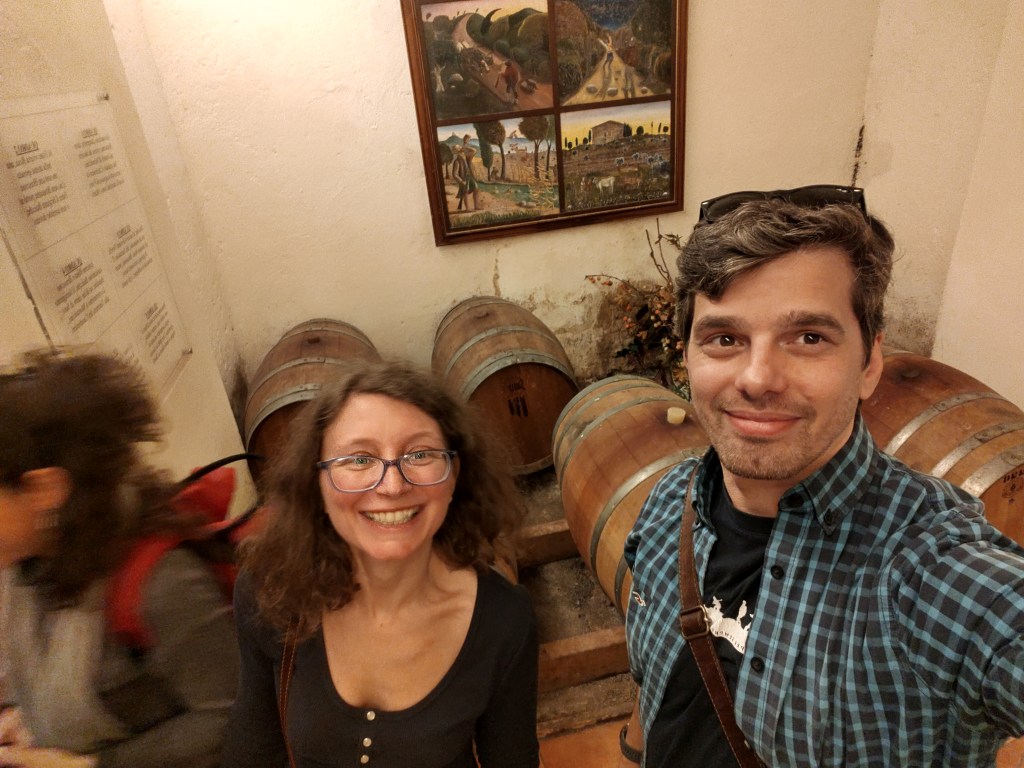
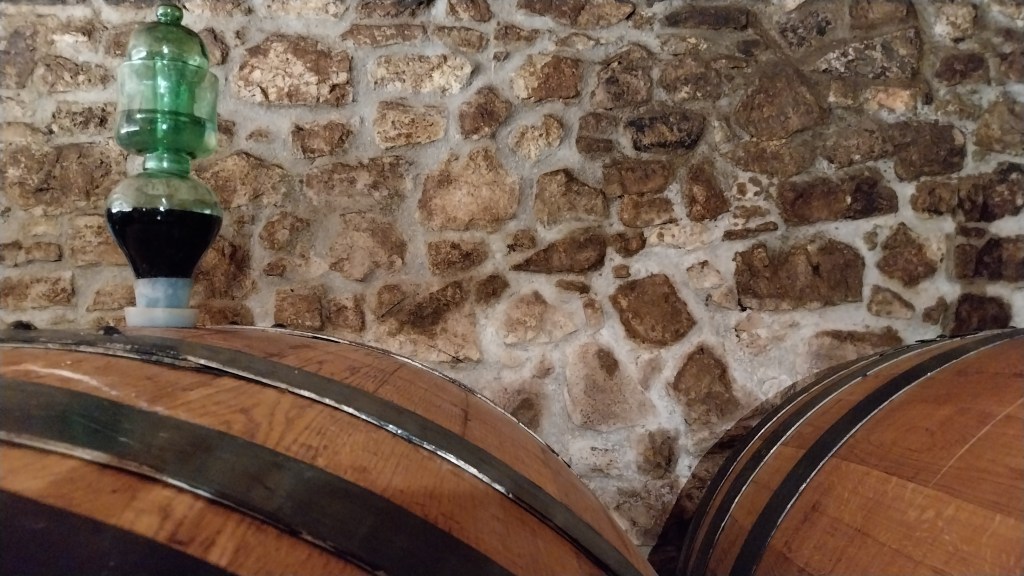
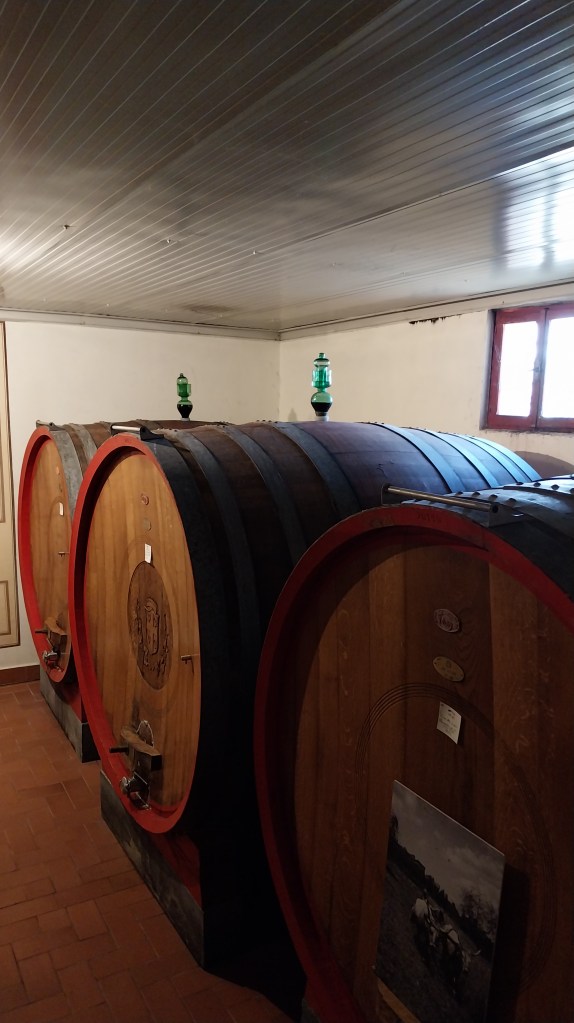
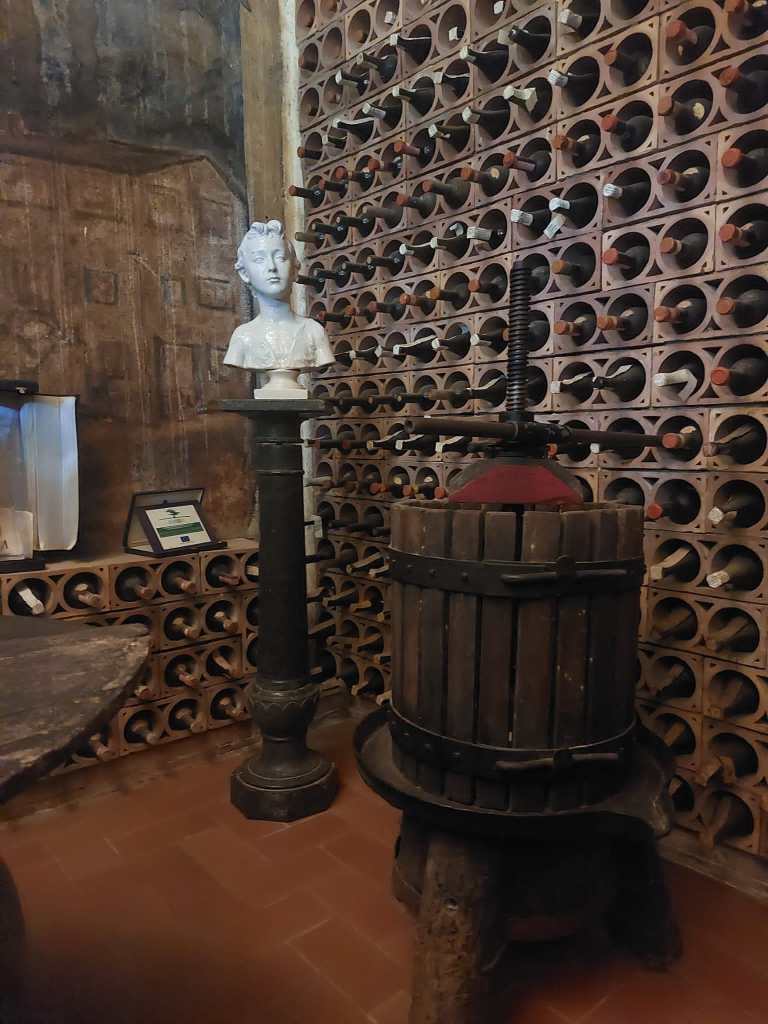
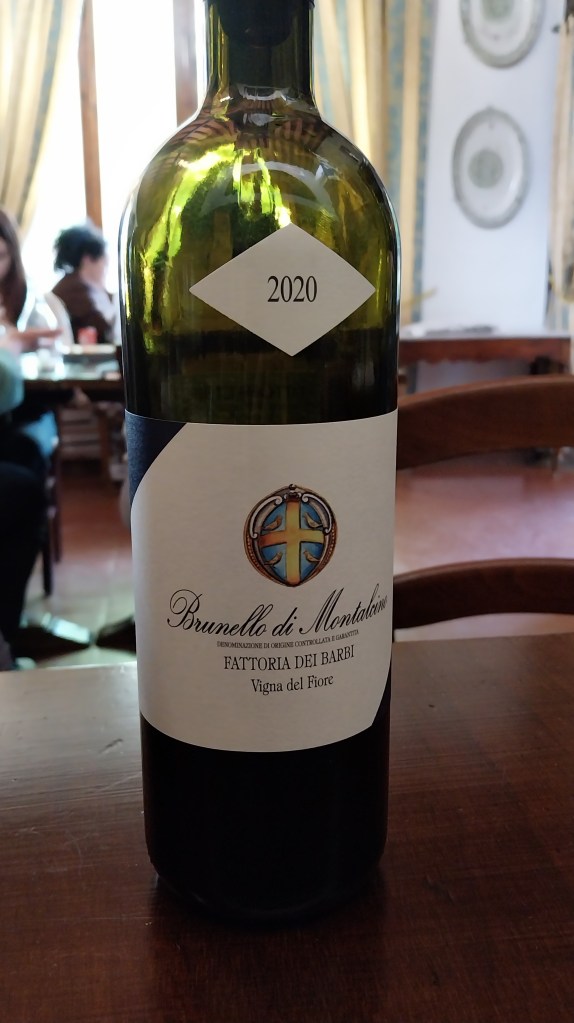
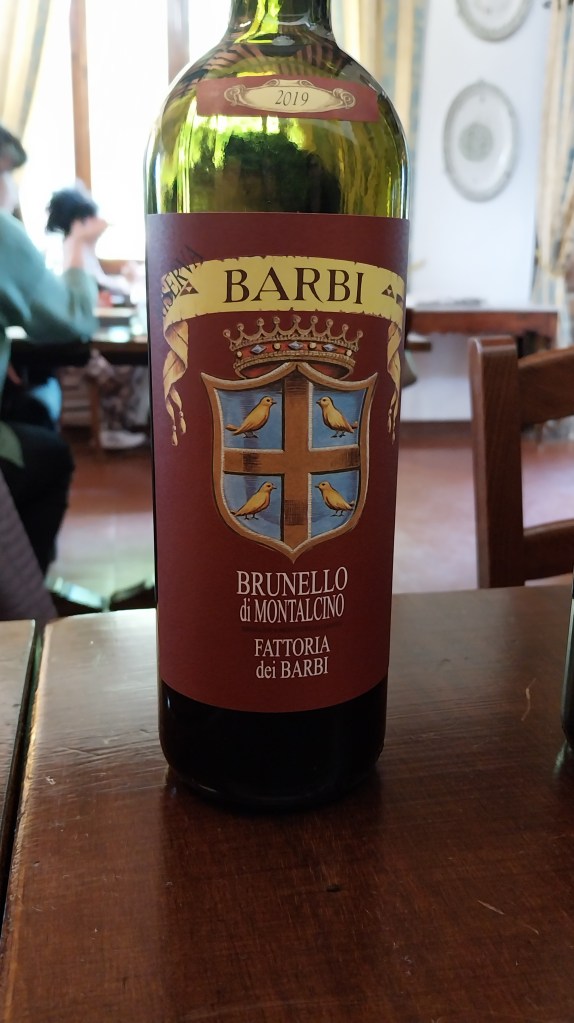
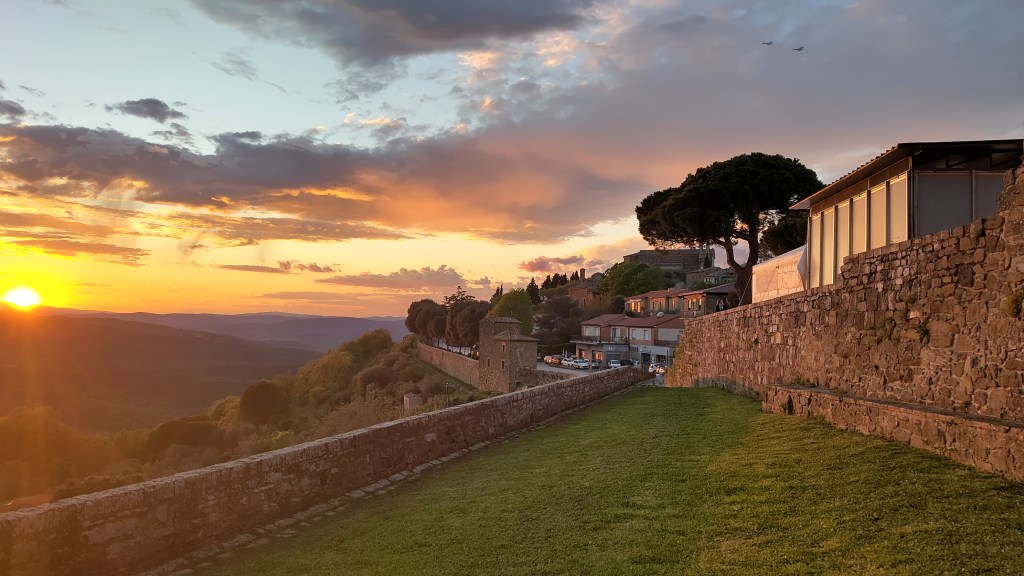
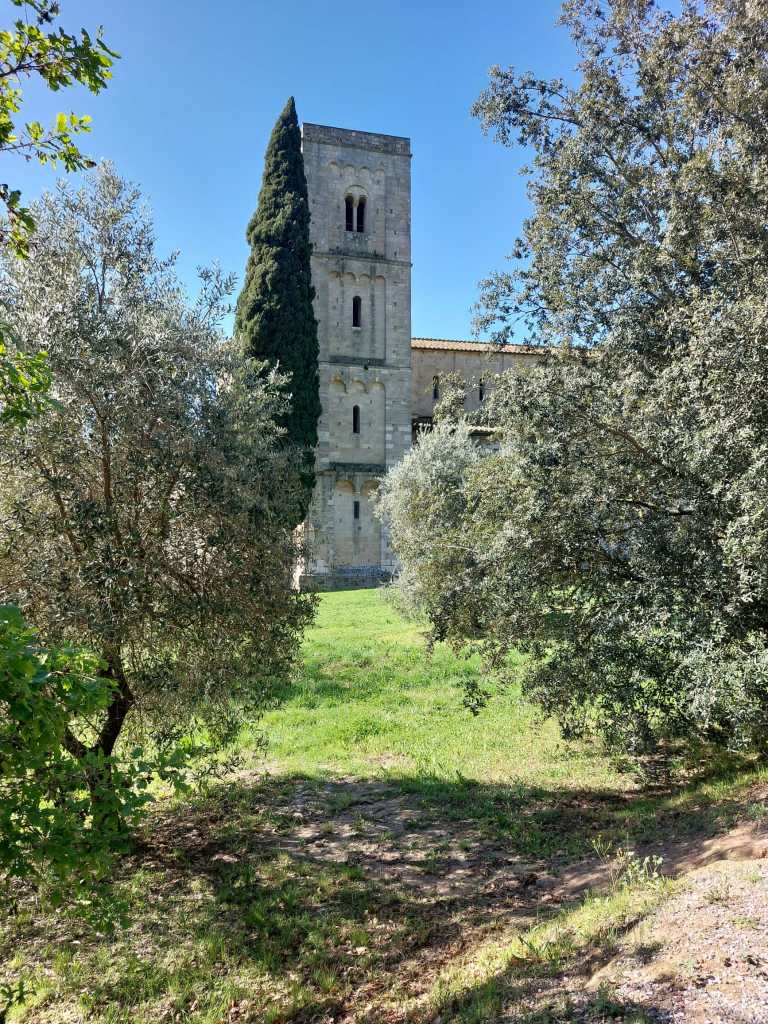
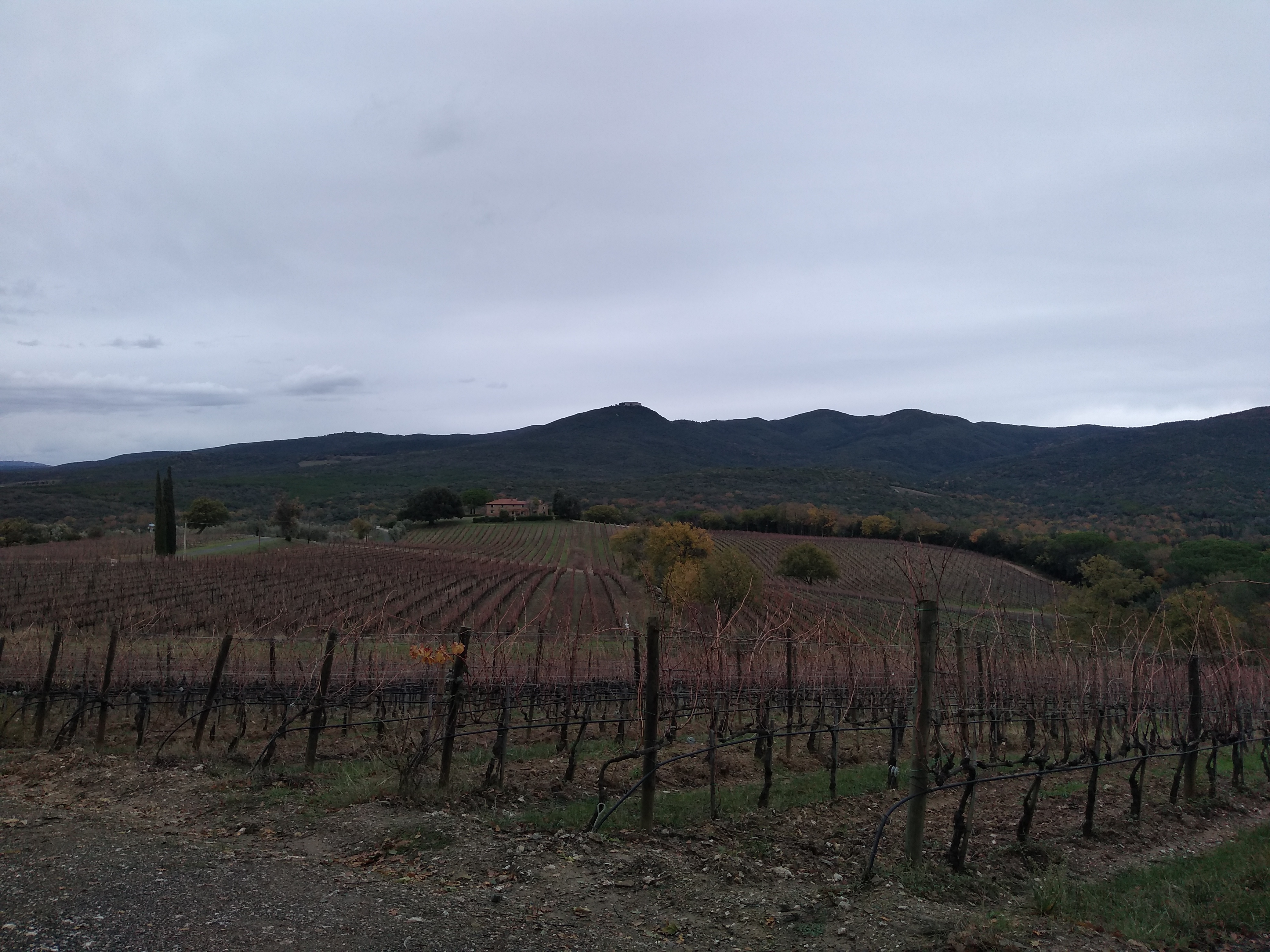
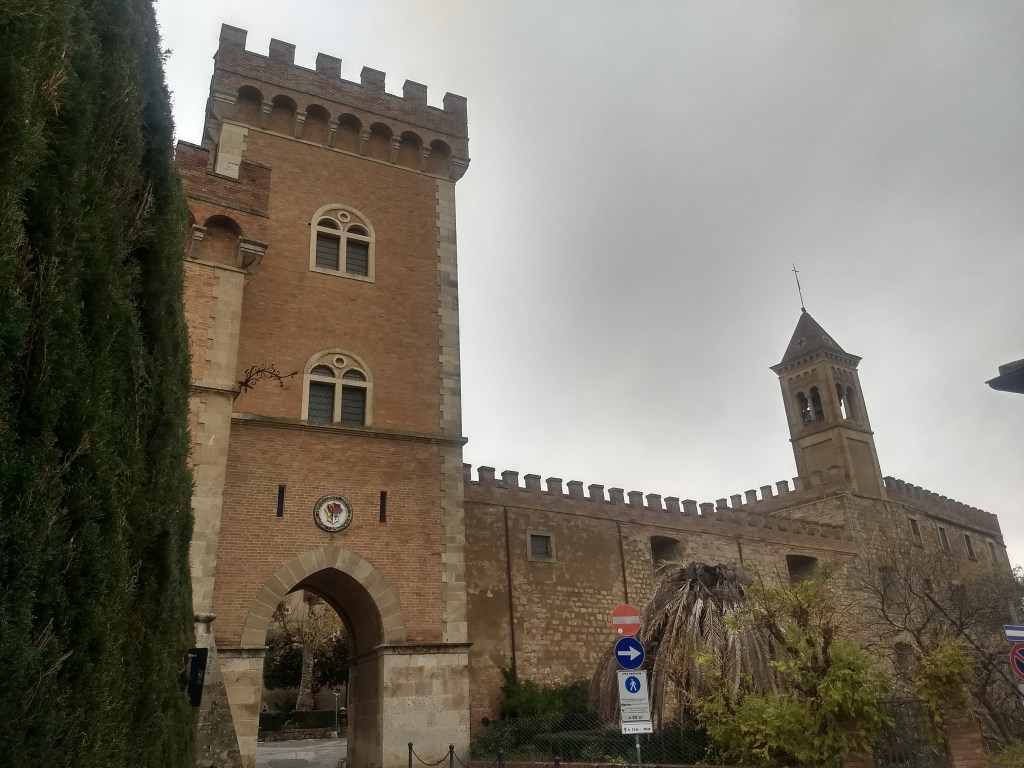
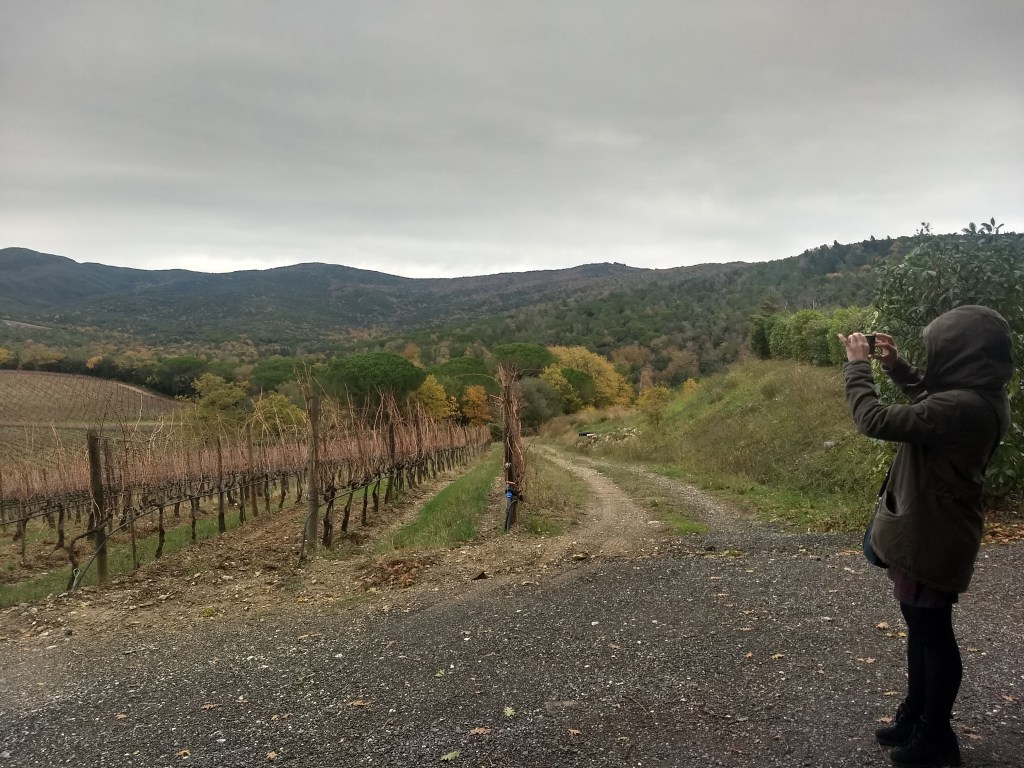
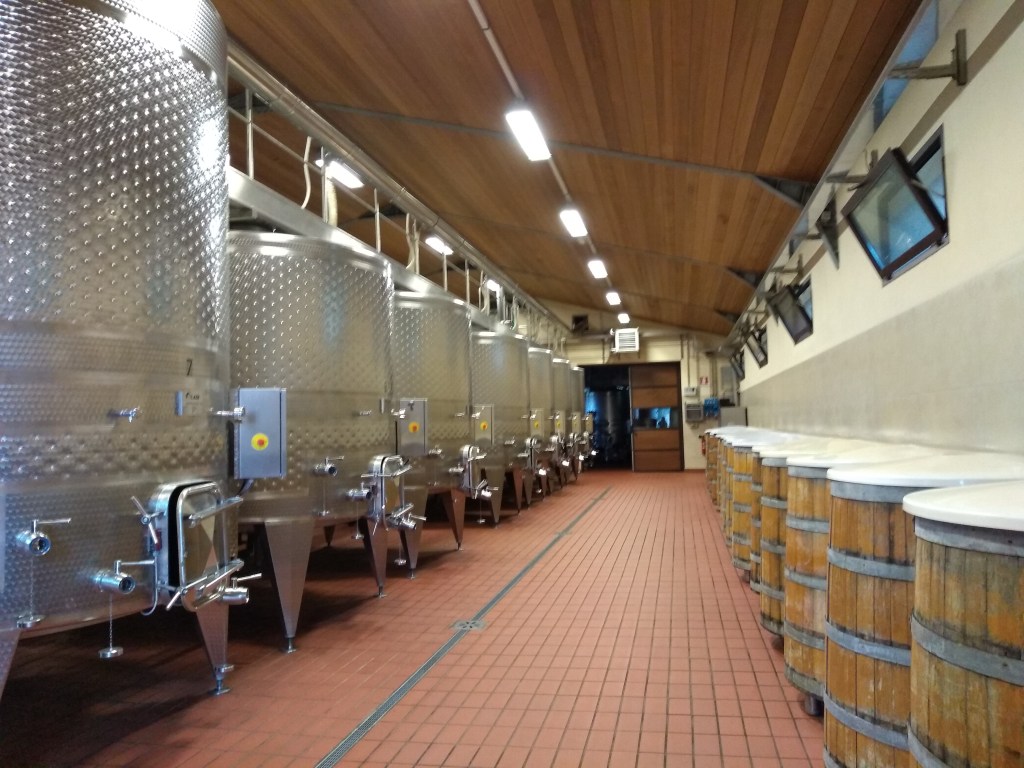
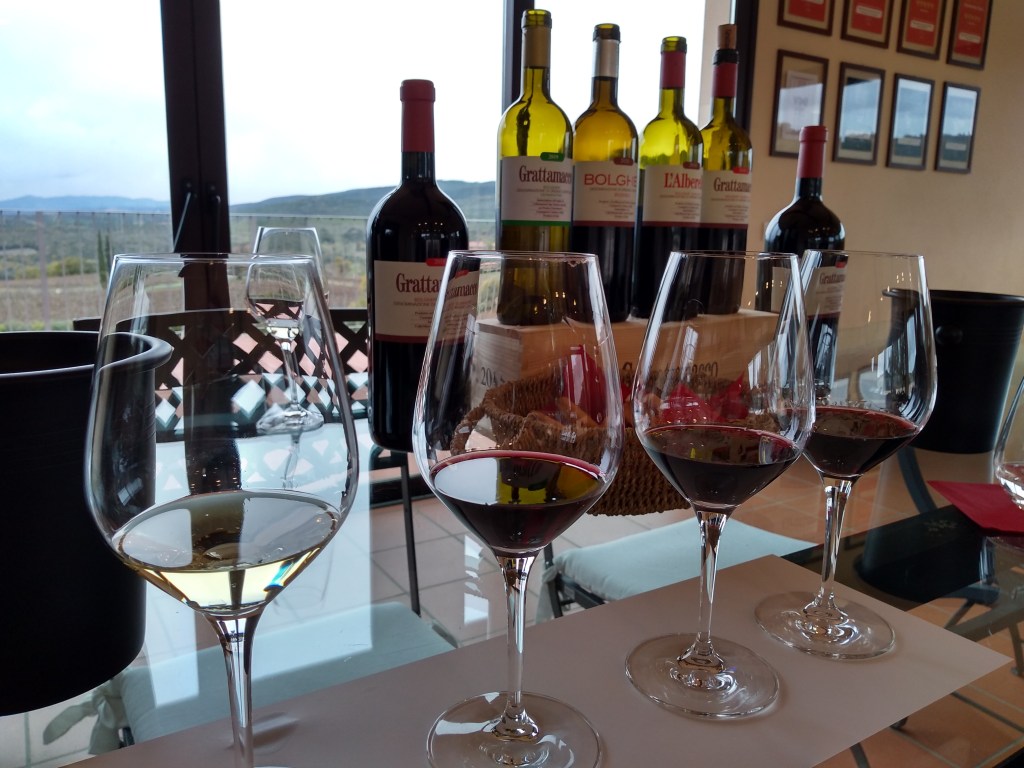
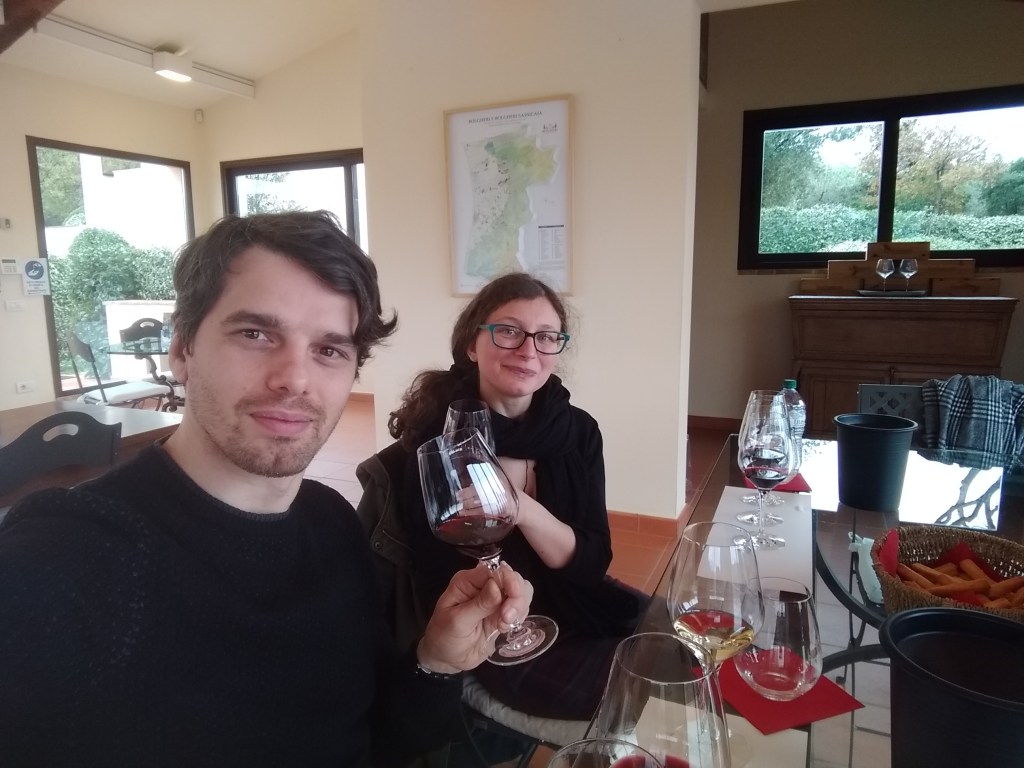
The first visit the two of us did together was not in a distillery, but in a winery: during one of our many trips to Italy we visited the Montalcino area, so we could indulge in visit to a historic winery: Fattoria dei Barbi. We thought the wine was excellent, even if an important disclaimer is that we know next to squat about wine.
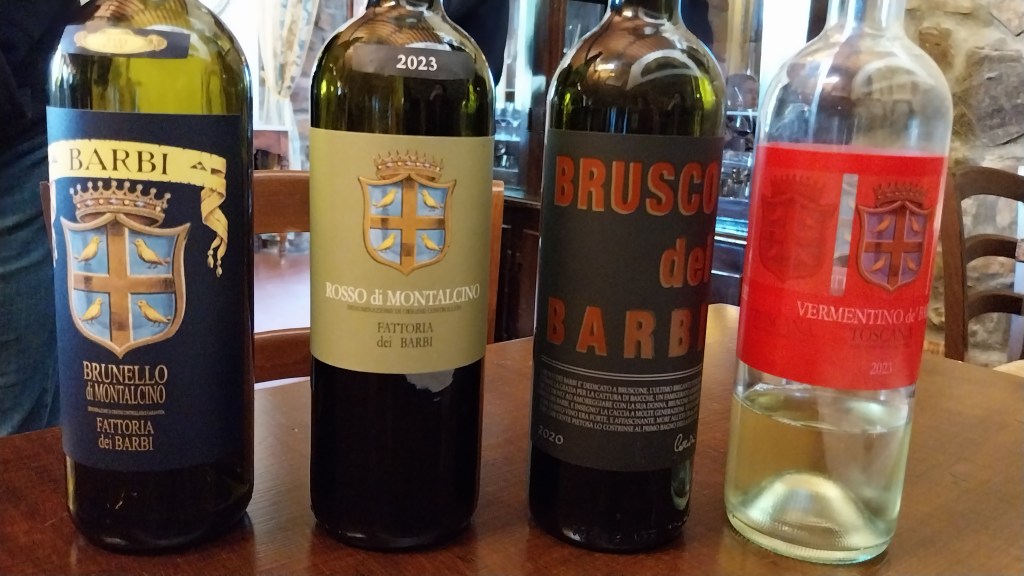
Not our usual ‘landscape’. Still delicious.
It then came the time for the Spirit of Speyside, the week-long festival celebrating the many distilleries and producers of the region. As usual, we hit all the distilleries we hadn’t visited yet (Teresa also hit something else, but you’ll have to ask her, ahah), most of them closed to public (Inchgower, Glendullan, the first opening of the Cabrach). We also did two great tastings events, the Casks of Glen Moray and the Murray McDavid Drams under the stars. Overall, we always enjoy these events, and their variety. Our only complaint is the price for some distillery tours compared to the number/size of drams served. While the £100 tours at Diageo’s distilleries are bad enough, we just refused to pay £200 to visit two Chivas Brothers distilleries, one of which you can visit for around £25 in normal times. Thumbs down.
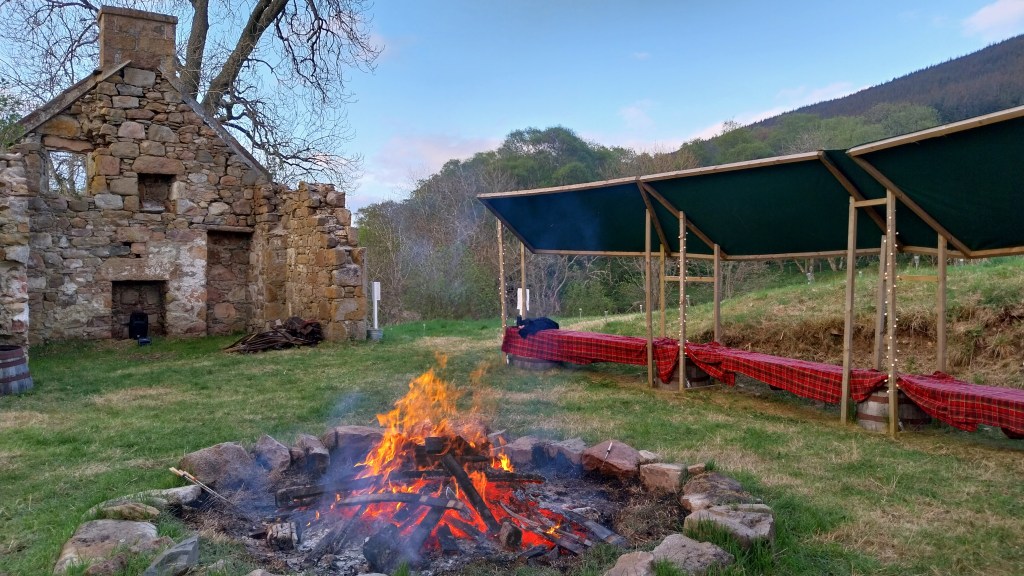
Drams under the stars…A pity it was so cold!
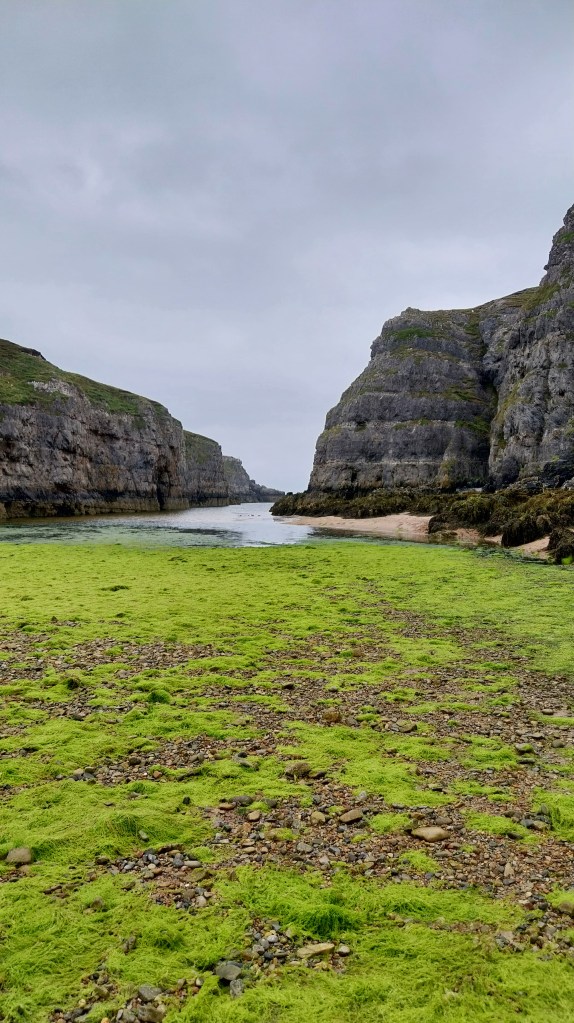
During the summer our highlight was a short trip to the northern Highlands we did with Edoardo, Gianluigi’s brother. We visited Pulteney, Wolfburn, 8 Doors and North Point: except the first one (which was fine but not outstanding), the other three visits were just incredible! Wolfburn drams were above our expectations, and we are looking forward to the single malts from the other two! Also, the landscape in this part of Scotland is just phenomenal!
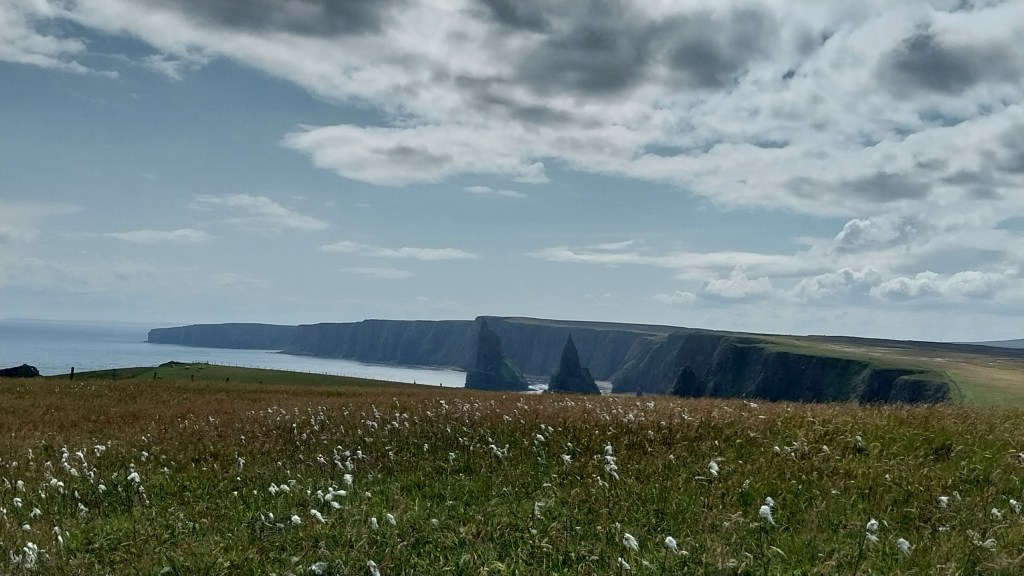
A beautiful spot in the north of Scotland.
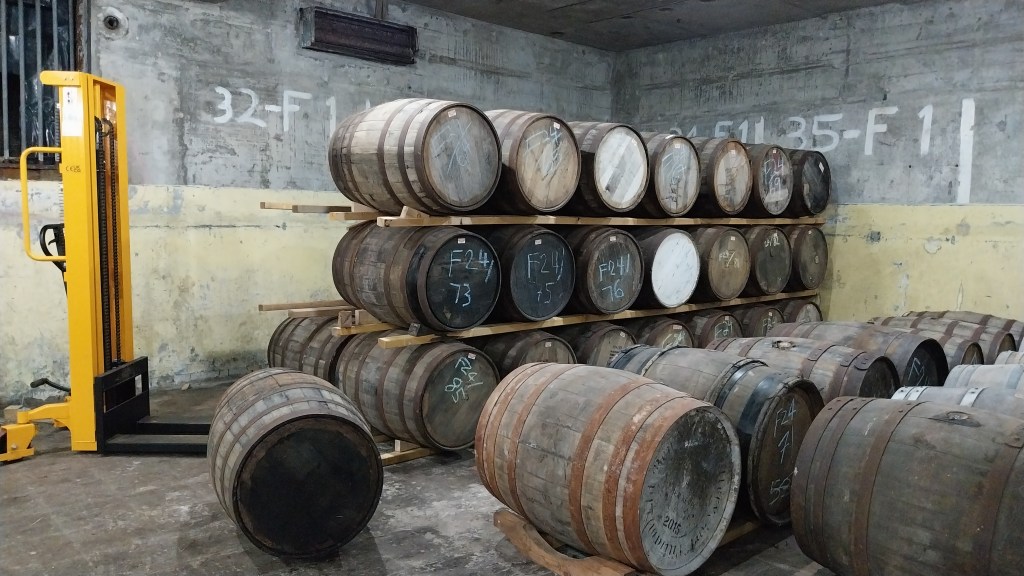
Spirit is maturing in a bunker at North Point distillery.
In July we also visited the Glasgow distillery for the first time, which just turned 10 and is one of the most exciting new producers in the game!
September was a bit of a disappointment, as we couldn’t make it to the Outer Hebrides for the Hebridean Whisky Festival. That was nobody’s fault, but with 3-4 consecutive days of high winds, it was just impossible for us to travel there. Despite the poor weather we still managed to sail to Tiree, home to a veeeeery tiny distillery.
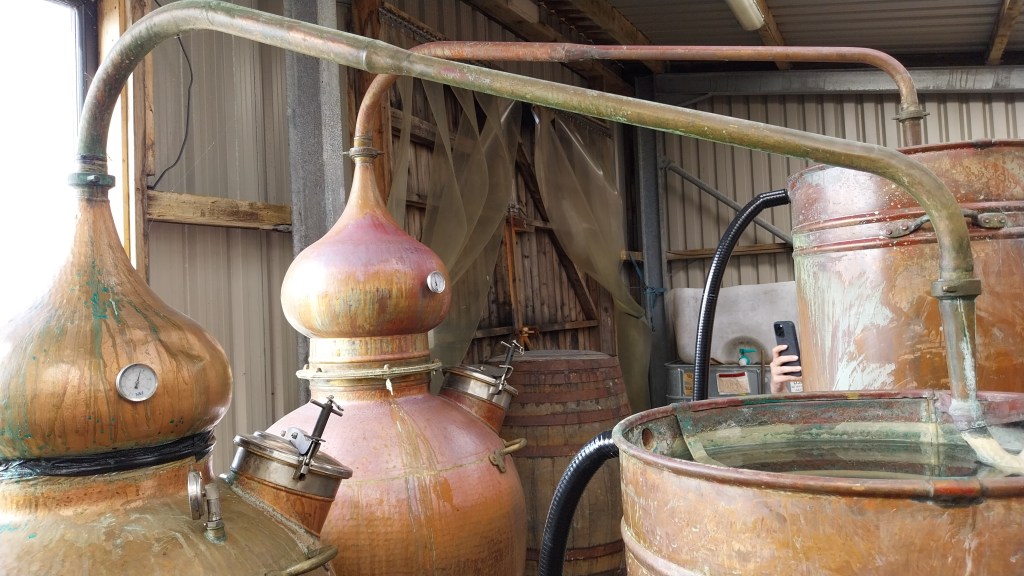
Interesting equipment at Tiree distillery.
We made up for the missing trip by visiting another new small distillery in the Tain area, Toulvaddie, and by revisiting some old acquaintances, Glenturret and Glenkinchie, which both went through a remake since we’d visited the first time. The Glenkinchie tour was particularly great, also thanks to our pal and whisky geek John who works there as a tour guide!

When the guide is a whisky friend, priceless.
The last part of the year was very busy. First, we finally got inside our local distillery: Bonnington, a real workhorse in the heart of Leith! Then, we spent some time in the eastern Highlands: the team at Bacardi/Dewar’s decided to open two of their distilleries for charity, Royal Brackla and Macduff (and who are we to say “no” to visit a distillery for charity?), and we also managed to get into the recently reopened Glenglassaugh and Glencadam (dedicated posts to come next year).

Bonnington, neighbour distillery.
This year we ditched the Dramathon to attend the Dornoch Whisky Festival instead (they usually happen in two following weekends, too close to each other to attend both). This was a lot of fun, we’re definitely adding it to our (short) list of whisky festivals that we enjoy. An event was a memorable dinner where each course was paired with an Ardnamurchan dram, with Carl from the sales team introducing them. The lineup included their soon-to-be-released (now it is) 10-year-old, different from the previous version but more true to the distillery character.

Such a good dinner, such great drams.
Tasting-wise, the main highlight was a pricey but fantastic tasting at the Belfry: Brora and Clynelish, hosted by the great Jolly Toper Mark and Patrick Brossard, who wrote a book about Brora. It was our first time trying the old distillery malt, so it was very special as you can imagine.

A unique tasting experience for sure.
Another great event was the Aquavitae Blind Challenge in Glasgow, which we finally attended again after missing it in 2023 (flu) and 2024 (away): organised by Roy, it was a great opportunity to meet and chat with fellow barflies. The following week we attended the Kilchoman celebration for their 20years, at the Edinburgh Academy. We thought it would have been a tasting but was more akin to a small Kilchoman-only festival, with present and past bottlings to try – a nice surprise. Also, the Edinburgh Whisky Group was very well represented: a cracking time!
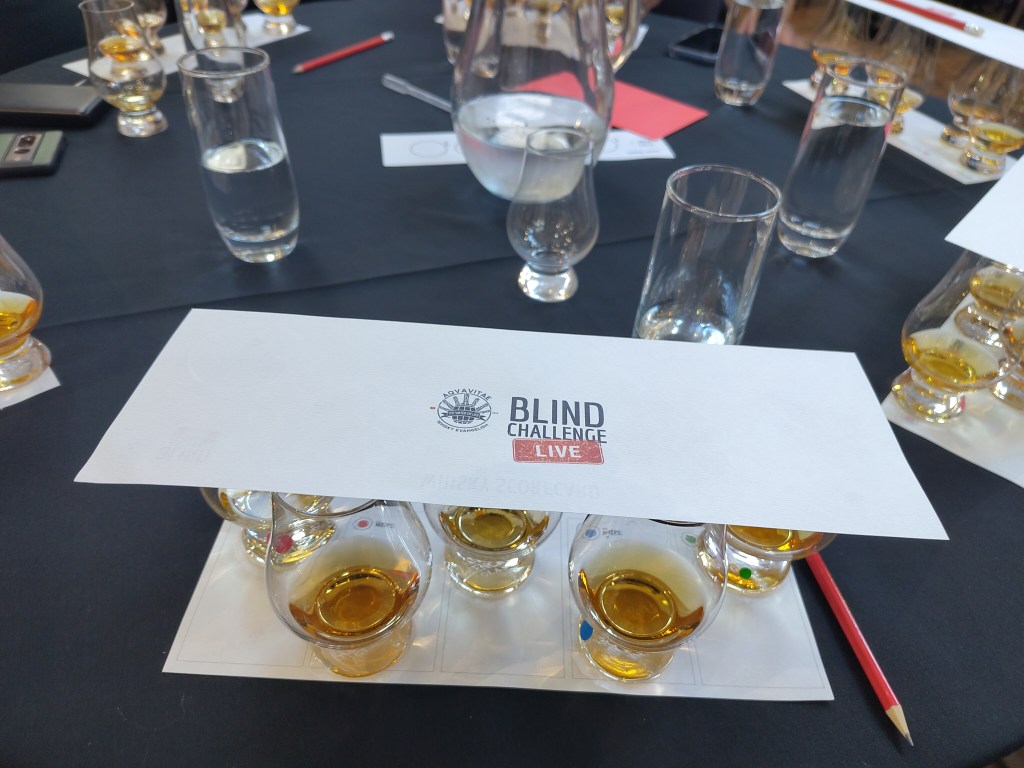
This year we didn’t do bad 🙂
Our whisky year finished off with a long weekend in Campbeltown: we didn’t tour any of the distilleries, but we had a few very interesting tastings (and again, next year there will be more about that).
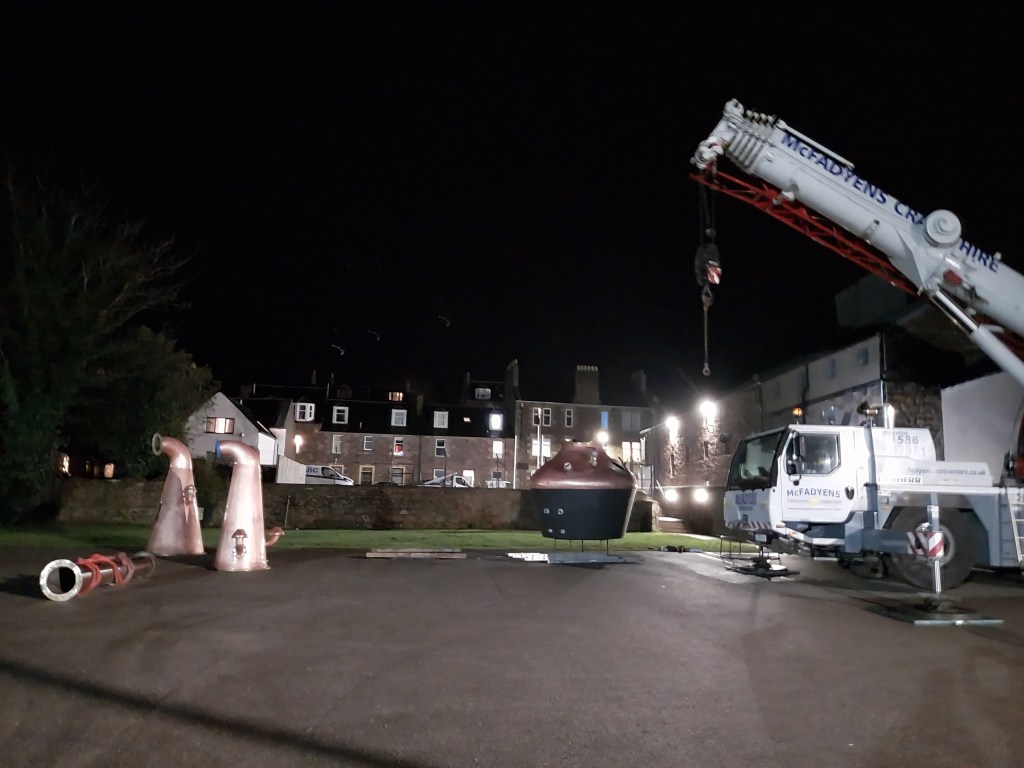
Things you see in Campbeltown.
Obviously, we can’t ignore the elephant in the room: the state of the whisky industry, with respect to both production and hospitality. The great uncertainties around the economy on both sides of the Atlantic ocean make it hard to predict how the industry will be in 5, 10 or 15 years. We’re already seeing a big impact in the short term, with many distilleries pausing or reducing production. For example, as we are writing, we heard about Jim Beam pausing production at their Kentucky distillery (Mitch McConnell will be happy about that), which felt weird because it was our first full distillery tour back in 2016. On the other hand, some of the production expansion plans, in particular announced by some big players, now seem to be ludicrous and anachronistic: while we love whisky, it is still a “drug”, and you can only push it to some extent. We are also left wondering about the destiny of most of the new distilleries – often relatively small projects, we hope they’ll manage.
We heard the term “adjustment”, which makes a lot of sense at this stage. We hope one of the positive implications is that the dodgy investment schemes will gradually leave the market, avoiding the overinflation of casks and bottles prices. This “adjustment” might also make some producers rethink their plan to destroy historical distilleries to make space for theme parks (yes, we are talking about a distillery on Skye), and maybe rethink their tour prices. And finally, prices cooling down a bit (we already saw this being the case, especially with independent bottlers) might make them more realistic, allowing us to stash a few cracking malts for the year to come!
We hope you have some gems stashed as well, and that you’re sharing them with your loved ones to celebrate great moments in the year to come! Have a great 2026 and, as always, slàinte mhòr!

Slàinte!


 Dramming around