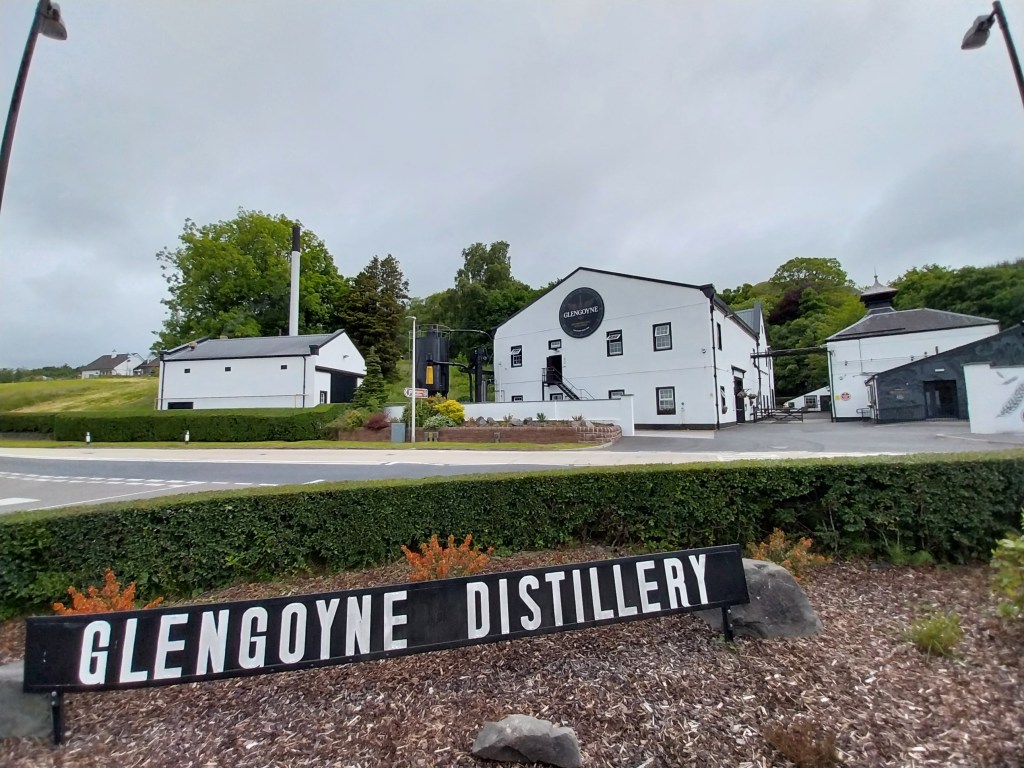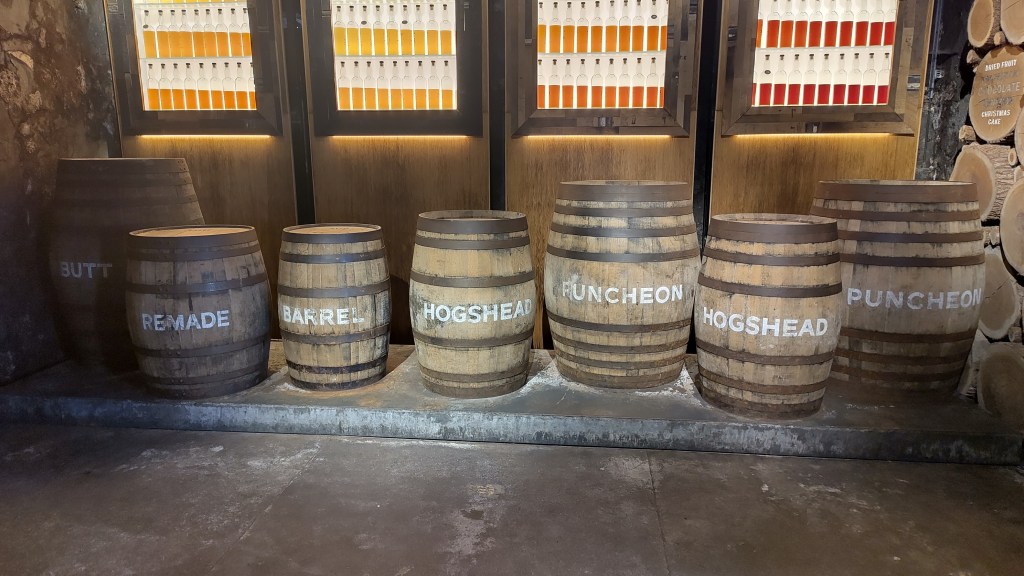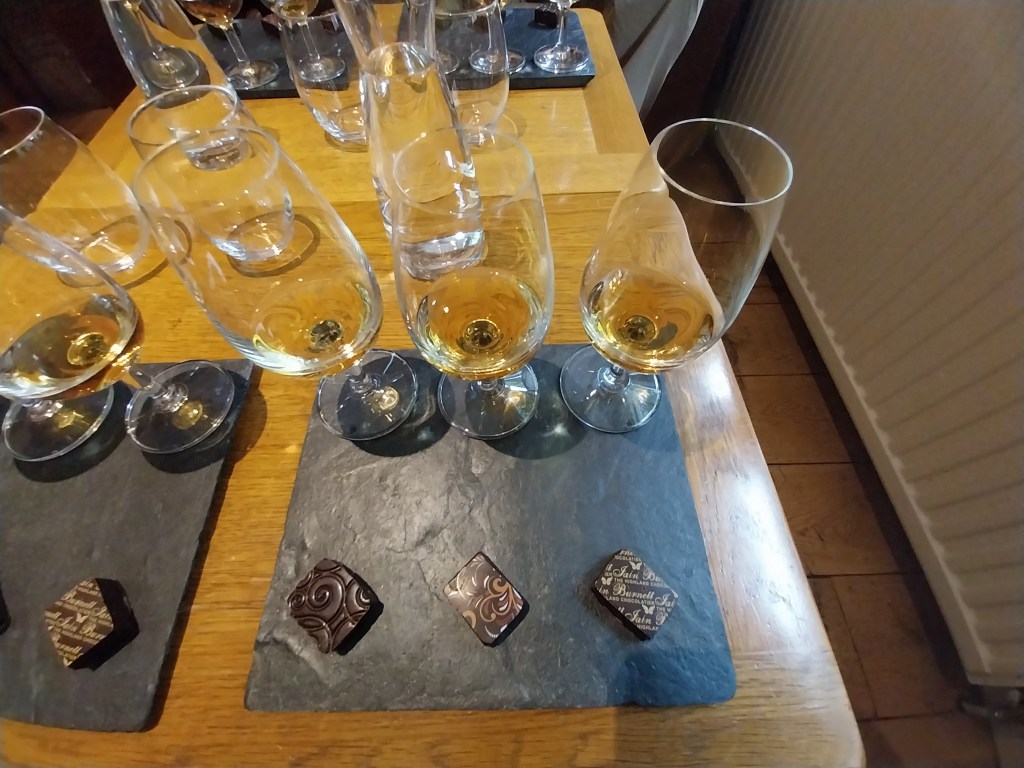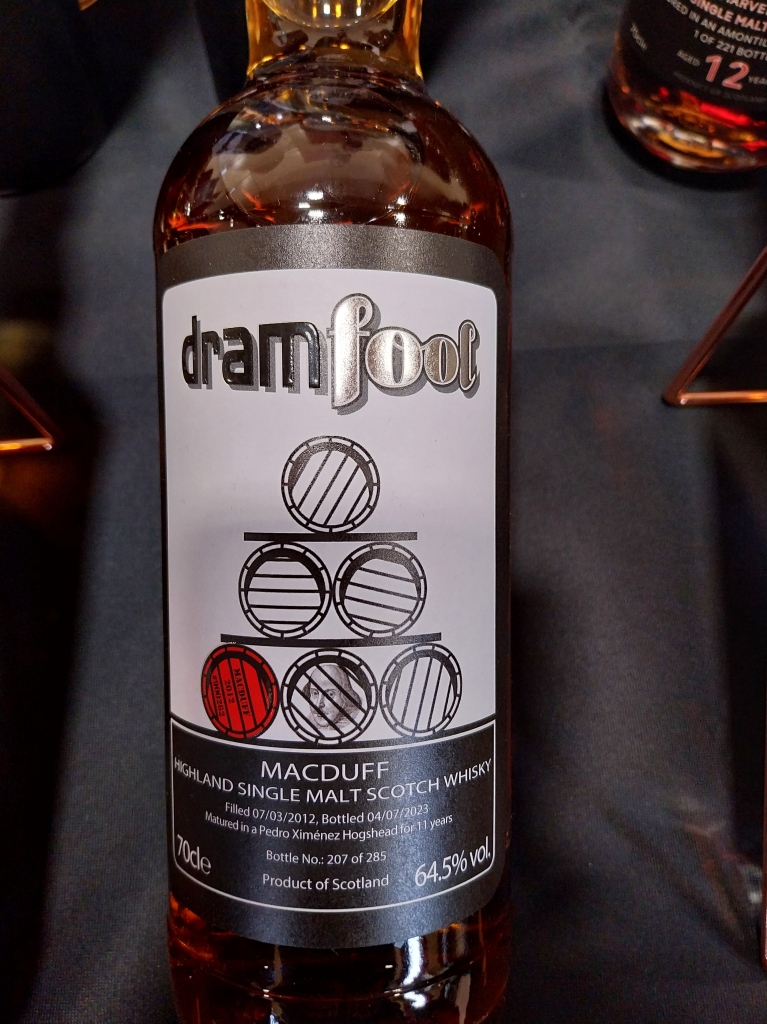
#44.1 Spirited in Speyside

Catching up Kininvie


TL; DR: May again, which means Spirit of Speyside again! And again, we tried to bag as many distillery tours as we could. First off, the mysterious Kininvie: hidden behind their stablemate Balvenie, itโ€™s a treasure to be foundโ€ฆand weโ€™ll have a pleasant surprise too! 

In the last couple of years, the Spirit of Speyside has become one of the unmissable events for us. Itโ€™s a festival, but it doesnโ€™t feel like one, probably because of the wide area the events are spread around: the whole of Speyside! There are so many events: fairs, walks, tastings, tours, even runs! Of course, for us it is a good opportunity to visit distilleries that are normally closed to public. In 2023 we managed to visit โ€œa fewโ€, this year we tried to do the same.

This year we made our long weekend a wee bit shorter: from Thursday to Sunday only, skipping the Wednesday and the Monday. It was enough, because, unlike last year, we managed to book all the distilleries we wanted to visit over 4 days! The only ones we decided to pass on were Glen Keith (the event is insanely expensive, like  north of ยฃ250โ€ฆ yes, it included Strathisla, which we visited twice already, but still a brainfart) and Glenglassaugh (the event was pricey, ยฃ200, but included visits at Benriach and Glendronach too, transport and lunchโ€ฆnot a bad deal, but still too much considering all the other visits weโ€™d planned).

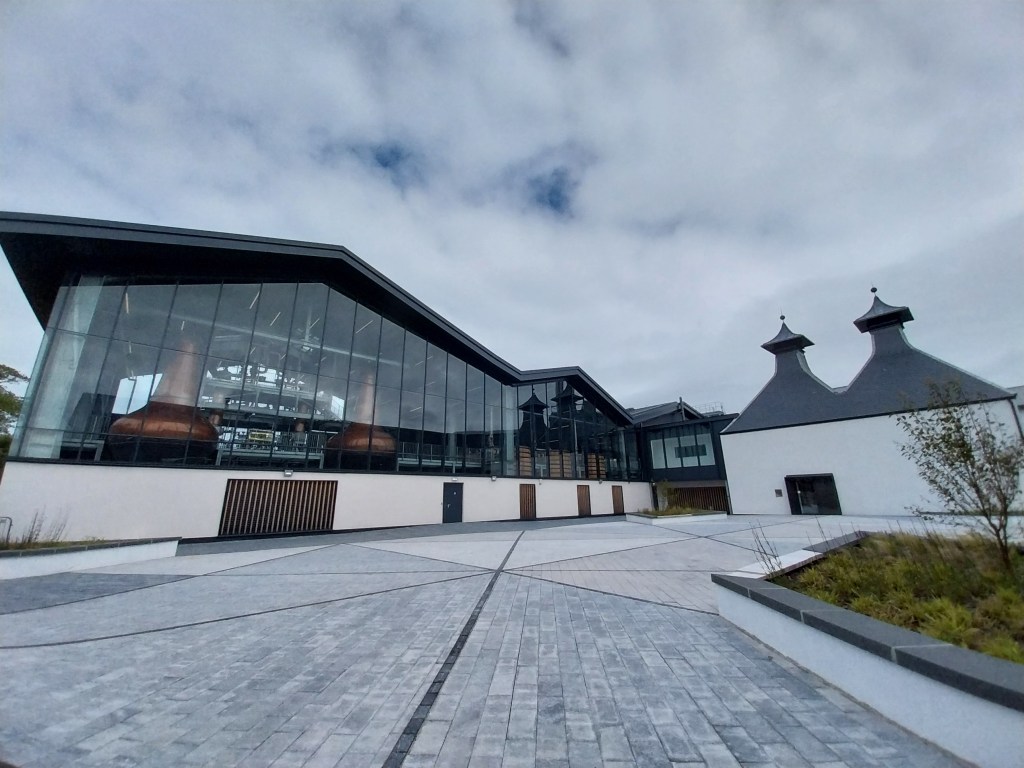
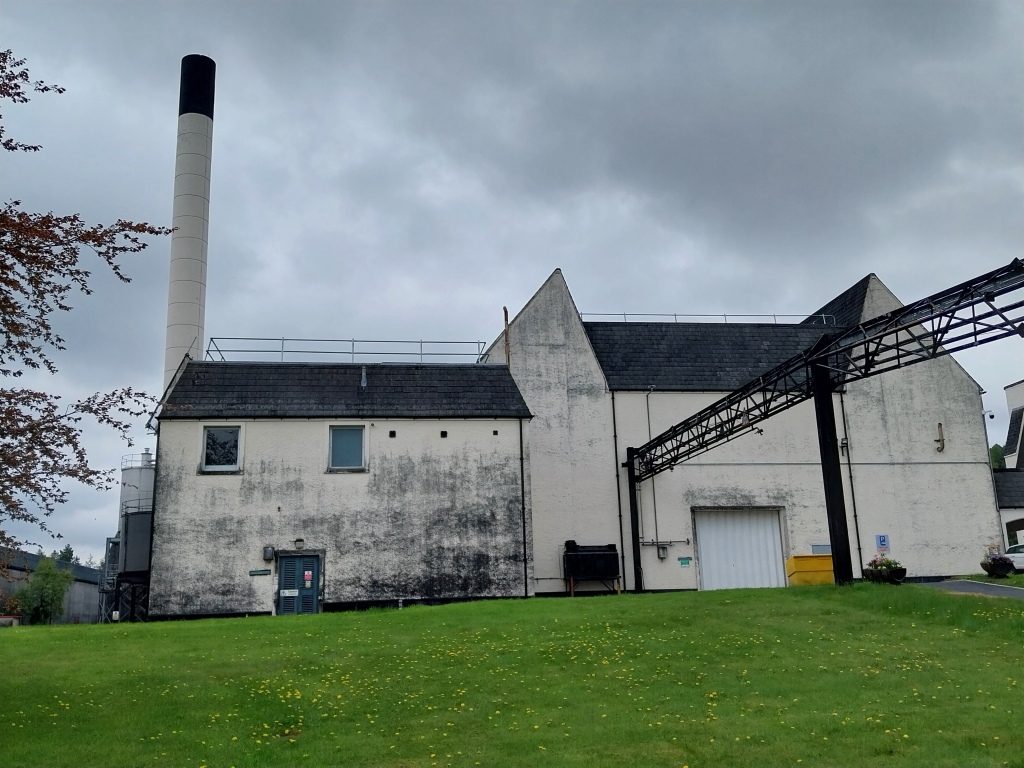
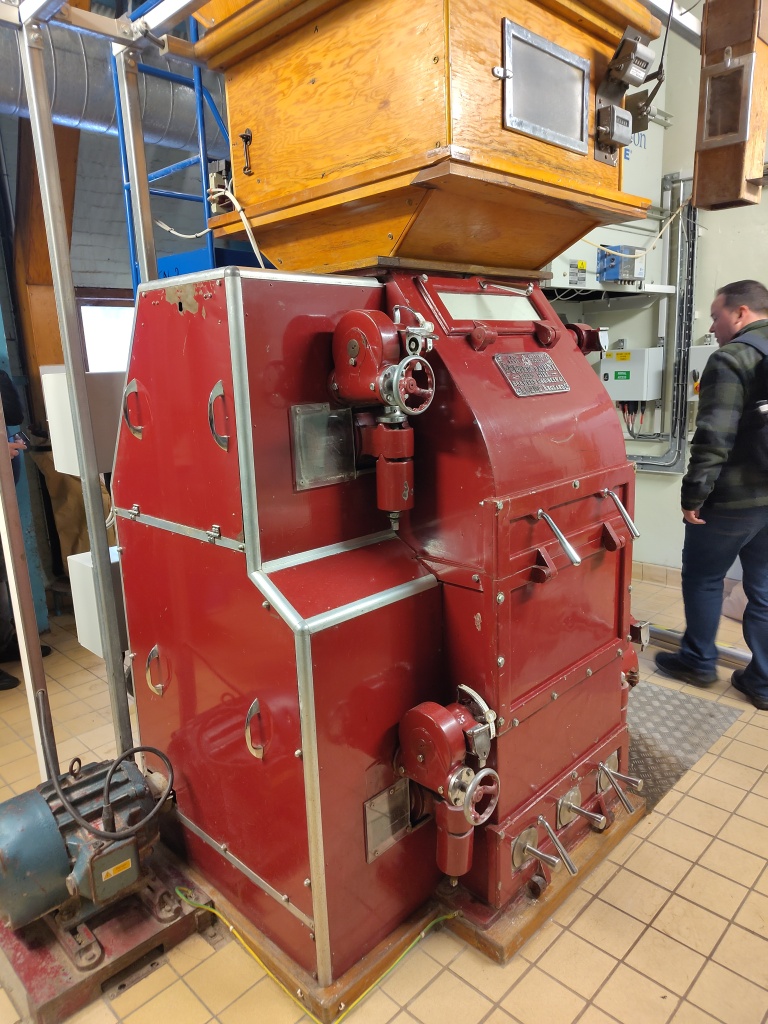
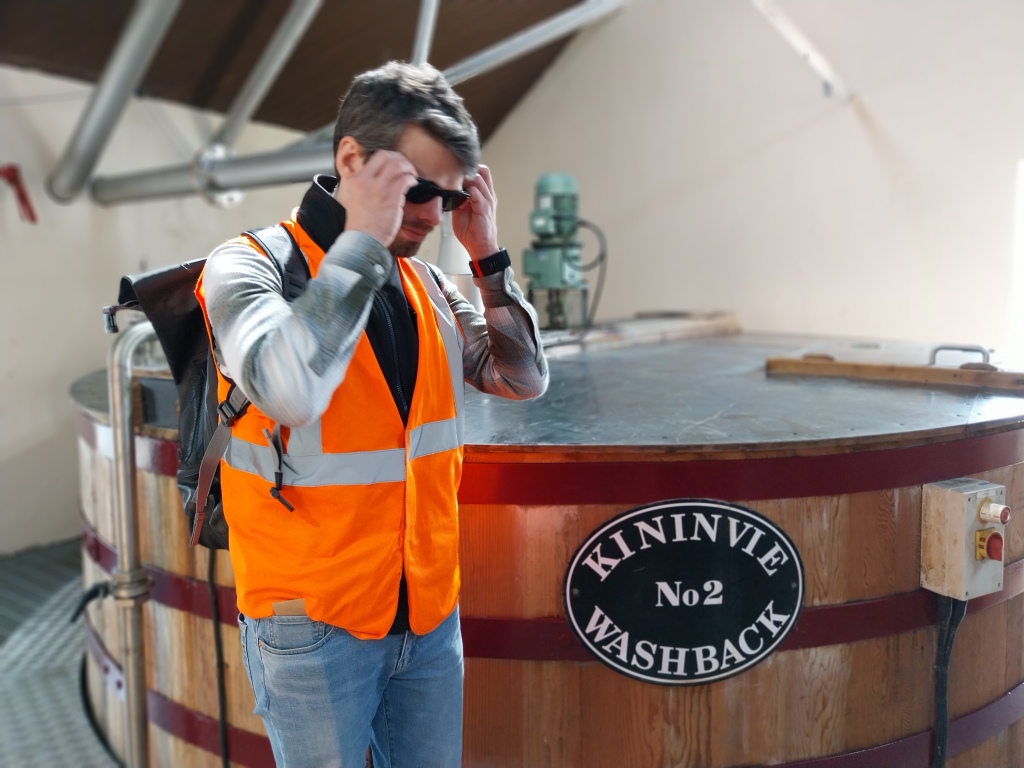
The first distillery we hit this year was Kininvie, in Dufftown. It is owned by W. M. Grants, like Glenfiddich and Balvenie. Actually, weโ€™d already visited most of the distillery during our fantastic tour of Balvenie in 2021, with James. Mash-tun and washbacks are indeed in the same building as Balvenieโ€™s ones, and the mill is actually the same! This time though, we will see everything about Kininvie!

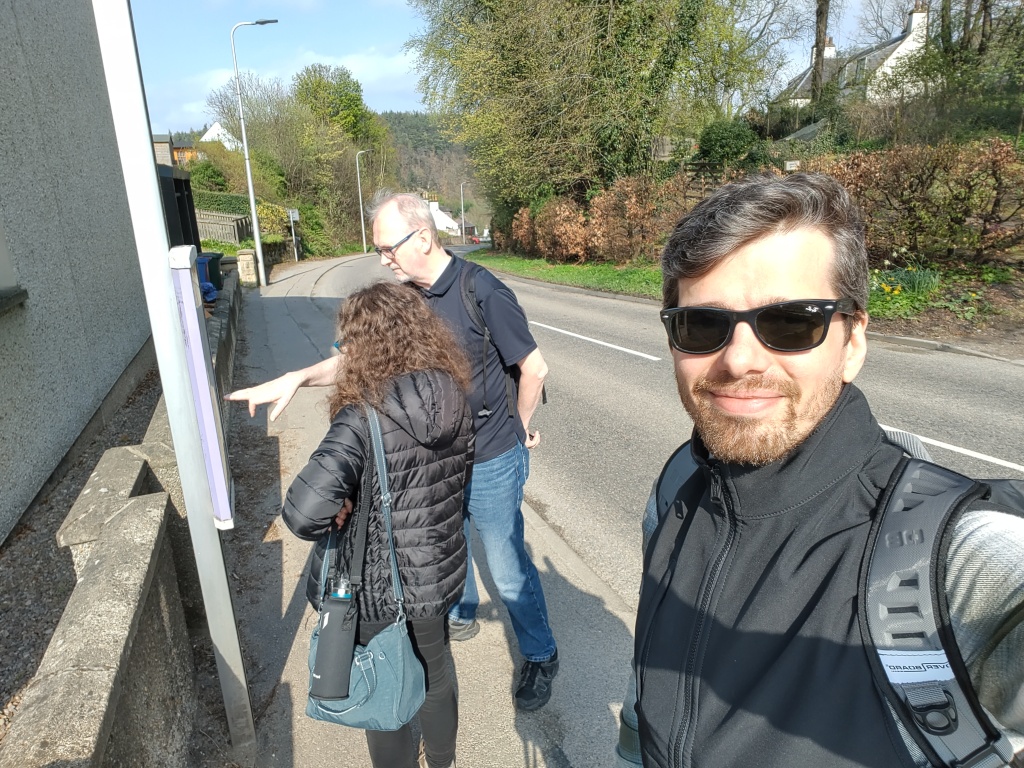
Back to the trip, we left early in the morning, as the tour was at 11am (but also to avoid the silly Edinburghโ€™s rush hour trafficโ€ฆsilly because given the size of the city, it shouldnโ€™t be like that). We also left a bit earlier because weโ€™d planned to leave the van in Craigellachie, get the bus to Dufftown, walk back to Craigellachie after the tour. Everything went according to plan, except that the bus from Craigellachie to Dufftown was, like, over 20 minutes late. No problem though, we were still able to get there in time for our tour, and in the meanwhile we had time to chat to our friend Graham Fraser, who was taking the same bus to go to Glenfiddich instead. He is a fellow vPub barfly and also a โ€œdrammer aroundโ€ like us, but more experienced, with over a 100 Scottish distilleries under his belt: impressive!

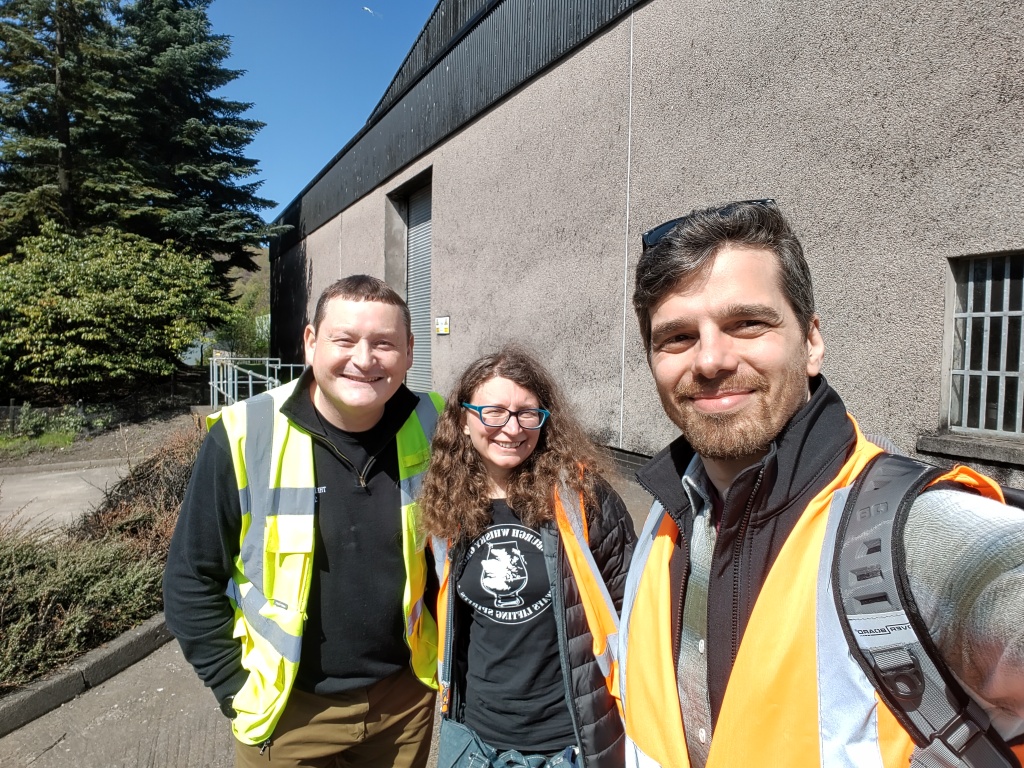
After checking in at the Balvenie visitor centre, we had a big surprise: Paul (who we met at Linkwood last year) has recently moved to Balvenie and Kininvie as production manager, and would give us the tour! He is a super nice guy, and thanks to his impressive career in whisky, also extremely knowledgeable, so we were super happy about that!

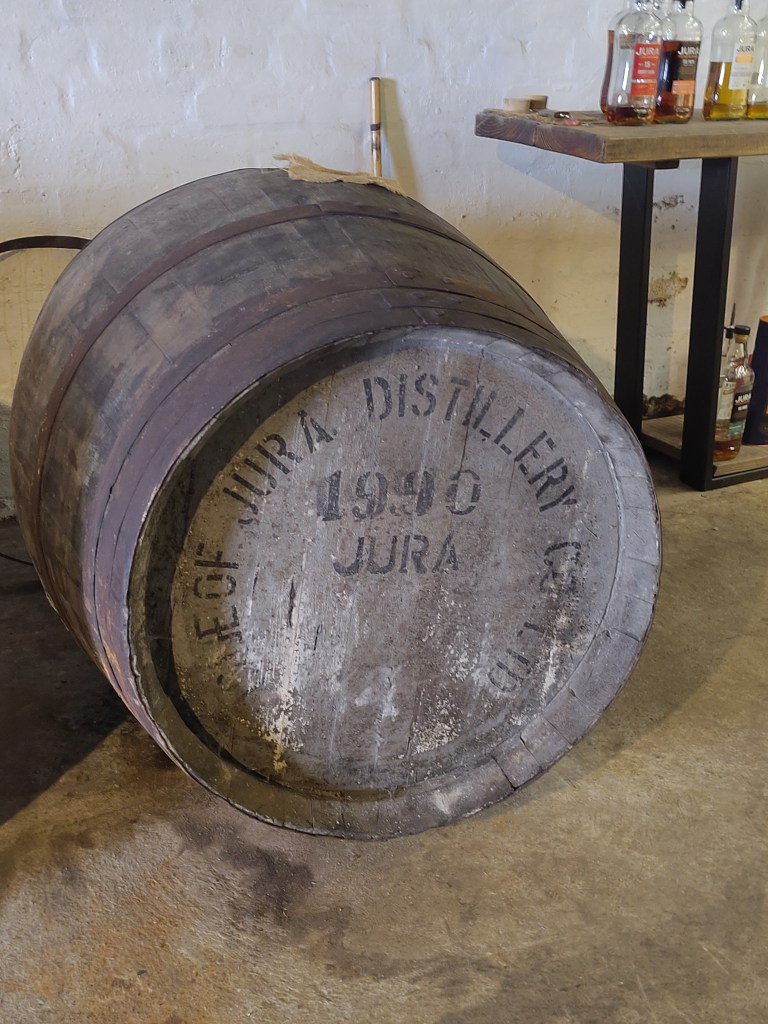
The history of Kininvie is peculiar: it was built in 1990 to supply malt for blends (Grantโ€™s and later Monkey Shoulder), instead of Glenfiddich and Balvenie, kept to be bottled as single malts. They started producing on the 4th of July of the same year, and nowadays the equipment is also used to experiment with barley and yeast strains, including running a rye campaign every year before the silent season: Paul was very excited about the freedom to experiment.

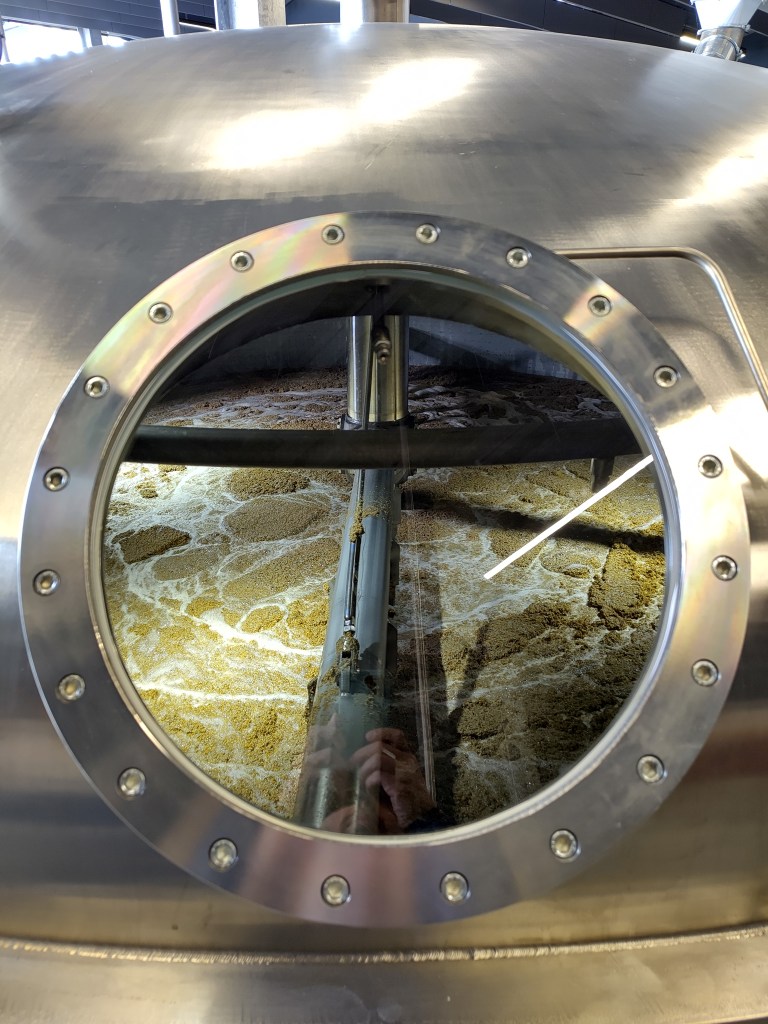
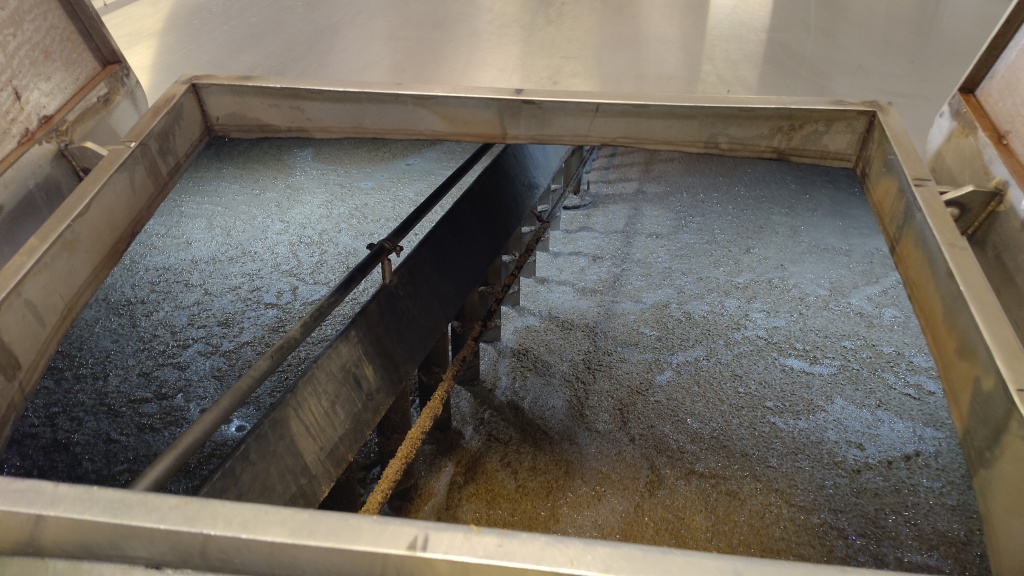
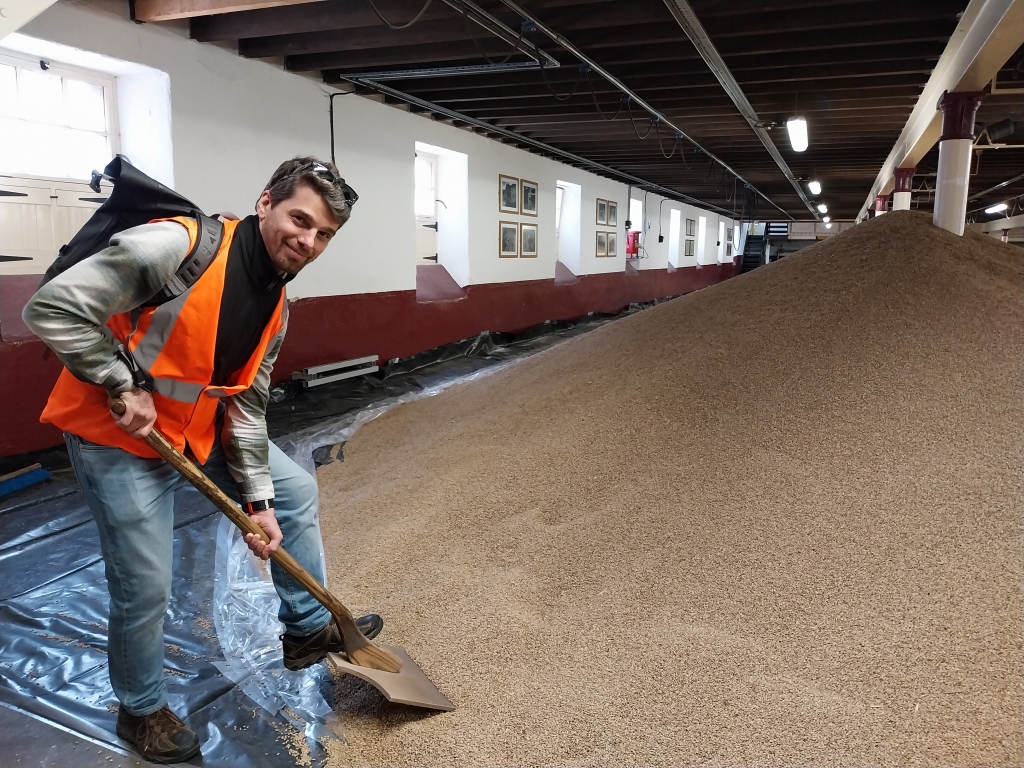
The tour started with a visit of the Balvenie malting floor and kiln, which was under repair waiting for some replacement parts. After a walk in the kiln, we moved to the main production building with mill, mash-tuns and washbacks. On average they do up to 25 mashes per week, using 240 tons of barley. When they donโ€™t experiment, the barley strains used at the moment are Sassie or a mix of Sassie and Diablo, which have mostly replaced Lauriet. The barley is mashed with the usual three waters at increasing temperatures (65, 75 and 85C). Fermentation takes place in one of the 10 wooden washbacks, next door to the Balvenieโ€™s ones. They use Mauri yeast and go for either a short fermentation (60h) to get a cereal-y cloudy wort, or a long one (over 70h) to obtain a lighter and fruitier one: the one we tried was very sweet, and Teresa picked up notes of white chocolate.

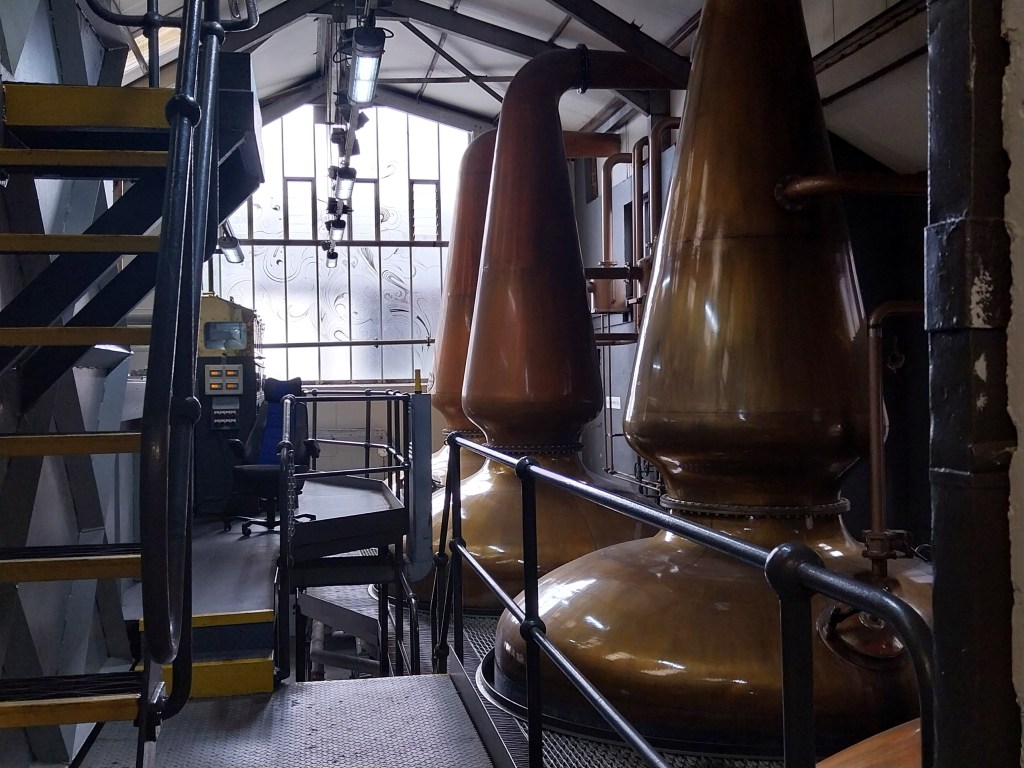
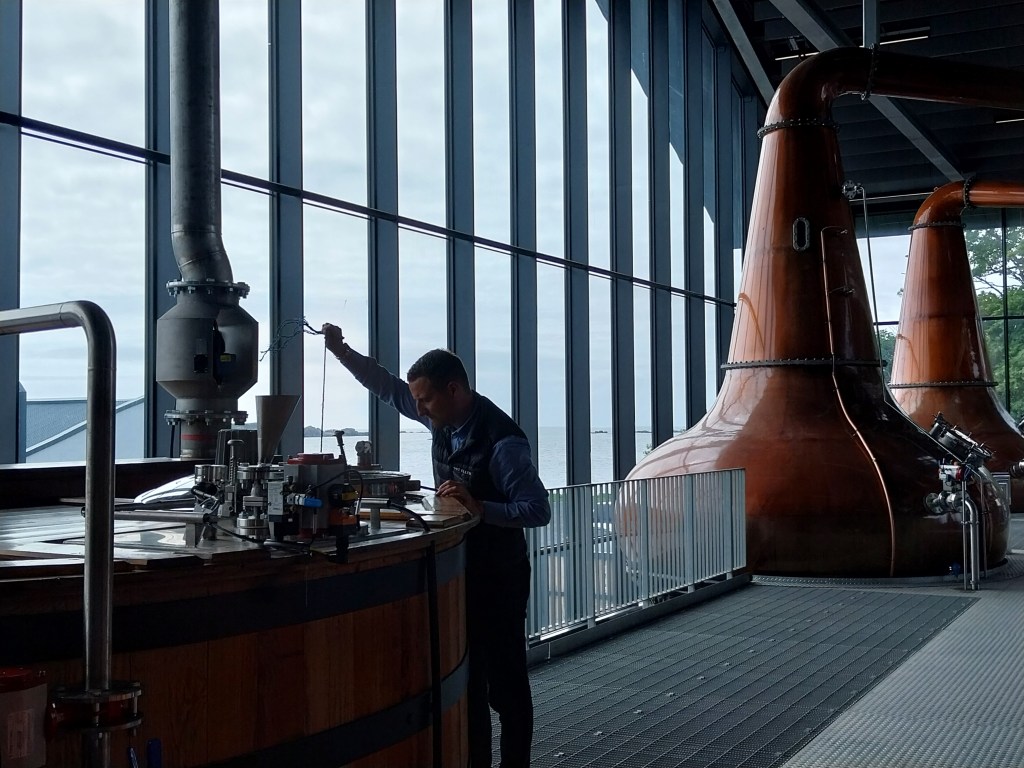
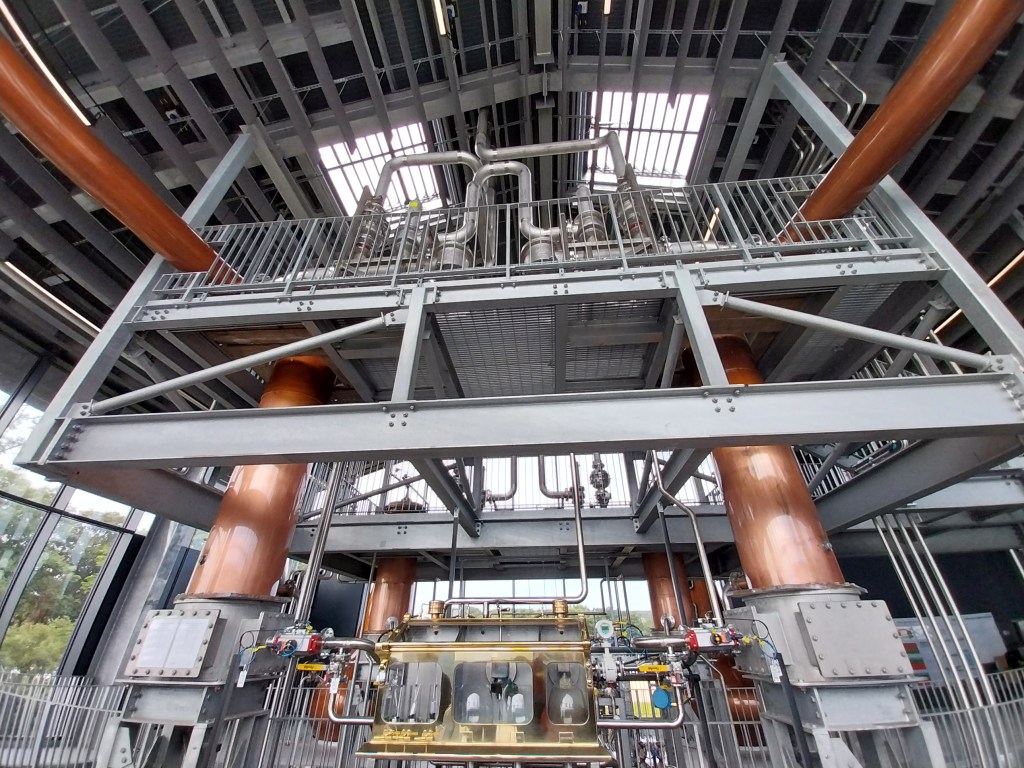
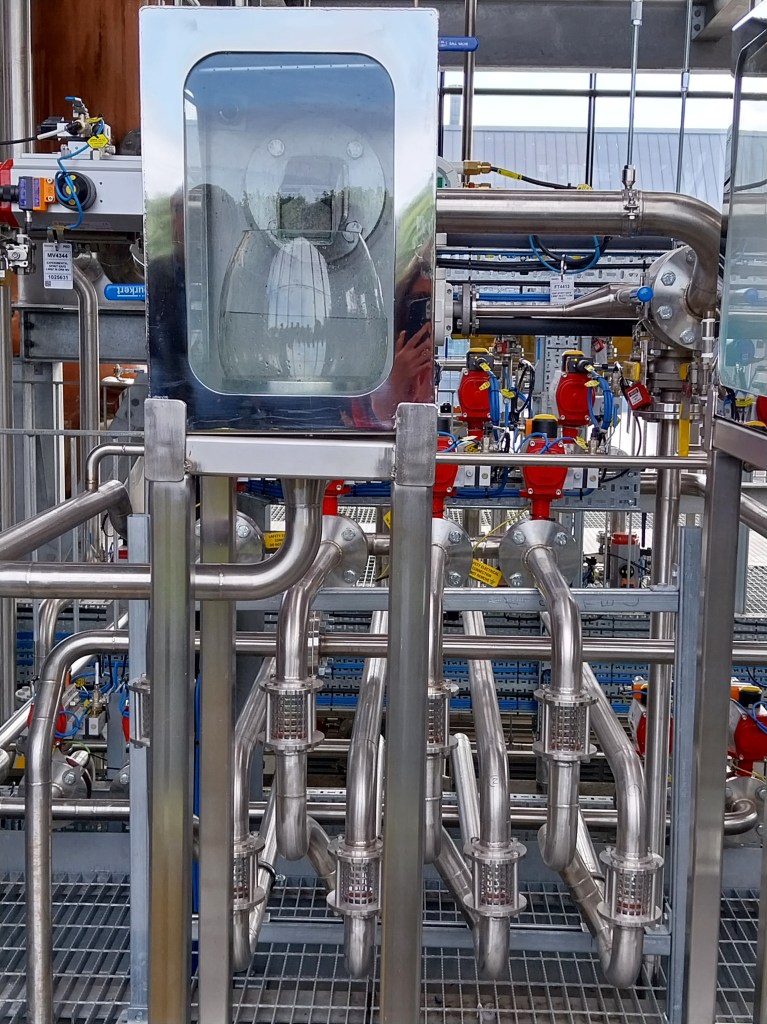
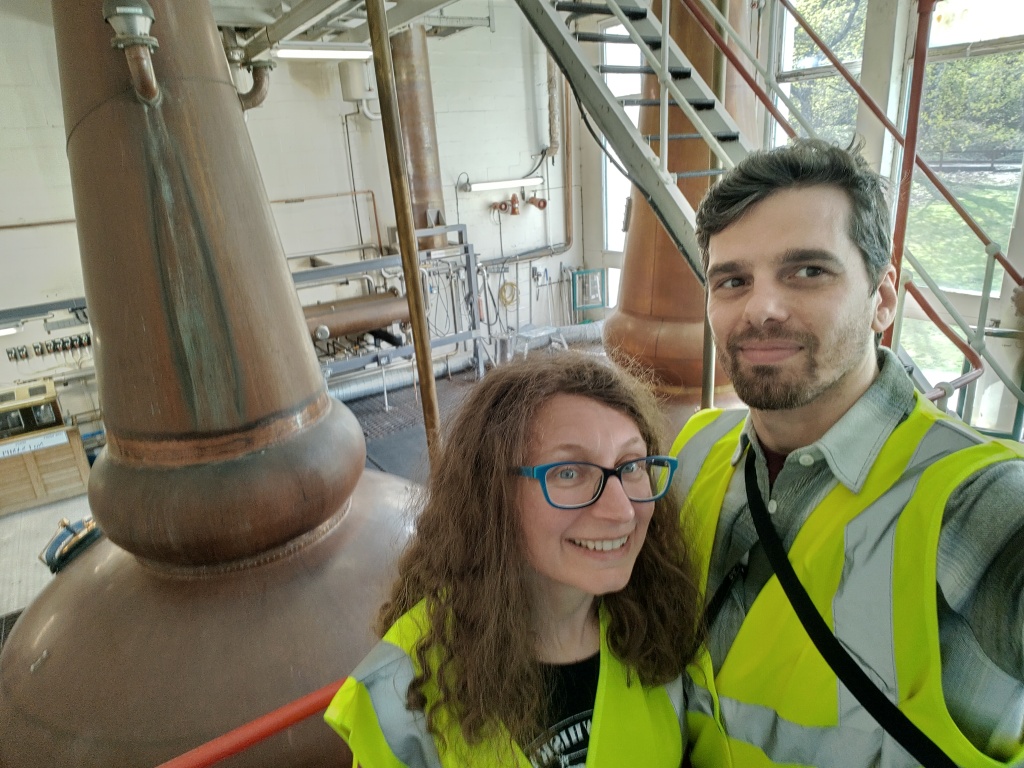
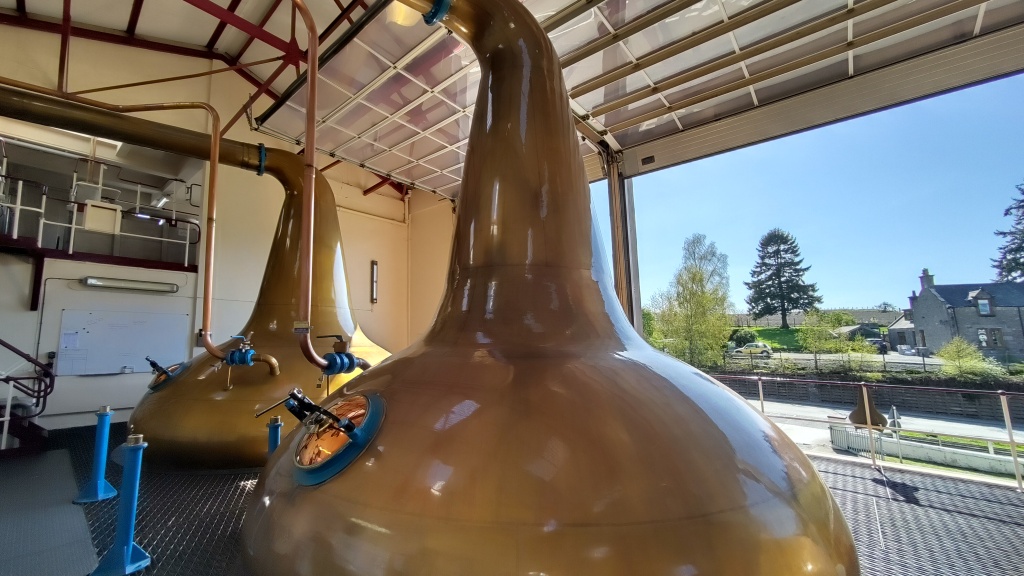
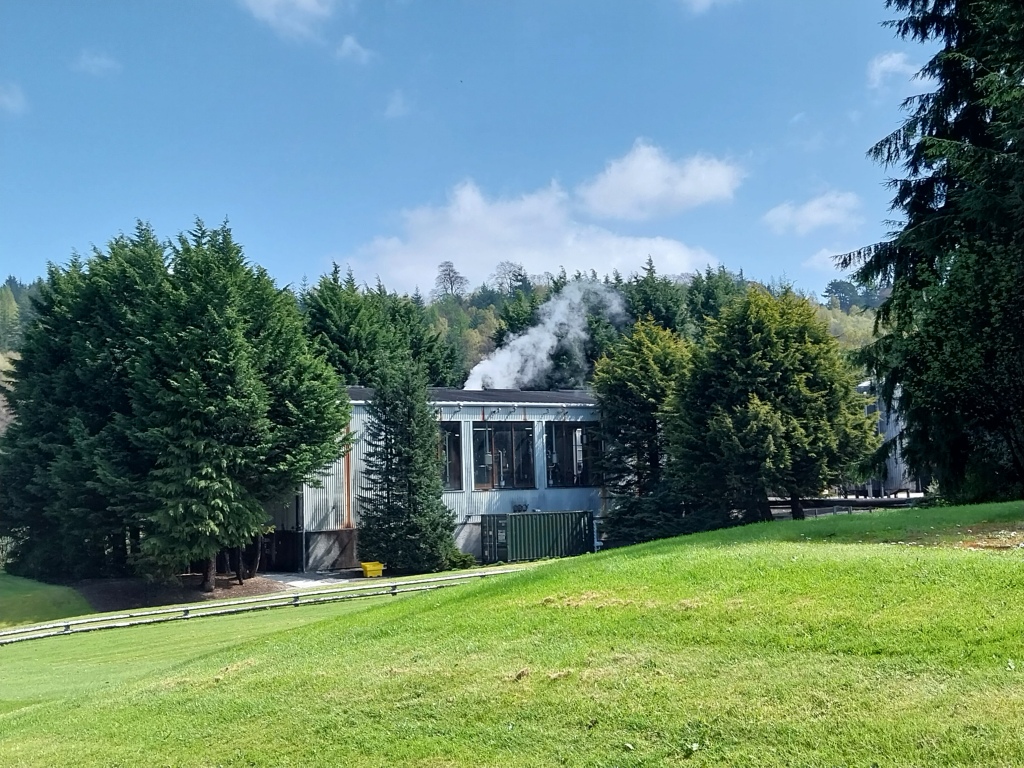
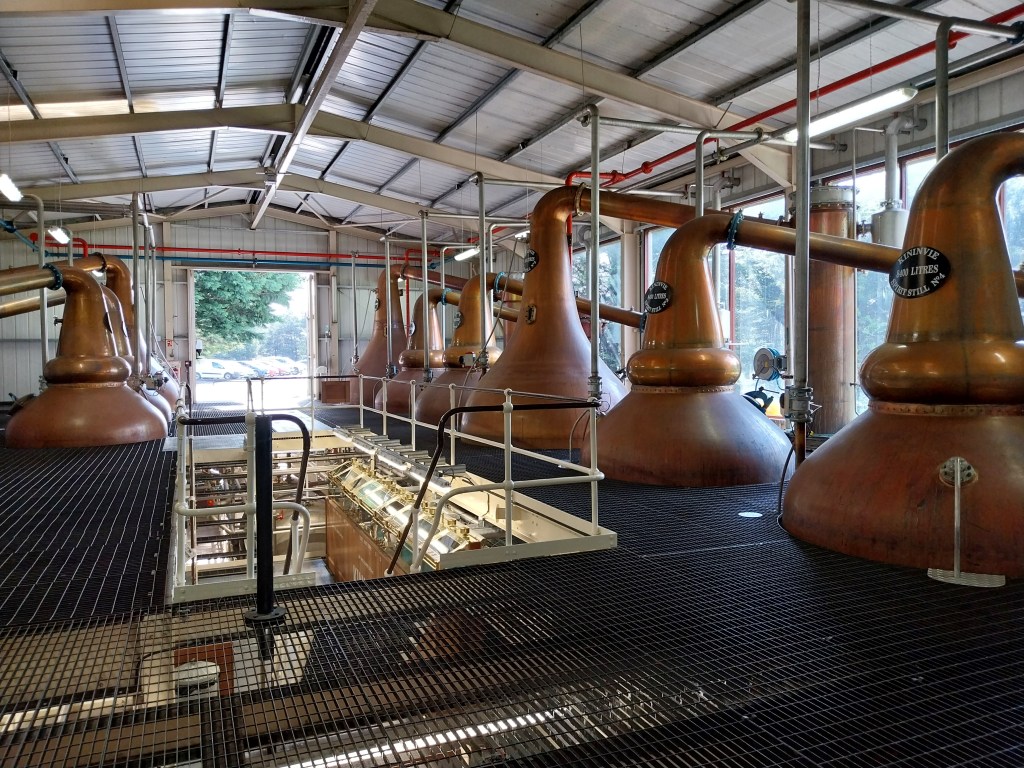
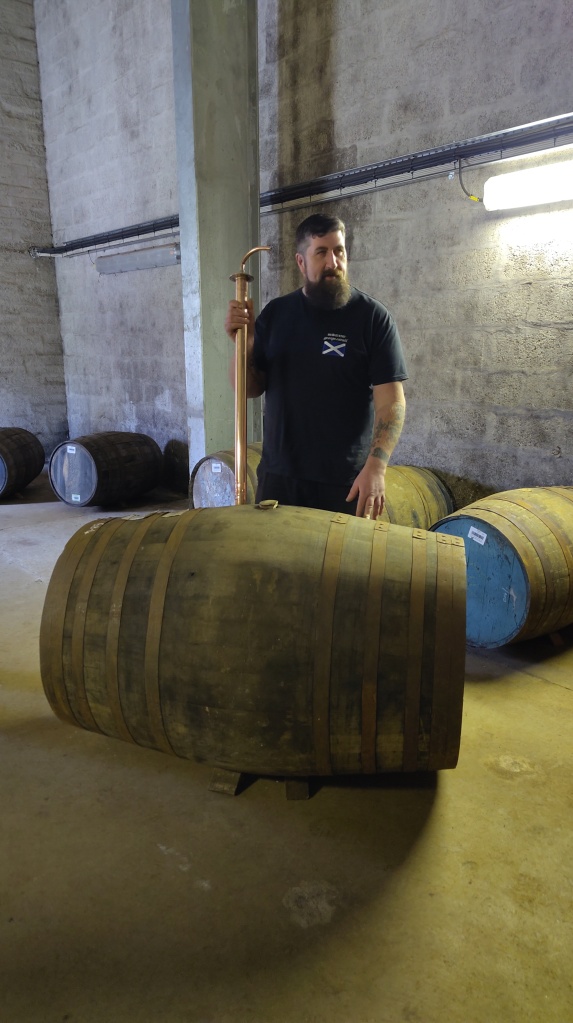
Finally, itโ€™s time to visit the still room, located in a hidden (hence the name of the tour) dedicated building behind Balvenie. They have three triples of stills (with enough space for a fourth, in case of expansion), for a total of nine. Each triplet works as a unit, with one big wash still for the first distillation and two smaller spirit stills for the second one. The cut points are very variable depending on what they are producing, but usually the second distillation takes 10 hours: 1.5 to heat up, 4.5 for heads and tails and 3 for the heart run. Once at the spirit safe (the piece of equipment used to control the cut points of the distillation run), we could try some newmake spirit, at a whooping abv of 70%! A very nice touch!

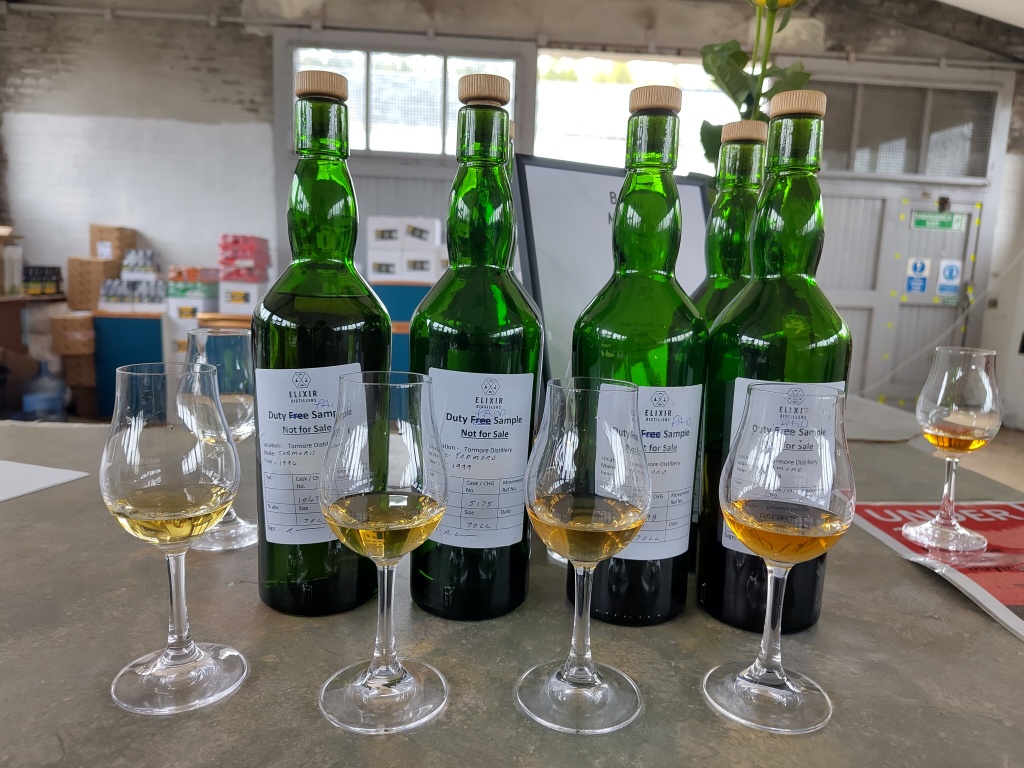
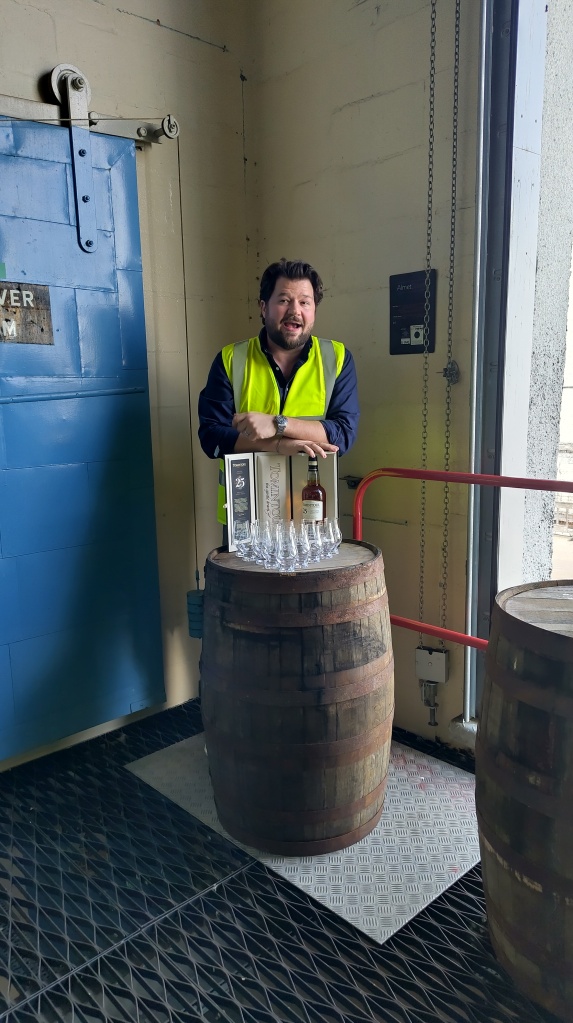
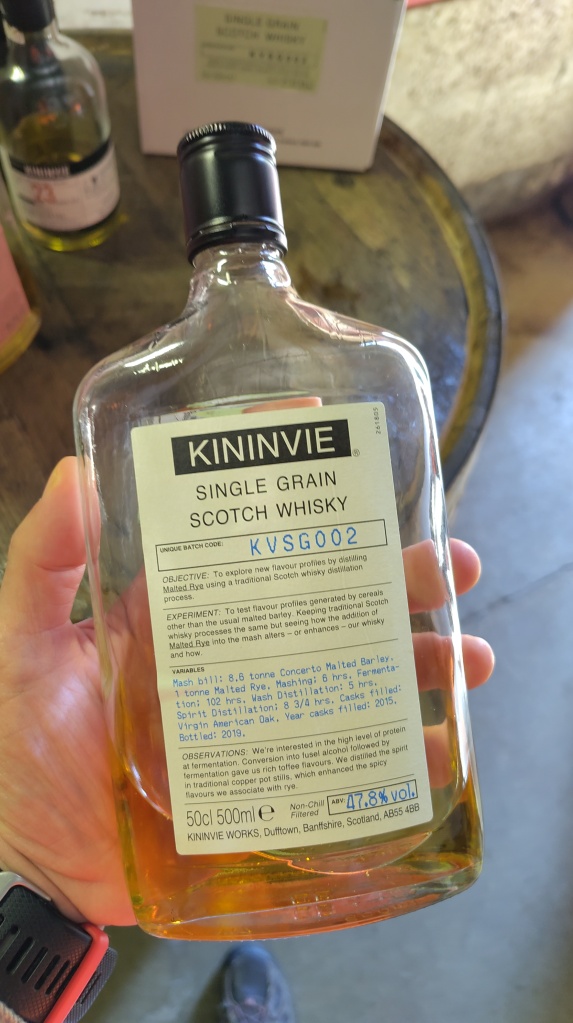
After that, we moved to one of their massive racked warehouses next door, where after a brief, nerdy chat with the warehouse manager George, we tried some drams. Kininvie releases are very rare: the only one weโ€™d tried previously was during an online event in 2020, as part of the Belfast Whisky Week: the KVSM001, a 5yr triple distilled single malt matured in ex-bourbon casks. We had like it back then, so we were now quite excited and curious about the tasting at the distillery. We started with a โ€œsingle distillery blendโ€, KVSB003: a vatting of single malt (matured in European oak casks) and single grain (matured in virgin American oak) produced at the same distillery, 4yr and bottled at 48.2% abv. The second one was a component of this blend, the single grain KVSG002: it is actually a rye whisky (although we think it wouldnโ€™t comply with the American definition of โ€œrye whiskeyโ€ because the rye part was less than 51% of the mashbill, only 1 ton malted rye vs. 8.6 ton malted barley), matured in virgin American oak, distilled in 2015 and bottled in 2019 at 47.8%. These drams were both quite interesting, but we recently find rye whisky a bit too herbaceous, particularly the ones produced in Scotland and Europe. Nonetheless, we were quite excited because the labels on the bottles provided a great deal of information, a real deal for us whisky nerds!

We really appreciate such transparency!
So many details!

We then moved to a single malt, a 23yr distilled in 1991 from a combination of hogshead and sherry butts, bottled at 42.6% (a bit weak to our palate, but nicely tropical and balanced). Finally, the gem was the cask sample: a 10-year single malt from a first refill Sherry butt at 68.4% (the cask filling strength was 70.3% abv!!!): it definitely needed water, but once it opened up it was really fantastic!

About to pour something really delicious.

And with this visit, the Spirit of Speyside festival was officially underway, starting with a bang! Like we noted last year, the staff were so happy to show us around, truly a refreshing experience, and so nice to see Paul in his new role! But it was time to move to our second whisky โ€œadventureโ€ of the day, so we quickly left the distillery on foot.

Stay tuned for more on this. Until then, slainte!


Kininvie Hidden Distillery Tour

Price: ยฃ60.00 pp (Spirit of Speyside 2024)

Duration: 2hr

Tasting: 5 drams, Kininvie single distillery blended KVSB003 (single grain rye whisky and single malt), single grain rye whisky KVSG002, Kininvie 23y Single malt, cask sample (ex-sherry cask, 10y) and newmake spirit (for details see the descriptions above)

Target: whisky nerds

Value for money: good

Highlights: the still room

Recommended: yes

Link: https://tickets.spiritofspeyside.com/sales/events/2024-festival/kininvie-hidden-distillery-tou


#43 Cask finish DIY

Diary of an experiment


TL; DR: Have you tried to finish your own whisky in a wine cask? Well, we did, and although we already knew, we could see how hard it is. While the result was not great, we definitely learned a few things. 

This post is going to be different from others, as we wonโ€™t tell you about a distillery visit, nor a trip, nor a tasting. Weโ€™ll talk about an experiment we did recently – still a journey, if you wish.

The idea came after some thoughts on whisky maturation in casks that previously held wine. It took a while to us to realise this is a controversial topic. At first, we didnโ€™t give it much thought as it felt it was just part of the broader โ€œwineโ€ category (including Sherry, Port, Madeira, etc.), but then we noticed many whisky enthusiasts think wine cask maturation is a separate thing, often perceived as badโ€ฆ so whatโ€™s the deal with red/white wines? We had amazing drams matured in wine casks (Arran Amarone, to name a popular one, but also a stunning Glen Garioch 19y fully matured in an ex-Bordeaux cask tried at the distillery, or the Glen Moray 10 Elgin Limited Edition, finished in ex-Chardonnay casks). Let alone the STR (shaved/toasted/re-charred) casks made popular by the late Jim Swan: some can deliver a lot of flavour in a short time, which is particulatly crucial for new distilleries. However, we also had some very โ€œmehโ€ wine-matured whiskies (we wonโ€™t name names here), dull at best, so we totally get the scepticism of some.

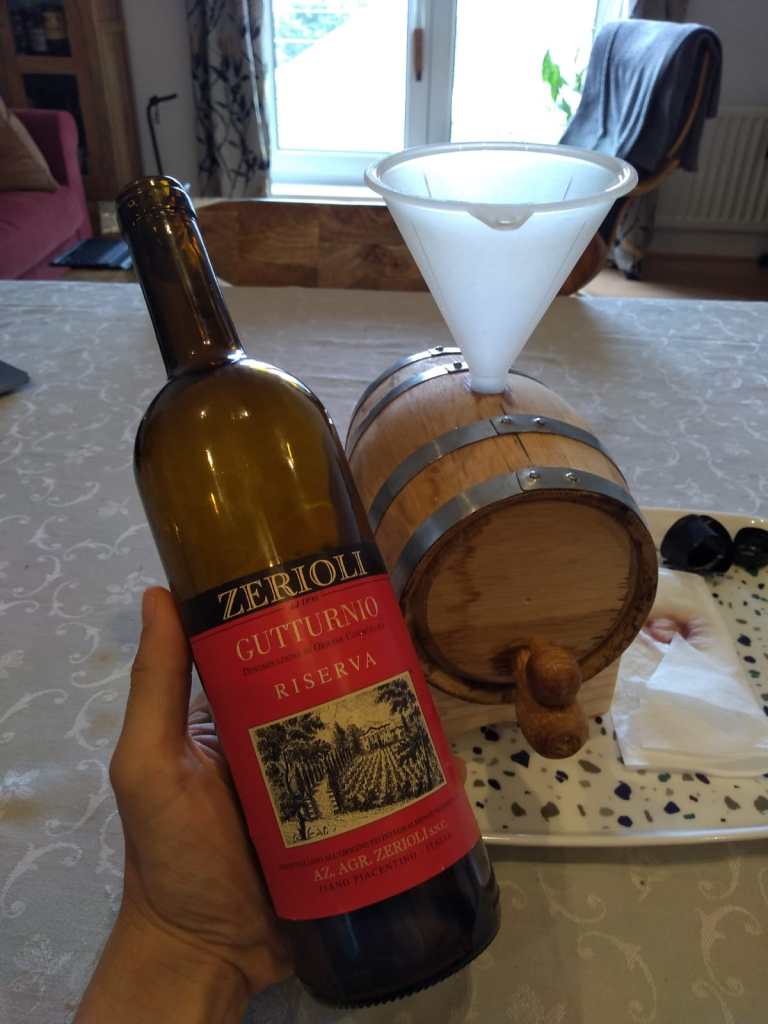
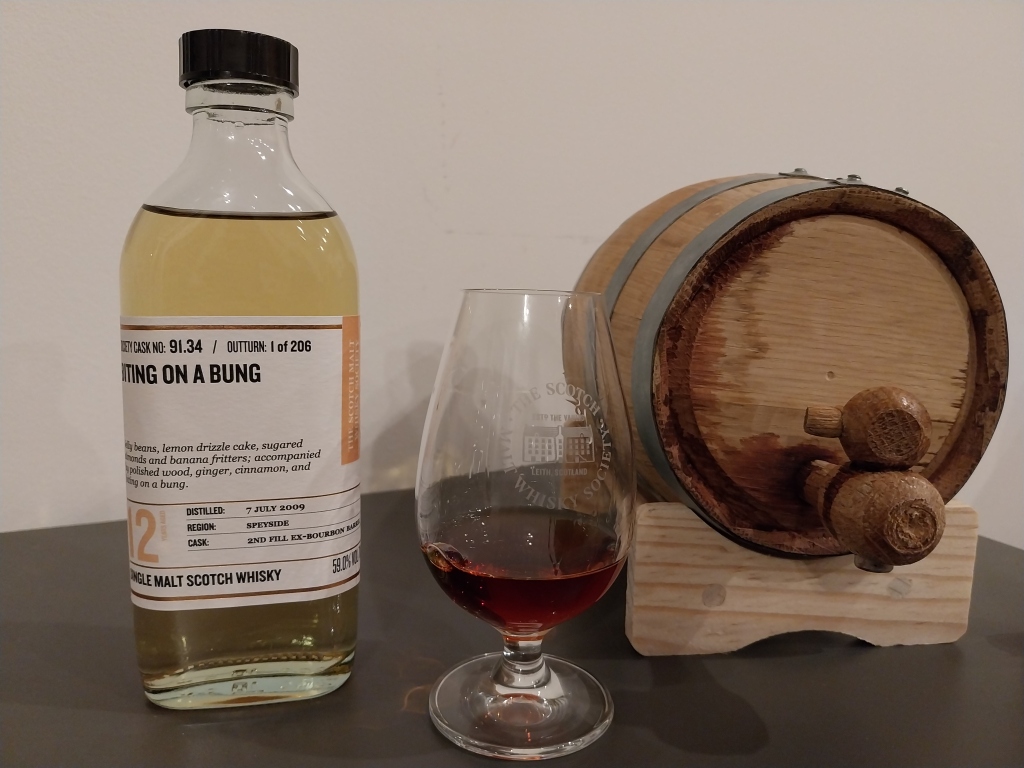
A taste of Gianluigi’s home, Gutturnio wine.

Probably our Italian upbringings sparked further curiosity on the topic, so we did a bit of research and noticed that while maturation in casks such as Amarone, Barolo and Cabernet-Sauvignon is fairly common nowadays, lesser known red wines arenโ€™t a thing (yet). One wine in particular seems to be overlooked: Gutturnio. Typical from Piacenzaโ€™s province (Gianluigiโ€™s hometown), it is a mix of Barbera and Bonarda grapes, and comes either fizzy or still (โ€œsuperioreโ€). A thick red wine, that goes well with the greasy local cuisine, quality-wise you can find the cheapos from supermarkets, up to several tenths-of-euros per bottle. We wondered for a while, then, after a conversation with Woody and Megan from Woodrowโ€™s of Edinburgh, we decided to give it a try and start an experiment.

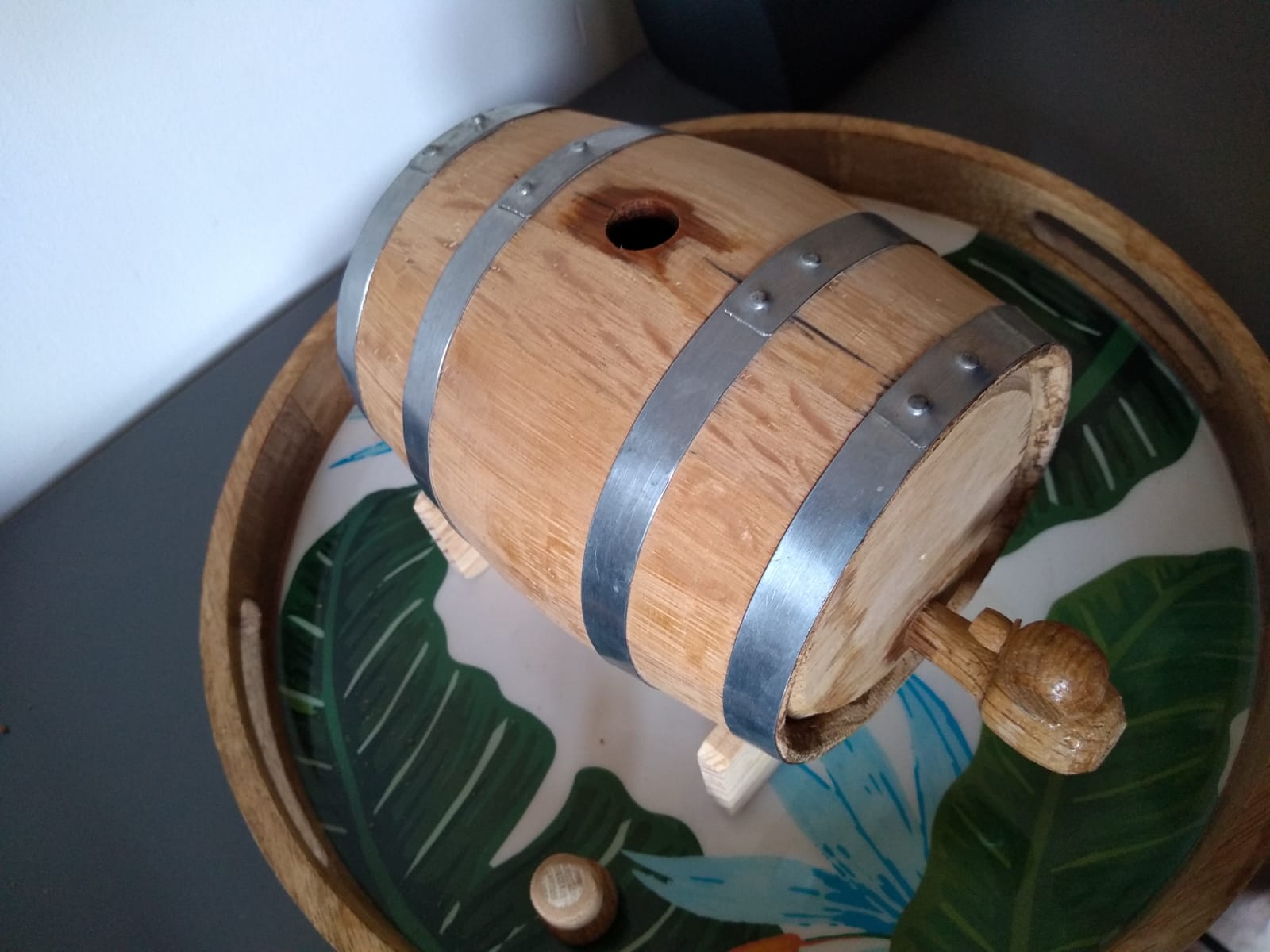
We asked some friends about to visit us to bring over a bottle of Gutturnio, Gutturnio Zerioli Riserva (later on Gianluigiโ€™s brother would challenge this choice as not great, but hey ho) and then we bought a 1-litre virgin oak cask (American oak, Q. alba) from Master of Malt (where it was cheaper, if you exclude some suspicious vendors on Ebay). On the 26th of August 2023 we filled the wee cask with 75cl of wine, and left it in there for a bit over 3 months.

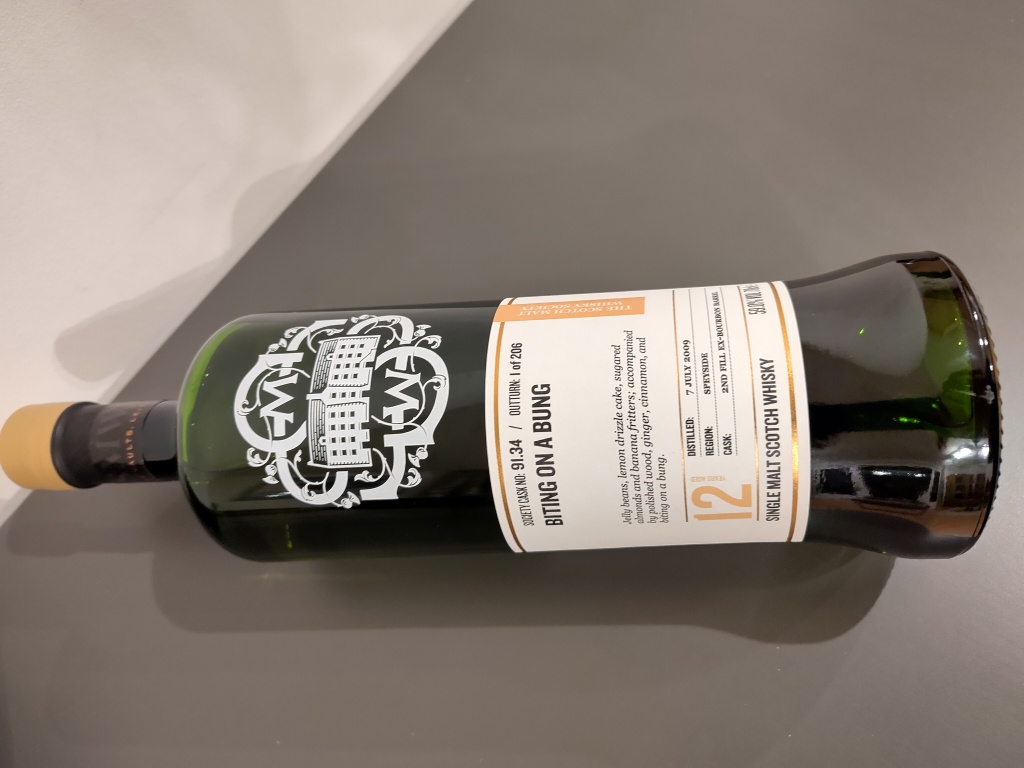
While the cask was seasoning hidden away in a cupboard (turning it from time to time), we chose our dram. We wanted something without much cask influence, so we aimed for second-fill (or more) ex-bourbon casks. Living in Edinburgh made things easier, as we could access the two Scotch Malt Whisky Society venues, although it wasnโ€™t easy to find a whisky available both to try and purchase. We still managed to taste 6 or 7 bottlings from various distilleries, and the final choice fell on a 12-year-old Dufftown (distillery that we had the chance to walk past in our first trip to Speyside, but never properly visited), called Biting on a Bung (91.34), distilled on the 7th of July 2009 and bottled at 59.0% abv.

On the 5th of December, we disgorged the wine. To our surprise the cask was soaked – of the 75cl of wine weโ€™d put in, only 35cl came out! We knew that some absorption would happen, but not to this extent!

What was left of the entire bottle!

On the same day, we filled the cask with the whisky while leaving 20cl to ourselves, in case we messed things up (spoiler alert, we did). We didnโ€™t have a timeline in mind, we just wanted to try the whisky at different times, but here one miscalculation: we went back to Italy two weeks for Christmas, leaving it unchecked for probably too long. When we came back, we took a sample right away: a lot of colour (copper red), some typical red-wine notes on the nose (tannins and red berries), but very metallic on the palate. We hoped these metallic notes would disappear with some more time in the wood, but they didnโ€™t, so in early March, exactly 3 months after filling the cask, we disgorged it and, again, only 30cl of whisky came out (another 20cl of liquid absorbed) – 30cl of โ€˜metallic liquidโ€™, clearly not a success.

We followed up the experiment, this time not with a proper whisky but with spirit from our infinity bottle: despite leaving it in the wee cask for only a couple of weeks, the same unpleasant notes re-appeared (although not so much absorption this time). Oh well.

So, what did we learn out of this experiment? How to waste a good half-litre of whisky? Definitely, but not only that. We already thought it must be hard to properly finish a whisky in the right cask for the right amount of time, but we were surprised by how easy it is to mess up (well, probably the small size just accelerated the process)!

We made a list of variables to consider:

  1. The cask! After so many distillery visits, we know wood quality is key (but tbh we didnโ€™t feel like investing big for our random experiment)
  2. Time to season the cask with wine (maybe too much?)
  3. Time to finish the whisky (again, too much?)
  4. Climate conditions (our flat is very very dry, but thereโ€™s not much we can doโ€ฆ)
  5. Whisky robustness (maybe it was a too delicate one for this kind of experiment?)
  6. Quality of the wineโ€ฆor even the type of wine?

So many variablesโ€ฆitโ€™s really hard to wrap our heads around it, although we could sum up all these variables into one: experience, i.e. really knowing what youโ€™re doing. We clearly didnโ€™t, but thankfully this is not what weโ€™re doing for a living. Nonetheless, it was fun! Whatโ€™s next? Currently the cask is empty, but weโ€™ll try to fill it soon to avoid it to dry too muchโ€ฆwith, maybe, rum? Another wine? Let us know if you have any ideas!

Until next time, slainte.


#42.3 A weekend on Skye


Raasay, paradise


TL; DR: As we woke up on the Saturday we drove to Sconser, to take a ferry to the Isle of Raasay. We visited the distillery, where we had an amazing in-depth 3hr tour and tasting, we hiked and, the next morning, we drove around this truly amazing corner of the world. 

(missed Part 2/Part 1?)

Waking up in a place like Carbost is something else. Despite the many campervans, the morning was very quiet, and the only sounds we could hear were the waves gently crashing on the shore. After packing up the bed and before getting on the move, we walked down to the pier, to get some of the fresh (very fresh!) morning sea breeze. We left Carbost after a short stop at the public toilets in front of Talisker distillery. It didnโ€™t take long to get to Sconser, and as we were slightly early, we had time to fix ourselves a coffee with the Bialettiโ€™s moka (well, still Italians after all) before the ferry to Raasay.

It was the first time on the island for us. Although geographically close to the mainland, Raasay can only be reached from Skye. The crossing was about 20 minutes, and once there we parked at the pier, where there are also public restrooms and a 24h open waiting room. The distillery was only 10-minute walking, so we decided to just walk there and see how the day would pan out. Our plan depended on the weather: if it was nice, we would have spent the night on the island, otherwise we would have taken the last ferry. It was a glorious day, so we ended up taking the ferry the next morning.

The distillery is in Clachan, just outside Inverarish, the main village. On the way there, there is an old market/barn building, now mostly abandoned. It wonโ€™t be the first one we spot, as the current population is only about 190 people (up by 30 with respect to the 161 marked on the Raasay Single Malt bottles). At that cross we turned right, leaving the Raasay House and Hotel on the left: a huge former mansion, now a tourist centre only open in high season. The main distillery building is called the Borodale House, an old Victorian house that used to be a hotel with a pub before it was bought by the company R&B Distillers to build the distillery. Other than distillery and shop, there are also a hotel, a restaurant and a bar serving hot food until mid-afternoon.

Being the off season and a Saturday, not all tour options were available, but we found one that seemed great: the Dunnage Cask Tour, which included a tour of the distillery and the bottling plant and a warehouse tasting. As we checked in at the distillery we had a brief scare: our reservation was lost in translation, apparently someone had forgotten to mark it down. The shop manager was very cool about it though, she said there we just needed to wait a bit, and as an apology she offered us a coffee (nice touch). We waited in the bar, taking advantage of the incredible view of Skye from the big windows on a very sunny day. Gabriel, our guide, arrived about 40 minutes later (directly from home). His family moved to the island when he was a kid, and he and his brothers represent a good percentage of the 30-odd distillery workers. This is his side job, while heโ€™s studying to get a medical degree. Gianluigi wondered how his life would be different if, instead of doing chemical analyses on tomato sauce, he had worked in a distillery as a student job.

Gabriel was extremely knowledgeable, and while we visited the various stages of production in the very contained area, he provided a huge amount of information. Starting with the barley, they get 30-ton a month of it from the Kintyre peninsula, and the two strains they are using are Lauriet and Concerto. For the peated runs, they get 48ppm (part of phenols per million) barley, malted using Highland peat from the north-east of Scotland. As for the milling, their grist composition is slightly different from others, with only 9% of flour, 19% of husks, and 72% of grit. Their water source is a 60m deep borehole located behind the distillery.

Mashing happens in a big 1.1-ton stainless steel closed mashtun with the usual three waters at increasing temperature, and they aim for a cloudy worth. Linked to the 5-day production week, fermentation is between 3 and 5 days. They have six stainless steel washbacks equipped with a cooling jacket, to slow down fermentation and allow the (liquid) yeast to extract โ€œas much flavour as possibleโ€. The two stills (wash-, 5000-litre, and spirit, 3600-litre) are made by Frilli, an Italian firm from Siena (like Teeling in Ireland and Inchdairnie in Fife), and the cut they take from the second distillation is usually between 75% and 65% abv. When they do peated runs, they use the cooling jacket in the lyne arm to increase reflux and get a lightly peated spirit. The peated newmake spirit comes out at about 14ppm, which is then reduced to 7-8ppm during maturation. It was actually very informative to get to know the ppm level on the liquid, especially when many distilleries only refer to the barley specification.

The production area includes a gin still, where they run the sourced neutral grain spirit with the chosen botanicals (which, of course, we donโ€™t remember). After the production tour, we took some stairs outside the building, to get to the bottling plant, on top of the hill behind the distillery. There, Gabriel showed us the manual and automatic bottling machines, but also how lots for different markets get labelled and stored until they get shipped. Back to the main building, Gabriel took us on a jeep and drove to the warehouse.

It was the time for the tasting, but first Gabriel let us take the bungs out of the casksโ€ฆan operation that took us very long, as we are both quite clumsy, but we could finally get a taste of the yummy content. The tasting consisted of six drams, one for each component of the Raasay Single Malt, their main core expression. These whiskies are matured in ex-Rye, ex-Bordeaux red wine, and Chinquapin virgin oak casks, both unpeated and peated. We knew what to expect: during the pandemic we did an online tasting of these six components, although they were not 3-year-old yet, so technically not whisky. This time these are properly whiskies, as the vintage of the cask was 2019 for the unpeated, and 2020 for the peated ones.

We loved the peated chinquapin oak, and the unpeated ex-bordeaux and ex-rye casks – one extra confirmation that, if done properly, young whisky can be delicious too. This range is available to buy at the distillery (when we visited, not the peated ones) bottled in the Na Sia range (Gaelic for โ€œThe sixโ€). While sipping the last dram, Gabriel took us around the warehouse, and we found out that they recently started using re-fill casks (initially they used only first fill).

After the tasting we were definitely ready for some food, which we got back at the distillery while trying a nip of the bottlings available at the shop (Slaintรจ Club bottlings, Year of the Dragon and others, see below in the box).

Left the distillery, it was a very nice evening, so instead of going back to the van we decided to go for a walk to the village and then to the hill behind the distillery, Temptation Hillโ€ฆdespite the cheesy name, it was quite beautiful and very relaxing. Back at the van, we had dinner, but we soon went to bed, after such a great day.

The following morning, we decided to skip the first ferry of the day to drive around the island: we probably drove along all the possible roads, talking advantage of some breath-taking landscapes – from the very north of the Island, along the mighty Callumโ€™s Road, with a very interesting story, to the south and its the old pier (and frankly, quite too many abandoned vehiclesโ€ฆ). We finally took the ferry for Skye around midday, and from there we drove almost non-stop to Leith (well, non-stop because most cafes along the road were closedโ€ฆexpect for the Apiary in Dalwhinnie, where we had some delicious cakes).  

This was one of the best experiences we had in a while, both the distillery visit (thanks Gabriel!) and the scenery. Raasay is truly a paradise that weโ€™d like to explore more, so we really canโ€™t wait to go back for a holidayโ€ฆwell, and maybe a couple of drams too!

Until next time, slainte.


Raasay Dunnage Cask Warehouse Tour

Price: ยฃ75.00 pp (February 2024)

Duration: 2-3 hr

Tasting: 6 drams from the cask, 5y cask strength unpeated ex-Rye cask, ex-Bordeaux wine cask and ex-Chinquapin oak (virgin oak), and peated ex-Rye cask, ex-Bordeaux wine cask and ex-Chinquapin oak

Distillery Exclusive: the Na Sia range (see above), Raasay Scottish Whisky Distillery of the year 2022 (4y and 10 months, finished in Quercus humboltii Colombian oak, 50.7%), Tourism Destination of the Year Celebration (4y, finished in ex-Manzanilla casks, 52%)

Target: whisky geeks

Value for money: good

Highlights: everything

Recommended: a bit pricey but totally worth it!

Link: https://raasaydistillery.com/


#42.2 A weekend on Skye


Talisker distillery, second attempt


TL; DR: After the visit at Torabhaig, we drove north-west towards Carbost for the second distillery tour of the day, Talisker. A slightly less corporate experience than we expected, in a really beautiful spot. 

(missed Part 1?)

As we came out of Torabhaig distillery, the weather was slightly nicer: still no breaks in the clouds (those will come later), but at least it wasnโ€™t raining anymore. We gave ourselves just the time for couple of pictures, before quickly jumping on Mr. Vantastic and starting to drive north-west, back towards the main road. We did one stop in the very picturesque village of Isleornsay, near the sea, to visit the shop of the Gaelic Whisky company, Prร ban na Linne. It is a small independent bottler, which we learned about when a few years ago a friend gifted us a bottle of Mac Na Mara rum cask finish blended whisky. The Mac Na Mara range also also includes the expressions Classic, Madeira finish and Port finish, all bottled at 40% and non chill-filtered. They also offer another blended scotch, Tรจ Bheag (40%, non chill-filtered and high proportion of malt whisky), and the Poit Dhubh blended malt range (8y, 12y and 21y), all 43% and, again, non chill-filtered. After browsing the shop (where they also sell gin, food, and souvenirs), we took a Poit Dhubh trio miniatures (which we still have to try).

Back on the road, it didnโ€™t take us much to get to our final destination for the day: Carbost, home of Talisker distillery. We had a sound plan: park at the Carbost pier (where we could spend the night at the cost of ยฃ10.00 in the honesty box), visit the distillery and then dinner at the Old Inn.

We knew the road already, as it wasnโ€™t our first time there: weโ€™ve been there when we visited Skye in the summer of 2020, with Gianluigiโ€™s parents, during that short time window where international flights were weirdly allowed without much complication. Back then, we drove to Carbost after a stroll at the Fairy Pools, where we learned that midgies donโ€™t care for long-sleeve t-shirts. By pure coincidence, the night before weโ€™d found out that Talisker was reopening the next day, and that you could book a visit if you โ€œcalled or wrote an emailโ€. We tried to call several times, but in a typical Diageo disorganised shenanigans it turned out they were only replying to emails (with such short notice, we would have bet the other way round to be honest). So no distillery visit then, but we enjoyed anyway the view and the nice afternoon in the village, before driving back to Portree. This time, however, we are ready to rock!

We parked the van at the pier, nor far from another van (and by the time we went to sleep, eight campervans were parked there despite the sign said max 5โ€ฆguess why โ€œcampervanistasโ€ are not very welcome in some places). Next to the distillery we noted a new building, right on the shore: a wooden cottage-ish building, which would have looked more appropriate in a skiing station. Weโ€™ll later find out that it is a fairly new space, part of the visitor centre renovaions, and includes a bar and a pop-up restaurant. After the usual selfies and photos, we checked in at the visitor centre. It is quite spacious and modern, with a round fireplace in the middle of it: again, that makes you feel like in a skiing resort hotel, but itโ€™s cosy, nonetheless. In contrast, the shop area was super bright, almost looking like an airport duty free or a department store.

The guide for the day was Florian, who despite the heavily scripted tour, made lot of efforts to make it personal, with some dad jokes but also some โ€œtell-like-it-isโ€ moments. One we appreciated: โ€œโ€™made by the seaโ€™ is marketing language for โ€˜manufactured in the proximity of the seaโ€™โ€. Kudos. He gathered us around near the entrance when the time came, starting with the usual safety instructions. In spite being only February, the tour looked fully booked, which surprised us. We left the visitor centre to enter the production building. First, a โ€œdemonstrationโ€ room where Florian explained the basics of whisky distillation, showed us some peat, and where we could smell some elements associated with the most typical Talisker aromas: pepper, salt and honeycomb.

Florian also showed us the barley they use, lightly peated, mostly from the Black Isle on the east coast, and malted at Glen Ord maltings. Trucks come in with 30-tonnes of barley (which explains also the terrible state of the tarmac in Carbostโ€ฆalmost Edinburgh-worthy). Once there, the malt gets milled by Milly, a sturdy Porteus machine dating back to 1962.

We moved to the huge mashtun, where barley gets mashed with only two waters (one increasing temperature), similarly to many other Diageo distilleries. This is one of the industry practices to make whisky production more environmentally friendly. We couldnโ€™t visit the fermentation room (where fermentation lasts on average 72 hours but can be anywhere between 65 and 85 hours) because of the carbon dioxide level: first time since we started visiting distilleries, but better safe than sorry we guess. Thus, we moved straight to the very nice stillroom, equipped with two large wash stills for the first distillation, and three smaller spirit stills for the second. The cut they take from the second distillation is from 75% abv to 65%. 

They have some warehousing space on site, but we couldnโ€™t visit it, as a matter of fact Florian told us he hadnโ€™t been in there himselfโ€ฆnot too surprisingly. Anything they produce, though, is put into tankers and shipped to be moved to casks at one of the Diageoโ€™s sites in the Central Belt. We went back to the visitor centre for the tasting, in a purpose built room just behind the bar. We started with the Talisker Storm, one of their non-age statement releases, finished in wine casks: drinkable but not memorable. We then moved on to the Talisker 10, which is a very solid dram in our opinion (some might say that itโ€™s not as good as it was X years ago, but being relatively new in our whisky journey, we have no clueโ€ฆ samples welcome, in case!). We finished with a Distillery Exclusive: this range is quite interesting (not to be confused with the Distillers Edition), as (apparently) distillery staff have some freedom in deciding what to bottle, and it is usually bottled at 48% or above (and whispers says non chill-filteredโ€ฆ). In general, across the distilleries we visited, we had some very good ones (Royal Lochnagar, Lagavulin, Cardhu) and many average ones โ€“ the Talisker DE (batch 02) we tried fell into the latter category.

Before leaving the distillery, we got a couple of drams at the bar, Port Ruighe (finished in port casks) and the Distillers Edition (this one finished in Amoroso Sherry seasoned casks), both quite nice.

After the distillery, we went straight to the Old Inn, a hotel and pub just a few steps away. The pub is very nice and cosy, despite being in a very touristy spot it maintains a โ€œlocal pubโ€ atmosphere. There we met up with Tommy, Gianluigiโ€™s former bandmate who recently moved to Skye, before having dinner and retiring to the campervan after a long, nice day.

Until next time, slainte.


Talisker Distillery Tour

Price: ยฃ20.00 pp (February 2024)

Duration: 1hr 15min

Tasting: 3 drams, Talisker 10 (45.8%), Talisker Storm (wine cask finish, 45.8%) and Talisker Distillery Exclusive (48%)

Distillery Exclusives: Talisker DE (batch 02, NAS, 48%, PX-seasoned ex-bourbon and refill casks, ยฃ105.00), Bottle-your-own (9y, 54.5%, rejuvenated ex-red wine cask -STR?-, ยฃ130.00)

Target: everyone, but mostly tourists

Value for money: good

Highlights: the scenery

Recommended: if you want to tick the box, yes

Link: https://www.malts.com/en-gb/distilleries/talisker


#42.1 A weekend on Skye

From the vPub to Torabhaig


TL; DR: For our traditional wee February Highlands escape, this year we picked the isle of Skye. The first distillery we visited was Torabhaig โ€“ a beautiful location and an interesting tour, definitely a great start to the weekend! 

In the last few years, we started a new small โ€œtraditionโ€: a trip to the Highlands, visiting some distilleries, in February. This not only comes after the dreaded dry (past years) or half-dry and half-moderated (this year) January, but it is also a great time to go because of the low season, unlike the summer months when a mass of tourists is swarming this beautiful region. Everything is quieter and more relaxed, the way we like it, probably not coincidentally the same way we started to truly enjoy whisky. There are downsides too of course, but weโ€™ll come to these later.

In 2022, we did a daytrip to Pitlochry, to which we attached an in-depth tour at Blair Athol distillery. Last year, we went to the West Highlands, to a spot that has a place in our hearts: the Ardnamurchan peninsula. The trip included a short visit to Tobermory too (weโ€™ll let you guess which distillery we visited). This year, the original choice was Islay, but in addition to the fact that there were no campings open or โ€œofficialโ€ spots to stay with the campervan (speaking of off-season downsides), one of the four distilleries we havenโ€™t visited yet was closed (Caol Ila), so we decided to postpone. The other choice was another banger of a place that has been on our wish list for a long time: Skye! Weโ€™ve been there in the summer 2020, but because it was pandemic time, we couldnโ€™t visit any distillery.

As usual, we planned to leave in the late afternoon evening, so to be ready to get to the first distillery in the late morning the day after. However, a couple of weeks before the trip we had a very pleasant surprise: Roy, from the Aqvavitae YouTube channel, asked us if we could be part of that week vPub. It was a 6 Nations themed blind challenge, where we would sip six drams, one from each nation. It goes without saying, we would participate as the Italy representatives. It was a super fun night, we truly enjoyed the blind tasting, and we found some very interesting new drams (the Armorik 10 in particular, a proper dram). To be able to attend the online event, we booked a B&B near Fort William, as many campsites are closed in February (another downsides of off-season) and the couple that were open had mixed reviews on the WiFi quality, something we couldnโ€™t risk. In the morning, we had a huge breakfast, after which we were ready for a nice day of whisky visits!

The first distillery we hit was Torabhaig, after a spectacular drive on the A87. We arrived there 10-15 minutes in advance, so we could take some pictures (not many, as the weather was quite dire at that point). The distillery is in a very nice spot, very isolated, in the south of the island. The building was completed in January 2017, from restoring the ruins of an 1820s farmstead that in turn used stones from the nearby Caisteal Chamuis. The castle also gives the name to a blended malt sold by the independent distiller Mossburn, owner of the distillery.

The guide for the day was Lesley, who turned out to be very precise and on-point, making the basic tour very enjoyable also for whisky enthusiasts like us (the fancier tours were not available at the time, another off-season downside). Their production capacity is of about half-million litres of alcohol per annum, and their barley intake is about 28 tonnes every 10 days. It comes from Crisp on the Moray coast, and is usually 77ppm.  

After milling, mashing takes place in a copper-closed mashtun, with the usual three waters increasing in temperature. They do up to three mashes/day for a total of 17/week, after which the liquid goes into one of the eight 10,000-litre washbacks (although they fill it up to 8,000), where fermentation lasts about 72 hours. They have one pair of stills (probably the size of the B-listed building wouldnโ€™t allow more), 8,000 and 5,000 litres for respectively the wash and the spirit still. They are called Sir Ian and Lady Noble, from the couple who conceived the distillery project in the first place. From the spirit still they take a cut around 70% abv on average, and a peculiarity is that, similarly to distilleries characterised by a waxy spirit, they mix feints and low wines in the same receiving tank. Very interestingly, for two weeks a year, the two distillers are free to experiment, and these batches will make future releases.

After the production tour (where photos were not allowed), we went to the tasting room โ€“ no warehouse visit as on site they donโ€™t keep many casks because of limited space. We tried the newmake and the Allt Gleann, their second released single malt (ex-bourbon casks, 46%). Their first bottling, released in 2020, disappeared in a typical โ€œpandemic frenzyโ€. Since then, they also released a cask strength version of the Allt Gleann (61.1%, mainly ex-bourbon) and, about a month after we visited, the last of the Legacy Series, the sherried Cnoc Na Moine (46%), which we havenโ€™t tried yet.

After the tour, we went back to the shop to try a tiny sip of the Mossburn 12y, and then we had a coffee and a tasty cake at their cafรจ, before leaving towards our next stop. At the cafรจ they also sell some of their other whiskies by the dram, in particular the Mossburn range. Overall, we really liked the experience (and great value for money) and this distillery, not just because itโ€™s truly beautiful. The whisky still tastes a bit young in general (well, the few we tried at least), but we can see great things coming from them.


Torabhaig Regular Tour

Price: ยฃ12.00 pp (February 2024)

Duration: 1hr

Tasting: newmake and a dram, Torabhaig Allt Gleann (46%, ex-bourbon casks, peated)

Target: everyone

Value for money: very good

Highlights: the building and the scenery

Recommended: yes

Link: https://torabhaig.com/


#41.2 Fife Whisky Festival 2024

Inside the green distillery…Aberargie!


TL; DR: After another successful Fife Whisky Festival under our belt, we got to visit a new Fife distillery, Aberargie! Owned by an independent bottler company, Morrison Distillers (Carn Mor, Old Perth and Mac Talla), they have a clear plan for their whisky. They gave us a great tour, and what an amazing tasting! 

(missed Part 1?)

And here we are, after the opening dinner (!), the two Fife Whisky Festival sessions (!!) and the Sunday morning Adelphi masterclass (!!!), it was finally time for the final event: the visit to Aberargie distillery!(!!!!) Compared to other new distilleries, they are quite under the radar, although we were already aware of its existence since our first trip to Lindores in late 2021, as the distillery can be clearly seen from the road to Newburgh. It is owned by the Morrison Distillers group (formerly Morrison & Mackay), which also has connections to other distilleries, in particular Bowmore. Their malt is not on sale yet, so their main business is still that of independent bottlers. They own the Carn Mor brand, for single casks or small batches, Old Perth, a fully sherry-matured blended malt (coming in different configurations) and the recent Mac-Talla, a range of Islay single malts but from undisclosed distilleries (they were very adamant about not saying from which one). 

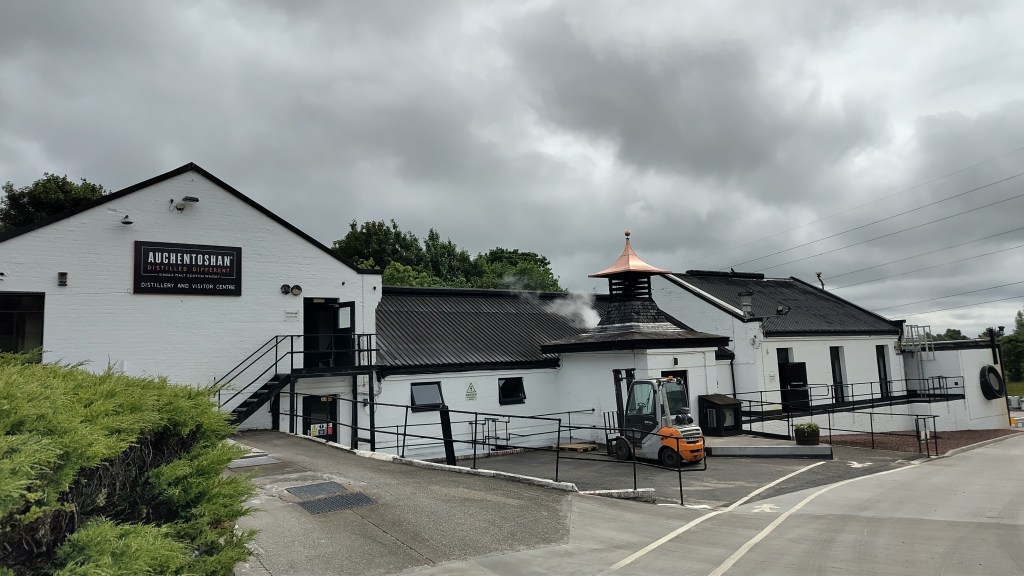
We were welcomed by Greame, head of production, and Thomas, the brand ambassador who was at the festival the day before. Thomas told us that we were the first visitors ever: what an honour! The site buildings include an office/bottling hall, the production (where we headed) and of course the warehouses. Inside, Maree, brand manager, and David from production were waiting for us in a meeting room. Tasting mats had already been prepared, with four โ€œOld Perthโ€ marked spots, and four โ€œMac-Tallaโ€ ones. Once everyone took their seat, Greame started explaining the history of the company, which used to focus on fruit liqueurs, and talked about their connections to Bowmore, Auchentoshan and Glen Garioch. The distillery started operating in 2017, and barley is sourced from their own surrounding farm. Itโ€™s a farm-to-bottle site, except for malting that is done at Simpson. During this chat, we started with the tasting: first, an 8y cask sample destined to become part of a bottling from the Old Perth range, fully matured in ex-Oloroso casks, and reduced to 48% abv. The second dram was from the same (undisclosed) distillery, same age, same abv, but distilled in a different way (apparently this distillery has both stainless steel and copper condensers) and fully matured in an ex-PX cask. The third sample was the Old Perth 12y (46%, chill-filtered, natural colour), one of the three core range expressions (the others being the Original, NAS, and the cask strength). 

At this point, the group was split in two for the tour of the distillery. We were in the second group, with David and Thomas. As usual, we started with barley storage and milling; the mill is a modern one, near the two malt bins with a capacity of 28 tons, and it can process batches of 2 tons. Almost all the whisky they produced so far is unpeated, and they almost uniquely used Golden Promise barley. They aim for 9 mashes per week in their semi-Leuter mashtun, collecting the sugars through the usual 3 waters at increasing temperatures. They recently increased the number of washbacks, from 6 to 9, all stainless steel, where fermentation takes from 3 to 6 days and it is ignited by 20 kg of dried yeast. They have two stills, a 10,000-litre wash still and a 7,500-litre spirit still, both using steam coils as heat source. They collect the heart of the distillation from 74% to 60.5%abv, one of the largest cuts we heard of. Because they do a 5-week production, their capacity is currently around 250,000 litres of alcohol per annum.

The two groups were then reunited in the courtyard, just before getting inside the racked warehouse. There, they have temporary tanks where the spirit (both theirs and the sourced one) is kept before being casked. Itโ€™s quite a big operation, which made sense considering the availability of bottles from their independent bottler side. Still in the warehouse, we could spot a number of distilleriesโ€™ names and different types of casks. We walked a bit more inside, until the point where seven big butts were on display: contrary to most of the current sherry casks, which are seasoned for the whisky industry, these were bodega casks, which were actually used in sherry production for decades. Theyโ€™d originally acquired ten, but only seven survived, and they are used to put to rest the whisky that ends up into the non-aged Old Perth (Original and Cask strength expressions), in a Solera-like system. We had a sample of it (again diluted to 48% abv), and we found it dirty but exquisite. 

After this, we headed back to the meeting room, where food was waiting for us. While we were eating, they started pouring the final four drams. Three of these were from the Mac-Talla range, starting with the Flรนran (53.8%, single cask ex-bourbon), from the Flavourscape collection. This series is a collaboration with artist Marzia Sileno, who created a series of drawings inspired by the whiskies. In this case, the drawing recalls the flowery and light character of the whisky. This was followed by the Mac-Talla Mara, their cask strength expression (58.2%), a vatting of 25% first fill and 75% refill ex-bourbon cask: itโ€™s a very spritely and delicious Isla drams, we both loved it (well, Gianluigi a few days later at homeโ€ฆ). Finally, a novelty: the Mac-Talla Oloroso, a vatting of about 20 caks bottled at 54.8%, that was going to be announced the very next day: a delicious sherried peated malt. The final dram was a real banger: a cask sample of a 1996 Bowmore from a 2nd fill ex-oloroso, at a natural strength of 47.4%. What can we say, we had a very few drams that good so far, an explosion of tropical fruits, surrounded by soft sweet smoke. A gem.

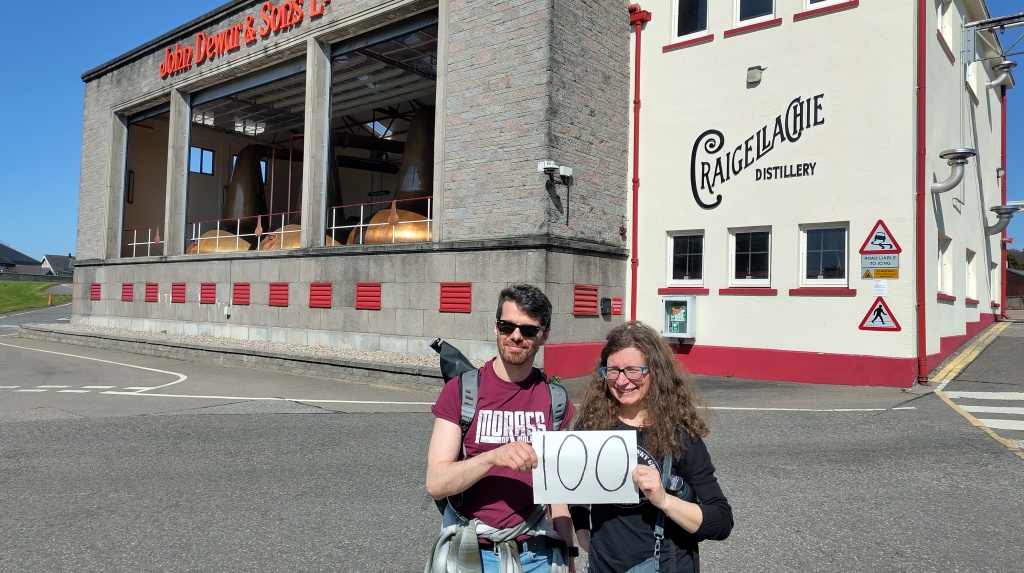
The event ended there, although it lasted almost an hour more than expected – not bad, it was really worth it. We made our way to the office for the pop-up shop theyโ€™d set up for the occasion, to grab some โ€œsouvenirsโ€. This was an amazing event, truly very well planned and definitely for whisky geeks and, by what we could see, organised by whisky geeks. They were extremely generous with the drams, they also provided 30ml samples for the drivers! We will keep our eyes peeled for their release, although itโ€™s not going to be out soon. In the meanwhile, we can enjoy their fantastic whiskies from the Mac Talla and Old Perth ranges, which we got to know quite well during the visit. A visit which, by the way, marked Teresaโ€™s 100th distillery visit!

100 distilleries, yay!

The day ended with us driving back to Cupar to help Justine and Karen clean up the Corn Exchange after the third and final masterclass, and we managed to get some leftover from the Woodrowโ€™s of Edinburgh masterclass (and because weโ€™d run out of sample bottles, we temporarily stored them in coffee cups). What a great weekend, weโ€™re already looking forward to next year. 

Until next time, slainte!


Morrison Distillers

Link: https://www.morrisondistillers.com/

#41.1 Fife Whisky Festival 2024


Another Fife bites the dust


TL; DR: We volunteered again for the Fife Whisky Festival, what a great event! We started with a nice dinner at Lindores Abbey, followed by a day of work and fun at the festival, and finally a masterclass! Weโ€™ll definitely try to go back once again next year! 

Whisky festivals are interesting experiences: a joyful buzzing bunch of people moving between stands, like bees between flowers to โ€œsipโ€ on the golden nectar offered. At least, this is what we experienced so far at the Fife Whisky Festival (FWF), Whisky Fringe, and Funky Booze, the very few festivals we attended so far. As people who started their whisky journey visiting distilleries, mostly in the middle of nowhere, we particularly appreciate these festivalsโ€™ chilled out atmosphere: busy but manageable. As a matter of fact, itโ€™s the third year in a row we attended and volunteered at the FWF (itโ€™s becoming a friendsโ€™ reunion!), and weโ€™ve always had great time. The small but not-too-small size, the selection of exhibitors that tends to attract whisky nerds more than people who just want to drink, and overall the great organisation by the two festival directors Justine and Karen make this event special to us.

Not a bad place to enjoy a drink before dinner.

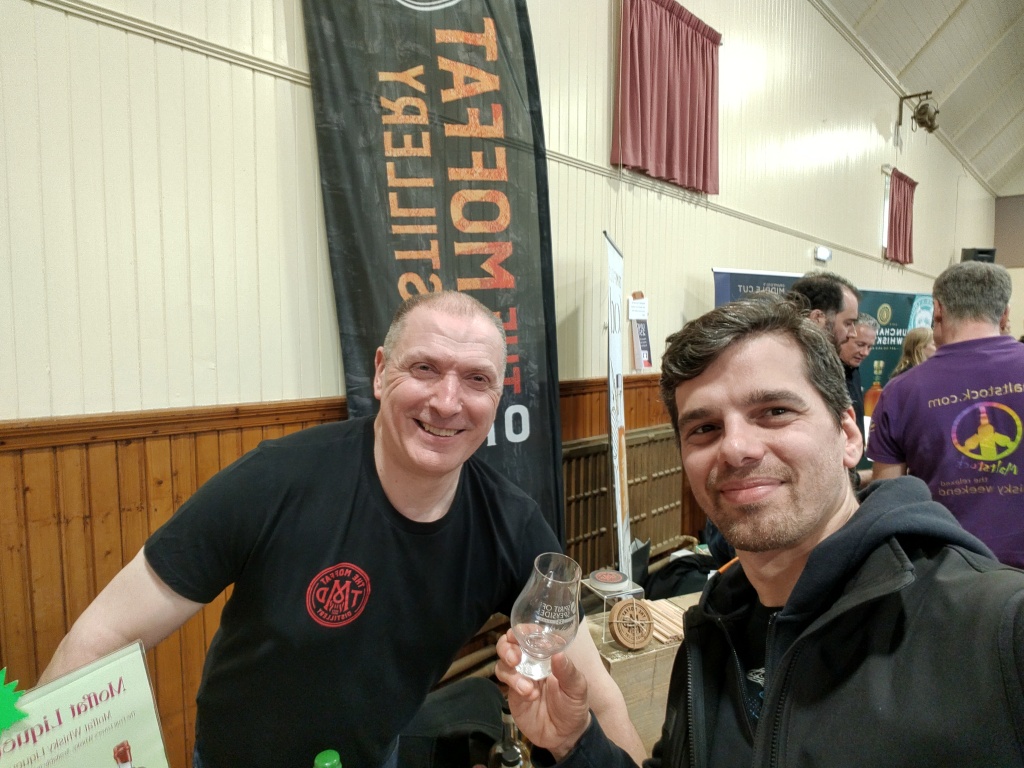
As usual, the festival started on the Friday evening with the opening dinner at Lindores Abbey distillery, over 70 people seated around a huge table in the cloister, after a welcome highball or dram (MCDXCIV single malt, 46%abv) at the distillery bar. The dinner was a 3-course meal paired with four drams. We started with a Lindores Abbey, a nice single cask expression, from a Ruby port seasoned cask, paired with melted camembert cheese. Afterwards, a Lochlea Our Barley (their core range expression, ok but a bit boring in our opinion) and a tasty beef main with roasted vegetables. This year, the guest speaker was Nicholas Morgan, who talked about his career and his connection with Fife (mostly due to working for Diageo at Cameronbridge distillery). Having read a couple of his books, it was quite interesting. The meal continued with a very good Spey single malt (probably our favourite of the dinner drams), a Spirit of Speyside bottling from 2022 and creme brulee. Finally, another Lindores, an interesting cask sample from a French wine cask that we couldnโ€™t quite understand (the room is big and, at that point, people were chatty). During the evening a couple of drams made their way to our glass, first the new Blended Malt by Woodrowโ€™s of Edinburgh, a small but great independent bottler based in Leith: a perfect session dram. The other one was a very yummy Clynelish Rare Malts from 1974, bottled at cask strength at 23 years of age: as these bottlings are disappearing, probably one of the few times weโ€™ll be able to try one. 

Random bottle passing by…wow.

Probably those drams were one or two too many, as the morning after we woke up with a slight headache. We quickly dressed up and headed towards the Cupar Tearoom, where we had a delicious breakfast, including a 3-pancake stack with bacon. That bacon-heavy breakfast was enough to made us feel better, so by the time we got to the Corn Exchange we were perfectly fine again and ready for the festival. As usual, we helped exhibitors unload their cars and vans, showing them where their stand would be, and performend various small tasks required before the festival started. We also met up with this year official photographer, Dougie from Dramface: check out his IG page – unlike ours, his whisky shots are great!

…for a day of hard work!

For both sessions, our main task was to check tickets and put wristbands on. When the first wave of people was in, we moved on to serve coffee and tea to the exhibitors, and helped them with anything else they needed (and also, enjoy a couple of drams). In the second session we were a bit more relaxed (and maybe slower because of the irresistible fudge donuts weโ€™d had in the break), and for about an hour we got lost in the โ€œBermuda triangleโ€ formed by Woodrowโ€™s, Fragrant Drops (another small but great Leith-based independent bottler) and Daftmill. Gianluigi even talked a bit with Francis Cuthbert, Daftmillโ€™s owner, about his cowsโ€ฆprofessional interests. As the second session ended, we helped tidy up the rooms. It was a long day, but it was a lot of fun too, in particular catching up with many people we hadnโ€™t seen in a while: people are what really makes whisky special. The day ended with a nice (and very abundant) meal with the other volunteers at the Greenhouse, kindly offered by Karen and Justine as a โ€œthank youโ€.

We woke up well rested on Sunday. After packing up the van, we got a coffee at Justineโ€™s B&B, before going back to the Corn Exchange to help set things up for the three masterclasses: Adelphi, Kingsbarn, and Woodrow. To our surprise, we and other volunteers were invited to join the first one, so nice of Karen and Justine! The presenter was Antonia Bruce from Adelphi/Ardnamurchan – a great tasting host who brought delicious drams. We started with the (now) classic Ardnamurchan AD (46.8%), and moved on to a single cask bottled for Lockett Bros wine shop in North Berwick (unpeated ex-Oloroso Spanish Oak hogshead, 58.6%). The following drams were from the Adelphi range, a 16y Breath of the Isles (โ€œundisclosedโ€ Orkney, vintage 2007, 57.4%), and two sherried drams, a 18y Bunnahabhain (58.2%) and a 12y Inchgower (57.4%). The tasting ended with an extra dram, a 40y Miltonduff (refill ex-bourbon hogshead, 50.4%) from their 30th anniversary celebratory collection: stunning. 

Because Teresa was driving right after the tasting, and Gianluigi later in the day, we couldnโ€™t drink (Gianluigi only sipped a couple of them), and for once we had run out of sample bottles (lesson learnt: sample bottles are never too many). Fortunately, our pal John came to the rescue and gave us some of his empties: thanks! We left soon after the tasting for a 30ish minute drive north-west to attend an event we were really looking forward to: the visit to Aberargie distillery!

Stay tuned to hear more about this, and until then, slainte!


Fife Whisky Festival

Link: https://www.fifewhiskyfestival.com/


#40 A last stop on the banks of river Ness

Uile Bheist


TL; DR: After a long whisky weekend in the Highlands, it was time to get home. However, on the Sunday afternoon, we had time for a last stop at Uile Bheist, in Inverness. Very interesting operation, as itโ€™s both a brewery and a distillery. Too early for the single malt, but we could still sip two of their ales.

Our Highlander trip was about to end: we left Clynelish distillery while our pals were still enjoying the drams provided. It was still a very nice and sunny day, and maybe because it was a Sunday afternoon in early November, the A9 towards Inverness was not very busy and the drive was quiet and relaxing. We were approaching Inverness quite early (and Teresa was recovering from her sickness), so we took a swift decision: make a last stop before getting home. Destination: Uile Bheist distillery, in Inverness, one of the newest kids on the block. 

A key feature is the artwork by the artist Ken Taylor (already famous for the many collaborations with rock bands), picturing creatures from old Scottish tales: we found them very well drawn and captivating. โ€œUilebheistโ€ itself means โ€œmonsterโ€ in Scottish Gaelic. 

The distillery is located on the banks of the river Ness (duh!), and the entrance is in the same building as a hotel called Glen Mhor (but nope, itโ€™s not the site of the former Glen Mohr distillery, actually at opposite site of the river). As a matter of fact, the founders of the distillery (Jon and Victoria Erasmus) opened their hotel in the mid 2000s first, and added a brewery in 2014. The distillery is the most recent part of their business, with the first newmake spirit distilled in April 2023. It is also the first distillery to open in Inverness in 130 years, and the first to produce whisky since Glen Albyn, Glen Mhor and Millburn closed in the mid-1980s. The beer garden is visible from the street, as well as the distillery building just behind, with the two stills making a triumphant appearance behind the glass windows. 

The place is quite dark but cosy, pub-style (a partial excuse for our terrible pictures too) and in line with the artwork. And in fact, because they are a brewery as well, their main room is organised exactly like a pub: a long bar, many malts behind the bartendersโ€™ back, and their beers on tap, named after the creatures: a lager (Uile Bheist), a stout (Dark Horse), a session ale (Highland Storm), an unfiltered (White Witch), and a pale ale (Forest Dweller). We would have never remembered the names, if it wasnโ€™t for the association with the different beer typesโ€ฆClever!

The tour guide for the day was Louis, on training because it was one of his first whisky tours, shadowed by Amy. We entered the production area from a door at the end of the bar, and we climbed the stairs right away. We were soon in the main production room, where all the machinery is: a very modern mill, the mashtun (1.5 tonnes, near the one used for brewing), the washbacks (4 stainless steel), the stills (1000-litre wash still and 500-litre spirit still). The space was completed by a small lounge for visitors. There, they showed us an intuitive schematic of the production plant, including a description of how they get energy –  solar panels and shallow water.

Like many new distilleries, sustainability was in their mind when the plant was designed. Fermentation lasts between 72 and 96 hours, and they take the spirit at around 70% (they didnโ€™t know the precise cuts). The newmake is then transported to their warehouses in Forres to be put into casks. 

Next, we moved to the lower level, mostly dedicated to beer production: 8 fermentation tanks, and the machine to carbonate with nitrogen and fill the kegs (plus a small bottling line). Back to the bar, it was time for a small tasting: their newmake spirit (which is available to buy in half-litre bottles) and a blended malt they produced (quite tasty!). Teresa also sipped half pint of their lager, as well as Gianluigiโ€™s half pint of pale ale. Very tasty. Unfortunately, at the moment they only sell kegs, so we couldnโ€™t buy any of the beers.

Teresa and the kegs.

We have to say, we really liked this operation, the first โ€œbrewstilleryโ€ (as Amy suggested during the tour) we visited. Because we donโ€™t know Inverness very well, we are planning a weekend there in the near future, and we will definitely go back to Uile Bheist to try more of their beers and enjoy the pubโ€™s cozy atmosphere. We are also very curious about their malt, since the newmake spirit was above average compared to others. For that, though, weโ€™ll have to wait a while. 

A surprisingly interesting blended malt.

This was the perfect epilogue for a very nice whisky weekend, although not the luckiest health-wise. For the records, as expected Gianluigi got the same bug as Teresa two days later, and for more than a couple of days he was KO. It wasnโ€™t Covid (got the month before), it probably wasnโ€™t fluโ€ฆA mystery. Unfortunately, this caused us to miss Roy Aqvavitae blind tasting in Glasgow the following weekend too. But thatโ€™s all gone now, while the memory of such a fun weekend with our pals will stay with us for a long time.

Until next time, slainte!


Uile Bheist Discovery Tour

Price: ยฃ35.00 pp (November 2023)

Duration: 1hr+

Tasting: 2 drams (newmake spirit and Colpach Blended Malt, 46%) and 1 half pint of beer

Distillery Exclusive: Colpach blended malt (ยฃ50)

Target: anyone who likes both whisky and beer (or one of the two)

Value for money: ok

Highlights: the location and the pub

Recommended: if you’re visiting Inverness, definitely!

Link: https://www.uilebheist.com/


#39.4 The Highlander Trip

A quiz, a tasting and a distillery visit


TL; DR: Saturday was a โ€œrestโ€ day, after three distillery visits (actually five in two days!). However, we still had some whisky activities scheduled: a whisky-themed quiz and a tasting at the Carnegie Whisky Cellars. It was a great day, and it was followed by a visit (re-visit for us) at Clynelish on the Sunday. 

(missed Part 3/Part 2/Part 1?)

On Saturday we woke up not that rested: Teresaโ€™s cough was getting worse, the humidity inside Mr. Vantastic not helping. Gianluigi wasnโ€™t at his 100% either, with a bit of hangover hanging there. In normal conditions we would have got a warm drink and a good breakfast right away, but unfortunately Dornoch is a bit of a ghost town before 9-10, so we couldnโ€™t find an open cafรจ nearby, nor open public restrooms. Eventually, the latter opened (thankfully). A few minutes later we met Justine, and took a walk to the beach with her.

It was a very sunny day, not that cold, and Gianluigi even dipped his feet in the North Sea waters. We walked back to the village, where we could take a quick shower at our friends AirBnB. As a โ€œthank youโ€ Gianluigi went to the Harry Gow Bakery and got yummy morning rolls for everyone! Teresa felt adventurous and tried the macaroni pie – better than expected, although not sure sheโ€™ll have it again.

There were no distillery visits scheduled for the day, it was like a rest day, but weโ€™d have had an early evening tasting at the Carnegie Whisky Cellars shop, and a very fun activity was waiting for us before then: a whisky quiz! It was our friend Charlie, a whisky enthusiast more seasoned than us, to organise it. As a location, we went to the Dornoch Castle Whisky bar. Space was a bit narrow, so we were all around the same long table and with little chance to mix: we ended up in the same team, the Home Office (because of our working from home patterns, but also as a political mockery). We had a lot of fun, but we didnโ€™t win: we tried to gamble our last round for a high reward, but we didnโ€™t make it to the top. Afterwards, we went to the Cocoa Mountain to get a warm (and yummy) chocolate. Unfortunately, Teresa kept getting worse, so we decided to get a hotel for the night instead of sleeping in the campervan. Because this was a last-minute decision, we had to scramble back, and we ended up being late for the tastingโ€ฆdโ€™oh! Fortunately, our pals were all very understanding.

The Carnegie Whisky Cellars is a shop on the main street in Dornoch, on the same block as the castle. It is run by Michael, the manager, who started there in 2016, and by his assistant David. Beside the shop, there is a very nice room with low ceiling (ehm, the cellar?), and a long table around which we had the tasting. It was a very good one, Michaelโ€™s knowledge was impressive, and the choice of drams hit the spot. The lineup started with an old Haig blend, followed by a delicious Thompson Brothers Teaninich (bottled for the shop), a single cask 21y Braveal, a cask strength Campbeltown blended malt Gauldrons (probably mostly Glen Scotia), and two cask samples, one from a local distillery (donโ€™t know if we can disclose it, but it wasnโ€™t Dornoch) and another one from a Campbeltown distillery. While Gianluigi enjoyed his drams, Teresa mostly saved them as she wasnโ€™t feeling well, so after the tasting she went back to the hotel to rest. She revisited the tasting recently, and she loved it as well! Gianluigi instead joined the others for a very nice dinner at Greens (just next to the shop), followed by drams at the Dornoch Castle Whisky bar, and a final pint at the Coach House, before joining Teresa back at the hotel. 

In the morning we were both feeling much better, and as soon as we could we had our breakfast (Scottish full, of course) at the hotel, where we said goodbye to our pals Fiona and Mike, who left soon after. We met with the rest of the gang in the main square, but we didnโ€™t join them on the minibus: we were both working the day after, so the plan was to drive back to Leith straight after the visit at Clynelish distillery

The joys of foldable chairs.

This was the second time there for us, with the first in May 2021 right after the lockdown. While we really like the whisky, the distillery visit was a bit of a bummer: too expensive and too focused on Johnnie Walker (you can read about it here). Fortunately, things changed since then, they have various experiences, and we chose the Production Tour and Premium Tasting, more suited to whisky enthusiasts (ยฃ30). The others are the Flavour Journey (sounds very Johnnie Walker-esque, ยฃ19), the Express Tasting (ยฃ15) and the Premium Tasting (ยฃ65).

The guide for the tour was Shirley, and she was way more knowledgeable than the guide we had in 2021 (to be fair, we are now more knowledgeable too). The tour scheme was the usual, although it was a lot richer in information. They get their malt from Glen Ord maltings, unless Talisker is in high demand, in which case they get it from Buckie. The mill (as usual, Porteus) is the only piece of equipment they didnโ€™t refurbish in 2016, and they set the usual 20/70/10 split in the grist (husk/grit/flour). With the mashing (common to many Diageo distillery, two waters: raising the first one from 62ยฐC to 84ยฐC) they aim for a very clear wort, which then undergoes about 80-85 hours of fermentation.

An empty mashtun.

They recently changed yeast strain, they now use Lalamond. They only do unpeated whisky, but for their neighbour distillery Brora, the peat comes from near Montrose. The stills are a copy of the original 1960s ones, replaced in 2016, and they are fired with steam produced with oil and gas. Similar to our previous tour, however, we couldnโ€™t visit the warehouse (itโ€™s in the Brora areaโ€ฆ). Anyway, most of the whisky is shipped away in tankers.

The tasting was supposed to be 3 drams, but because we were a big group, Justine managed to negotiate an extra one (yay!). We had the tasting in the bar upstairs, with a magnificent view down towards the sea. Today it was Teresaโ€™s time to enjoy her drams, Gianluigi behind the wheel. We started with the Clynelish 14y (the flagship!), followed by the Distillers Edition, finished in Oloroso Seco for 6 months (we had a bottle of this). It was followed by the Distillery Exclusive, a non-age statement, full ex-bourbon matured whisky bottled at 48% – no mention or colouring or chill-filtering, but given the colour, we think it is unlikely they used caramel colourant. It was good, but not ยฃ105 good (this was batch 2, batch 1 in 2021 was ***only*** ยฃ90). Finally, we tried the Four Corners of Scotland, a bottling they made to celebrate four iconic distilleries (together with Caol Ila, Cardhu and Glenkinchie) for making Johnnie Walker. Again, quite good but at over ยฃ200, insanely priced. A shame these prices, but hey ho, life goes on. 

Anyway, we were happy with this distillery visit, much happier than after the first time. Nonetheless, excluding Fridayโ€™s tour de force, the real highlights of the couple of days were the whisky quiz (thanks Charlie) and the tasting at the Carnegie Whisky Cellars. Some very good memories to bring home, which is where we headed afterwards, not before a stop in Inverness.

Stay tuned, and until next time, Slainte!


Clynelish Production Tour and Premium Tasting

Price: ยฃ30.00 pp (November 2023)

Duration: 1hr 30min

Tasting: 3 (+1) drams, Clynelish 14y (46%), Distillers Edition (vintage 2006, bottled 2021, 46%, Oloroso finish), Distillery Exclusive (NAS, 48%), Four Corners of Scotland 16y (49.3%)

Distillery exclusive: NAS (48%), mostly ex-bourbon cask

Target: everyone

Value for money: good, definitely better value than the flavour journey we did in 2021

Highlights: the bar/tasting room and the view from it

Recommended: yes

Link: https://www.malts.com/en-gb/distilleries/clynelish


#39.3 The Highlander Trip

Down the neck of the giraffe


TL; DR: Third and final distillery of the day (not of the trip), Glenmorangie. The behemoth of the north, producing one of the best-selling malts, a visit weโ€™d postponed for some time. A visit weโ€™ll remember as one of the funniest we had in a while.

(missed Part 2/Part 1?)

The tour and tasting at Balblair ended under a heavy rain. We were quick in jumping back on the bus, which drove us to the next distillery: Glenmorangie! The distillery is located next to the A9 just passed Tain (you canโ€™t see it from the highway), a mere 10 minutes away from Balblair. Weโ€™d never had the chance to visit it before, despite driving past it more than a few times. 

Despite its popularity, we havenโ€™t tried many Glenmorangie expressions. Probably one of the reasons is that it doesnโ€™t appear often at independent bottlers, and when it does it usually carries a high price premium (unless itโ€™s marked as โ€œsecret Highlandsโ€, of course). Other than the omnipresent 10y โ€œthe Originalโ€, we tried the 12y Lasanta (sherry cask finished) and 14y Quinta Ruban (Port cask finished) in a tasting back in 2020, both solid. About other popular expressions, we recently tried the 18y – delicious and very drinkable (the 43% ABV helped), while because of our lack of enthusiasm for Sauternes finishes in general, we never gave a chance to โ€œthe Nectarโ€, the expression formerly known as Nectar Dโ€™Or. We also tasted the โ€œA Tale of Cakeโ€ (Tokaj wine finish) in a tasting, sweet but truly delicious, but until our distillery visit that was the only one in the โ€œA Tale ofโ€ฆโ€ range weโ€™d tried. To note, not long ago, Glenmorangie have also brought up a โ€œBarrel Selectโ€ range, including expressions finished in Malaga, Cognac, Palo Cortado, Amontillado, and more recently Calvados (and similar to the โ€œA Tale ofโ€ฆโ€ range, originally priced around ยฃ75-80).

Anyway, back to the trip! The driver left us in the parking lot, from which the 7-mlpa size of the distillery can be fully appreciated. We took a few pics, and then we started walking down a short path to the visitor centre, which is in front of the main distillery building, on the other side of a small lane. There is also an orange giraffe statue on the path: it is associated to the brand because of the height of Glenmorangie pot stills, the tallest in Scotland. These are considered to contribute to the lightness of this spirit by allowing only light molecules to climb up the tall stillsโ€™ necks and leap over to the lyne arms and the condensers. 

Contrary to Balblair, the visitor centre is very brightly lighted, almost like an airport duty free and, in general, it felt very โ€œcorporateโ€. On display, other than the usual merchandise, there were most of their recent bottlings, but also some older expressions: we spotted some bottles of the โ€œA Tales of Cakeโ€, priced at ยฃ350 (the RRP in 2020 was ยฃ75!). Needless to say, they stayed on the shelf. 

The charm of old buildings.

We were given a few minutes to check the shop and for a neep in the loo, after which our guide Lewis walked us outside the visitor centre and into the distillery building to start the tour. We gathered in a small room (which we filled quite quickly), where a very expensive Renovo bike made with some leftover wood from old casks was displayed, for a short introduction. We immediately realised Lewis was a great character, definitely one of the most entertaining guides we had in recent years. He quickly picked up that we were whisky nerds, so instead of describing all the phases of production (which all of us knewโ€ฆprobably too well) he sat back and replied to all our gazillion questions with a very dry humour. When he was asked โ€œwhat about the 12 men of Tain?โ€ (in front of a picture of them on the wall) he answered โ€œwell, they were 12โ€ฆand they came from Tainโ€. 

Because of this, and because pictures were not allowed inside the distillery, we donโ€™t have many notes about Glenmorangie. The tour inside was quite standard – milling, mashing, and fermenting – but we could try the wort, a nice touch. The still room is really huge, almost looking like a cathedral. After that, we went back to the courtyard, where we could look at (but unfortunately not go inside) the Lighthouse: a new small fully equipped distillery next to the old one, where Dr Bill Lumsden, the Head of Distillation for both Glenmorangie and Ardbeg (one of the great innovators in current times) can run small batches and experiments. The building in itself is very beautiful, and somehow fits nicely next to the old buildings. 

We can see why they called it the Lighthouse.

After wee look at a warehouse, it was finally time for the tasting, prepared in a room just behind the visitor centre. It was a bespoke tasting, so to minimise the chances that someone already had some of the drams, our friend Justine (who organised the trip) chose one recent expression and 3 distillery exclusives. We started with the last of the โ€œA Tale ofโ€ releases, โ€œA Tale of Tokyoโ€ (46%), finished in Mizunara oak. It was good but not memorable: all the whiskies finished in Mizunara oak that we tried (3 or 4) were interesting but thatโ€™s it, not something weโ€™d go for. The other three drams were sublime: two single casks, one matured in a custom oak barrel and one in red wine, and the last a vatting of two ex-Pedro Ximenex sherry casks. Really great drams, just a shame that the price tag was a bit too high for us. 

Lewis humour (well, and these last three whiskies) made our tour at Glenmorangie quite unique, and it didnโ€™t feel corporate at all (which some of us were worried about). Experiences like this are the ones that really stay in our memory, and we are so grateful for.  

We left the distillery empty-handed, but very happy nonetheless, and after a brief bus drive to Dornoch, it was time for dinner, after which we went back to the van for a good sleep (spoiler: it was not!).

Stay tuned to hear about it, and until next week, Slainte!


Glenmorangie Tour & Bespoke Tasting

Price: ยฃ65.00 pp (November 2023)

Duration: 1hr 30min

Tasting: 4 drams, Tales of Tokyo (46%, NAS), Distillery Managerโ€™s Selection (2nd fill custom cask, 56.1%), Distillery Exclusive Release Cask 12835 (12y, vintage 2006, bottled 2019, ex-red wine cask, 55.1%), Distillery Exclusive Release Cask 1784 (16y, vintage 2003, bottled 2019, PX sherry, 55%)

Distillery Exclusives: see above

Target: everyone

Value for money: pricey, but at least we tried something new

Highlights: Lewis really made this tour memorable

Recommended: yes

Link: https://www.glenmorangie.com/