#56.5 Dramming Down Under

A hidden gem in Southern Australia: Fleurieu


TL; DR: The drive on the Great Ocean Road was really great, plenty of beautiful landscapes and some nice wildlife. Before getting to Adelaide though, we did one last stop in Goolwa, to visit Fleurieu distillery. Another craft family business, we learned how they went from brewing to distilling, and had a taste of their amazing malts.ย 

(missed Part 4/Part 3/Part 2/Part 1?)

This post starts with us on the road again, specifically on the Great Ocean Road, which stretches from Melbourne to Warrnambool. We did a few stops along the way: Lorne, for breakfast at a nice cafรฉ and art gallery called QDOS, the Kennett River Koala Walk (where, despite the name, we almost didnโ€™t see a koala on a tree), the stunning Cape Otway lighthouse, the famous 12 Apostoles, and past Port Campbell, for a quick swim in the Southern Ocean before stopping in Portland for the night.
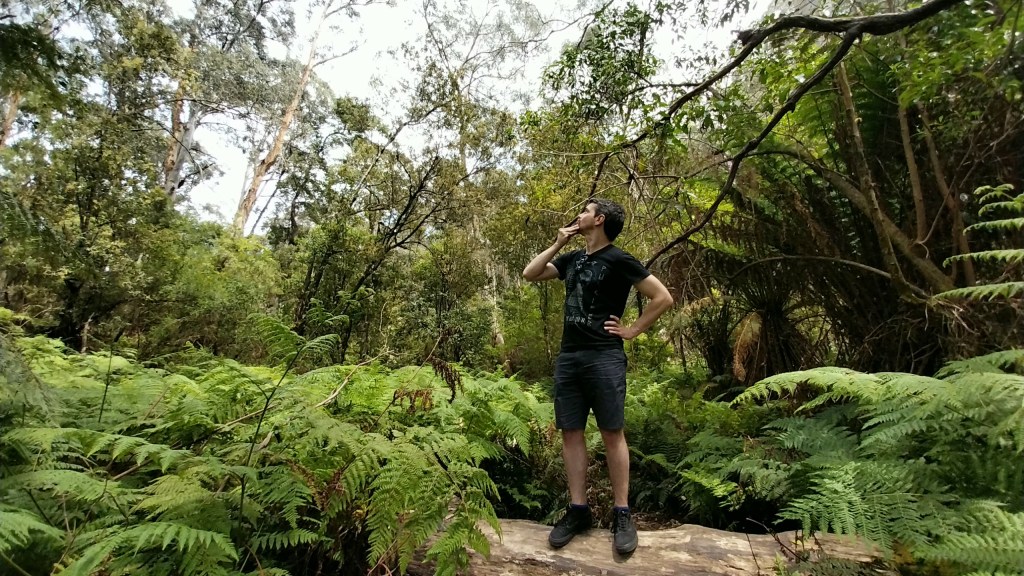
The next day the weather was not great, so we kept driving along the coast and visited a few other villages (Beachport, Robe, Meningie) before crossing the river Murray at Wellington, with the small boat watched by a flock of resting pelicans. Pelicans were not the first encounter of the day, as during the drive an emu and a kangaroo crossed the road! After the very short crossing, we drove through Langhorne Creek and Currency Creek wine regions (not stopping this time), straight to Goolwa, just about one hour away from Adelaide, on the Fleurieu Peninsula. This is a nice wee town, next to the estuary of the Murray river.
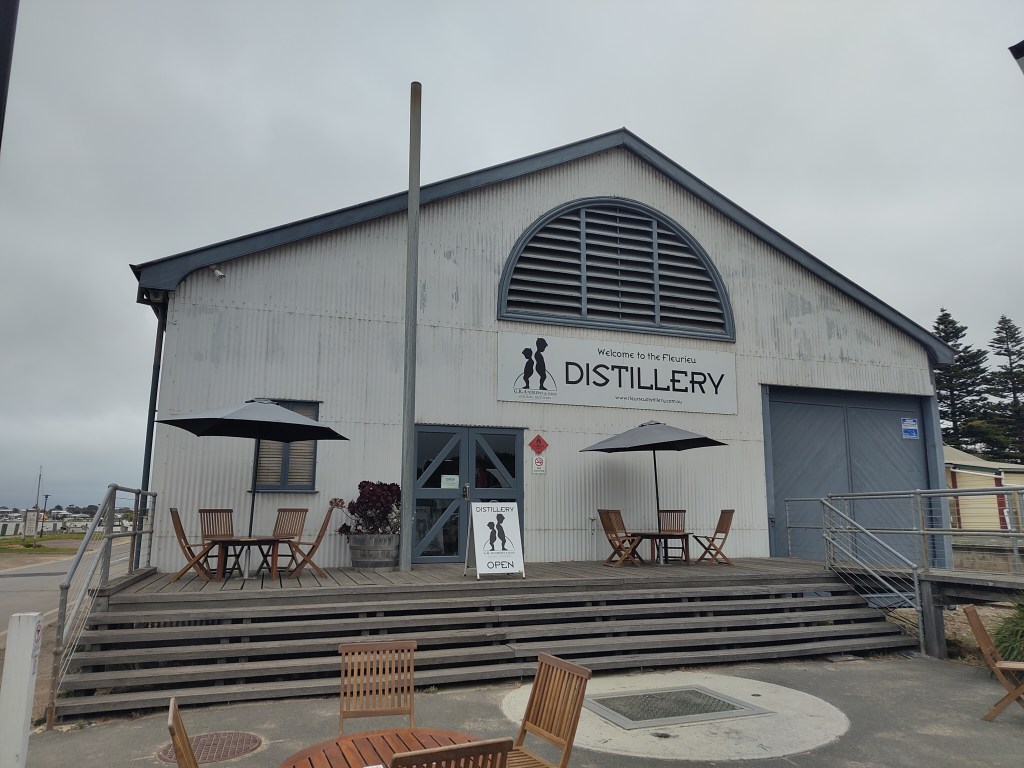
The next morning we went for a run (the only one we did together in Australia), first along the river and then to the beach, and back to the motel. We were excited, because we had an appointment at a distillery, the last one of our holiday: Fleurieu. The distillery is on the riverside, in a listed building next to the train tracks (reasons why they cannot expand). We learned about them while visiting Melbourneโ€™s whisky bars, and when we realised that they were almost on our itinerary, we contacted them and asked if we could visit. Gareth, one of the founders and head distiller, very kindly agreed and gave us an appointment for half hour before the bar would open to the public โ€“ nice gesture! Before the distillery, Gareth and his wife Angela were running the Steam Exchange brewery, founded in 2004, and located in the same building they are still using. However, after the boom of craft brewing, they decided to move to whisky, to differentiate themselves from the crowd. They started planning this change back in 2013, and for a while they produced both whisky and beer. They later phased out beer, which is now produced by another company on commission, using their recipes.

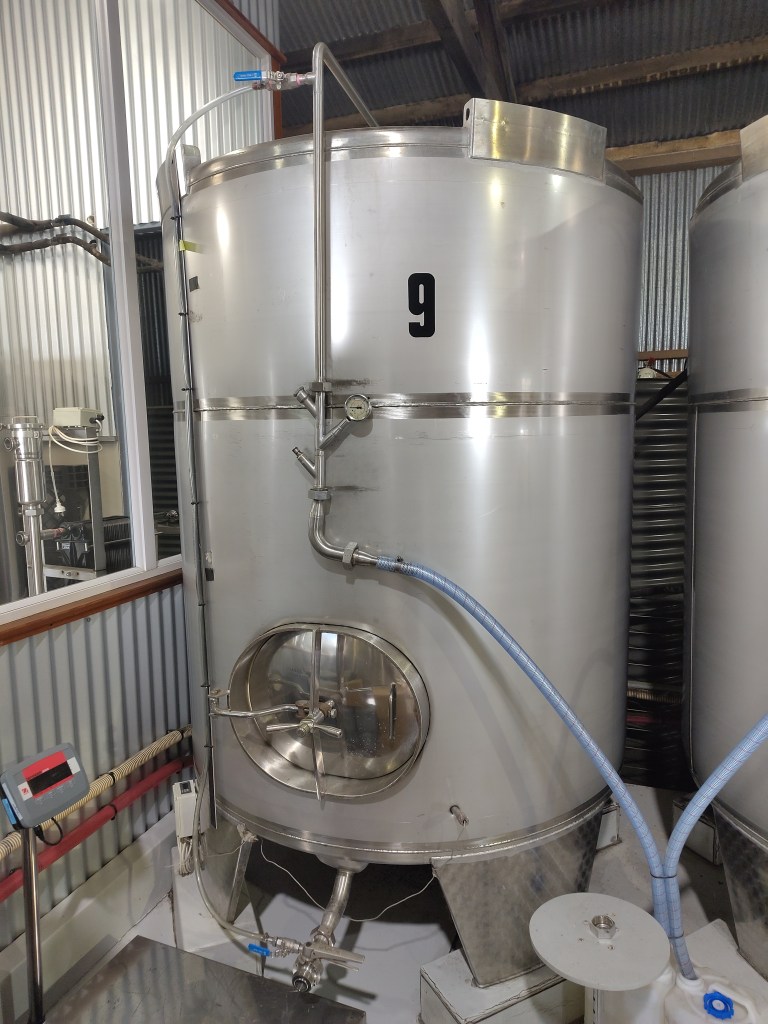
As Gareth welcomed us, he delved into the features of their whisky production. They start from local aqueduct water, which goes through a 10,000 carbon filter to clean it before mashing. The mashtuns used to be manual (they have two small ones), but then they added a mechanic stirring system. They aim for a clear wort, which is then passed down to one of the shallow fermenters, together with brewerโ€™s yeast (some of their brewersโ€™ heritage remains). In between these stages, they use a portable heat exchanger, to recover the heat lost from taking down the wash temperature to allow yeast to do its job under the best conditions. Fermentation lasts at least 8 days, once again a very long one! They use the โ€œdouble dropโ€ fermentation technique, which allows for a second fermentation – this is a brewing technique we are not too familiar with, definitely first time we heard about it in a distilling context.
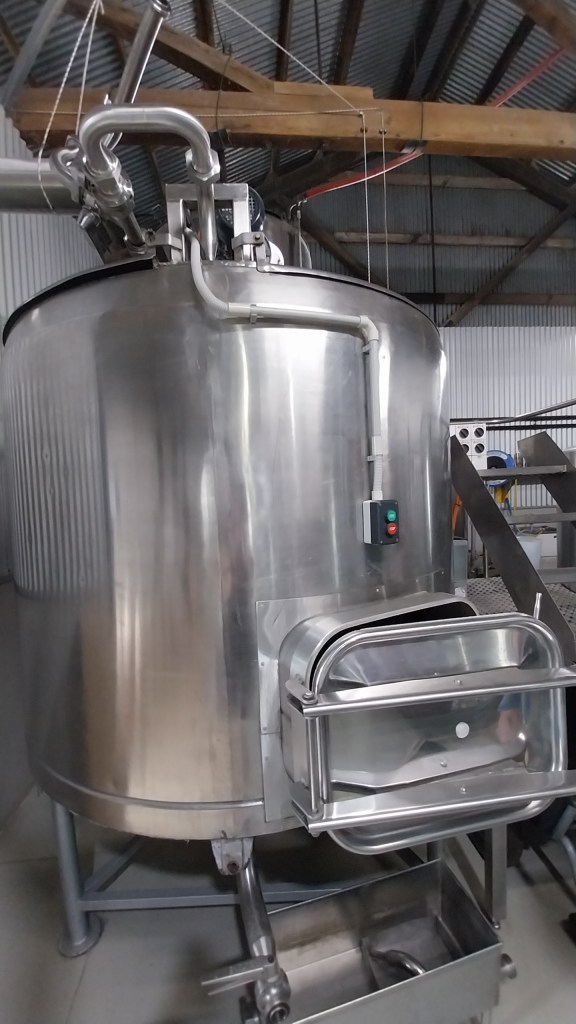
The fermented wash is then transferred into the 3,600-litre wash still, and then to the 1,200-litre spirit still, both coming from Tasmania. To charge the spirit still, they use 600 litres of low wines from the previous wash still run, 300 litres of tails from the previous distillation and 300 litres of water. The first distillation is mostly run at night, to save energy; similarly, the second usually starts around 5am, and by 8am they are ready to take the cuts, done according to taste. Just before their silent season (December to January, when the weather is too hot), they produce some peated spirit, while they make unpeated spirit during the rest of the year.
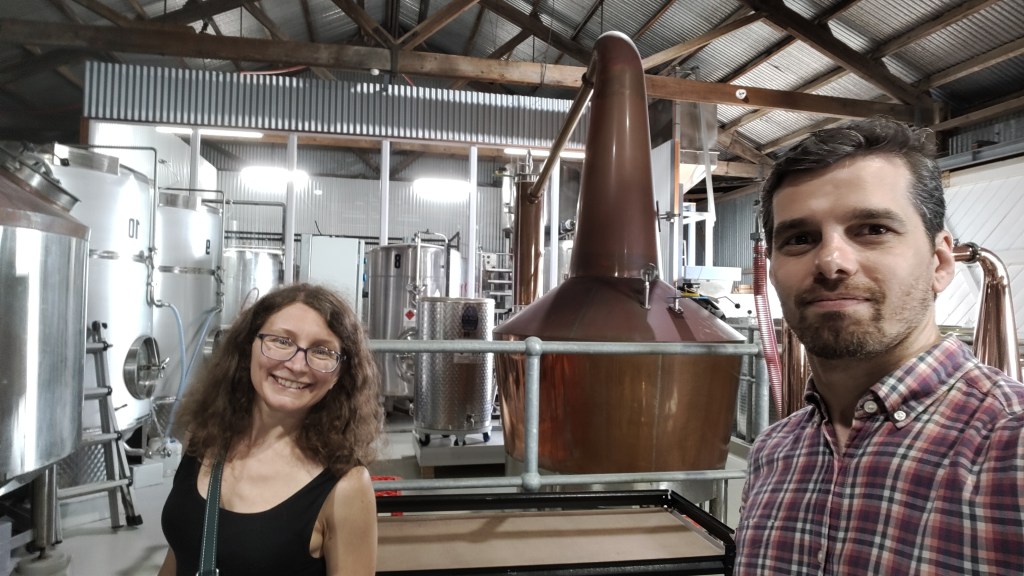
The cask filling strength is very similar to most Scottish distilleries, 63.4%abv, and in contrast to most of the other Australian distilleries but, again, similarly to Scotland, the abv goes down in this corner of the world. Thatโ€™s because of the humid climate, influenced by the Southern Ocean. They fill many types of casks: ex-bourbon, Apera, Australian tawny, and of various sizes (we noticed a number of smaller size casks around). One practice that showed us their care for details: if they see that a cask is too active, they rerack the spirit (or whisky) into a less active cask, to slow the maturation process and allow a mellower maturation. This is because climate is still hotter than places like Scotland or Ireland, thus some casks might give too much too quickly.
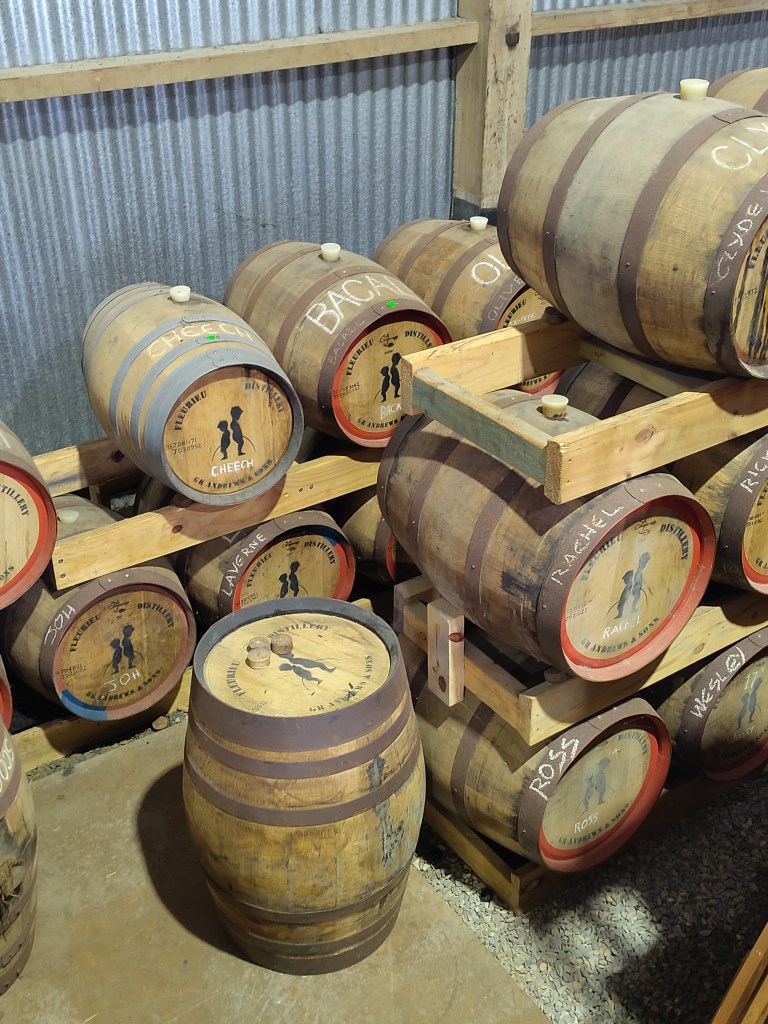
Finally, it was time to try some drams. We started with โ€œNever a dull momentโ€: this is a vatting of Apera casks named after women in their families. Yes, every cask has a name, including some American oak casks named after United States presidents (until the 60s, then it became too controversial). This expression is a small batch (1,320 bottles, bottled at 47.6%abv). Small batches is what they mostly do, sometimes taking only part of certain casks. Another thing denoting their attention to detail, if you ask us. Moreover, despite some lower abvs, none of their whiskies are chill filtered or artificially coloured.

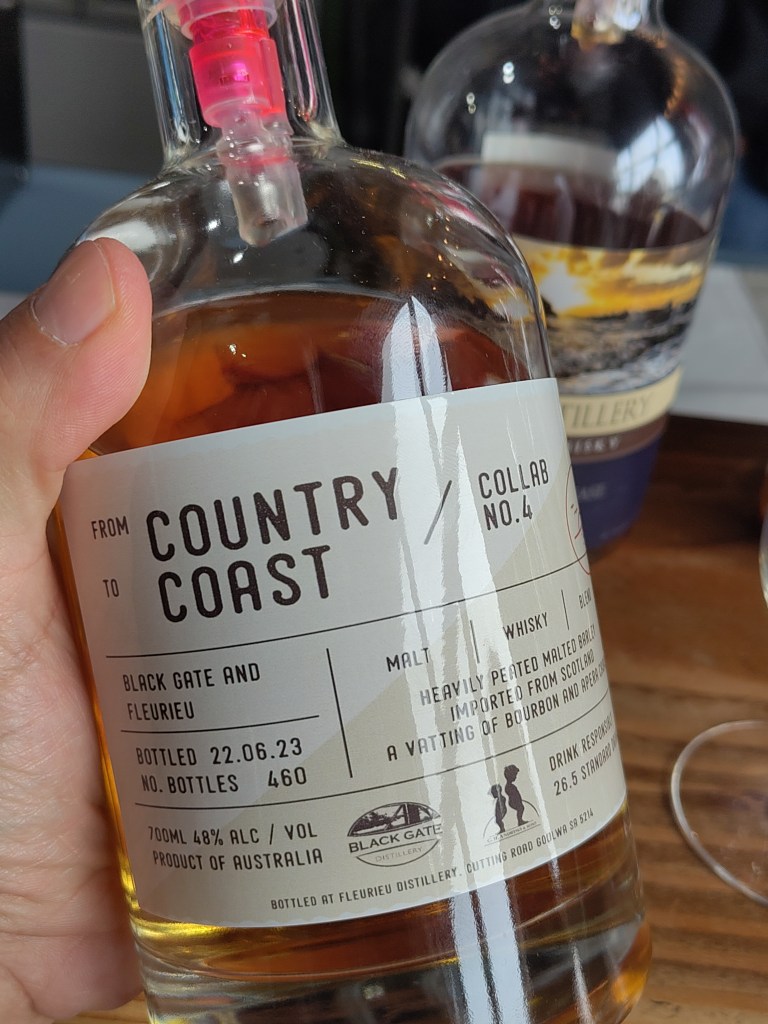
Anyway, moving on, the second dram was โ€œTapestryโ€ (850 bottles at 45.2%), a mix of ex-bourbon and Apera casks. We then tried their first release, dating a few years back, in 2017: a Port cask whisky matured (600 bottles, 52%). Finally, we tried two editions of their blended malt collaboration with another craft distillery, Black Gate, from New South Wales. The bottling is called From Country to Coast, we tried Edition 4 (460 bottles, 48%, already tried back in Melbourne) and Edition 5 (240 bottles, 46%). We liked Edition 4 the most, but unfortunately it was not available to buy (which probably saved us a second bottle purchase, after Tapestry).
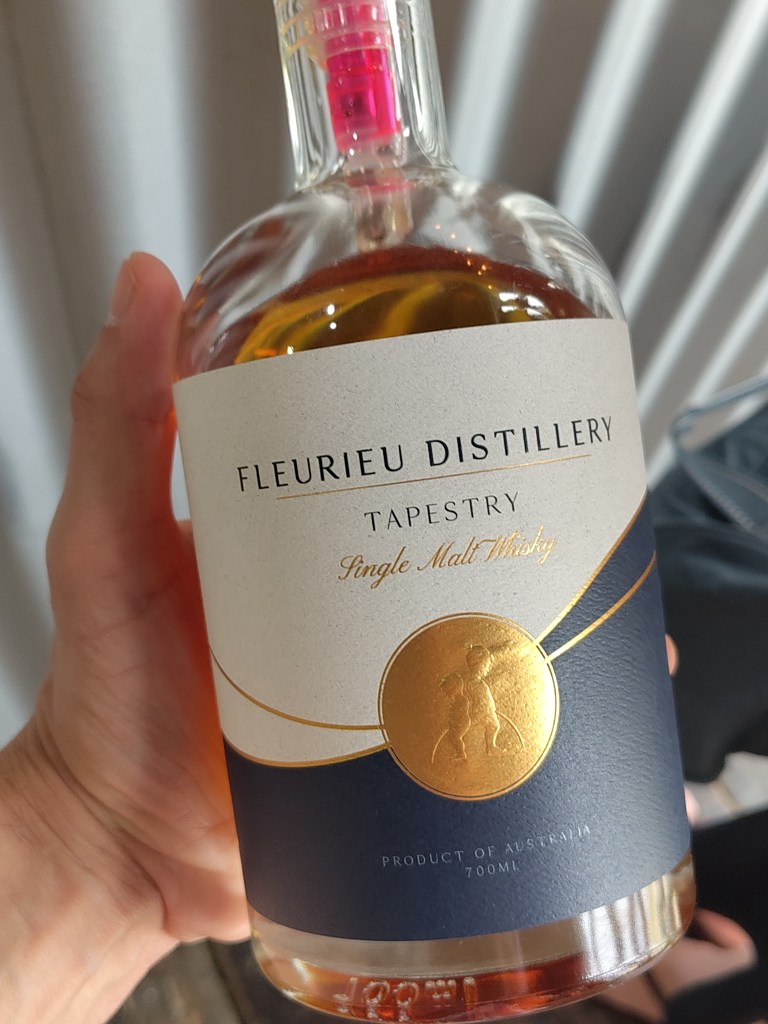
We loved the whisky we tried at Fleurieu, definitely among the best of the holiday, and Gareth’s friendliness wa the cherry on the top. We also loved the attention to detail they put in everything they do, just a shame finding their whisky here in Scotland is so hard (the only bottling we found is this one, hefty!).

After leaving the distillery, we had some food and drove to Adelaide. We stopped briefly to say hi to a fellow barfly who was on shift in a liquor store that day. Itโ€™s always great to chat to whisky nerds during our trips!

Adelaide is a lovely city, a shame we stayed for only a day and a half. After that, we visited the Barossa and Eden Valleys (while we were thereโ€ฆamazing wines!), before the long drive back to Melbourne through the stunning Grampians National Park. There, we got a flight to Uluru, where we spent a few days before heading back home: definitely one of the highlights of our holiday (despite no whiskies thereโ€ฆwe wonโ€™t put too many pictures here).

In general, the whisky scene in mainland Australia (we left Tasmania for another time) really surprised us, we had some amazing drams down under! But what we loved the most is the ethos and how people really care about what theyโ€™re doing there.

Stay tuned for some festival action, this time in Scotland, coming in a couple of weeks! Until next time, slainte!


Fleurieu Distillery Tour

Price: free (November 2024)

Duration: 1hr 30min

Tasting: Never a Dull Moment (vat of Apera casks, 47.6%), Tapestry (ex-bourbon and Apera casks, 45.2%), First release 3yr Port Cask (52%), From Country to Coast Edition 4 and 5 (blended malt, 48% and 46%)

Target: everyone, but whisky geeks especially

Value for money: NA

Highlights: the drams were really good

Recommended: a must visit if you are in the area!

Link: https://fleurieudistillery.com.au
#27.4 Speycation

Out of Speyside and back:
Elgin-Huntly-Keith


TL;DR: Sunday was a busy day: we started off with a trip to Huntly, to check out Glendronach distillery. After the tour and a very nice (but stingy) tasting, we jumped on the bus again to go to Strathisla, a beautiful distillery where we tried some cask strength Chivas Regal. 

(missed Part 3/Part 2/Part 1?)

Sunday was a big day: not one, not two, but three distilleries! Not all of them were in Speyside though. Because of the planning issues we wrote about last week, we had to go outside, but just: Glendronach, in Huntly. This distillery is very popular although some of the recent choices they made, plus a price increase in the releases, are making them being less on geeksโ€™ radars (at least the ones we follow). Nevertheless, their stuff can be really superb โ€“ for example, when we visited the distillery in 2021, we tried some great expressions. Similar to Glenallachie, at the time it wasnโ€™t possible to do a tour of the production because of Covid, so the possibility to visit their production this time was definitely a bonus for us. 

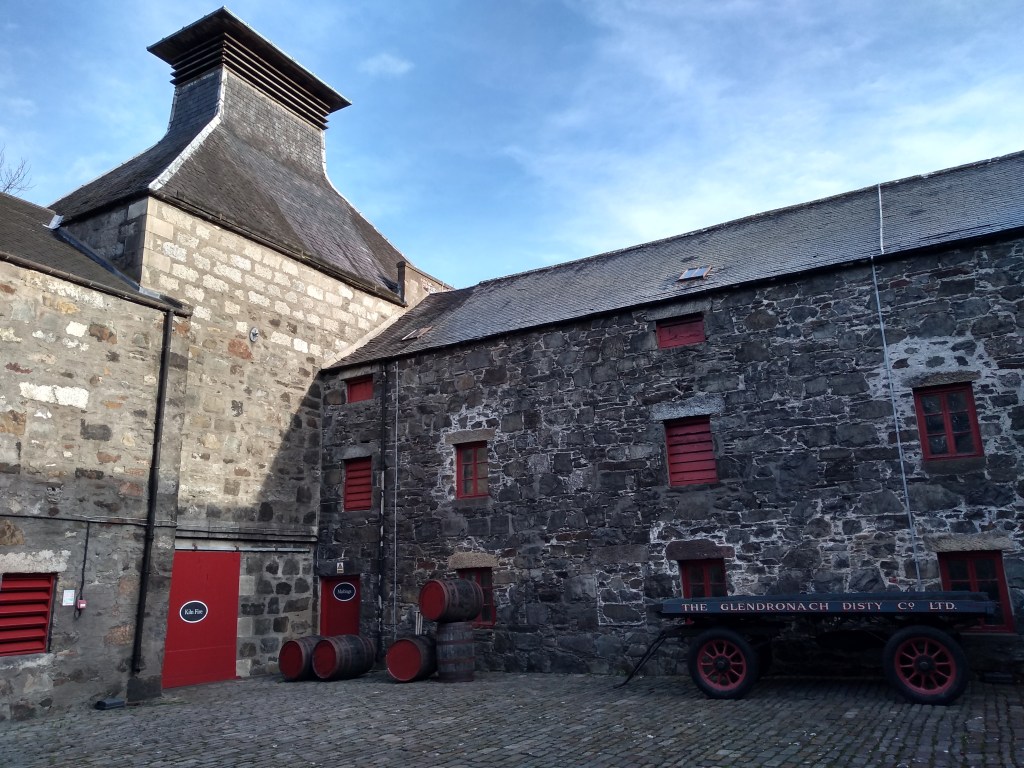
The picturesque courtyard.

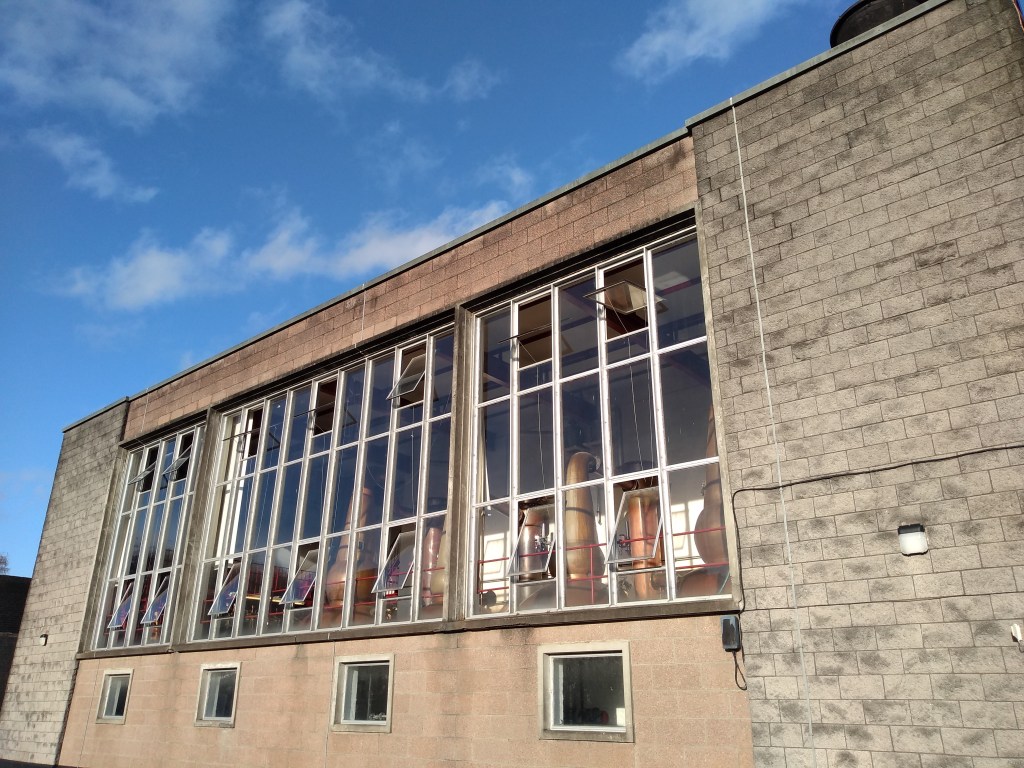
When we arrived, the weather was still very nice and sunny. They split us up in two groups, one starting off with the tasting, the other with the tour: we were in the latter. Our guide was Vicky, a very funny and knowledgeable lady who had also hosted the sherry masterclass tasting we did in August 2021. The tour started in front of a very old building in the corner on the right with respect to the road coming in. In our understanding, it is one of the first buildings on the site, with a very nice internal courtyard. There, we took a quick look at the milling room with its old malt mill. We moved to the rest of production, which is mostly located in the big windowed building right in front of the parking lot, characterised by a more modern (and not particularly nice) architecture, with the bonus that the stills can be seen from the outside. At the moment they have six stills, with the last four installed in the 60s. However, there are currently plans to have more to increase the production capacity. They have six warehouses on site – we visited one of the three dunnage, just next to the visitor centre.

The still room, from outside the room.

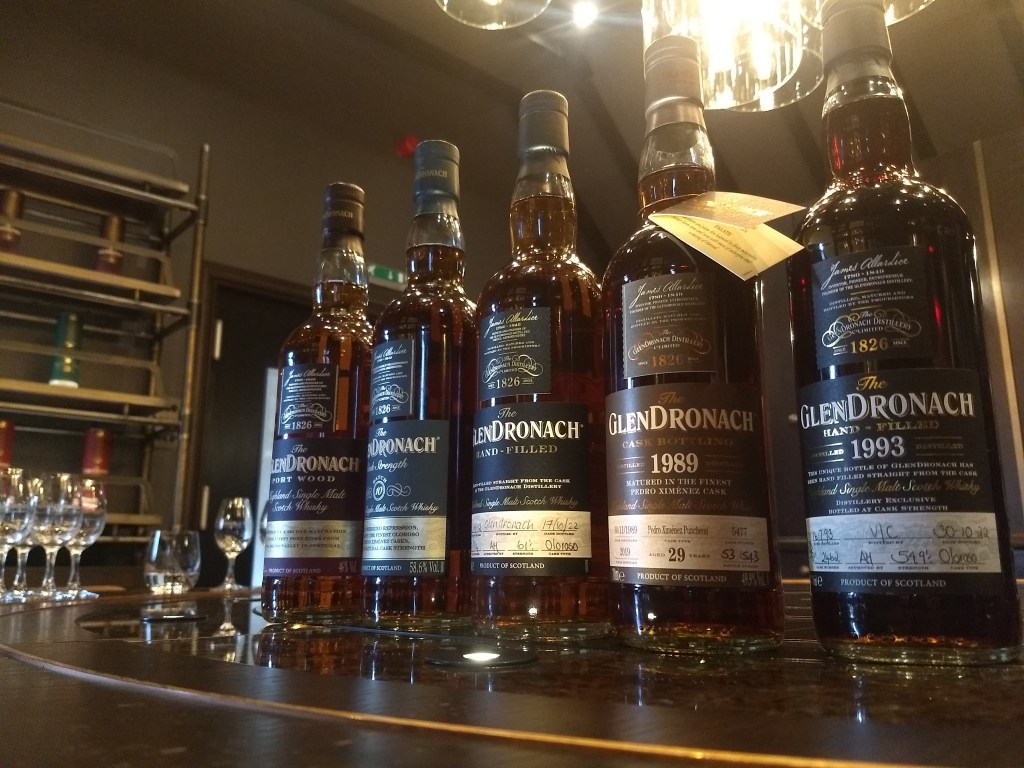
After the tour, the tasting was waiting for us: five drams, at Justineโ€™s request without any of their regular core range (so NOT the 12, 15, 18 and 21). We started with the Portwood (46%) and the cask strength batch 10 (58.6%). Moving on, we tried one of the distillery bottlings (or fill your own) at the time: a vintage 2012, 10y, matured in an ex-oloroso puncheon (61%, ยฃ105). The fourth dram was a 1989 vintage (29y, bottled in 2019), from an ex-PX puncheon (49.9%), while the final was the second distillery bottling: a 1993 vintage (again 29y) from an ex-oloroso puncheon (54.9%, costing an eyewatering ยฃ550). The drams were all delicious, however while decanting an extra set that was poured by mistake (to gift the bus driver) we realised that they were only 10ml measuresโ€ฆa bit stingy for the ยฃ50 we had paid. At the bar, most of us took another dram: we got one finished in virgin oak (definitely one of the strangest drams we had) and a 12y (vintage 2007) matured in ex-PX cask which was delicious.

A special tasting!

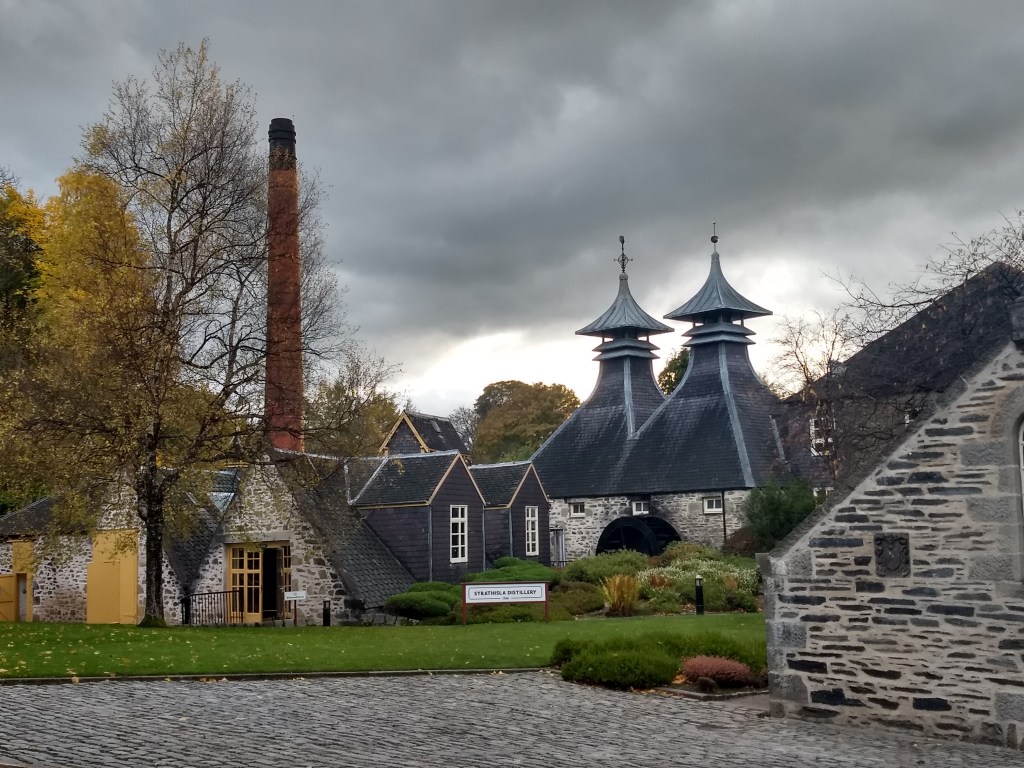
Back on the bus, we only had time to grab a meal deal at a big Tesco on the way to our next destination, Strathisla! As we arrived, we remembered how beautiful it was, one of the prettiest distilleries in our opinion. This time we didnโ€™t do a tour (which we had already done it in 2019, together with a blending experience), but a tasting of Chivas Regal, in the warehouse number 3.

Cute, sooo cute.

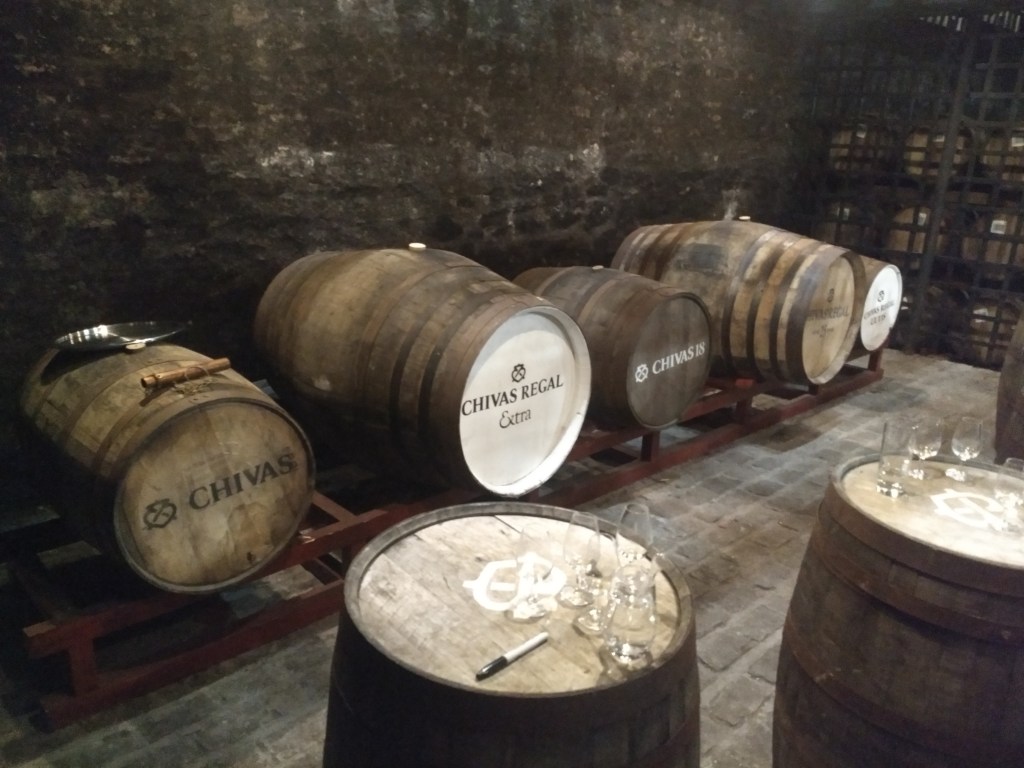
The guide gave us a brief introduction about the distillery and its role in being at the core of this very popular blended whisky. Chivas 12 is very popular indeed, in Italy is omnipresent at grannies/aunties houses, and it was during our trips back home that we realised that, compared to its peers (ie โ€value blended whiskiesโ€), it is actually not a bad offering. After the introduction, we moved to a caged part of the warehouse, where 5 casks were laid out. We knew these already: as part of our tour in 2019, we could choose two of them to try. These were cask strength expressions of the main Chivas Regal bottlings: the 12y, the Extra (13y), the 18y, the 25y, and the Ultis, which is a blended malt (so without a grain component). However, because of the pandemic, these casks lasted much longer, so weโ€™ve been told by the guide that we needed to add 5 years to each of them…quite a great deal!

A wee treasure in the warehouse.

The drams were all very good, the 18y (actually a 23y) very chocolatey, reminding us how blended whisky can be great. Unfortunately, none of these were on saleโ€ฆat the shop the offering was a bit pricey (as in most Pernod Ricard owned distilleries), and because we couldnโ€™t try any, we just gave it a pass. We were surprised that some bottles of 12y single grain from Strathclyde we bought after our visit in 2019 were still there: a sign of how grain whisky is underrated sometimes.

You wouldnโ€™t say we just had 5 cask-strength whiskiesโ€ฆ

Back to the bus, we finally headed to the last working distillery visit of the holiday. More about this in our next post, just a tiny clue: the distillery is in Grantown on Spey. Until next week, slainte!


Glendronach Distillery*: https://www.glendronachdistillery.com/
Strathisla Distillery โ€“ Home of Chivas*: https://www.maltwhiskydistilleries.com/strathisla/

* No summaries because there experiences were bespoke


#25.1 Highlands trip bonanza!

From Edinburgh to the West Highlands, via Dalwhinnie and Ben Nevis


TL;DR: During our first big whisky road trip on the Highlands in mid-July 2019, we bagged seven distilleries in four days. First off, Dalwhinnie (OK, albeit a bit touristy) and Ben Nevis (if only we knewโ€ฆ). And amazing Scottish landscapes, of course. 

For this story, we go back to 2019, early Summer. We were fresh members of the SMWS, and definitely eager to learn more about whisky, in particular eager to visit more distilleries. The perfect occasion was a mid-July weekend, when Teresa could enjoy a Glasgow bank holiday. Prompted by all the people telling us how beautiful Mull is (true story), we aimed towards that direction, central and west Highlands. From this, we started defining our route while poking distilleries.

A thing to note, it is unbelievable how in only three and a half years the whisky tourism landscape has changed. Many of the distilleries didnโ€™t have an online booking system at the time, so we had to contact them via email or phone. That made us (well, Gianluigi mostly) a bit uneasy: will everything go as scheduled or will our bookings be lost in translation? Weโ€™ll see how mostly everything worked out fine, in the end, except for one.

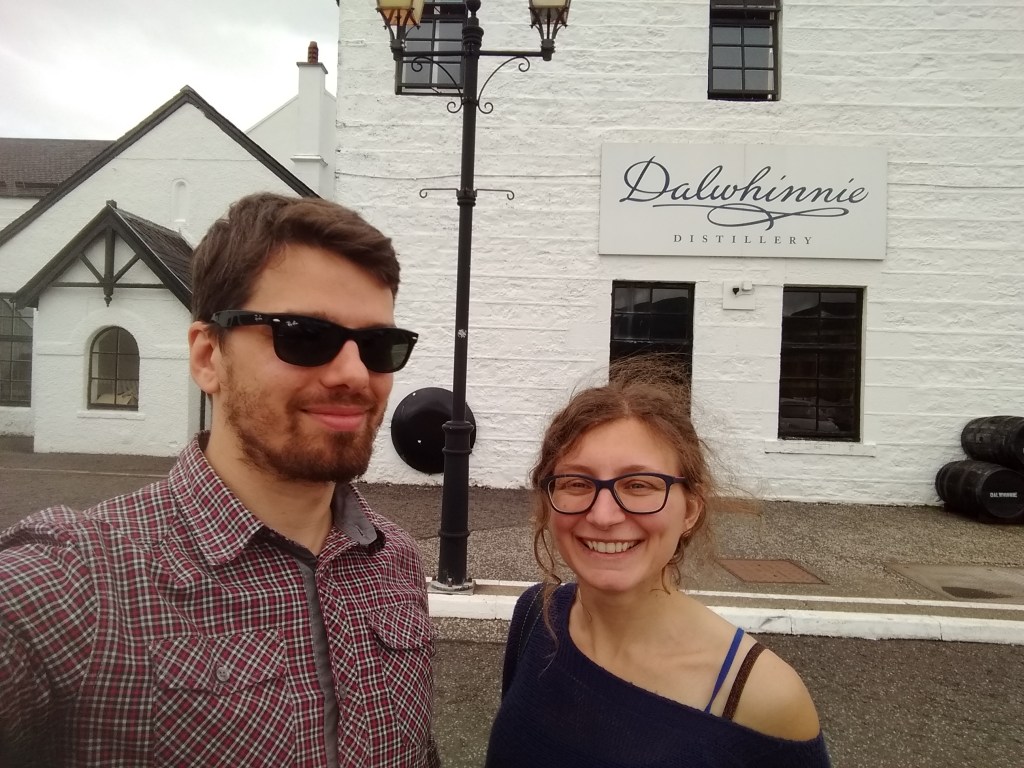
This is the only picture we took at the distillery.

On Friday morning, we drove up north from Edinburgh, as the first visit was at Dalwhinnie. Built in 1825, the distillery is actually visible from the A9, the main highway from Edinburgh to Inverness, past Pitlochry but before Aviemore. The village giving the name to the distillery is one of the coldest in Scotland, as it is very far away from the sea and one of the highest as well. As a matter of fact, the distillery is often referred to as the highest in Scotland, although the highest is actually Braeval (by 2m, Wikipedia says). The buildings are very beautiful and somehow symmetric, including two pagoda roofs above the former malting floor. Being very close to the river Spey, it falls within the area where distilleries can pick their region between Highlands or Speyside, albeit Dalwhinnie usually goes for the former. It is owned by Diageo, and its two main expressions (Dalwhinnie 15y and Winterโ€™s Gold) are very prevalent. The whisky is considered to be light and floral, and it is very hard to find expressions released by independent bottlers.

We checked in quickly for one of the standard tours, with a very nice lady who, however, was keen to clarify that she didnโ€™t like whisky (which sounded a bit weird). Honestly speaking, we donโ€™t remember it as a memorable tour, although we do remember the relaxed atmosphere created by the very friendly staff. It looked like a nice work environment. Probably, being in a such visible spot, the distillery suffers from being excessively geared towards mass tourism. The drams (the aforementioned two, plus a sip of the Game of Thrones House Stark release, suspiciously similar to the Winterโ€™s Goldโ€ฆ) were OK but they didnโ€™t prompt us to purchase. So, after a homemade lamb-chop sandwich eaten in the parking lot, we hit the road towards our next stop.

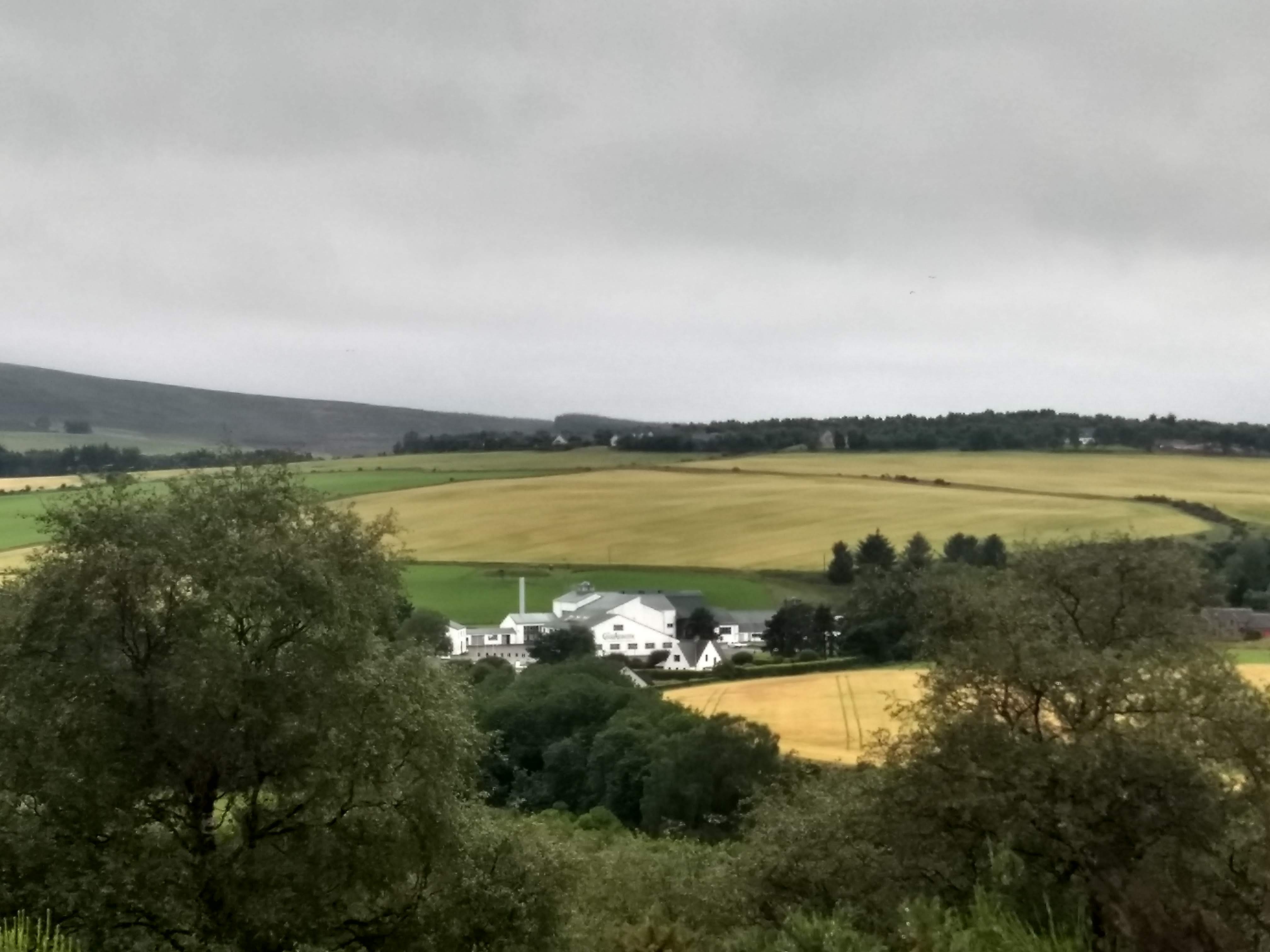
Fewer distillery pictures, more landscapes.

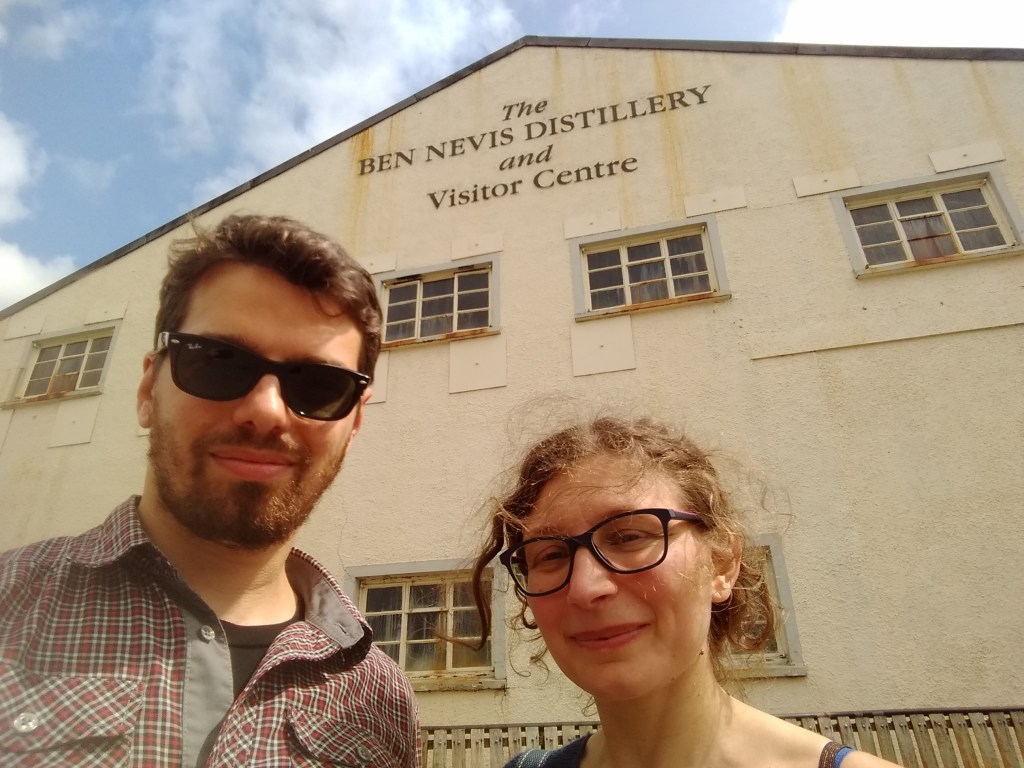
From Dalwhinnie, instead of going back to the A9, we drove westward following Loch Laggan and passing by the village of Spean Bridge: the landscape is truly amazing over there (wellโ€ฆas in most parts of Scotland). We arrived at our destination in the afternoon, just in time for the tour: Ben Nevis distillery, in Fort William. After the nice tour, Gianluigi had only one dram and Teresa four (well, she saved some for the evening). The distillery looked a bit decadent: the decor in the visitor centre reminded us of an early 90s ski resort, giving us almost a nostalgic feeling. At the time we didnโ€™t know that the distillery is owned by the Japanese Nikka, who use Ben Nevis in some of their popular blends (did someone say โ€œNikka from the Barrelโ€?? We didnโ€™tโ€ฆ).

And this is the only picture we took here.

For us, this was a totally new experience as, unlike Dalwhinnie, we had never heard about Ben Nevis before booking the visit. The whisky was a great surprise too. While we werenโ€™t too fond of the Nevis Dew Special reserve blend (the one with the red label), we loved both the blended malt Glencoe 8y (cask strength, now long gone unfortunately) and the single malt Ben Nevis 10y. In our understanding, we missed the cask strength version for just a few weeks, and the Mac Donald Traditional Ben Nevis wasnโ€™t available. Being naรฏve in the whisky world, we bought the slightly cheaper Glencoe (at the time around 25-28 quid) instead of the Ben Nevis 10y (at the time 35-38 quid), but in hindsight, we should have got bothโ€ฆand a couple of bottles of each too: back at the distillery in 2021, we found out that the release of Ben Nevis 10y would cost us 50 quid, and that the Glencoe was discontinued!

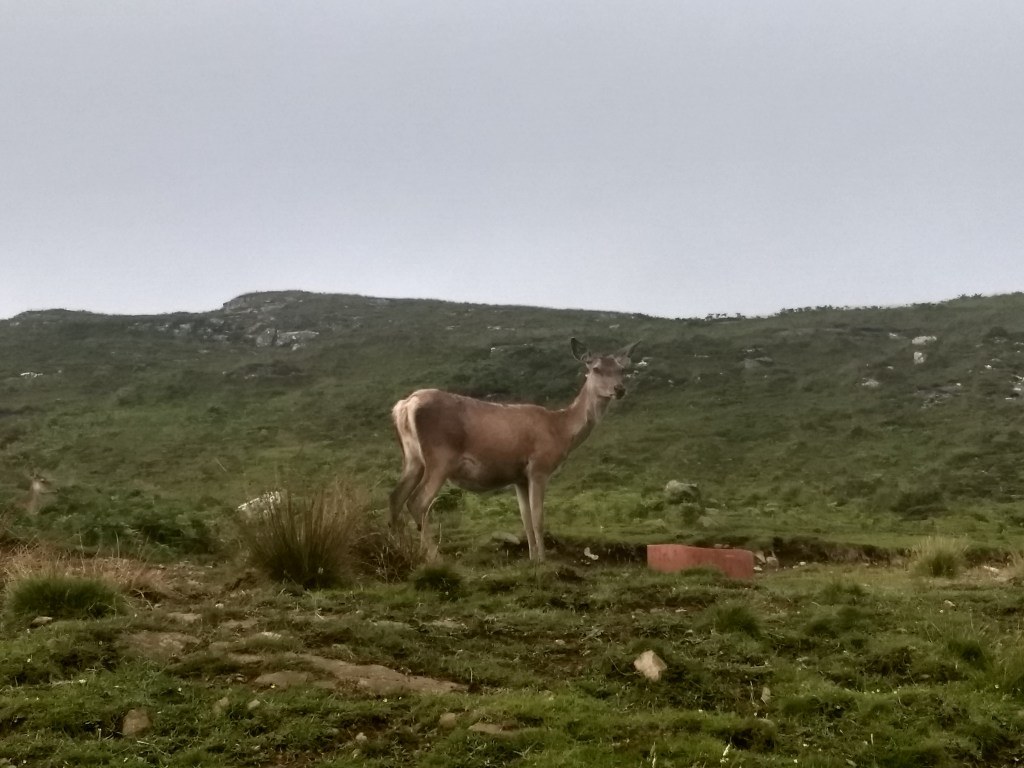
Highlands encounters.

After Ben Nevis, our trip continued towards one of the most westerly points of mainland Scotland: the never enough celebrated Ardnamurchan peninsula! And with that, we also discovered a very typical Highlands feature: single-track roads! Unavoidable, we guess, and now we are kind of used to themโ€ฆbut letโ€™s say that the first time we werenโ€™t so happy about it. We stayed in a self-catering accommodation very close to the Ardnamurchan distillery, and after dinner, thanks to still very long days, we managed to visit the lighthouse: such an amazing spot!

We guess by now you know about our plans for the day after, so stay with us until next week, Slainte!


Distillery Links

Dalwhinnie: https://www.malts.com/en-gb/distilleries/dalwhinnie
Ben Nevis: https://www.bennevisdistillery.com/


#2.2 A very Scottish summer holiday

A trip to Orkney Speyside et al.

(day 2)

Busy day (fortunately, given the weather…): we officially entered Speyside and visited a couple of Glens, Glenlivet and GlenAllachie! 

(Forward to Day 10 / Days 7-8-9 / Days 5-6 / Day 4 / Day 3 or back to Day 1)

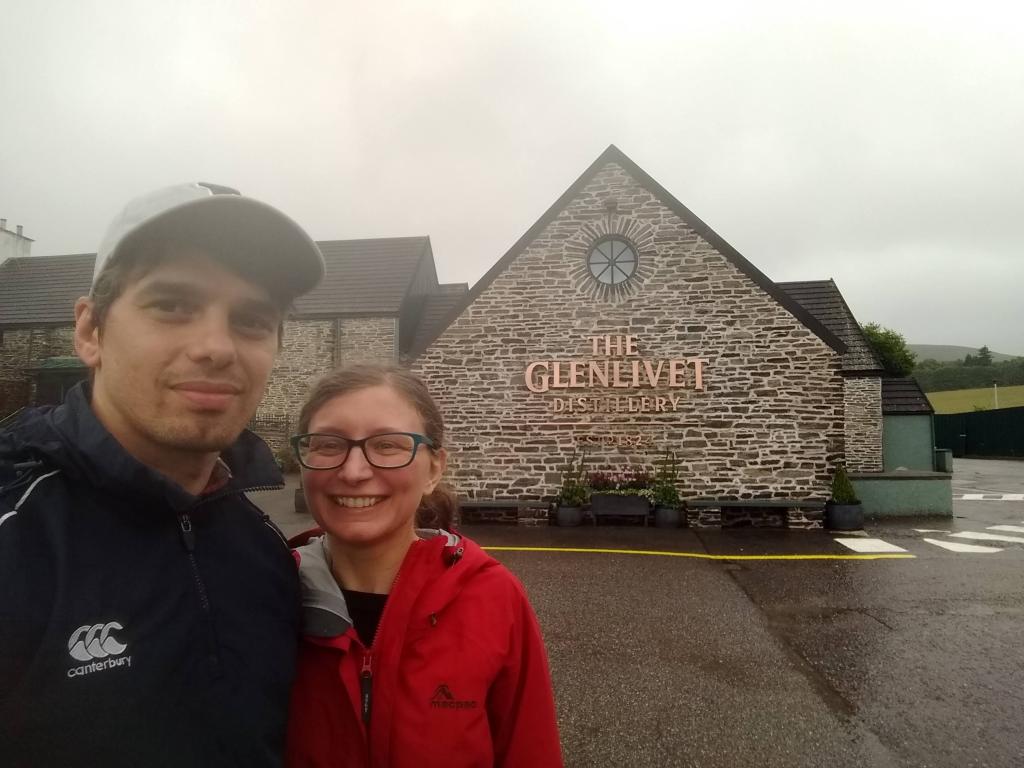
Unfortunately, our first night ever sleeping in a campervan was not particularly resting, aided by an incessant rain pounding on the vanโ€™s top. Teresa waked up particularly nervous because this day was going to be the first time she drove on the left side of the road. However, we jumped in the van and the drive was (surprisingly) smooth until, just round a single-track corner, a behemoth of a distillery appeared: and here we are at Glenlivet!

Happy faces at Glenlivet.

Here, the tasting guide Andrew welcomed us very kindly, leading us to the newly built visitor centre and bringing us a nice coffee. The room is quite nice, with a very relaxing and cosy atmosphere, almost like a chalet on the Alps. It has a cocktail bar and comfortable chairs. That brings us to the tasting room, with soft lights and themed to look like an 1800s whisky cellar.

For that day we chose the โ€œSingle Casksโ€ tasting, where we were given four samples of the big range of single cask bottlings available at the distillery, all cask strength. Andrew was extremely knowledgeable and passionate; we could listen to him talking about whisky and whisky making all day! As a first dram, he picked a 12y aged in an ex-oloroso butt, very dark in colour and a typical sherry bomb style. Second and third a pair of 16y, one golden coloured, almost like a wheat field in June, and the other again deep amber. Of course, this was to show us the difference between maturation in ex-bourbon barrels and ex-sherry casks. Finally, a real gem: an 18y matured in a refill sherry cask, lighter in colour than the previous sherry matured drams, but more delicate and nuanced. Overall, a great experience.

What a lineup!

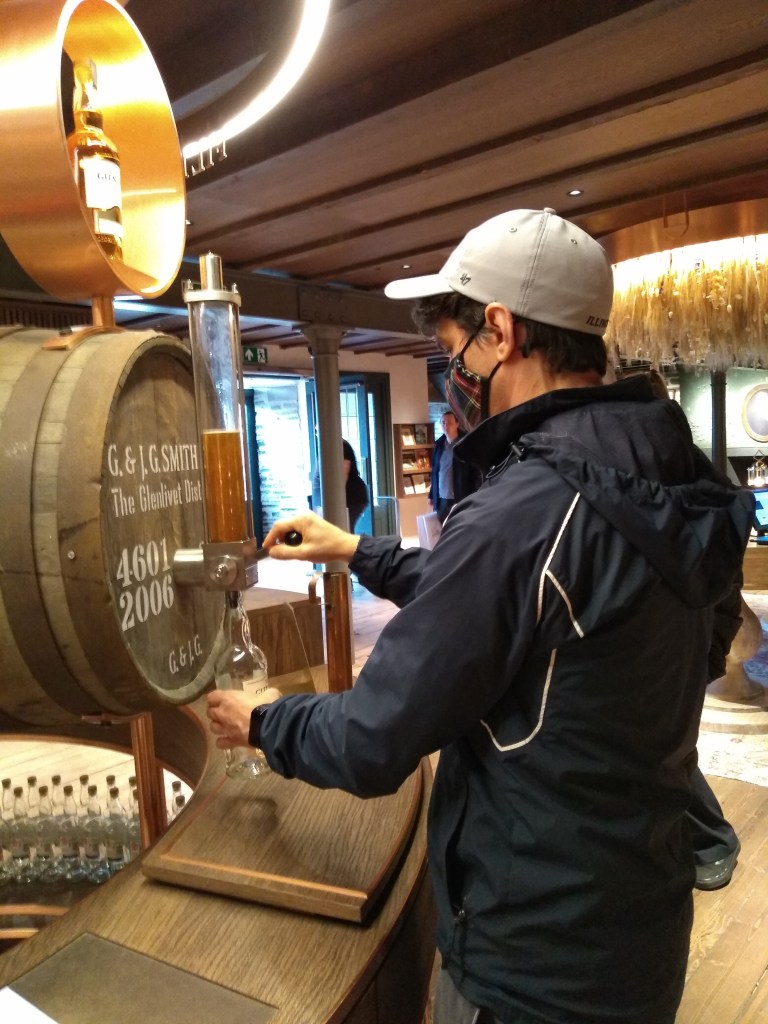
The Single Cask bottles at the shop were a bit expensive (among the ones we tried, the cheapest was ยฃ85 for a half-litre bottle), so we decided to buy a “bottle your own” expression. They had three, all cask strength but not single casks: a 12y (ยฃ55 for a 70cl bottle), a 15y (ยฃ70 for 70cl) and an 18y (ยฃ110 we think, but we might not remember correctly); we chose the 15y, whose cask make-up reminds a lot the one of their 15y core range, although this one is not chill-filtered. To note the impressive collection of Glenlivet expressions available at the shop, as well as whisky from other Pernod-Ricard distilleries (these ones in the single casks range).

Gianluigi’s first bottling experience.

Of course one of us could not taste these beauties right away, and today Teresa picked the shortest straw. Back in the van, we drove towards the village of Aberlour, where we had booked a pitch at a lovely camping. The second and last distillery of the day is one producing a whisky we both really enjoyed so far, so we were very hyped up and we didnโ€™t want either of us to miss the tasting. So, after checking in at the camping, we walked towards the distillery on a nice trail, and 50 minutes after (someone miscalculated and thought there were only 20 minutesโ€ฆehm, Gianluigi for once) we arrived at GlenAllachie!

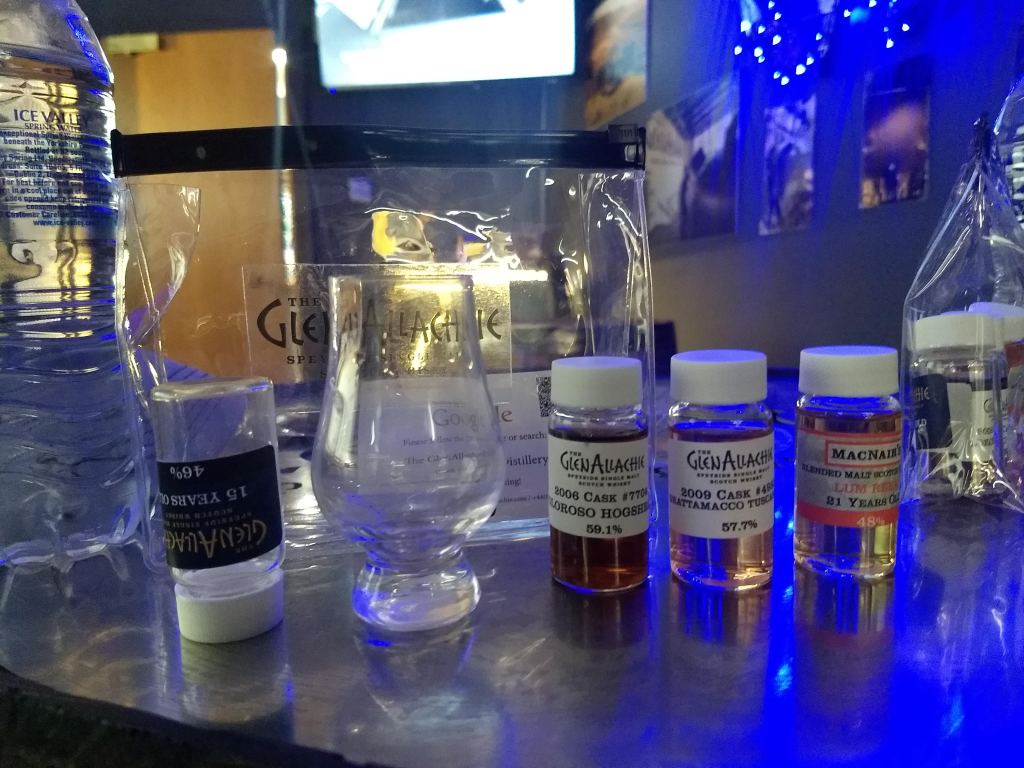
Here as well, tours were not available, so the experience offered to us was a video tour and a tasting. The video was very entertaining and one of the best substitutes for a walk into a distillery that we have experienced. The guide Graham interrupted the video a few times to give us the opportunity to taste the delicious drams (although with a very tiny version of a Glencairn glass, almost could not stick our noses into it!). These were: a GlenAllachie 15y, two of their distillery single casks (2009 Grattamacco finish and 2006 ex-oloroso full maturation, both cask strength, priced ยฃ100 and above) and finally a 21y McNair Lum Reek (46%). He also gave us a taste of theMcNair upcoming rums, two 7y (one finished in an ex-peated whiskyโ€ฆvery interesting!) and a 15y. Gianluigi in particular appreciated this, as he is starting getting more and more into rum as well (oh noooo).

Again, what a lineup!

Something that we both always experienced, since the beginning of our whisky journey, is a connection with the red wine finished whiskies. We grew up in different parts of Italy, but both our families come from the countryside. There, red wine is almost always the drink of choice during meals. All this to say that the Grattamacco had to come home with us (nice excuse, isnโ€™t it?), together with a miniature of the mighty 10y cask strength, a dram now very hard to get hold of when a new batch is released. After we left GlenAllachie we walked back to Aberlour through a wood, near the Linn Falls and along the Aberlour distillery (โ€ฆno worries, just walking past it, we already visited it in December 2019, but itโ€™s a story for another time).

The quality of pictures decreases after two tastings…

We had a quick pint and a warm soup in a pub before heading back to the camping, tired but happy. Our first attempt to grill failed miserably as the charcoal was too humid after all the rain of the night before. So, we sadly cooked the meat on the portable cooker, and we quickly went to bed, to get ready for another adventure!


Glenlivet The Single Casks Tasting

Price: ยฃ30.00 pp (July 2021)

Tasting: 4 drams from the Glenlivet single casks bottlings (for us 12y 1st fill ex-sherry butt, 16y 1st fill ex-bourbon barrel, 16y 1st fill ex-sherry butt, 18y 2nd fill ex-sherry butt, all cask strength)

Target: whisky enthusiasts and geeks

Value for money: Good

Highlights: the drams and the renovated visitor centre

Things we did not like: the single casks bottling prices

Link: https://www.theglenlivet.com/en-UK


GlenAllachie Premium Experience

Price: ยฃ30.00 pp (July 2021)

Tasting: 4x20ml drams, GlenAllachie 15y, two distillery exclusive single casks 2006 ex-oloroso hhd and 2009 Grattamacco finish, MacNair Lum Reek Blended Malt 21y. Complimentary mini glencairn.

Target: whisky enthusiasts and geeks

Value for money: Good

Highlights: the drams and the video distillery tour

Things we did not like: nothing really

Link: https://theglenallachie.com/