#31.7 Spirit of Speyside 2023

Speyburn uncovered!


TL;DR: Another visit to a (thenโ€ฆ) closed-to-public distillery: Speyburn. In 125 years it was open for the first time during the 2023 Spirit of Speyside. A great visit, their own old drum maltings were a highlight, a jump back in time! 

(missed Part 6/Part 5/Part 4/Part 3/Part 2/Part 1?)

From Dufftown to Rothes itโ€™s barely a 15-minute drive, so we could take it easy and stop for a coffee and a soup, to warm up in the cold and rainy day. We then soon arrived at the Speyburn parking lot: in spite of being hidden from the main road, we knew exactly where to go, as during one of the many trips to Speyside we drove on the road just in front, from where the distillery could be admired in all its beauty.

Speyburn is not among the most well-known single malts, although it can now count on the presence on some supermarket shelves (the Bradan Orach and the 10y). They are owned by Inver House (which is in turn owned by Thai Bev, guess where theyโ€™re fromโ€ฆ) together with other four single malt distilleries, two in the Northern Highlands (Pultney and Balblair), another in Speyside (Balmenach) and Knockdhu (producing the AnCnoc whisky) in the Eastern Highlands. We previously only had one bottle of Speyburn, from the Scotch Malt Whisky Society: a 9y old from a refill bourbon. We got it by chance when buying a pack of three bottles during the pandemic, with the Speyburn being the one we were less excited about: it ended up being the best of the trio! Spicy at first, with time in an opened bottle the oxidation played its part, and the whisky mellowed down and became a fruity deliciousness. At this point, it goes without saying we were very curious to know more about Speyburn!

As we parked, we were warmly welcomed by the distillery manager Euan and the global ambassador Stuart (who we knew from some Aqvavitae’s vPubs), who walked us to the visitor centre to check in. Compared to the other โ€œusually closed to publicโ€ distilleries, they seemed to be way more prepared: there was a proper shop (not just a pop-up like at Dailuaine and Mortlach), with bottles and merchandising displayed on the shelves, and also a brand-new bar with big tables, where the tasting would have taken place after the visit inside the production. Weโ€™ll come back on this point.

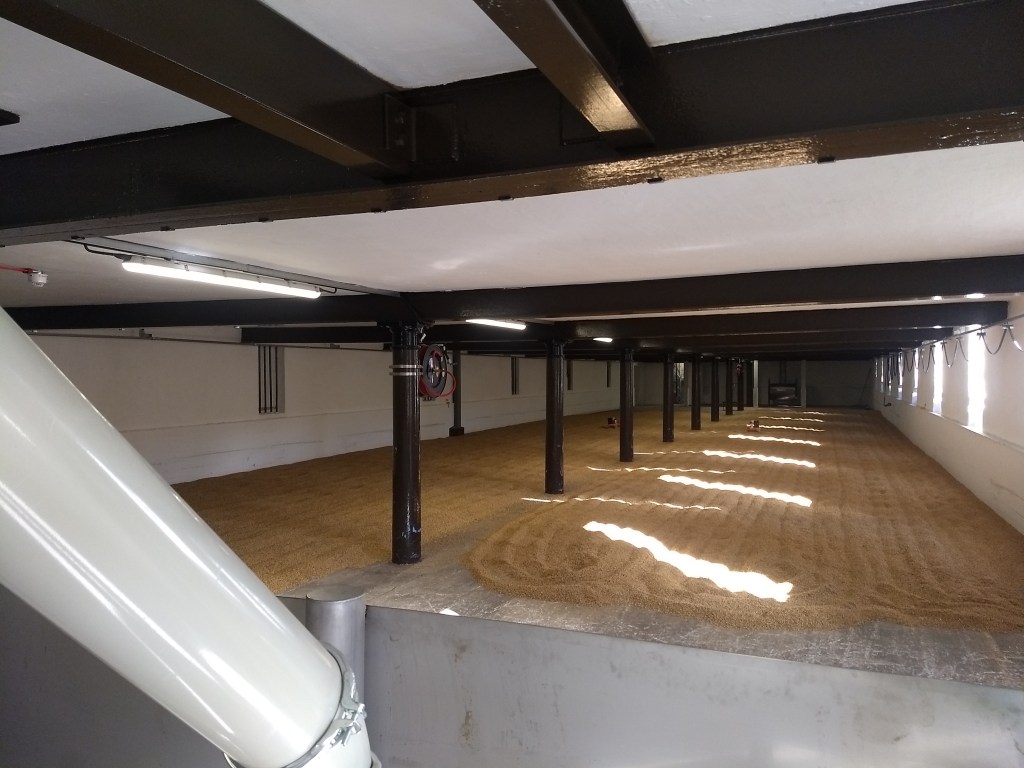
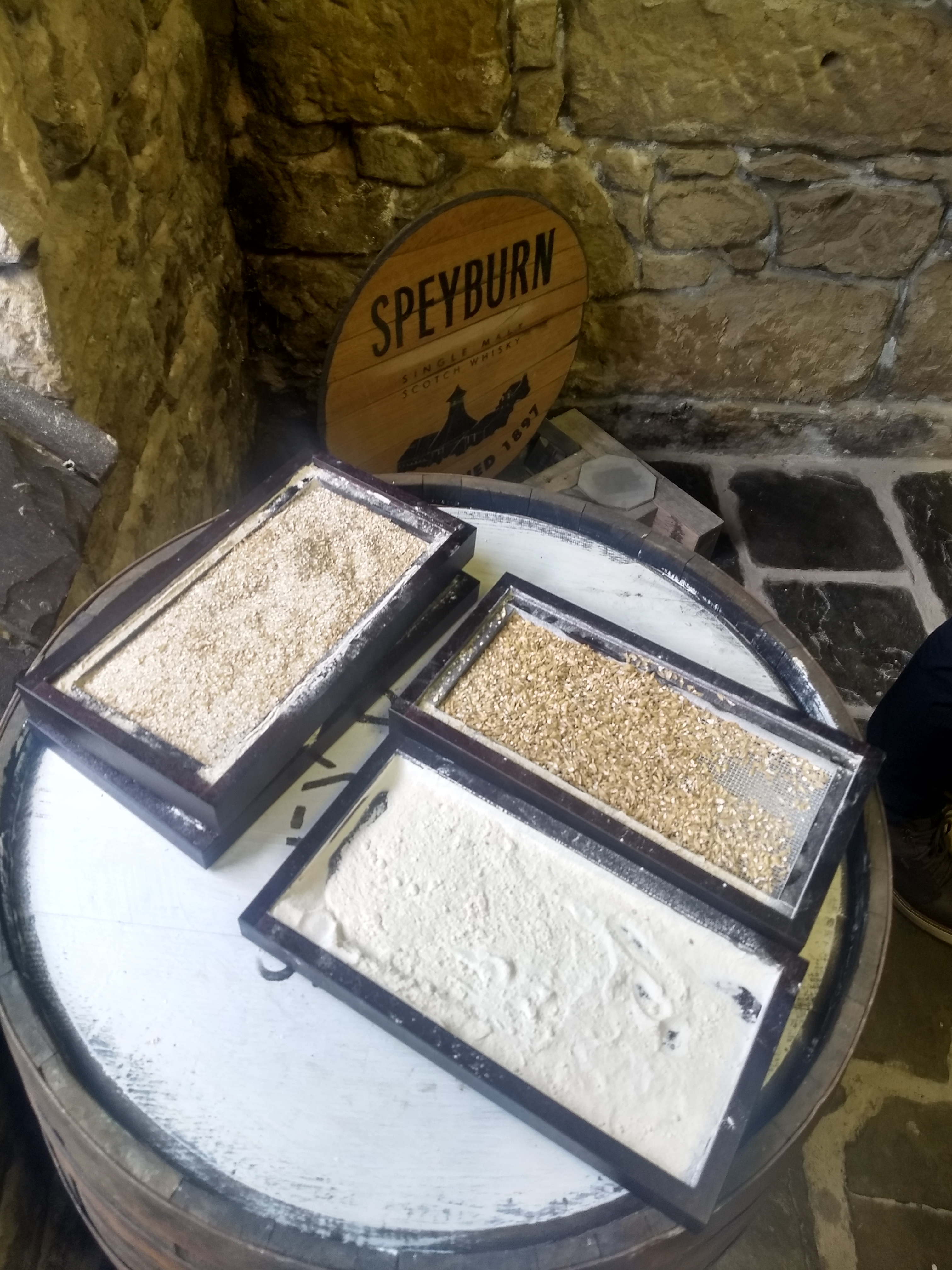
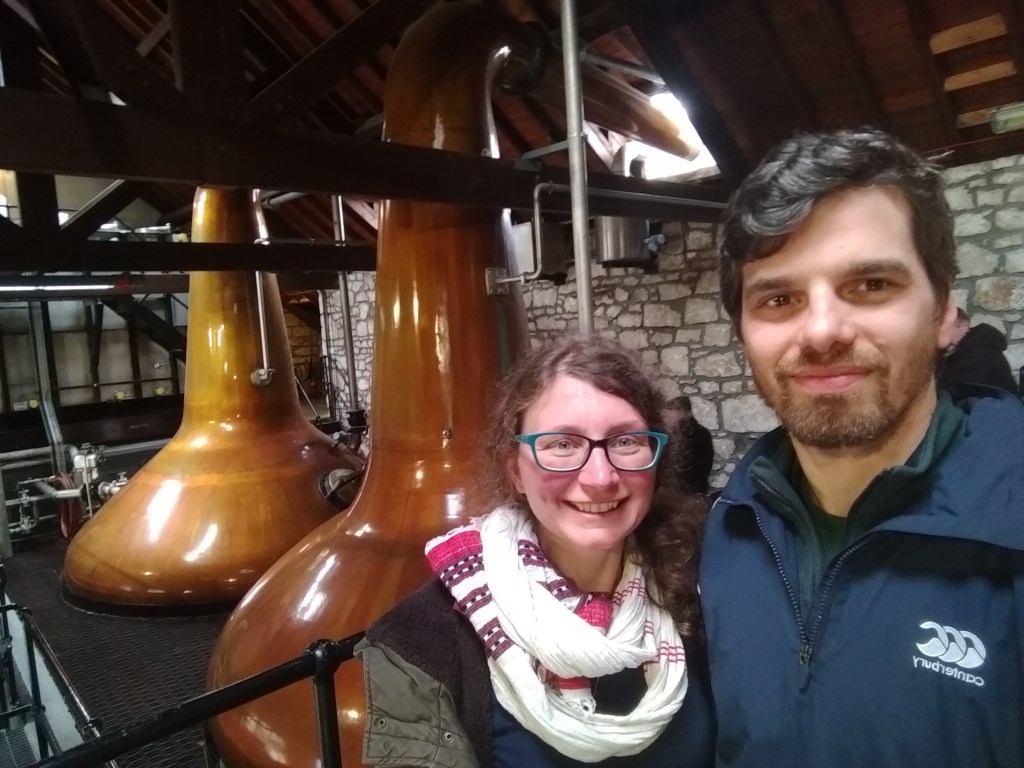
The tour started with some history in the courtyard: the distillery was founded in 1897, and the architect was the famous Charles Doig, who brought the pagoda roofs into the game. This became one of the iconic features of Scotch whisky distilleries, to the extent that distillers in other countries started copying it. It is also on the road signs in Speyside and elsewhere: if you see a white pagoda on a brown background, there must be a distillery close by! The original function was the kilnโ€™s ventilator, as at the time most distilleries were malting their own barley, Speyburn included. A crucial difference, however, early on they installed one of the few on-site drum maltings. They havenโ€™t been used in almost 60 years (after a sudden stop in 1967 following the stop of the near railway the year before), but they are still preserved for nerdy visitors to admire. And in fact, the first part of the tour was dedicated to this unique feature of the distillery.
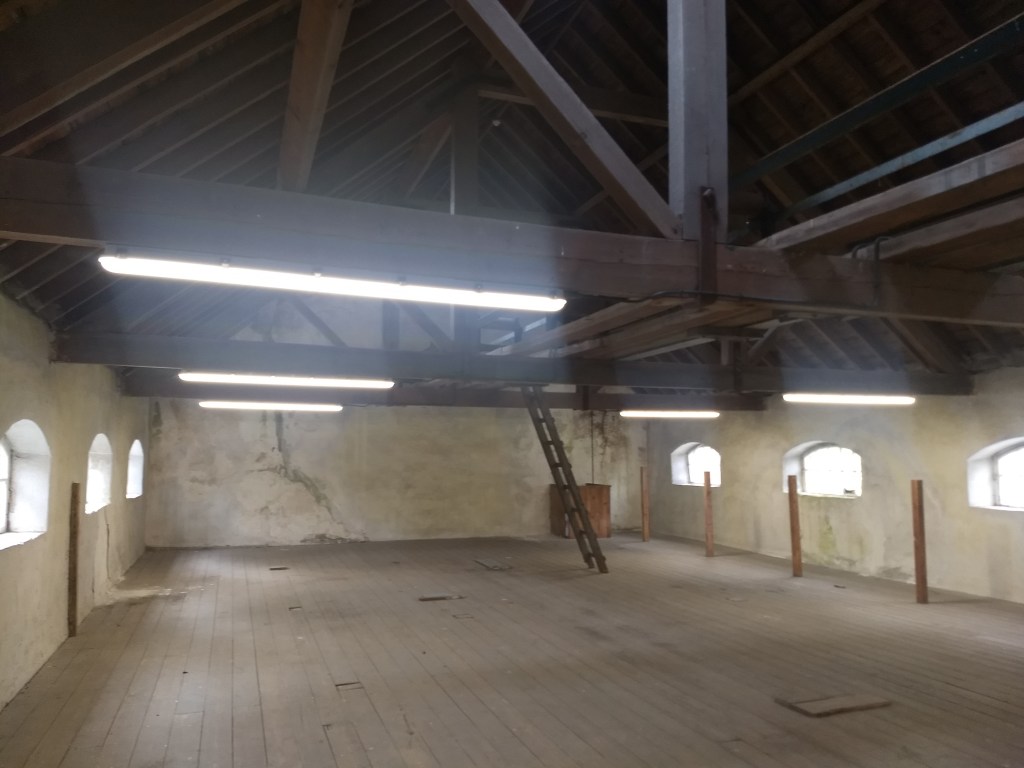
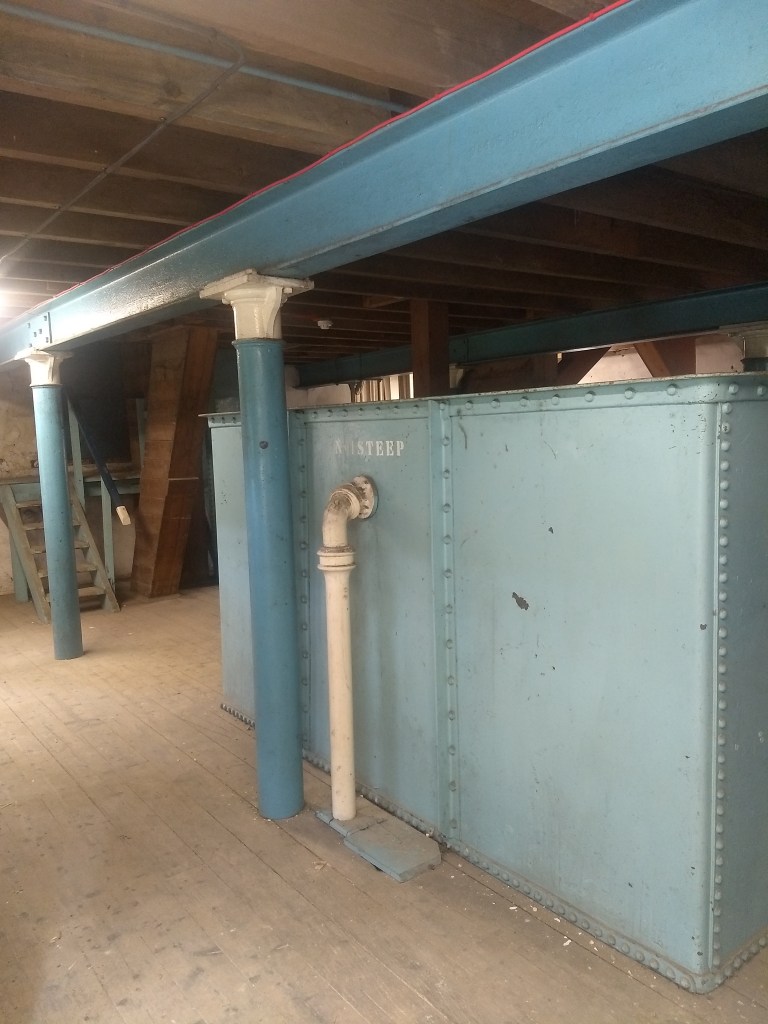
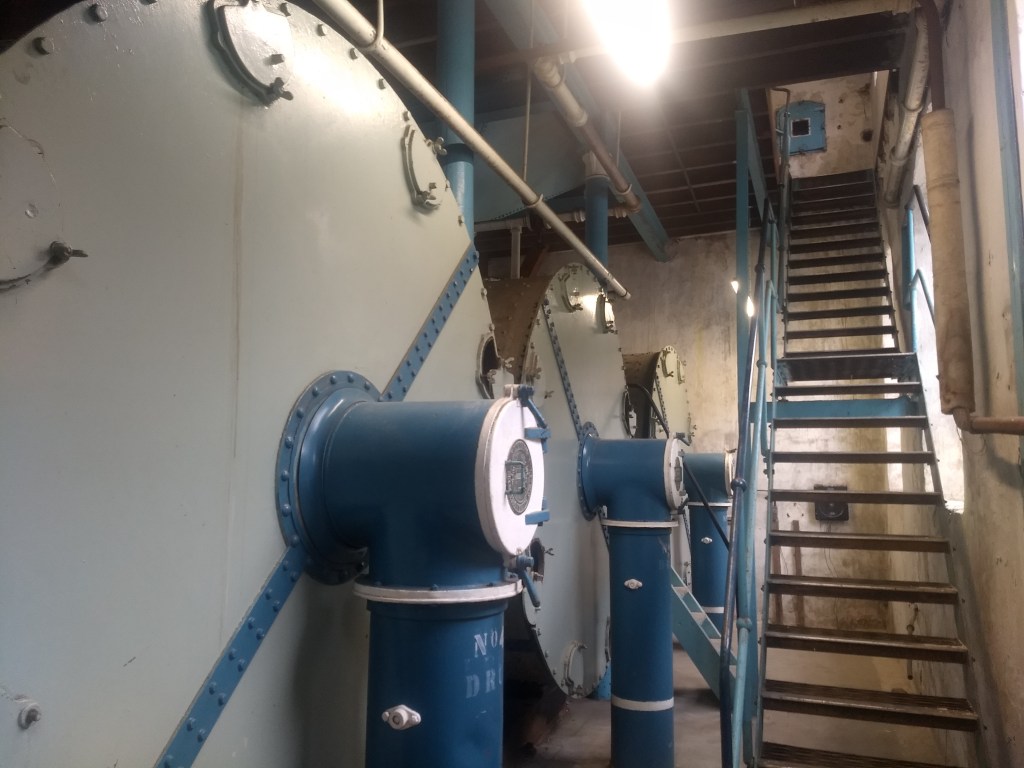
Time travelling part 2: the steeping tanks.

Euan and Stuart explained us that the place has been made accessible only recently, as testified by the new woodwork to allow people inside: it was like taking a walk in the past. The malting was working on different floors, the top one was where the barley was laid out, steeping tanks at the middle one, while the drums (think of huge tumble driersโ€ฆkind of) on the ground floor. One thing we found interesting was the completely different story compared to the usual one: smaller on-site drum maltings, and similarly Saladin boxes, were intermediate stages between the two extremes that are usually talked about during distillery visits (and on blogs, etc.), the (highly romanticised) labour intensive and not so efficient malting floor, and the modern highly efficient industrial-scale maltings. So fascinating to see what was in between!

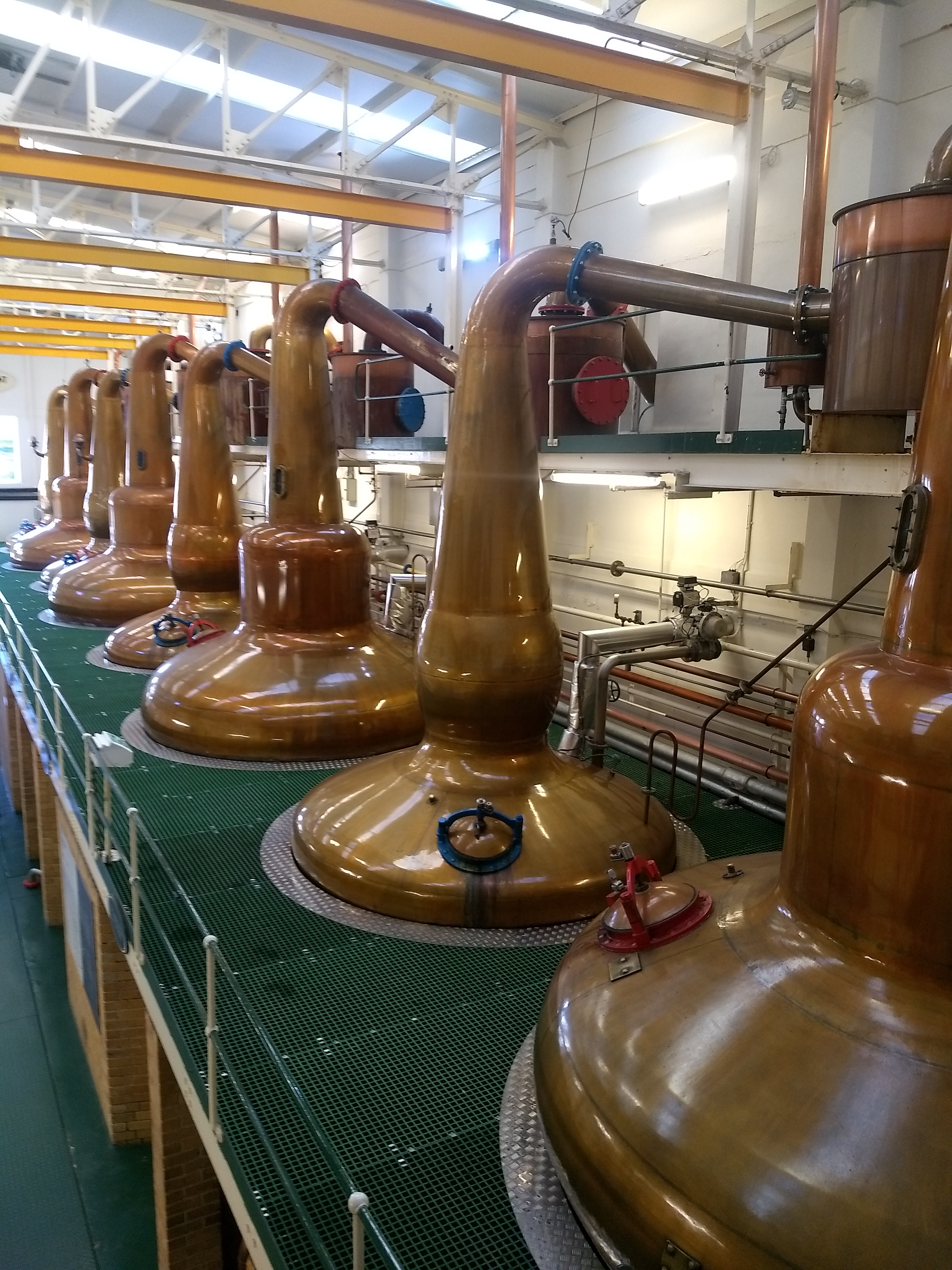
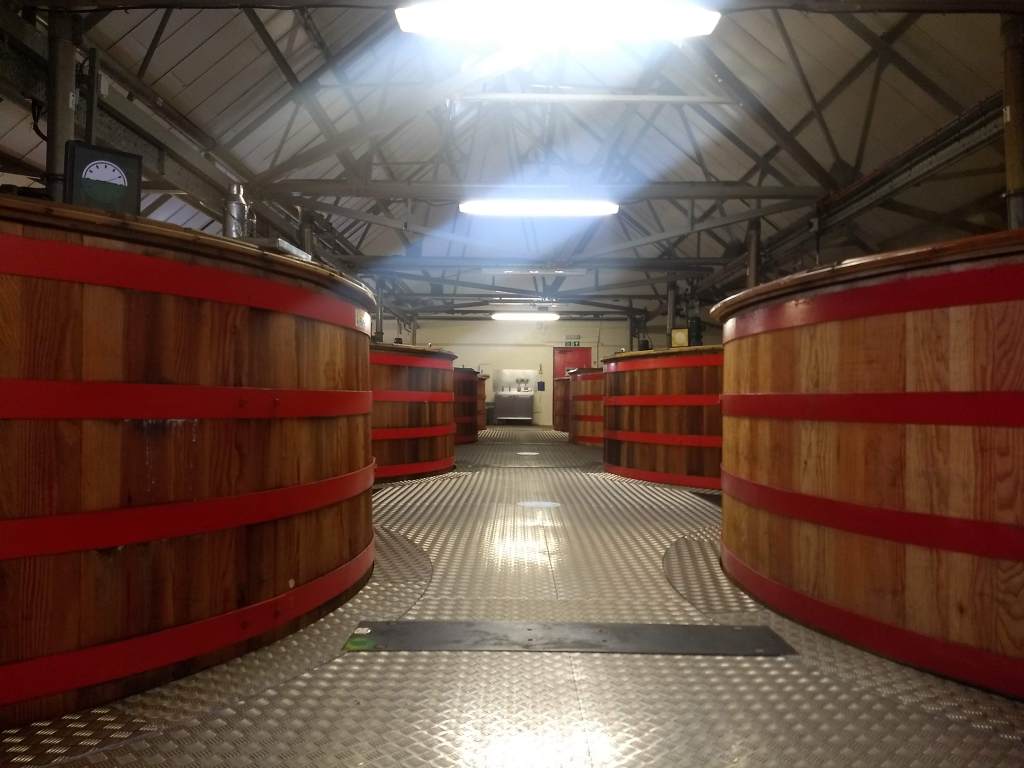
We jumped back to the present, moving to the mill room, and from there through the usual layout of the modern plant: the closed stainless-steel mashtun, and the wooden washbacks, where we could sip a bit of their semi-cloudy 72hr-fermented wash (always an experience). One interesting feature is the combination of both shell-and-tube, of which one is horizontal, and two wormtubs condensers (132m in total). The former condenses liquid from the wash still, while the latter two from the spirit-stills, from which they take a cut between 72 and 64% abv. With only 3 stills they manage to produce about four millions of litres of alcohol per year: they get this incredible volume by working 24/7. There is a catwalk on the wormtubs, which are located outside, where we spent a couple of minutesโ€ฆ.we wonder if in Speyside the weather gets warm enough to tempt some people to jump in them.
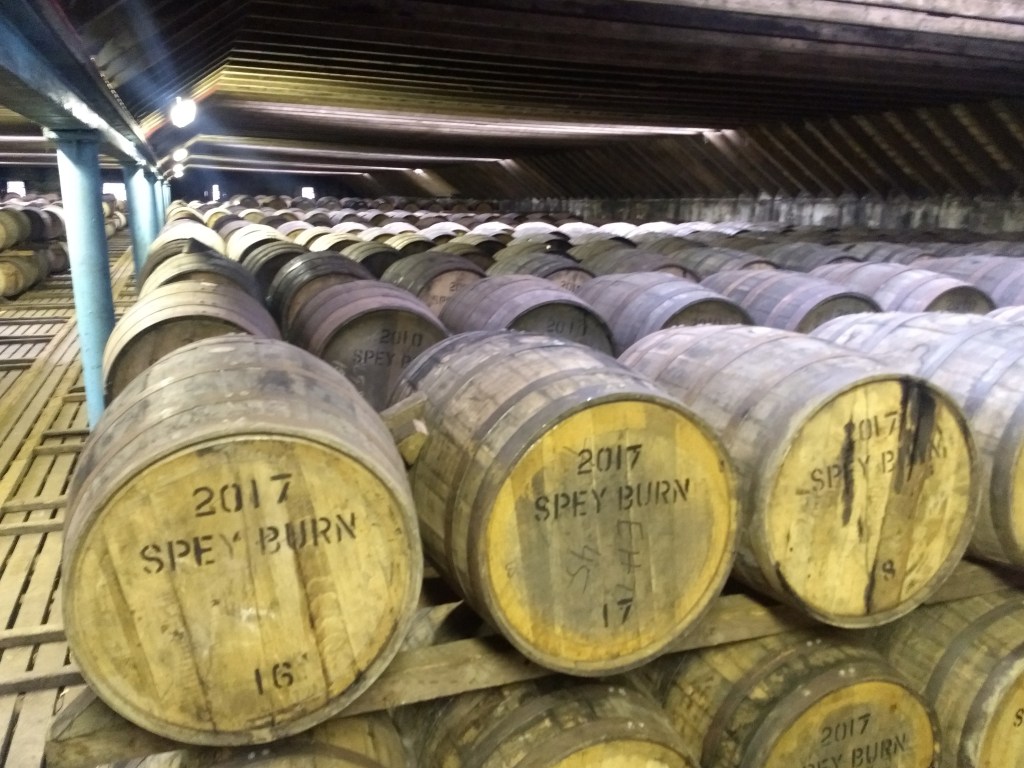
We soon checked out the warehouse, where a surprise was waiting for us: nope, unfortunately we didnโ€™t sample some casks (we were hopeful, considering the hefty 80 quid tickets), but it was almost as good: we had a sample of their 125th Anniversary release, a single cask bottling from a 2nd fill ex-bourbon barrel vintage 2007, similar in style to the one we had but much more balanced, tropical and creamy. A truly delicious dram, probably the best one we tried during the festival.
The last part of the experience was the tasting of their core range, back at the bar. We had four generous drams of their non-age statement (NAS, but they told us it should be about 7-8y) expression Bradan Orach (40%abv, refill ex-bourbon), the 10y (again kind of introductory, 40%, 90% ex-bourbon and 10% ex-sherry casks, mostly second fill), but finally the two gems: the 15y (ex-bourbon before a 2-3y finish in ex-sherry Miguel Martinez casks) and the 18y (14y in ex-bourbon casks, then 4y in second fill oloroso casks), both 46%, natural colour and not chill-filtered. They were both super tasty: Gianluigi preferred the former, Teresa (as most people on the tour) the latter.
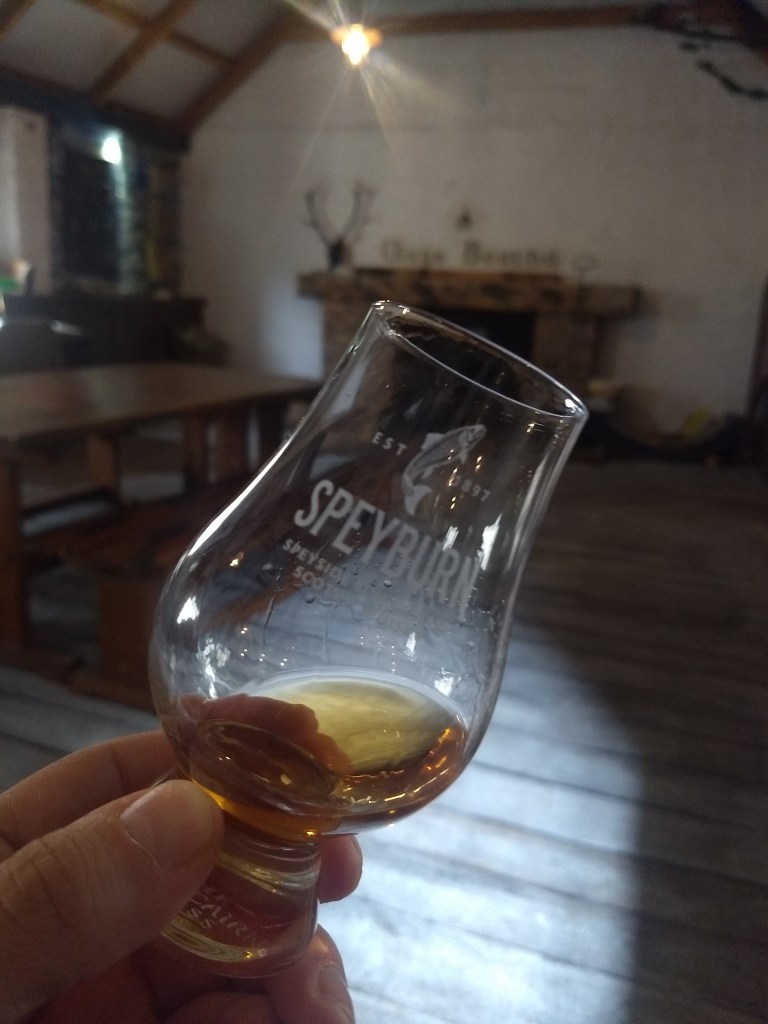
You can’t really tell from this picture how nice the bar is…

At this point youโ€™ll be wondering: wait a minute, if they are only open occasionally, how come they have a bar for tastings and a nice shop? Well, as a matter of fact, before the festival weโ€™ve been told by a birdie that Speyburn might have been preparing to open to visitors permanently. At the Spirit of Speyside 2023 they won the award as โ€œbest new experienceโ€ and this might have given the company the nudge to open permanently (although, more realistically it was already planned and not depending on the awardโ€ฆ). Bottom line is that, good news: starting August 2023 (coincidentally the time of writing), you can visit them and go check their very fascinating old drum maltings for the very reasonable price of ยฃ20 (see the link below).

So, overall, it was a great visit (one weโ€™d do again), and as we said earlier, a true deep-dive into the history of whisky production in Speyside. A bit pricey maybe, but at least the tasting was generous (5 healthy drams and a taste of the newmake), unlike some other we visited for the same price.
For the evening we drove first to Aberlour for a chit-chat with Matteo at the Speyside Whisky Shop (from which he just moved on as we are writing), and then to Dufftown where we spent the night. We parked near the Mortlach Hall, which was super quiet. We had dinner at the Commercial Hotel, which has moved the restaurant to the former function hall, together with some tasty Three Ships South-African malts (produced at the James Sedgwick Distillery), very rare to find in Scotland. Not that we were bored of Speyside malts, but it was good to try something different! Slainte!


The Speybirn Distillery Tour (Spirit of Speyside)

Price: ยฃ80.00 pp (April 2023, but now – August 2023 – they’re open to the public and it’s ยฃ20.00)

Duration: 2hr

Tasting: 5 drams, Speyburn 125th Anniversary (vintage 2007, 15y, refill ex-bourbon barrel, 62.6%, NC, NCF), Bradan Orach (40%), 10y (40%), 15y (46%, NC, NCF) and 18y (46%, NC, NCF)

Target: whisky enthusiasts

Value for money: not great

Highlights: the old drum malting equipment

Recommended: better than others, but still hard to justify at this price

Links: https://www.speyburn.com/, https://www.spiritofspeyside.com/


#31.5 Spirit of Speyside 2023

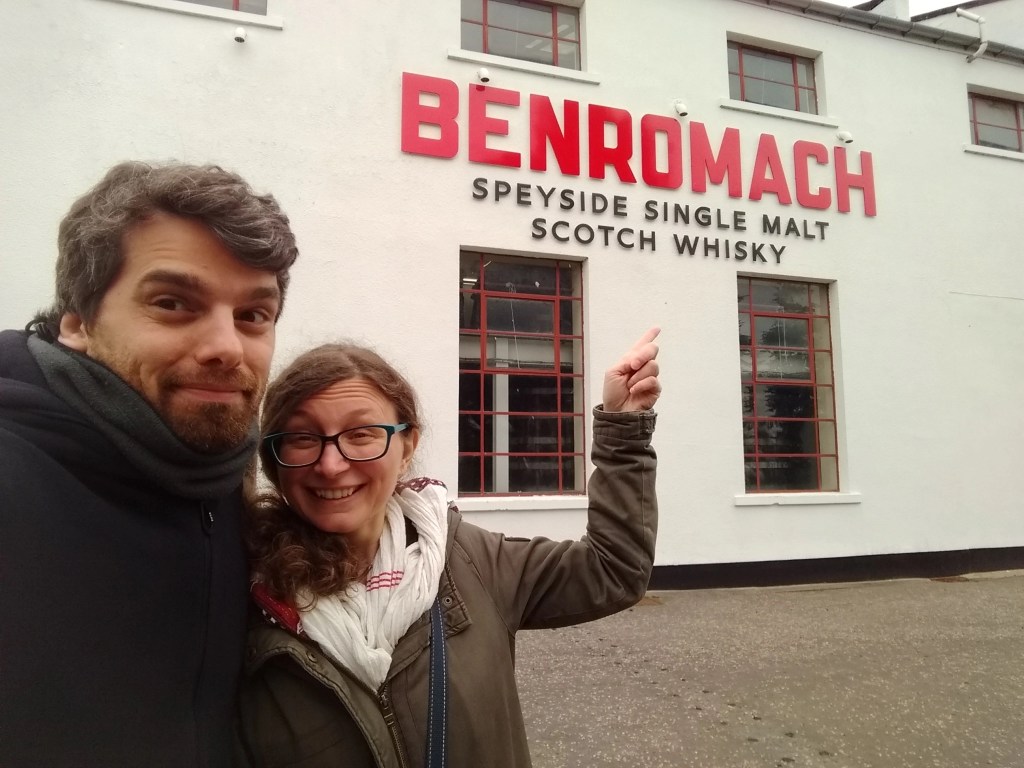
To Forres and back to Rothes: Benromach & Forsyths


TL;DR: A nice day, started with an early visit at the Benromach distillery, which produces one of our favourite malts. Then, quickly back to the heart of Speyside, Rothes, for a visit at the Forsyths copperworks, to check out how they create the stills where the magic happens! 

(missed Part 4/Part 3/Part 2/Part 1?)

Say what you want, but compared to wild camping, we always wake up more rested in a camping. This time was no different, and although the sky was still overcast, it wasnโ€™t raining. We fixed ourselves breakfast, fruit and eggs with bacon. We mostly cook breakfast when we sleep in a camping (much easier to do the dishes afterwards). No coffee though: we had run out, ouch! Anyway, we left as soon as we could, direction Forres. This is a nice town between Inverness and Elgin, the red chimney of the Benromach distillery can be seen from the motorway crossing the town. The drive was easy, not much traffic around. Because we were early, we were determined to get a much needed coffee. Unfortunately, we drove to the distillery not finding any, so we had to go back until the centre, and by the time we were back we were barely on time for the tour.

We checked in with our guide, Gale, before starting the tour: she is an ex-police officer, at her first experiences as a tour guide. The distillery is much smaller than we thought: it was funded in 1898, and after a few phases (it was owned by DCL for a while, as testified by their โ€œFlora and Faunaโ€ release), it was bought by Gordon & MacPhail (G&M) in 1993. They restarted production in 1997, and since then they never stopped. We couldnโ€™t take pictures in the production area, but if youโ€™re curious you can find a virtual tour on their website here. The tour was very basic (it was free!) and Gale was in training, which is fair enough. It was very informative, nonetheless. Similar to many family owned distilleries, they work from Monday to Friday, doing 18 runs.

They donโ€™t have a Porteus mill, but a smaller brewery mill. Another peculiarity is their four Scottish larch washbacks (inside the building), while the other nine stainless-steal ones are outside, and their fermentation time is between 70 and 120 hours. Surprisingly, they only have a pair of stills which are directly fired with gas, and their distillation heart goes into a wooden spirit receiver. Warehouses are behind the production building. These warehouses also store casks from the G&M independent bottler side, and from the Cairn. The latter is a newly built distillery (which we visited during our Speycation) by the same company, and because it sits inside a national park, there can’t be warehouses on site.

Back at the visitor centre, Gale gave us two drams each, the Benromach 10y and 15y: both quite nice, in spite of the 43% abv. Unfortunately, we couldnโ€™t check out other expressions, as they are not allowed to sell other whiskies by the dram. We purchased one of their cask strength releases, only to find it 10 quid cheaper in another whisky shop later (well, the tour was free, so karma evened things out). Overall, it was a nice visit, but we would like to go back for one of their experiences geared towards whisky connoisseurs, as we know their stuff can be sublime!

Back in the van, we headed towards Rothes (again having a sandwich while driving), directly to the Forsyths parking lot. This was the first time we visited a copperworks. And not a random one, one of the most popular, creating the stills for many of our beloved distilleries, in Scotland and beyond. They are so popular that they own The Station Hotel and Restaurant on site (and dram bar of course), where we had a well-deserved delicious dinner after our 2021 Dramathon. Also, not being a distillery (nor a cooperage), we didnโ€™t quite know what to expect.

The visit didnโ€™t start with a tour, but with a tasting, at least for half of the many attendants (around 50-60-ish?). We were presented with 8 small drams (10 or 15 ml we believe), for a blind tasting. We had to judge them without knowing anything but the age bracket: two 12y and under, two 13-20y, two 21y and over (although there were mistakes in the tasting mats, as these two categories were marked as 13-17y and 18y and over), and two non-age statement (NAS). For each pair we had to decide the best of the two, and the best overall. A very nice โ€œtasteโ€ on how hard is to judge a whisky. They didnโ€™t tell us what they were right away, but they published the results here a few weeks later. Of course, one of the oldest drams was the overall favourite: 25y Glenlivet Single Cask.

Once done with the tasting, we moved outside where we were divided in two groups and started a guided tour of the site. They showed us the machine used to cut copper sheets, and the machine to roll them into the required cylinders or cones. Also, a machine that automatically welds pieces together, with the flame from both sides (doing a job in a few hours that would take a person more than a day). Notably, part of the warehouses used to belong to Caperdonich distillery (built to be Glen Grant #2), closed in 2002 and demolished almost a decade later to make space for other warehouses.

…and a Laphroaig still.

It was a very interesting experience overall, only flaw was that it was a bit of a random tour walking around the courtyard and pointing to machines and equipment as we saw them, not exactly following the order with which stills and condensers are made during production. But oh well, we would do it again, definitely. Definitely on the nerdy side as an experience, but it was still quite fascinating to see so many finished and unfinished stills and condensers in one place.

A still half-way…

After the tour, we jumped back on the van, and drove first to Aberlour, where we stopped at the Speyside Whisky Shop. We found out that the owner, Matteo, is Italian, so we had a good chat with him, about whisky of course.

We later had a half-pint at the Aberlour Hotel pub (one of our favourite stops in the area), not before stopping to the local CoOp to buy coffee. Back to the camping, we cooked dinner, and in spite of the cloudy and cold weather, enjoyed one last pint outside at the end of a fine whisky day.


The Benromach Distillery Tour (Spirit of Speyside)

Price: free (April 2023, Spirit of Speyside 2023, the regular tour is ยฃ10.00)

Duration: 1hr

Tasting: 2 drams, Benromach 10y and 15y (both 43%)

Target: whisky curious and tourists

Value for money: great of course, it would be very good even at ยฃ10/15

Highlights: the manual settings

Recommended: yes!

Link: https://www.benromach.com/, https://www.spiritofspeyside.com/

#23.2 On the run again: Dramathon 2022


Back to the Glens
(Grant and Garioch)


TL;DR: The day after the Dramathon we took advantage of being in Speyside to visit two distilleries we’d only had tastings at: Glen Grant, in Rothes, with their unique rectifiers, and Glen Garioch, in Oldmeldrum, which has been recently renovated. Both worth returning. 

(missed Part 1?)

So, after a (not so) resting sleep in Dufftown (guess why), we found ourselves with a spare Sunday (the drive home is about 3 hours only): plenty of time for some whisky stuff! Deciding which distillery to visit in Speyside and its surroundings, however, is becoming more and more difficult. Despite being the biggest single malt producing area, most distilleries are closed to the public, and a bunch of them are closed on weekends. Letโ€™s also say that we already had the opportunity to visit a few of them (ehm, ehm, ehm, ehm).

Nevertheless, because weโ€™ve been there also around Covid times, we only saw the visitor centre or the tasting room of some distilleries, so this was a good occasion to catch up with the production tours we hadnโ€™t done yet. First off: Glen Grant! Weโ€™d been there for the first time in July 2021: at the time we could only visit their marvelous Victorian gardens (if itโ€™s a beautiful day, they are worth the price of the ticket alone), have a quick tasting at the shop, and an Illy espresso at the cafรฉ (spoiler: this time the cafรฉ was closed, so no Illy, ouch!).

It’s dram o’ clock.

The distillery is owned by the Campari group, reason for the Italian flag in the courtyard: after Wild Turkey, this is the second distillery we visited from this owner. Glen Grant is in Rothes, almost in front of the famous copper still-producer Forsyth (also, where Caperdonich, nicknamed Glen Grant 2, was located). Founded in 1839, except for the modern and polished shop/visitor centre, it has maintained a classic distillery feel. A notable fact is that their master distiller, Dennis Malcom, is one of the longest serving workers in the whisky industry, with over 60 years of experience under his belt: impressive!

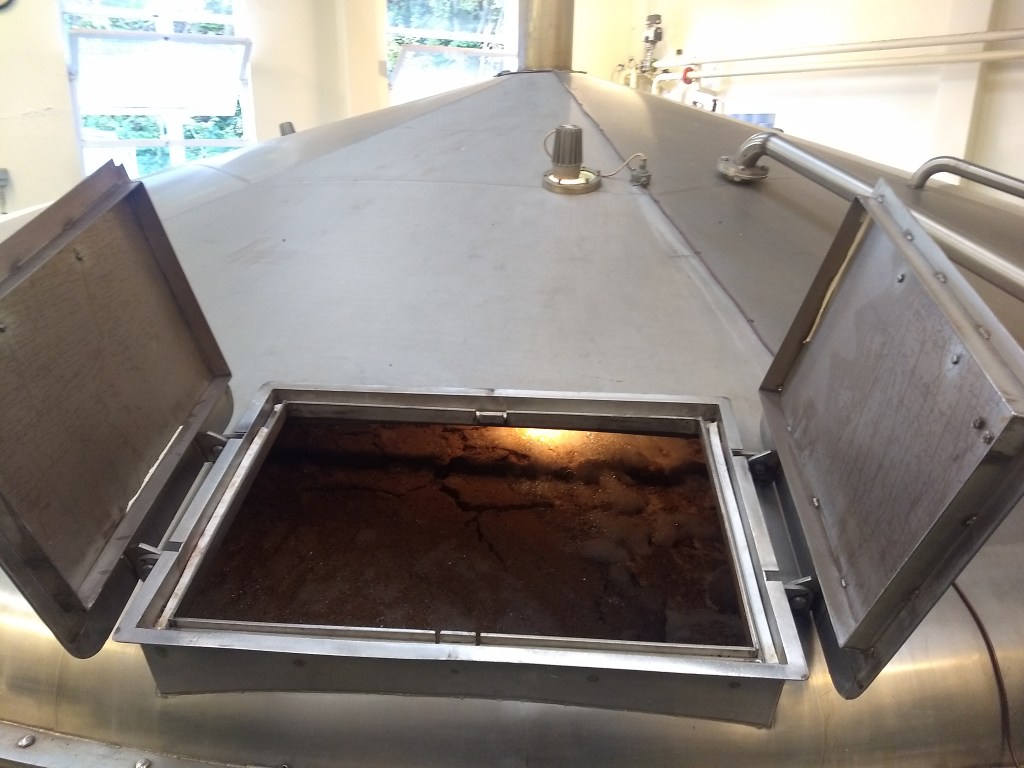
The guide of the day was Kirstie, very knowledgeable and professional. Since it wasnโ€™t raining, her explanation of the history started in the courtyard. We swiftly (or schwifty) moved to production, where we went through the usual path: milling, mashing (closed stainless still mashtun), and (wooden) washbacks.

Mashing in progress (looks like the first water).

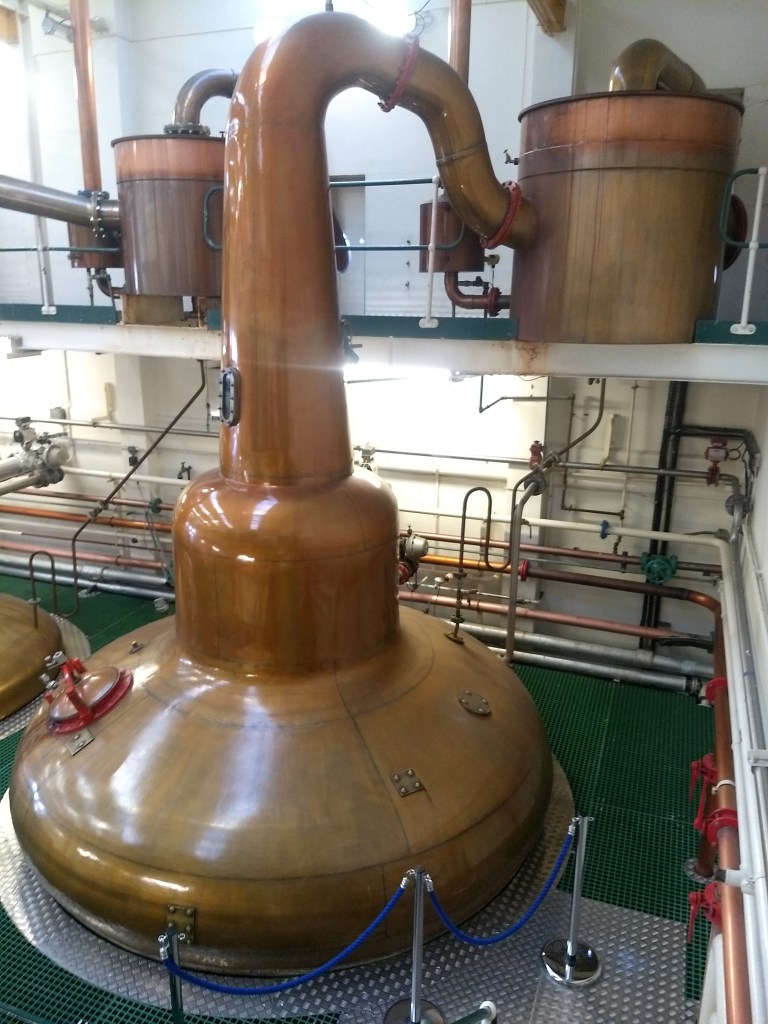
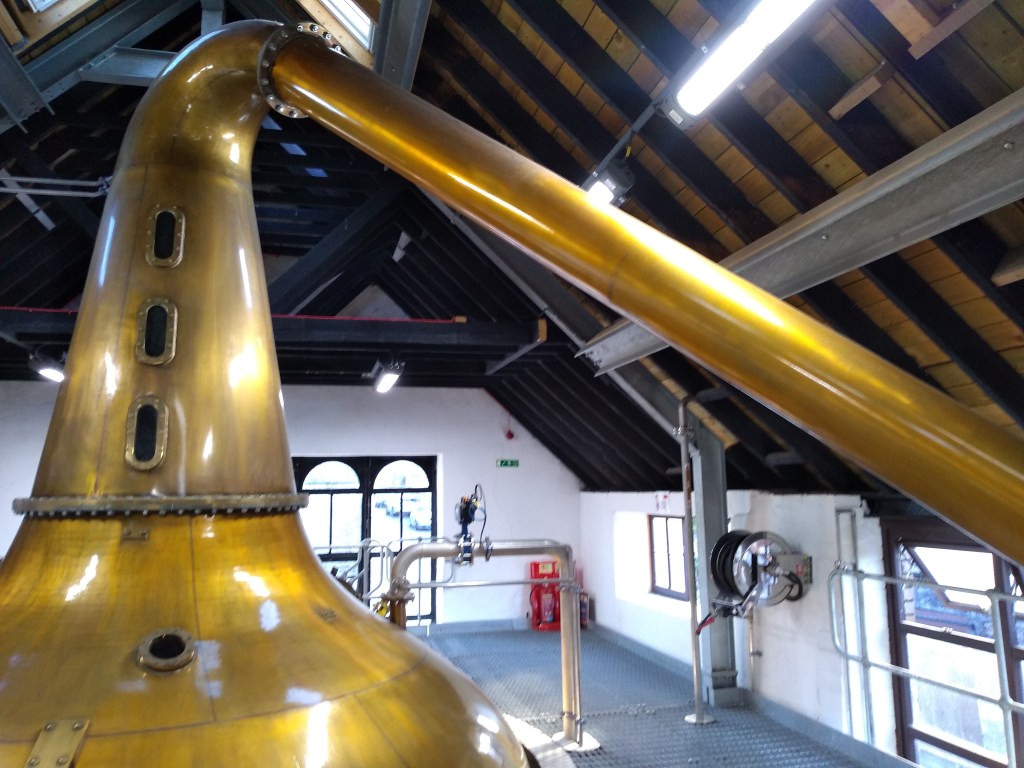
Here came the interesting part: the still room. Like Glenfarclas and others, the room is separated from the rest of the production. As we walked in, we noted the curious shape of the wash stills, with a copper cylinder-ish bulge at the bottom of the neck, rather than the usual round one. The spirit stills have a classic round bulge, but the most fascinating characteristic, however, is the rectifier installed at the end of the lyne arms, looking like another small still. This was an intuition by John โ€œthe Majorโ€ Grant, who took on the business in 1972, and their purpose is to allow only the lightest vapor to be condensed. To produce a light spirit, they also set quite a short and high cut for the spirit heart: from 73% down to 68%.

Have you seen a rectifier like this before?

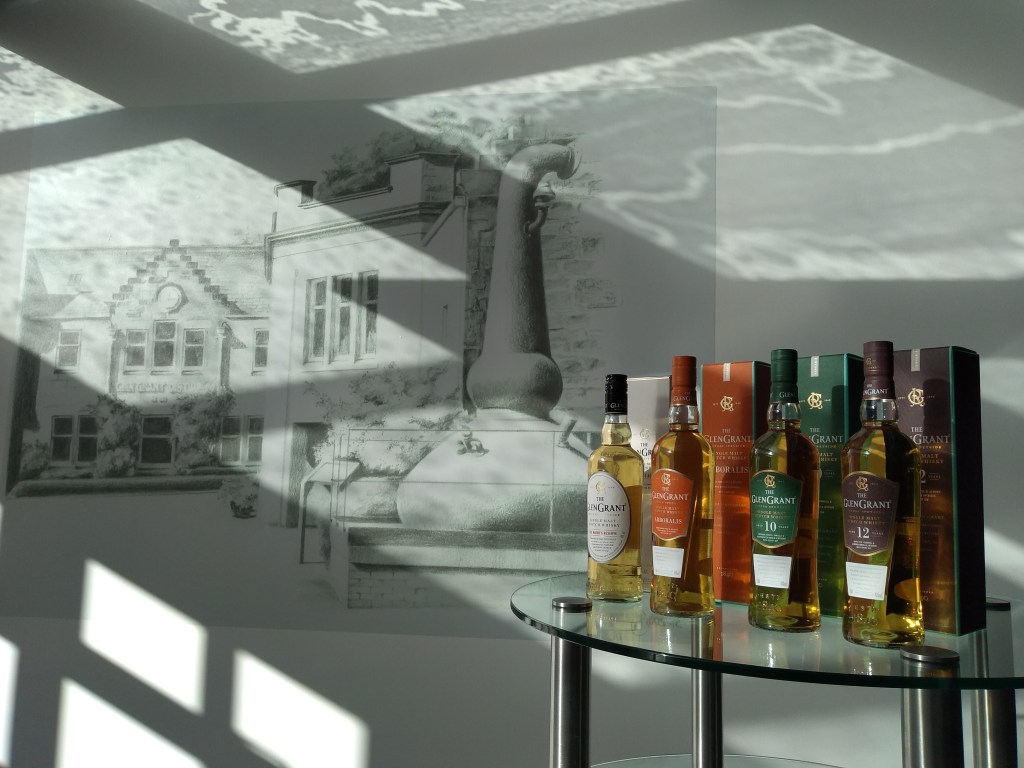
We then visited the warehouse before the self-guided tasting at the visitor centre. At the time of booking, we asked if we could pay more to upgrade our drams: not because they are bad (because they are not, in our opinion), but just because we had had the very same drams during our 2021 visit (Arboralis and 10y). Unfortunately, it wasnโ€™t possible, which was a pity because it would have been a simple but relevant improvement to the experience, in particular for more experienced drammers (other distilleries do it), but oh well.

Bottles on display (we tasted the middle ones).

After sipping (Teresa) and nosing (Gianluigi) the two drams, we went back to the car and drove towards the Aberdeenshire for the second distillery of the day. While driving we did some distillery spotting, first Glentauchers and then Strathmill, in Keith, reached after a nice short walk along the river Isla (the day was truly gorgeous!).

Not so hidden Strathmill warehouses.

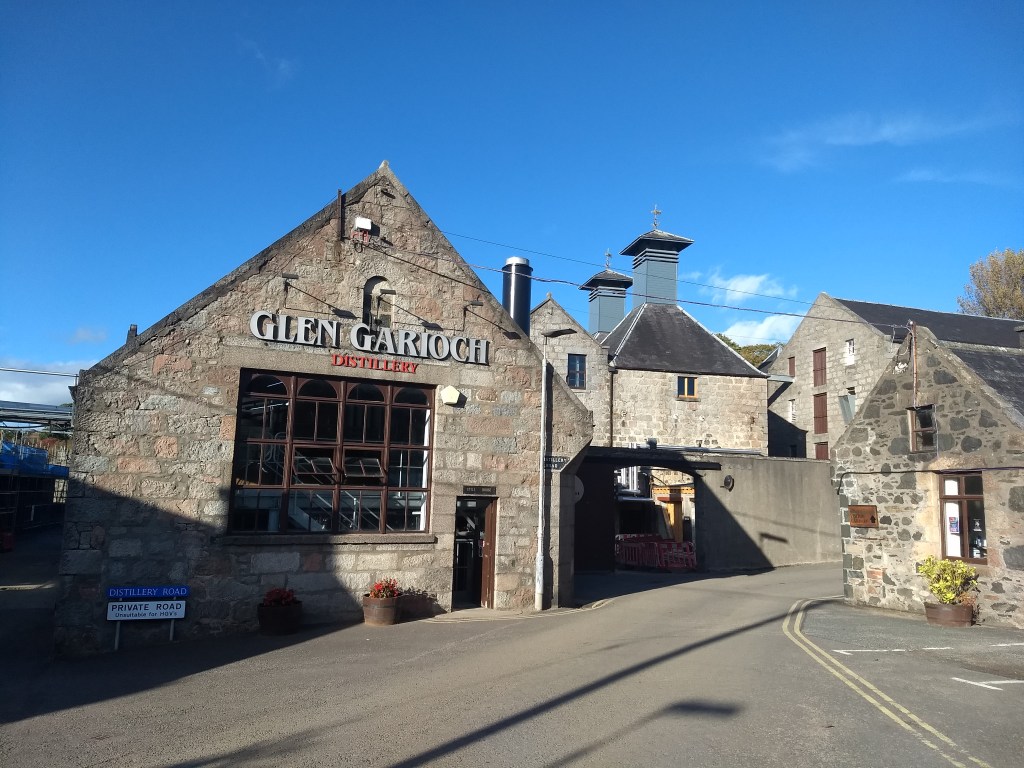
Glen Garioch is in a very different setting: even older than Glen Grant (it was founded 1797), it is almost stuck in the village of Oldmeldrum (near Inverurie): it looks like the village grew around the distillery. Funnily, it was the distillery we visited after our 2021 Dramathon as well, but at the time it wasnโ€™t possible to visit the production due to a combination of Covid safety rules and ongoing renovations, so we were quite excited about the tour!

Look what’s on Distillery Road!

Our guide Iona started the tour from the new malting floor, one of the parts under renovation the previous year. There was one originally, but it was dismissed back in the day when industrial maltings became too convenient to be ignored. This happened across the entire industry, so that now only a handful of distilleries malt their own barley in a malting floor (Benriach, Balvenie, Kilchoman, Laphroaig, Bowmore), and to our knowledge, only Springbank/Kilkerran do it for the 100% of their production (waiting for Dunphail), so bravo Glen Garioch! They also re-introduced the use of peat in their kiln, to get peated malt from time to time.

The renovated malting floor.

We moved on to follow the phases of whisky production: milling (classic red-painted Porteus), mashing (again, closed stainless steel mashtun), and fermenting (stainless steel washbacks). In the still room, we saw the other result of the renovations: they removed one of their three stills, and the spirit still is now directly fired (a flame is burning below, heating the still, instead of the usual steam coil inside it). Again, this modification is a step back into the past of whisky production, as direct-fire stills arenโ€™t usually as efficient as steam coils. Their cut is wide, 73% to 63%, which contributes to giving body to the spirit.

Directly fired, trust us!

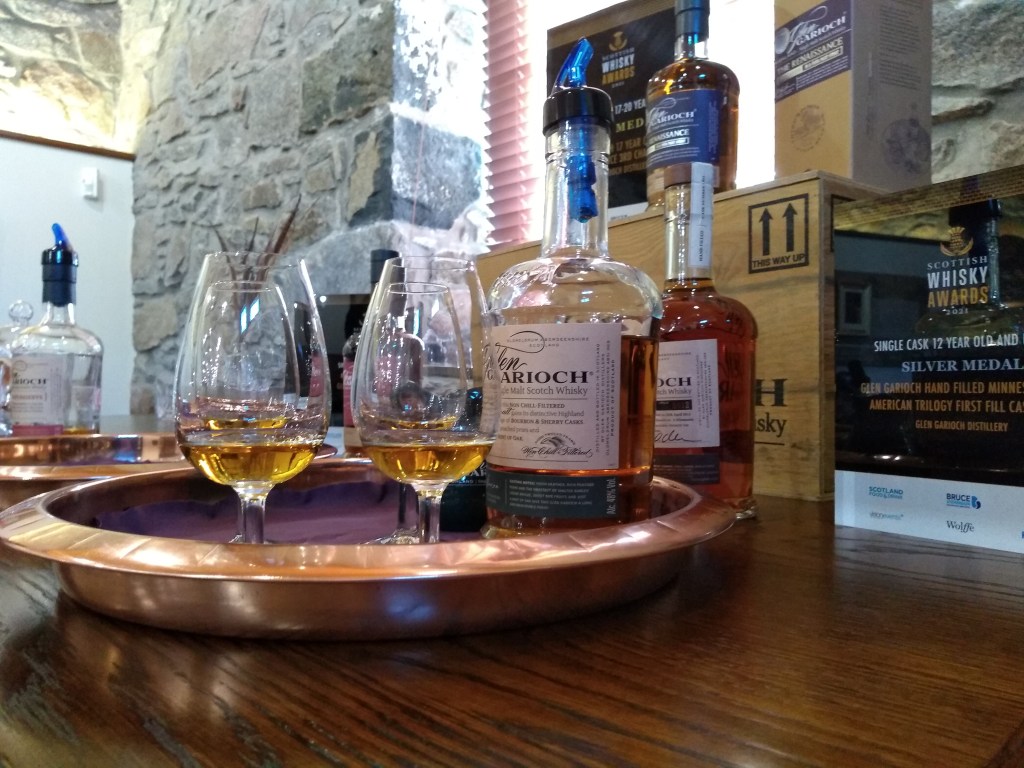
This is reflected in the malts that we sipped in the tasting room, back at the visitor centre (after a wee tour in one of the warehouses). The 12y is a solid whisky, but the Foundersโ€™ Reserve (NAS) is good too. Similar to last year, the visitor centre offers a choice from their core range, the Renaissance range (a series of four expressions, the youngest 15y and the oldest 18y), the American cask trilogy (single casks sourced in Missouri, Minnesota and Kentucky), the virgin oak finish (a vatting of multiple casks), and a couple of distillery exclusives (see below).

The Spirit is flowing!

Again, another very interesting visit, to a distillery that made efforts to bring back some features of the original production. We know that, with the re-discovery of flavours in single malts, thereโ€™s a question about the effects of each part of production. While most of the flavour has been attributed to casks, now people started exploring the effect of other factors, such as malting and distilling, and doubts about more recent modernisations have arisen. For us nerds and geeks (and generally consumers), this exploration is quite exciting as it brings us a lot of new (or old?) flavours!

The tasting.

Until next time, slรกinte!


Glen Grant Tour

Price: ยฃ7.50 pp (October 2022), including the Victorian gardens

Duration: 1hr 10min

Tasting: 2 drams, Glen Grant Arboralis (NAS, 40%) and 10y (40%)

Target: Anyone, but geared towards tourists and novices

Value for money: Very good

Highlights: The still room and the rectifiers

Things we did not like: The very limited tasting optionsโ€ฆor โ€œoptionโ€

Distillery Exclusive: Glen Grant 13y (2008-2021), 56.5%, single cask (NCF, NC) 50cl for ยฃ120

Recommended: For the price, definitely yes

Link: https://www.glengrant.com/


Glen Garioch Founder’s Tour

Price: ยฃ15.00 pp (October 2022)

Duration: 1hr

Tasting: 2 drams, Foundersโ€™ Reserve (NAS, 48%, NC, NCF) and Glen Garioch 12y (48%, NC, NCF)

Target: Anyone, but whisky geeks might appreciate it more

Value for money: Good

Highlights: The new malting floor and the direct-fire stills

Distillery Exclusives: Glen Garioch 1991 (single ex-bourbon cask, 46.4%, NC, NCF, ยฃ325) and Sherry Cask 2009 (1st fill ex-sherry butt, 58.3%, NC, NCF, ยฃ130)

Recommended: Yes

Link: https://www.glengarioch.com/

#2.4 A very Scottish summer holiday

A trip to Orkney Speyside et al.
(day 4)

First unplanned visit of this trip: Glen Grant and its garden in the morning, then Cardhu and its great history in the afternoon

(Forward to Day 10 / Days 7-8-9 / Days 5-6 or back to Day 3 / Day 2 / Day 1)

The morning was supposed to be free from whisky-related activities. However, we were in Speyside, so why not to explore something new? We drove to a village we had never visited before, Rothes. This is the home of one of the major, if not THE major, pot stills building company, Forsyths, and of three single malt distilleries: Glen Spey, Glenrothes, and Glen Grant. The former two (owned by Diageo and Edrington, respectively) are normally closed to visitors, so we directed our attention to Glen Grant, since from their website we understood that at least the shop was open.

At Glen Grant: safety first, drams later.

Actually, it was much better than that! First, the distillery cafรฉ had the Illy Espresso (maybe because of their Italian ownership? Who knowsโ€ฆ), which was a nice surprise. Second, it was possible to visit the Victorian gardens and enjoy a mini-tasting of two drams for the ridiculous price of 5 pounds. We first strolled through the gardens, much bigger than expected, with some very nice lawn, orchard trees, and a more luscious vegetation around a stream on the back of it. We then moved back to the visitor centre to enjoy the drams: the Arboralis, a non-age statement 40% expression added to their core range in March 2020 (not exactly a perfect timing!) and the 10y. We decided to get a bottle of the Arboralis, although we were very tempted by their 15y (bottled at 50%) which we had tasted a while back and found it delicious. This was the first time we saw it in a UK shop, since it was previously restricted to travel retail and other markets.

The luscious victorian gardens behind the distillery.

The mood was great at this point, because of the unexpected distillery visit, so we decided to have a walk in the village and then nose around the Glenrothes distillery. Meanwhile, we spotted a second-hand shop in an old abandoned church, where we found a folding table which was perfect for our camping chairs! Even better mood now, and so we happily drove to the next stop: the Cardhu distillery!

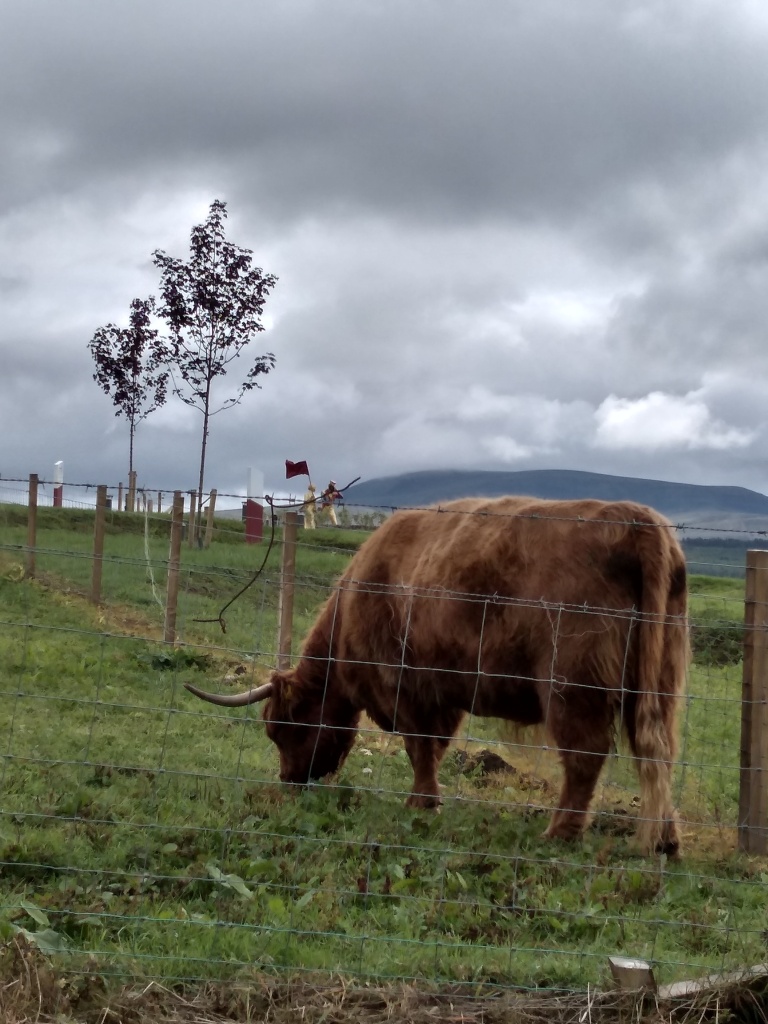
We arrived a bit early, so before checking in we had time to have lunch in the parking lot. Similar to Clynelish, the investments for the โ€œjohnnywalkerificationโ€ (credits to Justine from Kask Whisky for this term) of the distillery were obvious: a statue of the striding man saluting you as you drive into the premise, together with one of Helen Cumming holding her well-known red sheet. Behind them, a small herd of highland cows was quietly grazing.

Highland coo, Helen Cumming and the striding man.

Our tour started with a 15 minutes video about the history of the distillery origins, and how the legacy of Cardhu/Cardow was defined by the family women: Helen and Elizabeth Cumming. In particular, how Helen helped all the illicit distillers of the area by displaying a red sheet when the excise man was in. The video was very interesting, well done, and not too cheesy (no mention of the more recent “pure malt debacle”, however…). We then moved on to the production areas, where our guide Hamish displayed his impressive knowledge by talking the group through the processes. The fermentation room looked awesome with its eight wooden washbacks, but one of the best moments was when we arrived in the stills room: we started smelling a strong scent of fruits, more particularly pears – the โ€œheartโ€ of the distillation was flowing through the safe. This is the middle part of the distilled spirit which is actually going to be put in casks, while the initial (โ€œheadโ€) and the final (โ€œtailโ€) parts are going to be collected and re-distilled instead. In the warehouse there were a few casks opened for us, which we could smell through the hole as an example of different flavour profiles across Diageoโ€™s portfolio.

The wooden washbacks at Cardhu.

Finally, as always, the tasting. This day Gianluigi had the short straw, so Teresa could happily enjoy her drams. The line-up was quite rich, first off three core range expressions: the 12y, the non-age statement Amber Rock and the 18y. All nice drams, maybe a bit weak on the mouthfeel, but definitely good sippers. The following three were special: the Distillers Edition (NAS, bottled at 48% and benefitting from triple maturation, ex-bourbon, ex-sherry and ex-red wine casks), the Four Corners of Scotland Edition (16y, 58.2%) and finally the hand-filled distillery cask (an 11y ex-bourbon casks, cask strength). These three drams showcased the difference a more natural presentation can make, they were all very tasty and full of flavour! As in all Diageoโ€™s distilleries we visited since reopening, while the prices of core range bottlings were great, unfortunately the same could not be said for the hand-filled or other special releases like the Four Corners of Scotland series. We were divided between the Distillers Edition and the 11y Special Release 2020 (which, very kindly, Hamish made us taste): we ended up buying the latter.

Quite a generous tasting!

Back in the campervan, we drove past Ballindalloch (home of other distilleries for another trip hopefully) to Grantown-on-Spey, where we had booked a pitch in a very nice camping (other lesson: bringing a hammer might be useful to put the stakes on a gravel pitch). This time the weather was acceptable, so we were able to grill (hurray!!) and roast some marshmallows (HURRAY!!). Since we finally had a table and chairs, we enjoyed the evening by sipping our driverโ€™s drams under a warm blanket.


Glen Grant Victorian Gardens Visit and Tasting

Price: ยฃ5.00 pp (July 2021)

Tasting: 2 drams, Arboralis (40%, NAS) and Glen Grant 10y

Target: everyone

Value for money: Very good

Highlights: the Victorian gardens and the Illy espresso

Things we did not like: nothing

Link: https://www.glengrant.com/


Cardhu Collection Tour

Price: ยฃ25.00 pp (July 2021)

Tasting: 6 drams, Cardhu 12y, Amber Rock, 18y, Distillery Exclusive (48%, NAS), 16y Four Corners of Scotland, Hand-filled Distillery Exclusive (ex-bourbon, 11y)

Target: casual tourists, whisky enthusiasts and geeks

Value for money: Very good

Highlights: the video history and the tasting range

Things we did not like: nothing

Link: https://www.malts.com/en-row/distilleries/cardhu