Back to Glenturret, after the Lalique revamp
TL; DR: On our anticipated travel back to Edinburgh, we decided to revisit a distillery we’d only been once in the middle of the pandemic: Glenturret! In the meanwhile, the distillery went through a revamp, with a new core range and a new mashtun. A solid tour ending with two tasty drams!
(missed Part 1?)
The sky in Inverness was uniformly grey that morning, with hints of rain and puffs of cold air. We took the A9 southward, not stopping until Dalwhinnie: nope, not at the distillery, but at The Apiary, a nice cafe serving the most delicious honey cake ever! So good that we endured the rather expensive coffee. Back on the road, we decided for a last-minute stop at a distillery we’d visited over 5 years ago: Glenturret.
Back in August 2020, it was one of the few distilleries open in that weird summer between lockdowns. Gianluigi’s parents took advantage to come visit as well, and we took them to the magnificent Isle of Skye: the village of Crieff was a perfect stop along the way. The tour with masks and social distancing was really something else, but also having to translate everything for Gianluigi’s parents meant we couldn’t grasp all the details (and the tour guide, while she kindly agreed for us to translate, didn’t make much effort to space her sentences a bit). However, Gianluigi’s mother still remembers Towser the cat, the distillery’s mice-catching machine, long gone but remembered with a statue.
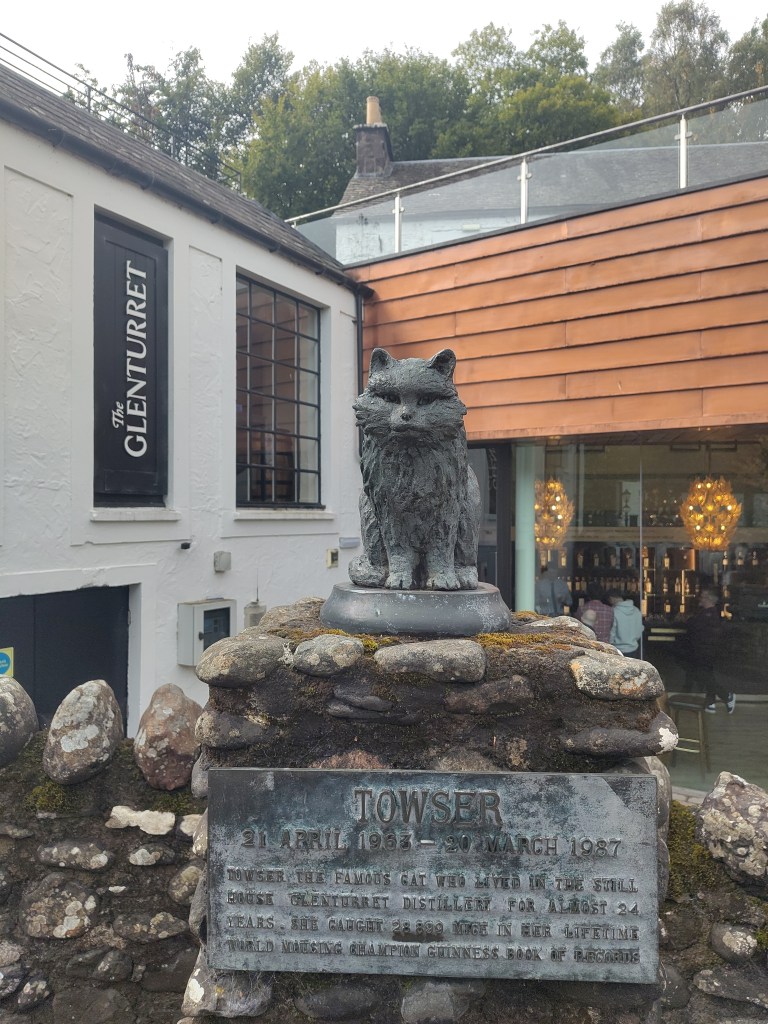
A cat with a glorious past.
A few weeks after our 2020 visit, a new revamped core range was announced by the new owners, Lalique (decanters, perfumes, etc). During the Edrington period, Glenturret was used as the home of The Famous Grouse, before it was sold to Lalique in 2019. Funnily enough, Edrington now has sold the entire Famous Grouse brand as well! When we first visited the core range was a bit outdated, with all expressions at 43% and without age statements. The new one is released about once a year, in a newly designed decanter-style bottle, and it is curated by their whisky maker Bob Delgarno, who worked many years at the Macallan. This year’s expressions are the Triple Wood (45%abv, £62, the only chill-filtered expression), a 7y peated (46%, £62) a 10y peated (46.6%, £67), a 12y sherried (46.2%, £77), a 14y also peated (48%, £150) and finally a 15y (46%, £165). The 12y had some success in our whisky bubble, despite its price betrays a move towards the luxury market, even more clear when checking the price of expressions beyond the 12y age statement (including the extra aged stuff, not mentioned here). Other than revamping the core range, Lalique also transformed the distillery: no more a stand-alone cafe, with hot beverages and snacks now available at the whisky bar.
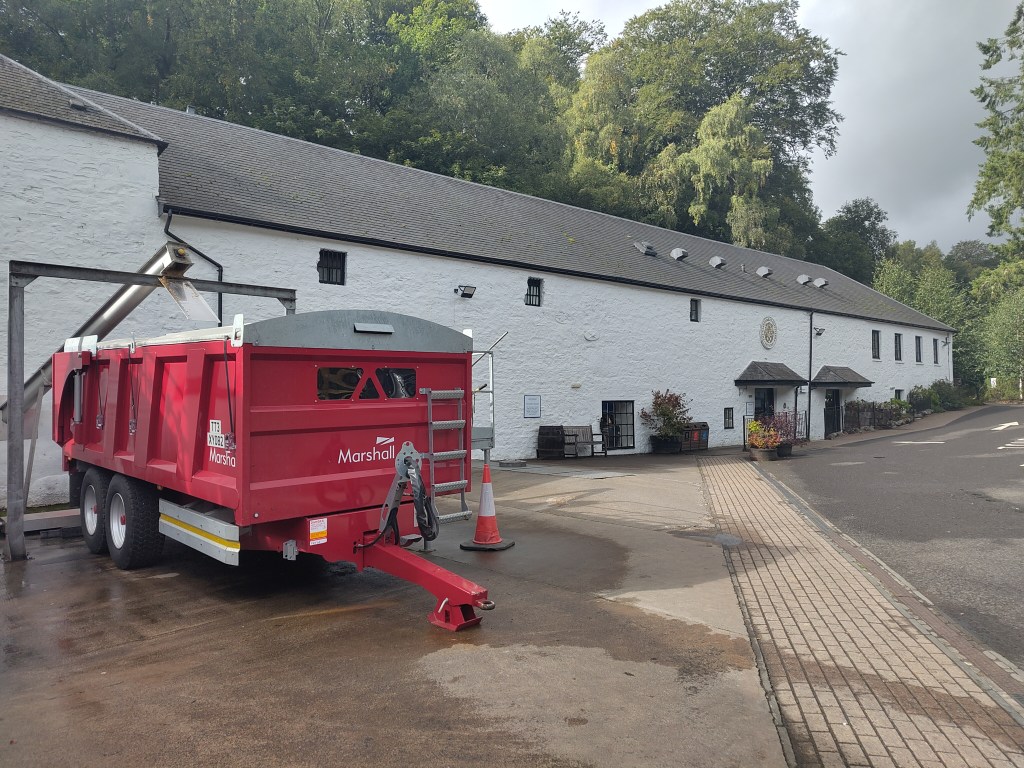
There used to be a cafe here.
There is also a fine dining restaurant with two Michelin stars, and a Lalique boutique behind the visitor’s centre shop. However, production remained very much traditional, as shown to us by our guide Alan: he looked somehow familiar, but we couldn’t really place him exactly. After the introduction (held in what used to be the malting floor), he explained the recent history of the distillery and how it is the oldest in Scotland as it dates back to 1763. Apparently, this came to a surprise as the previous understood founding date was 1775: in any case, things must have changed quite a bit. What didn’t change is the presence of cats: during the tour we spotted a couple of them, apparently not trying very hard to fill Towser’s shoes.
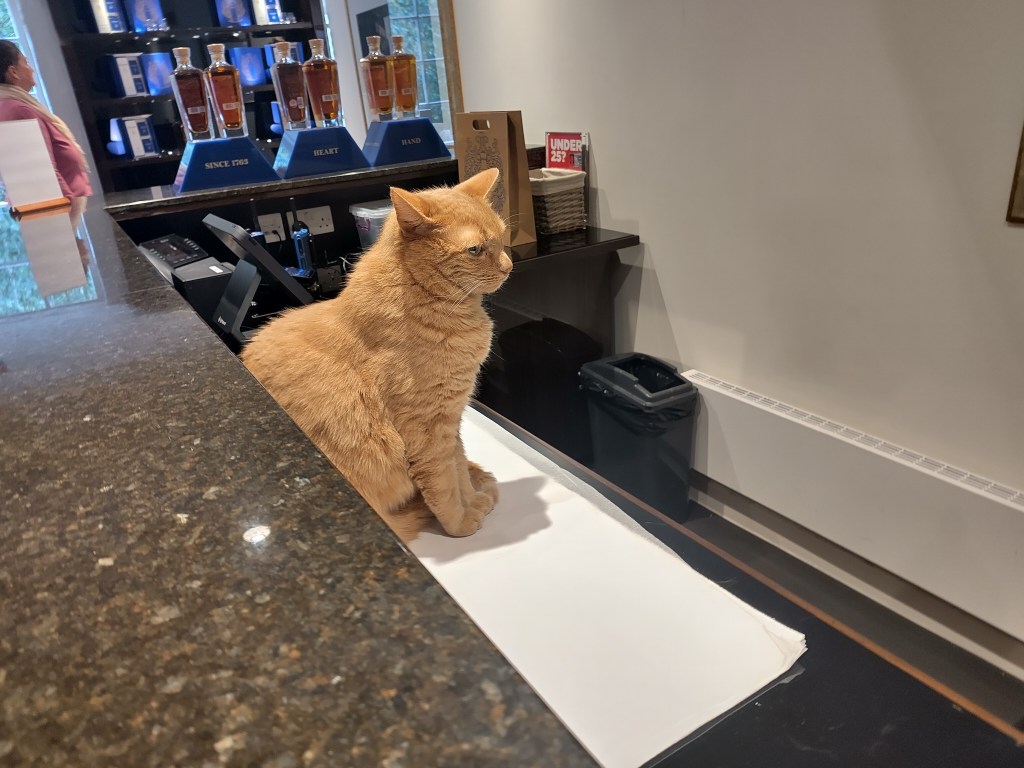
Doesn’t look as active as Towser.
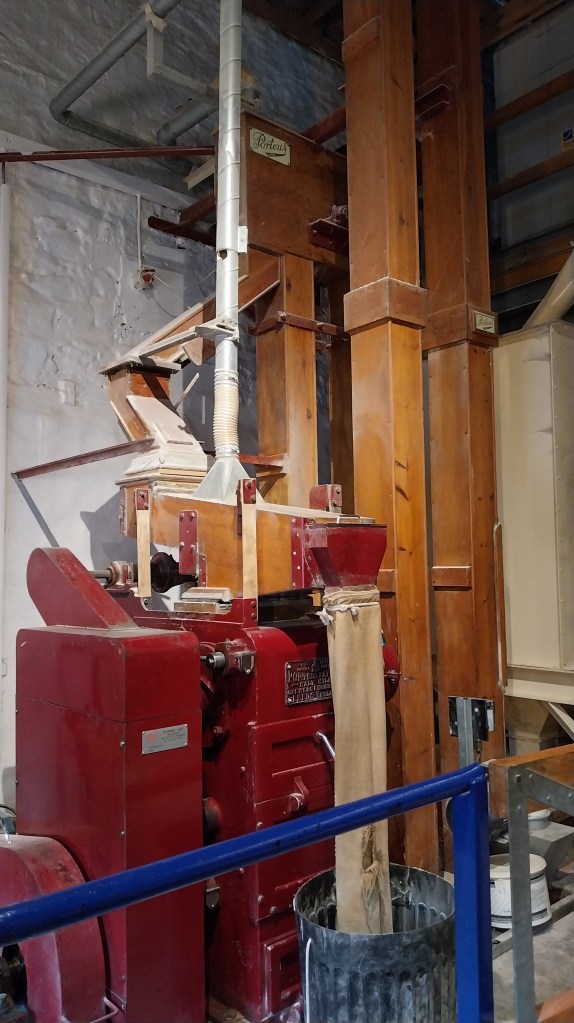
The distillery now works 7 days a week, doing 12 mashes (not reaching the total capacity of 500,000 litres of alcohol per year), using mostly unpeated barley. To note, a few months back they announced that they will stop using peated barley (usually about 9-14ppm) from next year. Although we can totally see the reasons (sustainability, mostly), it’s a bit of a shame as we love the peated Glenturret, particularly at a young age (in the recent past the Scotch Malt Whisky Society released a good number of those casks!). In line with their sustainability ethos, they are also trying to source the barley locally, for the moment it’s around 30%. The process starts with crushing the barley in their old Porteus mill, but compared to other distilleries their grist has a lower percentage of flour (7% vs the usual 10%), compensated by more grit (73%). Mashing is one of the novelties as they replaced the open mashtun we saw in 2020 with a shiny new 1.9ton one with a copper lid, and a semilauter system inside. Mashing is carried out with three waters at increasing temperature from 64°C to 85°, and the remaining draff goes to local farmers.

This mashtun wasn’t there back in 2020.
Fermentation happens in one of the eight wooden washbacks, using 37 kg of M yeast per batch, and lasts 100-120 hours. As for the distillation, in the second run the cut they take goes from 69%abv to 63%, with the foreshots and the feints redistilled with the next batch of low wines from the first distillation. Each batch produces about 850 litres of spirit, enough to fill 3 to 4 casks (American standard barrel) at a strength of 64%. Another novelty is that they installed a heat-exchanger that works between the mash and the still: the first still is now filled with pre-heated wash at 70°C and not 17°C as in the past: good for the environment and the wallet.
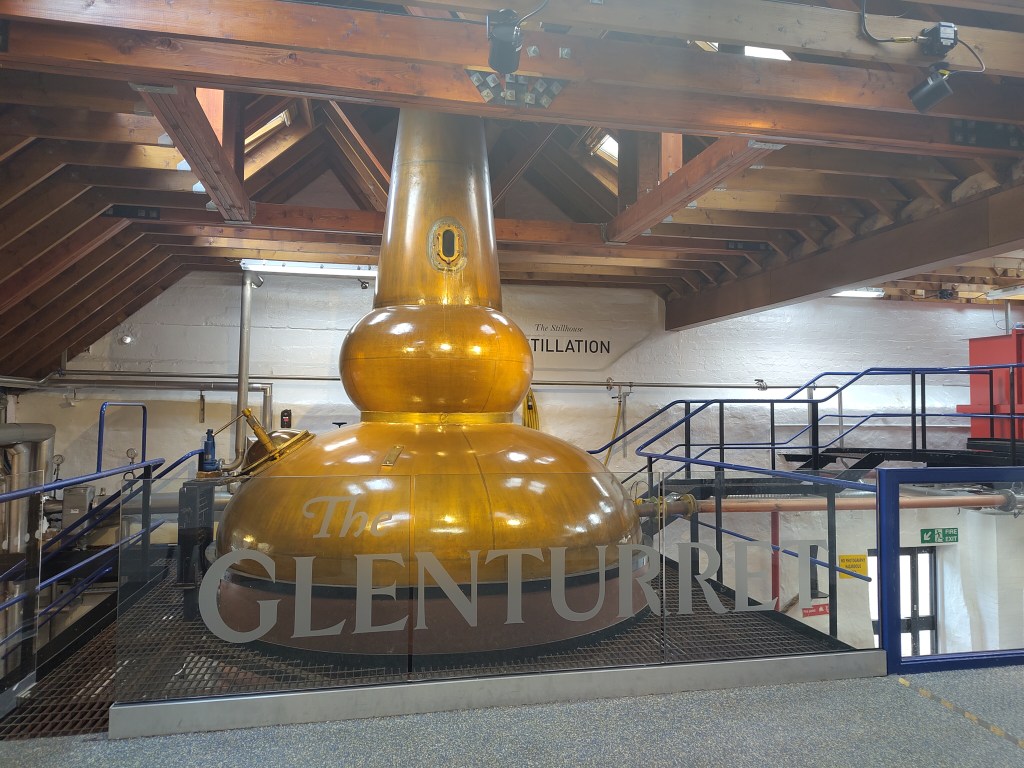
A bigger still than we remembered.
We didn’t visit the filling store, nor the warehouse, but after the tour we went back to the visitor centre. Alan took us to a room on the upper floor, next to the restaurant, for the tasting, including the 10y and the 12y. A pleasant surprise, as we thought they’d give us drams of the two cheapest expressions like other distilleries did in the recent past…Very good on them! We briefly stopped at the bar, for coffee and to buy a dram to take home: we chose the 14y, a very tasty example of soft and sweet peat smoke, with some decadent notes from the sherry cask (although, not “150-quid-a-bottle” tasty).
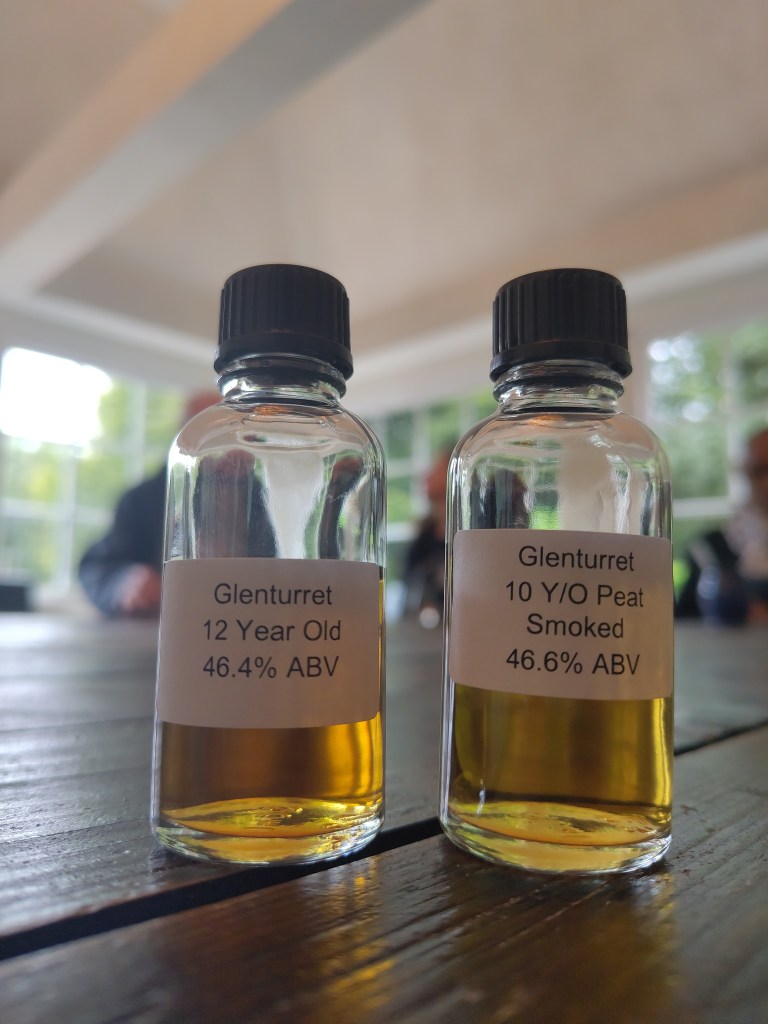
Two good drams for the driver…
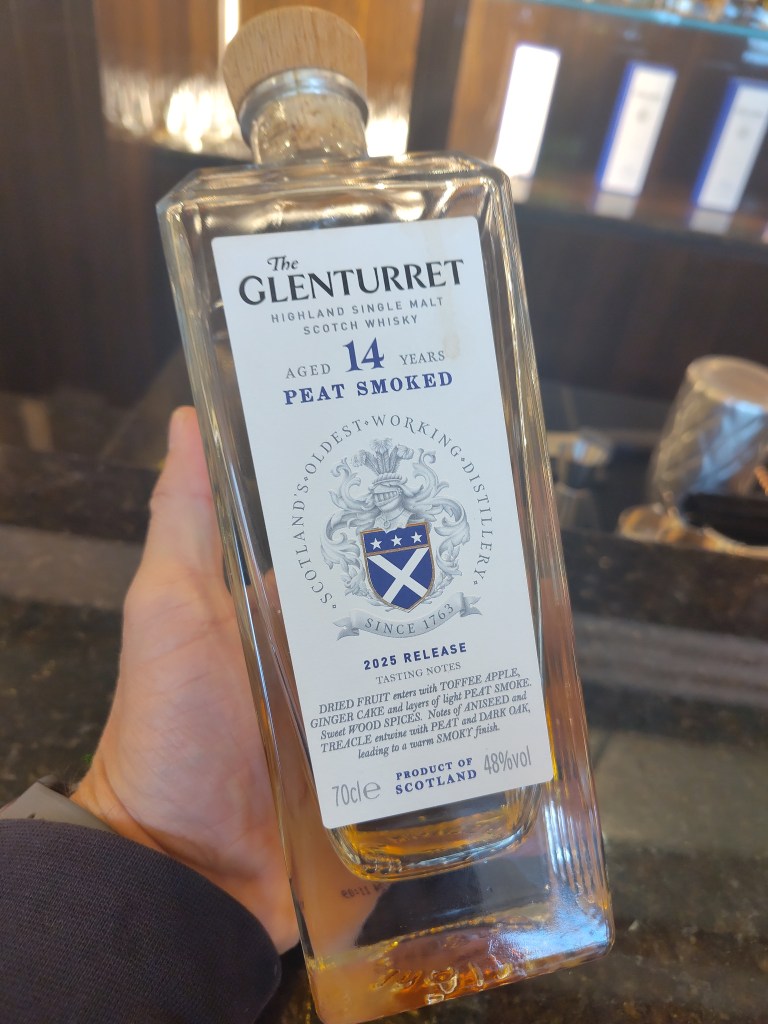
…and a dram (not the bottle!) to take home.
Overall, we were very happy with this visit, the tour was entertaining and interesting, despite being more tailored for people new to whisky: still, probably one of the best “basic tours” we attended recently. In our opinion, Lalique and the team did a great job to give the whisky and the brand the character it deserved, because Glenturret can be delicious. Moreover, the makeover they gave to the distillery was more discrete and tasteful than we anticipated. Just a shame that some of the expressions are priced out of range for most whisky enthusiasts: hey ho.
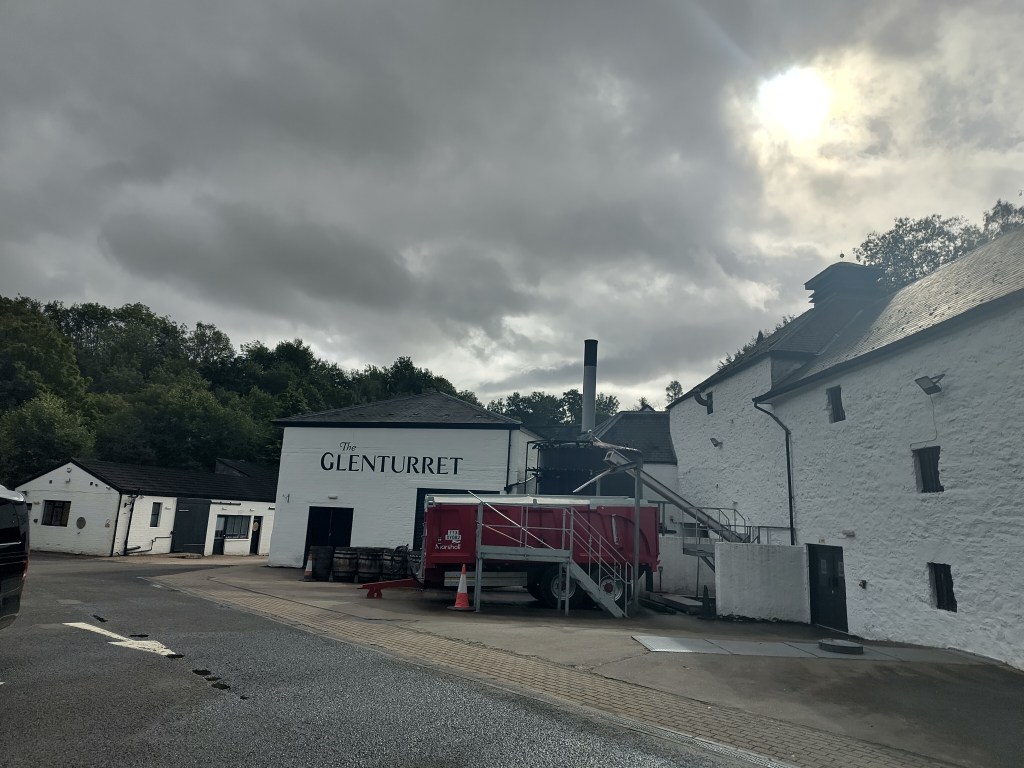
We might see you again, Glenturret.
We left Glenturret, ready to get home 4 days in advance compared to the initial plans: not great. To cheer us up we did one last stop on the way: we found a table at the Lobster Pot, a nice restaurant next door to the Blackness Bay distillery. It was since the distillery visit last year that we wanted to go back, and finally there we were, enjoying some delicious seafood!
One more distillery visit to go before the end of our “back-up” plan. Until then, slàinte!
Glenturret Distillery Tour
Price: £20.00 pp (September 2025)
Duration: 1hr
Tasting: two drams, Glenturret 12y (46.2%) and 10y peated (46.6%)
Target: anyone
Value for money: good
Highlights: the traditional production process
Recommended: yes, it’s a good basic tour
Link: https://theglenturret.com/
 Dramming around