#63.4 As north as you can get (on the mainland)

Pointing north to the bunker


TL; DR: Our final distillery visit in this North Highland trip was to another new distillery: North Point! The location is very fascinating, and during the engaging tour, Alex walked us through their process in a distinctive visit that left us excited. After the visit, we visited peat bogs, beaches, and waterfalls, an ended the trip with a cheeky visit at Tomatin. 

(missed Part 3/Part 2/Part 1?)

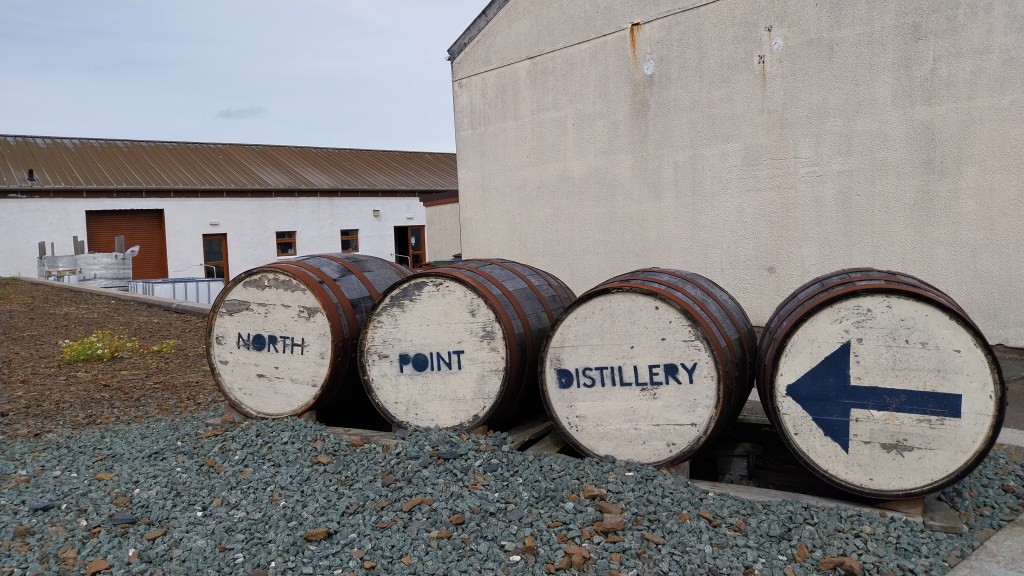
The Forss Technology Business and Energy Park is only a few minutes driving from Thurso, the access road is on the right side of the A836, if youโ€™re driving westward. As we approached it, the site looked more like a wind farm, as it’s surrounded by turbines. We’d done our homework before, and we learned that the site, built in the early 1960s, used to be a U.S. Navy radio station active during the Cold War. Not only that, but after the closure of NAVCOMMSTA Londonderry in 1977, it became crucial to monitor the North Atlantic and the North Sea until November 1992, when it ceased operation and the Americans left. The site maintained some activity because of some of the existing facilities (basketball court, bowling alley, swimming pool, baseball diamond), but then in 2003 it was transformed into a business park. And in 2020, North Point Distillery moved in!
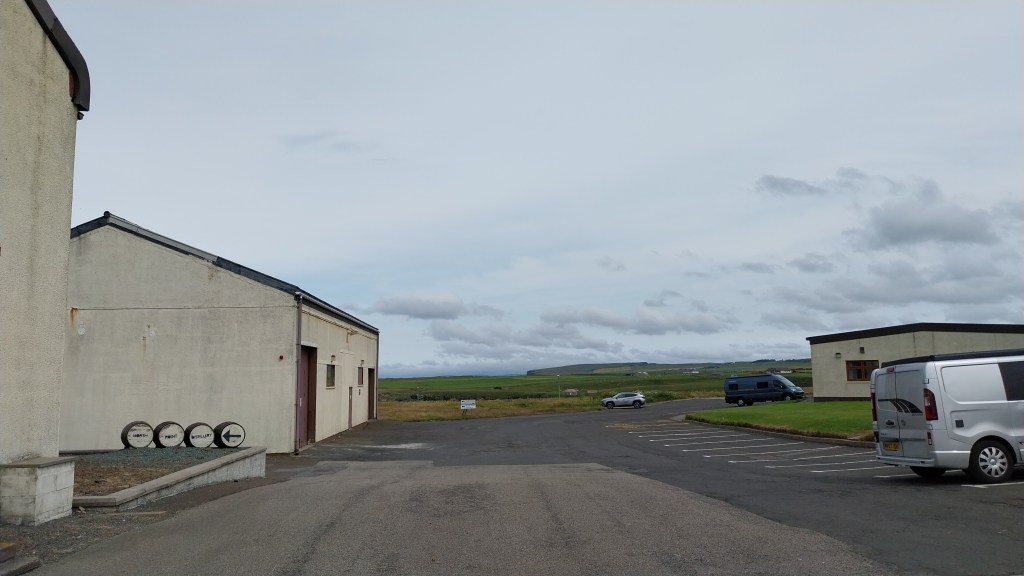
We learned about North Point because of their other spirits (more on this later), but their inclusion in the 2025 Malt Whisky Yearbook meant that they started distilling newmake spirit for whisky, sparking our curiosity. The visit almost didnโ€™t happen, because the Foundersโ€™ tour (the in-depth one, but they also have a shorter option for ยฃ12) was not scheduled on Saturdays. However, we’d noticed that the shop was open, so we got in contact and they agreed to give us a tour! This kindness is not a given, as other distilleries would have just turned us away, so many thanks to them! As we arrived Alex MacDonald, one of the founders and our guide for the afternoon, spotted us right away, and introduced himself while we entered the Murkle building. This is where their offices, shop and part of production are. Despite his surname, Alex is Canadian, and came to Scotland to play rugby. After getting an MSc in Business, he founded the distillery with Struan Mackie (native of the North Coast). The company is independently owned, and they recently obtained the B Corp Certification, to testify their effort in sustainability.
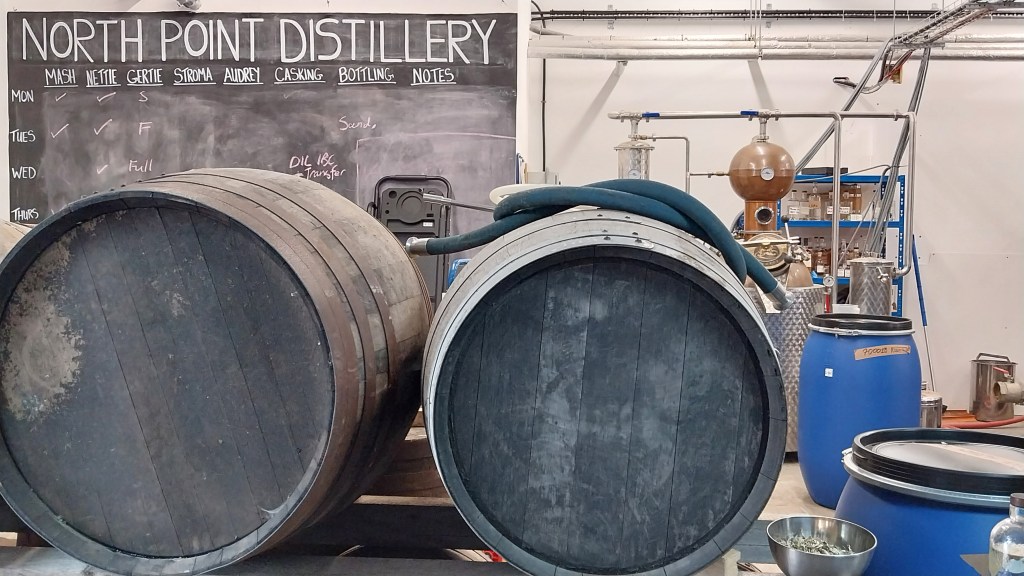
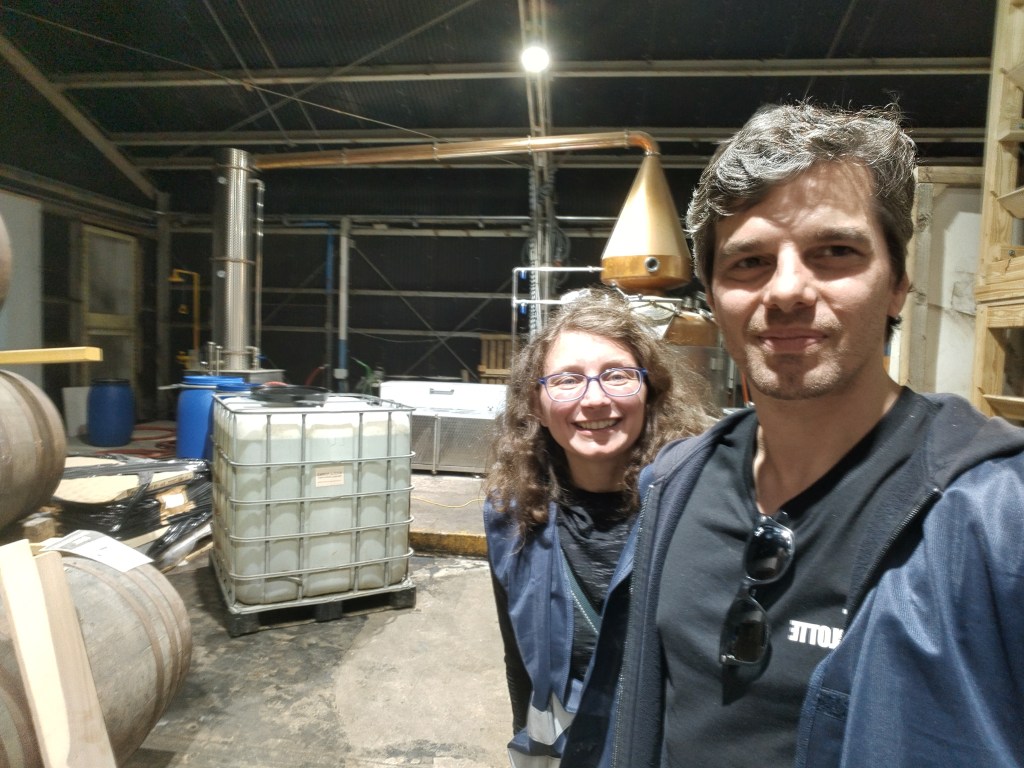
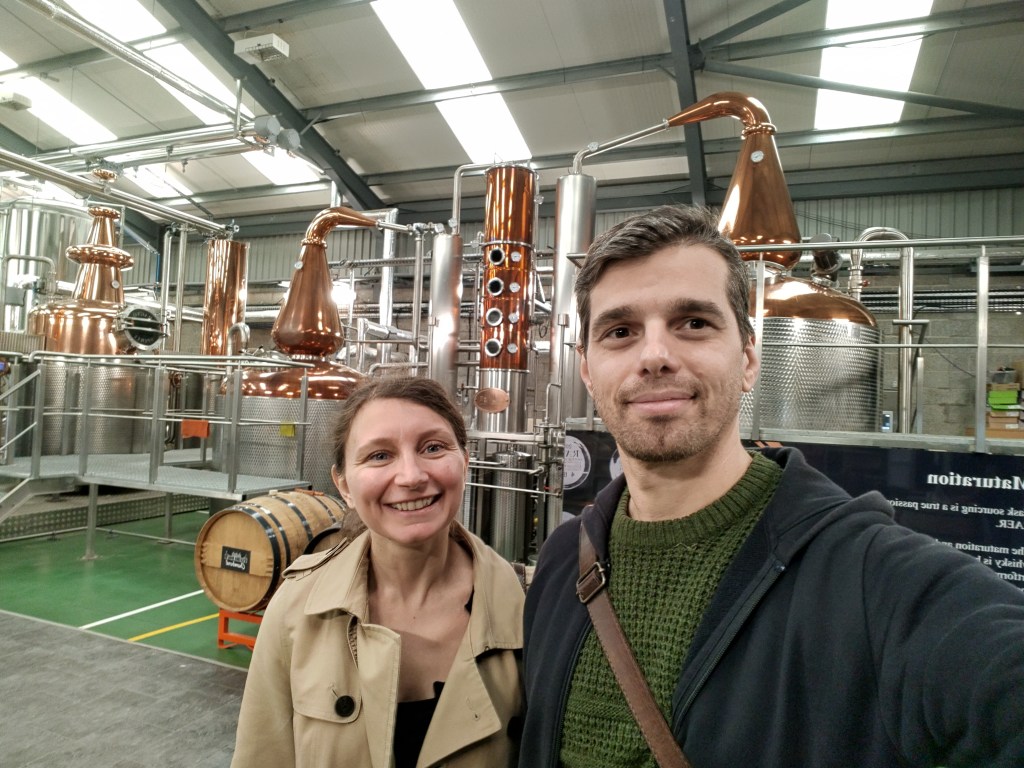
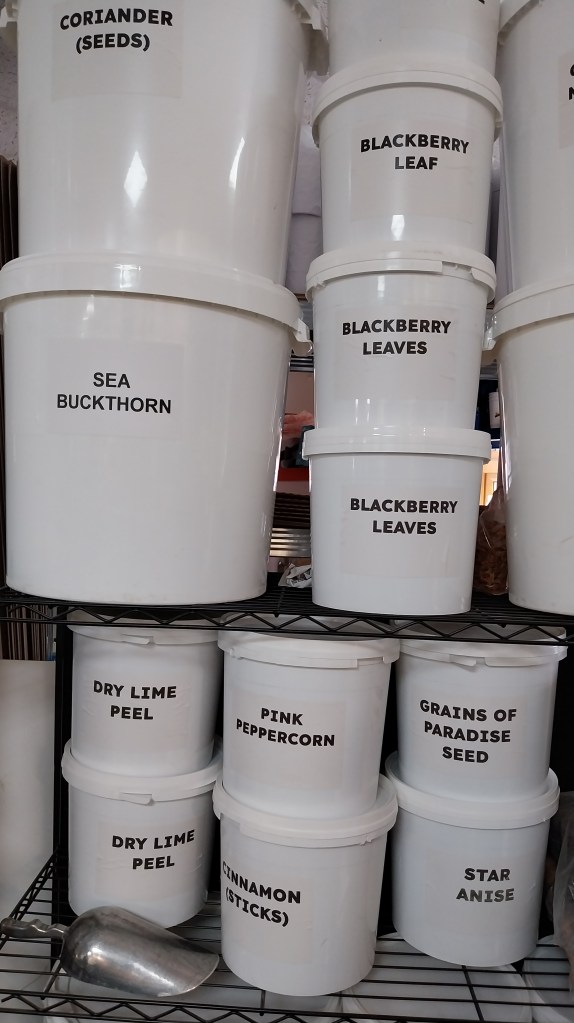
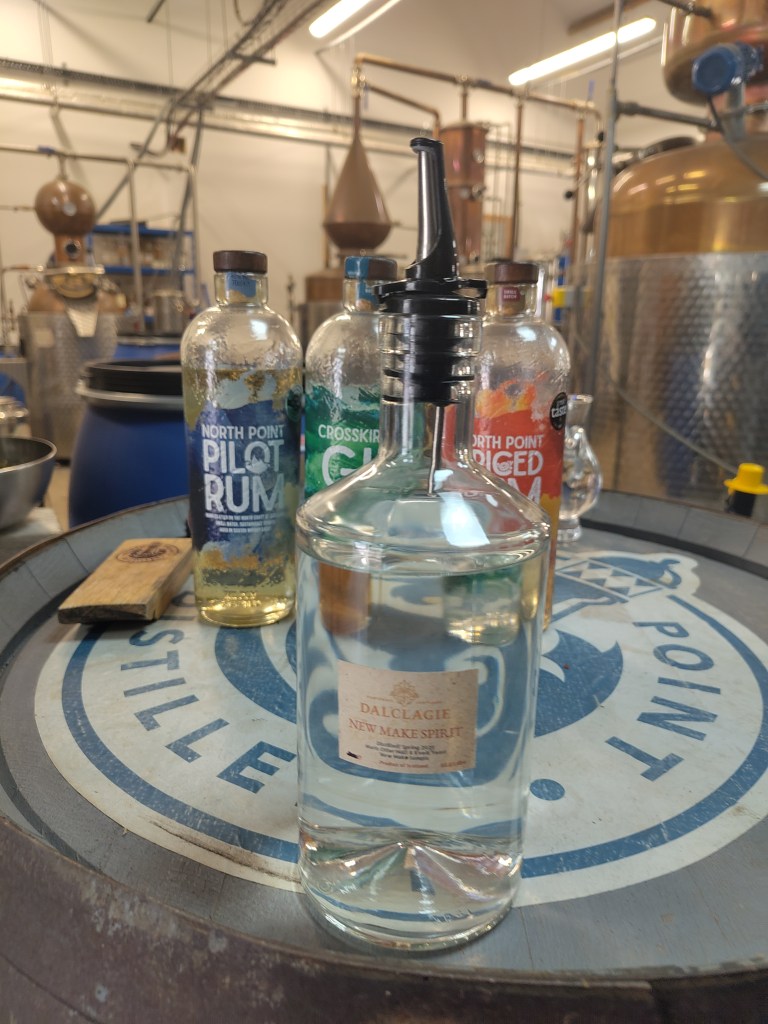
The part of production near the offices is mostly dedicated to the other spirits, although one of the whisky stills is also there. The stills are all named after members of their families (some still alive, who apparently complained) and they are custom made by a Serbian company. They are all electric, not very common in Scotland. Right in front of the stills, we could check out their massive collection of botanicals, while tasting three spirit samples each (excluding Gianluigi, the driver). They started in 2020 with one 500-litre still, Sandy Stroma, to produce their Highland Rum and their gin, and they later added Audrey, a small experimental one (for smaller batches as well, including for clients).
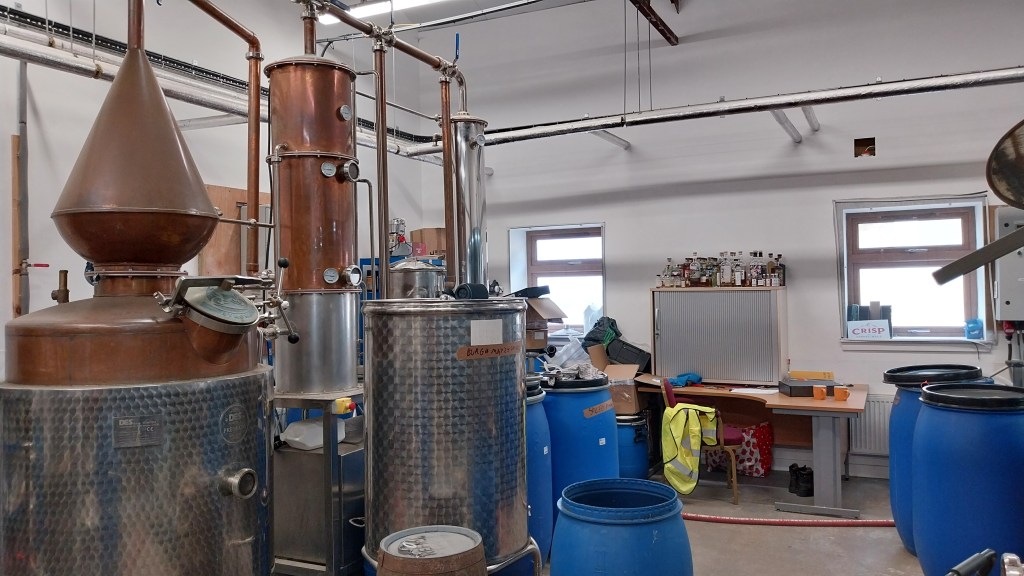
For the rum they buy molasses from Barbados, and they ferment them with Kviek Norwegian ale yeast for a week, before running it through the still. Their main product, delicate and sweet, is the Pilot Rum (aged for 1-year in ex-whisky casks), named after the pilots of the Pentland Firth, who used to guide bigger ships through those dangerous waters. They later added the Spice Rum (43%): for this, they found a recipe (including cocoa, orange, vanilla pods, and other 18 botanicals) that tries to replicate the experience of drinking rum while eating a Terryโ€™s Orange. In the same stills, they also produce the Crosskirk Bay Gin, made with juniper imported from Tuscany (because of a higher concentration in oils), Szechuan and pink peppers, and other botanicals. Edoardo particularly appreciated the gin and its oiliness, the last of the three-spirit flight.
As we were saying, one of the whisky stills is also in the same building: Gertie, the 1000-litre spirit still. While Alex explained that they obtained the license for whisky in 2021, he gave us a newmake spirit sample of what will become Dalclagie Single malt. Until 2023 they mostly did research and development, including 40+ mashbills before finding the one they wanted for their malt.
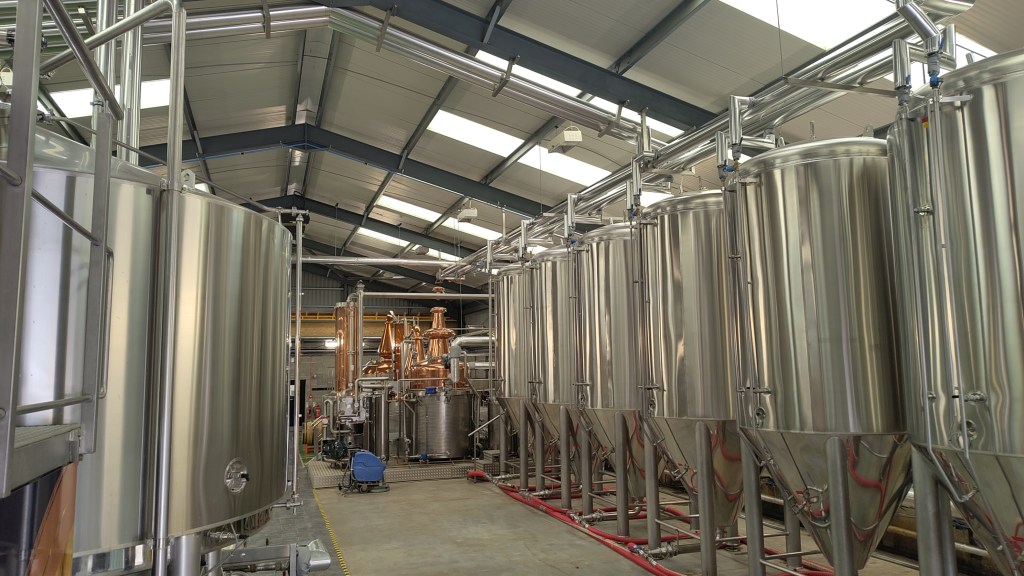
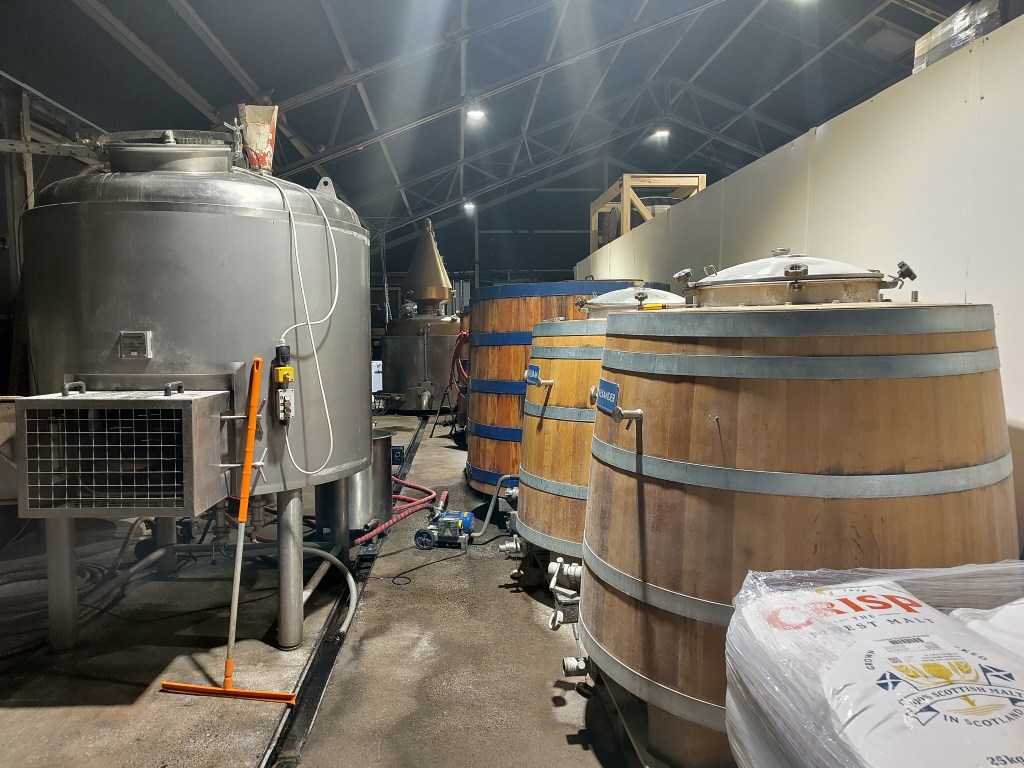
Alex then walked us to where the rest of whisky production is, inside an adjacent, much bigger building. They get pre-milled malted barley from Crisp, mostly Maris Otter, processing 4 tons every two weeks. They are still experimenting a lot, in particular around Christmas, with both barley and yeast: a fun time for their distiller Greg. They also have plans to trial some heritage โ€œbourbon-styleโ€ mash recipes. Mashing is carried out in a 2000-litre mashtun for 9 hours, while they have six wooden washbacks: two Wilhelm Elder, and four former vatting used by Diageo for the Johnny Walker Blue label (one of them is called Angus). We wondered if they were still haunted by the whisky of the ghost distilleries that went into that. After 7 to 10 days of fermentation with Kviek yeast, they finally run the first distillation in the 2000-litre wash still, Nettie.
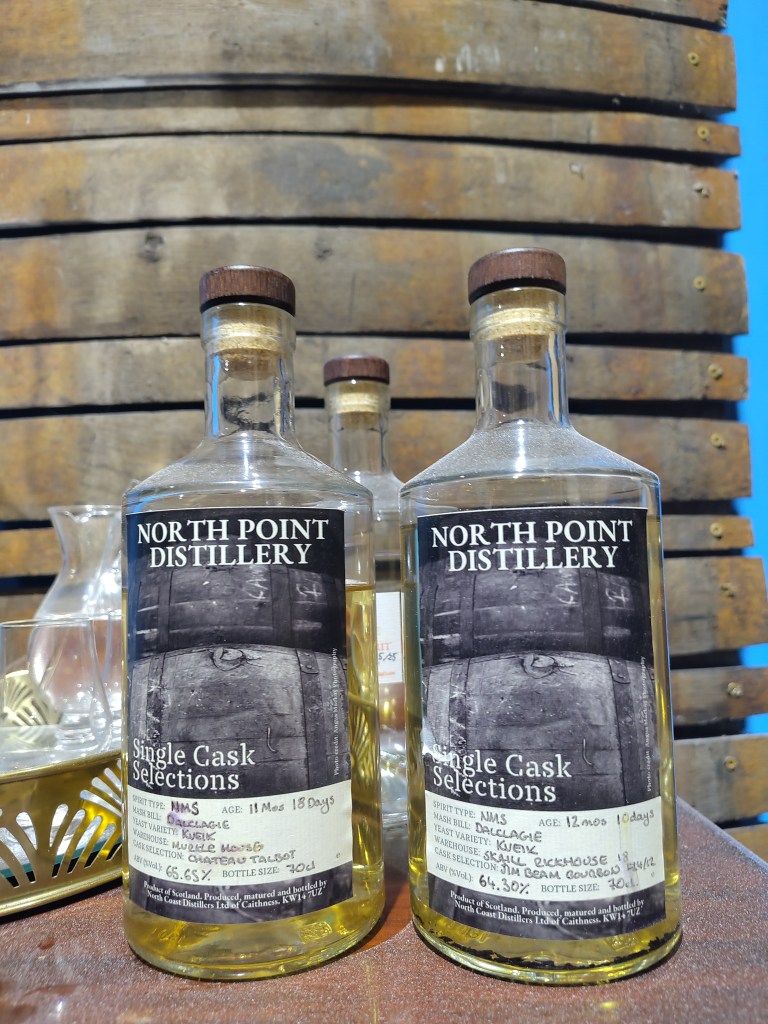
Then it is moved into the building we were in before, for the final distillation, with Gertie: cut points are always made based on aroma and taste. At the moment they store most casks (palletised) in the same main production building. Among the casks, a small cabinet with some bottles: in fact, the Foundersโ€™ experience included a sample of three aging malt spirits, one chosen by each of the co-founders, and one chosen by the distiller. Two of them were an 11-month-old Chateau Talbot red wine cask (at ~65%), and a 12-month-old ex-Jim Beam bourbon cask (~64%). Despite the young age they were very different, the first one richer, the latter carrying a lot of hints of newmake spirit. The third cask sample was not available on the day, so instead Alex treated us with a delicious E.H. Taylor Bottle-in-bond bourbon (50%abv).
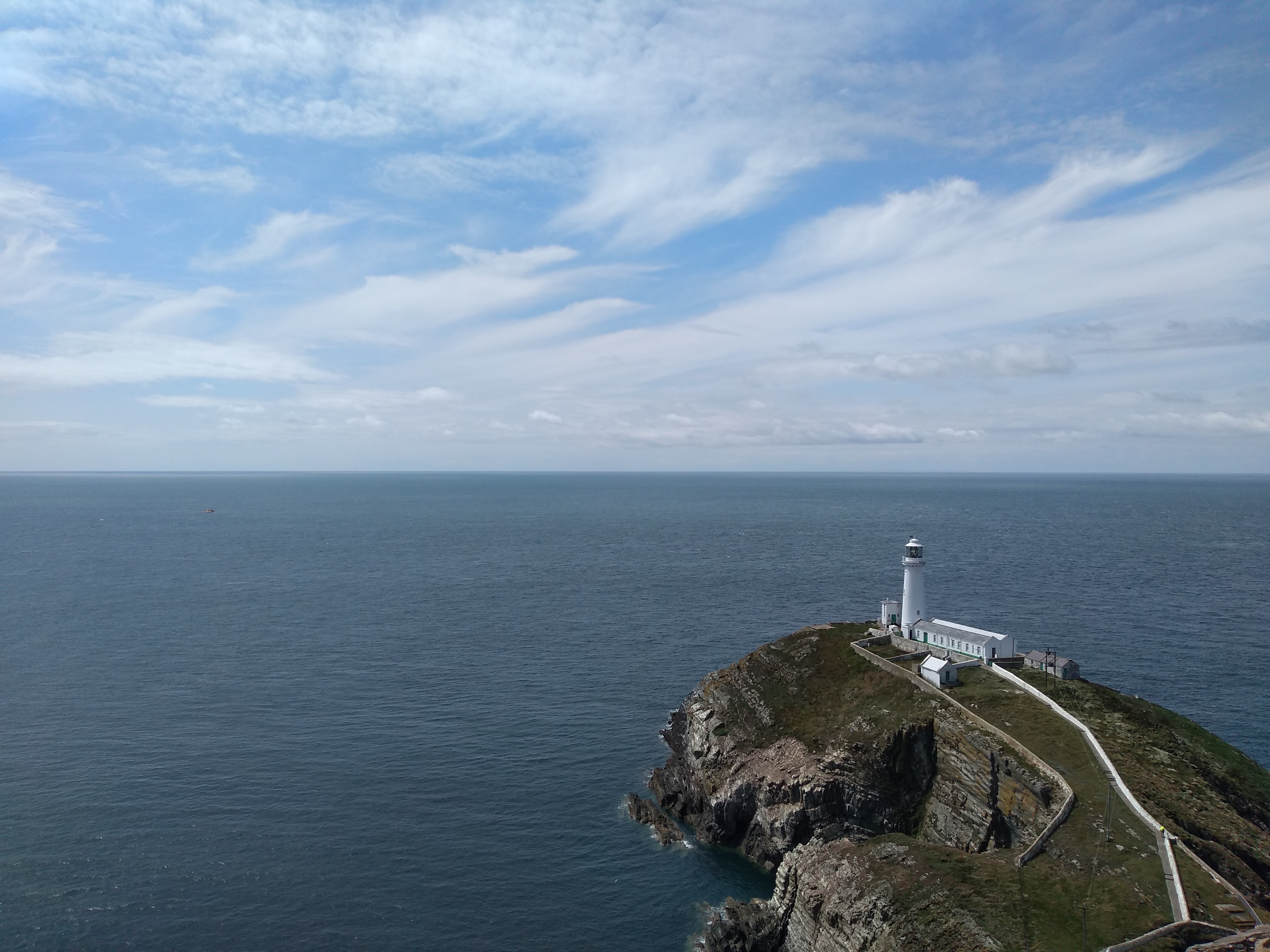
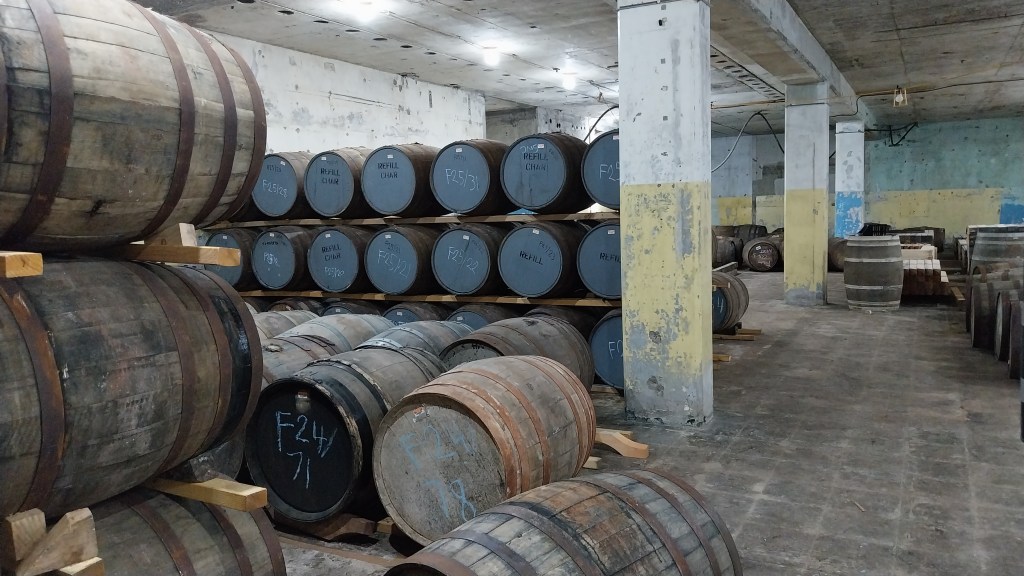
Then, before the tour ended, it was time for a surprise: a trip to the bunker. Being former military buildings, most of them come with a bunker, and they didnโ€™t let go the opportunity to use it for cask maturation (stored horizontally there). We’d never been to a bunker before, so it was a great experience, and we’re very curious to see how the whisky will mature there, compared to the main warehouse.

As we left the production/warehouse to go back where we started, Alex pointed us to some buildings they are trying to acquire for potential expansion: exciting times for them. Back at the shop we had a rugby chit chat: despite Alex used to be a hooker, Edoardo a fullback, and Gianluigi a referee, they seem to have (surprisingly) gotten along, eheh. Overall, we really enjoyed the time spent there, and Alex gave us a great tour. The project is interesting and considering how well they are doing with the current spirits, their single malt will be one to keep an eye out for. The tasting in the warehouse and the visit to the bunker were the cherry on the top, which made this tour a bit different and innovative.
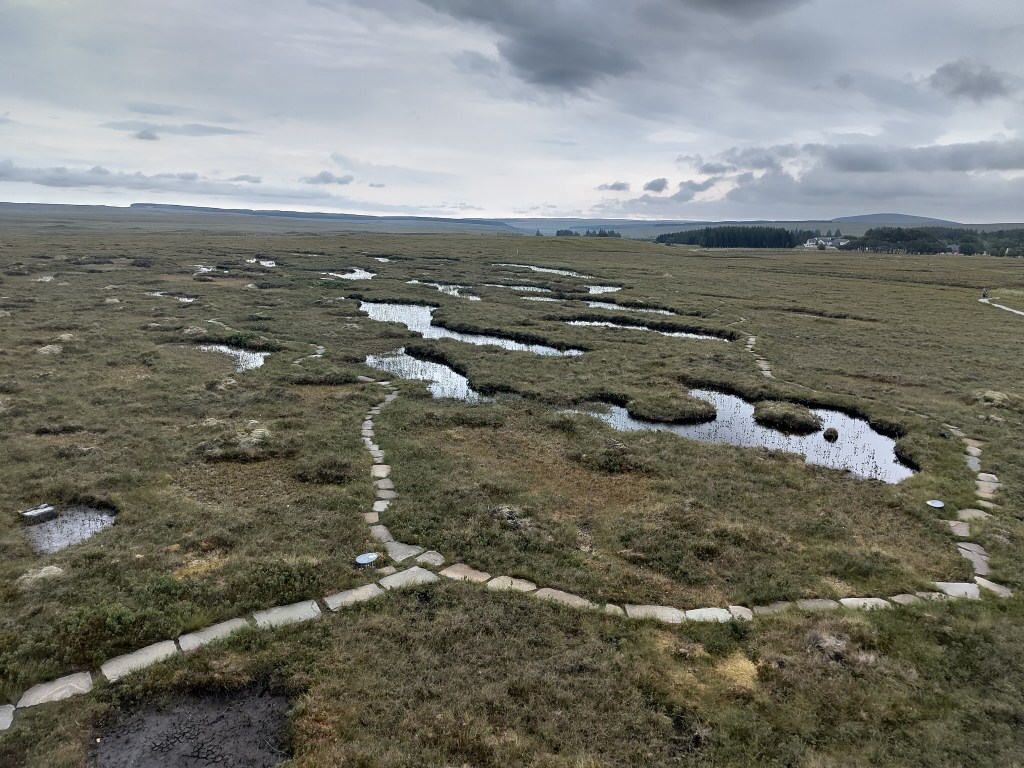
We soon left the site, under an overcast sky, driving towards the Forsinard RSPB in the Flow Country. This is a truly majestic landscape, one of the biggest peatlands in Western Europe, now a conservation area: peat bogs are more efficient than forests to capture carbon dioxide. We also got soaked by a storm, so we rested a bit inside the RSPB visitor centre, getting some warm drinks in exchange for donations, and watching the full half-hour video. Back on the road, we drove south inland, and then north-west towards Tongue. We looked for a place to stay trying to avoid the midges: we failed.
The day after we continued on the North Coast 500, stopping at the Smoo Cave and in Durness for some shopping, and then for a fantastic seafood late lunch at the Kylesku Hotel, in the namesake village. We finally stayed in a quite pricey (ยฃ50 for one night!) but scenic campsite just north of Ullapool. We managed to have dinner outside, but as soon as the wind calmed, midges came back, so we had to retreat in the campervan where we spent the night sipping some Springbank samples: one of Edoardoโ€™s favourite, so weโ€™re always sure to have some for when he comes over.

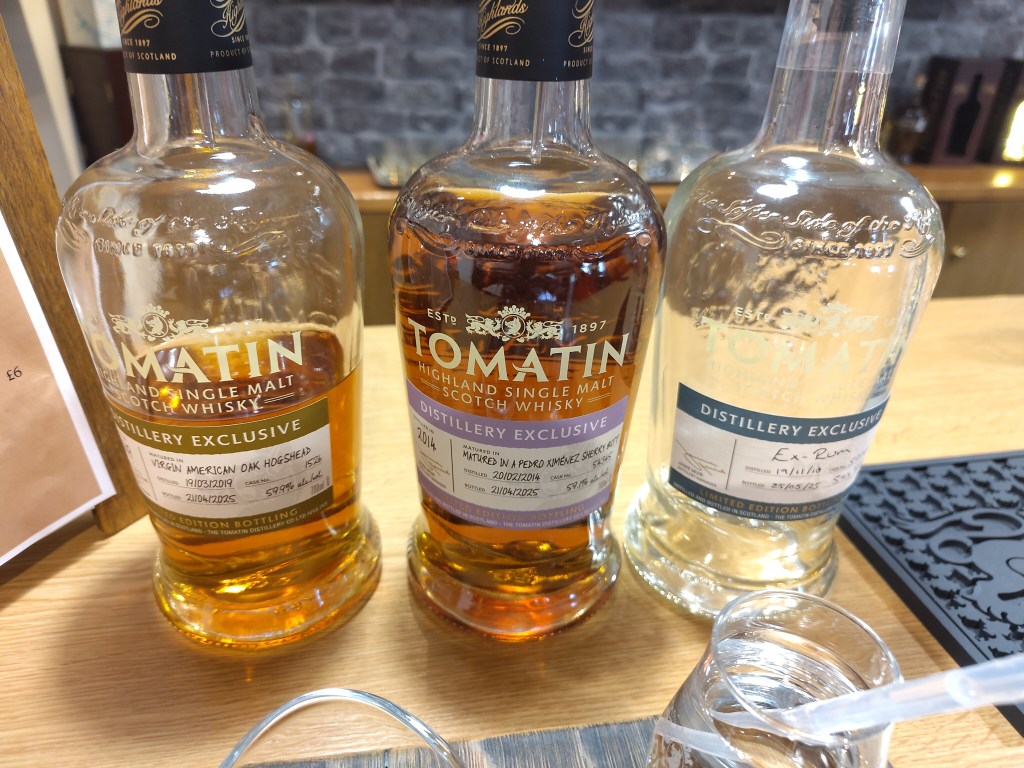
The final day, after a hot breakfast in Ullapool, we drove straight back to Edinburgh, with a stop for a walk at the Corrieshalloch Gorge (very scenic, just a shame for theโ€ฆmidges!), and a final last stop at Tomatin distillery. There, Edoardo and Gianluigi shared a flight of their bottle-your-own drams (pricey, but generally good) and one of Cu Bocan (their lightly peated malt), plus a couple of sherry expressions: the Manzanilla and the PX finished ones were particularly delicious. After that, we slowly drove back to Leith, where we arrived in time for a quiet dinner and a final dram.
First, we loved this trip, and we had a fantastic time up in the Highlands. Landscapes are fantastic, and although we had been there before, this time we really appreciated why it became so popular. Itโ€™s really a magic place. Second, the distilleries: we had a very good time up north. Apart from Pulteney, which was a bit too corporate and impersonal (not the guideโ€™s fault), Wolfburn, which was the other one well established, was just fantastic. The two new distilleries, 8 Doors and North Point, were both great as well – we were walked through the detail of their projects, and people’s passion was contagious. During both visits we could try their newmake spirit, and although someone might think that it is a given for new distilleries, after visiting a number we can say that it really isnโ€™t. Kudos to them, and weโ€™ll patiently wait for their single malt whiskies.

After a pause, weโ€™ll be back with a Fife experience! Until then, slร inte!


North Point Founders’ Tour

Price: ยฃ30.00 pp (July 2025)

Duration: 1hr (in theory, but it was longer)

Tasting: Pilot Rum (40%), Crosskirk Bay Gin (45.1%), Spiced Rum (43%), Dalclagie Newmake spirit (63,5%), 11m spirit ex-wine cask (~65%), 12m spirirt ex-bourbon cask (~65%), and we had a dram to replace the third spirit sample (not available on the day, see text)

Highlights: the bunker and the warehouse tasting

Target: whisky and spirits enthusiasts, and Cold War nerds

Value for money: good

Recommended: absolutely

Link: https://www.northpointdistillery.com/
#51 Jackton Distillery

Driving West to East Kilbride


TL; DR: Another Friday afternoon, another distillery in the Central belt, this time just outside Glasgow. Jackton started as a gin distillery, but now they are making whisky as well, in a lovely setting. ย 

As we said in our earlier posts, the Central belt of Scotland, the region between and around the two major cities, Glasgow and Edinburgh, became a fertile land for new whisky distilleries. After Blackness Bay and Falkirk, itโ€™s time to move closer to Glasgow. In September, we visited Jackton distillery in East Kilbride, in a neighbourhood carrying the same name. This company, whose brand is Raer Whisky, had been on our radar for a couple of years, since we spotted it on the Scotch Whisky Association distillery map. Thanks to our whisky pal Graham, we learned that theyโ€™d opened the visitor centre earlier this summer. We jumped on it and booked a visit in late September, taking advantage of a bank holiday weekend.

We left Leith early in the afternoon, right after lunch: not a great move, as we got stuck in traffic, and a wrong turn costed us an extra 20 minutes. Fortunately, we were the only attendees, so they waited for us despite being 10 minutes late. The neighbourhood looked residential at first, until it suddenly turned rural as we reached the distillery: this suggested a new development. The site is very nice and tidy, with mostly new buildings. In the courtyard, across from the distillery, there is a row of low building: weโ€™ll learn later that they are flats ready to accommodate visitors on special occasions.

As we walked in, Colin welcomed us. He usually works in the marketing department but for today he was our guide, as their main tour guide was on holiday (probably the reason why it was just the two of us, they pulled the tour after we bookedโ€ฆ very nice of them not to cancel it). Like other new distilleries, they started with gin, but since February 2020 theyโ€™ve been producing spirit to become single malt scotch whisky. Since November 2021, they are a fully farm-to-glass distillery, as they are malting on site the barley from their farm in Ayrshire. Unfortunately we couldnโ€™t check out the small drum malting, as it was operational while we were there. They have a modern mill, which can process one ton of malt in 18 minutes, and are currently using Belgravia malt.

They mash one ton of barley per day, together with 5000-litre of water. The mashing is slightly more complex than the usual: they have three separate tuns, with the last one for beer. As a matter of fact, they also brew beer, although we didnโ€™t manage to try. They add water at 63.5ยฐC for 30 to 40 minutes, then at one degree Celsius higher, than again a second water at 78ยฐC for 5 minutes before moving it to the lauter tun, where it is filtered to obtain a clear wort. Fermentation happens in one of the six (only five in use) stainless steel 7,000 litre washbacks, and it is quite a long one, seven days!

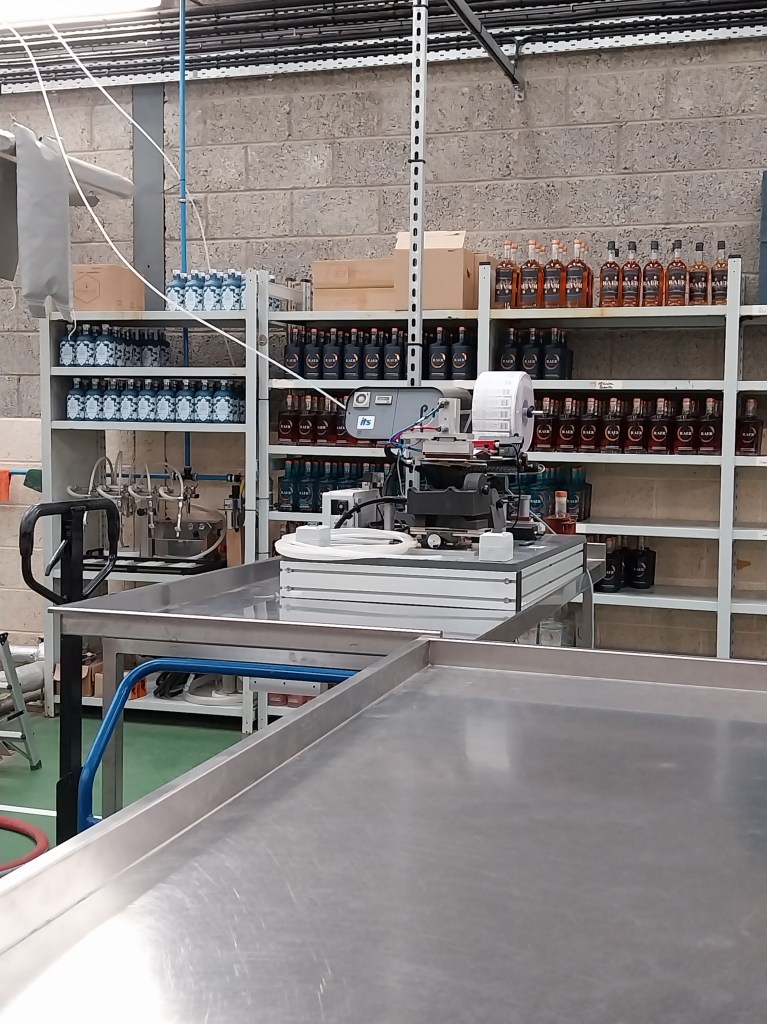
Next phase, distillation: the stills (the whisky pot stills and the gin still) were made by the German company Kothe. For the whisky, the wash still is 5,000-litre big, while the spirit still is only 2,000. From each distillation they collect approximately 350 litre of spirit, a cut from 74.9%abv to 64.9%. In our understanding, their single malt will be marketed as Raer, the same brand with which they currently released a series of blended scotch. The ones released for the UK are all 40% – the Original Blend, and three expressions finished in Amontillado, Oloroso and PX sherry casks. They also have one finished in French red wine, to cement their collaboration with the wine producers Chambord. Bottled at 46%, unfortunately itโ€™s only available overseas. Bottling is done on site as well, using a very manual machine.

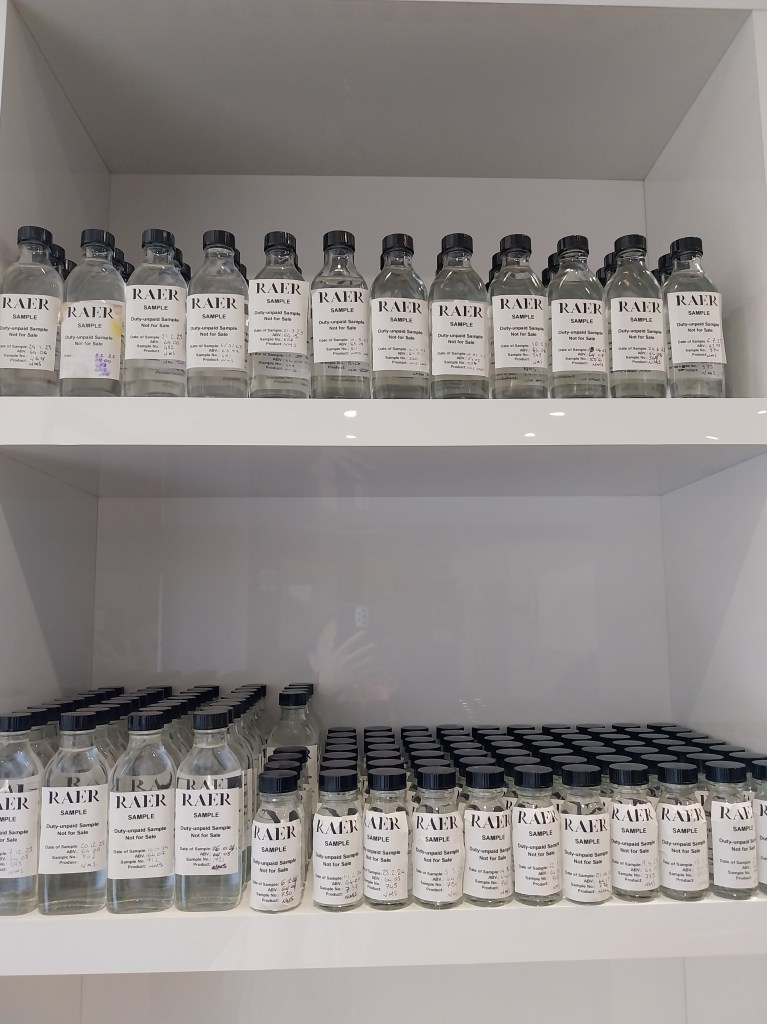
After production, we went to their lab, where all the samples of all their casks are archived. There, Colin let us nose a few from a variety of casks: not that we could tell much, but what we smelled seemed very promising, looking forward to their release!

After that, we went back to the bar and shop for the tasting, but we decided to take our samples home. We chose one of each of their available blends, plus a couple of other spirits. We also bought a sample of their Something Blue gin, which has a very good story: it was a brand Colin and his wife came up with, for their wedding (โ€œbring something blueโ€ฆโ€). After he started working at Jackton, he brought this to a staff gathering and people liked it. As a result, the company asked them if they could start making it at the distillery, they accepted and here we go: very serendipitous, but also showing what being a good company looks like.

A few days (ehmโ€ฆactually weeks) later, we tried their blends: the Original Blend is quite inoffensive but drinkable. We liked the sherry finished ones, again very drinkable. Not something overly complicated, but a decent mouthfeel and experience overall. Something Blue was very nice too, quite different from other gins we tasted.

Something Blue isn’t blue after all!

Visiting Jackton was refreshing: we loved the distillery, we loved the tour, and the company seems on a very good track. They have a very interesting process, and a great care for details (the bottle is very cool!)โ€ฆNow we are just waiting for their first single malt!

Another couple of weeks, for our last Central belt distillery visit (for now): a new but old distillery, you might have guessed it already. Until then, slainte!


Jackton Distillery Tour

Price: ยฃ34.00 pp (September 2024), plus ยฃ2.04 transaction fee

Duration: 1hr

Tasting: 3 spirits of choice among Raer Orginal blended scotch (40%), Rarer Oloroso finish, Amontillado finish, PX finish blended scotches (all 40%), London dry gin (40%), Rose gin (40%), Something blue gin (39.5%)

Target: everyone

Value for money: a tad pricey

Highlights: the nice setting and the great staff

Recommended: yes

Link: https://raer.co.uk/


#33.5 The Welsh Whisky Trail (not TM)

Aber Falls and the last few days in Wales


TL; DR: Our final distillery visit in Wales was at Aber Falls. We had somehow high expectations, but to be honest the experience was a bit flat. We finished our holiday in Wales visiting the North-West, including the Eryri National Park (Snowdonia), before driving back towards Scotland. 

(missed Part 4/Part 3/Part 2/Part 1?)

The bus ride back from Llanduno to Abergwyngregyn (we had to copy/paste this nameโ€ฆ) was uneventful, under a grey Northern Welsh sky. We spent most of it having lunch with warm rolls and bakes we got just before taking the bus, to put something solid in the stomach after the extensive masterclass at Penderyn. Once we got off, we quickly checked the campervan, and left again for a 20-minute walk to Aber Falls distillery, but not before getting a coffee at the nearby Alma’s Cafรจ. When the bartender understood we were Italian, he got excited and started showing off his Italian vocabulary. It was not the first time this happened, probably not many people there are used to Italian tourists (which is a shame, some parts of Wales are truly beautiful!).

Anyway, we were looking forward to visiting Aber Falls distillery, as it was the only other Welsh single malt we had tried before, beside Penderyn. We had tried two expressions. First, the inaugural release (thanks to a tasting put together by the always-on-point Justine from Kask Whisky), which was a one-off bottled at 46%, unchillfiltered and natural colour: a delicious dram, which punched above its weight being 3 years of age. Then, the ubiquitous expression that (if youโ€™re reading from the UK) you can find in most supermarketsโ€ฆ this is not a memorable one, geared towards quantity rather than quality.

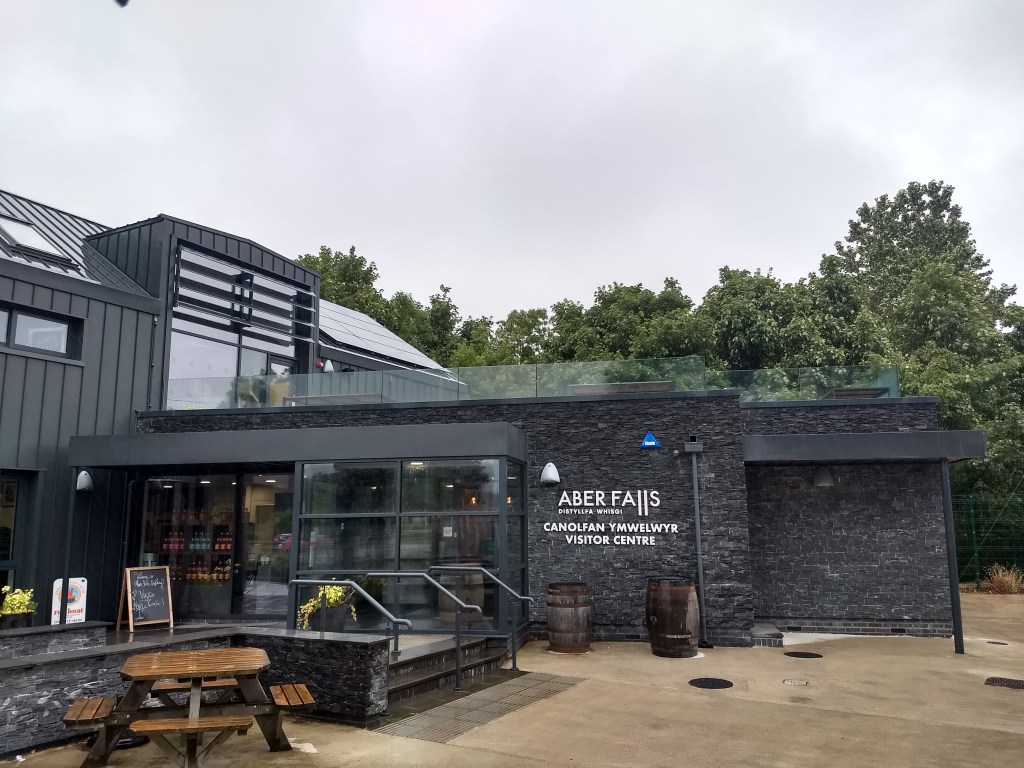
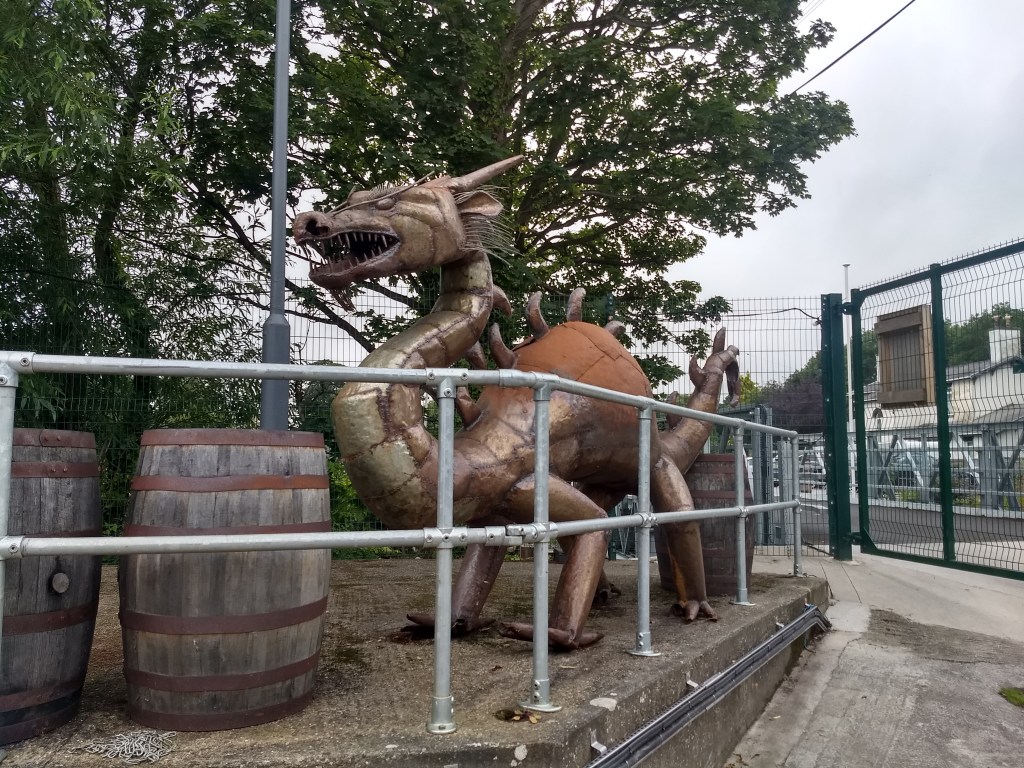
In spite of the gloomy day, the location looked still very pretty: the distillery is at the end of a road with a parking lot, on a land crossed by a wee stream, surrounded by a rural landscape. The building on the left is the bar/visitor centre, with tables outside for warmer and dryer days. The production building is on the right side instead, along the stream. Past the bridge to cross it, a red copper dragon welcomed us. The visitor centre looked very tidy and clean, with lots of merchandise on the shelf. We looked for potential whisky buys right away, but it seemed that the only expression beside their standard release was a 3yr ex-Sauternes cask finish from the Distillerโ€™s Cut series, bottled at 47% (ยฃ75). We were told that they usually have either a Distillerโ€™s Cut or a Distillery Exclusive.

When the tour started, Carmel collected us, and the first thing was a video in a small room. As usual, the video talked about the distillery history and how they came to be. We then went outside, and across the site, to start the visit to production (again, no pictures allowed). Bar for the gin still (where they rectify neutral grain spirit), the distillery is very similar to a Scottish one. Their stills, made of copper, have a couple of interesting bits however: first, the spirit still has what we think itโ€™s a cooling ring around the neck. This is a feature we found at Fettercairn, although they didn’t look the same. The second feature is a stainless steel condenser in parallel with the copper one. Carmel told us this one is rarely used, mostly for special bottlings and not for their core release. And in fact, one of the most interesting parts of the tour was to compare the newmake spirit from the two condensers, just nosing however. The difference was obvious, with the steel condensed spirit more earthy and oily, the other fruitier and more floral.

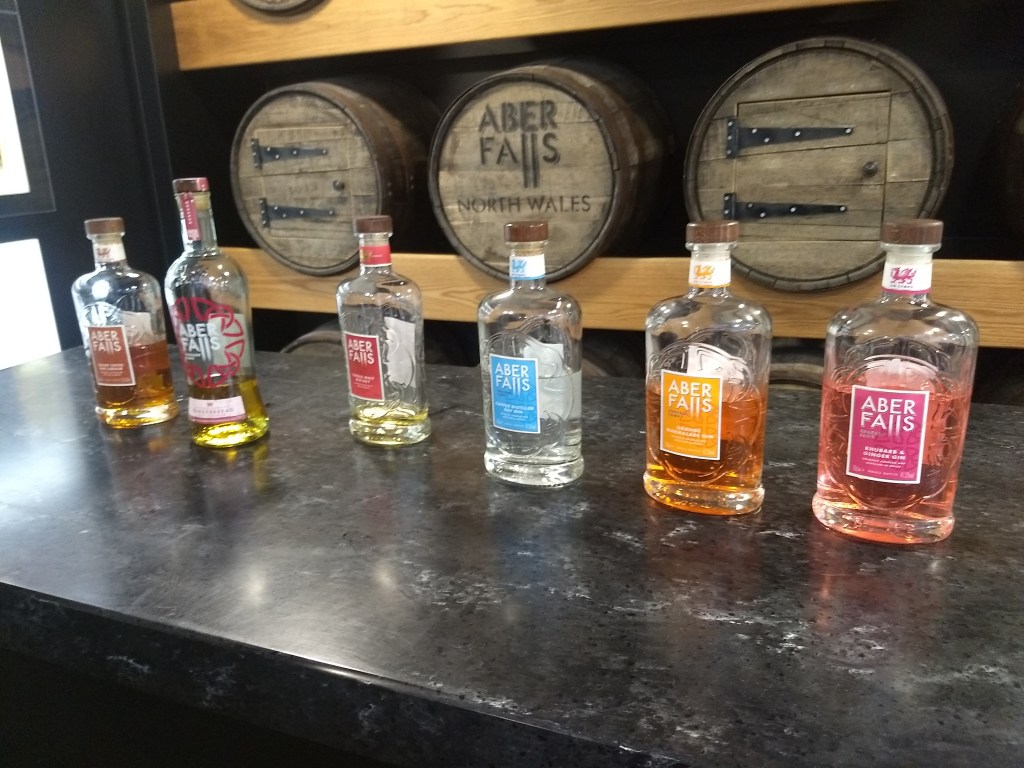
For the end of the tour, we went back to the visitor centre, to try an array of spirits: gin, gin liqueurs and their single malt. We skipped most of the gin liqueurs, as from smelling them we figured out they weren’t for us. The bar was open for another hour, so we went there with the idea of trying some of their Distillerโ€™s Cut and Distillery Exclusive, whose bottles were sold out. However, the price for a dram was ยฃ14 (mental!), so we tried one only, Barolo red wine cask (well, weโ€™re still Italiansโ€ฆ) Distillery Exclusive, which was ok. Fortunately, we managed to find Carmel again, and she kindly gave us a sip of the current Distillerโ€™s Cut, from ex-Sauternes casks, but this one failed again to impress.

Overall, it was an ok tour, and we reckon this distillery has lot of potential. Probably they could do more to create interesting expressions and engage the whisky enthusiasts, because as it is, it looks like another tourist-driven experience with a supermarket style production. These are not bad things per se, of course, but it would be nice if they targeted whisky enthusiasts too.

After the tour, we slowly walked back to the campervan, under a rainy sky. The decision to spend the night there was not the best one. Being so close to the expressway, we barely slept.

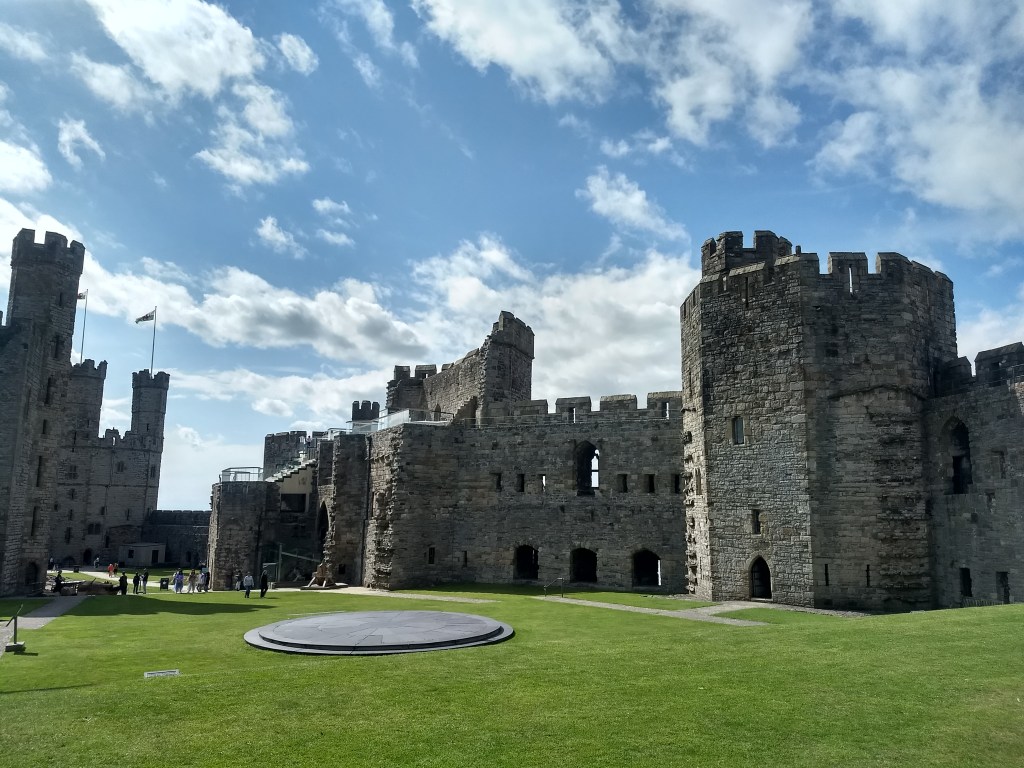
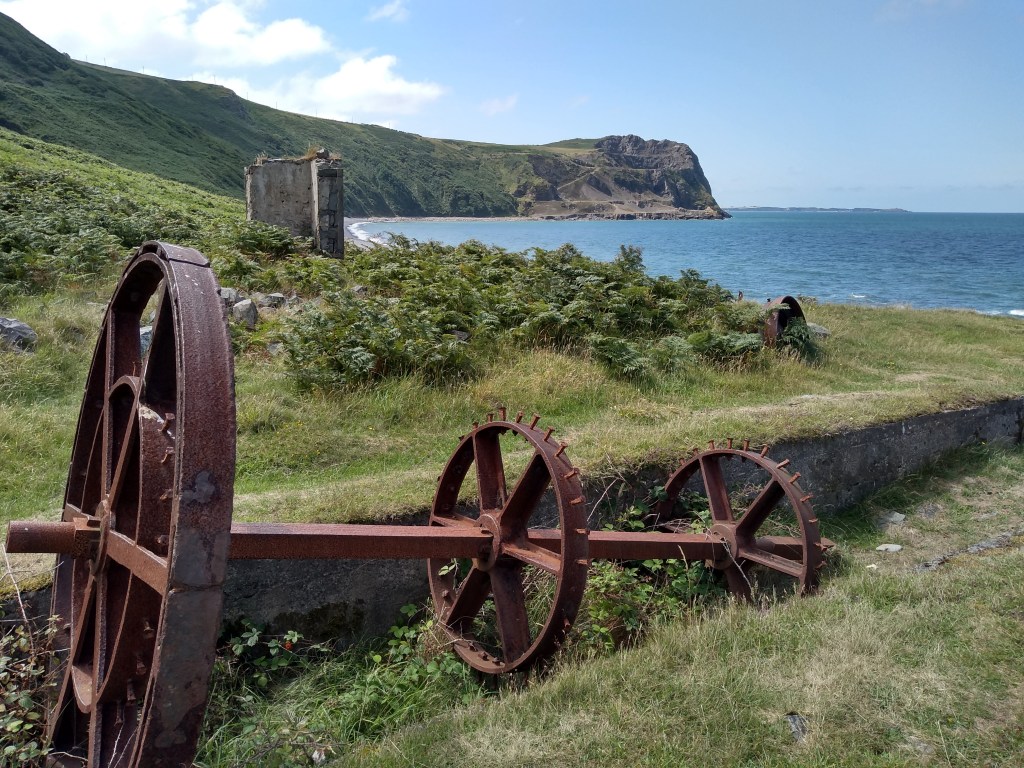
We spent the following days visiting the north of Wales, first the isle of Anglesey and Caernarfon Castle (very nice, but without a guide the experience was not as enjoyable as Pembroke), then the Lynn peninsula. One of the highlights was Nant Gwrtheyrn, a former minersโ€™ village once abandoned, now restored thanks to the start of a Welsh language school: a place to go back to. We even spent a few hours on a nice beach, although we didnโ€™t swimโ€ฆWe just enjoyed a pint under the sun.

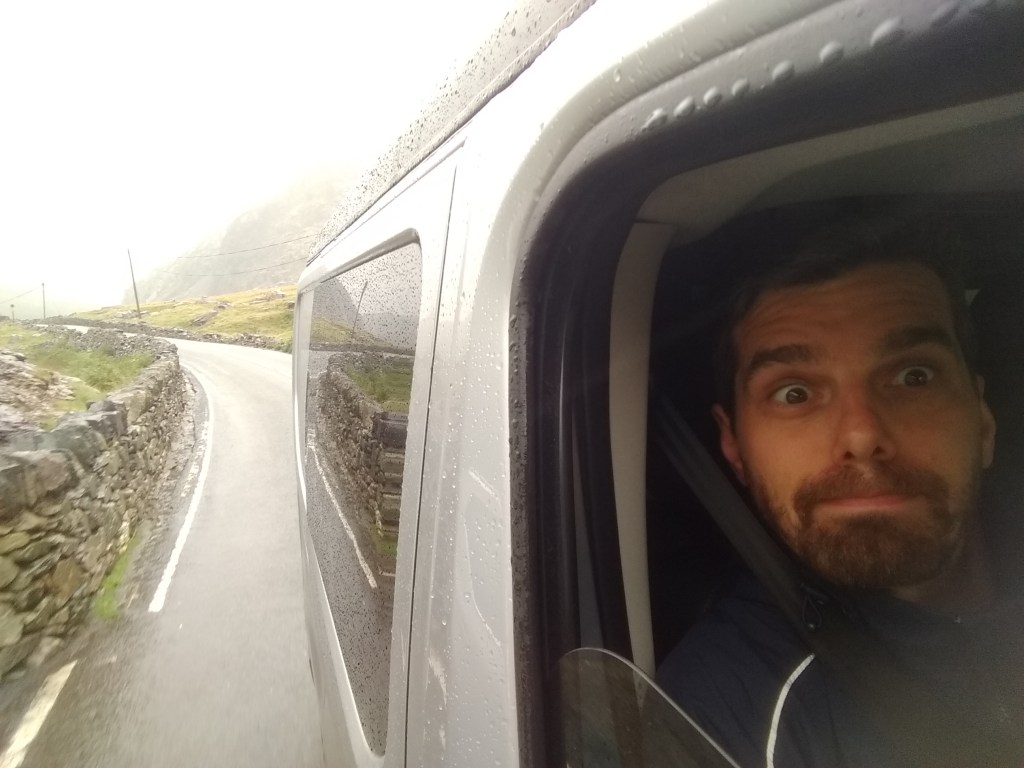
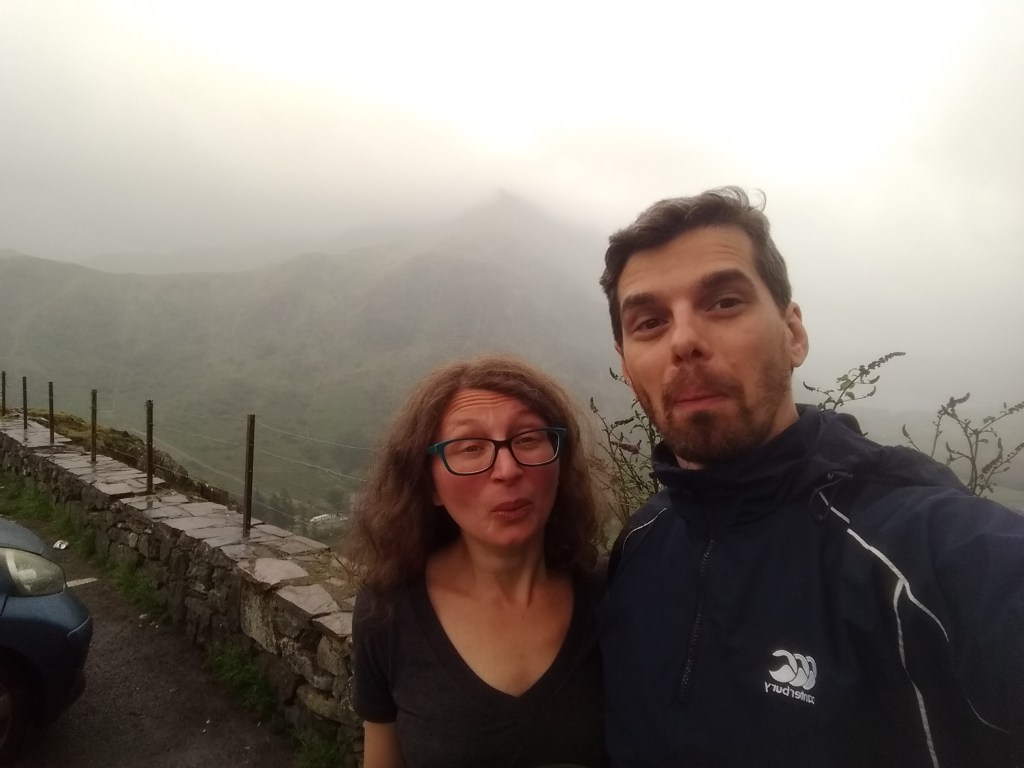
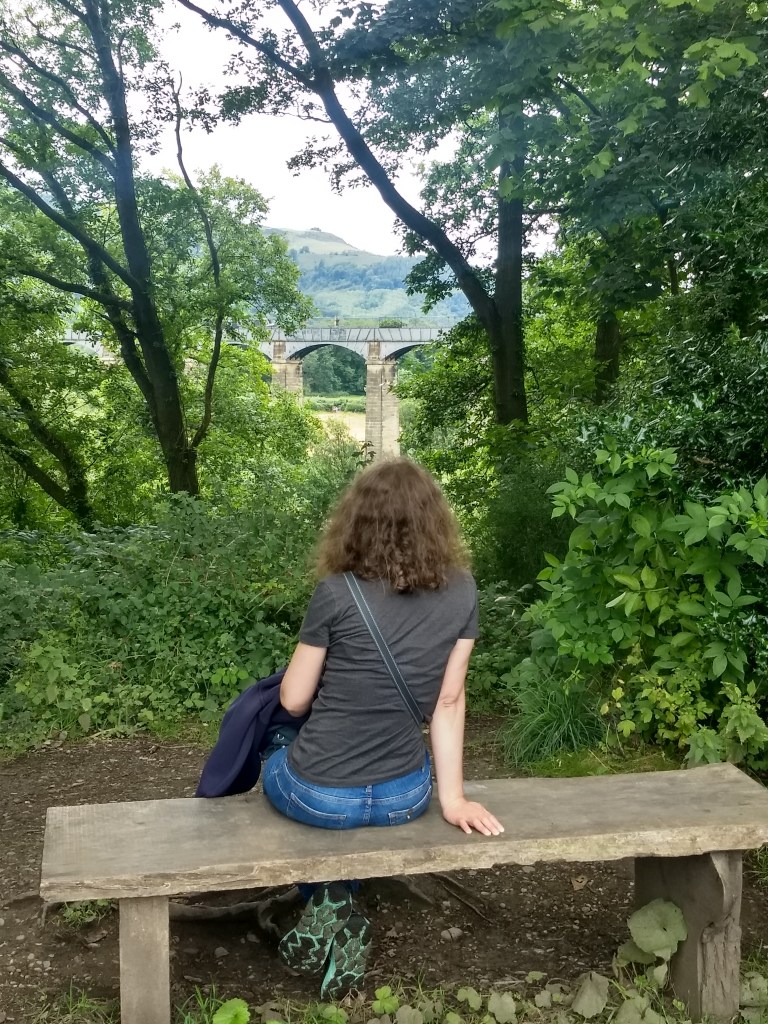
The following two days were supposed to be the hiking ones, but the weather discouraged us to climbing mount Snowdon, in the famous Eryri/Snowdonia National Park. The first day, we decided to walk anyway, near Llanberis, on a trail climbing up to an old quarryโ€ฆand in the two hours we ended up completely soaked. The following morning the climate wasnโ€™t promising either, so we slowly started driving east. We stopped for an afternoon tea right before the crossing to England, to visit the Pontcysyllte Aqueduct, another record of the once dynamic industrial life in the area.

So that was it, our first road trip to Wales! The country is very beautiful, although in some parts quite busy (in particular Gower and Pembrokshire), and with such narrow roads, driving was trickier than prevented. The North is quite spectacular, in particular around the Eyri National Park mountains.

Admiring the aqueduct.

Whisky-wise it was a very interesting trip. Now that Welsh Single Malt is officially recognised as a whisky category, there is lot of space for further growth. Penderyn, of course, is leading the charge with its three distilleries. Thanks to their different types of stills, Faraday and traditional pot stills, they can really experiment and come up with a variety of flavours in their whisky. Aber Falls production, on the other hand, is more similar to a Scottish one. The craft scene is very interesting as well, with Coles, In the Welsh Wind and Dร  Mhรฌle distilleries all giving a different take on the category. The use of a combination of pot and column distillation can be very interesting, although we think it can be tricky as well: some expressions had a very โ€œgin-ishโ€ flavour which we were not too keen on. In this crafty category there are a couple of distilleries we might have missed, Cardiff Distillery (it looks like they are doing gin and vodka, but someone told us they might make whisky too) and Anglesey Mon (for which we couldnโ€™t find any information online). Overall, itโ€™s a very interesting scene, and this trip definitely satisfied our curiosity…At least for now, eheh.

Until next time, Slainte!


Aber Falls Distillery Tour

Price: ยฃ12.50 pp (July 2023)

Duration: 1hr

Tasting: a neep of the available spirits, including Aber Falls Single Malt (40%), and various gins and gin liqueurs

Target: tourists

Value for money: good

Highlights: comparing the newmake spirits made using different condensers

Recommended: not for whisky geeks, unless you really want to

Link: https://www.aberfallsdistillery.com/