#66.3 Something new, something old

Glenkinchie, or the sunny corner of Scotland


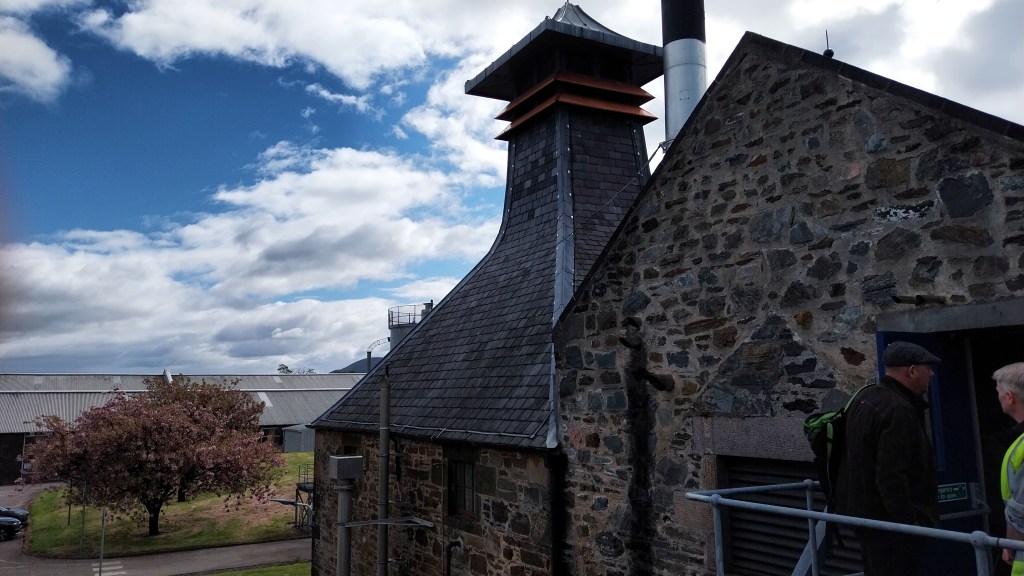
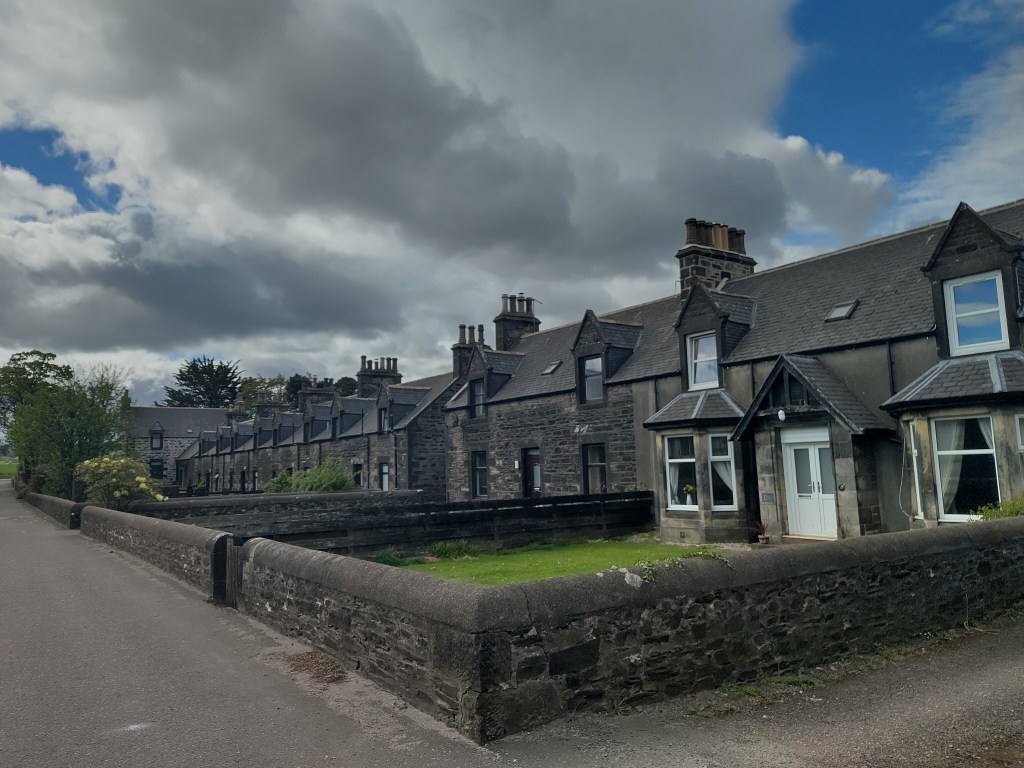
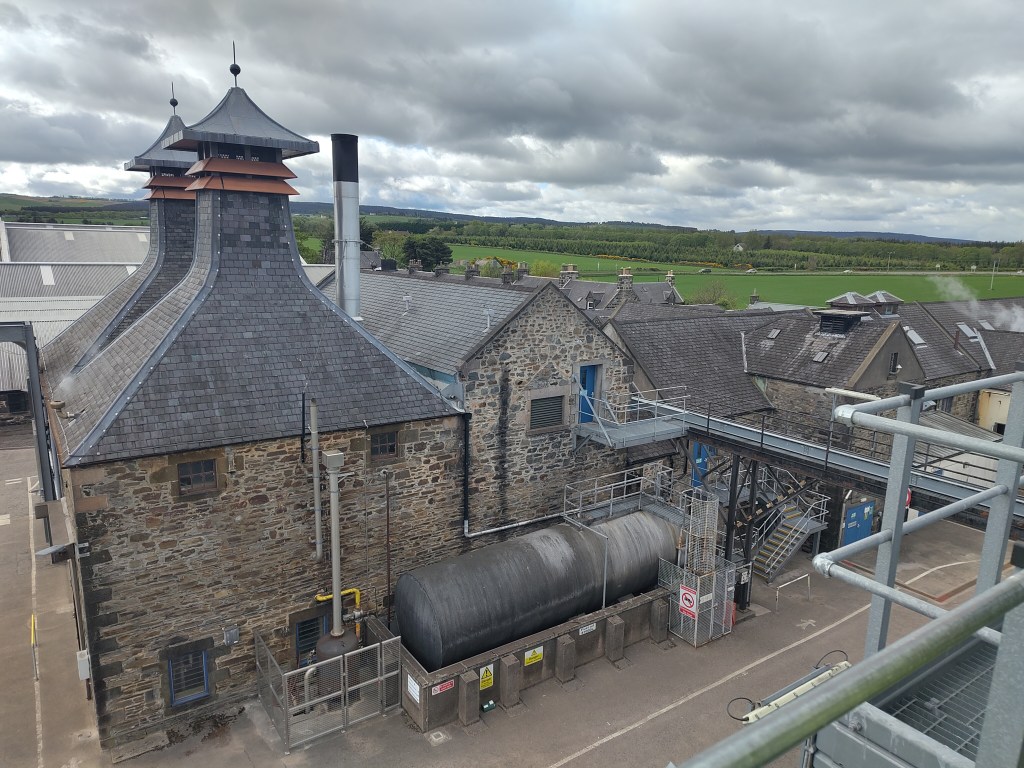
TL; DR: Back home, we thought we could fit another whisky experience before officially ending our holidays. The choice was easy, and on paper relatively close: Glenkinchie, a distillery weโ€™d meant to (re)visit for a while after it became one of Diageoโ€™s Four Corners of Scotland. Very interesting to taste whiskies generally not on our radar, but what made the experience even more special was to have a whisky friend as our guide!

(missed Part 2/Part 1?)

As we wrote in the last few posts, our holiday on the Outer Hebrides got literally blown away by high winds, which prevented the ferries to safely sail to destination. As a backup, we visited a new distillery, Toulvaddie, and revisited another one after a revamp, Glenturret, before driving back home, where we arrived, a bit sad, on a Saturday late afternoon.

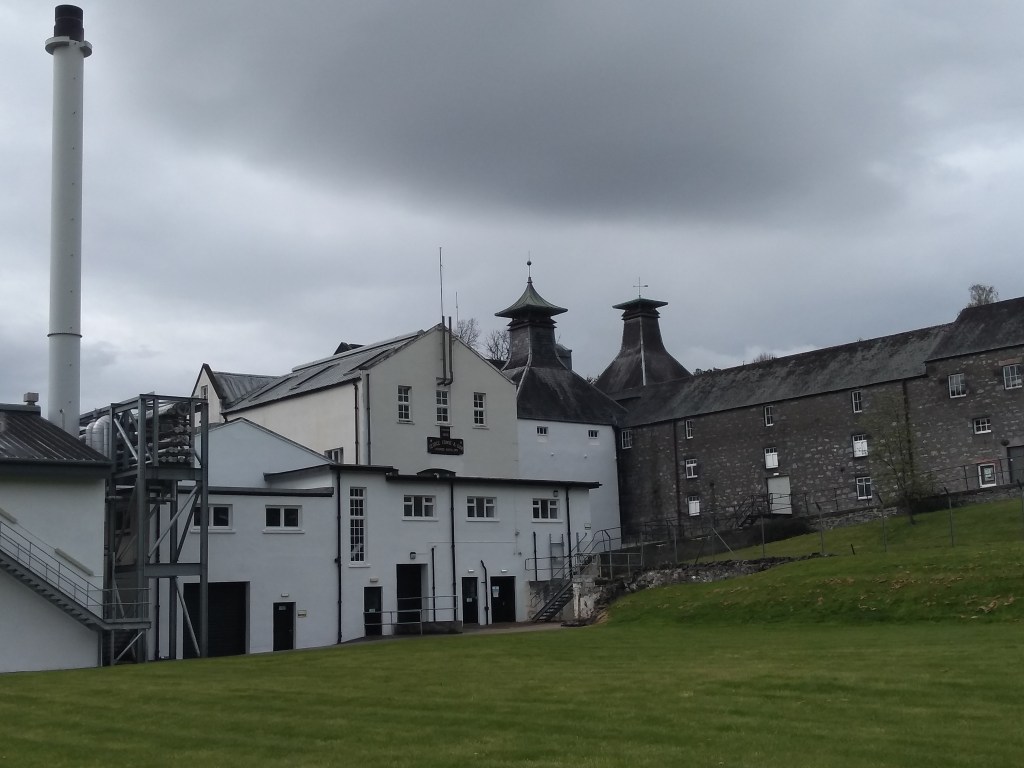
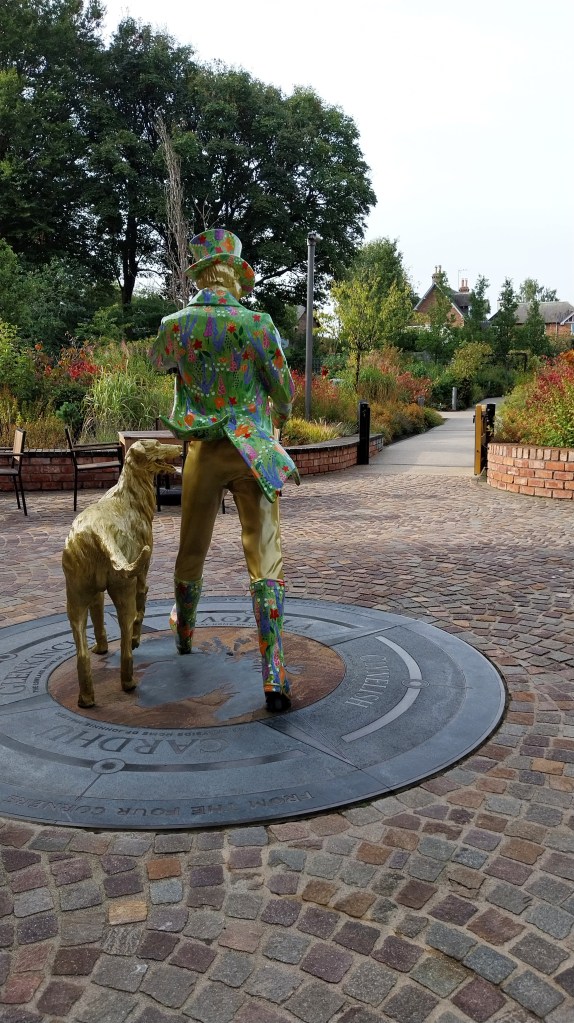
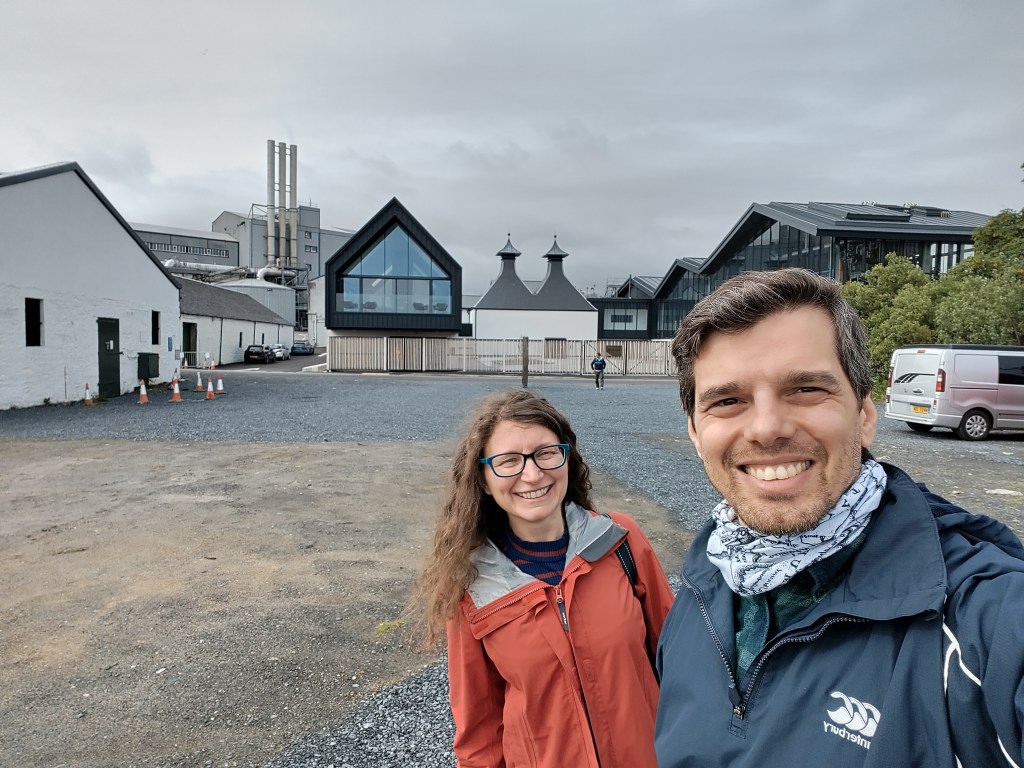
Because we were officially still on holidays, Sunday was open to some extra whisky activity. We didnโ€™t let this go, and we decided to revisit a distillery weโ€™d first visited a long time ago and that meanwhile had undergone some substantial changes: Glenkinchie distillery. When we visited the first time, renovations were under way, as the distillery was due to become one of the Johnny Walkerโ€™s Four Corners of Scotland, together with Clynelish (Highlands), Cardhu (Speyside) and Caol Ila (Islay). In the meantime, we didnโ€™t get much acquainted with this whisky: the basic 12y is ok but not the most flavoursome, other expressions released by Diageo at higher abv are usually very expensive (like the 27y 2023 Special Release or the 16y Four Corners of Scotland). It is also hard to find it from independent bottlers, with the exception of a recent release from Woodrowโ€™s of Edinburgh, a tasty sherry bomb!

Glenkinchie is one of the closest distilleries to Edinburgh, but itโ€™s not the easiest to reach: located in Peastonbank, near Pencaitland, itโ€™s about 15 miles from the city centre. On the website, in the toursโ€™ description, they advertise an external company offering return trips from St Andrews Square (only certain days of the week) for ยฃ35 per person, which for a couple (or any group bigger than one really) is borderline extortionate: probably it comes cheaper to just get a taxi. During the week there is a bus that brings you there, the East Coast Bus service 123 from Haddington (here the timetable, while here you can check the route, just remember to select โ€œlong loopโ€). On a Sunday, however, the closest bus stop is in Pencaitland, via service 113. However, we realised that there was a path from Pencaitland to the distillery, off the roads and mainly in the woods, and the weather forecasts were looking decentโ€ฆ

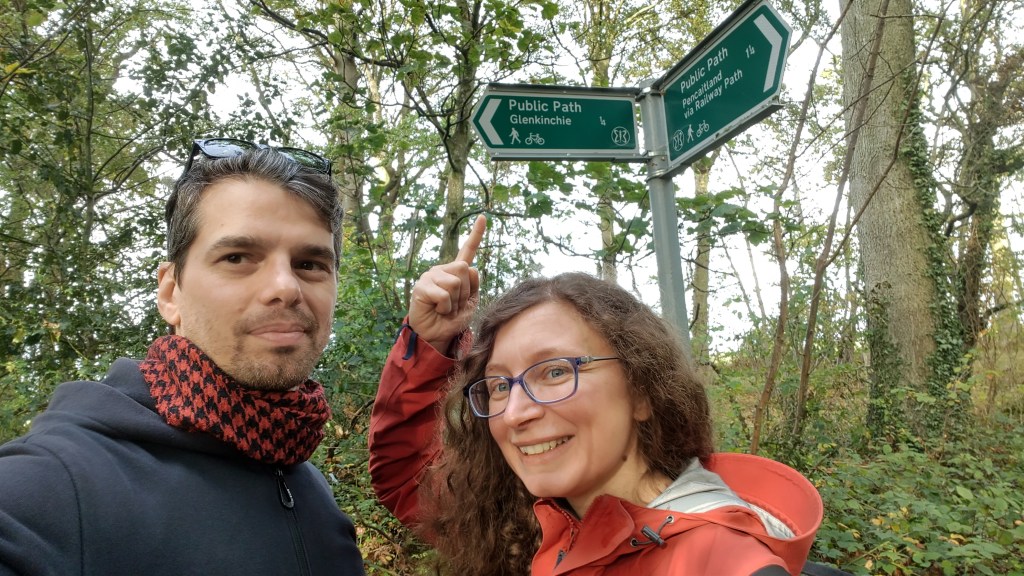
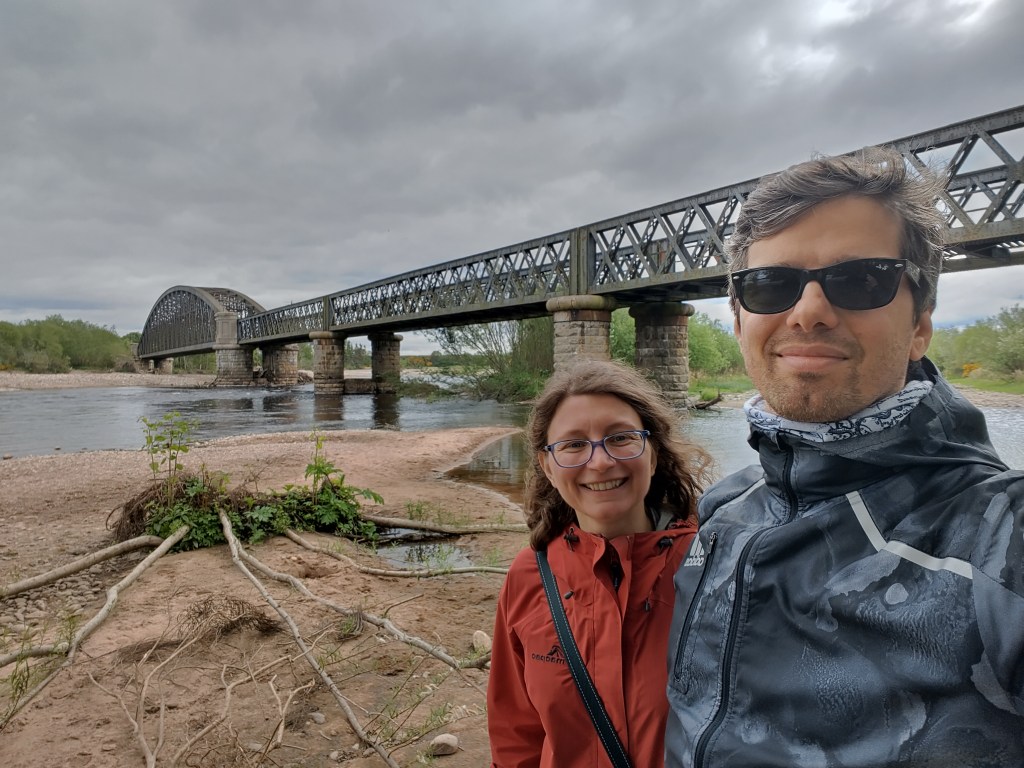
So there we were: on a sunny Sunday morning, waiting for the 113 bus in a very quiet Regent Rd (near Calton Hill). In Pencaitland, after just over one hour ride, we got off at the stop near the park, to wait for the new cafe and convenience store The Granny Shop to open: there we got coffee and delicious morning rolls. The walk to the distillery (about 2 miles) took slightly less than 40 minutes, and past the village we easily found the path in the woods. At the end of it, a gravel path set up by the distillery, ending directly in the backyard, near the warehouses. As we approached the distillery, we also saw a sign from the Winton pub (also in Pencaitland), saying theyโ€™d pick you up for free, if you then went there (for a meal, we guess?).
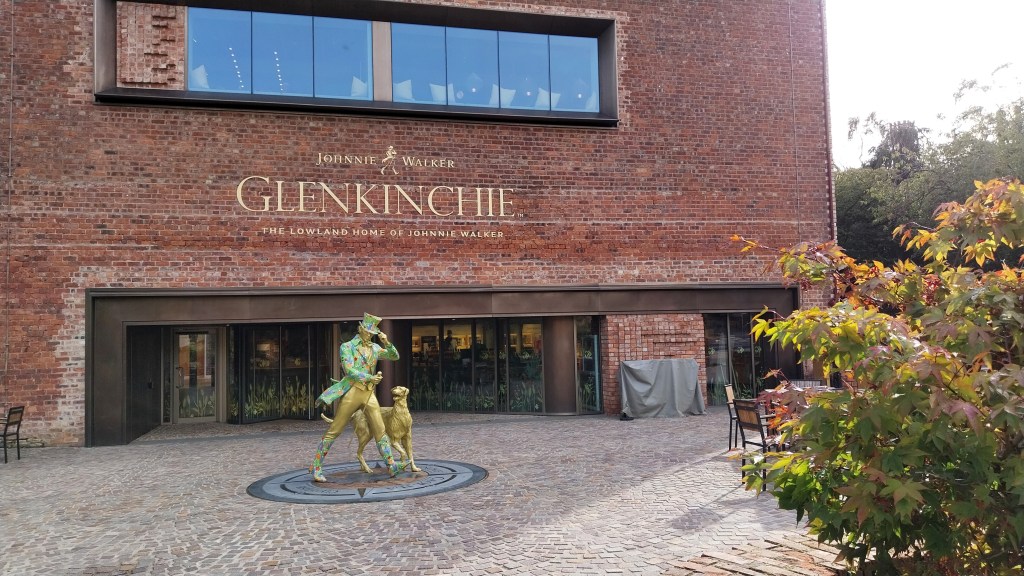
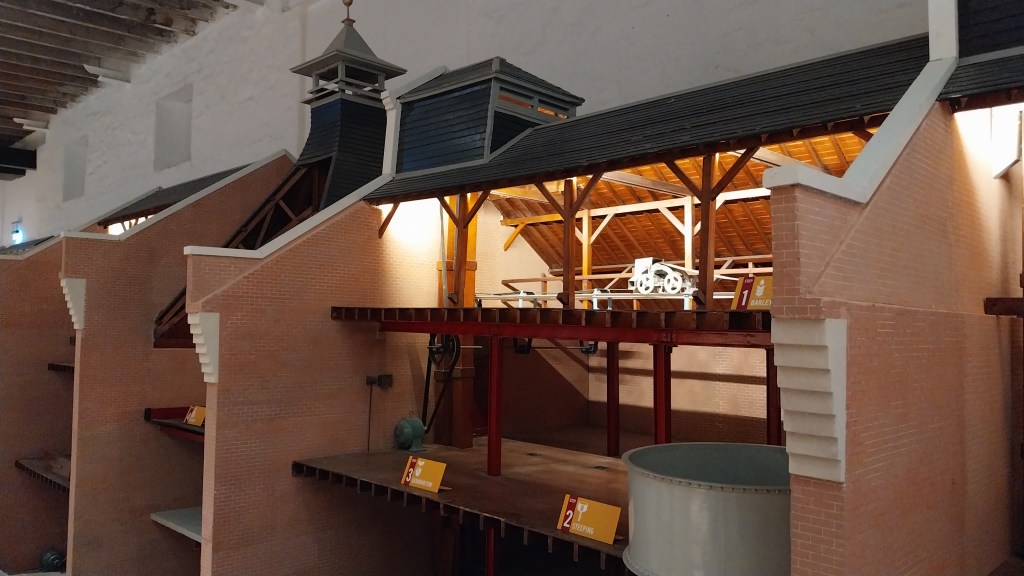
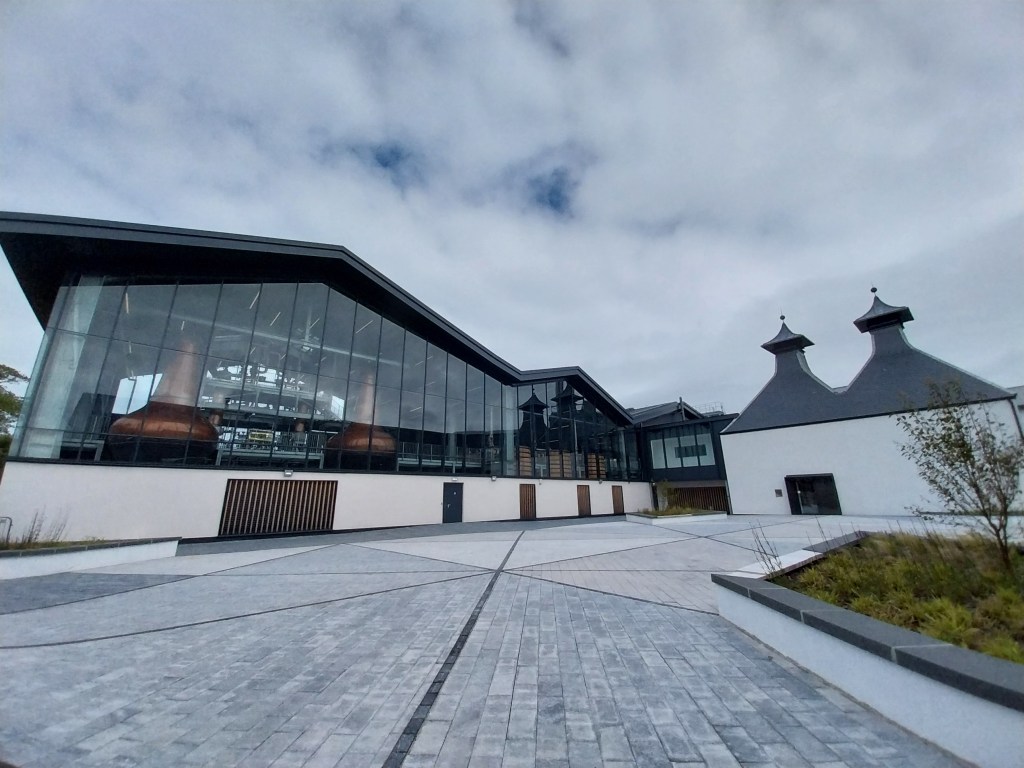
Finally, we were there at opening time, 10am: we were welcomed by our friend John, who recently started working there as a senior tour guide. Heโ€™s part of the Edinburgh Whisky Group, and weโ€™ve been together to tastings and one recent day trip to Glasgow distillery. After a quick catch-up and some pleasantries, it was time to start the tour! We first delved into the history of the distillery, highlighted by panels on the wall with parallel timelines for Glenkinchie and Johnnie Walker. Founded as Milton in 1825, Glenkinchie was registered in 1837 only. Unfortunately a big change saw it turned into a sawmill in 1853 by a local farmer (!!!), only to be reconverted into a distillery in the 1890s. Nowadays its capacity is around 2.5 million litres per year, 90% of which going into Johnnie Walker. Being in East Lothian, the sunniest part of Scotland, Diageo considers it the โ€œgarden distilleryโ€, so they aim for a floral character: this is remarked by a well curated garden in front of the new visitor centre. The maltings used to run on coal but were decommissioned in 1968. The building now hosts, among the other things, a not-so-miniature model of a distillery: originally built for the 1920 London Exhibition, itโ€™s very accurate in showing all the steps of whisky production. Apparently it used to work, even after it was reassembled at Glenkinchie, but because of various reasons (including HMRC), it was decommissioned.
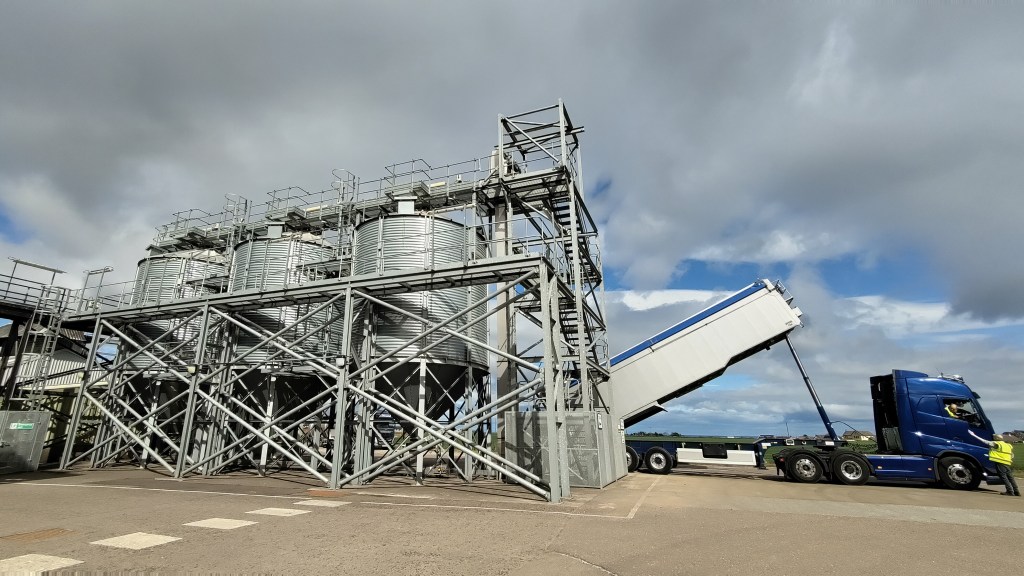
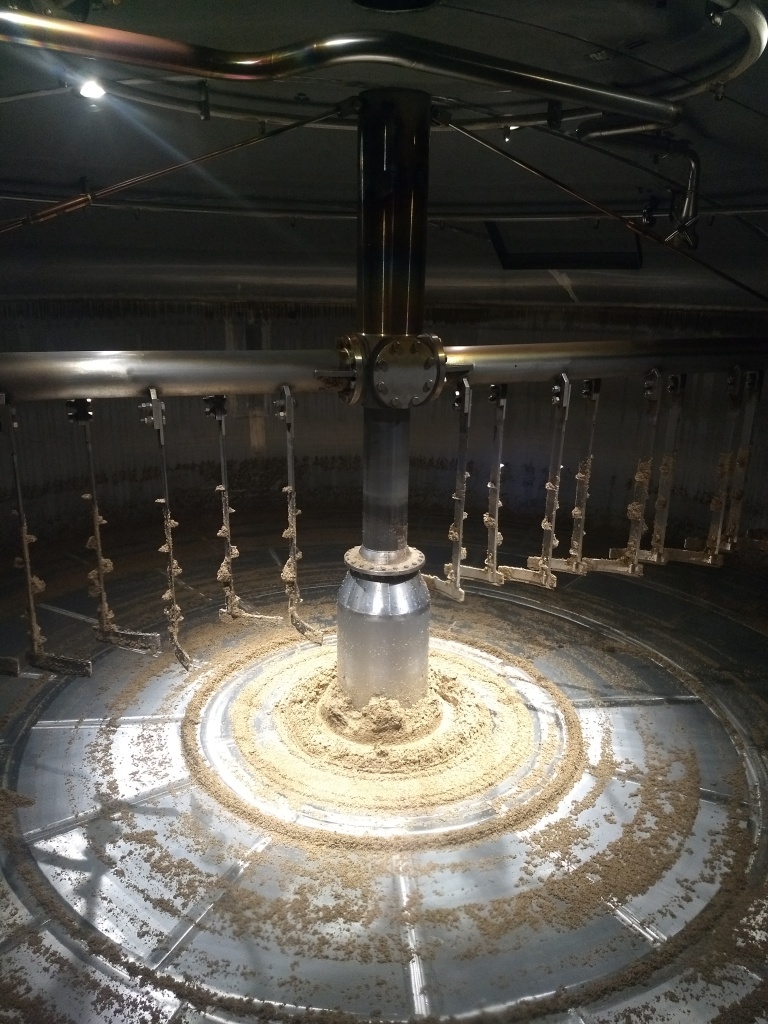
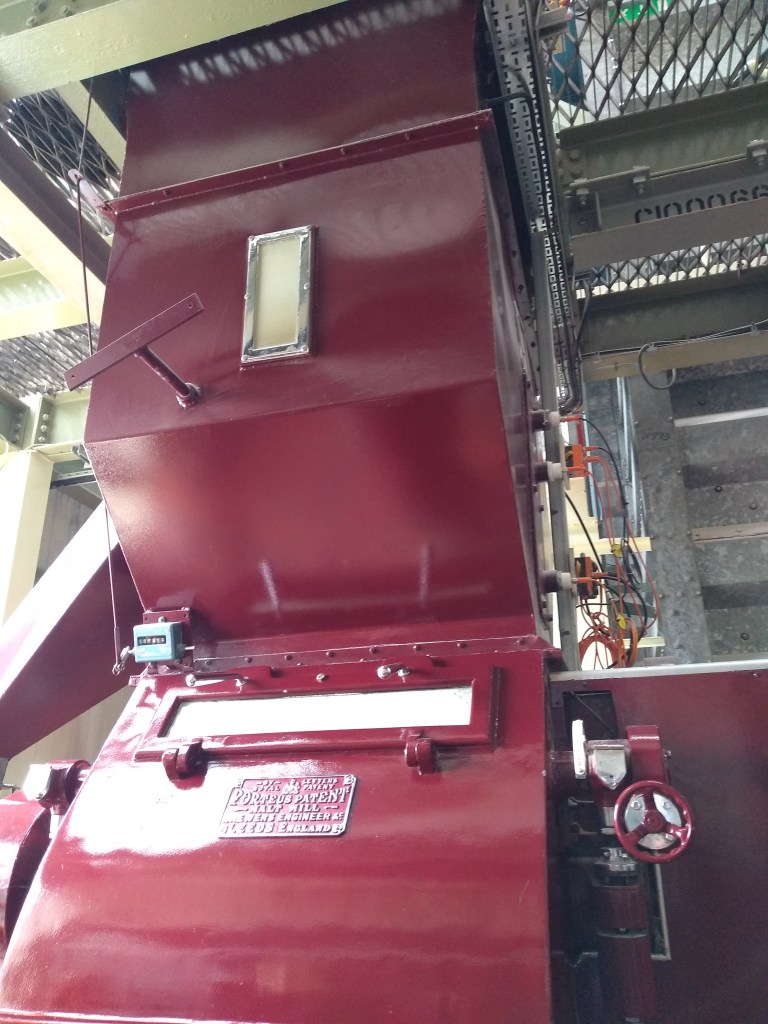
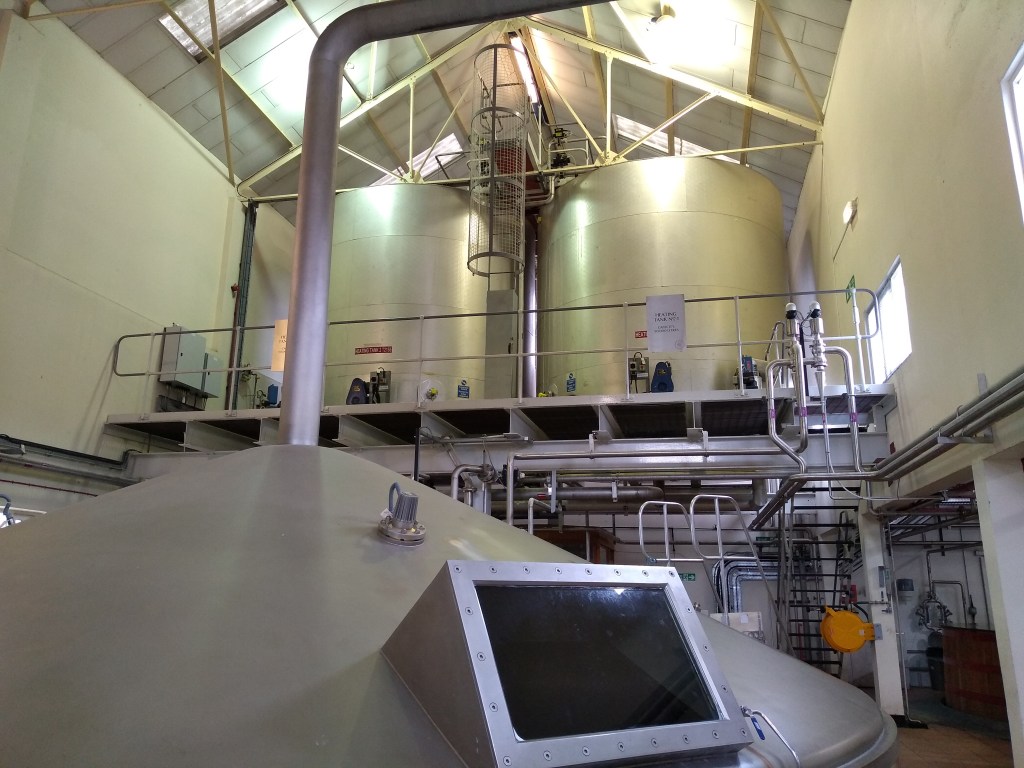
Moving on to the real production, six malt bins feed the Porteus mill (acquired second-hand in the 1960s) almost twice a day when in operation (we visited towards the end of the silent season, which was extended this year to allow some extra repairs). Each batch takes one ton of barley in the full lauter mashtun, and 44,000 litres of water: 33,000 litres for the first run at 64ยฐC; 11,000 litres for the second run at 74ยฐC; finally the third and last run of 33,000 litres at 84ยฐC is used as first water for the next batch, after going through a heat exchanger. Before the silent season the total mashes per week were 13, to leave some space for cleaning, but they are planning on a five-day production going forward. To note, the production water is taken from the Kinchie burn, and sent back there after a passage through cooling ponds, part of a regenerative project.
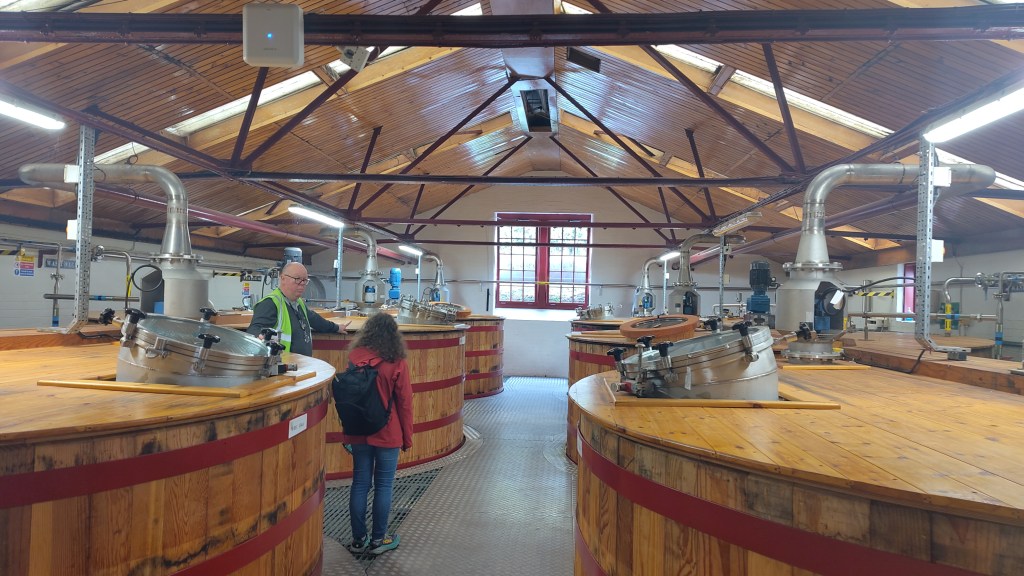
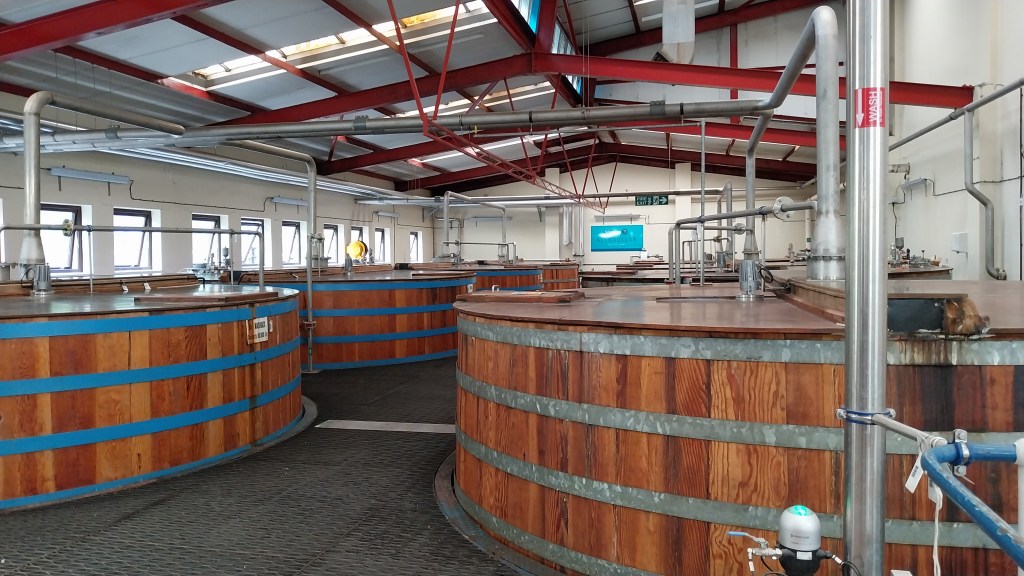
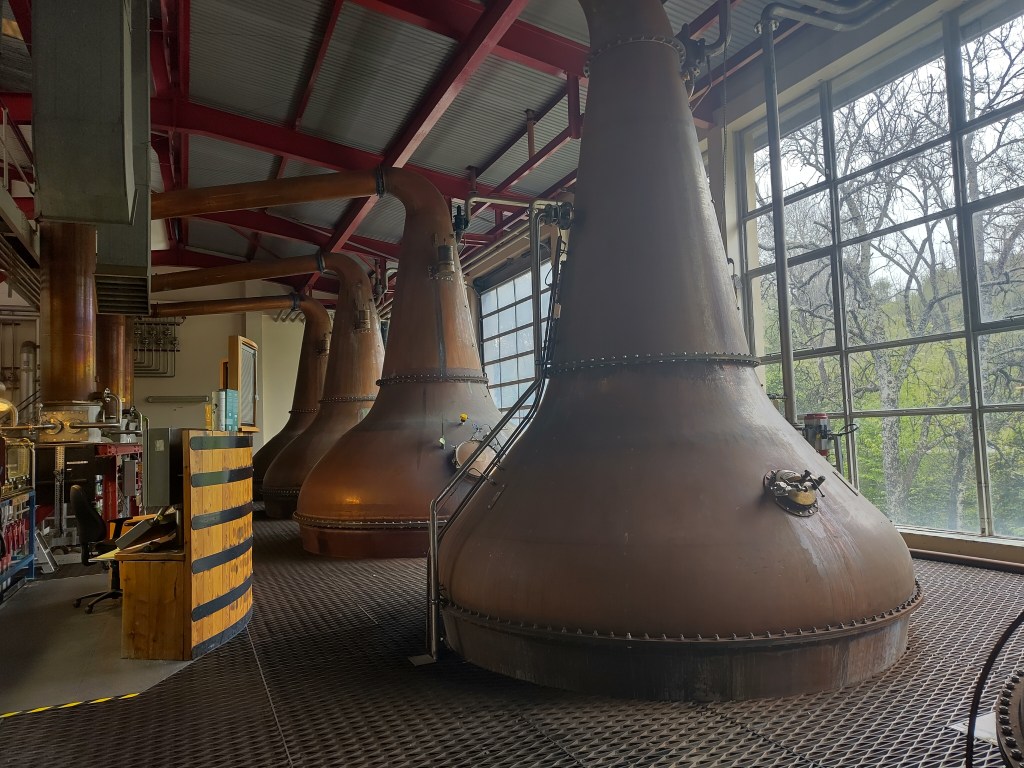
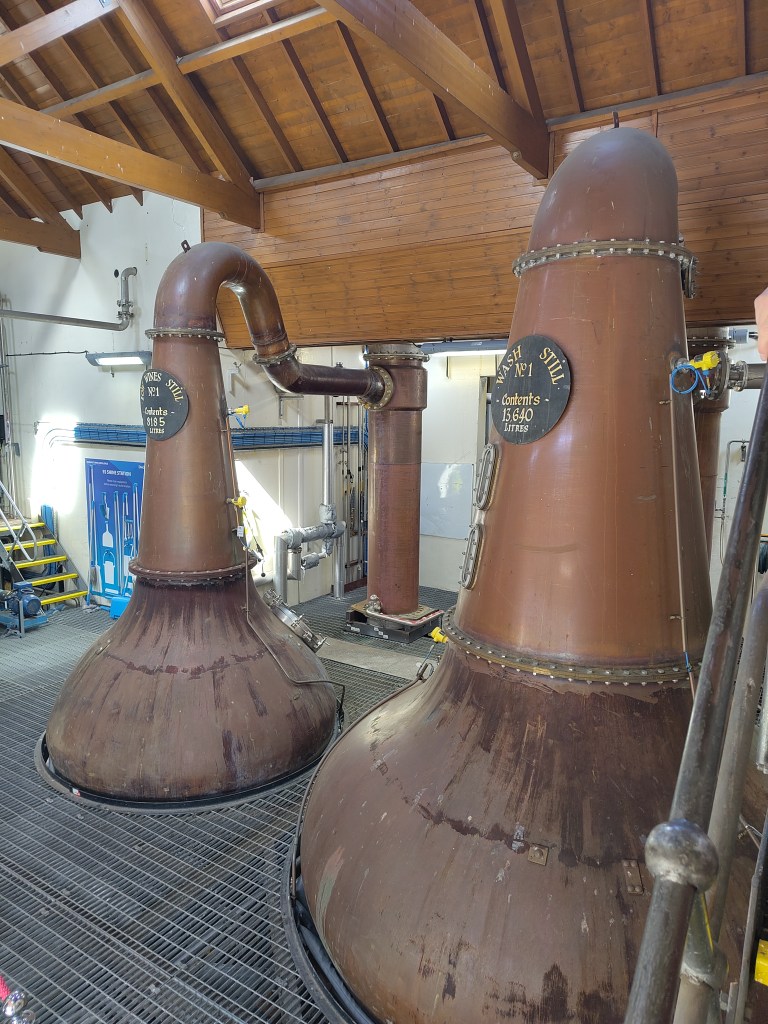
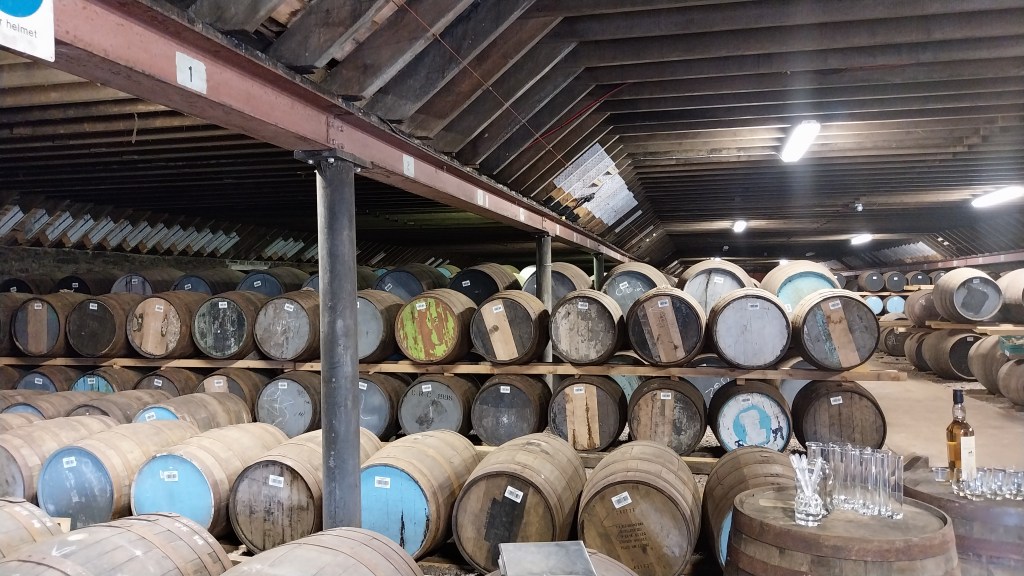
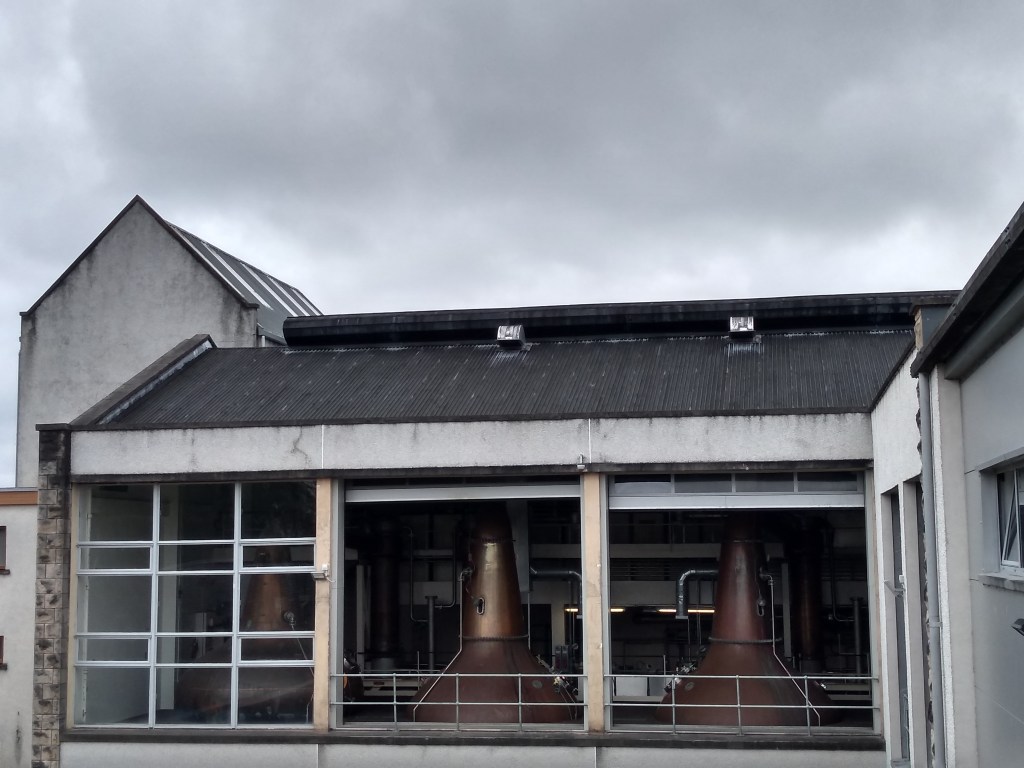
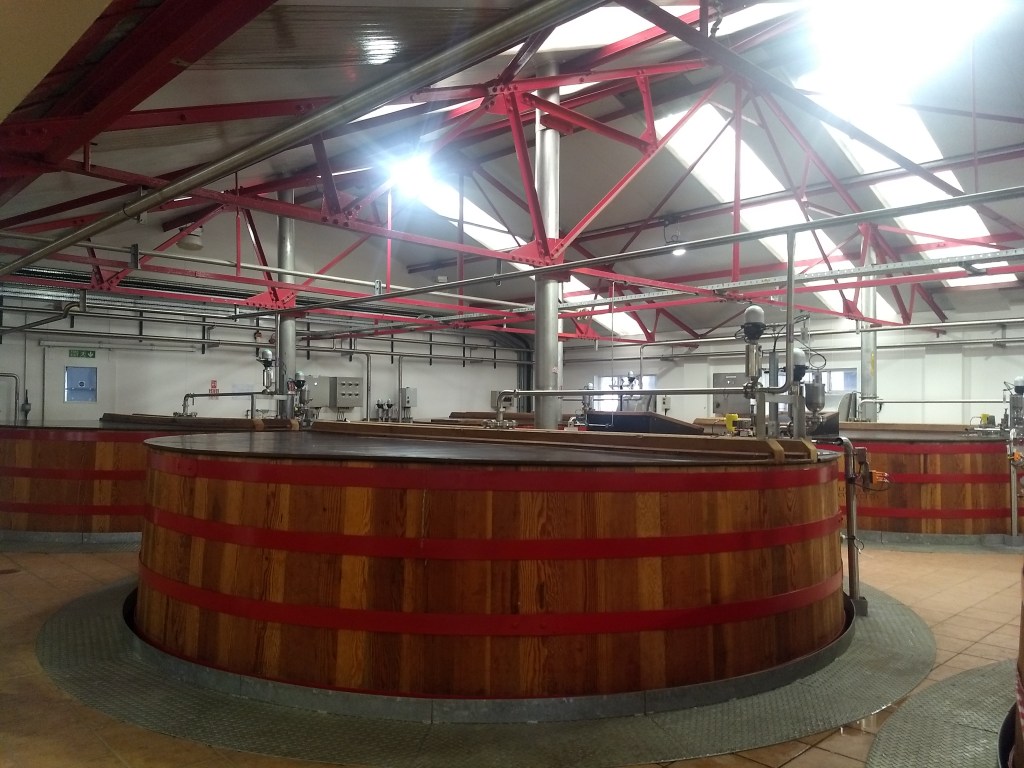
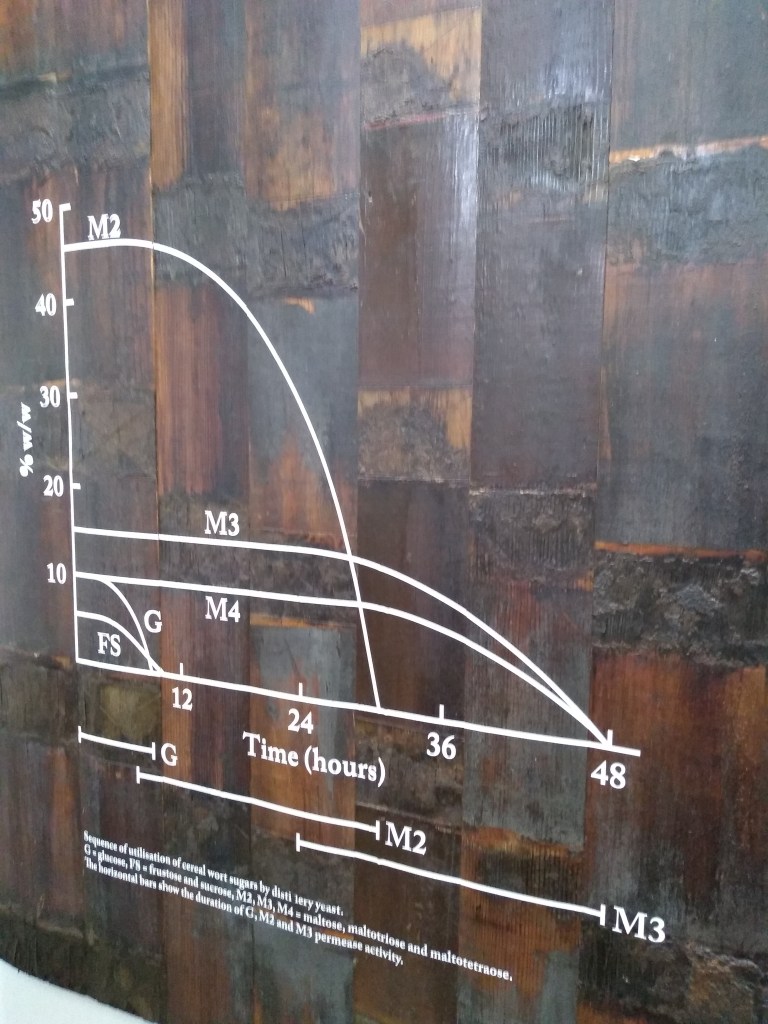
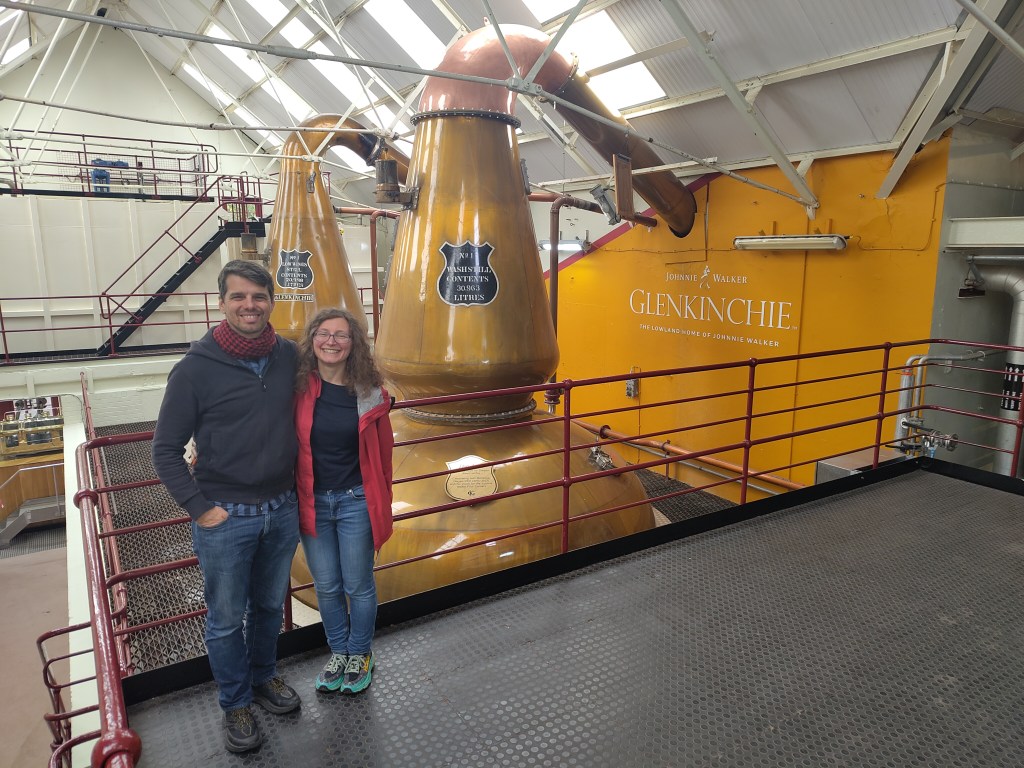
Fermentation is carried out in one of the 6 wooden washbacks (Douglas fir), for about 72 hours to obtain about 8% wash, using distillerโ€™s yeast. Each batch of wash is used to feed two distillation cycles. The wash still (the biggest on the mainland) is charged with about 20,000 litres, to obtain low wines at 23%. The second distillationโ€™s cuts are 75% and 65%, and are done manually, with the leftover foreshots and feints redistilled with the next batch. Both stills work with steam obtained by burning gas, and they have wormtub condensers: it is almost counterintuitive how such floral spirit is obtained with such big stills and wormtubs, usually associated with more robust whisky characters. The other leftovers of the process, pot ale and draff, are sold to local farmers. Finally, the newmake spirit is filled into tankers and sent to Leven (where Cameronbridge is) for cask filling, although they still have about 3-4,000 casks on site in a few warehouses (one is accessible by doing another experience, The Spirit of Warehouse No. 4).
After this very nerdy tour, we were ready for the tasting. First, our tour included a cask sample of choice between four available: two Glenkinchie expressions (2008 American oak first fill ex-bourbon barrel, 58.4%, and 2015 ex-red wine cask, 59.8%), a 2008 Caol Ila (58.7%) and a 2007 Cameronbridge (63.1%), both ex-bourbon barrels. This happened in a narrow corridor with a few other casks as well: it is what remains of their previous warehouse located in what now is the shop and visitor centre. We chose the two Glenkinchie-s, the 2008 in particular was truly an exceptional dram: oily, floral, buttery, with hints of riped fruit and tropical notes – yes, please!

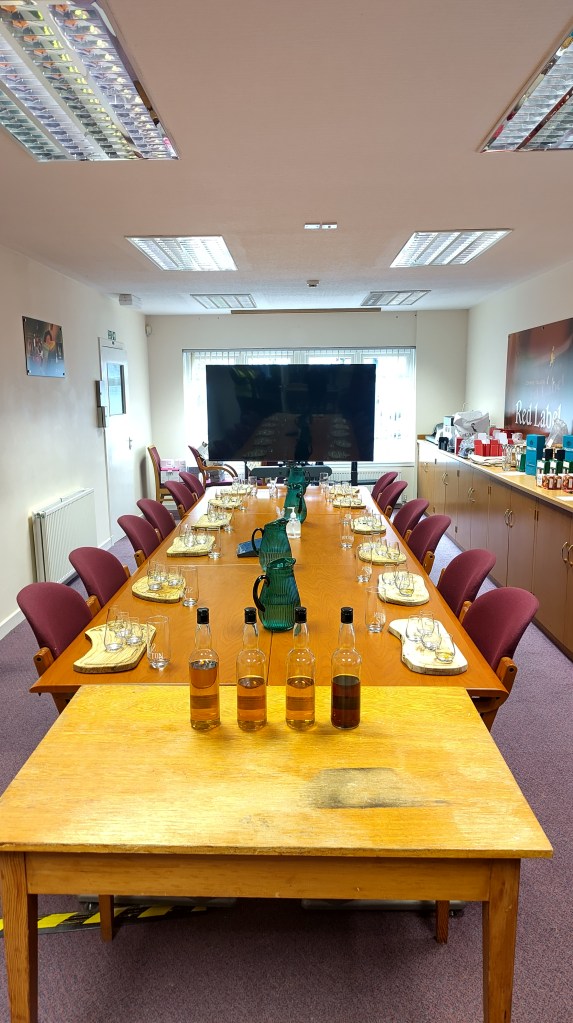
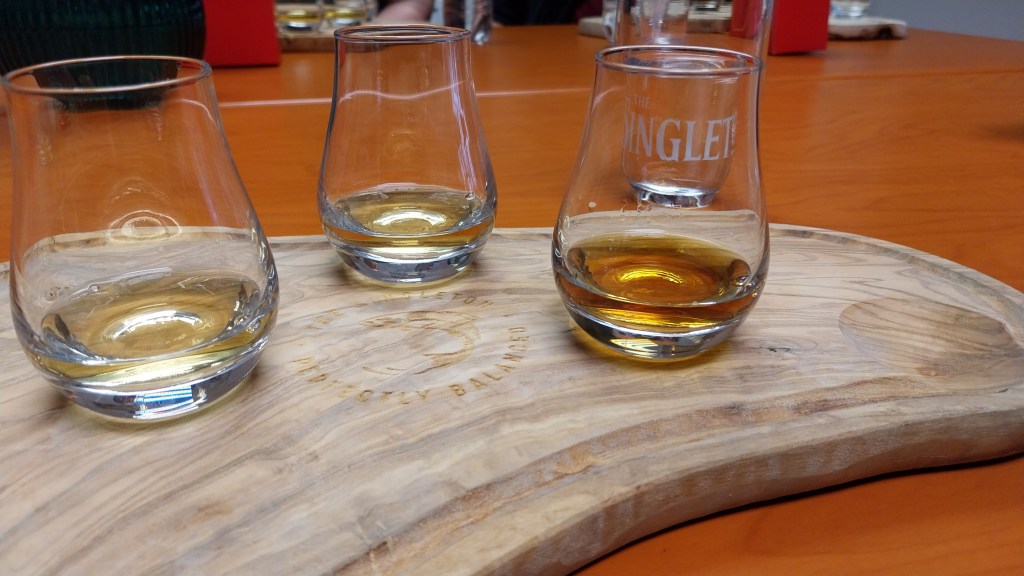
Next, we had a full-flight vertical tasting of the Glenkinchie range, in a tasting room above the entrance and with a great view of the garden: the classic 12y, the Distillers Edition, the Distillery Exclusive, the bottle-your-own (from an ex red wine cask) and finally the Johnnie Walker 18y. This was supposed to be the last dram, but John suggested to start the tasting with it, since it was the only dram bottled at 40%: a very good advice. The tasting was very interesting, and provided some different takes on the Glenkinchie: the ones we liked the most were the Distillers Edition (Amontillado sherry casks really elevate this dram) and the Distillery Exclusive, fresh and fizzy. We confirmed that the standard 12y is a bit bland, while the bottle-your-own was a wine-bomb (weโ€™re not against that like some other whisky fans, but we reckon it is not for all palatesโ€ฆprobably growing up in Italy gave us enhanced tannins tolerance).
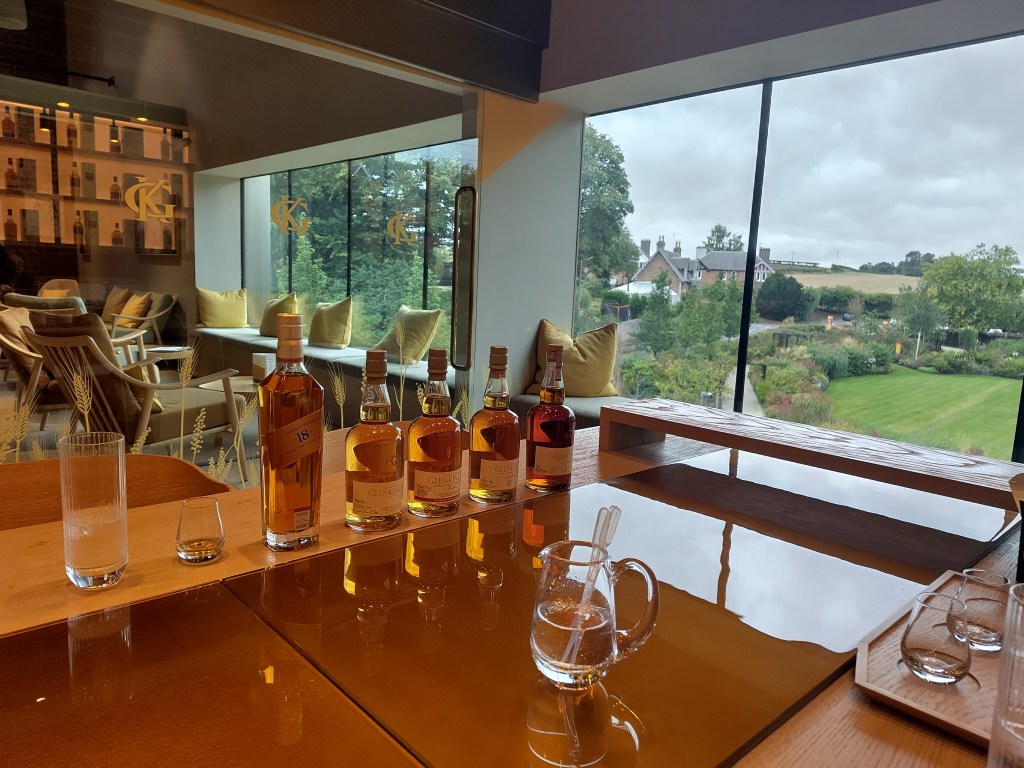
After the tasting, we grabbed a coffee and a tasty bite at the distillery cafe, and we slowly walked back to Pencaitland to grab a bus back to the city centre. We went to Diggers to finish up the afternoon with a few drams, before going back to Leith to, this time for real, end our โ€œholidaysโ€.

We usually donโ€™t comment too much on the tour guides, because we know that for many itโ€™s just a job, and there is absolutely nothing wrong with it. However, having someone knowledgeable and passionate like John really elevated the experience to a different level of detail and appreciation, and his guide through the tasting was great.
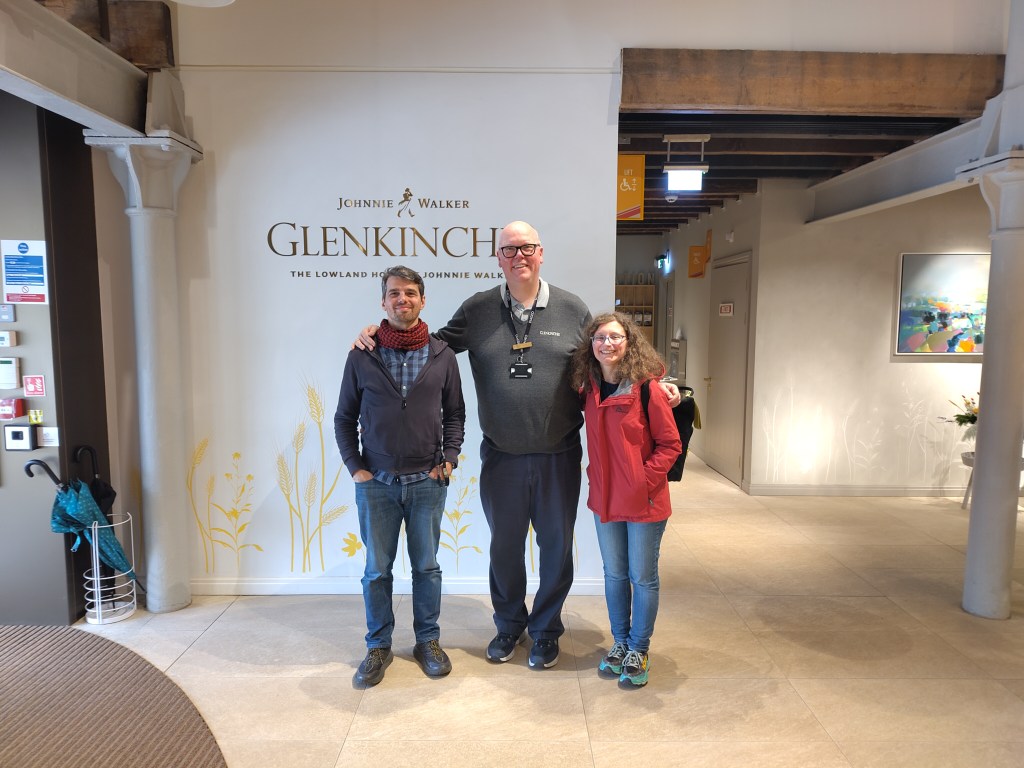
For the current times we think itโ€™s borderline but still a decent value proposition at ยฃ65 for a 2hr tour, with 6 drams, of which 2 bottled at cask strength, and the 15ml pours are good for us: weโ€™re not there to get pished! Prices in the shop are the usual for Diageo: good for the standard range (including the Distillers Edition), high for the Distillery Exclusive, and nonsensical the bottle-your-own (and the various special releases). There are other experiences available that are not distillery tours, so we might go back at some point: asking for John, first!

Well, that’s it for now. Until next time, slร inte!


Glenkinchie Flavour & Cask Experience

Price: ยฃ65.00 pp (September 2025)

Duration: 2hr

Tasting: Glenkinchie 12 (43%), Distillers Edition (43%, NAS, Amontillado finish), Distillery Exclusive (NAS, 48%, Re-charred and American oak apple brandy casks), Bottle-your-own (12y, 48.4%, American oak California red wine cask), Johnnie Walker 18y (40%), one cask sample of choice (see above for the selection)

Target: whisky fans and geeks

Value for money: good

Highlights: the sample from the cask and the bar overlooking the garden

Recommended: yes, but ask for John!

Link: https://www.malts.com/en-gb/glenkinchie/visit


#60.4 Another Spirit of Speyside

Another distillery visit in Dufftown: Glendullan


TL; DR: A visit to another massive Diageo distillery, this time in the well-known village of Dufftown. Glendullan produces some very light spirit, in contrast to the very industrial-looking production plant from the 1960s-70s. A very good tour (followed by an again small tasting at the end), but the highlight of the day was definitely the Whisky Fair: a cosy mini-festival in the middle of Dufftown. Unmissable! 
(missed Part 3/Part 2/Part 1?)

The morning was cloudy, wet, under a dark and overcast sky. Because we had parked next to other vans, we quickly left and postponed breakfast for later, to avoid disturbing our neighbours. The night before, after dinner, weโ€™d attended โ€œDrams under the Starsโ€, a Murray&McDavid event at a bothy near Dufftown, but we will write about this in the next post, where it will become clear why. Back to our morning, we left the car park and went to Dufftown for a wee bite. Soon after we tried to check in at the Parkmore Campsite. The idea was to drop the van there and just walk back to Dufftown. Our spot was still occupied, so we drove instead: maybe for the best, as this saved us from being soaking wet, since in the meanwhile a heavy rain started.

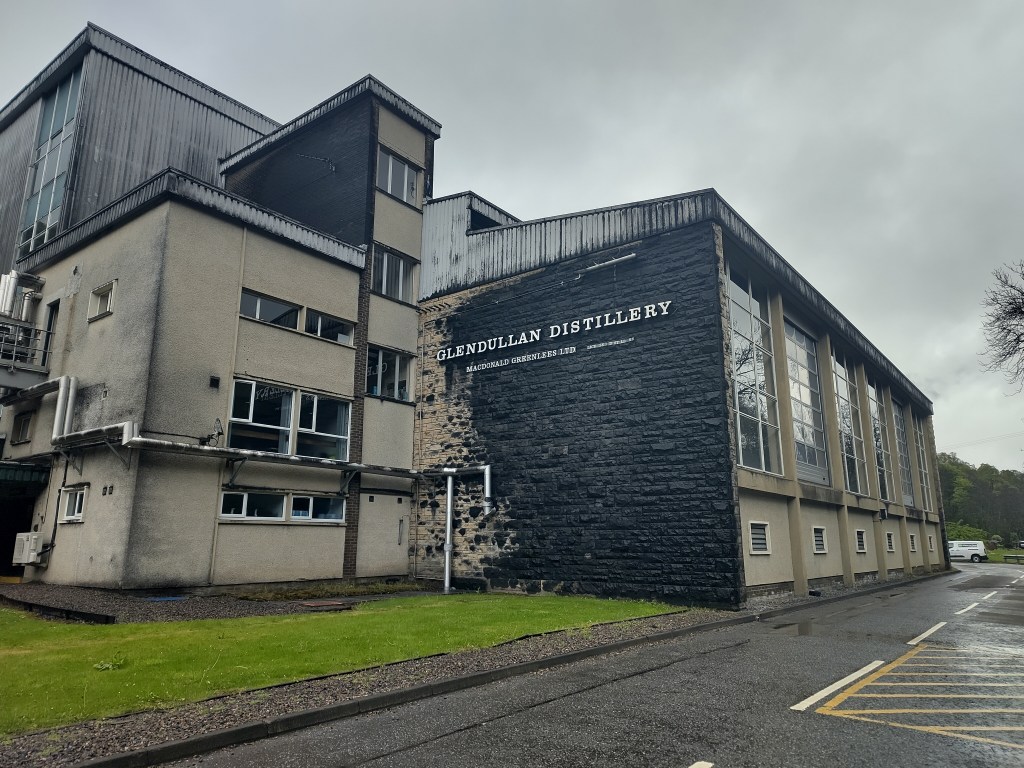
Our first event was the distillery visit at Glendullan. Similar to Inchgower, the event was called โ€œGlendullan through the Decadesโ€. The distillery is along the river Fiddich, and it is another one of the big producing plants owned by Diageo. We walked past it during our walk around the โ€œ9โ€ distilleries of the village, back in December 2019. Their single malt is sold under the Singleton label (brand name originally assigned to Auchroisk, because it was too difficult to pronounce), together with the neighbouring Dufftown distillery (the only one in town we havenโ€™t visited yet) and Glen Ord, in the Highlands. These three single malts, however, are destined to different markets: Glen Ord to Asia, Dufftown to UK and Europe, and Glendullan to America and travel retail.
As we got off the van we were โ€œwelcomedโ€ by a very pungent smell, we found out later that it is a bio-energy plant located just next to the distillery. Fortunately, the staff let us in right away: they were Izac, coming for help from Dalwhinnie, Jackie, the distillery manager, and Kirsty, the apprentice (who weโ€™d already met when she was a tour guide at Glen Grant). We sat at the table while the staff introduced themselves and the distillery. Glendullan was founded in 1897 and went under renovation in 1962, but only 10 years later a new site was built. The two sites ran together until the mid-80s, when the old one was shut off (the building is still there though), while in-house malting stopped even earlier, in 1970. At that point, they gave us the first dram: a Singleton Glendullan from the Diageo Special Release 2021 (19y, 54.6% abv) matured in bourbon cask but then finished in American oak casks, seasoned with Cognac (in our understanding different to casks used for Cognac maturation).

As we got into production, we could clearly see how the distillery was built for a big production – a typical 1960s-70s feeling to it, with a big window in the still room. They get the malt from Buckie, now mostly Lauriet variety, in 28ton deliveries. The mashtun, replaced in 2010, gets filled with 12.4ton of grits, which is milled by a Porteus mill with the usual husk/grit/flour ratio (20/70/10). They do three mashes per day, using one water only, but with continuous sparging, starting at 64ยฐC. They aim for a clear wort, but not by filtering, just by letting it rest. Fermentation is carried out in one of the 10 washbacks, eight wooden and two stainless steel (which are outside), for 75 hours.

Finally, distillation happens in one of the three pairs of stills – 3.5-4 hours for the first run, while for the second distillation they usually start collecting the spirit after 30 minutes of foreshots, for again 3.5-4 hours. Apparently, they donโ€™t have specific cut points, but the average abv of the distillate is about 68.7%, with a green and grassy character.

There is no filling store at the distillery, as all the spirit is filled into tankers and sent to be put in casks elsewhere, mostly (80-90%) in ex-bourbon barrels, the remaining in sherry casks. However, there is a small warehouse with the capacity for about 4,000 casks, which we didnโ€™t visit. Instead, we headed back to the office to continue with the tasting. The second dram was a 1989 cask sample from a (if we recall correctly) hogshead (34y, 52.3%), followed by a 1993 sample again from a very active hogshead (31y, diluted to 49.8%) and finally a 2003 matured in a PX cask, very dark and chocolaty (21y, 56.0%). Fortunately, this time the measures were a bit more generous, around 15ml each (maybe some a bit more, even), but four drams for a ยฃ100 tour and tasting is still quite stingy. To their credit, these drams were truly delicious, and we could see how some effort was put into coming up with this line-up. The contrast with the more meaty and heavy spirit from Inchgower was quite obvious, as Glendullan was light and delicate to our palate, even the one in the PX cask. In general, the tour was another good one, it was great to get to know the staff, get a glimpse of their knowledge, and witness their enthusiasm for making whisky!

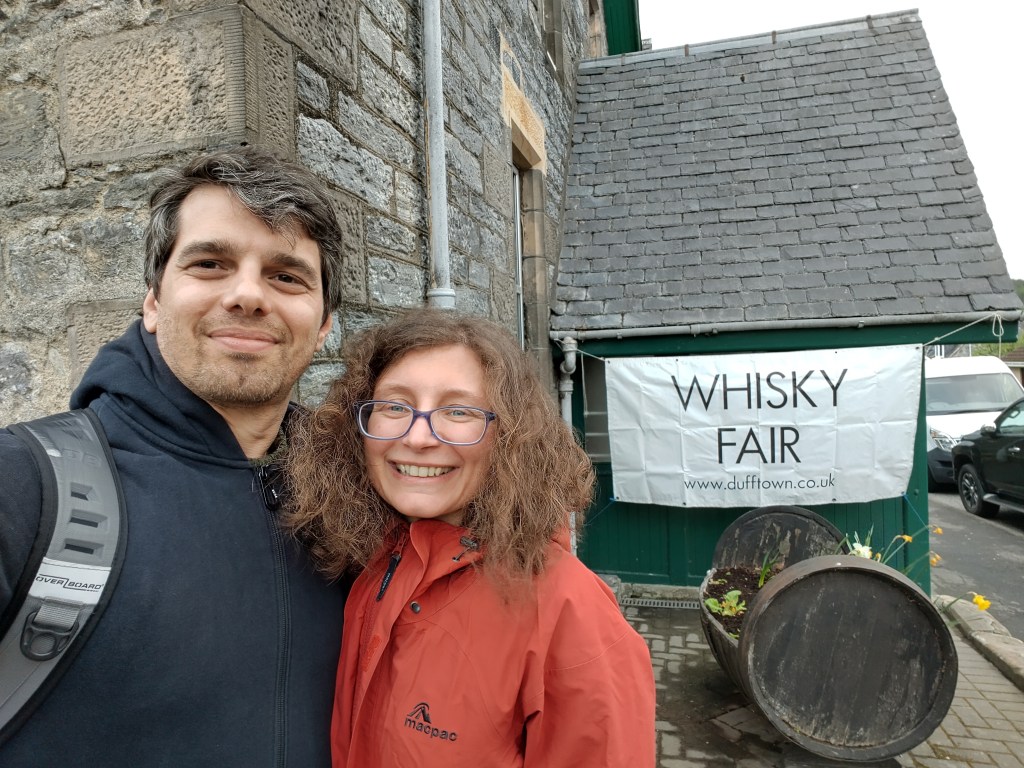
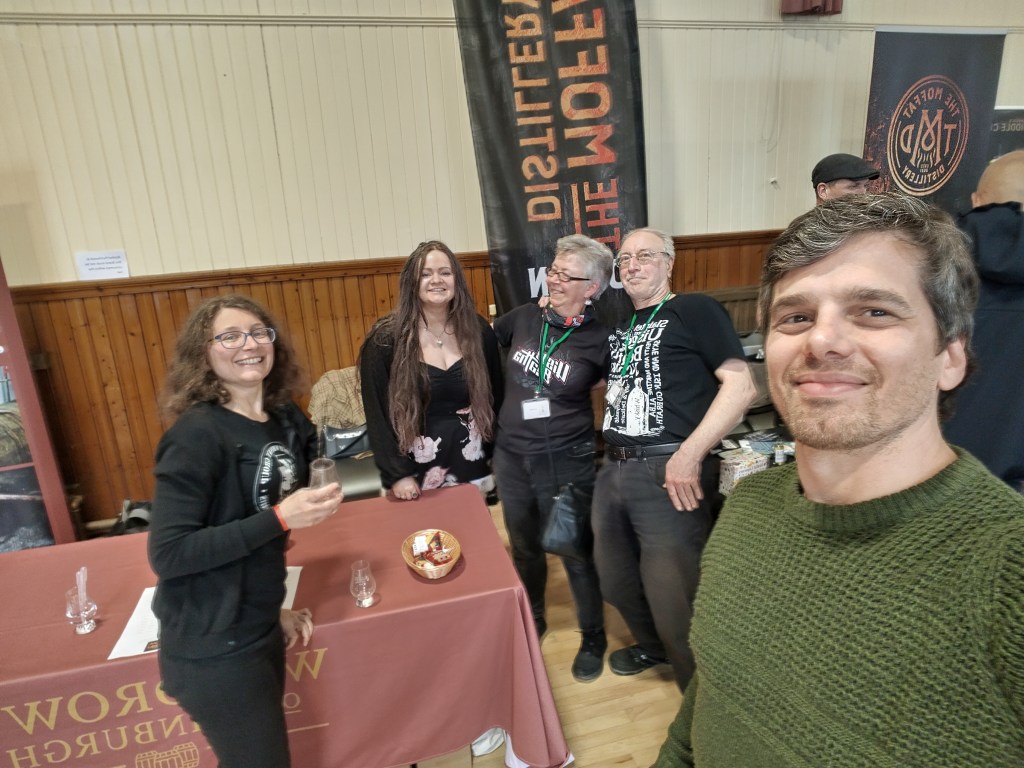
Once we left the distillery, we drove again to the campsite, this time we left the van there and, after a quick meal, we left on foot to get back to Dufftown. The waterproof gear ready to be deployed, too. We thought it would take more, but thanks to a shortcut into the woods (from which we had a great view of Glendullan distillery) it only took 25 minutes to walk to the Mortlach Memorial Hall, where the Whisky Fair was about to start (ticket was ยฃ30pp + SoS fees, including a glass and a voucher for a hot beverage and some food). This was our second year to this event, a sort of small festival, with the money collected for charity. As we arrived, we spotted the van of our pals Megan and Woody of Woodrowโ€™s of Edinburgh parked in front of the hall: some un-pishy drams were about to be tasted! Overall, itโ€™s a great and cosy event, and it was great to catch up with so many whisky pals, in particular with Sue and Gordon, who are among the organisers.

After the fair, we slowly walked back to the campsite, definitely very happy. Unfortunately our evening was much colder than prevented, and we could barely cook dinner on a disposable grill: two massive super greasy but delicious burgers (form Hellbent, some rugby connections as well). We soon went to bed, tired but happy.

Stay tuned our final Spirit of Speyside post! Until next week, slainte!


Glendullan Through the Decades Distillery Tour (Spirit of Speyside 2025)

Price: ยฃ100.00 pp (+ SoS fee)

Duration: 2hr

Tasting: 4 drams, Glendullan 19y (54.6%), Diageo Special Release 2021; cask sample 1989 (34y, 52.3%, refill cask); and 1993 (31y, 49.8%, hogshead cask-very active), cask samples 2003 (21, 56.0%, Pedro Ximenez sherry cask)

Target: whisky enthusiasts and geeks

Value for money: not great

Highlights: the tasting was small but good

Recommended: only if youโ€™re a massive Singleton fan

Link: https://www.spiritofspeyside.com

#60.3 Another Spirit of Speyside

A workhorse in Buckie: Inchgower distillery


TL; DR: Another festival day, with a morning visit to another Diageoโ€™s workhorse, Inchgower in Buckie. The distillery tour was good but, with only four tiny drams at the end, we cannot say it was good value for money. We then continued the day with a relaxing walk in Spey Bay and an independent bottlersโ€™ tasting in Dufftown. 

(missed Part 2/Part 1?)

On the seafront near Portgordon, where we slept, the morning was cosy and sunny. We felt quite rested, thanks to the quietness of the place: only a few dog walkers showed up while we had a small breakfast and got ready for the day. Disappointingly, we didnโ€™t spot any sealsโ€ฆHopefully next time. Anyway, we were soon on our way to Buckie, another village on the Moray coast, on a hunt for a coffee and a scone. It took us some time to find a place open early, but then we landed at Pozzi on High Street.

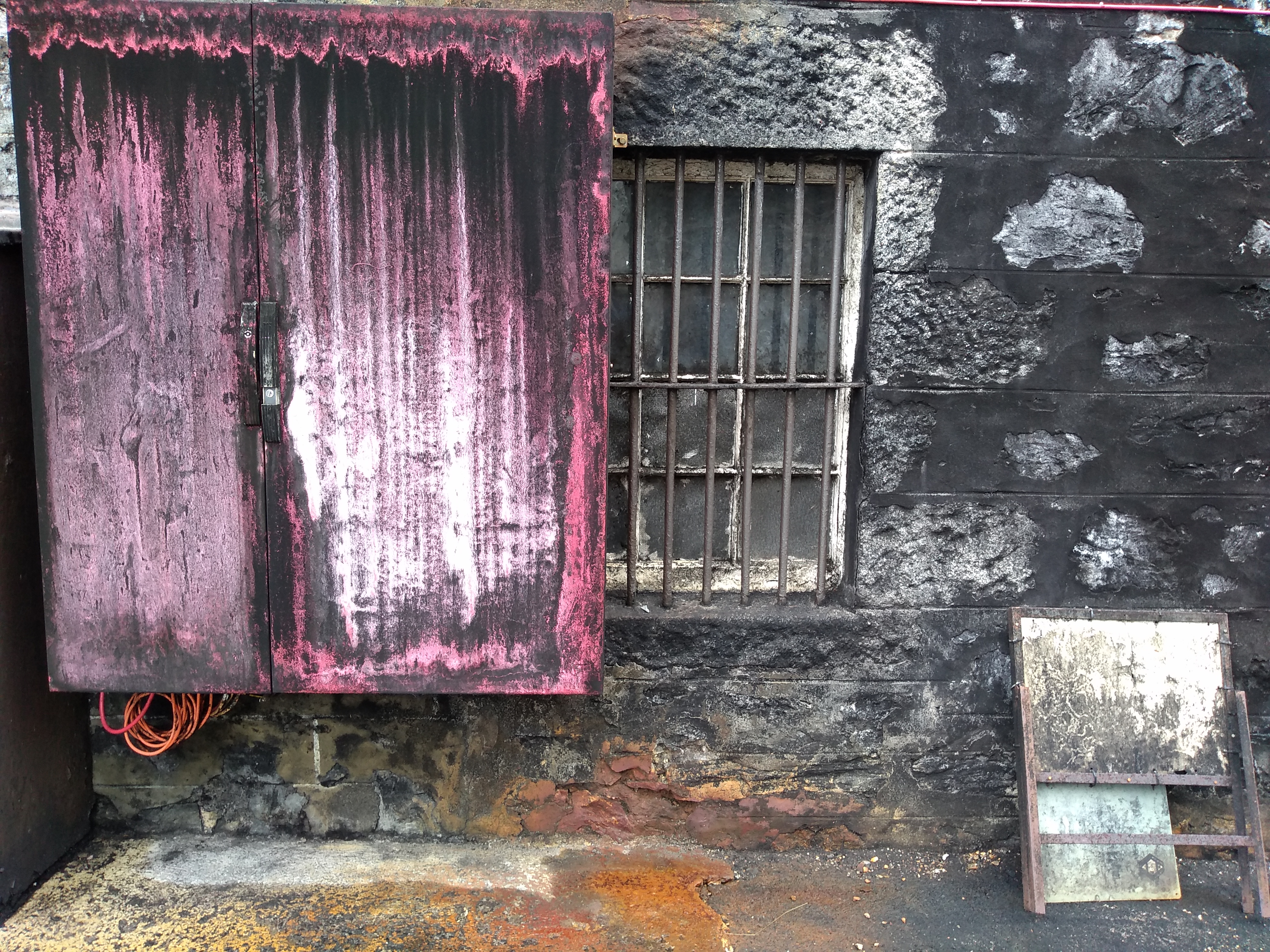
The reason why we needed something open early was that we had to be at Inchgower distillery at 10 am, for our first whisky activity (or โ€œexperienceโ€, if you want more exclusivity). The distillery is just outside Buckie, on the A98, the road that stretches from Fochabers all the way to Fraserburgh. The distillery sits on a big complex, with a lot of warehouses around (weโ€™ll learn later that they can hold up to 36,000 casks). As we drove to the visitors parking lot, we noticed the numerous houses (some of which still owned by Diageo) originally built for the workers: it was obvious which one was the distillery managerโ€™s. We also noticed the stonework, quite dark, possibly because of the Baudoinia fungus, that digests the alcohol in the air.

We were really tight with time, so when we entered the offices, most of the other visitors were already seated around a large table, including our pals John and Jeeves. The staff offered us a coffee, which is always a nice touch. We said โ€œofficeโ€ and not โ€œvisitor centreโ€ because this distillery doesnโ€™t have one, as it is generally closed to the public. They are owned by Diageo, and needless to say, they are one of their hidden workhorses, and other than their Flora and Fauna release, we only know it thanks to independent bottlers.

As the last people came in, we started our visit with the distillery manager, Gary, who introduced himself. He is fairly new, as he came in a couple of years ago when the distillery was reopened, after some years of refurbishment. The distillery was founded in 1871, using the equipment from another one, Tochineal distillery. The first notable event we were told of is the acquisition of the distillery by Buckie council in 1936 after the founders, Alexander Wilson & Co, went bankrupt. It was then bought by Arthur Bell & Sons in 1938, and in 1966 it doubled capacity. Guinness took over Bellโ€™s in 1985, and eventually the company became Diageo.

After this introduction, Gary and his team walked us outside, and because it was a decent day (cloudy but not rainy, yet), we climbed the malt bins stairs to have almost an aerial visual of the big distillery. The three silos can contain up to 60 tons of malt, enough for nine days of production.

We then moved inside the production building, where we saw a Bobby mill, according to them one of the oldest around (although they couldnโ€™t tell us a precise date). The malt currently used is Diablo, for a fully unpeated production. The 8.36 tons leuter mashtun is one of those big stainless-steel ones, where mashing is done with the usual three waters at increasing temperature, for about 7-7.5 hours. Fermentation, activated by liquid distillerโ€™s yeast, usually lasts about 46-48 hours, but can range from 40 to 100 (they work five days, so the longer ones are the ones going over the weekend). All this happens in wooden washbacks that can contain 37,000 litres.

They have two wash stills and two spirit stills, and from the latter they take a large spiritโ€™s cut (the โ€œheartโ€) from 72% to 55%. As usual, they discard the foreshots (or โ€œheadโ€) coming before, and the feints (or โ€œtailโ€) coming after, and they mix it together with the low wines from the first distillation, to eventually redistill it. The newmake spirit is usually around 65-68% abv, and it is filled in tankers and sent to one of Diageoโ€™s โ€œcaskingโ€ facilities.

After production, we visited one of the warehouses, located in front of the row of houses for the tasting. The drams were on top of four casks lined up in front of us. We obviously started with the Flora and Fauna 14y (43%), as it is their flagship dram. The other three were cask samples: a 15y (vintage 2009, 56.6%) from an ex-bourbon cask, a more interesting version of the 14y we could say. The other two were a 35y (from 1989, 44.1%) from a refill cask, and a 28y (from 1996, 53.7%) from a sherry cask, which was obvious by looking at the colour. It was a good showcase of the distilleryโ€™s malt, where we could appreciate the heavy and meaty character of this whisky, which worked well with both cask types. At that point the tour was finished, we went back to the offices to pick up our bags and our gifts (one Cardhu branded highball glass and one cookie stamp eachโ€ฆno comment) and leave.

We had a few hours before the next event, so we drove to Spey Bay to check out the Scottish Dolphin Centre (spoiler: zero spotted dolphins). There, we had a nice walk around the mouth of the river Spey, and a tasty soup at the cafรจ/visitor centre.

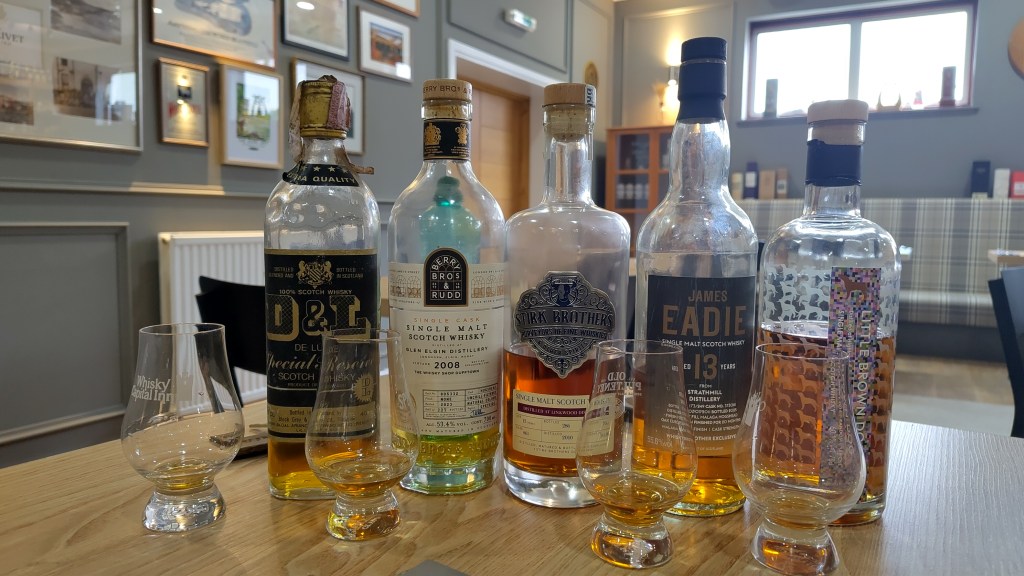
After that, we drove to Dufftown, as our next event was starting soon. It was the Independent Scotch tasting, hosted by David Stirk (for ยฃ30pp + Spirit of Speyside fee), at the Whisky Capital Inn: a great whisky bar and restaurant (and hotel as well) right in the centre of the small town. The tasting went through a bit of history as well, so we started with an old blend. It made sense, as if you think of it, blenders used to be the original โ€œindy bottlersโ€. The blend was an Italian import D&L Deluxe Special Reserve (not telling much), bottled at 40% by a company called Block Grey & Block. Then, we moved on to a Berry Bros & Rudd Glen Elgin (2008, 53.4%, hogshead), followed by a Stirk Brothers Linkwood (2010, 13y, 50.0%) and a James Eadie Strathmill (2011, 13y, 55.6%, finished for 20 months in a 1st fill Malaga hogshead). Finally, a Little Brown Dog Highland Park (2014, 10y, 60.1%, from a random barrique), for the usual peated ending. Overall an interesting line-up, showcasing different cask types. After the tasting, we stayed at the Whisky Capital Inn for a delicious venison burger, before heading off.

Another good whisky day, with some good drams and some great banter! Unfortunately, the Inchgower tour, while very interesting and hosted by enthusiastic and passionate staff, was not good value for money: for ยฃ100, we expected at least 6 drams instead of four (although well aged, definitely better than the Johnny Walker that was served in previous Diageoโ€™s Spirit of Speyside tours). What was even more awkward was the size of the drams: when Teresa filled her driverโ€™s pack, we realised some of the drams filled less than a half of a 20ml sample bottle. Not very well played from Diageo.

Anyway, stay tuned for more Spirit of Speyside action! Until next week, slainte!


Inchgower Through the Decades Distillery Tour (Spirit of Speyside 2025)

Price: ยฃ100.00 pp + SoS transaction fee

Duration: 2hr

Tasting: 4 drams, Inchgower โ€œFlora and Faunaโ€ 14y (43%); cask samples 2009 (15, 56.6%, ex-bourbon cask; cask sample 1989 (35y, 44.1%, refill cask); and 1996 (28y, 53.7%, sherry cask)

Target: whisky geeks (and people trying to visit as many distilleries as possible)

Value for money: not great

Highlights: the climb to the malt silos

Recommended: only if you’re a massive Inchgower fan

Link: https://www.spiritofspeyside.com

#46.5 The return of the smoke

Lagavulin and the rest of Kildalton


TL; DR: Final day on the island, it was time to visit the Kildalton coast and its distilleries. First, a tour at Lagavulin, followed by a nice lunch at Ardbeg. We closed the trip on Islay with a dram at Laphroaig, just before taking the ferry at Port Ellen.

(missed Part 4/Part 3/Part 2/Part 1?)

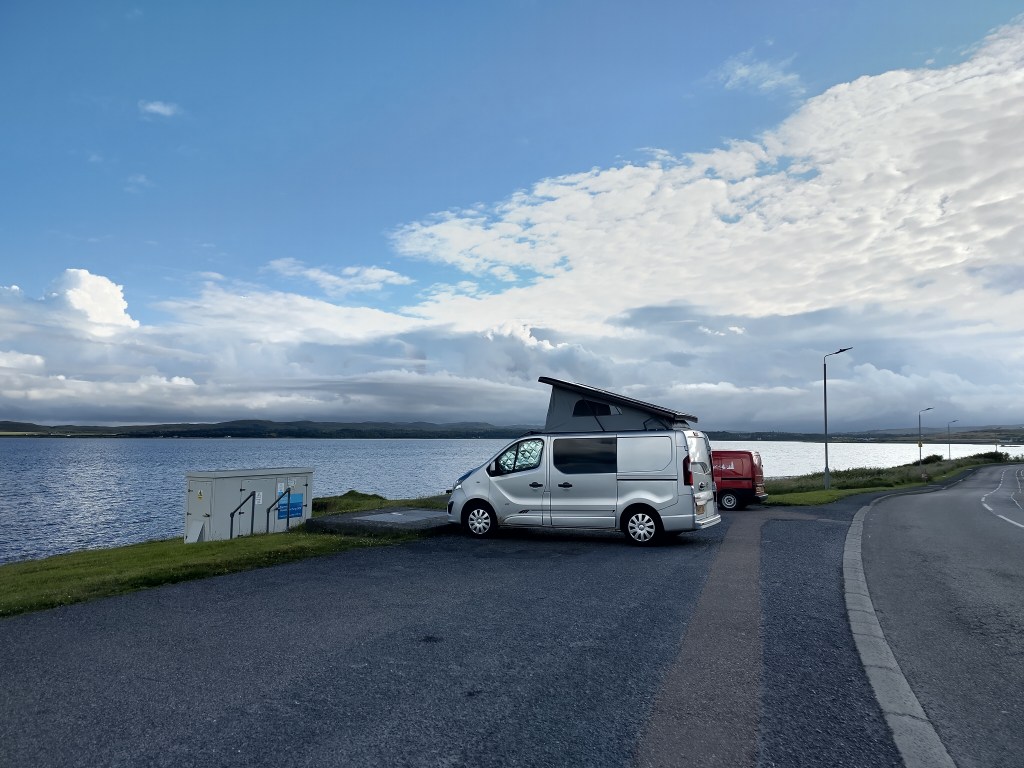
As usual, we woke up very early when the morning light entered Mr Vantastic. We stayed in bed and, somehow, we managed to sleep a bit longer. When we finally woke up, Justine was already up, and offered us some food. Despite being parked on the main road connecting Bowmore to Bridgend, the vehicles noise had not bothered us. We actually felt rested. We took turns to go to the public restrooms at the Bowmore square, and Gianluigi took advantage of his โ€œtripโ€ to stop at the Co-Op for some fruit and croissants.

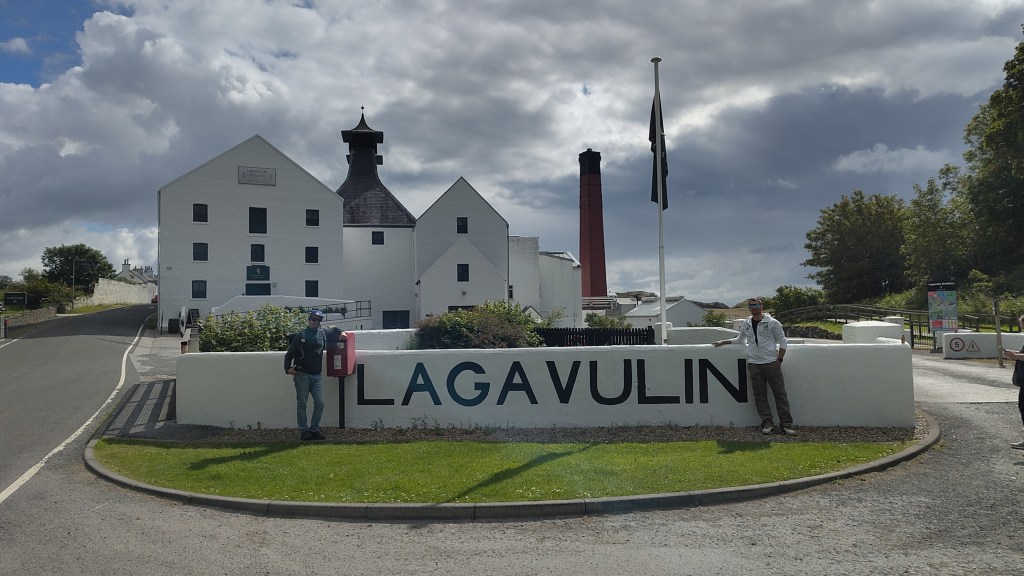
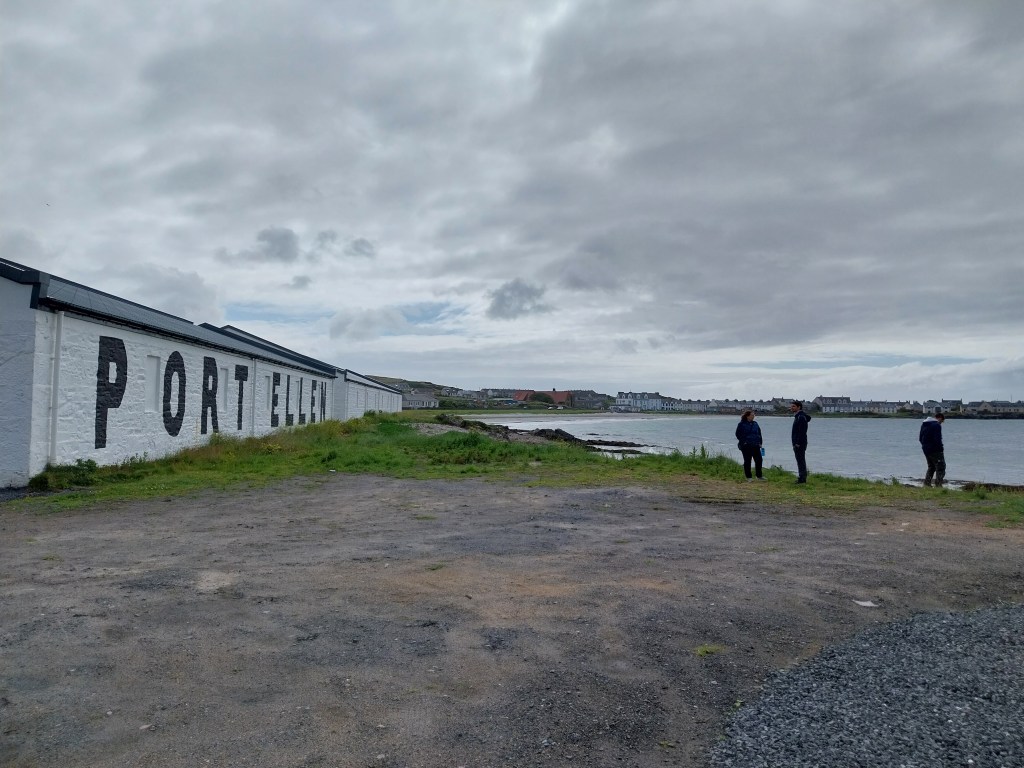
We soon jumped on the van and drove all the way down the island, past Port Ellen, to the Kildalton coast. There, we had our first (and only) tour booked for the day, at the Lagavulin distillery. We had visited it before, but for one of their warehouse tastings, at the time (May 2022) hosted by the legendary Iain McArthur, who recently retired. This time, we were going to visit production, to find out how they make the stuff. Before the tour started, and after Justineโ€™s White Horse miniature photoshoot, we had a coffee at the Malt Mill bar, in the building of the former namesake distillery. This was a โ€œshort-livedโ€ (well, still over 50 years!) distillery built by Peter Mackie in 1908, who aimed to replicate Laphroaig after he lost control of it following a court case loss. However, it quite never made it, so in 1962 the distillery was closed. After the coffee Justine said her goodbyes, as she was going to get an earlier ferry.

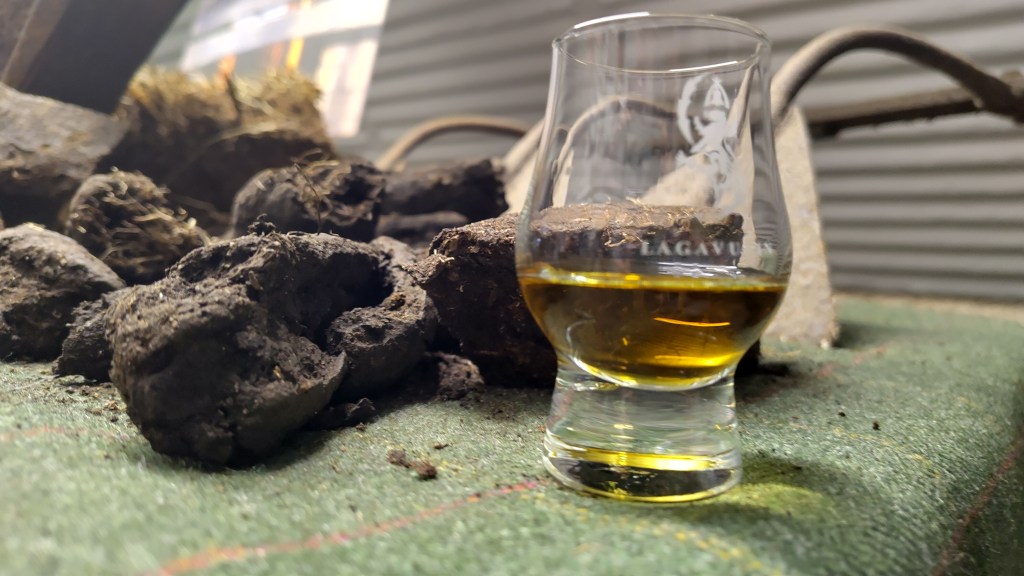
The production tour started in a very cosy room with nice chairs and old memorabilia, which is just along the hall, past the shop and the tasting room. Alice, our guide, started telling us about the history and anecdotes of distilling on Islay: like that the island was the first recorded place of whisky-making in Scotland, and that the first attempt of sending an excise man from the mainland almost resulted in a hanging. Lagavulin officially started distilling in 1816, when John Johnson decided to go legal after he was caught by an excise man. We soon moved to the old kiln, where a dram of Lagavulin 16, their flagship, was waiting for us (and a sample for the driver, Gianluigi today). There, we found out that their maltings closed in 1973. The peat currently used comes from Castle Hill, near the Islay Airport, and the barley is peated to 36 ppm (phenol parts per million), a lower peat level compared to other Islay distilleries, usually around 50-55 ppm. The water source is the same as the nearby Ardbeg, brown because it is โ€œpeatedโ€, but then filtered before entering production (and no, despite the urban legends, the peaty water doesnโ€™t give the whisky any additional smokiness).

They use 24 tons of barley per day, which is first milled in a 1963 Porteus mill (usual split husk/grit/flour of 20/70/10%), before being mashed in a full leuter mashtun. There, the grist is mixed with 19,000 litres of water at 64ยฐC, while the second (and last) water is first sparged and then heated up to 84ยฐC. They currently run 4 mashes per day for 7 days a week, for a total production of 3.5 million litres of pure alcohol. The wash is then transferred in one of the 10 washbacks, 4 made of larch, 6 made of Oregon pine (or Douglas Fir). On one of the washbacks there was an โ€intruderโ€โ€ฆWe couldnโ€™t understand why it was there, but it was funny.

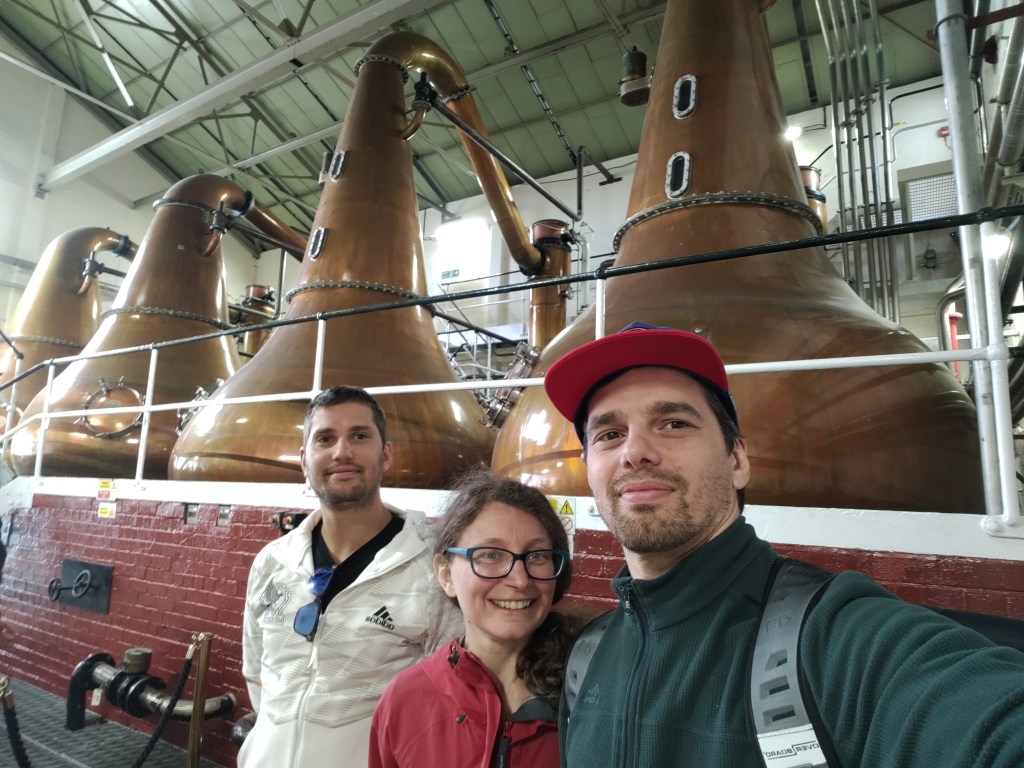
Fermentation is short, 55 hours only, and kickstarted with Mauri liquid yeast. At that point, one of the operation managers, Grant, โ€œjoinedโ€ the tour and contributed to the already quite exhaustive explanations that Alice gave us. They have four stills, two wash and two spirit stills. The cut they take from the second distillation is exceptionally wide, from 75% to 59-60%, taking 10 hours, plus other 5 hours of feints run (which are then mixed in the same tank and redistilled in the next batch of low wines). Together with the first distillation, that takes over 9 hours, Lagavulin features the longest distillation on Islay and one of the longest in Scotland.

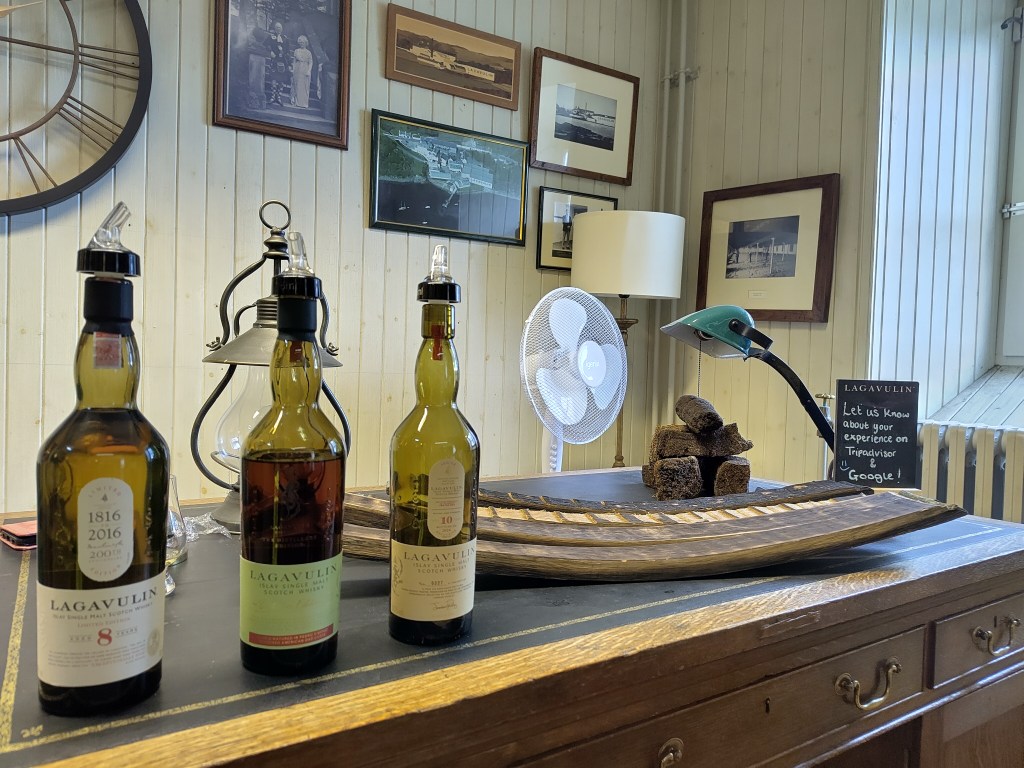
After a brief stop at the beautiful pier, we went back to the visitor centre for the tasting. The first dram was Lagavulin 8y (48%): as the 16y became more expensive in the last few years, this one became more and more prevalent, now available in supermarkets as well. We had a bottle at Teresaโ€™s mother house, it is a solid dram, matured in ex-bourbon casks from the Bulleit distillery. Next up, the Distillers Edition: like the other ones in this series, it is finished in fortified wine casks, Pedro Ximรฉnex sherry for this one. The Distillers Edition used to have a vintage year, but apparently itโ€™s disappearing: Alice told us this one is around 14 years of age. As predictable, this was a sweet and decadent take on Lagavulin. Finally, a surprise: the Feis Ile 2024 edition. This year they released a heavily peated (55 ppm instead of 35) malt, aged for 10 years in refill bourbon casks: delicious smokiness, a shame it was so expensive (ยฃ175). We were also surprised by how they aligned the price of older Lagavulin 12 cask strength editions (2020 and 2021 for sure) to the most recent releases: they were all ยฃ150, for some a jump of ยฃ20 compared to the RRP at release!

Overall we really liked the Lagavulin tour, and it confirmed us that it is one of the best distilleries to visit, for sure the best in the Diageo portfolio, at least based on our experience. Alice was knowledgeable, and Grant contribution was the cherry on top: the tour was really informative! They served us four drams, more than most basic tours, although the size was a bit small (around 10-15ml).

After Lagavulin, we drove to Ardbeg for lunch. We had a nice meal and a coffee at the cafรจ inside the distillery, as the cart in the courtyard was closed. We also got some of their limited releases drams: some very tasty, a pity the bottles were a bit overpriced.

Finally, at that point we had to complete the Kildalton distilleries: so we stopped at Laphroaig, not to get the free coffee (although Gianluigi was tempted). As he is in the Friends of Laphroaig club, he could get a free dram, which was extended to Teresa and Edo by the very nice staff (and offered in a sample bottle to Gianluigi). We also bought a tasting pack: 4x15ml samples from batches of Laphroaig 10 cask strength for only ยฃ15, a steal! It was a brief stop, and once left, we drove straight to the Port Ellen ferry terminal. The sail was uneventful, we took advantage of the upper lounge to get some rest.

Next up, a last detour before driving homeโ€ฆ until then, slainte!


Lagavulin Classic Tour

Price: ยฃ22.00 pp (July 2024)

Duration: 1hr 30min

Tasting: welcome dram Lagavulin 16 (43%), plus 3 drams, Lagavulin 8 (48%), Distillers Edition (43%, PX cask finish), Feis Ile 2024 (heavily peated, refill ex-bourbon casks, 56.7%)

Distillery Exclusives: Distillery Exclusive (NAS, 53.5%, ยฃ110.00)

Target: whisky enthusiasts and casual drinkers

Value for money: good

Highlights: the pier

Recommended: yes, the best Diageo distillery tour so far

Link: https://www.malts.com/en-gb/distilleries/lagavulin


#46.3 The return of the smoke

Islay’s Juggernaut: Caol Ila


TL; DR: Back on Islay, we first visited Finlaggan, the site of the castle of the Lords of the Isles, in the middle of a loch: a charming place. We then drove to Caol Ila distillery for the first visit of the day. Itโ€™s the biggest on Islay, recently renovated, definitely worth visiting on a good day for the view from the tasting room.

(missed Part 2/Part 1?)

We rarely sleep past 8am in the campervan, but this was one of the rare occasions. A combination of cozy and nice temperature, and not too much light (also thanks to a truck protecting us from direct sunlight!). We felt well rested, and after a nip at the loos (public toilets were just on the other side of the very narrow street), we had breakfast. There wasnโ€™t enough time to do anything else, so we jumped in the vans and managed to take the first available Caolin Ferry back to Islay.

Caol Ila distillery is very close to the Port Askaig pier, and we had over an hour before the tour. Instead of hanging around, together with Justine we decided to visit Finlaggan, less than 10 minutes up the road towards Bowmore, with the last bit on a single-track road.

This is the historic seat of the Lords of the Isles, the ancient rulers of the area, before it was absorbed by the Scottish crown. Itโ€™s in the middle of Loch Finlaggan, just a few minutes walking from the visitor centre (still closed when we arrived). There used to be a castle/fortified house there, built over different centuries, but the ruins we can see today are from the 13th century. Itโ€™s a very beautiful and quiet place, definitely worth a visit if you have some time to spare. While we were visiting the site, the visitor centre opened, but we didnโ€™t have time to check it out: it was time to go visit Caol Ila distillery.

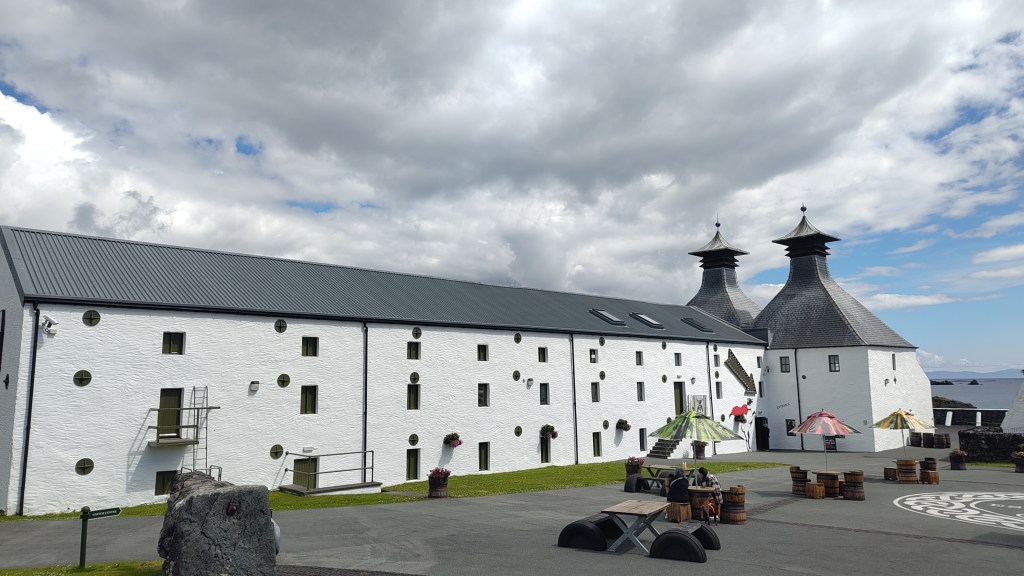
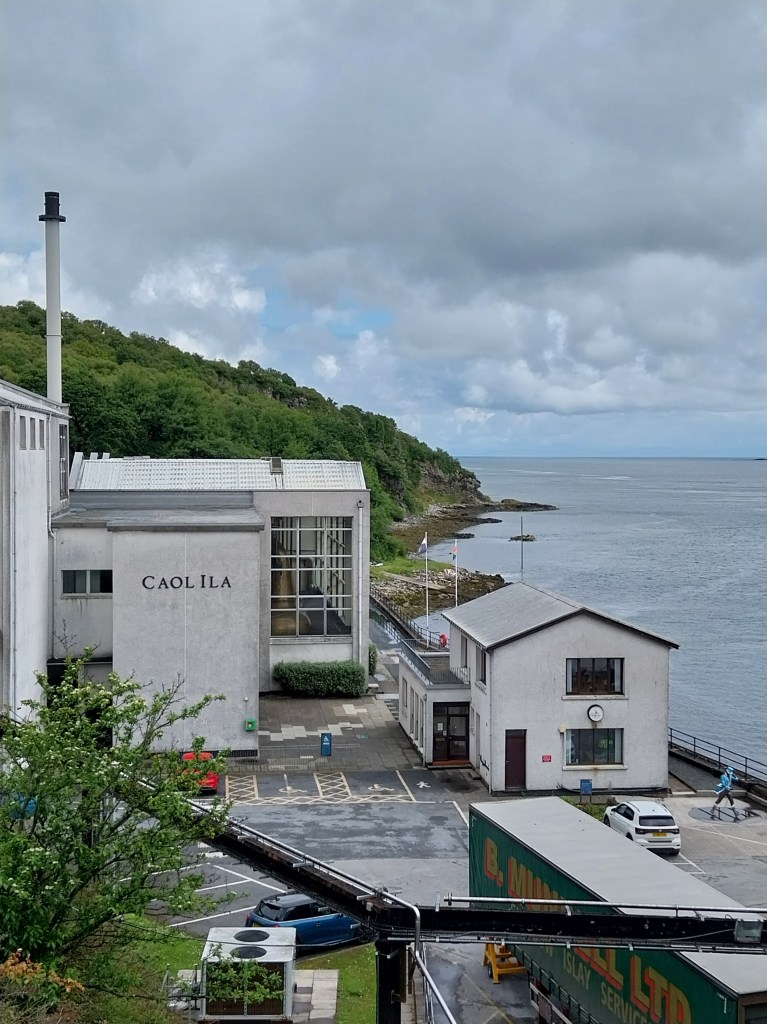
It took just a few minutes to drive back from Finlaggan, after which we left Mr Vantastic in the new parking lot, next to the electric vehiclesโ€™ charging points. From there, we walked on a very nice wooden footbridge to enter the new visitor centre, from which you get some very nice views of the production site and the Paps of Jura (to note, for accessibility you can drive closer to the building). The visitor centre is โ€œcarvedโ€ inside a warehouse, of which they sacrificed a portion for visitors. Itโ€™s clearly new, with a typical Diageoโ€™s style shop, not as nice as the Lagavulin one, but fortunately without that airport duty-free look as Taliskerโ€™s. At the bottom of the shop, there is a very long bar, and behind it, the โ€œtasting roomโ€: a few tables in front of a very large glass window with a magnificent view. On that day, the sunshine definitely made the experience memorable!

As we walked in, they offered us a welcome dram: a choice between the blended malt Johnny Walker Islay Origin (a blend of Lagavulin and Caol Ila) and the Caol Ila 14y Four Corners of Scotland (the expression they brought in, together with Cardhu, Glenkinchie and Clynelish ones, to celebrate the โ€œJohnny Walkerโ€-ification of these distilleries). A few minutes later, we gathered at the tour starting point with our guide. Our guide was very new to the job (apparently ours was their second tour ever), so it wasnโ€™t the most informative of the experiences: oh well, everyone needs to start somewhere (and we complemented the info with the Malt Whisky Yearbook 2024)!

We started in a room one floor below the visitor centre with a nosing experience of some aromas (as far as we remember, peat, supposed-sweet, sea and maritime spice?). It was followed by an 8-minute video about the history of the distillery and the crucial role it plays in DCL/Diageoโ€™s blends, accompanied by animations on a relief map, with wee boats moving from Islay to the mainland and back. There was also a very informative wall display, with the parallel histories of Caol Ila and Johnny Walker. Overall, we felt this introductory part was a bit too long (slightly over half an hour), to the point that Gianluigi started doubting that thereโ€™d be a tour of production!

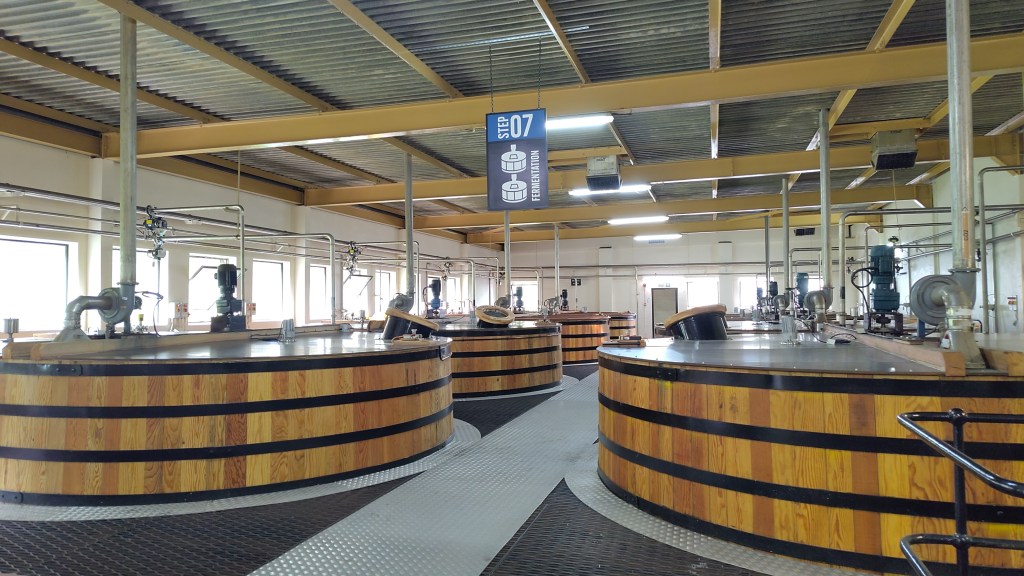
It was included indeed: we went down the stairs, crossed a courtyard to the distillery building, walking past the usual Johnny Walker statue and the old visitor centre (a small office on the ground floor). First, we visited the mill room, where a Porteus mill has been grinding malted barley since 1979, when the distillery was rebuilt. The husk/grit/flour split in the grist is the usual 20/70/10%, and the grist is then moved to the full Leuter mashtun for a slow mashing process to obtain a clear wort. They are equipped with eight wooden washbacks and two stainless steel ones, where fermentation lasts around 55-60 hours. This space, where mashtun and washbcks are, is very clean and tidy and looks very similar to other Diageo distilleries, including a table where all the processes are showcased โ€œin miniatureโ€.

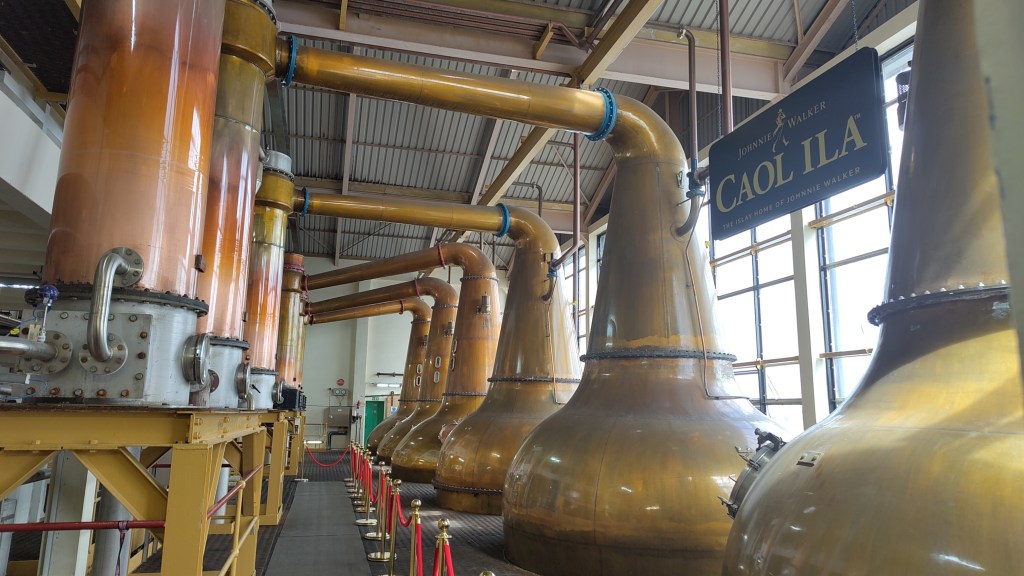
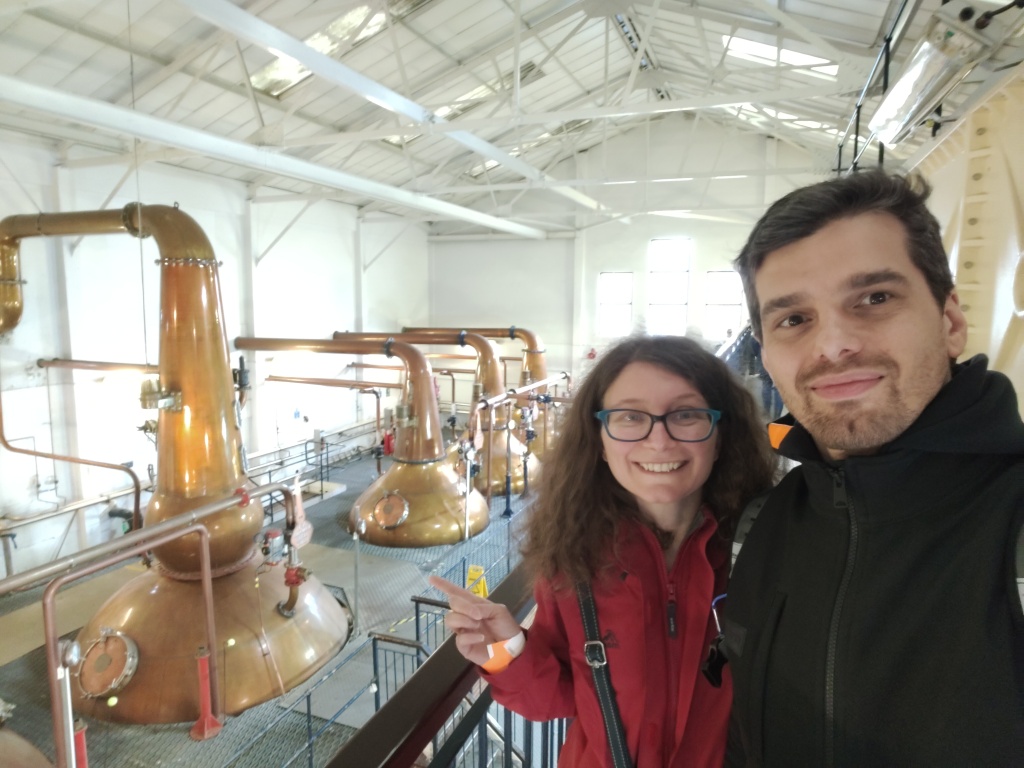
The still room is quite spectacular, with six stills aligned next to the glass windows. Of course, three of them are wash stills, for the first distillation (with descending lyne arms) and three are spirit stills, with straight lyne arms for the second distillation. After this, we went back to the warehouse/visitor centre, and we visited a part of the warehouse that is half-way between the two: many casks are still lying there, but the space is mainly used for other visits or tastings. There, we got to smell a few different casks from the bunghole.

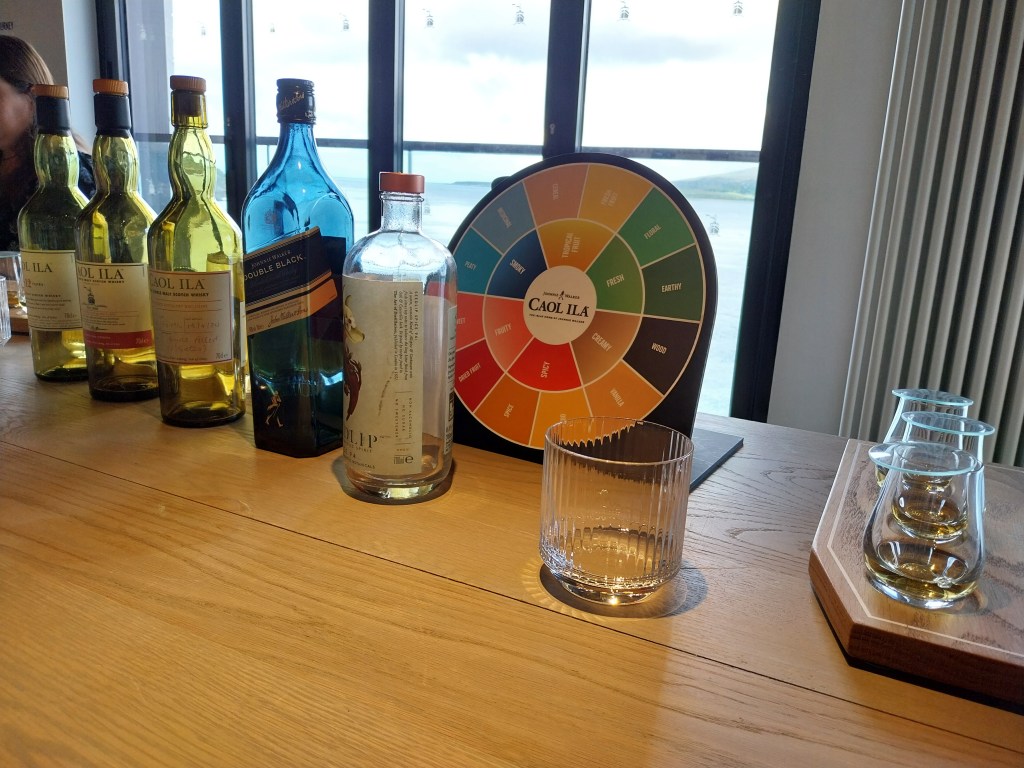
Finally, it was time for the tasting, in the area the back of the bar. We knew the drill, 3x15ml drams, drivers package ready to be filled with a small funnel, and a cocktail (the alcohol-free version for Gianluigi was based on a smoky tea, quite interesting, while for the others the base was Johnny Walker Black Label 12y). We got there a bit late, so by the time the tour was supposed to end, the guide had just finished to introduce the drams (and in fact, they left us to sip on our own). We started with the Caol Ila 12y, the distillery flagship: there is a reason why this distillery is called โ€œMr Consistentโ€, as even this widely available expression (watered down to 43% and probably chill-filtered) is a nice one. The next two were the two expressions only available at the distillery: the Distillery Exclusive and the Bottle-your-own (see below for specs). Both yummy, as usual, although they were way too pricey for what they are.

Caol Ila is by far the biggest distillery on Islay, with 6.5 million of alcohol litre per annum production, and because of this it tends to be one of the go-to peated expressions for independent bottlers, at much more reasonable prices. As a confirmation, the last three Feis Ile bottlings (2022, 2023 and 2024) were available at the shop, literally gathering dust. For example, the 2024 expression is a 13y sold at ยฃ185 – who would buy it considering that indies Caol Ila’s of similar age sell for about half that price?

Once Teresa and Edo finished their drams, we had to leave very quickly, as we didnโ€™t have all the time we thought we’d have before the next visit, and we needed to get lunch too! Anyway, it was nice to finally get to see Caol Ila: probably, among Diageoโ€™s whiskies, it is the one we drank the most throughout the years. Also, this was the only Diageo distillery we hadnโ€™t visited yet (among the ones open to the public, plus Mortlach, Linkwood, Dailuaine and Auchroisk) โ€“ a six-year journey since we started with Oban in 2018. Of course, Brora is still missing – do you think theyโ€™ll will allow us in with a discount since we visited all the other ones???

Coming next, another of Islayโ€™s classic: Bowmore! Until then, slainte!


Caol Ila Flavour Journey Tour

Price: ยฃ21.00 pp (July 2024)

Duration: 1hr 30min

Tasting: a welcome dram, choice between Johnny Walker 12y Islay Origin blended malt (42%) and Caol Ila 14y Four Corners of Scotland (53%), plus 3 drams at the end, Caol Ila 12y (43%), Distillery Exclusive (NAS, first and refill ex-bourbon and first fill re-charred California red wine, 57.4%) and Fill-your-own batch 2023/003 (10y, 1st fill ex-bourbon cask, 55.1%)

Distillery Exclusives: Distillery Exclusive Caol Ila (NAS, 47.4%, ยฃ100) and Fill-your-own batch 2023/003 (10y, 55.1%, ยฃ130)

Target: tourists and beginners

Value for money: good

Highlights: the tasting room facing the sound of Islay and Jura

Recommended: only if youโ€™re really keen, but we think there are better options on the island for a standard tour (the view makes it worth though)

Link: https://www.malts.com/en-gb/distilleries/caol-Ila


#46.1 The return of the smoke

The not-so-new guy on the block


TL; DR: More than two years after our first trip to Islay, we are finally back! This time, with Mr Vantastic and two special companions, we visited (almost) all the distilleries we didnโ€™t manage the first time, starting with one that, 2 years ago, was still a building site: Port Ellen! A very beautiful site, with an experimental twist. 

It is not by coincidence that Islay is called the Queen of the Hebrides. There is something magical about this island, and it is not just the whisky. Maybe it has to do with the effort and the long trip to get there (well, unless you fly from Glasgow), that will take you through the west of Scotland and then, after a 2-hour ferry trip, finally on the island! But yeah, once you know, you know.

Our last trip, in spring 2022, was quite unfortunate: the rented campervan broke, so we had to book last-minute accommodations and cabs. During the only walk we did, it pished down rain, so we were also wet and smelly. But somehow, we managed to visit all the six distilleries weโ€™d scheduled (Bunnahabhain, Ardnahoe, Kilchoman, Bruichladdich, Lagavulin and Laphroaig).

This trip was a long time coming, we would have liked to make it back in 2023,  but we couldnโ€™t. Another idea was to go earlier this year  (2024, if youโ€™re reading in the future) but the plan fell apart (well, we went to the stunning Raasay instead!). What finally made us take the step was the reopening of Port Ellen distillery. It originally opened in 1825, and the whisky was mainly used in blends. It was closed down by DCL (Distillery Company Ltd) during the whisky loch of the 80s, so together with many others, it didnโ€™t make it to the new millennium. In the meantime, however, the whisky became a cult among single malt lovers, particularly the well-aged expressions (according to some experts, their malt was not well regarded at young ages, one of the reasons for closing it down). Therefore, similarly to Brora (and Rosebank, by Ian McLeod), Diageo decided to revive it: basically, it was rebuilt from scratch, near the Port Ellen maltings, to the west of Port Ellen village. It started production earlier this year. It is open to visitors, but with Diageo being Diageo, the tour is astonishingly priced at ยฃ200 (two-fricking-hundred)! Unlike Brora though (where the two available tours costed respectively ยฃ350 and ยฃ600 the first time we drove by, now -July โ€™24- changed to ยฃ225 and ยฃ900, ludicrous), they offer a once-a-month open day (first Friday or Saturday of the month), running several free tours per day: yay!

We took advantage of it as soon as we could, and we booked a spot for the July open day, for us and our friend Justine (Kask Whisky). Because it was on a Friday, we organised the whole weekend around it, with visits to other distilleries too. A couple of weeks after we’d booked everything, Edo (Gianluigiโ€™s youngest brother) told us he wanted to come visit in July, so he joined us too. He likes whisky, and according to Gianluigi, he has the best palate of the family (heโ€™s an exceptional cook!). So there we were, on a Thursday morning, ready for our trip: at first the two of us, Edo, and Mr Vantastic, on the road.

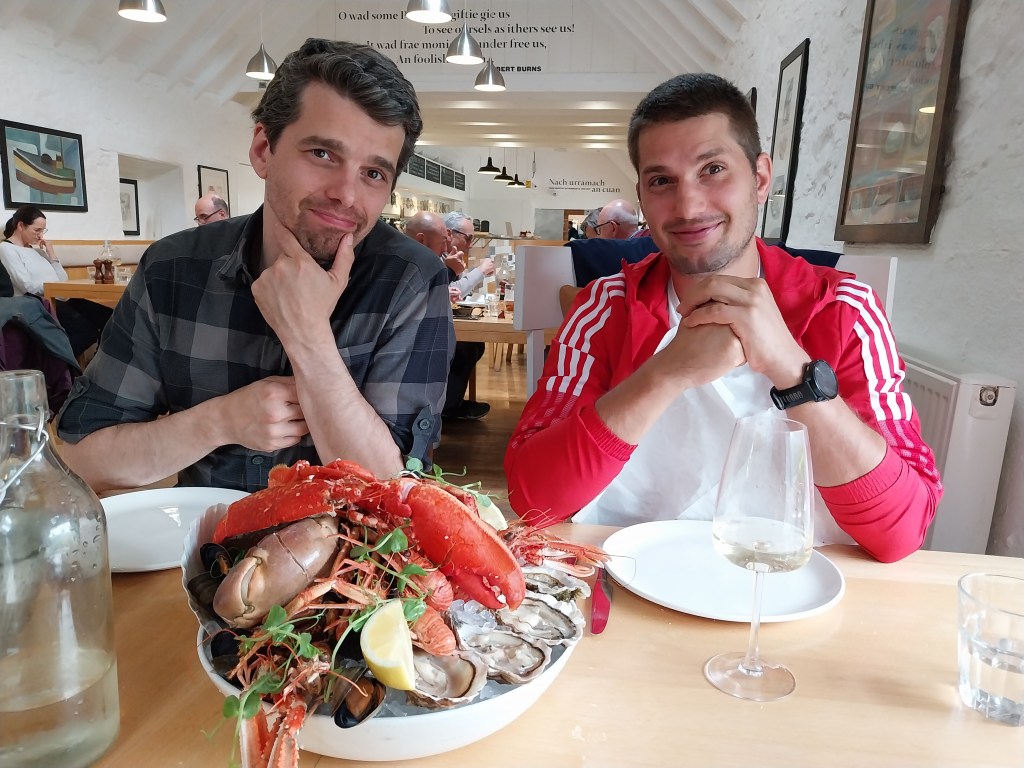
Our ferry was booked for the evening, so we did a few stops in between: Fyne Ales brewery (always very tasty pints) and for lunch at Loch Fyne Oysters, pricey but the array of seafood we ate was exceptional! We also briefly stopped at the George Hotel, Inveraray, to say โ€œhiโ€ to our friend Ivan (and for Gianluigi and Edo to get a dramโ€ฆTeresa was driving at that point). As we drove towards Kennacraig, the weather got worse, so much that they changed our destination, Port Askaig instead of Port Ellen (sad trombone sound). The wind was howling on Islay as well, but we drove straight to our parking for the night, while admiring some piles of peat drying out along the way. We parked our van next to Justineโ€™s Post Dram Prat and had a small meal and a few drams (the Ardray, a new Suntory blended scotch, was the surprise of the evening), before slowly drifting to bed.

Because of the wind, which was still blowing in the morning, we couldnโ€™t get much sleepโ€ฆespecially Edo, who slept in the pop-up roof. We woke up early and had breakfast at the van with Justine. We were a tad slow, so before our visit we didnโ€™t do anything except packing up the van, but we still arrived early at the distillery. Indeed, we were the first ones there, and at first everything looked closed. Fortunately, about 10 minutes before the tour starting time, someone opened the door and checked us in: for the first tour they were waiting for other 14 people, so 18 in total!

As everybody arrived, we started the tour with Allan, the distillery manager. He is very experienced, as he worked on all the four Diageo sites on the island (3 distilleries and the maltings), so we were quite excited. He started by showcasing the installations in the visitor centre hall. A note here: we call it โ€œvisitor centreโ€, but it is clearly different from what we are used to, even in comparison to other Diageo recently renovated distilleries. It is very modern looking and bright, and there is no shop (unless it is upstairs, where we didnโ€™t go). The clear intention was to set up something classyโ€ฆHowever, in a clumsy way, as to us it looked like a fancy residence or office lobby.

One great feature, instead, is their use of mostly renewable sources for energy. The distillery was (re)built with the intention of making it as carbon neutral as possible, which is very valuable. As we moved to production, Allan showed us their permanent lab, which is quite unique: here, a full-time analyst checks the peat levels in the barley and the spirit, thus serving both the distillery and the maltings.

We then took a look at the mill room, a very large space with a very modern mill, which we expected as the site has been totally rebuilt (so no Porteous here!). Back to the main production room, we were right in front of the mashtun: a stainless-steel big baby, semi-Leuter, with a shiny lid.

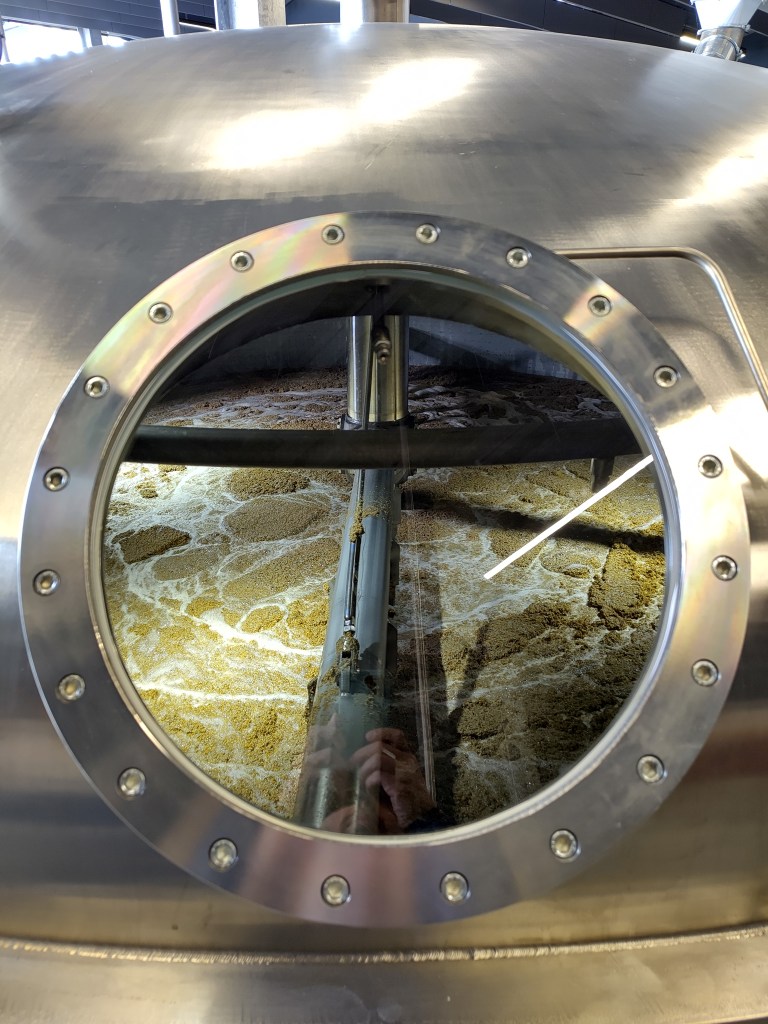
Look what’s mashing!

At the moment, they do 11 mashes per week, mainly with Concerto barley but really with โ€œwhatever comes inโ€, and they have no silent season (except for maintenance, when required). They do mashes of different sizes, one of 5.5 tons for the experimental stills, and one of 7.5 tons for the regular stills (more on that later). With less water runs per mash, this is one of the steps where they save on water, which is common to many Diageo distilleries nowadays. The process is like sparging when brewing beer, in our understanding, with only one water gradually heated up. The wort is then moved to one of the six Oregon pine washbacks, each one with a capacity of 52,000 litres, but they never reach these levels. Fermentation lasts between 92 to 130 hours, quite a long one. Allan allowed us to nose the wash, and if we wanted taste it, but none of our party did.

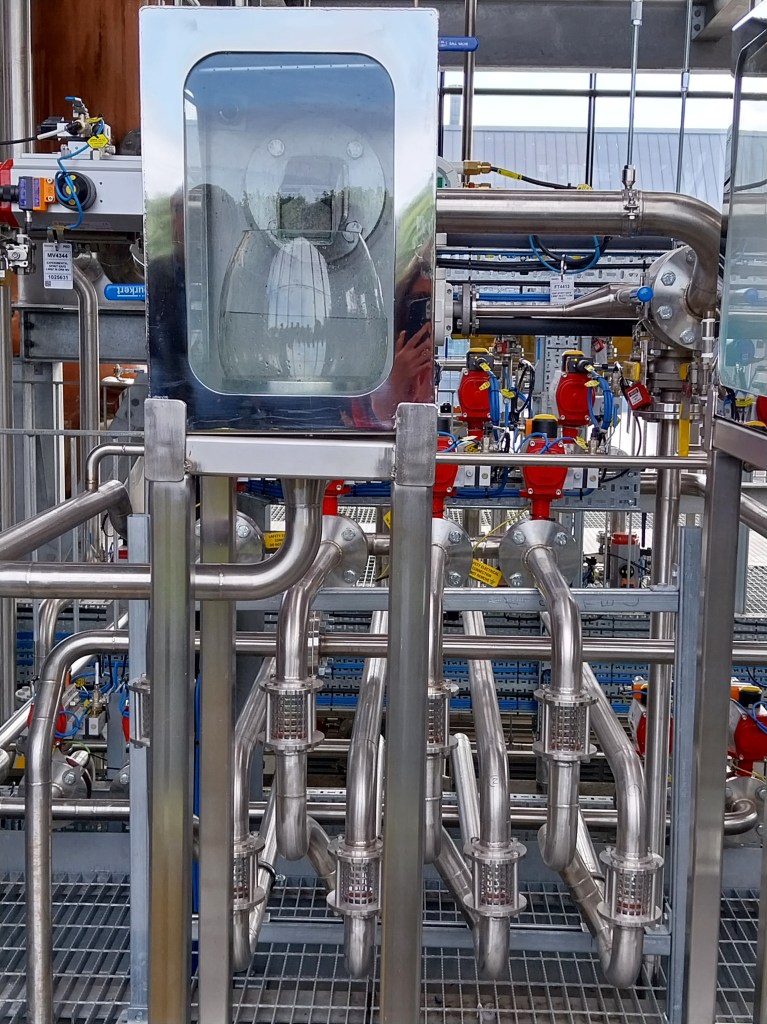
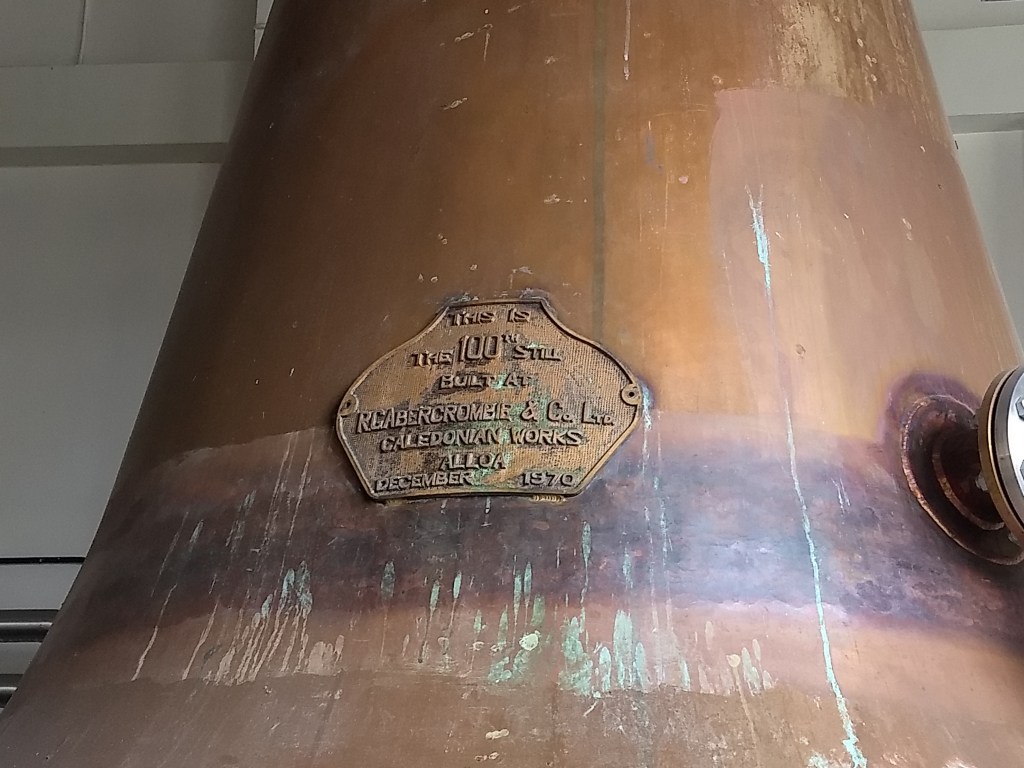
Here is the interesting bit: the old stills that were in the distillery at the times of closing down in the 80s disappeared: they were sent to India and from there they lost track. So, the engineers at Diageoโ€™s Abercrombie had to rely on drawings and sketches to recreate the new ones with the exact same shape. With these stills, the process is the usual: they run a double distillation, with the second cut taken after 25-30 minutes of foreshots, from 72-73% down to 60% (a large one!). The spirit is filled in both tankers and casks on site, usually diluted at 63.5%. However, they also have a second pair of stills, similar but smaller, that they use to experiment. The most interesting part is that instead of having the usual 3-part second distillation (foreshots or head, middle cut or heart, and low wines or tail; the first and last discarded and usually redistilled), the safe can separate out up to 10 different cuts, other than the discarded parts. These donโ€™t get mixed together, and they are used to study and experiment how different cuts provide different flavours to the whisky, and in particular how this relates to the whisky peatiness and smokiness. We got to nose samples, and (maybe the power of suggestion) the difference was definitely there, in particular when comparing the first sample to the last.

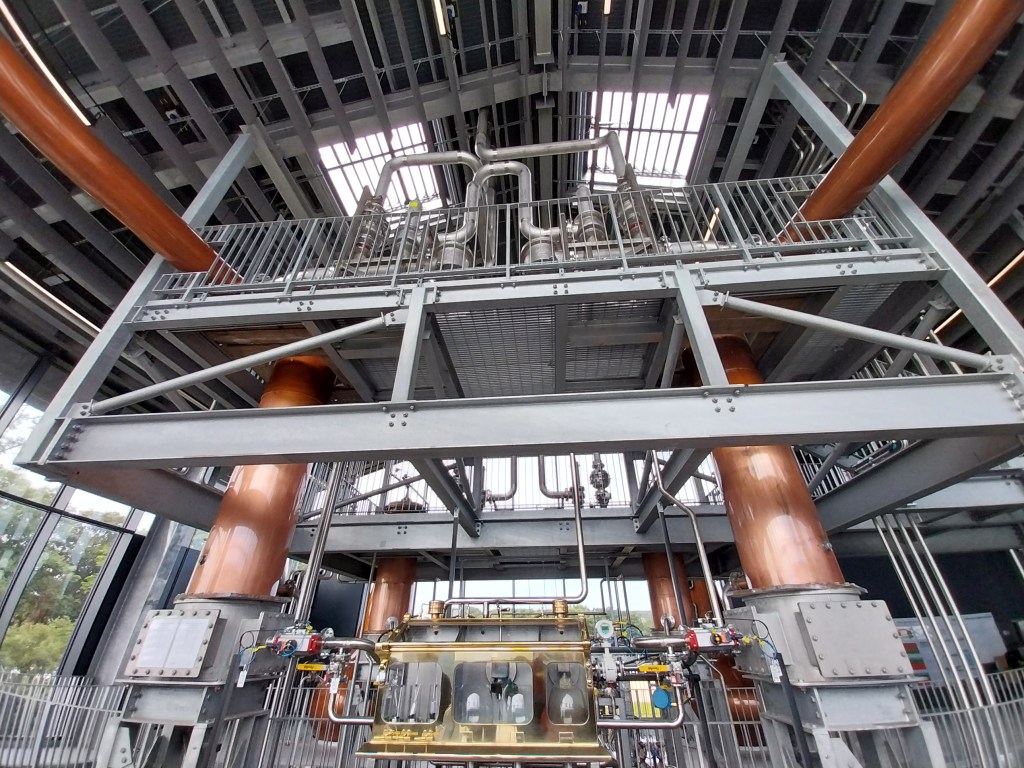
…and experimental spirit safe on the other side.

After this, the tour ended. In general, the distillery manager giving the tour, and in particular the last bit, made the visit really worth it, even if we didnโ€™t manage to try any sample (which we kind of expected). Overall, it was great to see this very beautiful new old distilleryโ€ฆWeโ€™d say weโ€™re looking forward to the whisky in the coming years, but we know weโ€™ll hardly be able to get it, if things stay the way they are now in terms of prices.

Stay tuned for more whisky action, and a little spoiler: we had to take another ferry! Until then, slainte!


Port Ellen Open Day

Price: free (open day, July 2024)

Duration: 1hr

Tasting: nope

Distillery exclusive: none

Target: locals and whisky nerds

Value for money: well, it’s freeee…

Highlights: the beautiful new architecture and the experimental stills

Recommended: yes if it’s the open day

Link: https://www.malts.com/en-row/distilleries/port-ellen


#42.2 A weekend on Skye


Talisker distillery, second attempt


TL; DR: After the visit at Torabhaig, we drove north-west towards Carbost for the second distillery tour of the day, Talisker. A slightly less corporate experience than we expected, in a really beautiful spot. 

(missed Part 1?)

As we came out of Torabhaig distillery, the weather was slightly nicer: still no breaks in the clouds (those will come later), but at least it wasnโ€™t raining anymore. We gave ourselves just the time for couple of pictures, before quickly jumping on Mr. Vantastic and starting to drive north-west, back towards the main road. We did one stop in the very picturesque village of Isleornsay, near the sea, to visit the shop of the Gaelic Whisky company, Prร ban na Linne. It is a small independent bottler, which we learned about when a few years ago a friend gifted us a bottle of Mac Na Mara rum cask finish blended whisky. The Mac Na Mara range also also includes the expressions Classic, Madeira finish and Port finish, all bottled at 40% and non chill-filtered. They also offer another blended scotch, Tรจ Bheag (40%, non chill-filtered and high proportion of malt whisky), and the Poit Dhubh blended malt range (8y, 12y and 21y), all 43% and, again, non chill-filtered. After browsing the shop (where they also sell gin, food, and souvenirs), we took a Poit Dhubh trio miniatures (which we still have to try).

Back on the road, it didnโ€™t take us much to get to our final destination for the day: Carbost, home of Talisker distillery. We had a sound plan: park at the Carbost pier (where we could spend the night at the cost of ยฃ10.00 in the honesty box), visit the distillery and then dinner at the Old Inn.

We knew the road already, as it wasnโ€™t our first time there: weโ€™ve been there when we visited Skye in the summer of 2020, with Gianluigiโ€™s parents, during that short time window where international flights were weirdly allowed without much complication. Back then, we drove to Carbost after a stroll at the Fairy Pools, where we learned that midgies donโ€™t care for long-sleeve t-shirts. By pure coincidence, the night before weโ€™d found out that Talisker was reopening the next day, and that you could book a visit if you โ€œcalled or wrote an emailโ€. We tried to call several times, but in a typical Diageo disorganised shenanigans it turned out they were only replying to emails (with such short notice, we would have bet the other way round to be honest). So no distillery visit then, but we enjoyed anyway the view and the nice afternoon in the village, before driving back to Portree. This time, however, we are ready to rock!

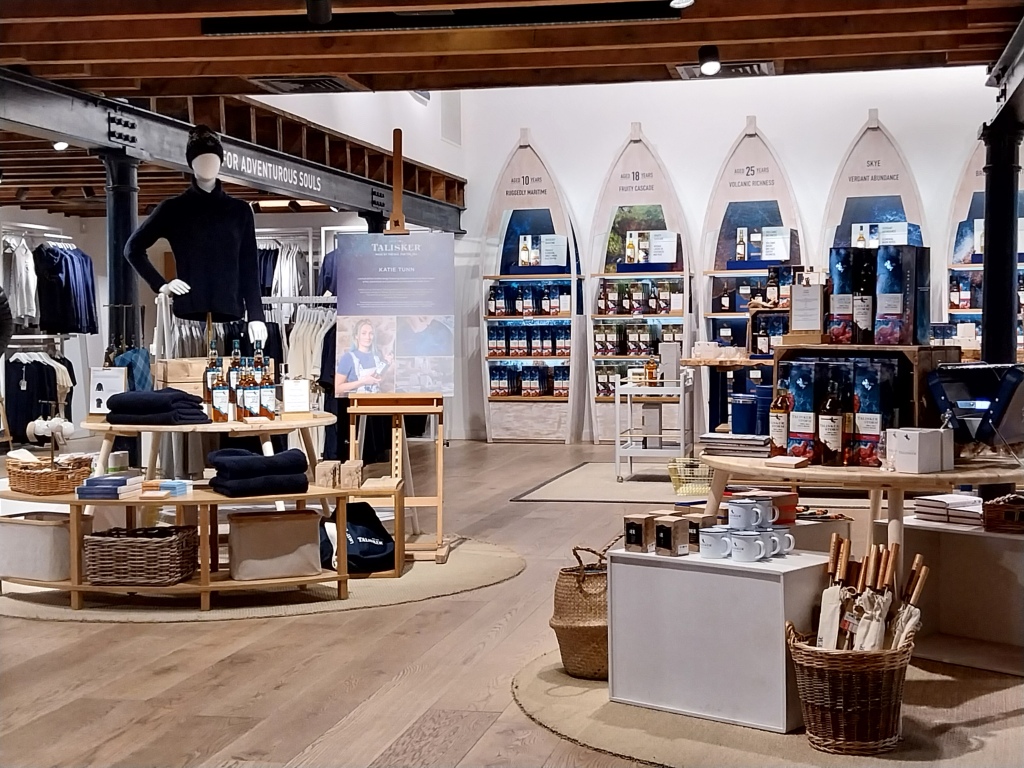
We parked the van at the pier, nor far from another van (and by the time we went to sleep, eight campervans were parked there despite the sign said max 5โ€ฆguess why โ€œcampervanistasโ€ are not very welcome in some places). Next to the distillery we noted a new building, right on the shore: a wooden cottage-ish building, which would have looked more appropriate in a skiing station. Weโ€™ll later find out that it is a fairly new space, part of the visitor centre renovaions, and includes a bar and a pop-up restaurant. After the usual selfies and photos, we checked in at the visitor centre. It is quite spacious and modern, with a round fireplace in the middle of it: again, that makes you feel like in a skiing resort hotel, but itโ€™s cosy, nonetheless. In contrast, the shop area was super bright, almost looking like an airport duty free or a department store.

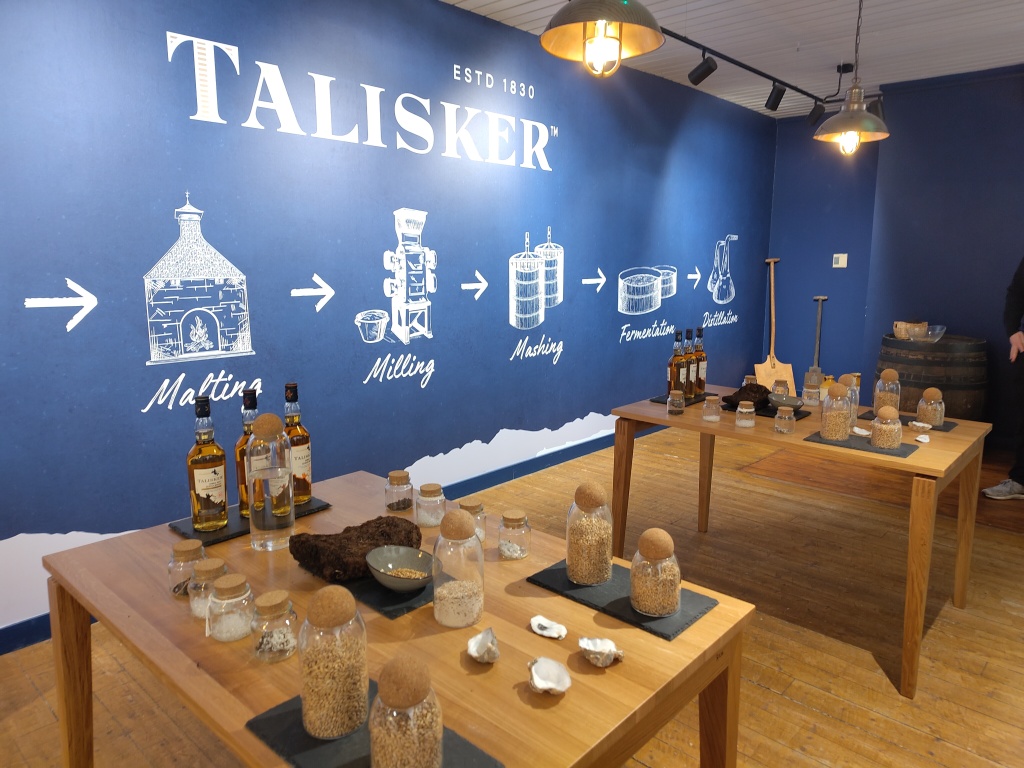
The guide for the day was Florian, who despite the heavily scripted tour, made lot of efforts to make it personal, with some dad jokes but also some โ€œtell-like-it-isโ€ moments. One we appreciated: โ€œโ€™made by the seaโ€™ is marketing language for โ€˜manufactured in the proximity of the seaโ€™โ€. Kudos. He gathered us around near the entrance when the time came, starting with the usual safety instructions. In spite being only February, the tour looked fully booked, which surprised us. We left the visitor centre to enter the production building. First, a โ€œdemonstrationโ€ room where Florian explained the basics of whisky distillation, showed us some peat, and where we could smell some elements associated with the most typical Talisker aromas: pepper, salt and honeycomb.

Florian also showed us the barley they use, lightly peated, mostly from the Black Isle on the east coast, and malted at Glen Ord maltings. Trucks come in with 30-tonnes of barley (which explains also the terrible state of the tarmac in Carbostโ€ฆalmost Edinburgh-worthy). Once there, the malt gets milled by Milly, a sturdy Porteus machine dating back to 1962.

We moved to the huge mashtun, where barley gets mashed with only two waters (one increasing temperature), similarly to many other Diageo distilleries. This is one of the industry practices to make whisky production more environmentally friendly. We couldnโ€™t visit the fermentation room (where fermentation lasts on average 72 hours but can be anywhere between 65 and 85 hours) because of the carbon dioxide level: first time since we started visiting distilleries, but better safe than sorry we guess. Thus, we moved straight to the very nice stillroom, equipped with two large wash stills for the first distillation, and three smaller spirit stills for the second. The cut they take from the second distillation is from 75% abv to 65%. 

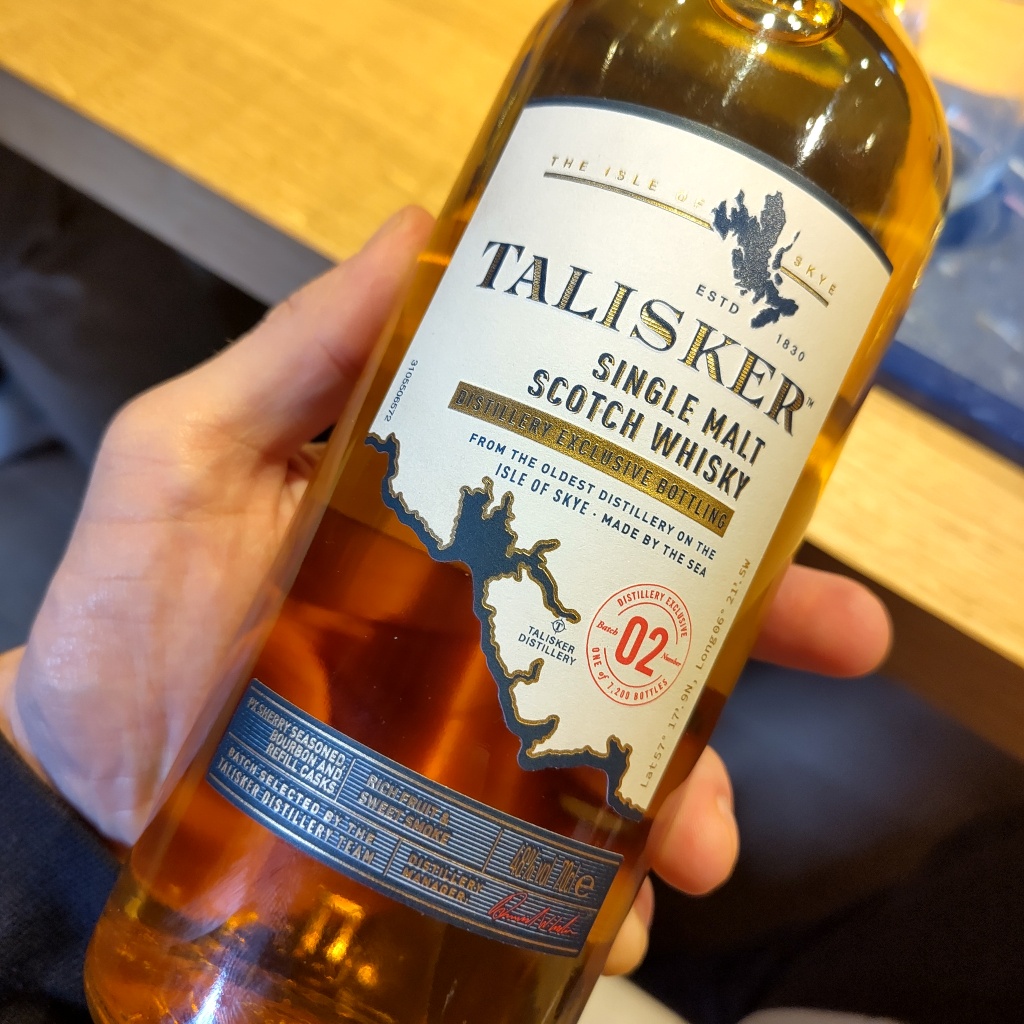
They have some warehousing space on site, but we couldnโ€™t visit it, as a matter of fact Florian told us he hadnโ€™t been in there himselfโ€ฆnot too surprisingly. Anything they produce, though, is put into tankers and shipped to be moved to casks at one of the Diageoโ€™s sites in the Central Belt. We went back to the visitor centre for the tasting, in a purpose built room just behind the bar. We started with the Talisker Storm, one of their non-age statement releases, finished in wine casks: drinkable but not memorable. We then moved on to the Talisker 10, which is a very solid dram in our opinion (some might say that itโ€™s not as good as it was X years ago, but being relatively new in our whisky journey, we have no clueโ€ฆ samples welcome, in case!). We finished with a Distillery Exclusive: this range is quite interesting (not to be confused with the Distillers Edition), as (apparently) distillery staff have some freedom in deciding what to bottle, and it is usually bottled at 48% or above (and whispers says non chill-filteredโ€ฆ). In general, across the distilleries we visited, we had some very good ones (Royal Lochnagar, Lagavulin, Cardhu) and many average ones โ€“ the Talisker DE (batch 02) we tried fell into the latter category.

Before leaving the distillery, we got a couple of drams at the bar, Port Ruighe (finished in port casks) and the Distillers Edition (this one finished in Amoroso Sherry seasoned casks), both quite nice.

After the distillery, we went straight to the Old Inn, a hotel and pub just a few steps away. The pub is very nice and cosy, despite being in a very touristy spot it maintains a โ€œlocal pubโ€ atmosphere. There we met up with Tommy, Gianluigiโ€™s former bandmate who recently moved to Skye, before having dinner and retiring to the campervan after a long, nice day.

Until next time, slainte.


Talisker Distillery Tour

Price: ยฃ20.00 pp (February 2024)

Duration: 1hr 15min

Tasting: 3 drams, Talisker 10 (45.8%), Talisker Storm (wine cask finish, 45.8%) and Talisker Distillery Exclusive (48%)

Distillery Exclusives: Talisker DE (batch 02, NAS, 48%, PX-seasoned ex-bourbon and refill casks, ยฃ105.00), Bottle-your-own (9y, 54.5%, rejuvenated ex-red wine cask -STR?-, ยฃ130.00)

Target: everyone, but mostly tourists

Value for money: good

Highlights: the scenery

Recommended: if you want to tick the box, yes

Link: https://www.malts.com/en-gb/distilleries/talisker


#39.4 The Highlander Trip

A quiz, a tasting and a distillery visit


TL; DR: Saturday was a โ€œrestโ€ day, after three distillery visits (actually five in two days!). However, we still had some whisky activities scheduled: a whisky-themed quiz and a tasting at the Carnegie Whisky Cellars. It was a great day, and it was followed by a visit (re-visit for us) at Clynelish on the Sunday. 

(missed Part 3/Part 2/Part 1?)

On Saturday we woke up not that rested: Teresaโ€™s cough was getting worse, the humidity inside Mr. Vantastic not helping. Gianluigi wasnโ€™t at his 100% either, with a bit of hangover hanging there. In normal conditions we would have got a warm drink and a good breakfast right away, but unfortunately Dornoch is a bit of a ghost town before 9-10, so we couldnโ€™t find an open cafรจ nearby, nor open public restrooms. Eventually, the latter opened (thankfully). A few minutes later we met Justine, and took a walk to the beach with her.

It was a very sunny day, not that cold, and Gianluigi even dipped his feet in the North Sea waters. We walked back to the village, where we could take a quick shower at our friends AirBnB. As a โ€œthank youโ€ Gianluigi went to the Harry Gow Bakery and got yummy morning rolls for everyone! Teresa felt adventurous and tried the macaroni pie – better than expected, although not sure sheโ€™ll have it again.

There were no distillery visits scheduled for the day, it was like a rest day, but weโ€™d have had an early evening tasting at the Carnegie Whisky Cellars shop, and a very fun activity was waiting for us before then: a whisky quiz! It was our friend Charlie, a whisky enthusiast more seasoned than us, to organise it. As a location, we went to the Dornoch Castle Whisky bar. Space was a bit narrow, so we were all around the same long table and with little chance to mix: we ended up in the same team, the Home Office (because of our working from home patterns, but also as a political mockery). We had a lot of fun, but we didnโ€™t win: we tried to gamble our last round for a high reward, but we didnโ€™t make it to the top. Afterwards, we went to the Cocoa Mountain to get a warm (and yummy) chocolate. Unfortunately, Teresa kept getting worse, so we decided to get a hotel for the night instead of sleeping in the campervan. Because this was a last-minute decision, we had to scramble back, and we ended up being late for the tastingโ€ฆdโ€™oh! Fortunately, our pals were all very understanding.

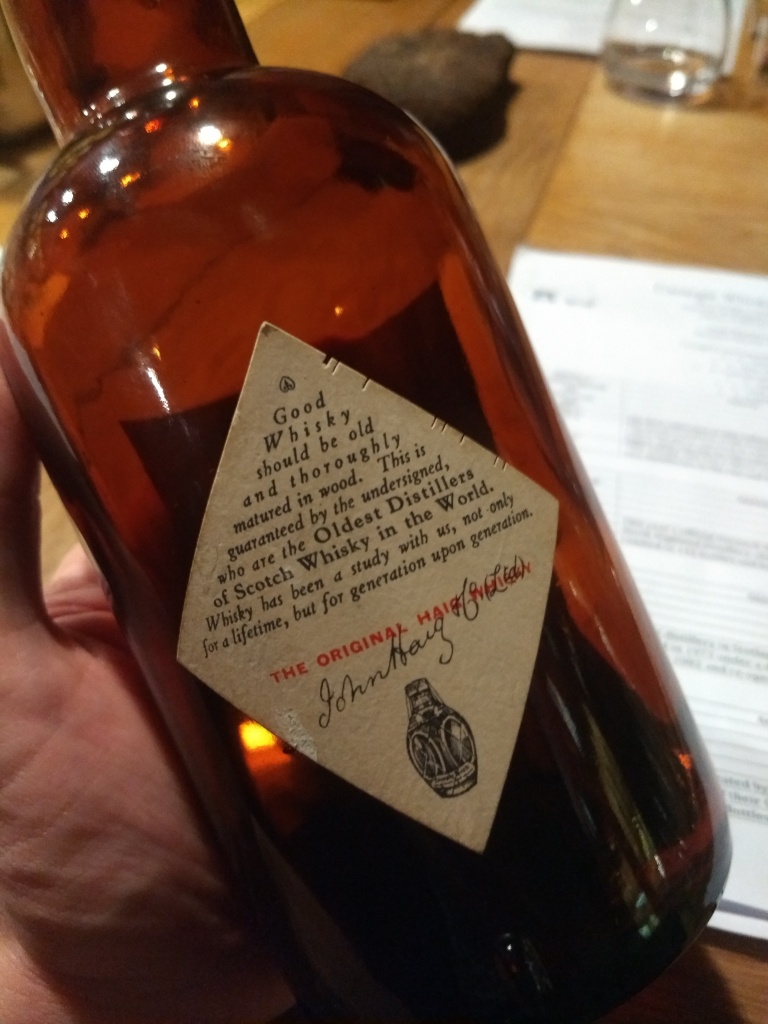
The Carnegie Whisky Cellars is a shop on the main street in Dornoch, on the same block as the castle. It is run by Michael, the manager, who started there in 2016, and by his assistant David. Beside the shop, there is a very nice room with low ceiling (ehm, the cellar?), and a long table around which we had the tasting. It was a very good one, Michaelโ€™s knowledge was impressive, and the choice of drams hit the spot. The lineup started with an old Haig blend, followed by a delicious Thompson Brothers Teaninich (bottled for the shop), a single cask 21y Braveal, a cask strength Campbeltown blended malt Gauldrons (probably mostly Glen Scotia), and two cask samples, one from a local distillery (donโ€™t know if we can disclose it, but it wasnโ€™t Dornoch) and another one from a Campbeltown distillery. While Gianluigi enjoyed his drams, Teresa mostly saved them as she wasnโ€™t feeling well, so after the tasting she went back to the hotel to rest. She revisited the tasting recently, and she loved it as well! Gianluigi instead joined the others for a very nice dinner at Greens (just next to the shop), followed by drams at the Dornoch Castle Whisky bar, and a final pint at the Coach House, before joining Teresa back at the hotel. 

In the morning we were both feeling much better, and as soon as we could we had our breakfast (Scottish full, of course) at the hotel, where we said goodbye to our pals Fiona and Mike, who left soon after. We met with the rest of the gang in the main square, but we didnโ€™t join them on the minibus: we were both working the day after, so the plan was to drive back to Leith straight after the visit at Clynelish distillery

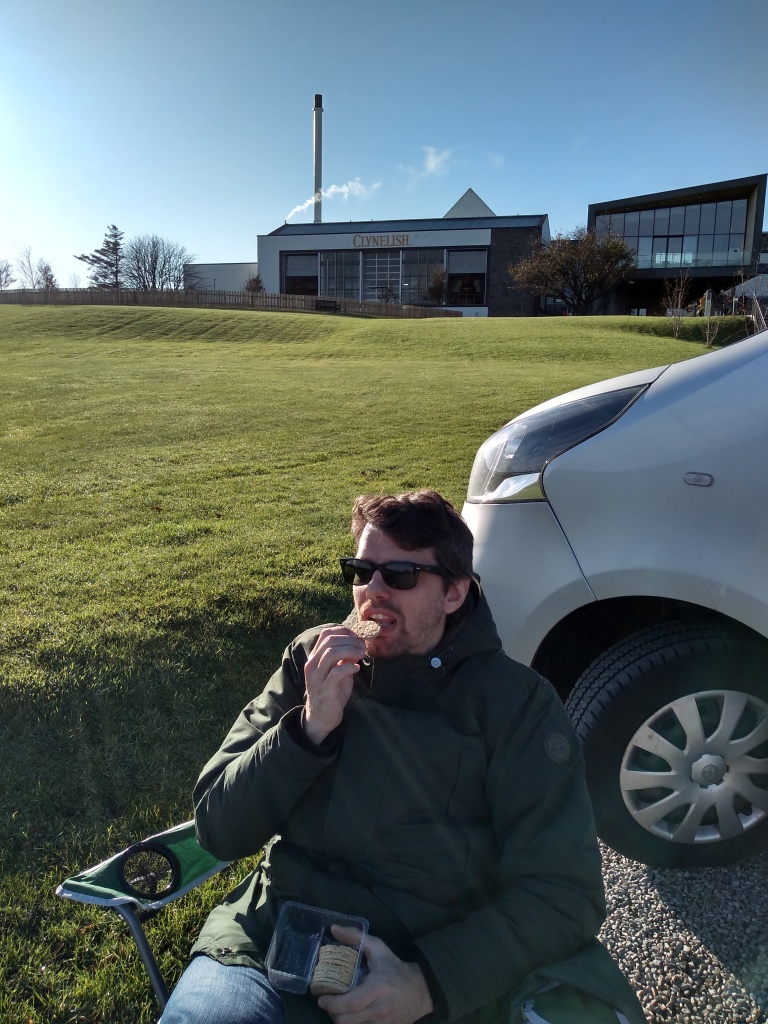
The joys of foldable chairs.

This was the second time there for us, with the first in May 2021 right after the lockdown. While we really like the whisky, the distillery visit was a bit of a bummer: too expensive and too focused on Johnnie Walker (you can read about it here). Fortunately, things changed since then, they have various experiences, and we chose the Production Tour and Premium Tasting, more suited to whisky enthusiasts (ยฃ30). The others are the Flavour Journey (sounds very Johnnie Walker-esque, ยฃ19), the Express Tasting (ยฃ15) and the Premium Tasting (ยฃ65).

The guide for the tour was Shirley, and she was way more knowledgeable than the guide we had in 2021 (to be fair, we are now more knowledgeable too). The tour scheme was the usual, although it was a lot richer in information. They get their malt from Glen Ord maltings, unless Talisker is in high demand, in which case they get it from Buckie. The mill (as usual, Porteus) is the only piece of equipment they didnโ€™t refurbish in 2016, and they set the usual 20/70/10 split in the grist (husk/grit/flour). With the mashing (common to many Diageo distillery, two waters: raising the first one from 62ยฐC to 84ยฐC) they aim for a very clear wort, which then undergoes about 80-85 hours of fermentation.

An empty mashtun.

They recently changed yeast strain, they now use Lalamond. They only do unpeated whisky, but for their neighbour distillery Brora, the peat comes from near Montrose. The stills are a copy of the original 1960s ones, replaced in 2016, and they are fired with steam produced with oil and gas. Similar to our previous tour, however, we couldnโ€™t visit the warehouse (itโ€™s in the Brora areaโ€ฆ). Anyway, most of the whisky is shipped away in tankers.

The tasting was supposed to be 3 drams, but because we were a big group, Justine managed to negotiate an extra one (yay!). We had the tasting in the bar upstairs, with a magnificent view down towards the sea. Today it was Teresaโ€™s time to enjoy her drams, Gianluigi behind the wheel. We started with the Clynelish 14y (the flagship!), followed by the Distillers Edition, finished in Oloroso Seco for 6 months (we had a bottle of this). It was followed by the Distillery Exclusive, a non-age statement, full ex-bourbon matured whisky bottled at 48% – no mention or colouring or chill-filtering, but given the colour, we think it is unlikely they used caramel colourant. It was good, but not ยฃ105 good (this was batch 2, batch 1 in 2021 was ***only*** ยฃ90). Finally, we tried the Four Corners of Scotland, a bottling they made to celebrate four iconic distilleries (together with Caol Ila, Cardhu and Glenkinchie) for making Johnnie Walker. Again, quite good but at over ยฃ200, insanely priced. A shame these prices, but hey ho, life goes on. 

Anyway, we were happy with this distillery visit, much happier than after the first time. Nonetheless, excluding Fridayโ€™s tour de force, the real highlights of the couple of days were the whisky quiz (thanks Charlie) and the tasting at the Carnegie Whisky Cellars. Some very good memories to bring home, which is where we headed afterwards, not before a stop in Inverness.

Stay tuned, and until next time, Slainte!


Clynelish Production Tour and Premium Tasting

Price: ยฃ30.00 pp (November 2023)

Duration: 1hr 30min

Tasting: 3 (+1) drams, Clynelish 14y (46%), Distillers Edition (vintage 2006, bottled 2021, 46%, Oloroso finish), Distillery Exclusive (NAS, 48%), Four Corners of Scotland 16y (49.3%)

Distillery exclusive: NAS (48%), mostly ex-bourbon cask

Target: everyone

Value for money: good, definitely better value than the flavour journey we did in 2021

Highlights: the bar/tasting room and the view from it

Recommended: yes

Link: https://www.malts.com/en-gb/distilleries/clynelish


#31.8 Spirit of Speyside 2023

The amber swan: Linkwood


TL;DR: Finally, the last day of the Spirit of Speyside came. After a relaxing morning, we visited another Diageoโ€™s workhorse: Linkwood! Very beautiful distillery, tasty whisky, but the tour with the enthusiastic staff itโ€™s what really gave value to this visit!

(missed Part 7 /Part 6/Part 5/Part 4/Part 3/Part 2/Part 1?)

The last morning of the long weekend was a slow one. We woke up in a rainy and gloomy Dufftown, waiting for one of the coffee shops in town to open. After some coffee and cake, we had some free time, so we finally managed to go to the Whisky & Heritage Centre. It is a little place managed by volunteers where whisky memorabilia are on display, plus old pictures and documents that can be checked out. We had a lovely chat with the lady taking care of it, finding out they have plans to increase the size of the centre, and we got a couple of second-hand whisky books for a small donation.

We went to the Dufftown Whisky Shop, as they had scheduled a Benriach pop-up tasting. We tried a couple of their new range (which we are not too familiar with, since we visited the distillery before the core range revamp) and had a chat about it and other Brown-Foreman products with the brand ambassador. He told us that some news was in sight about Glenglassaugh, so we hoped for a reopening of the visitor centre. A few weeks later they revamped the line-up (with a 12y bottled at 45% and two NAS at higher abv), but as we are writing their website has disappeared, soโ€ฆstill hoping!

Left the shop, and Dufftown, we drove to Aberlour toโ€ฆanother shop, this time the Speyside Whisky Shop, for another chat with Matteo and a dram (at the time some saught-after bottles were open so people could purchase by the dram). This was followed by a quick lunch at the usual Gatherโ€™n Cafรจ nearby (we should have taken a punch card long ago!). It was soon time to leave though, direction Elgin, for the next and last distillery visit of the holiday: Linkwood! The road wasnโ€™t very trafficked and the drive was smooth, so we arrived there a few minutes early.

There, we met our friend John from the Edinburgh Whisky Group, and we were welcomed by Paul, the distillery manager. The welcome cocktail was the usual Old-Fashioned, of course made with their own flagship whisky. Hovwere, it feels odd talking about a flagship, since Linkwood 12, part of the Flora and Fauna range, is the only bottling from this distillery (similar to many other Diageoโ€™s distilleries). 

The original Linkwood distillery was founded in 1821 by the Brown family, and started production a few years later. It was sold in the 1930s to Scottish Malt Distillers, which in turn were acquired by United Distillers (a precursor of Diageo). In 1970-71 a new distillery was built, and in spite of that, the old one continued production until the site was mothballed. The old distillery was demolished only in 2012, with all the equipment moved to the new one, which was expanded.

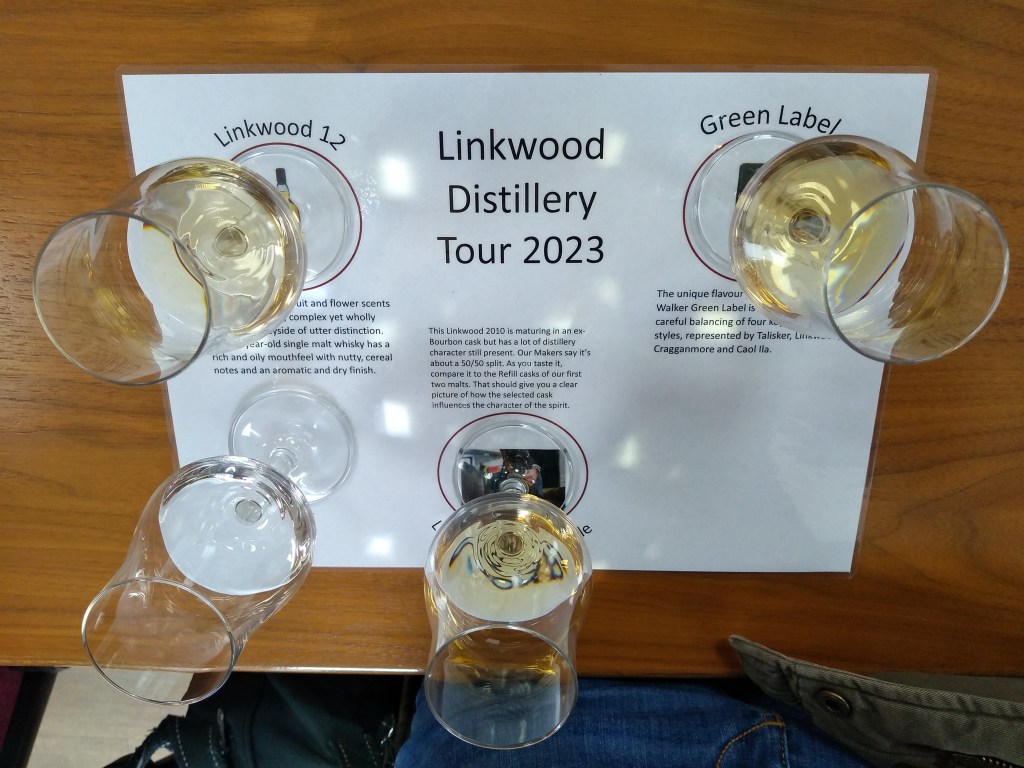
Our knowledge of Linkwood dates back a few years, to our first (and only) bottle of Johnnie Walker Green Label 15y, as this is one of the malts featuring in this blended malt, together with Caol Ila, Talisker and the fellow Speysider Cragganmore. Since then, we tried a few different Linkwood expressions thanks to independent bottlers, mostly the Scotch Malt Whisky Society. Recently, we had a great one, finished in Tokaj wine cask, from the new independent bottler Fragrant Drops: a sweet dram with a hint of grassiness, which is the main character the distillery aims to get. 

Classic piece of equipment.

The tour was conducted by Barry and Eilidh, both distillery operators. Near the entrance of the production building, they showed us a small cask that was used back in the day by distillery workers to get their daily dram (or drams, in the past weโ€™ve been told by some guide that usually they were 3 a day). As many other distilleries, they have a Porteus Mill, painted in dark red, but unlike many the proportion of husk/grit/flour is 10/80/10, and they use Lauriet barley. Here the tour became very interesting: they only do two waters during mashing (they call it โ€œcontinuous spargingโ€), and we were shown a cylinder they use to check the wort cloudiness. This is one of the nerdy things we discovered fairly recently, depending on the desired newmake character, when mashing the wort could be more or less filtered. The less filtered mashes (thus, cloudy) give a nuttier character to the newmake. On the contrary, a clearer wort results in more fruity and grassy notes, like Linkwood indeed.

Wort checking!

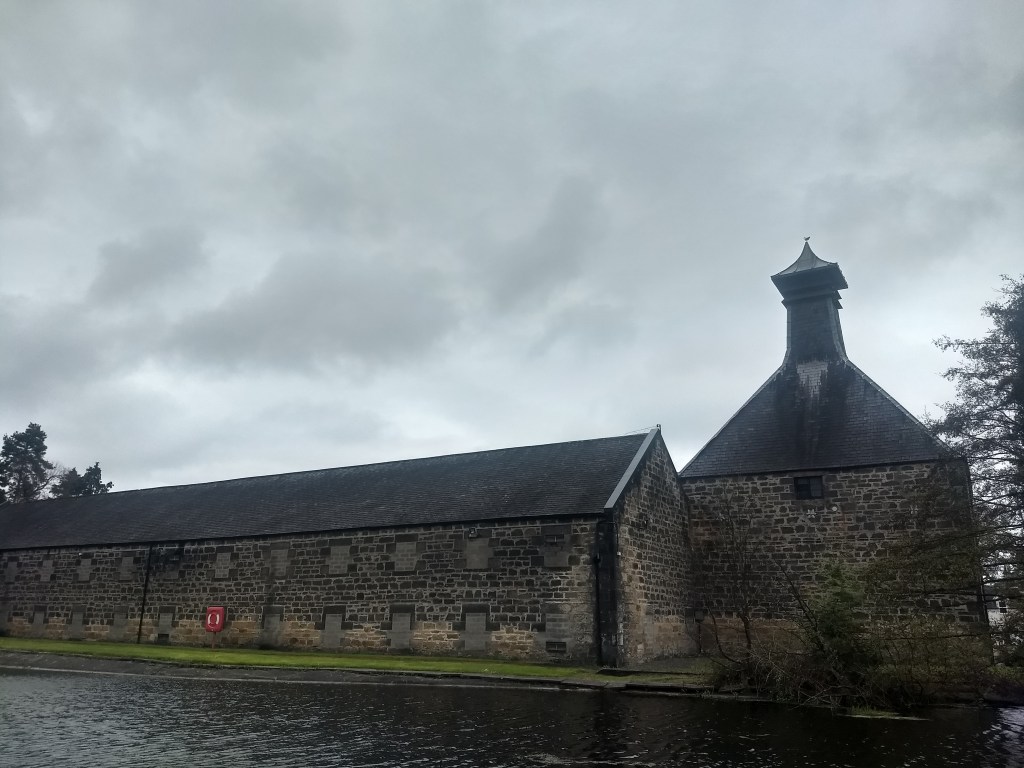
The fermentation in their 5 wooden washbacks from the 70s (and also other 6 installed in 2013) lasts 75 hours. Finally, we went to the still room, where three pairs of very large stills (with straight-ish lyne arms) operate independently. The shell-and-tube condensers are equipped with โ€œturbulatorsโ€, to slow down the water. After the still room, we had a stroll outside around the famous lake, where we saw the swans that inspired the famous label. The water is mainly there as a reserve, used in case of emergency. From there, we could check out the old malting floor (and the pagoda roof), now a warehouse. Unfortunately, no tour inside there. 

Back to the office, Paul and Scott, another distillery operator, were ready to host the 3-dram tasting: Linkwood 12 (43%abv, one of the best drams from the Flora and Fauna range, in our opinion), Johnnie Walker Green Label 15 (43%), nice to revisit it after some time, and finally a Linkwood cask-sample (similarly to the one at Dailuaine, not on sale and only served at Cardhu distillery in one of their fancy tours). Really a great dram, for sure in our top 5 of the festival. A shame these cask sample bottles were not available for purchase, although knowing Diageoโ€™s pricing policies they would have probably been out of reach.

On the tour there was a group not very happy about that, so they started rudely complaining with the staff about the missing opportunity to buy the cask-sample bottles, showing their cluelessness on how a big multinational company like Diageo works (not that we know much better, but enough to understand that some decisions are not down to the distillery staff). Oh well.

Anyway, one of the things we liked the most of this first time at the Spirit of Speyside was to get to know and talk to people working in distilleries, in particular the ones not usually open to public: the staff friendliness, but more importantly their eagerness to show us around and make us understand their work were amazing. Seeing how passionate they are was really refreshing, in spite of all the cynicism of their mother companies, and in the whisky world in general nowadays. Of course, we donโ€™t want to play down any of the people we met in distilleries usually open to public, however in our many trips sometimes we experienced too edulcorated, almost scripted tours, and a couple of times we were even treated with complacency. And this is fine (well, except for the lastโ€ฆ), it would be silly to expect that every tour is mind-blowing, and that every tour guide is a whisky nerd: at the end of the day, itโ€™s a job as any other. But we cannot help but noticing a certain difference when the tour is done by an operator, like in many cases during this trip. And just for it, we were grateful. 

Until next time, slainte!


The Linkwood Distillery Tour

Price: ยฃ80.00 pp (May 2023)

Duration: 2hr

Tasting: welcome cocktail and 3 drams – Linkwood 10 (43%), Johnnie Walker 15 Green Label (43%), Linkwood cask sample from ex-bourbon (53.4%)

Target: whisky enthusiasts

Value for money: not great

Highlights: the enthusiastic distillery staff

Recommended: not at this price

Link: https://www.spiritofspeyside.com/


#31.6 Spirit of Speyside 2023

The beast of Dufftown: Mortlach


TL;DR: our fourth day at the festival started with a classic, a distillery particularly known for their complex distillation process: Mortlach. The visit was very interesting indeed, and the distillery manager Kirstie didnโ€™t shy away from nerdy details. 

(missed Part 5/Part 4/Part 3/Part 2/Part 1?)

On Sunday morning the sky was still overcast, it would start raining later in the day eventually. Oh well. After breakfast we wrapped up all our stuff: it was the last night in the camping, the following and last night of the holiday we would wild camp again, although we hadnโ€™t figured out where yet. We left the camping driving towards Dufftown, in a backroad that goes past the back of the Speyside Cooperage, from which you can admire their casks pyramids. Being Sunday morning, Dufftown was very quiet, and not all cafes were open yet. We managed to park on the main road, in front of the local CoOp, and tried hunting for a coffee. After finding one, we walked our way towards our first appointment of the day: Mortlach distillery, the so-called beast of Dufftown.

It is a very old one, founded in 1823 after the Excise Act, and it was the only one in town until their manager at the time, William Grant, left to found Glenfiddich. In 1897 the distillery was expanded, and thanks to the work of the famous architect Charles Doig, the pagoda roofs were added. It was acquired by John Walker & Sons in 1923, but the company soon merged with Distillers Company Limited in 1925 (then United Distillers in 1987, Diageo from 1997). Before 2014, the only official bottling of Mortlach was the 16y โ€œFlora and Faunaโ€, now discontinued and dearly celebrated (like most things of the past, the abuse of โ€œโ€™member-berriesโ€ is widespread in whisky-landโ€ฆif you donโ€™t know the reference, check South Park season 20).

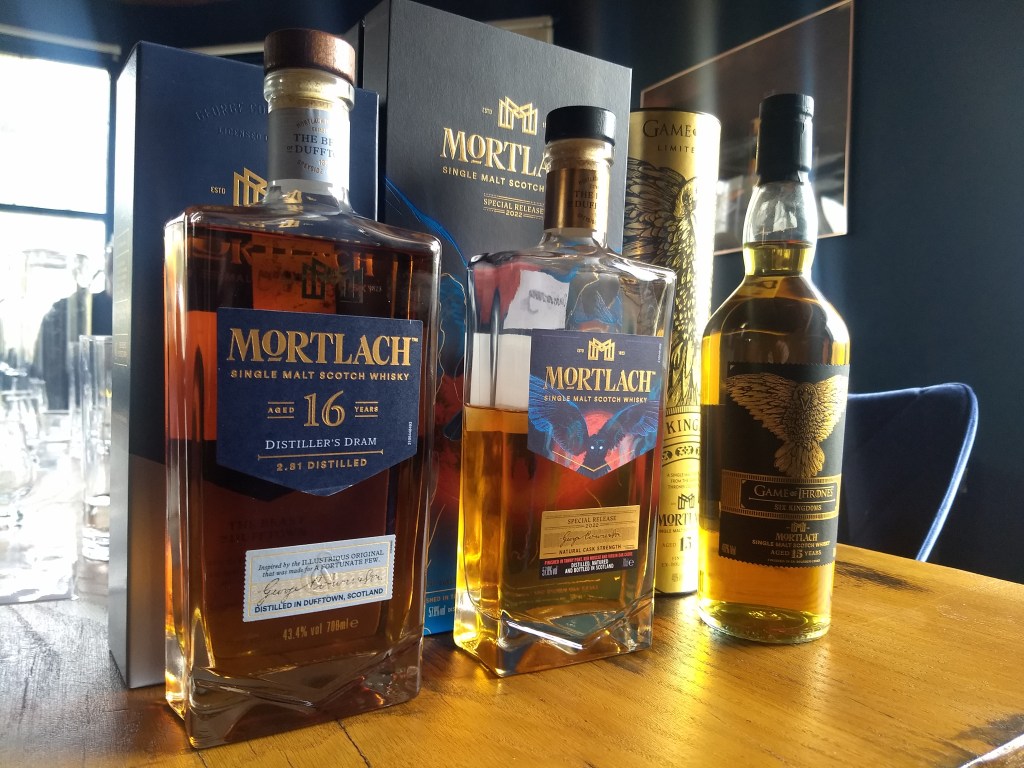
A core range was introduced in 2014 (with some controversial 50cl bottles) and revamped in 2018, while the current age-stated range includes a 12y (Wee Witchie), a 16y (Distillerโ€™s Dram), a 20y (Cowieโ€™s Blue Seal) and a 14y travel retail (Alexanderโ€™s Way), plus the occasional Special Releases. The newmake spirit is mainly filled in ex-sherry casks, although you can find some independently bottled ex-bourbon matured expressions (we have an 11y from Signatory Vintage, a marriage of 2 ex-bourbon hogsheads, which is quite tasty). Mortlach whisky is quite famous to be meaty, and thus considered a malt for seasoned drinkers. Fun fact, the 16y (very decent in our opinion) worked quite well every time weโ€™ve given it to friends (both beginners and casual whisky drinkers).

At the distillery we were given a welcome cocktail, a Mortlach-based Old Fashioned (this time with regular angostura, not the orange one like at Dailuaine), and the distillery manager, Kirstie, introduced herself. Sheโ€™s a graduate form the Brewing and Distilling Master at Herriot-Watt University, and of course extremely knowledgeable: her explanations definitely gave value to quite a pricey experience. We also bumped into a couple of barflies at the tour, Angus and Graham, met back in November at the Aqvavitaeโ€™s Blind Challenge in Glasgow.

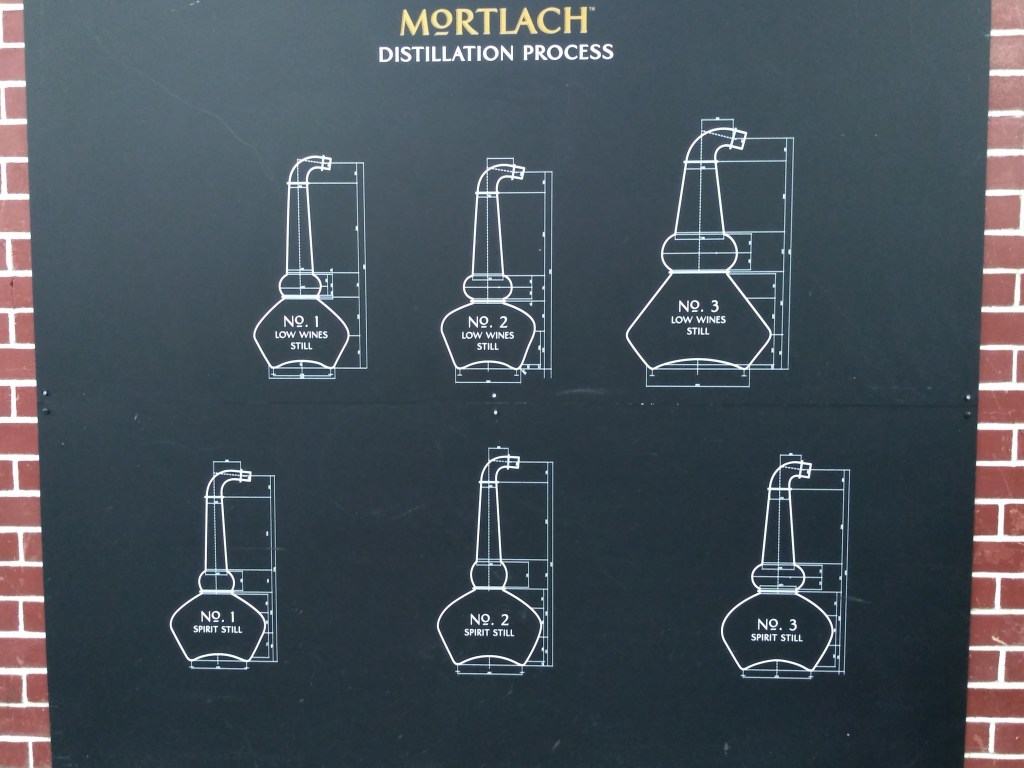
After the introduction, we started the proper tour: we moved outside in the courtyard, and then near the milling room, which hosts an old red Porteus mill. A notable difference was that they take a smaller cut of flour in their grist (8%) compared to other distilleries (usually 10%). In our understanding, one of the reasons is that their water to grist ratio is higher, 3.8 instead of 3.6. The mashtun looks very new, made of stainless steel and closed, with the usual window to check its inside. They only have two water runs instead of three, with the second being warmed up to get the sugars that are usually obtained in the third run (lasting 6.57 hours in total).

The walls of the fermentation room, where six Douglas Fir washbacks are located (wooden because of a combination of aesthetics and convenience, since they can be disassembled unlike stainless-steel ones, all replaced in 2016), are decorated with some nerdy facts about whisky making, like the formula to calculate the % abv of the wash using the gravity readings, and the graph showing the trends of different types of sugars digestion during fermentation. Their fermentation time is usually between 55 and 59 hours, never less than 50, and they work with yeast that can survive higher temperatures, around 35C.

Knowledge pill on the wall # 2.

We then moved to the still room with its 6 stills (3 wash- and 3 spirit-), very unusually of different shape and size. The distillation is very complex: wash-still #3 and spirit-still #3 are paired, and they work like in a regular distillery. The other wash-stills (#1 and #2) work together, but their distillation is (unusually) divided into two cuts, the first goes into spirit-still #2, while the second (heavier) gets re-distilled three times (with the other distillations feints) in the other spirit still, the Wee Witchie, and the cut is only taken every third distillation. If you are confused, no worries, we are too, but the idea is to provide different characters to the newmake spirit. Someone in the past made the calculation, and it turned out the spirit is distilled 2.81 times – it would be nice to see those equations (nerd alert! Nerd alert!).

As we moved outside, we could admire one of the other characteristics that made Mortlach popular: the 6 worm tub condensers, one for each still. It is believed this is what provides meatiness to the spirit. They are made of wood, except one which is made of metal because the wooden one started leaking – they told us it might be replaced at some point with a new wooden one. They take the cooling water for the wormtubs from the river Dullan, one of their 6 sources of water for all the process: remember that they produce between 3.5 and 4 million litres of alcohol per year! Finally, we ventured in the warehouse, where casks from many distilleries were resting, including many non-Diageo ones, surprisingly. Kirstie explained us the processes happening in maturation: additive (compounds from the wood affect the liquid), subtractive (compounds from the liquid are removed by the wood contact) and oxidative (the contact with air changes the liquid, as you will know if you ever had a bottle open for more than 4-6 months).

Back outside, Kirstie showed us where some buildings used to be, as well as their still existing but currently unused malting floor, on the other side of the road (at the moment part of it is used as deposit for the Dufftown Whisky & Heritage Centre). We went back to the meeting room to enjoy the (stingy, considering 80 quid) 3-dram tasting. These were the flagship Mortlach 16y (43.4%), Mortlach 15y Game of Thrones Six Kingdoms (finished in ex-bourbon casks and bottled at 46%) and a non-age statement (NAS) from the 2022 Special Release. Weโ€™re quite familiar with the 16y (we used to have it, and gifted some), and we had tried the 15y GoT once (nice to revisit), so we were very curious about the third, mostly because the RRP was insane for a NAS, well above ยฃ200. This expression was finished in Tawny Port, Red Muscato wine, Virgin Oak casks and bottled at cask strength (57.8%). Turned out, it was nice but not mind-blowing by any means, as youโ€™d expect considering the fanfare.

Overall, this was a great visit, and Kirstie contributed to make it as nerdy as expected, for such a peculiar distillery like Mortlach. The price is a bit steep, ยฃ80 for a tour and 3 drams (+ cocktail), so itโ€™s hard to recommend it. However, if youโ€™re at the right moment of your whisky journey, it is definitely one to visit, despite the price. For us, it was worth it, and we look forward to more deep dives like this.


The Mortlach Distillery Tour (Spirit of Speyside)

Price: ยฃ80.00 pp (April 2023)

Duration: 2hr

Tasting: 3 drams and a welcome cocktail, Mortlach 16 (43.4%), Mortlach 15 the Six Kingdoms (46%), Mortlach Special Release 2022 (NAS, 57.8%)

Target: a bit more seasoned whisky geeks and nerds

Value for money: not great

Highlights: the detailed tour and explanation of such a complicated distillation process

Recommended: only if you’re quite ahead in your whisky journey (see last paragraph above)

Link: https://www.malts.com/en-gb/brands/mortlach, https://www.spiritofspeyside.com/