#71.4 The North-eastern Highlands

One last stop on the Deveron: Macduff


TL; DR: The final stop of this story takes place along a small river called Deveron: at the Macduff distillery! Tucked into a small glen, this โ€œmodernโ€ Bacardi/Dewarโ€™s workhorse was open to the public over a weekend for charity. Another great tour, definitely worth the trip there!ย 

(missed Part 3/Part 2/Part 1?)

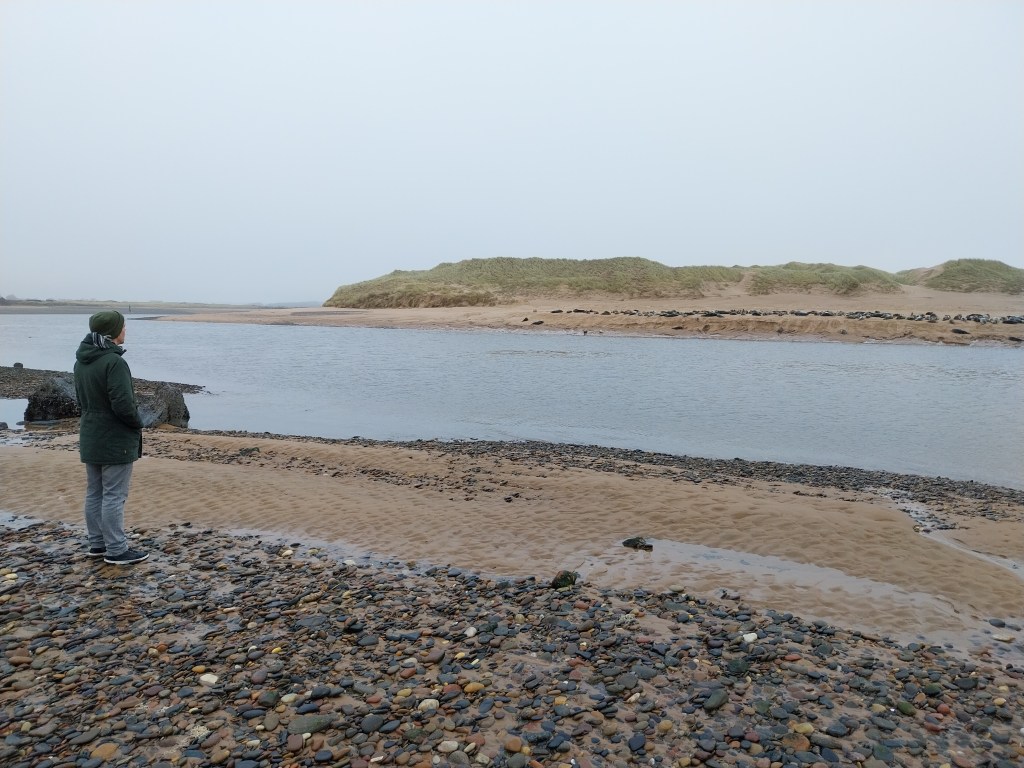
In the morning, we woke up rested. We could hear the sound of the sea in the distance: waves and seagulls, although it was sometimes hidden by the cars and trucks driving on the A90. It wasnโ€™t too cold, so after dressing up and putting away the rock-and-roll bed, we made coffee and had breakfast in the van. Then, we quickly left the parking spot. Because we had some time (our tour wasnโ€™t until noon), instead of heading straight towards our destination, we drove to Newburgh, just up north. We parked and after a short walk we arrived at the Seal Beach: opposite a small river, there was a colony of grey seals laying on the beach. A couple of researchers from the Aberdeen University told us they were counting them, using a drone to fly over and taking pictures.
A very enjoyable stroll, but it was soon time to go back to Mr Vantastic and get to our destination, the Macduff distillery. We had enough time to stop for a (very early) lunch in the village called Macduff itself, which is on the coast, divided from Banff by the river Deveron. The village looks a bit run down (maybe the overcast weather didnโ€™t help), but we found a very nice diner, the Seafront Cafรจ, where we had a warm and hearty soup.ย 

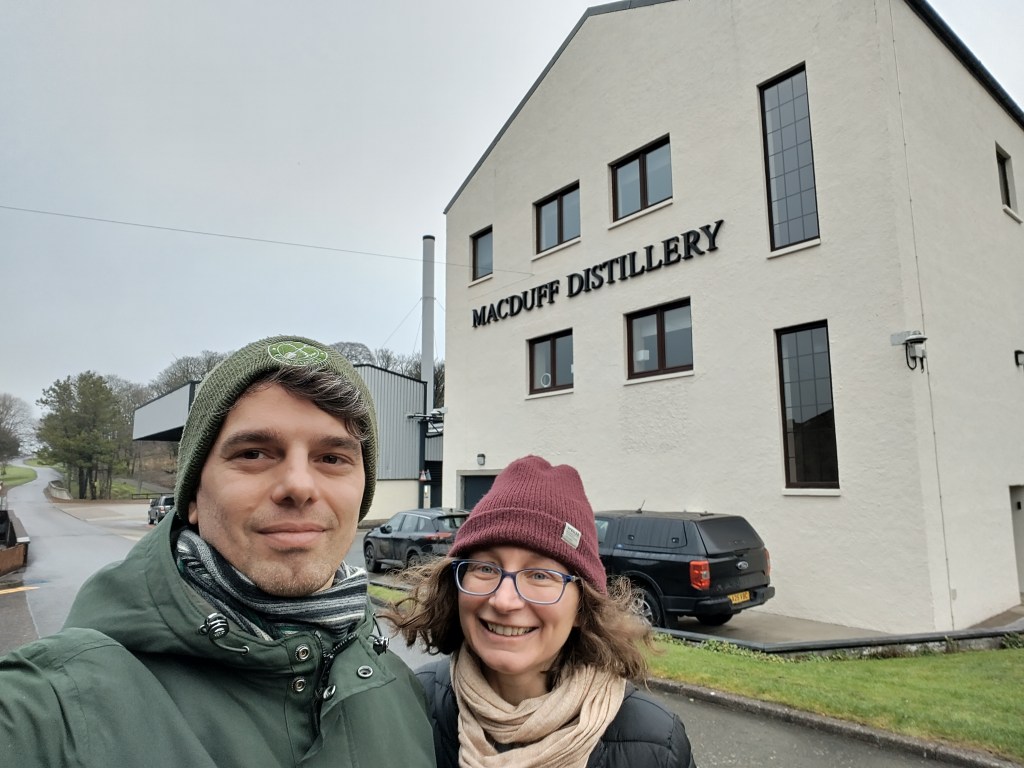
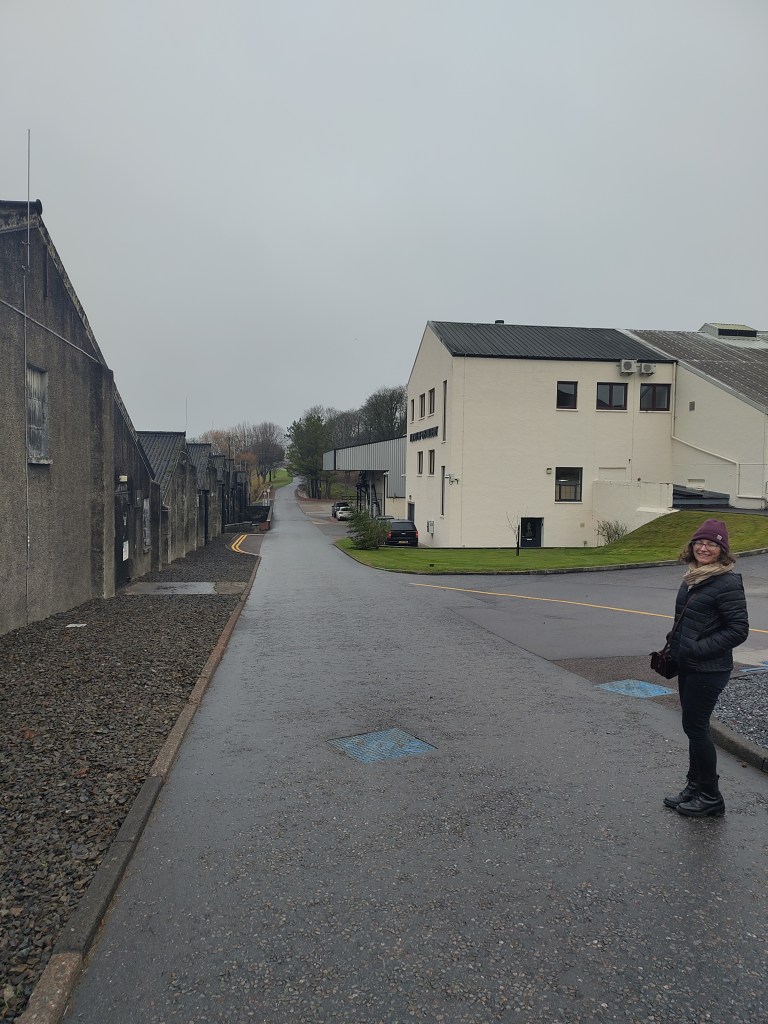
From there to the distillery it was only a few-minute drive: instead of turning right on the Banff bridge, we kept on the main road for a bit, and then turned right into a small road that led us straight to the distillery, at the end of a downhill. While production is in a (almost square) building on the left, a big warehouse is on the right. This is owned and used by Brown Forman, as we were told when at Glenglassaugh. We checked in and found the same team weโ€™d met at Royal Brackla, nice! This time we went on tour with Luke and David, the distillery supervisor, while the others took their lunch break. The crowd was mostly local people, which was actually great to see!
Compared the other distilleries we visited in this area, Macduff is almost the new kid in town: construction works started in 1958, and production started in 1960. Founded by a consortium of four businessmen from Glasgow, it was sold for the first time in 1964 and changed hands a few times, until landing in the Martini group, and then with Bacardi. At the time the distillery was state of the art. They never had a malting floor, but they used to have a cooperage on site. The spot was chosen because of its water source, the Gelley burn flowing into the Deveron just up the road. This water is used for cooling, while the water for the mash comes from a spring (we think) a few miles afield.

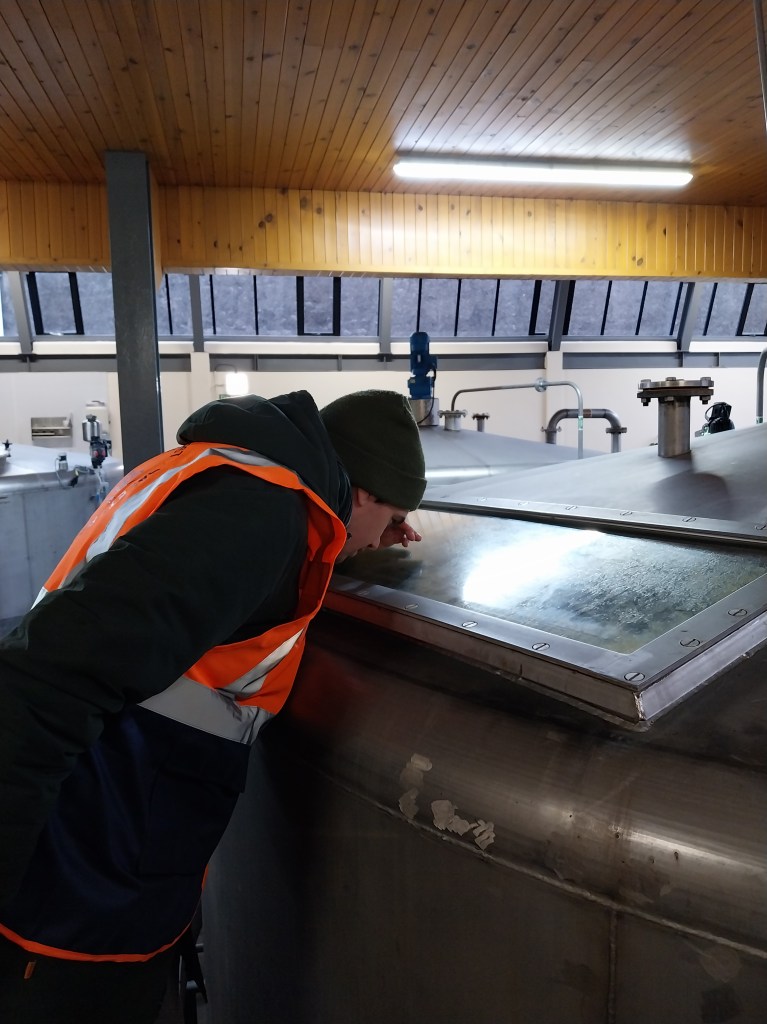
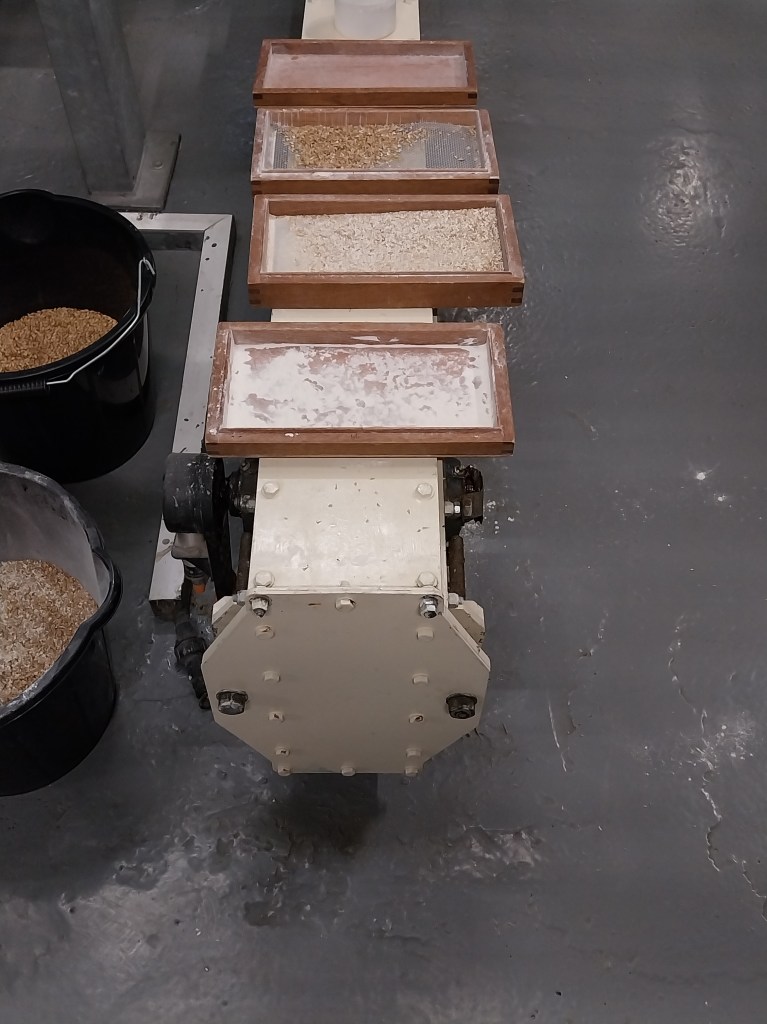
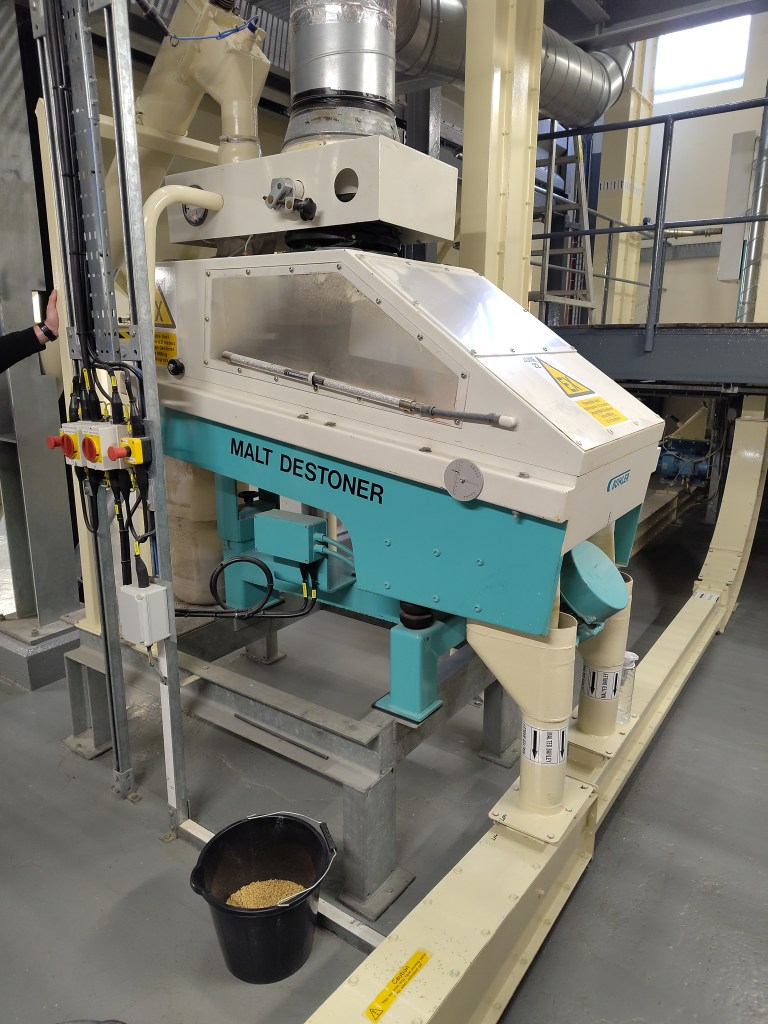
The malted barley, fully unpeated, comes from Baird and Simpsons, 28 ton per delivery (with 5-6 deliveries per week). At the moment they use Laureate, which allows them to produce 416 litres of spirit per ton of malt. In the past they used some peated malt as well, and last year they also tested chocolate and crystal malt for very limited batches. The malt is milled with a Buhler mill installed in 2007, a brand we saw several times around, especially in new distilleries. The grist has the usual husk/grit/flour ratio of 20/70/10, and is stored in a new grist bin, installed as part of a recent ยฃ3m renovation. For each of the 17 mashes they do weekly in the full leuter mashtun, they use 9 tonnes of malt, to which they add water at 63ยฐC. The second and third waters, the latter used for the following mash, are added at 75ยฐC and 85ยฐC, respectively. The full mash is then transferred to one of the nine steel washbacks, where liquid distillerโ€™s yeast is added after 7,000 litres are filled in. Fermentation lasts between 56 and 120 hours, depending on the day of the week it starts.
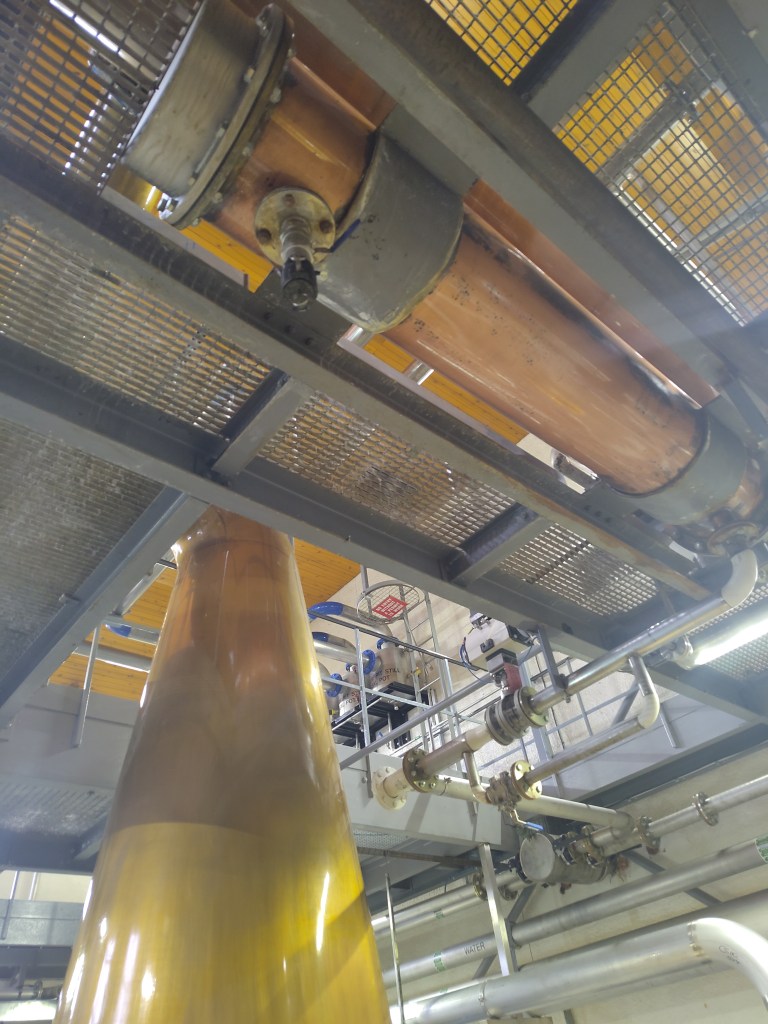
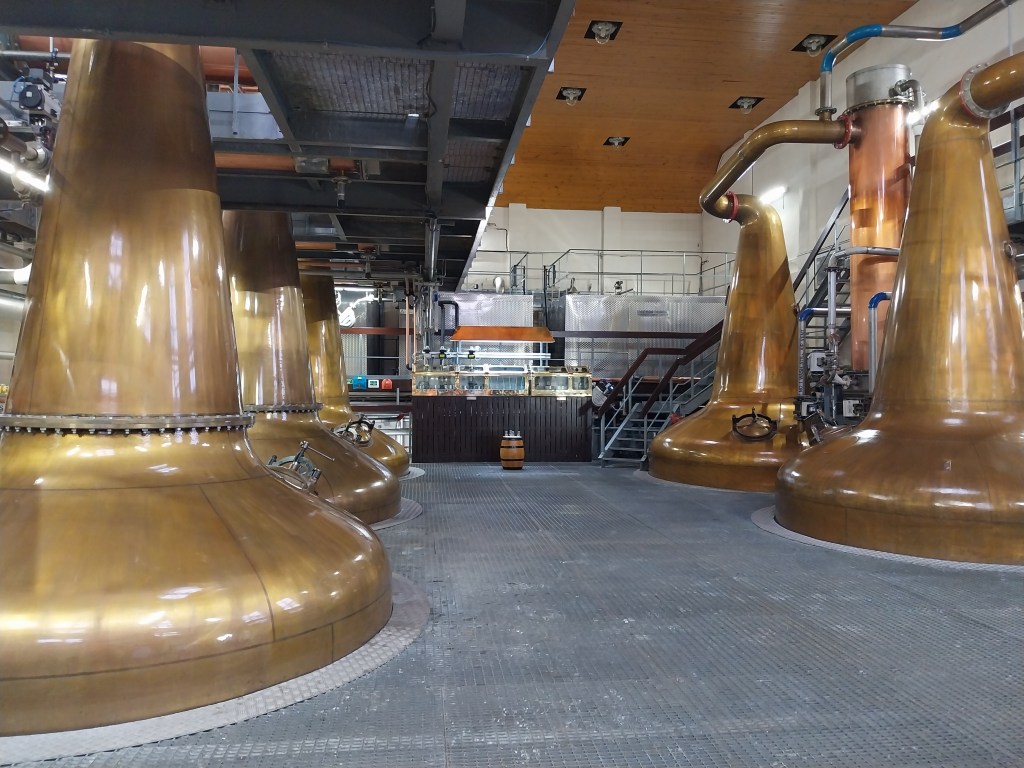
When we arrived in the still room, we couldnโ€™t help but notice the peculiar shape of the stills, and the horizontal condensers: everything was set up this way to save space. The wash still charge is 28,000 litres, while the spirit still one is 16,200, with a third coming from the foreshots and feints from the previous distillation. In the second distillation they discard about 300-litre of foreshots, and collect the spirit between 74% and 65%; in total the distillation lasts 10-12 hours. This year they produced about 2.8 million litres of pure alcohol, slightly less than previous years. A third of the produced spirit, which is shipped to Glasgow in tankers, is destined to the blended scotch whisky William Lawson (we never saw it here in Scotland, but it can easily be found in Italian supermarkets), a third to Dewarโ€™s, and a third is sold to other companies. Only a minimal part (0.5%) is bottled under either of their two current brands: Deveron or Glen Deveron. They took the name from the nearby river because they couldnโ€™t use โ€œMacduffโ€, too similar to a brand belonging to W. Grants. While the Deveron is for the UK market (you might see around a 10y and a 12y version), the โ€œGlenโ€ is used for the travel retail, although in our understanding this might change. 
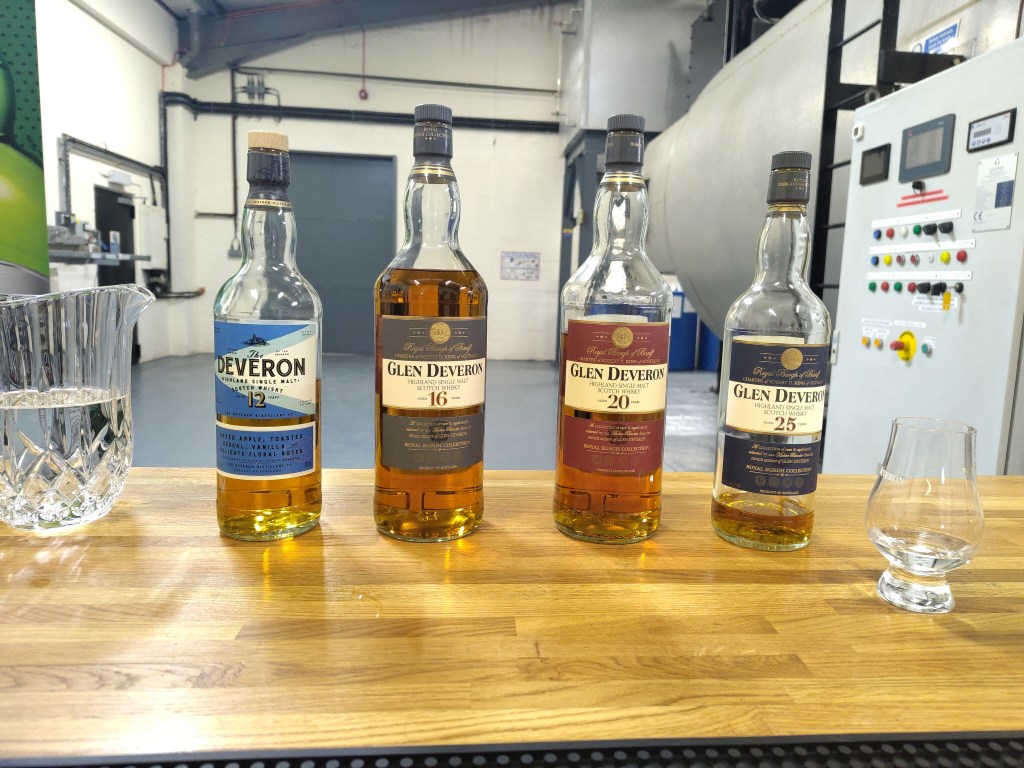
It finally came the time for the tasting! The 10y was skipped so the lineup started with the Deveron 12y: an inoffensive dram, bottled at 40%, from both ex-bourbon and sherry casks. It was followed by three Glen Deveron: 16y, 20y and 25y, again all bottled at 40%, and again from both ex-bourbon and sherry casks, except for the 25y which was exclusively from 1st fill and refill oloroso casks. They all went down very smoothly, probably because of the abv, but we struggled to grasp the character of the distillery. We know how good Macduff can be – one the best sherried whiskies we had (from the Electric Coo range) was a 12y Macduff from an Oloroso butt, truly great stuff! To their credit all the expressions were greatly priced for the day, in particular the 16y (ยฃ65) and the 20y (ยฃ90).

That was all, for the trip (we slowly drove back to Edinburgh) and for our series of distillery visits in the eastern Highlands. It was a nice wee string of tours in the space of a few weeks: it was great to see the new visitor centre at Glencadam, but the team at Bacardi/Dewarโ€™s really knocked it out of the park! Both visits at Royal Brackla and Macduff were excellent, interesting and nerdy (as we like it), but accessible for casual drinkers as well, and a great value. Itโ€™s crazy to think that we paid less for the last three distillery tours (Brackla, Glencadam, and Macduff) than for Glenglassaugh alone. Someone at Brown Forman might want to rethink their strategy.

Stay tuned for our next story in a couple of weeks! Until then, slร inte!


Macduff Distillery Tour

Price: ยฃ20.00 pp (December 2025)

Duration: 1hr 30min

Tasting: The Deveron 12y (40%), Glen Deveron 16y (40%), Glen Deveron 20y (40%), Glen Deveron 25y (40%)

Target: everyone

Value for money: great!

Highlights: the workhorse production plant

Recommended: absolutely, keep an eye on their socials

Link: https://www.thedeveron.com/

#71.2 The North-eastern Highlands

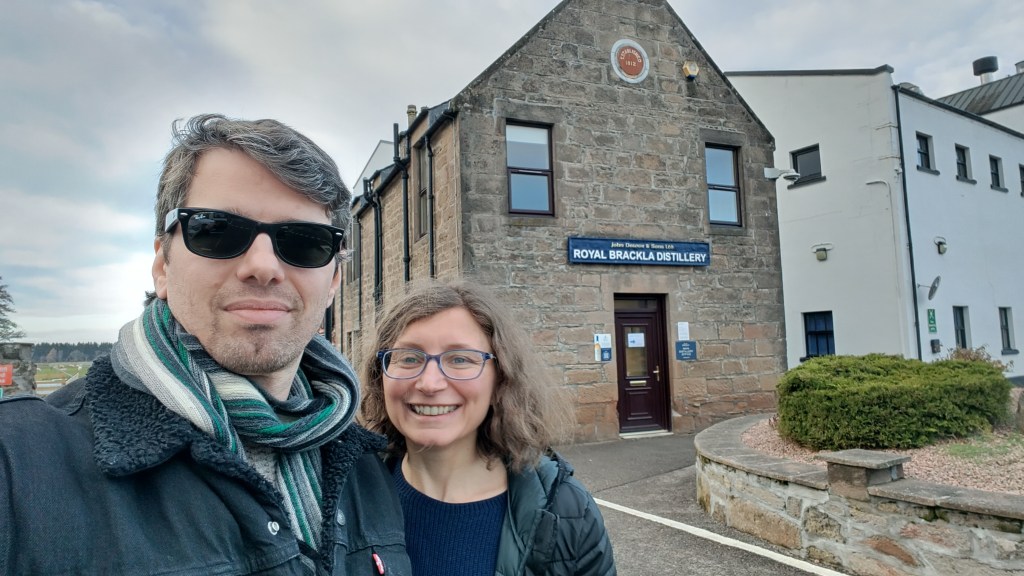
Feeling like royals at Brackla


TL; DR: Another tour in the north east, this time at the mighty Royal Brackla. Tucked away near Inverness, itโ€™s usually closed to the public, so when the chance to visit arrived, we couldnโ€™t say no. It paid off, the tour was great, and it finished with a fantastic tasting!ย 

(missed Part 1?)

About a month after our trip to Glenglassaugh, we were on the road again, and again in the East Highlands! This time, however, our destination was much closer to the A9 and to Inverness: Royal Brackla Distillery. This distillery, owned by the Bacardi/Dewarโ€™s group (together with Aberfeldy, Craigellachie, Macduff and Aultmore) is usually closed to the public: how come we visited it, then? Well, the answer is: charity! The company decided to run two open weekends, one at Royal Brackla, the other at Macduff distillery, and donate the revenues to local charities. And who are we to say โ€œnoโ€ to visiting a distillery for charity? Once we learned about this on the Edinburgh Whisky Group chat, we snatched two tickets for each distillery right away.

The first of the two weekends was at Royal Brackla, which opened for two days (Saturday and Sunday), with three tours each day. We picked the last tour on the Saturday, at 2pm, thinking we might spend the night away (spoiler, at the end we didnโ€™t). We left the city in the morning, aiming to get lunch near the distillery. After an uneventful drive on the A9, we went to the Hillhead Cafรจ in Tornagrain: Gianluigi had stopped there previously after fieldtrips to a nearby farm, so already knew it was a nice one. From there, we drove a few extra minutes, as the distillery is right after Cawdor, on the left, past the burgh where the popular Cawdor Castle is. Visiting the distillery (when they are open) and the castle could actually be a nice combo.

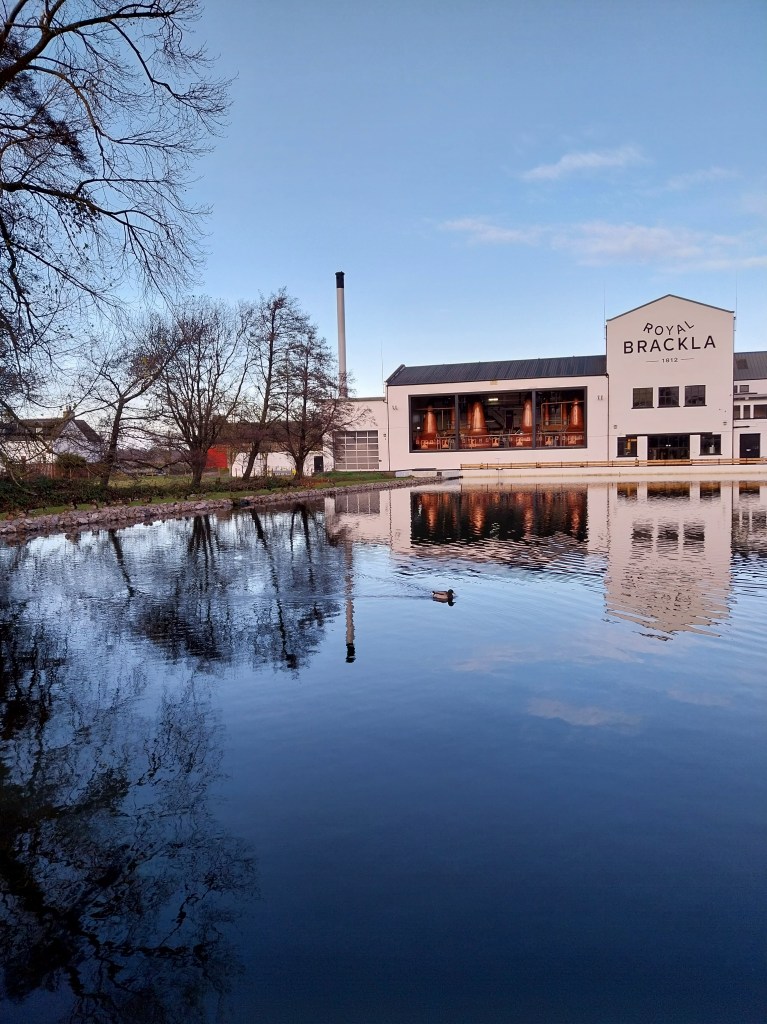
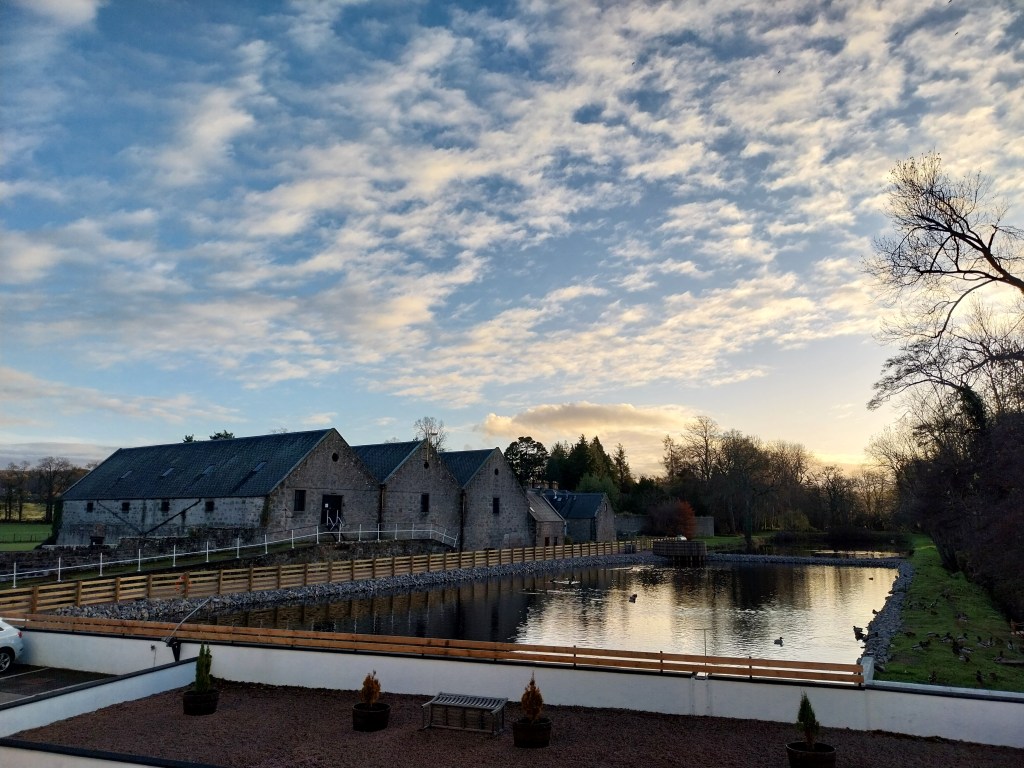
It was a cold and sunny day, with some clouds, and being the end of November in the Highlands, at 2pm the sun was already starting to go down. When we arrived at the distillery, it was still caressing the landscape with a beautiful light – a fantastic atmosphere. We parked near a lovely old brick building, which hosts the distillery offices. The staff set up a room in a building just next door, with a big screen and a pop-up shop; as we checked in, they gave us a high visibility vest. We were accompanied on tour by Mike, Matthew, Luke and the distillery manager, who walked us to two recently renovated ponds, holding the water for cooling. At the end of the second one there is a wooden deck made from a former washback. From there, we could see a flock of mallards, permanent residents of the pond.

While on the deck, Mike talked about the history of the distillery: founded in 1812 as Brackla by Captain William Fraser, formerly in the military, but born locally. Thatโ€™s quite early, compared to the many distilleries founded between 1823-24. Because of the resentment of the illicit distillers in the area, he struggled to sell his whisky locally, so he took advantage of the near Inverness port and of his connections in the army, to send it all over Great Britain, as far as London. The royal warrant, the first one in scotch whisky, was given by king Willian IV, apparently very fond of Brackla. The distillery was shut during both World Wars, and for five years during the Whisky Loch of the 1980s. When Diageo was formed in the late 1990s, they sold Dewarโ€™s to Bacardi, including Royal Brackla and the other four aforementioned distilleries.

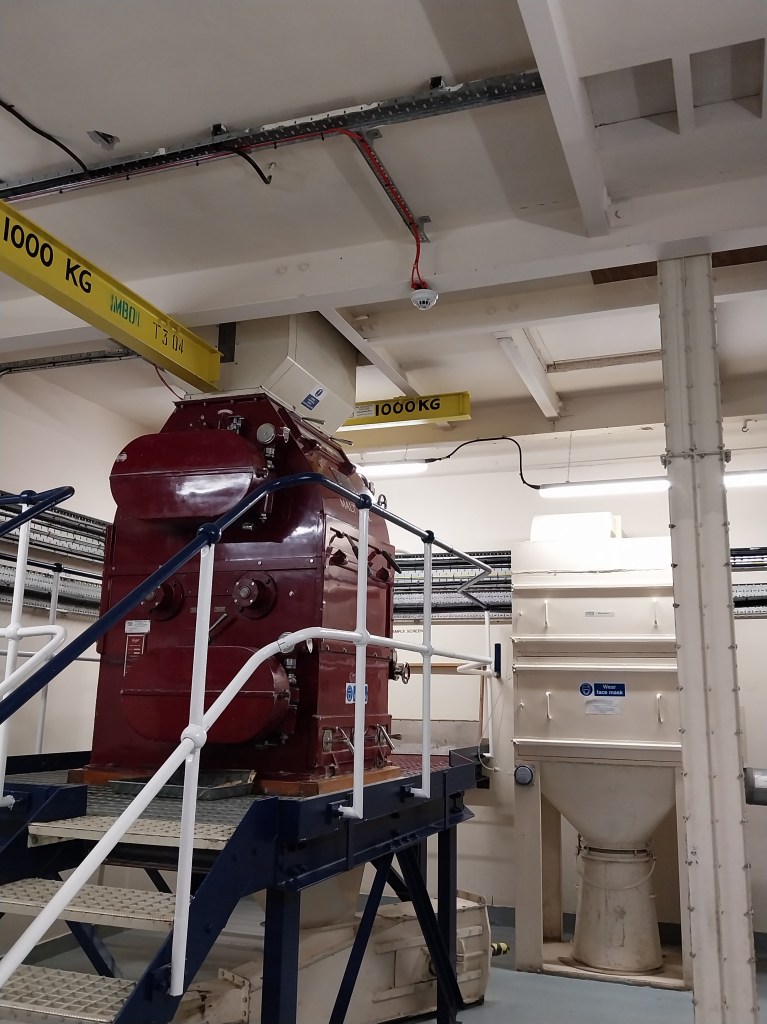
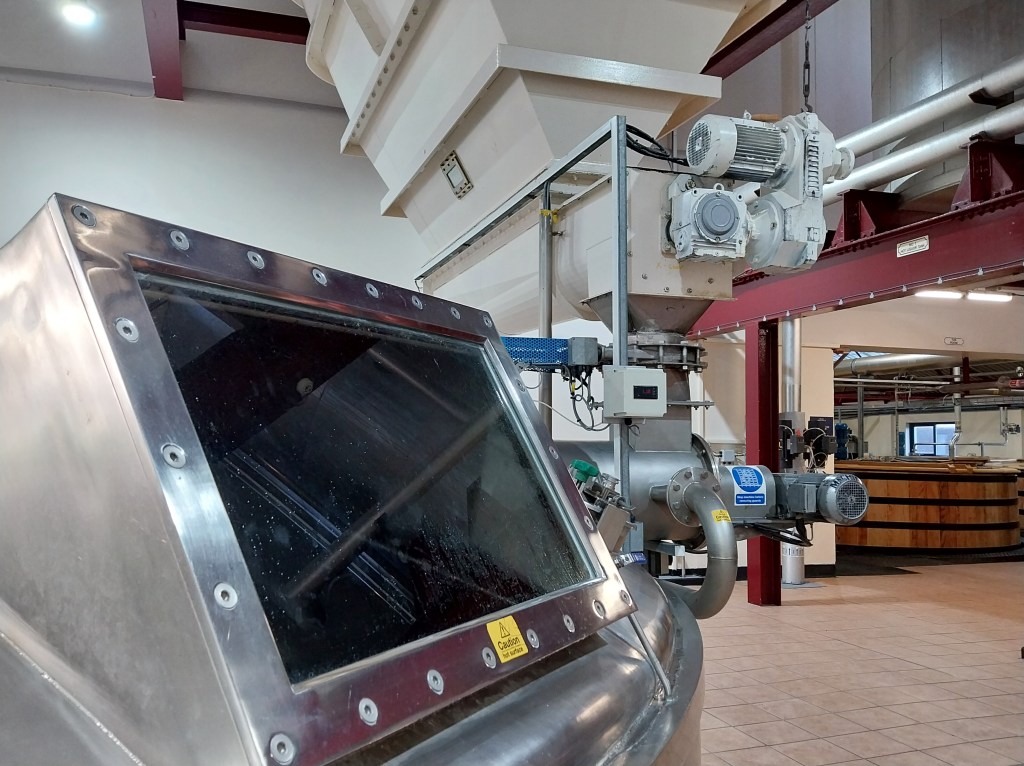
Back at the distillery, we started on the nerdy production details right away: the malt, fully unpeated, comes from Beards, mostly sourced in the Black Isle, and stored in one of the 14 malt bins. Currently it is a 50/50 blend of Laureate and Sassie, crushed into grist by an old Porteus mill, in the usual husk/grit/flour ratio of 20/70/10. They mill for 2-3 hours, twice a day, to run 11 mashes per 5-day week. They scaled production down from 7 days because of the current climate, but before they used to distil 4.4 million litres per annum. They also reduced personnel from 10 to 8 operators. Each mash uses 13-ton of grist, and the two waters (as usual, the third is used as first water in the next mash) result in about 58,000 litres of wort, which is then split into three washbacks. There are eight washbacks in total, two stainless steel ones outside the building and six wooden ones inside. Apparently the latter provide better yield.

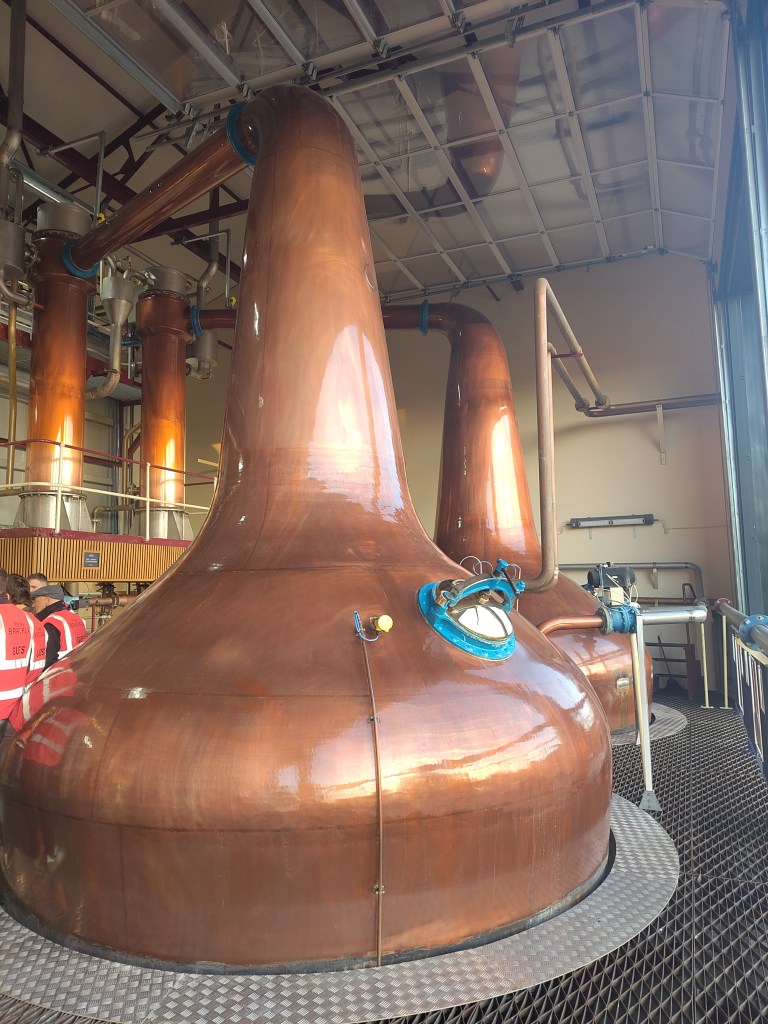
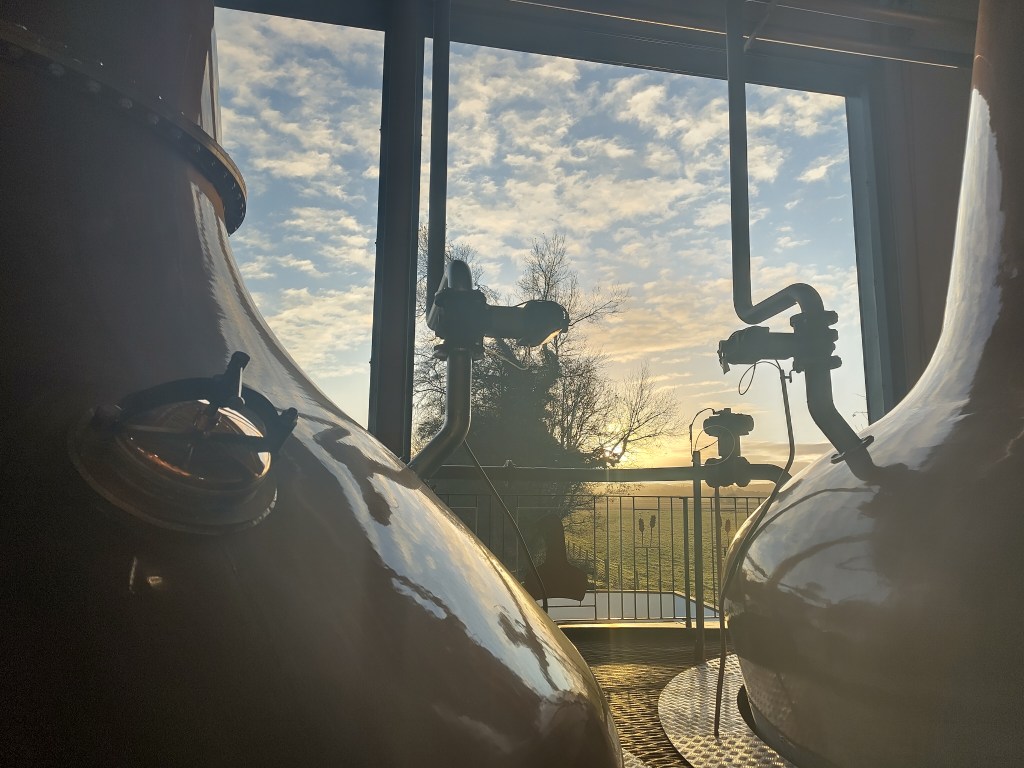
Fermentation is kickstarted by Lallemand cream yeast and lasts 60 hours minimum, but it can be around 115 hours if it goes over the weekend (considering they are working five days). The still room was probably the best part, with the four stills (two wash and two spirit stills) aligned behind the window, from which we could see the ponds. Again, because of the light, the view from there was spectacular.

Back to technicalities, the stillsโ€™ steam is generated with either an LPG or a biomass boiler (they have one of each). About the latter, they commented that while it reduces their carbon footprint substantially, it is hard work to make it run. In the second distillation, after about 30 minutes of foreshots, they start collecting the spirit from 76%abv down to 64%, and it takes 5 hours to get about 5,000 litres of spirit. Everything is put into tankers and shipped to Glasgow for maturation, where it is filled into casks at a strength of 64% (a slight departure from the usual 63.5%). The fact that they donโ€™t store any cask on site surprised us, as weโ€™d seen a big warehouse on the road to get to the distillery. That is actually owned by ACEO Spirits (also owning Dallas Dhu distillery) โ€“ mystery solved.

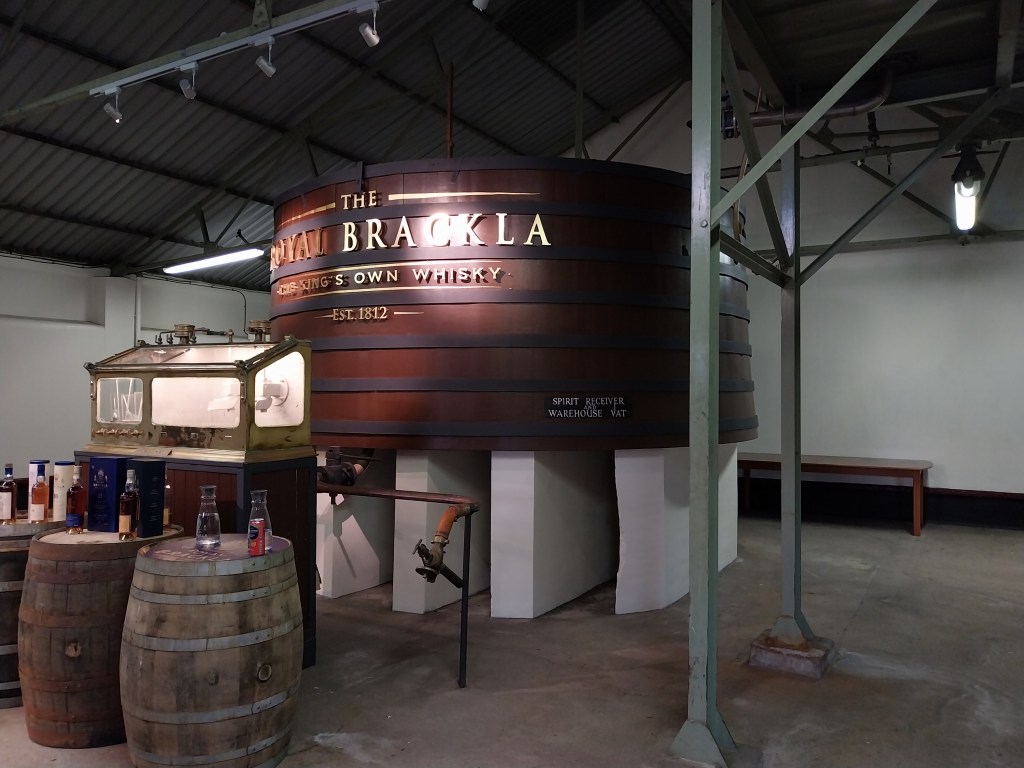
We then entered a building that used to be a filling station, with a big dominating the space. This is where we had the tasting. To note, their single malt range underwent a revamp in 2020, moving away from fully oloroso sherry matured whisky and all bottled at 40%, with everything now at 46% (or above) and natural (no chill-filtered, no added colouring).

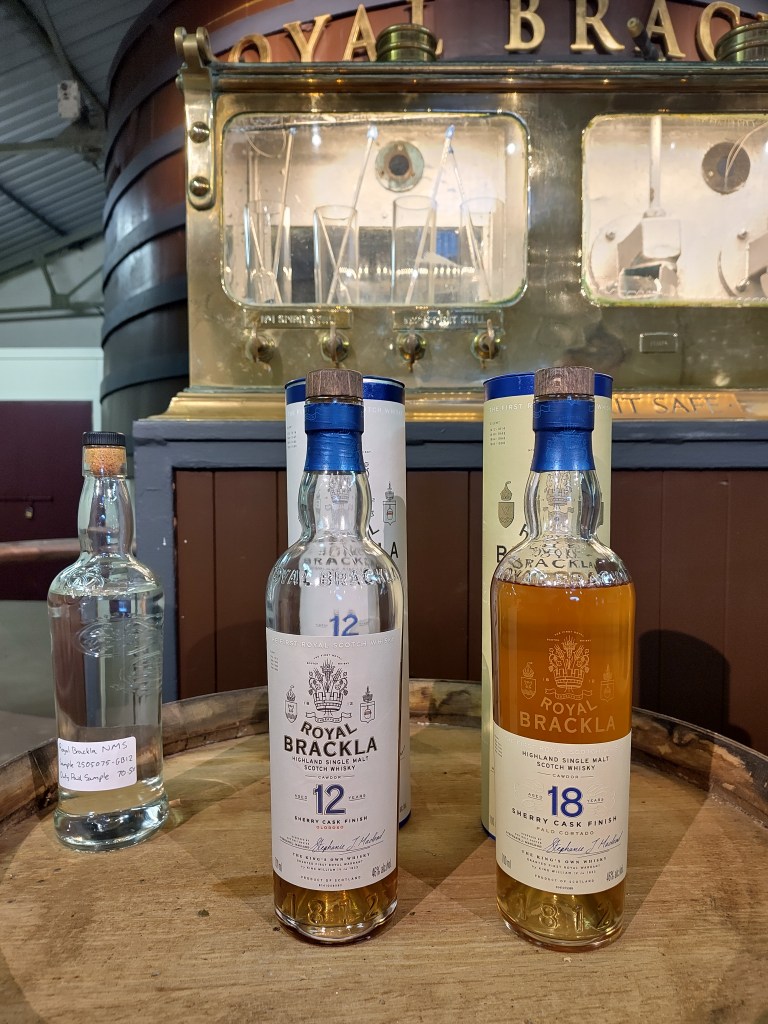
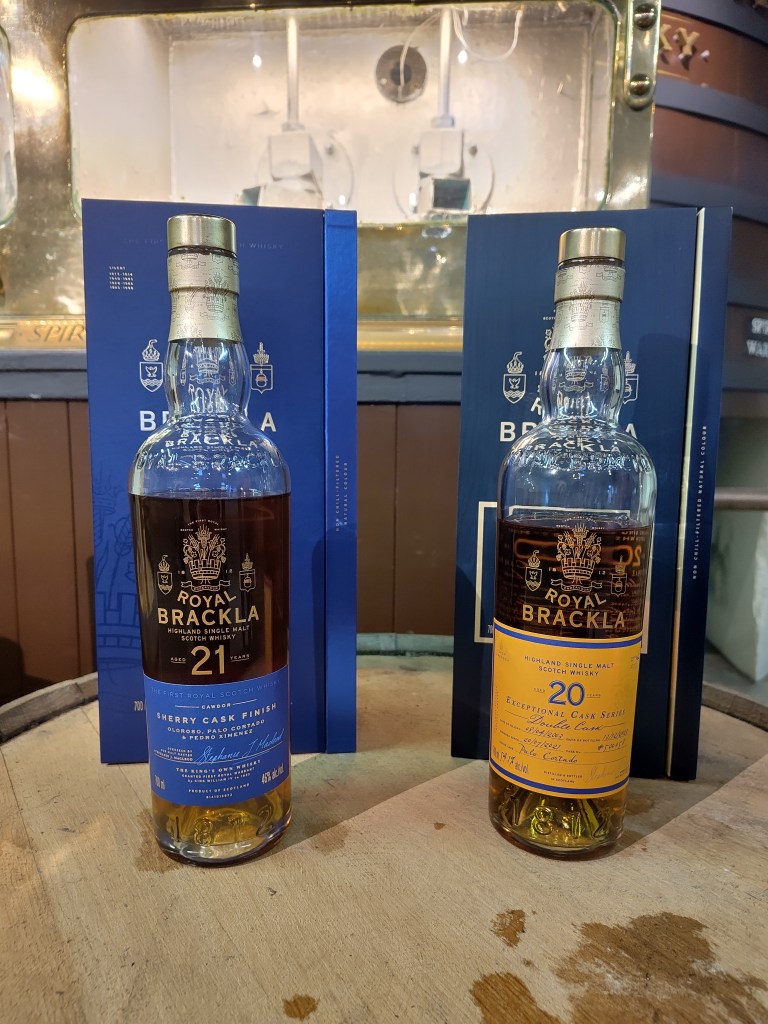
We started with the current 12y (46%), a mix of ex-bourbon and finished in Oloroso casks, a very solid dram. Then, we tried the 18y (46%, finished in Palo Cortado), which was stunning, and then we tried the 21y (46%), from three types of sherry casks: Oloroso, Pedro Ximenex and Palo Cortado. With the final dram, we went up in abv: 54.1%, a 20y Exceptional Cask bottling, matured in refill sherry casks but finished (again) in Palo Cortado. All great drams, but the 18y won it for both!

That was the end of our day, as we slowly drove back to Edinburgh. When we first learned about these tours, we were a bit worried about the price, especially considering some recent expensive distillery visits. The fact that it was ยฃ20 per person (in line with the other Dewarโ€™s tours at Craigellachie and Aultmore during the Spirit of Speyside) shows how other producers are literally taking the piss! On top of a fantastic tour of a very pretty distillery, with a great team showing us around and answering our nerdy questions, they offered us a fantastic tasting with an array of delicious drams. We were already aware of how good Royal Brackla could be, but it now has a special place in our hearts (and livers).

Stay tuned for another distillery visit in the north east, this time much eastern, coming next week! Until then, slร inte!


Royal Brackla Distillery Tour

Price: ยฃ20.00 pp (November 2025)

Duration: 2hr

Tasting: Royal Brackla 12y (46%, Oloroso finish), 18y (46%, Palo Cortado finish), 21y (46%, Oloroso, Palo Cortado, PX finish), Exceptional Cask 20y (54.1%, refill Oloroso + 2y Palo Cortado finish)

Target: everyone

Value for money: great!

Highlights: the view from the still room, but the distillery in general

Recommended: absolutely, keep an eye on their socials

Link: https://www.royalbrackla.com/


#25.3 Highlands trip bonanza!

Back to Edinburgh through Aberfeldy and Pitlochry


TL;DR: The final day of the trip was dedicated to slowly driving back to Edinburgh. Still, we were able to fill the day with a few distillery visits: Aberfeldy first, followed by Edradour and Blair Athol! Phew

(missed Part 2/Part 1?)

We woke up early that day, skipped breakfast, and drove straight to the ferry terminal at Fishnish, on the Isle of Mull, to catch the ferry back to the mainland under the morning sun. After a quick ferry trip (we believe itโ€™s the quickest Mull route), we arrived in Lochaline, on the Morvern peninsula (home to another distillery, Ncโ€™Nean, which at that time we didn’t even know existed). We had breakfast, finally, at the Lochaline Snack Bar, which serves delicious sandwiches, rolls, and other goodies at very reasonable prices. We enjoyed our breakfast in the good company of a nice English couple, who told us how they decided to spend their retirement on Mullโ€ฆnot a bad idea at all!

Not a bad morning!

Back in the car, we soon arrived in Corran for another quick ferry (this time just to save us over an hour drive), and then drove for the first time through Glencoe: what an incredible place! It felt like being in the middle of American canyons, but green.

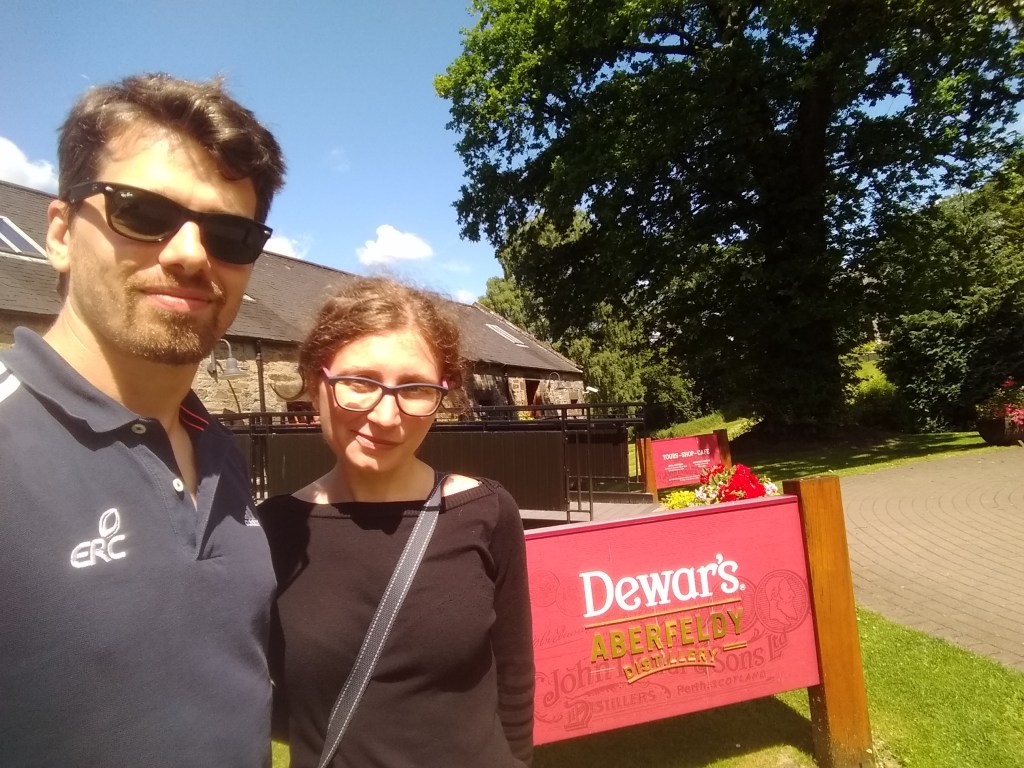
We followed the road to Bridge of Orchy and Tyndrum, then we turned left (eastward) and drove almost straight towards the first distillery of the day: Aberfeldy! It was not a new name for us, we had seen it in supermarkets and at the airport, but we had never tried it before, so we were quite curious. The distillery is in the village ofโ€ฆ.yep, you guessed it: Aberfeldy! Lovely place, the landscape was not as dramatic as the ones we had crossed earlier in the morning, but hilly and cosy. The distillery itself sits in quite a beautiful spot, almost like a postcard, with a small walking bridge to cross before entering the visitor centre.

Teresa wasn’t ready for the picture.

The distillery is owned by Bacardi, together with Dewarโ€™s, one of the most prominent blended scotch whiskies, and a few other single malt distilleries (Craigellachie, Royal Brackla, Aultmore and Macduff). Before the tour, we could take a look at the museum on site, with lots of memorabilia and documents about the history of John Dewar and related brands.

Then, we started the tour of this very pretty distillery. Around production, the signals of being owned by a big corporation were obvious, with a lot of signs that reminded Gianluigi of his environmental consulting days (not a bad thing, on the contrary: emphasis on environment and safety are a must!). It is on this tour that we realised that we could remember all the stages of productionโ€ฆafter all, that was the 5th distillery in 4 days.

At the time we didn’t really know what it was…

Then, we moved on to the warehouse, where a dram taken from a cask was served, but only to those with a more expensive ticket (3-4 people on the tour, including Teresa). It was a 1999 (so almost 20y old) Aberfeldy ex-sherry cask, and it was truly delicious. The fact that it was served with people with the regular ticket just waiting and watching was not the best however, a bit awkward. Anyway, back at the visitor centre, we could try a dram each: we chose the Aberfeldy 12 and the Dewar’s White Label. Not very memorable the first one, more memorable (but not in a good way) the second one.

We had lunch at the cafรฉ in the visitor centre, but we soon left to get to the next distillery of the day: Edradour! It is a very small distillery, located near the village of Pitlochry. It used to be one of the smallest, if not the smallest in Scotland (called โ€˜the little gemโ€™), but then they lost the record because a few smaller distilleries opened and because they built a second production line in a separate building on site, increasing the stills from 2 to 4. Edradour is owned by Signatory Vintage, an independent bottler, and indeed the shop stocks quite some of their range.

Ready for the second tour of the day.

This time, drams were served at the beginning of the tour (so Gianluigi could sip a tiny bit of it): we picked the flagship Edradour 10 (40%) and the peated version Ballechin 10y (46%), and decided not to go for the whisky cream liqueur. We started the tour with a big German group, but after a while, we and another 3-4 people branched off to get the tour in English. As usual, the tour guide went through the story of the distillery, which was founded in 1825, although their first single malt was only released in 1982! We visited the new distillery first, while the old production plant was showed to us from the courtyard as we walked back to the visitor centre. It is on this tour that we discovered what the โ€˜monkey shoulderโ€™ is. At the shop, we found out that for a few extra quid, we could get the Signatory Vintage version of Edradour, still 10y old and vintage 2019, bottled at 46%, non-coloured and not chill-filtered: a very delicious treat to ourselves! We also got the whisky cream liqueur for a friend, who gave absolutely positive feedback!

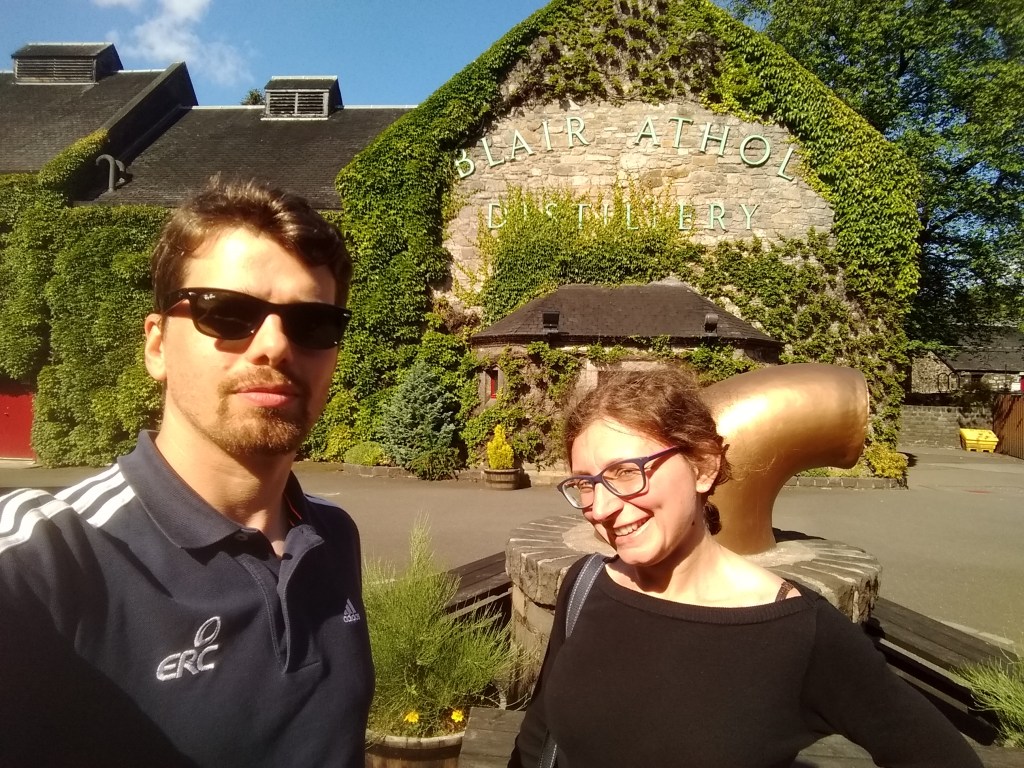
Back in the car, we drove towards the final stop of the trip, the neighbouring Blair Athol distillery, in Pitlochry. We went first for a coffee in the village (the early start was catching up on us), and then checked in at the distillery. After a bit, our host for the day, the very knowledgeable Calum, took us to the table for the tasting (after two tours in a day, we didnโ€™t feel like going for the third oneโ€ฆWell, we would catch up later on).

We can’t remember whether this was before or after the tasting…

We hadnโ€™t had any Blair Athol before, and actually rarely heard anything about it, so we werenโ€™t surprised when Calum explained to us that the majority of the whisky produced there goes into blends. Now that we are a bit more experienced, we can say that Blair Athol drams can be fantastic, but mostly the independently bottled ones. There, we were given Blair Athol 12y and Distillers edition 2019, followed by a range of Diageo products: Cragganmore, Caol Ila and Lagavulin Distiller Editions, and a wee tiny sip of Johnnie Walker Blue Label – the first and only time we tried it, not impressed (instead, we determined that the much cheaper Green Label we had at home was more enjoyable). After collecting โ€œourโ€ driverโ€™s drams and a quick stop at the shop, we finally drove home.

It was a cracking weekend, one of the most memorable ones, and we took so much in from all these distillery visits. Itโ€™s when we switched from being whisky curious to whisky enthusiasts! Some of the experiences were quite touristy, which was OK with us at the time, but would not suit us well today after n more distilleries tours and tastingsโ€ฆWe really appreciated Ardnamurchan for their environmental forward thinking (well, now we appreciate them ALSO for the stunning quality of their whiskies), while the range we tried at Tobermory was incredible. Edradour and Ben Nevis were unknown to us previously but revealed themselves as little gems in the scotch whisky landscape. Overall, a fantastic trip!

Until next time, slainte!


Distillery Links

Aberfeldy: https://www.dewars.com/gl/en/aberfeldydistillery/
Edradour: https://www.edradour.com/
Blair Athol: https://www.malts.com/en-gb/distilleries/blair-athol